The cut is the single biggest lever you have for making fine, thin hair look fuller — more than any product. The shapes that work all do the same job: a strong weight line and soft, point-cut internal layers that build the illusion of density instead of thinning already-sparse ends. Below are 30+ stylist-tested galleries for fine and thin hair, organized by length, by decade, and by cut — plus how to choose the right one and the exact words to bring your stylist.
 SB
SBFine hair is about the diameter of each strand; thin hair is about how many strands you have. Most of the frustration — flatness by noon, a part that keeps widening, ends that look see-through — comes from a cut that fights those traits instead of working with them.
If you're not sure which you're dealing with, start with how to tell fine hair from thin hair, because density decides how much you can layer. And if you want the shape matched to your features, our face-shape guide makes every gallery below make more sense.
When a fine-haired client sits down and says "I want it fuller," I don't reach for thinning shears — I reach for a heavier perimeter. The instinct to "texturize" or "add lots of layers" is the most common mistake I undo.
On fine hair, weight is your friend: a blunt or graduated line makes the hair you have read as more, and any layers should be point-cut softly inside the shape, never razored into the ends. If a stylist wants to razor-cut or heavily thin fine hair, that's your cue to ask for a second opinion — and if it's already happened, over-thinned fine hair has the grow-out plan.
SBEvery gallery is cut for fine and thin hair specifically. Filter by shape, or scroll the full set.


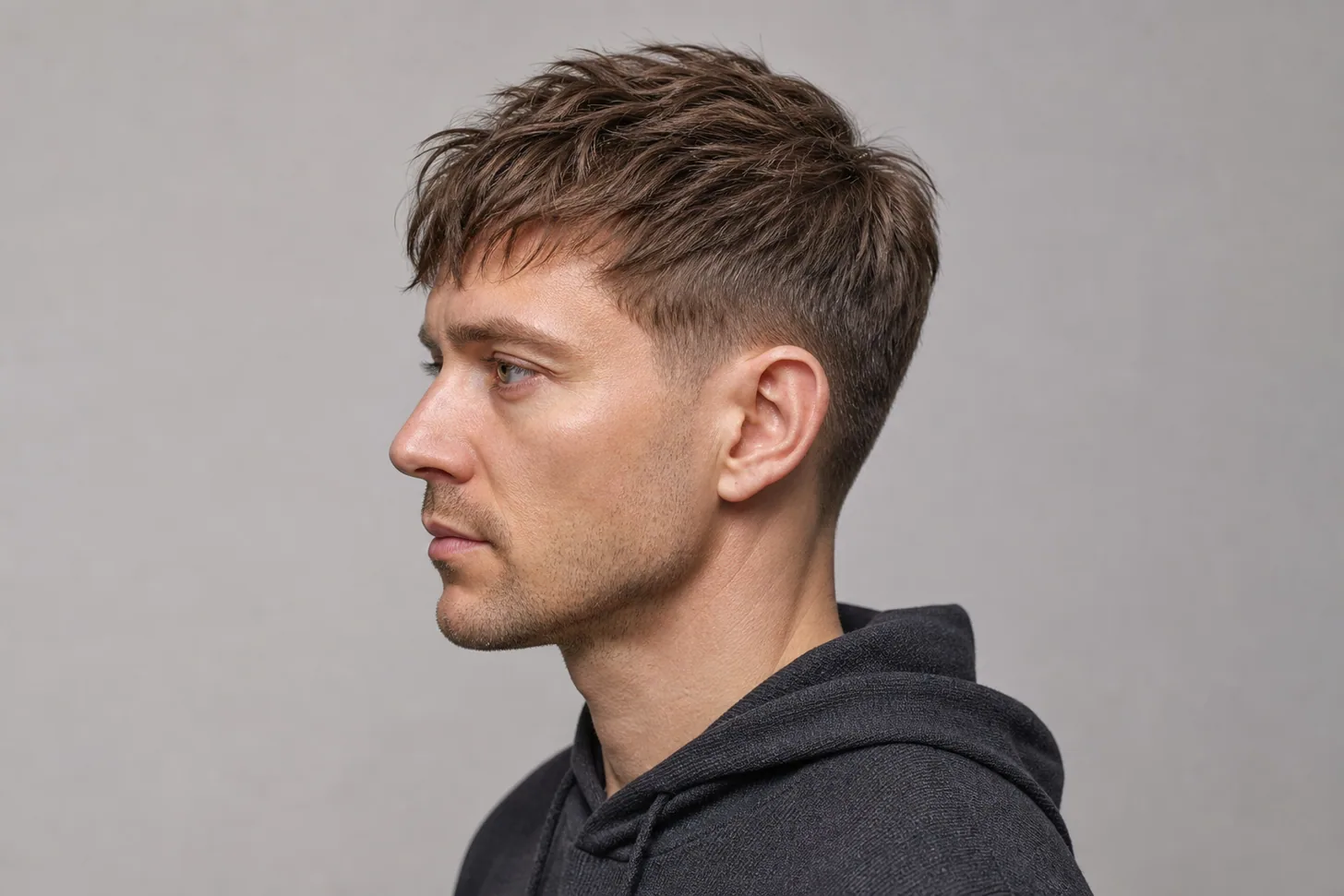




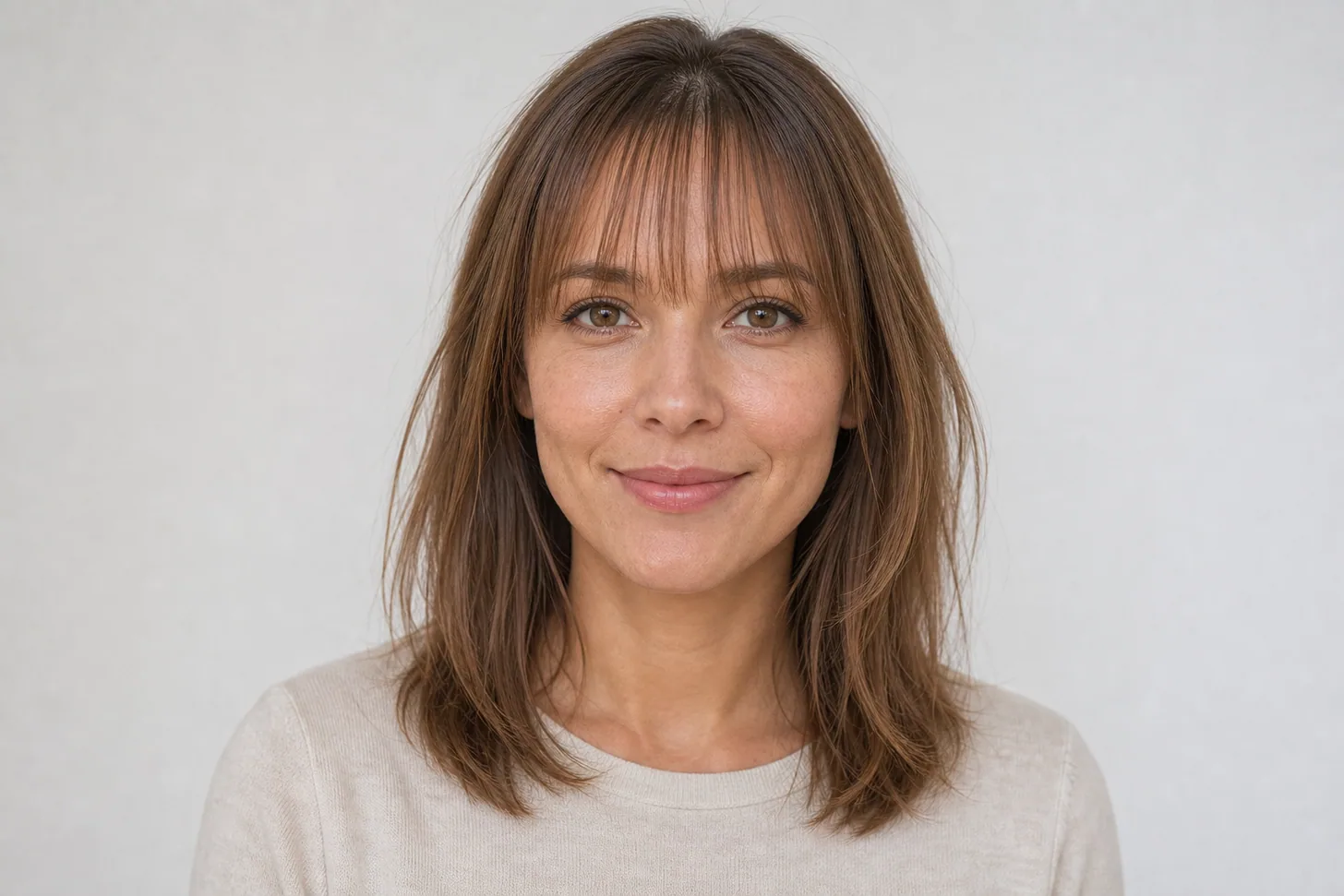
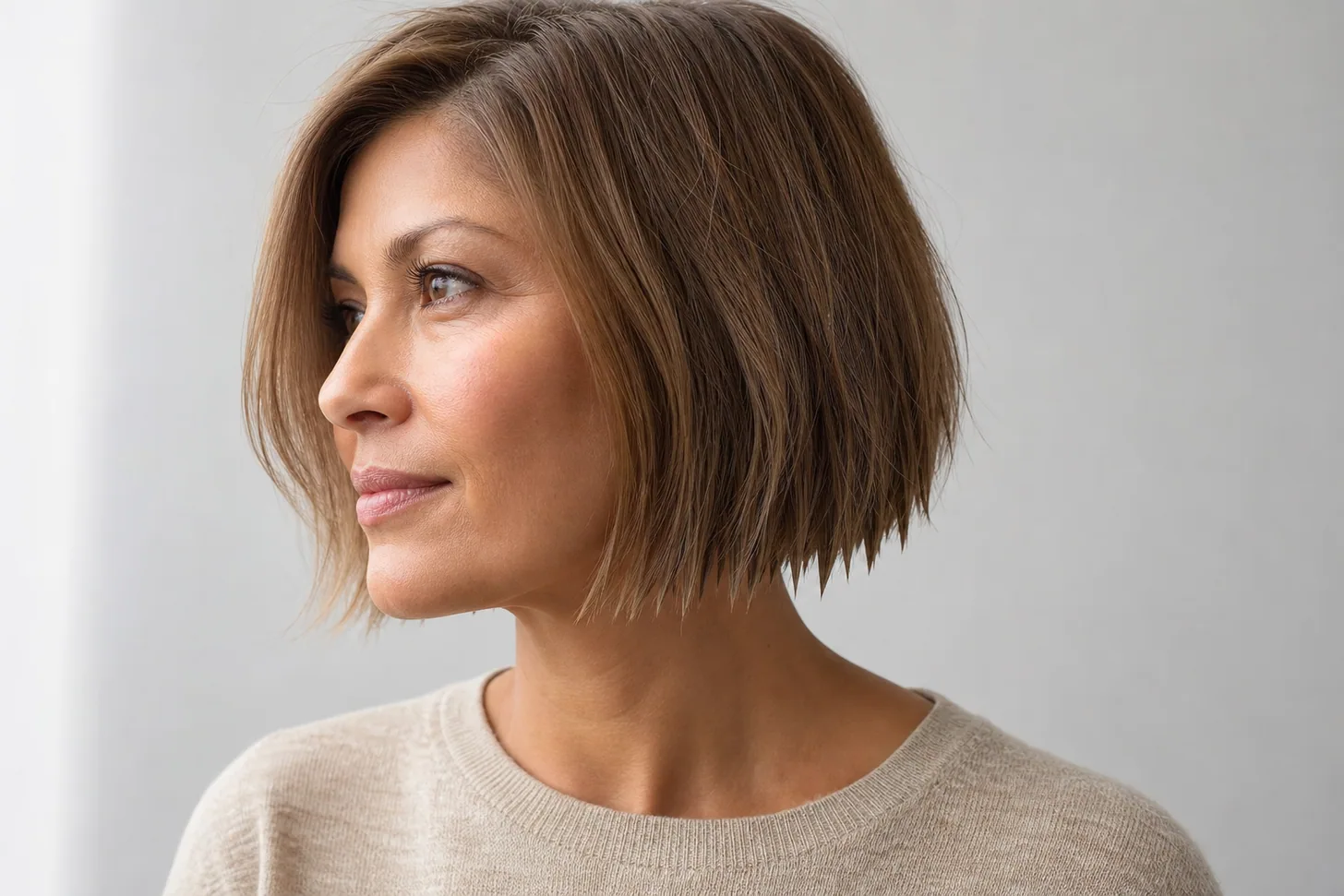
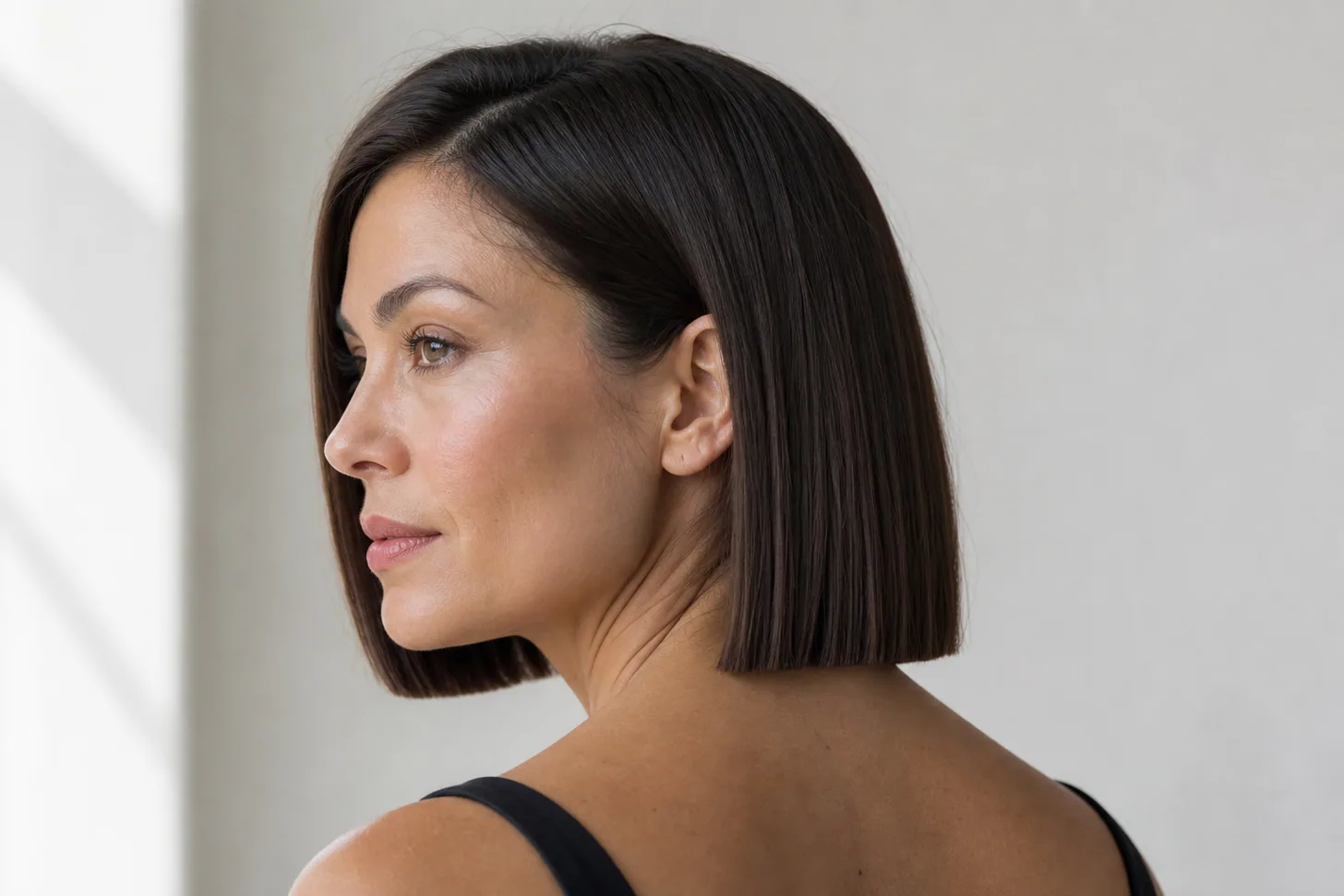
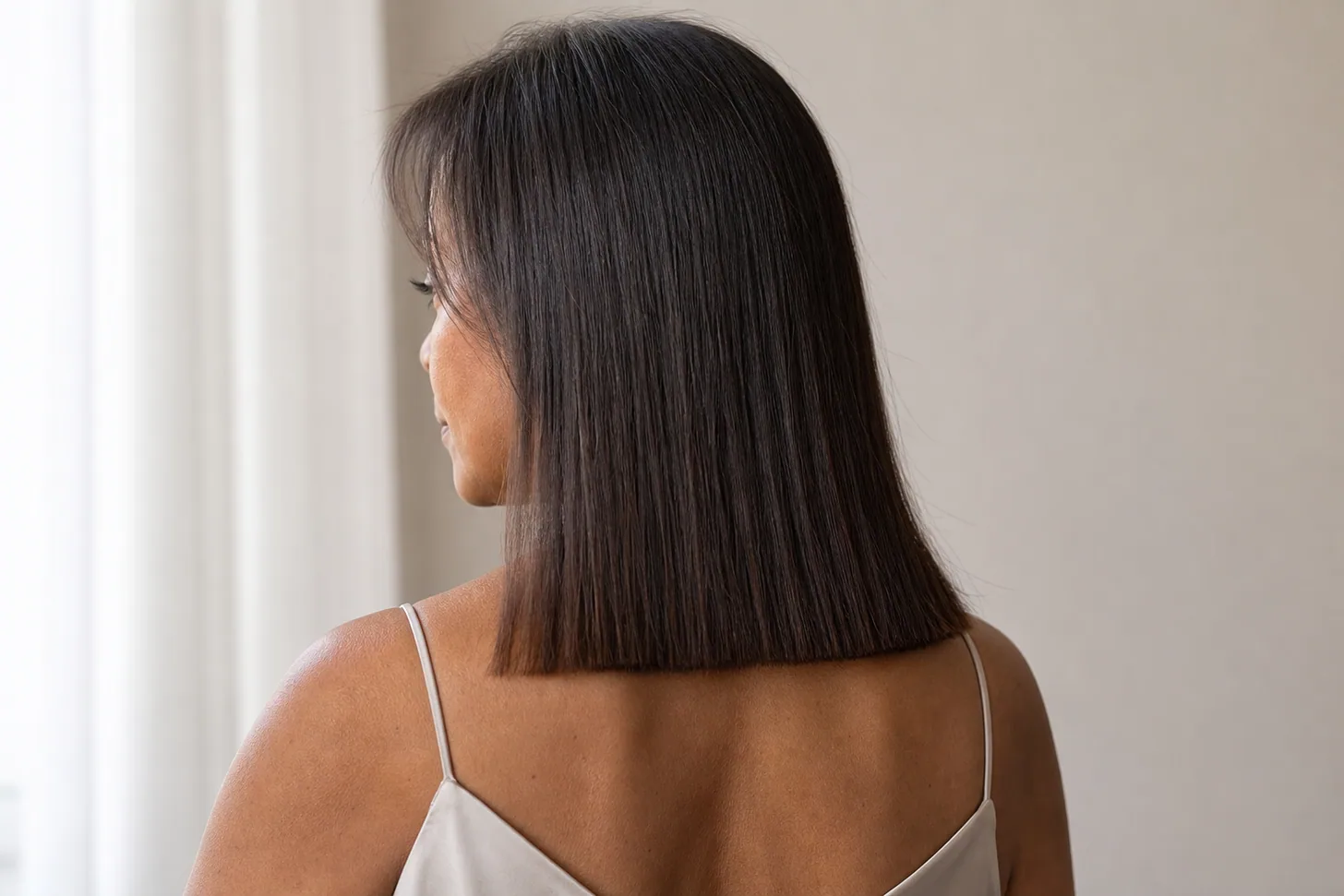
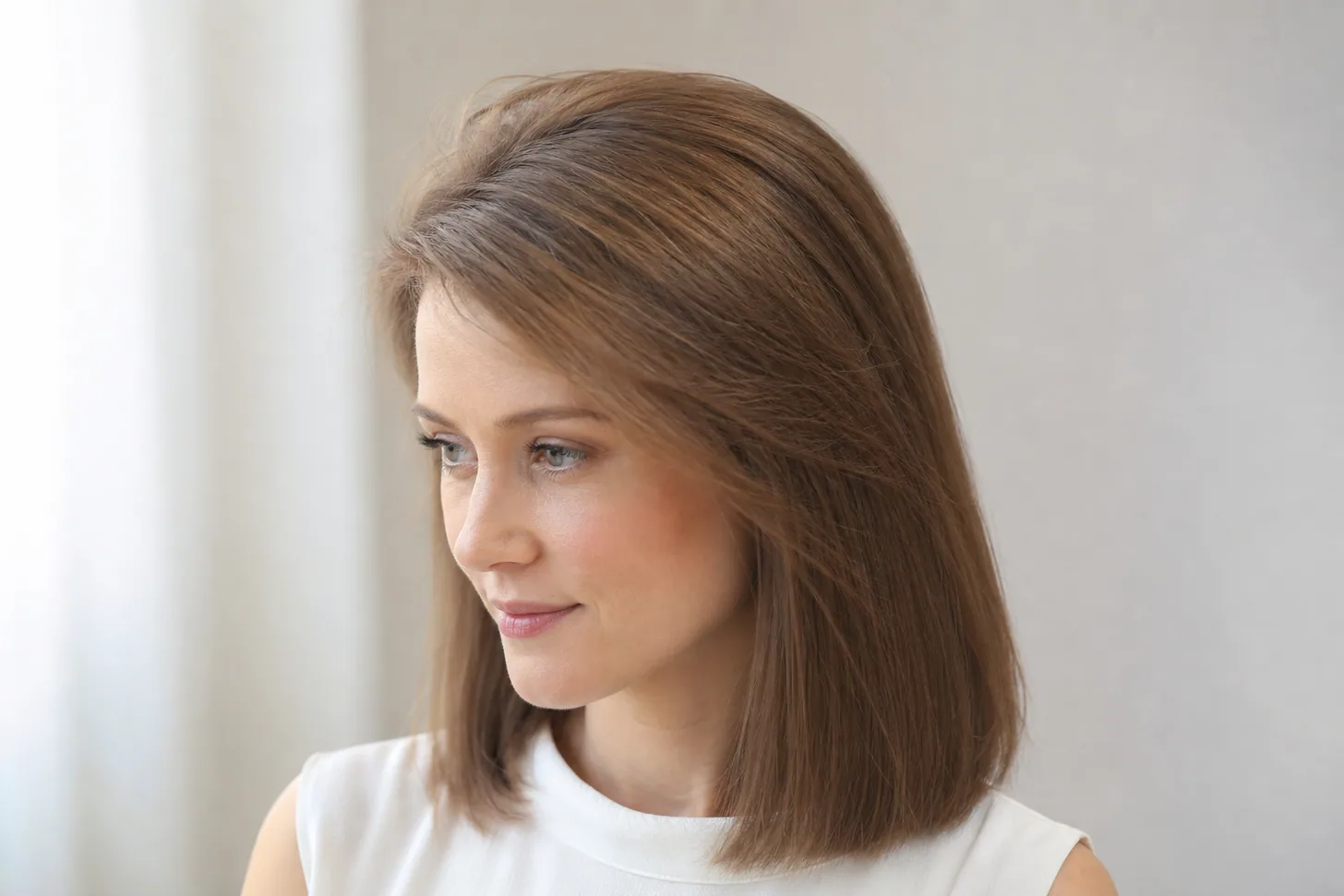
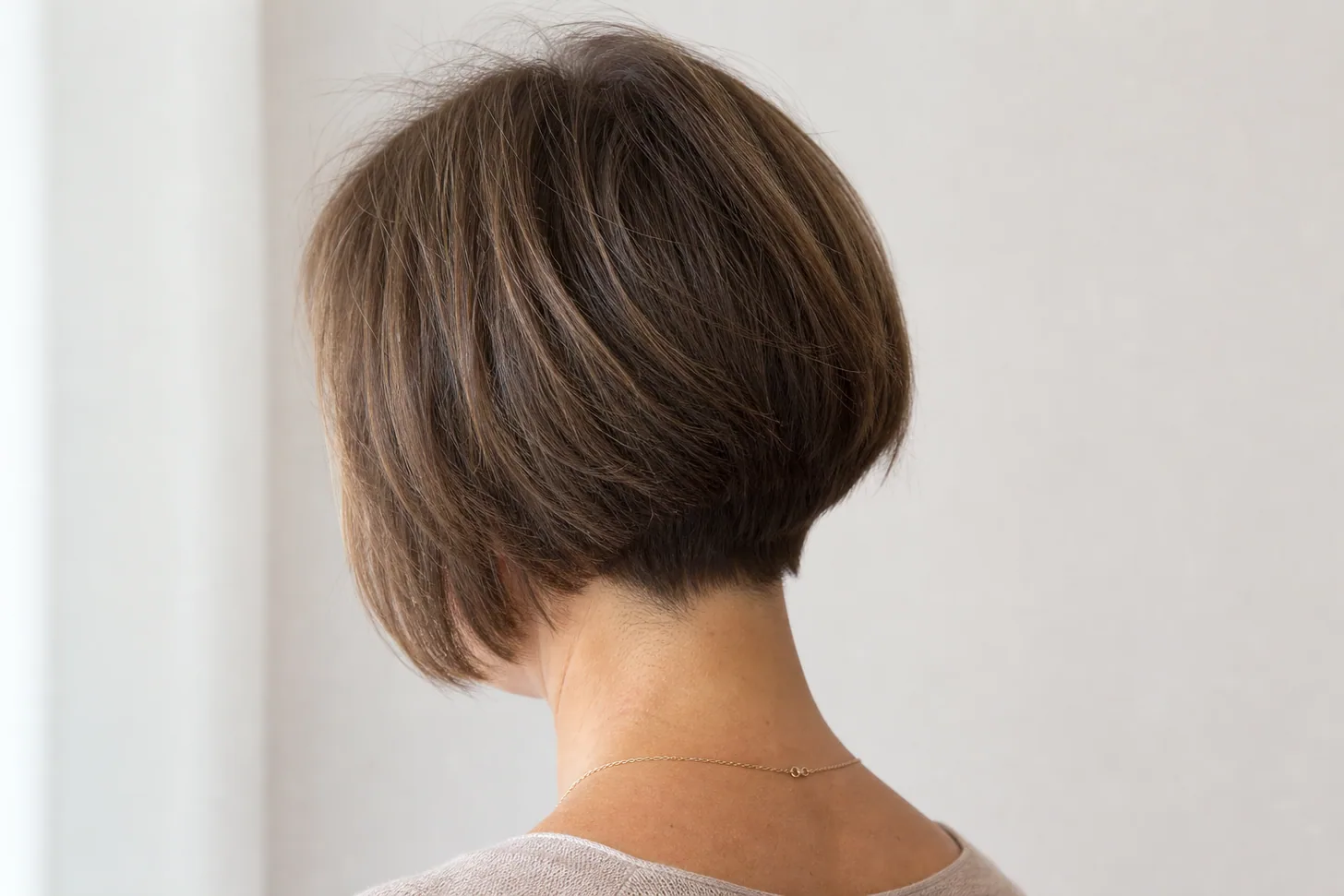
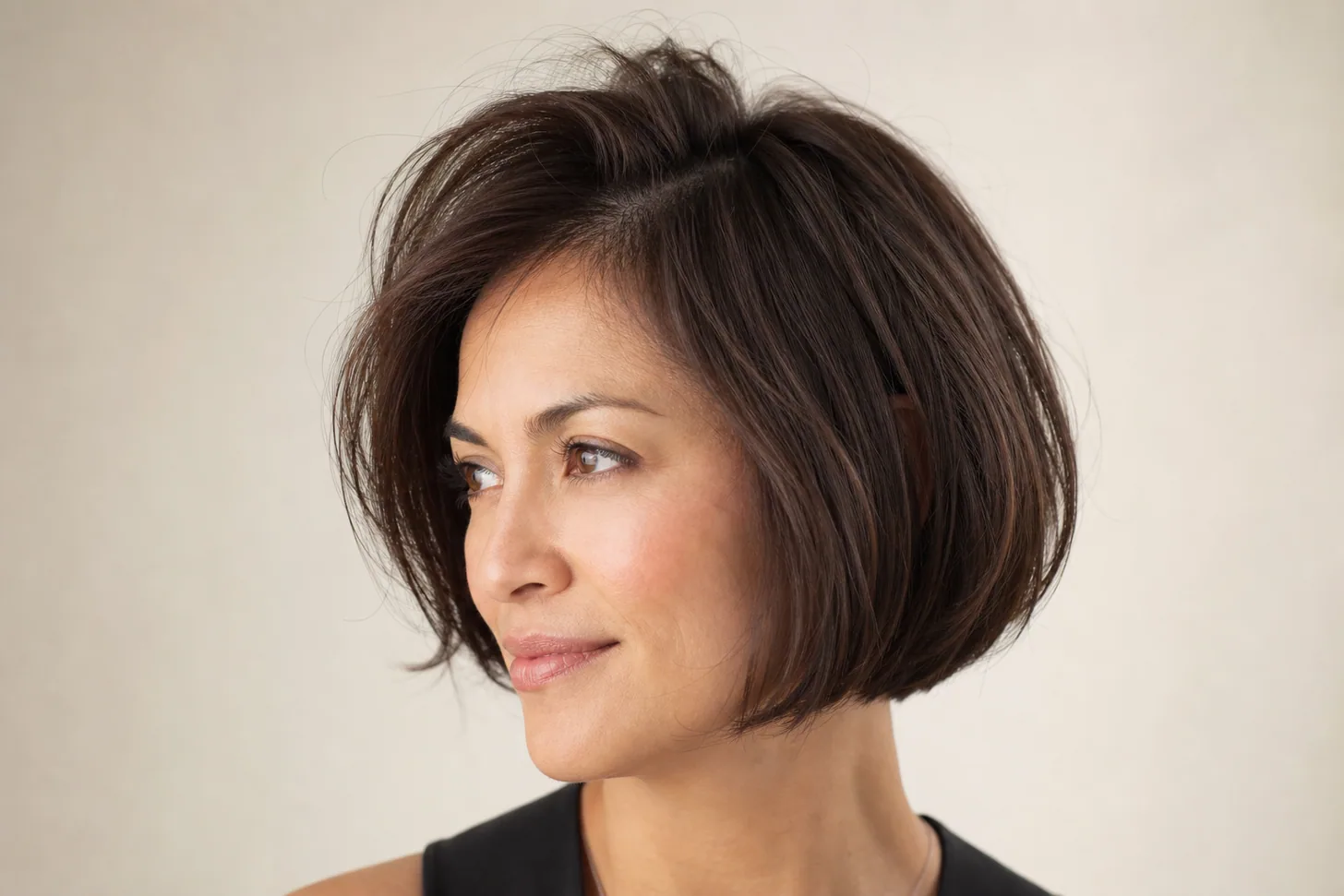
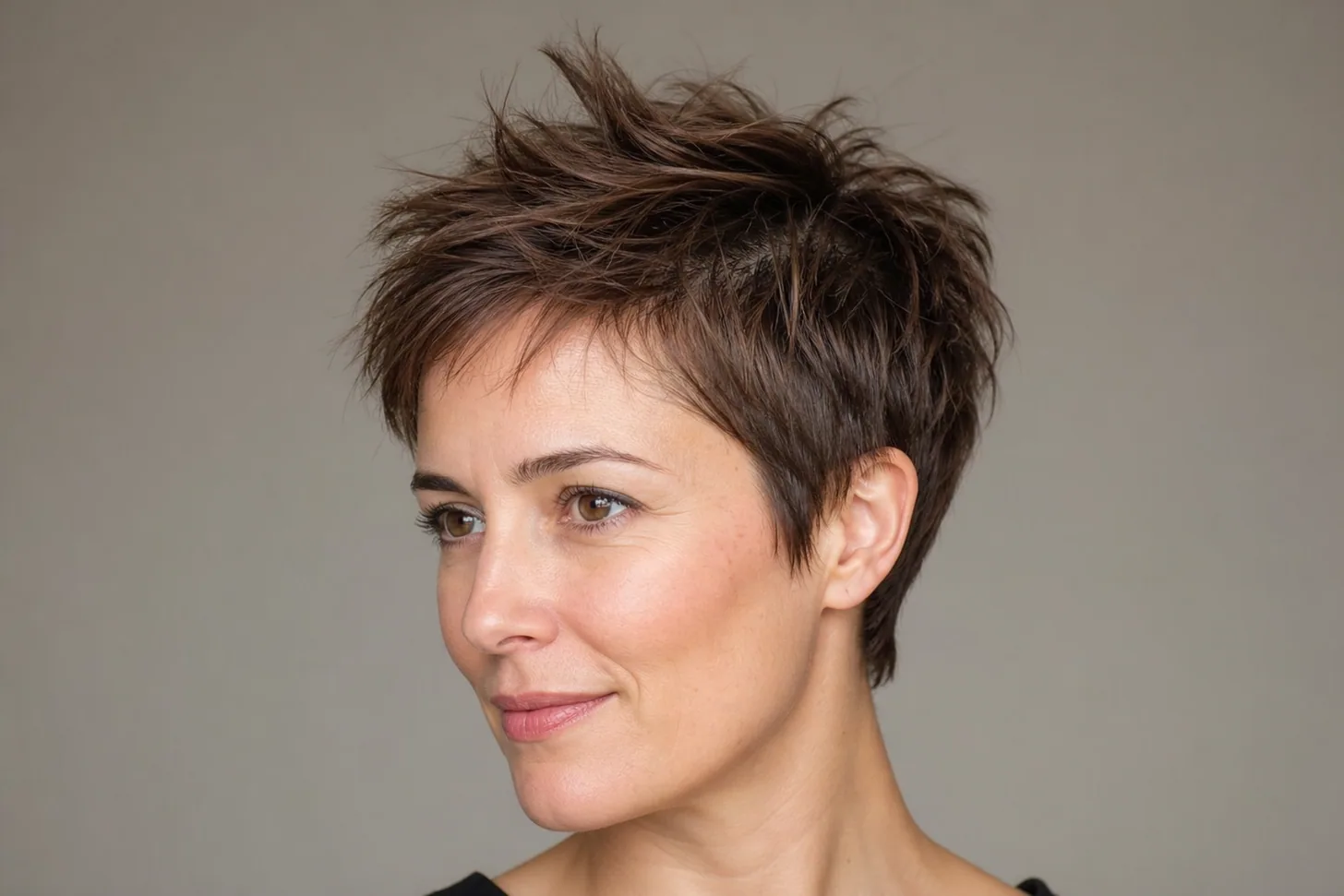
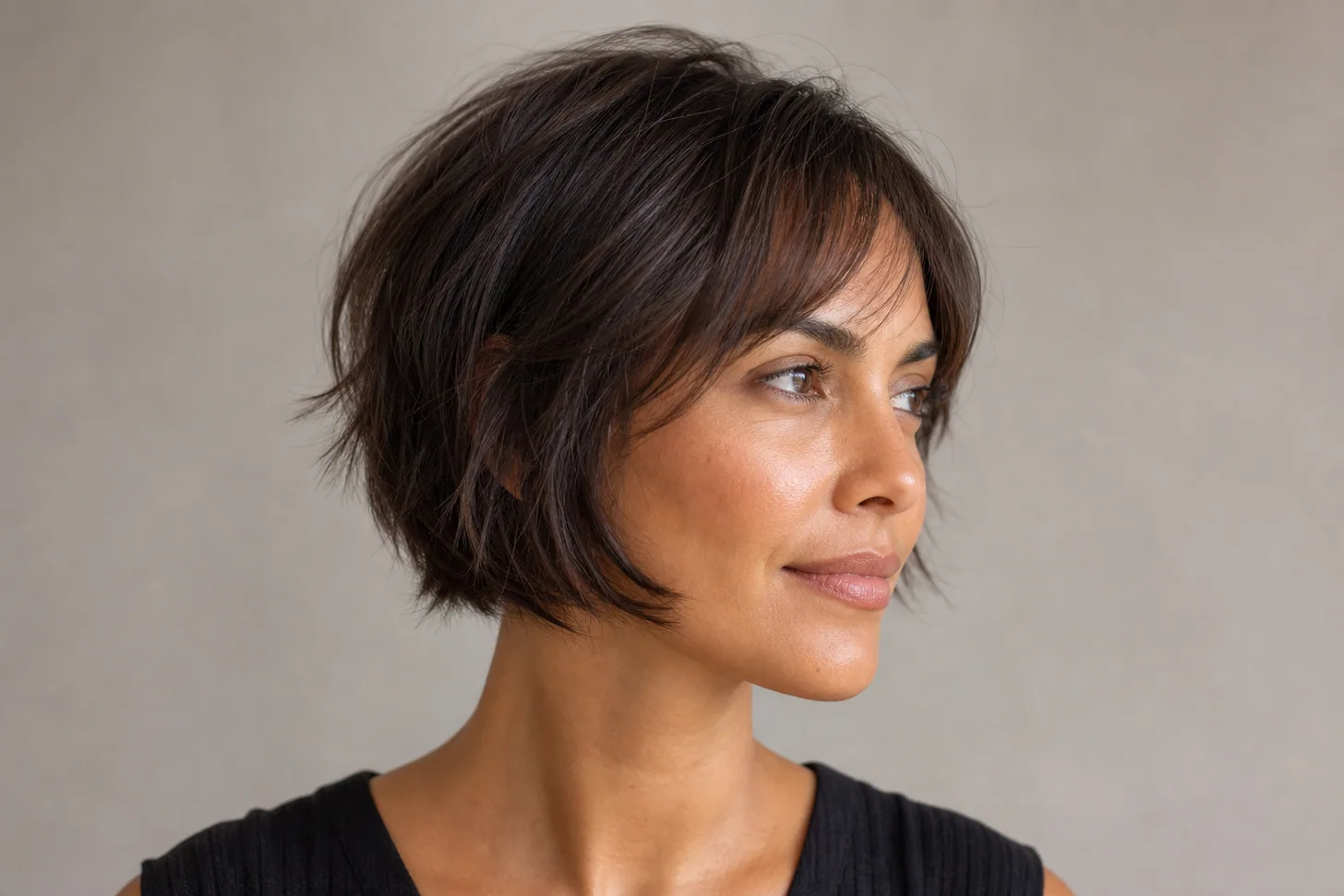
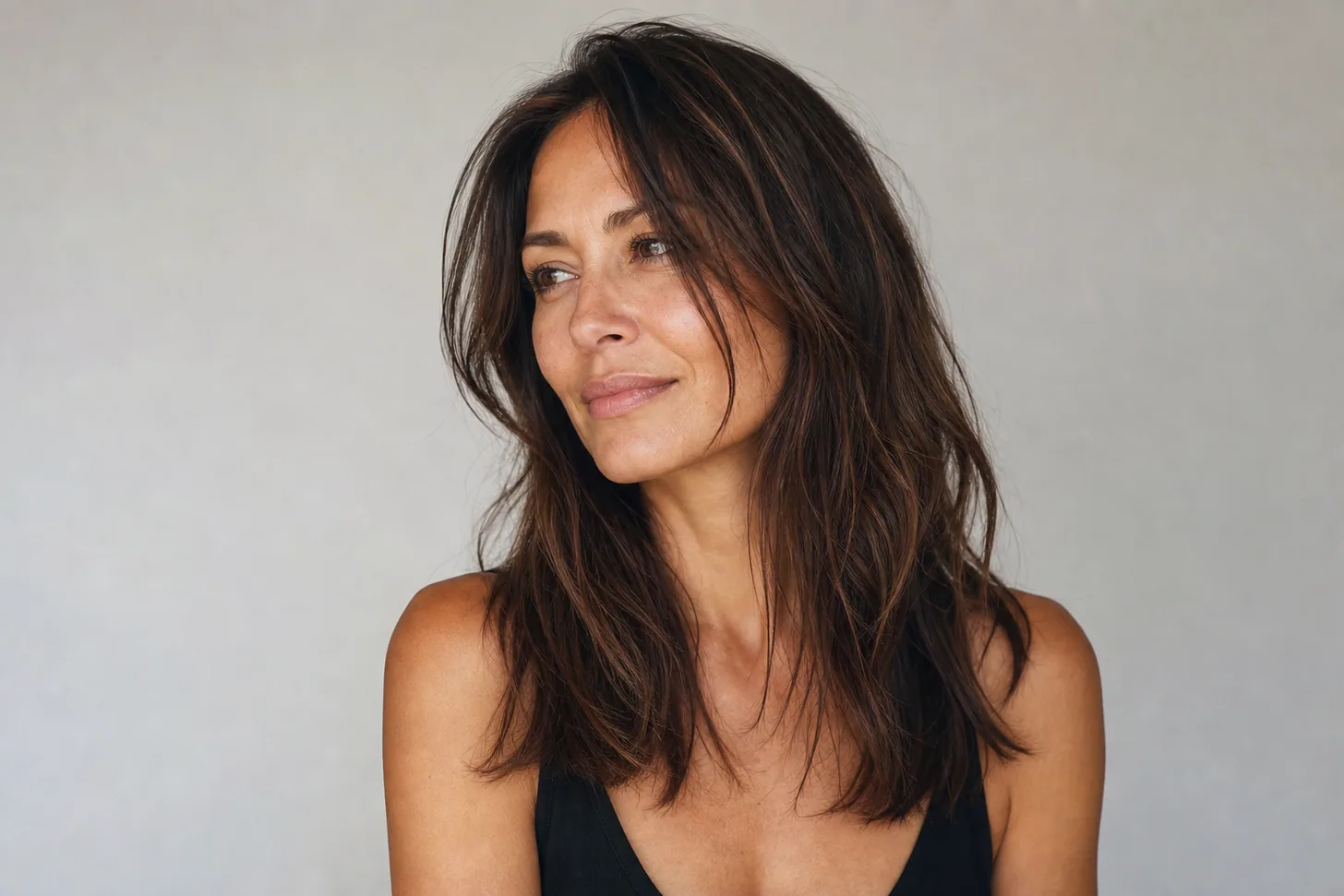
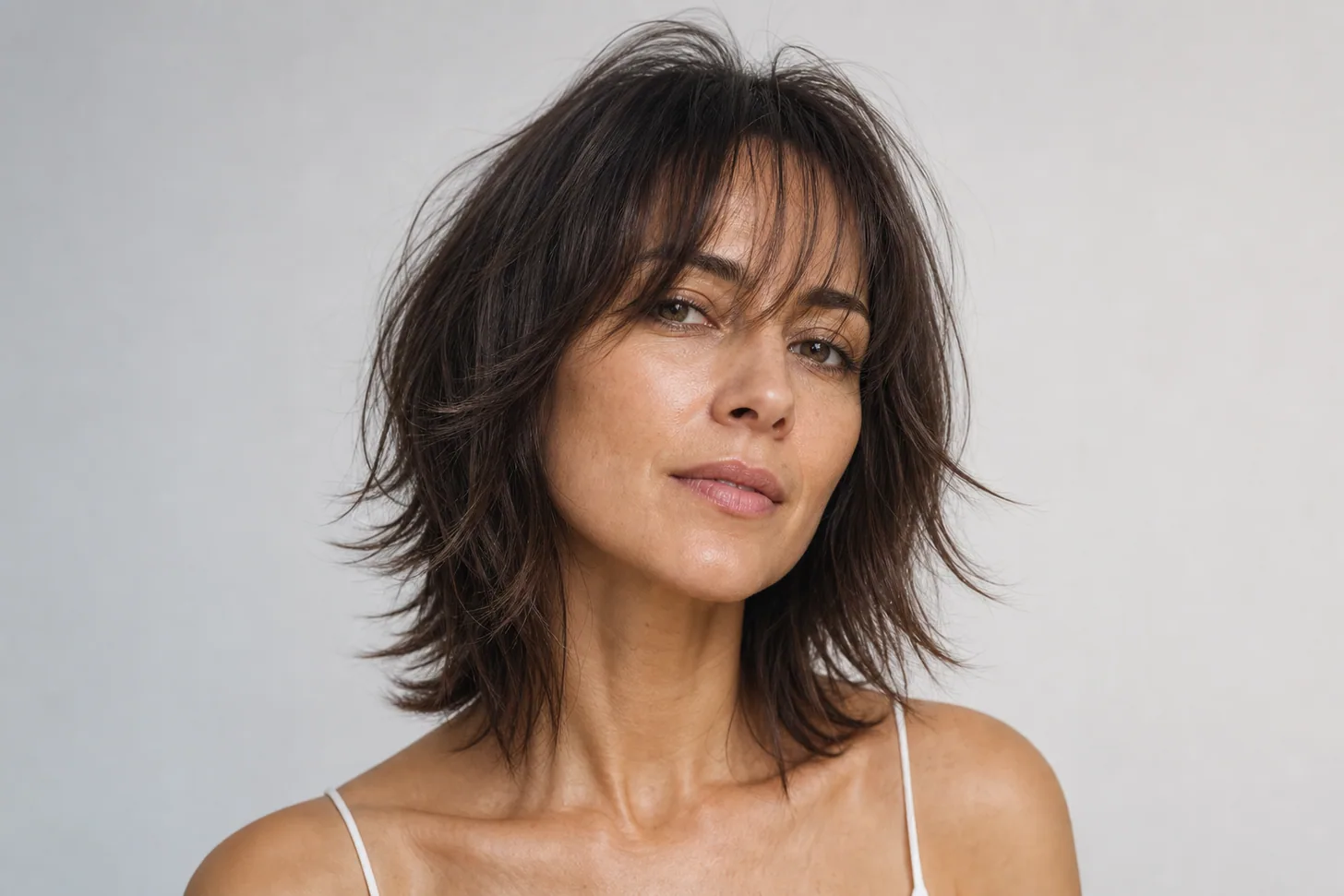


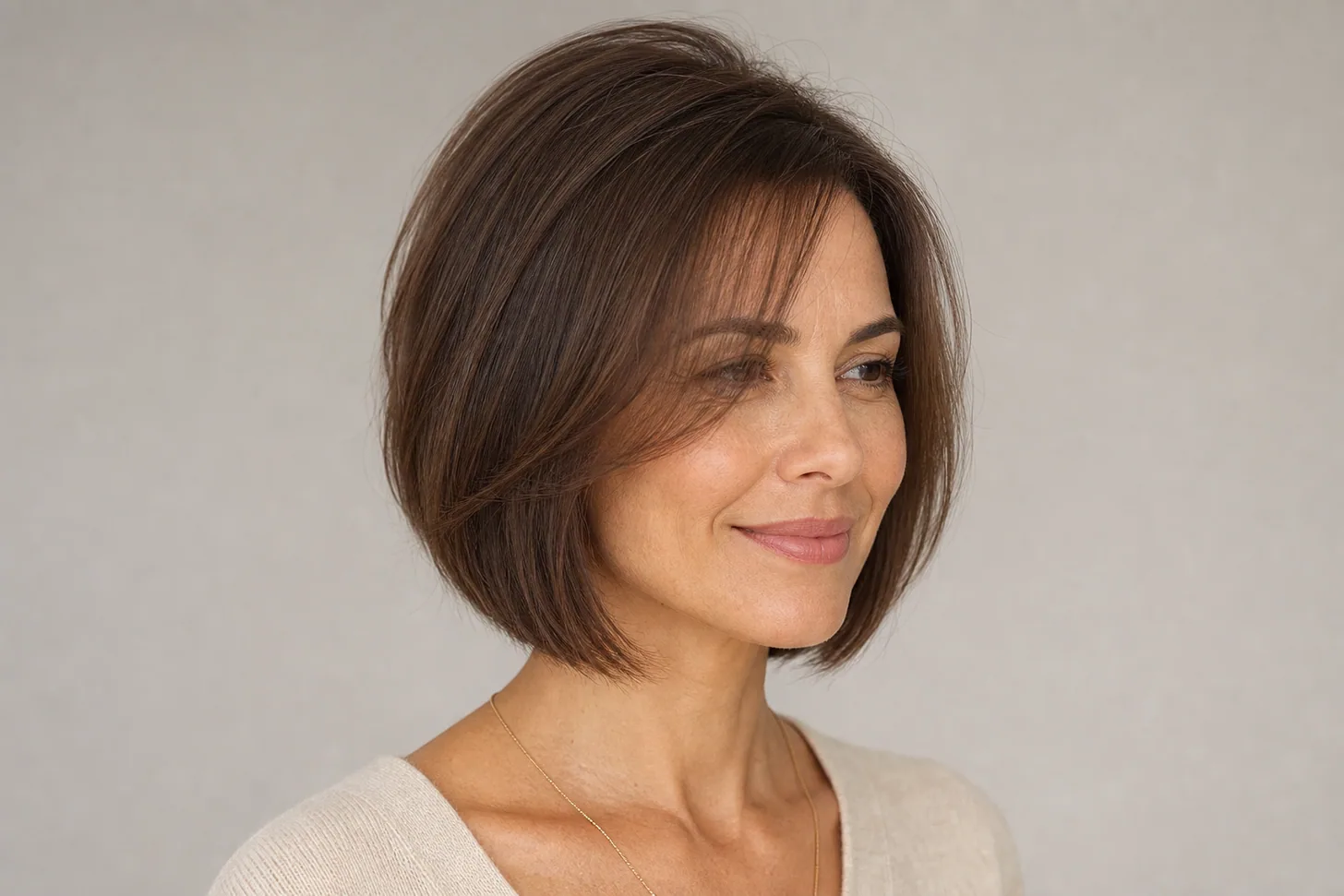
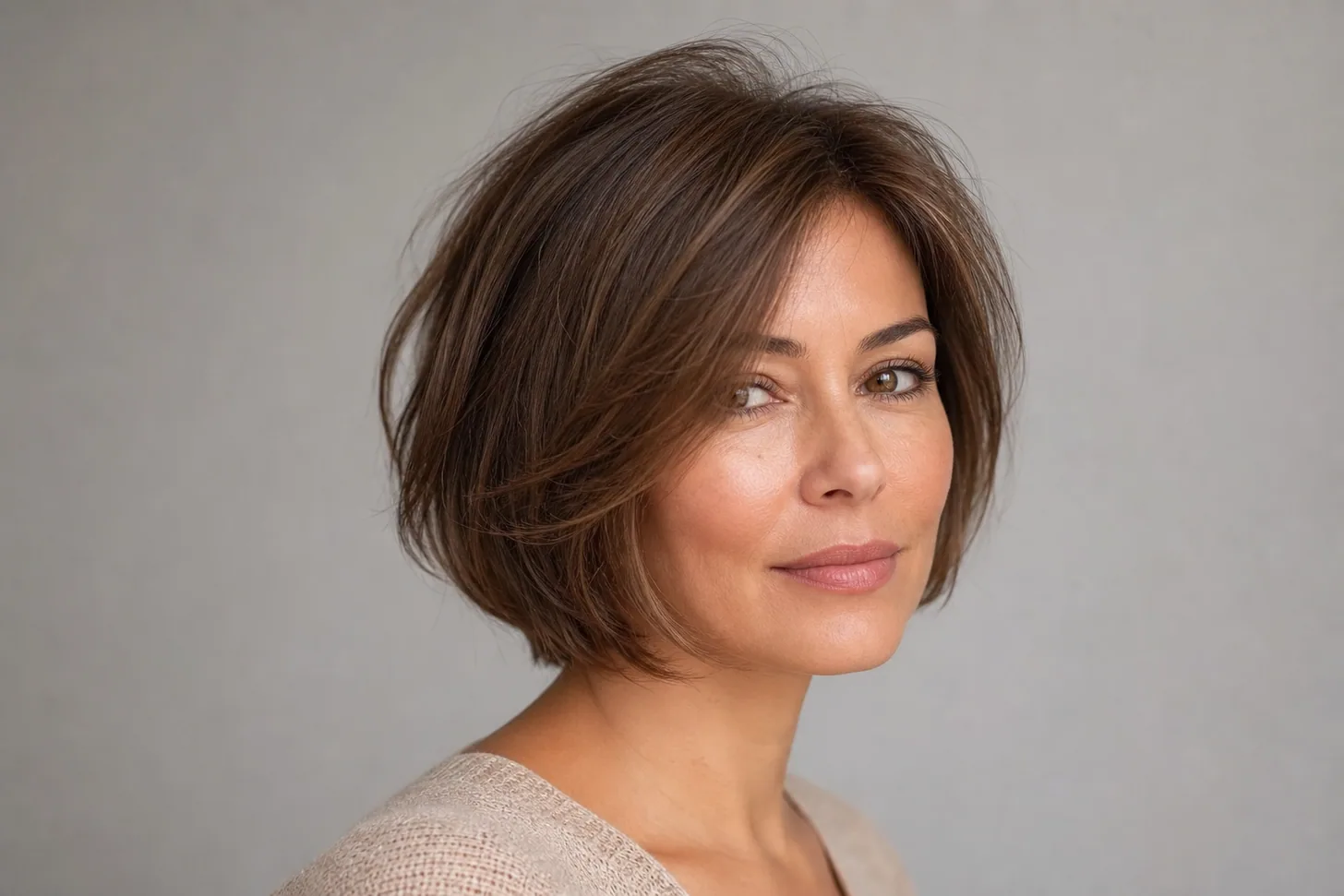



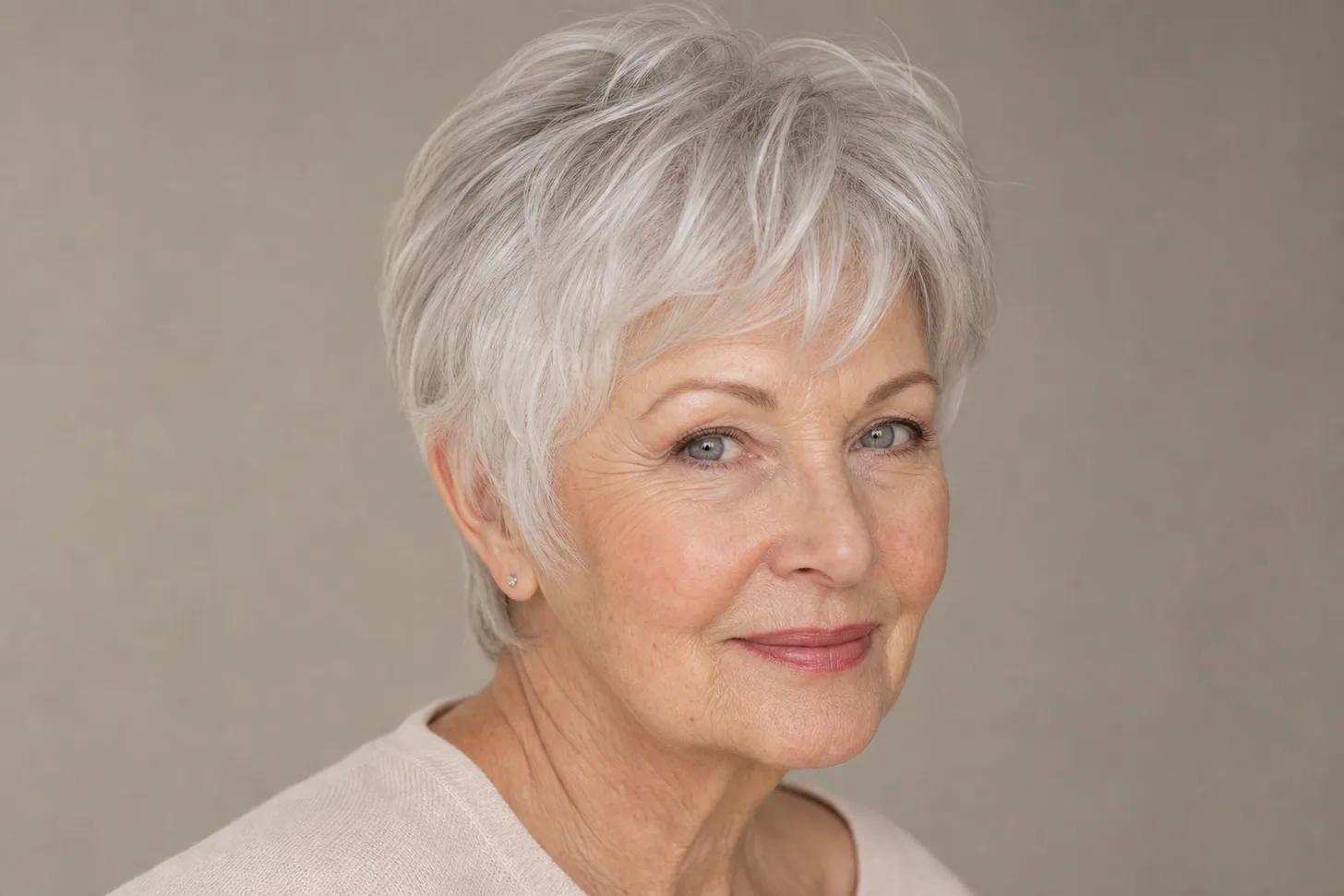
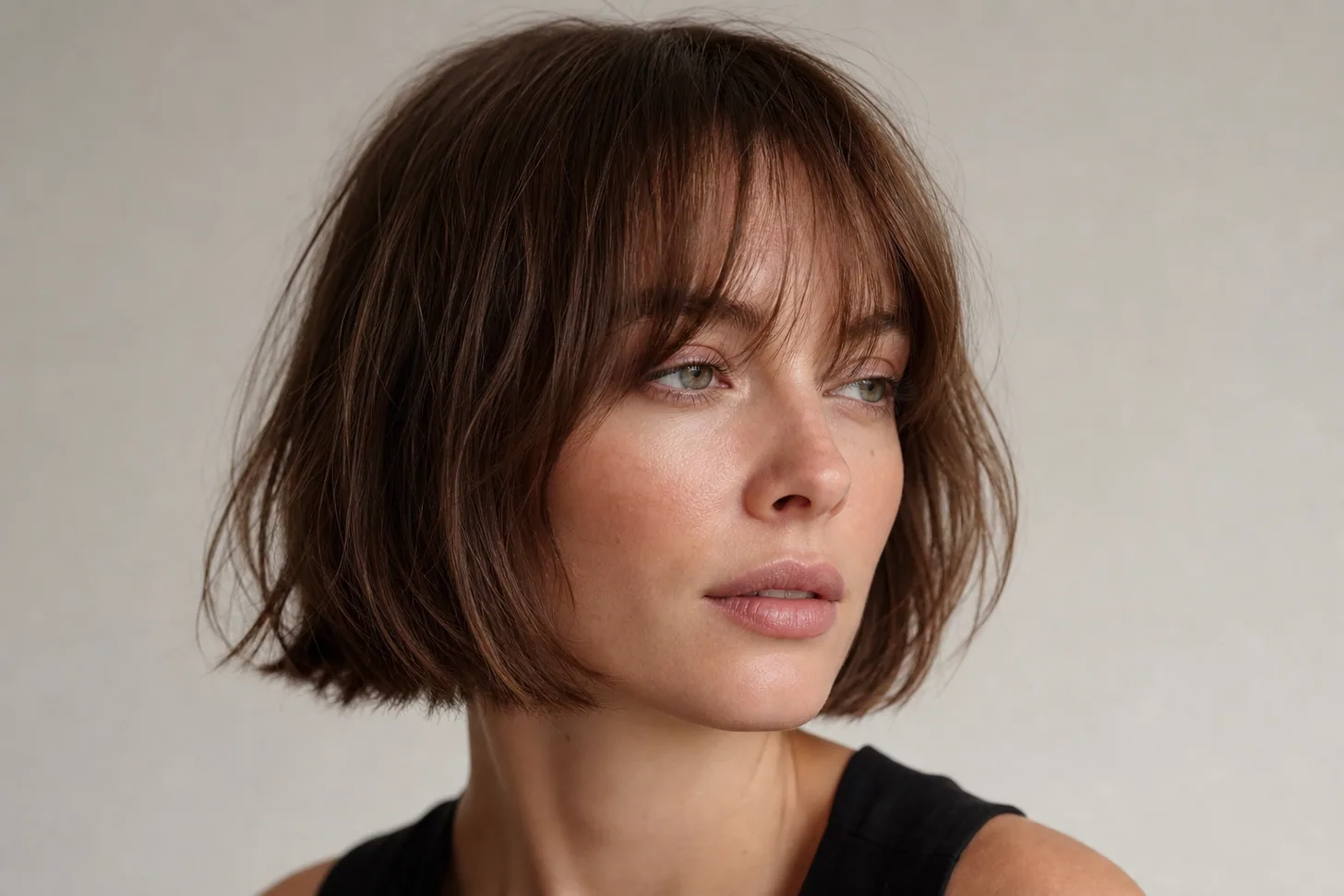
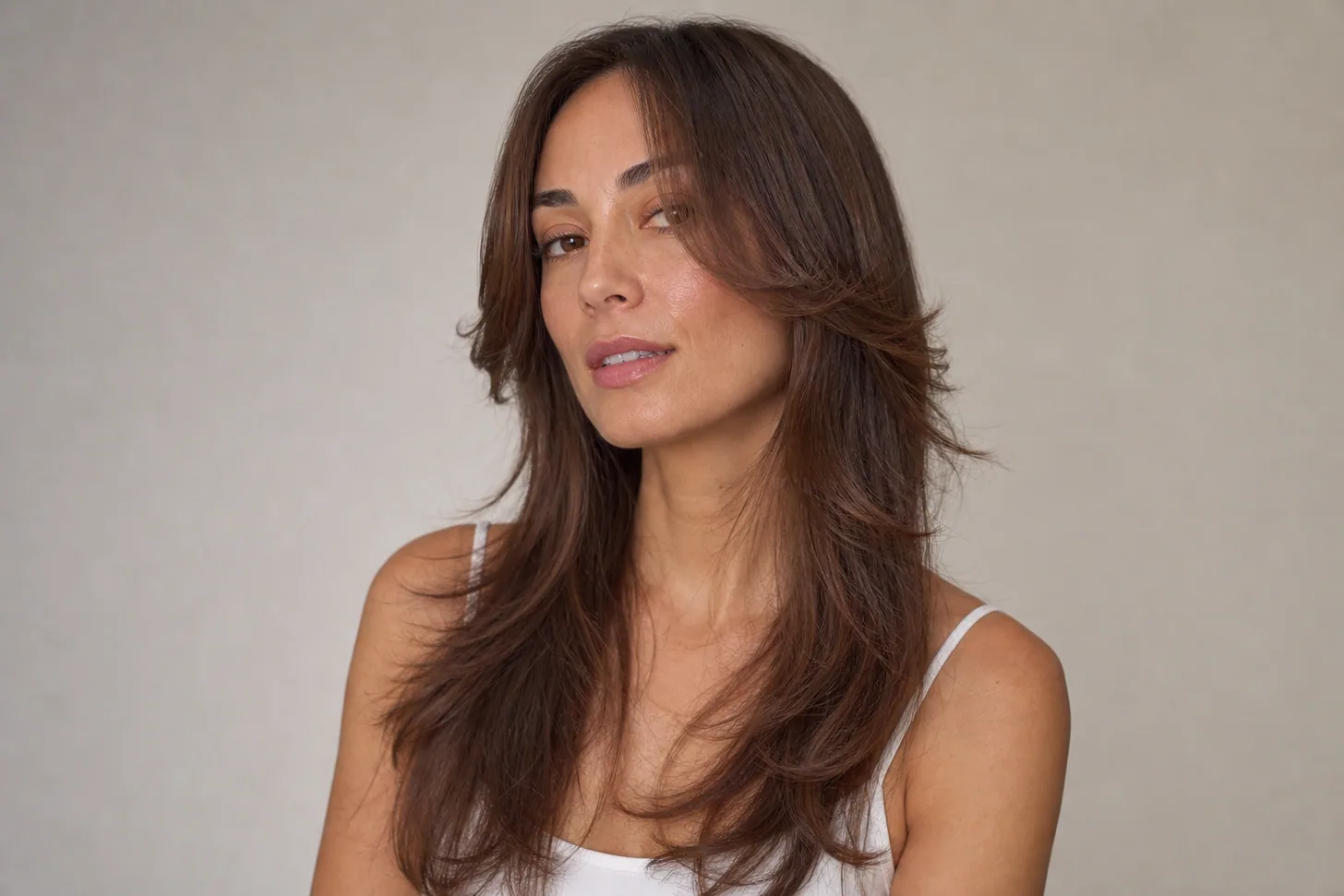
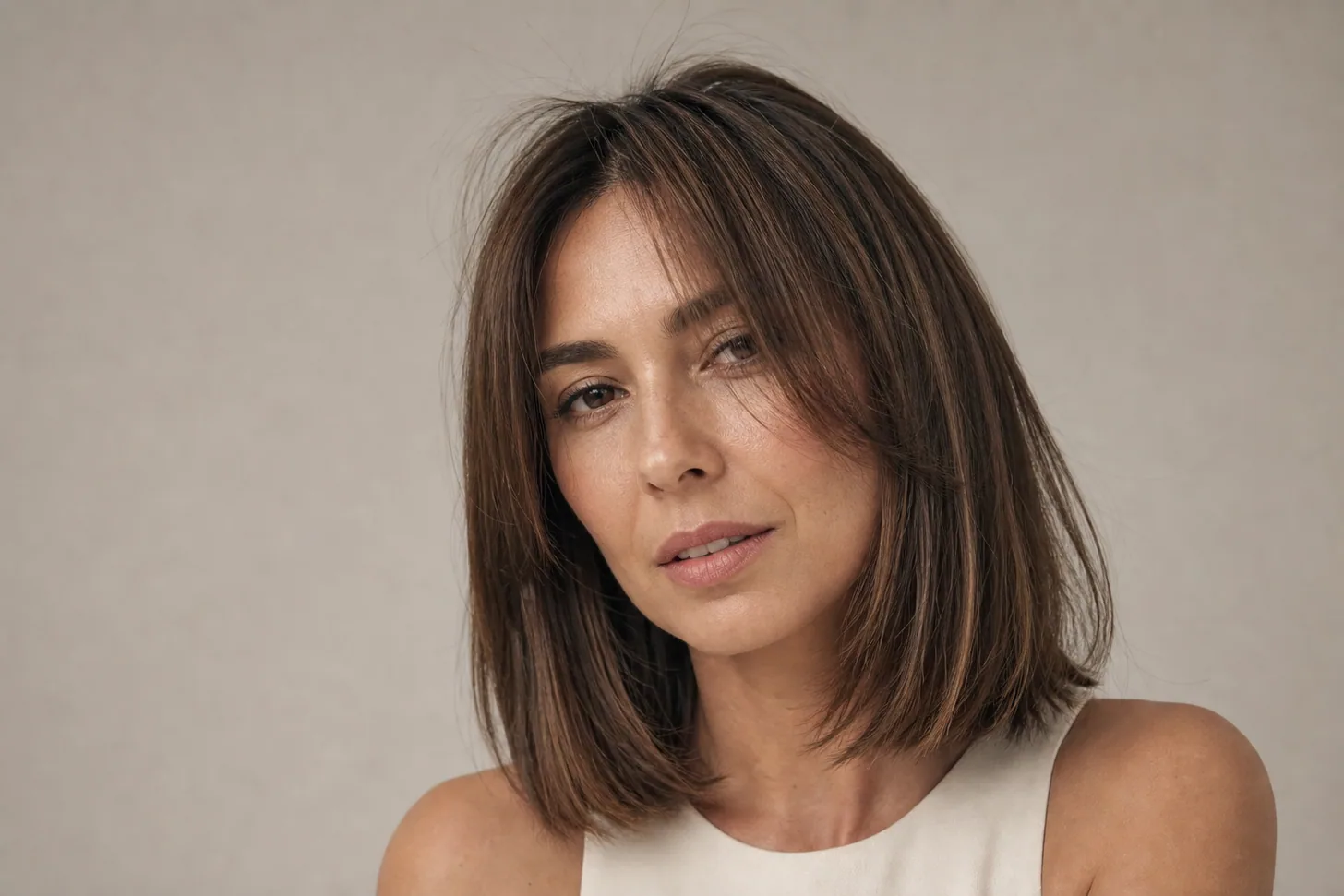

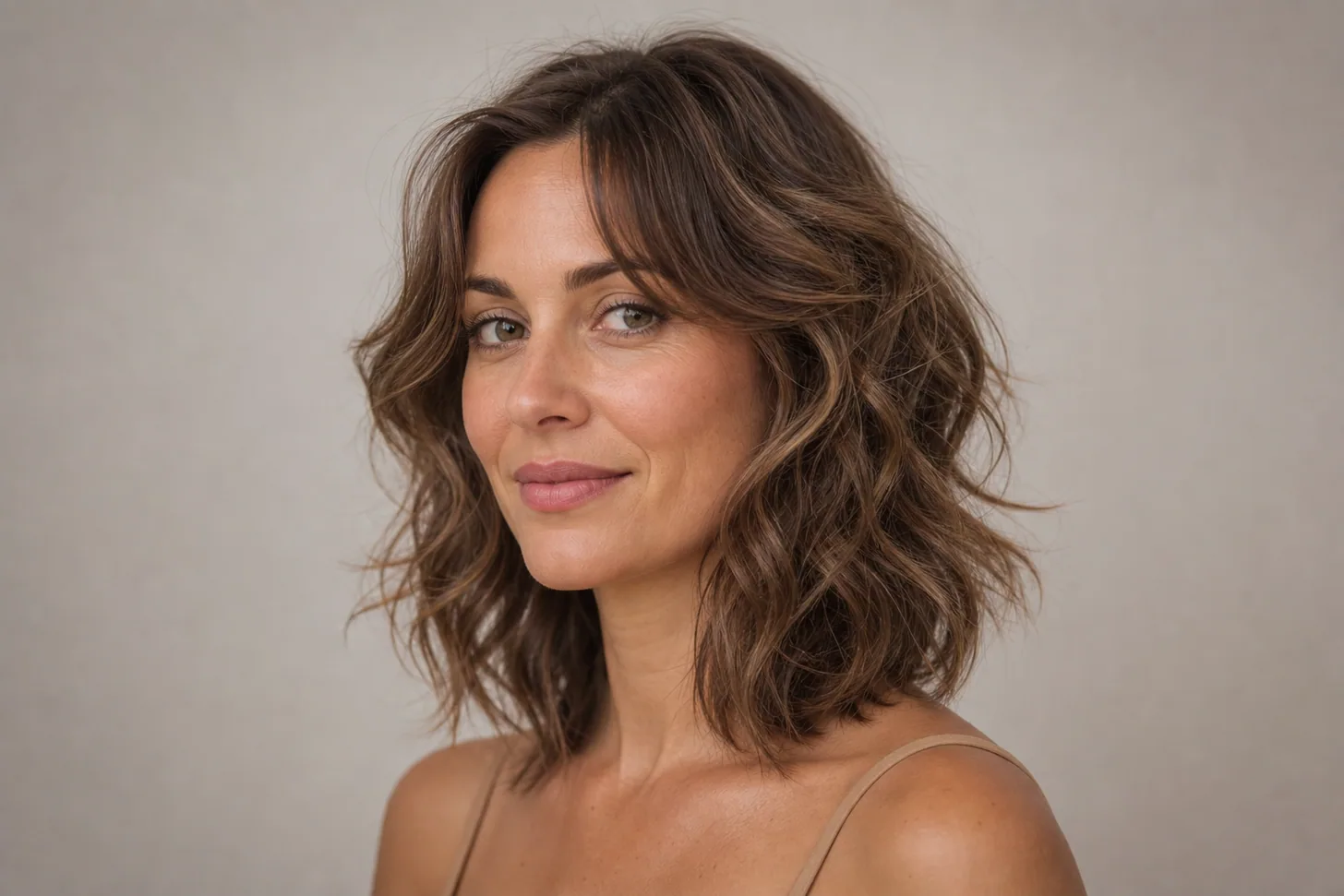

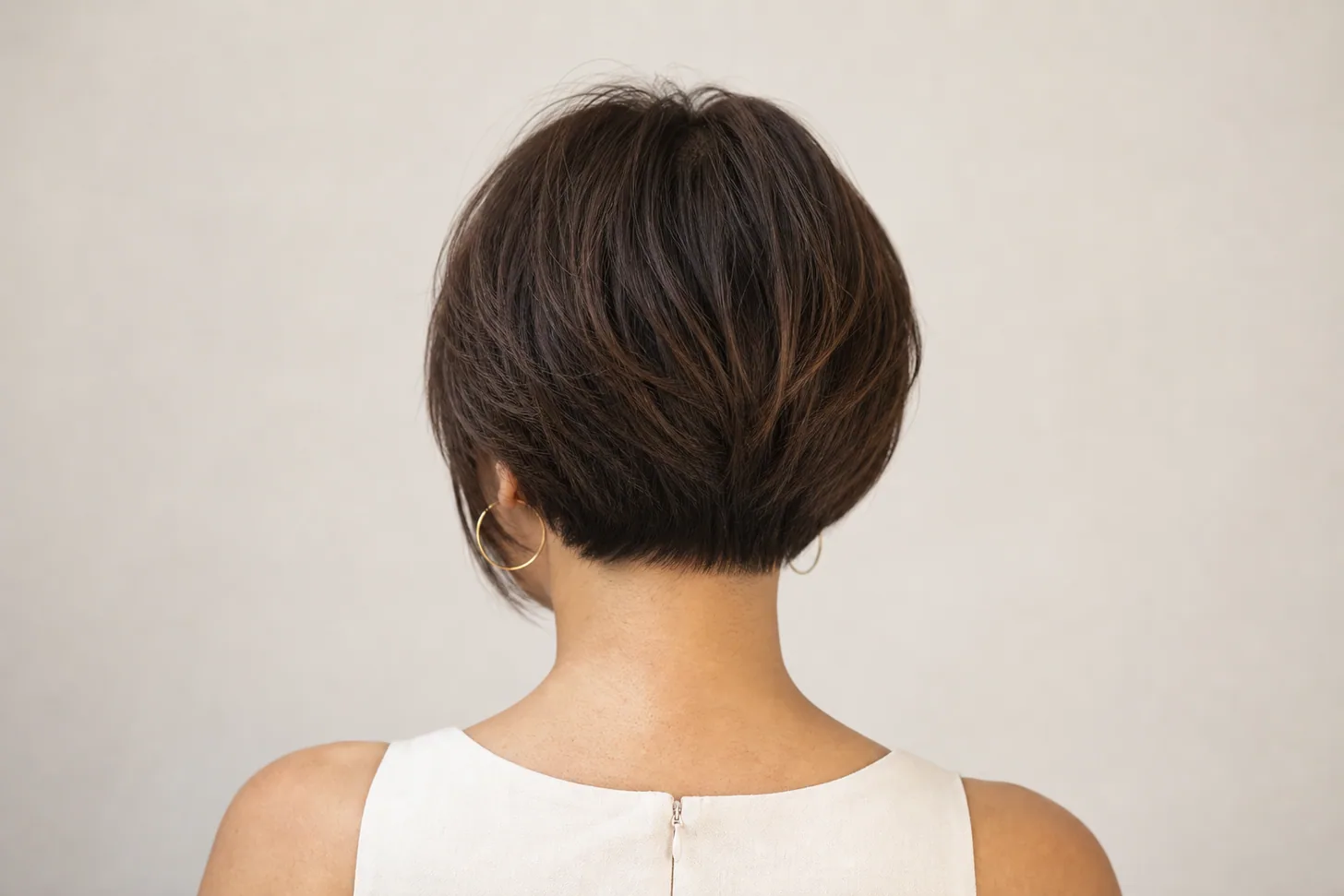
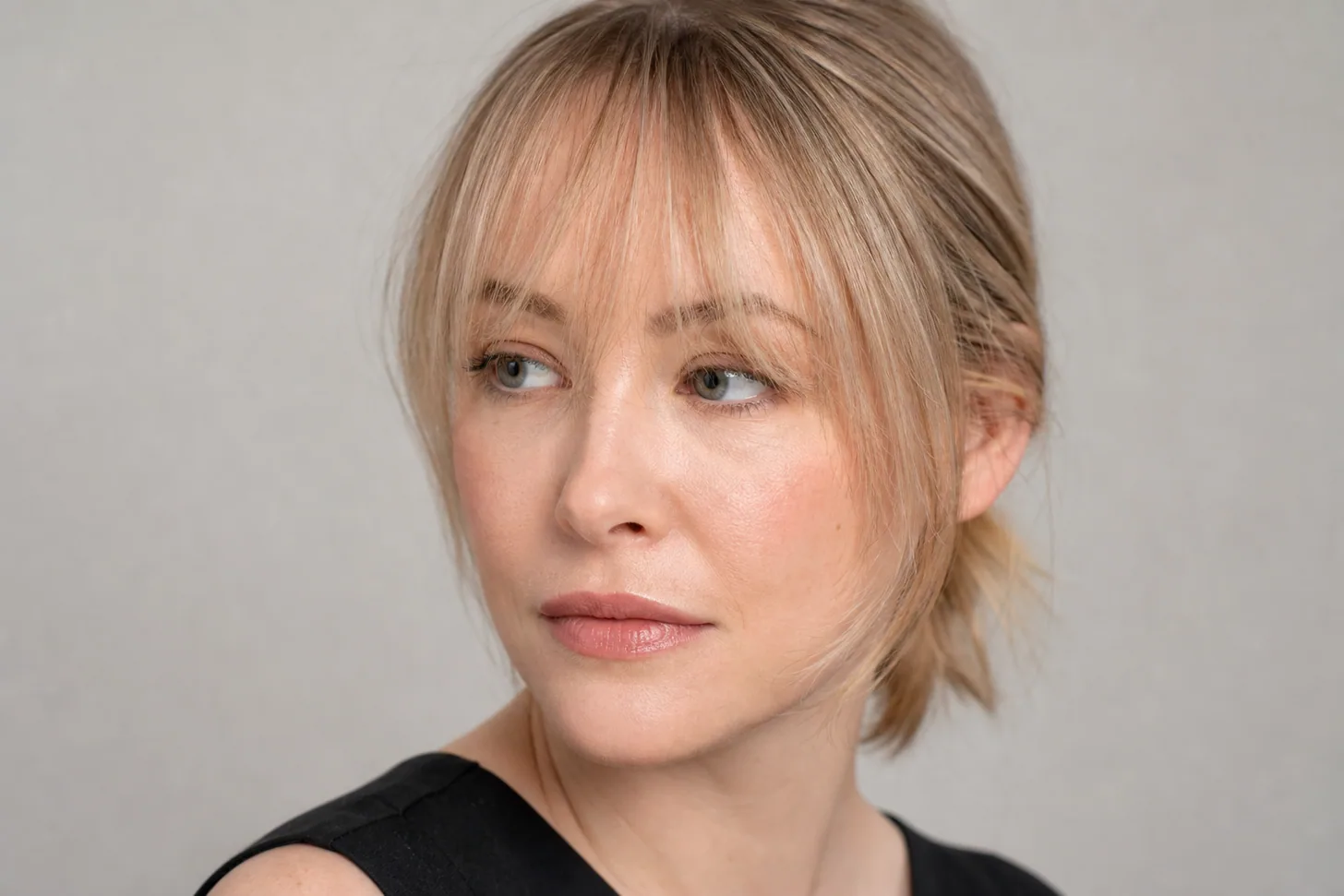
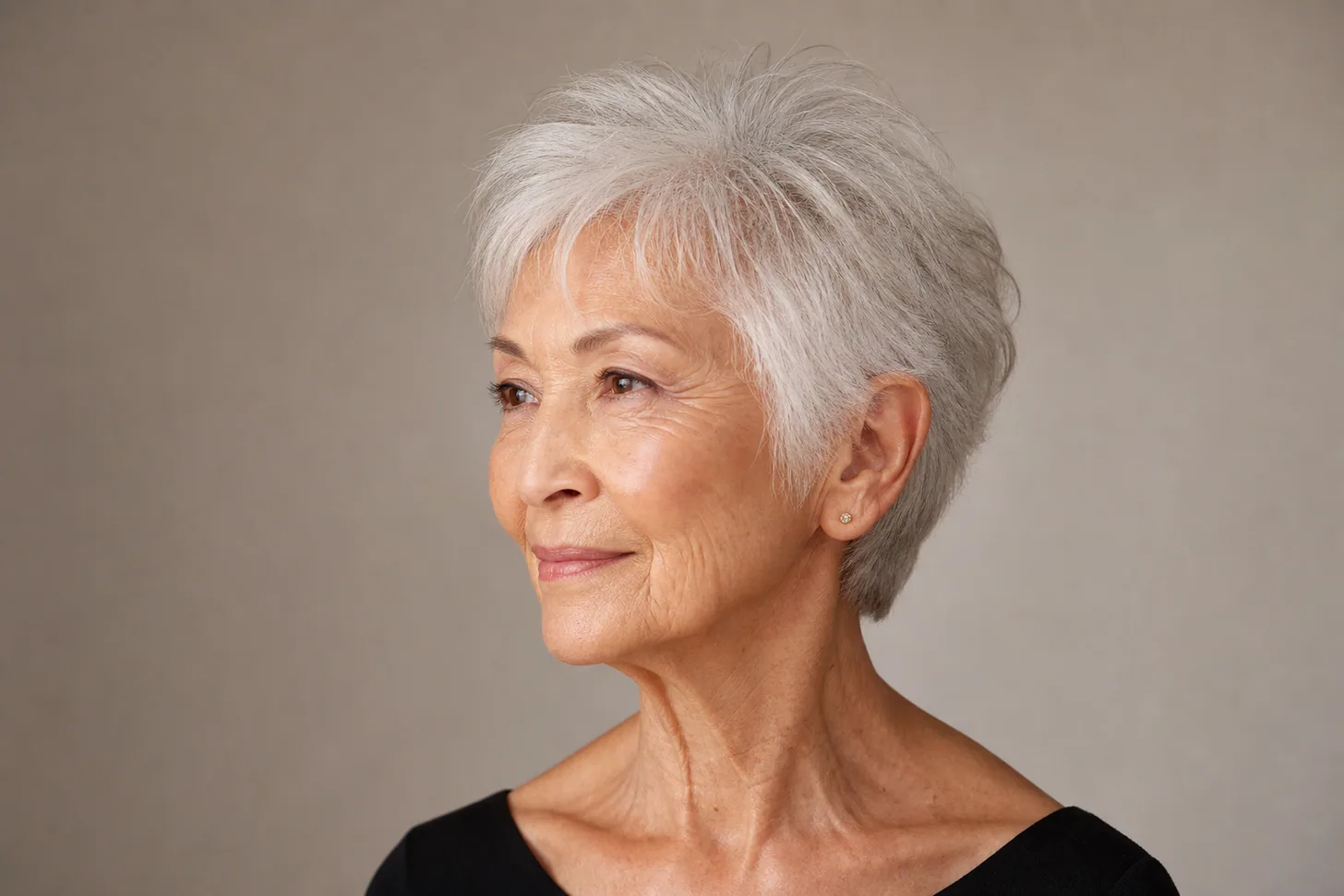
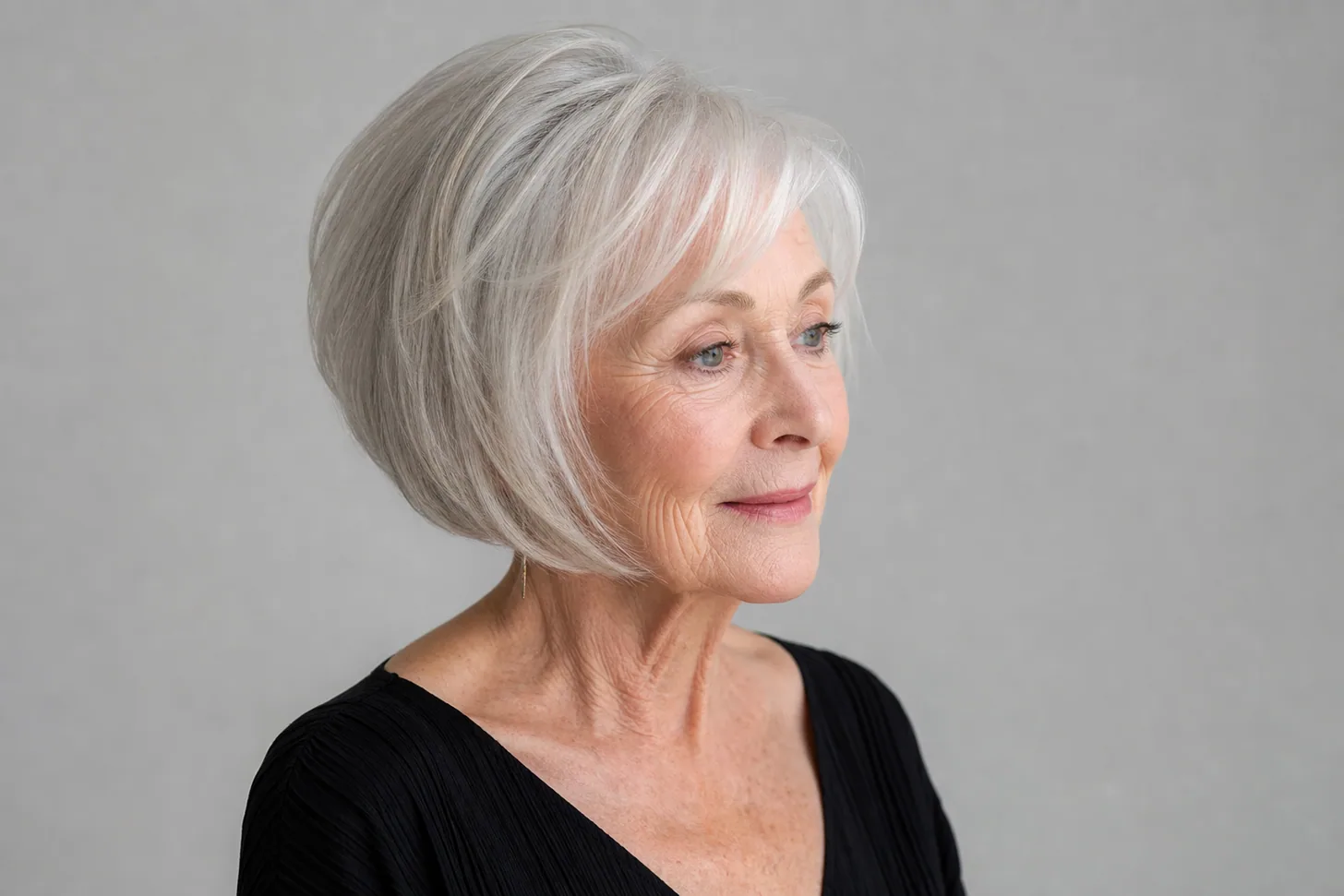
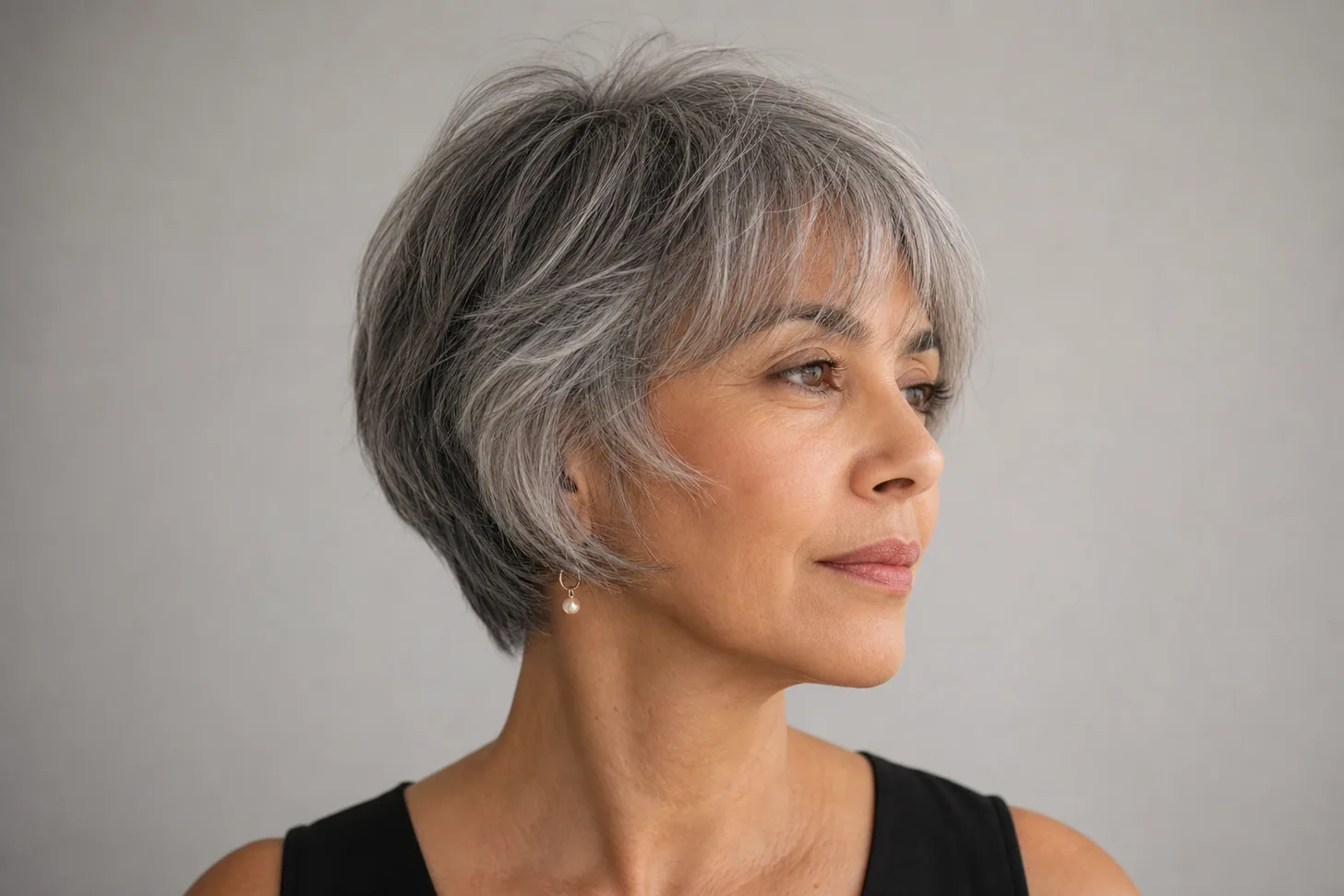
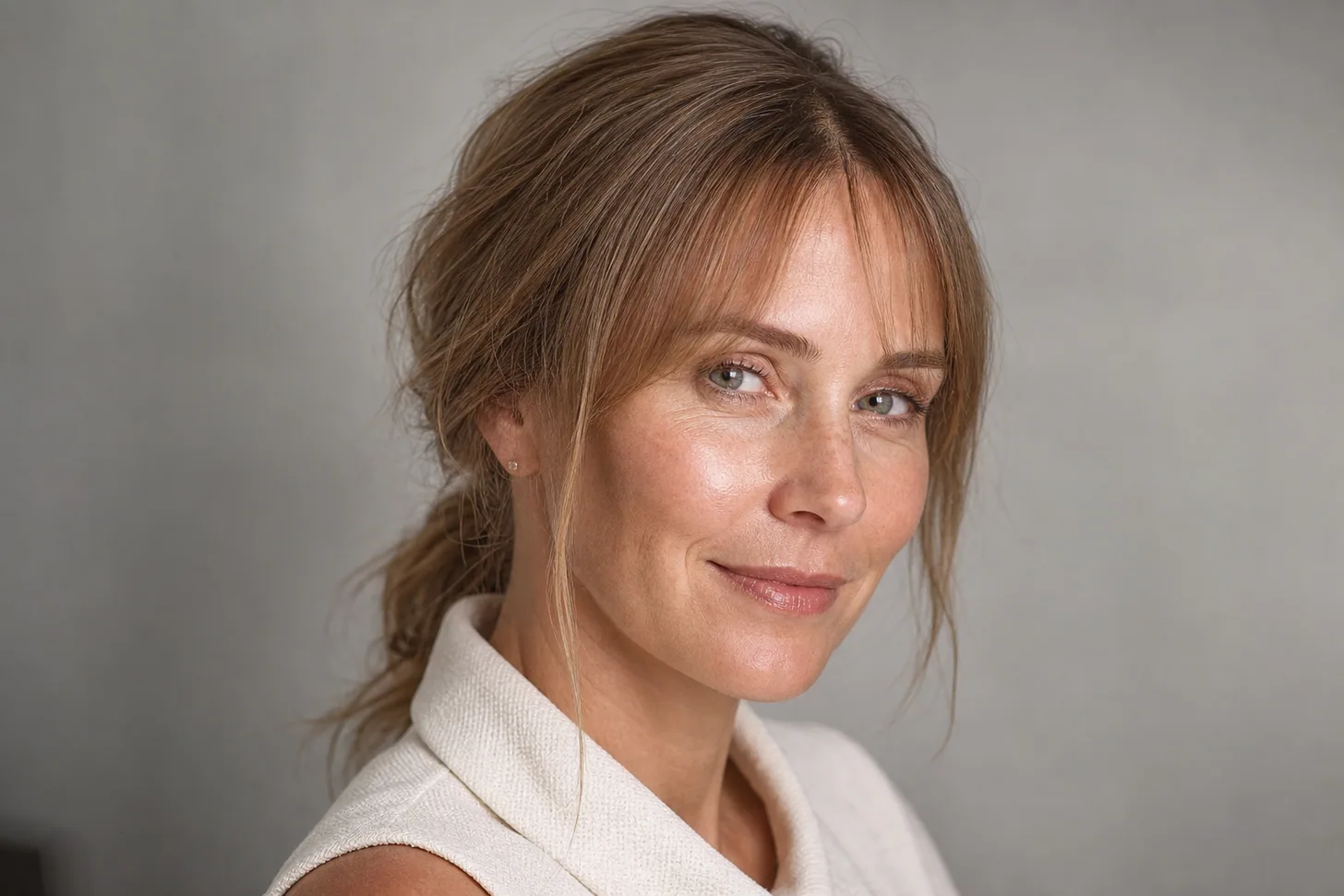
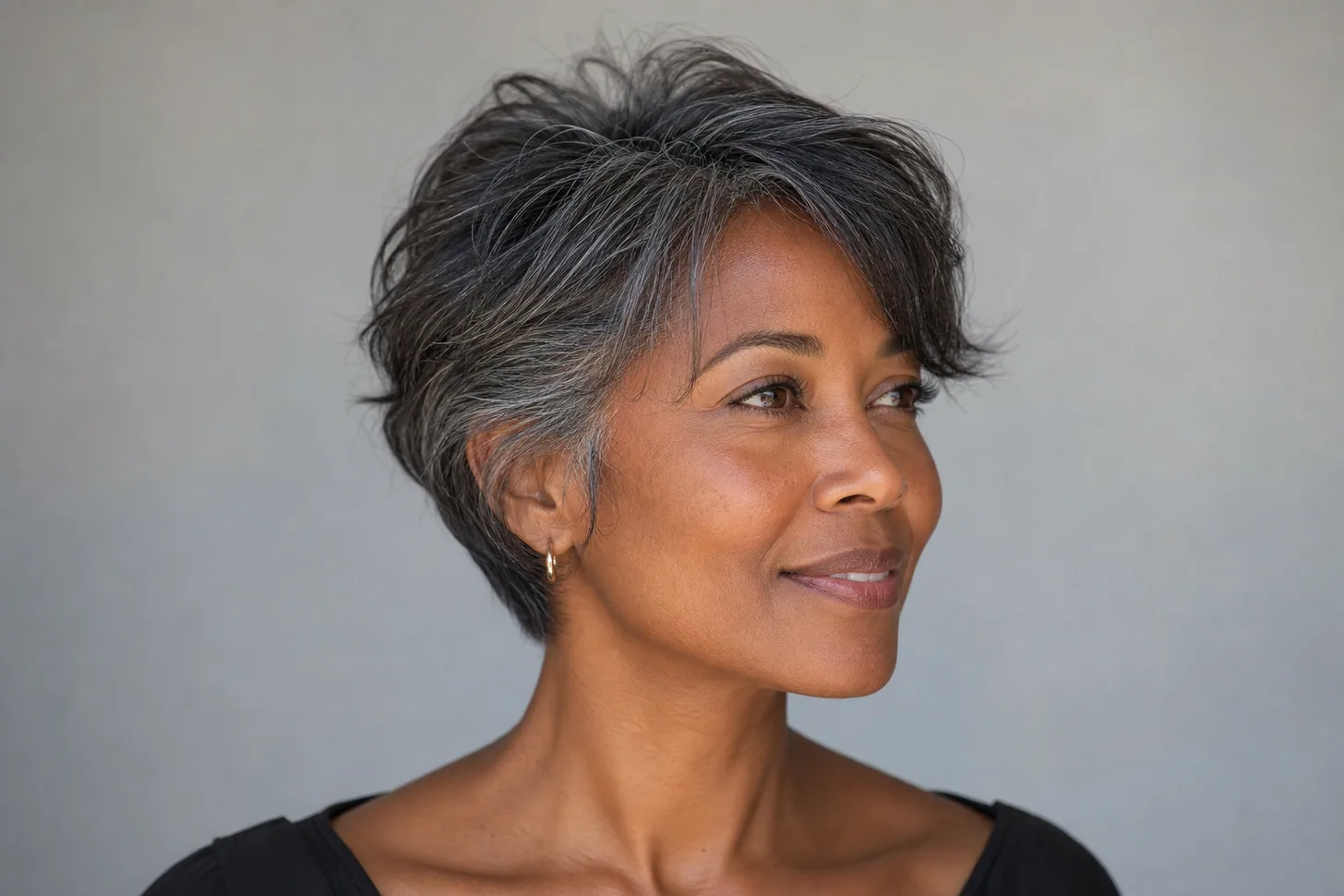
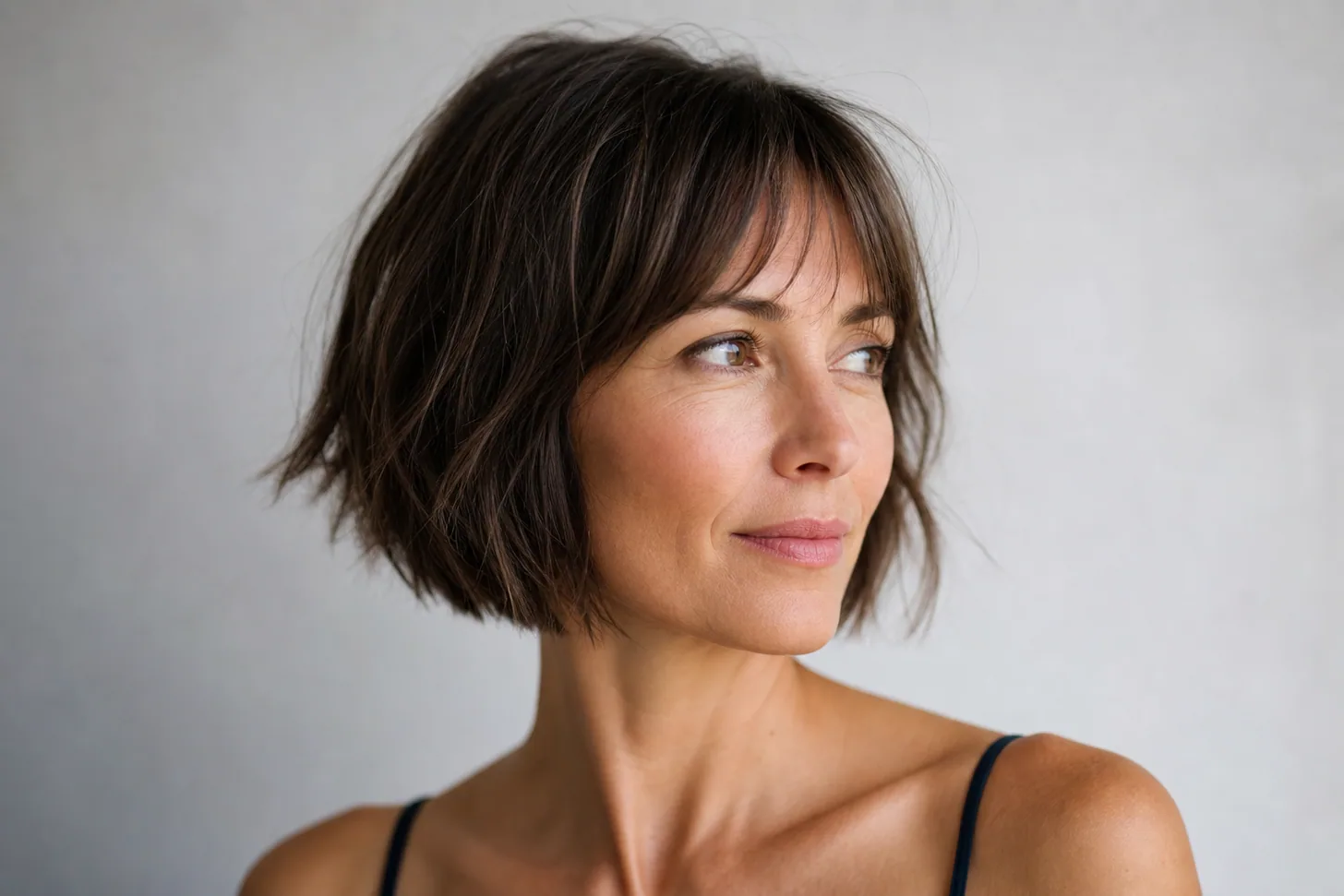

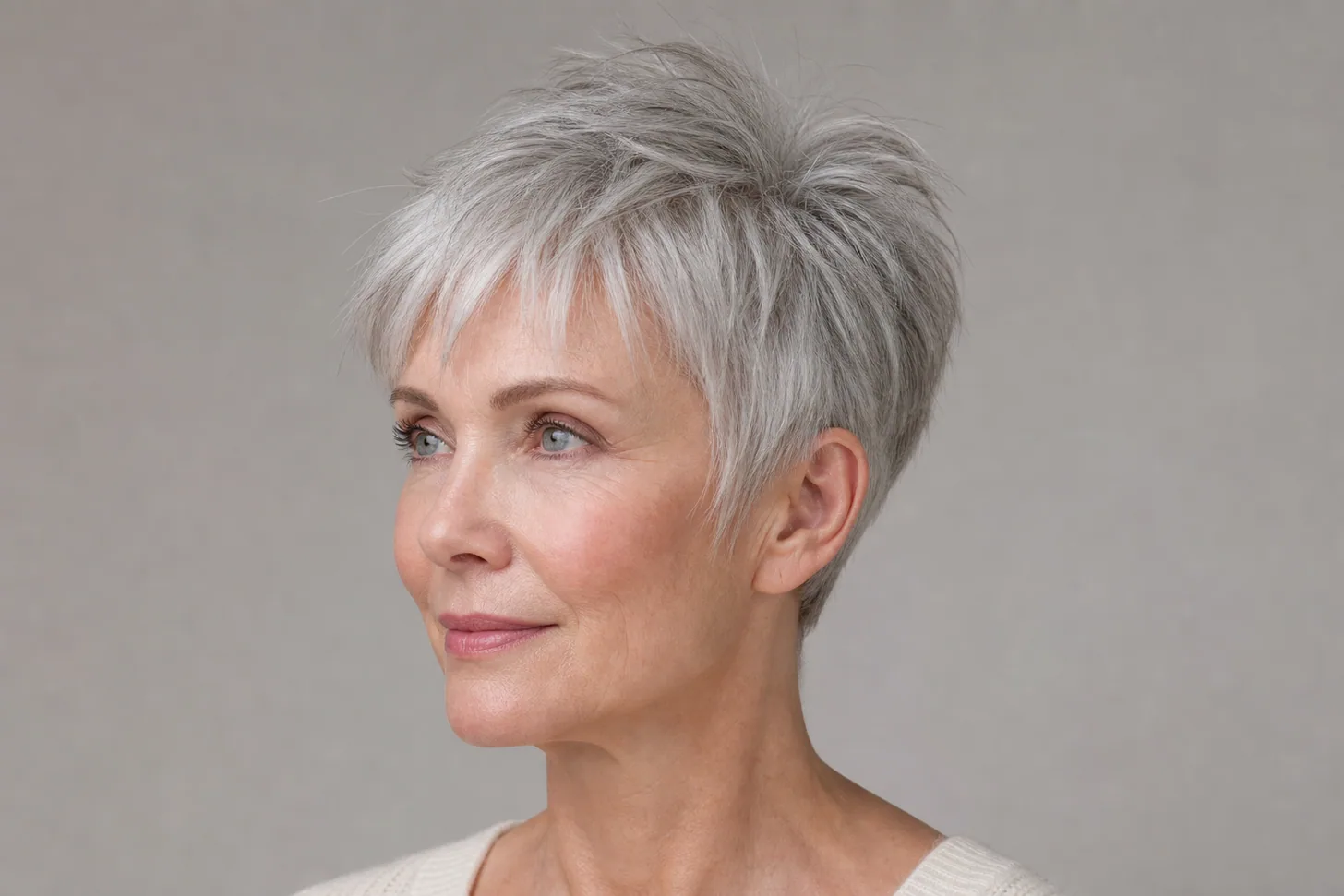
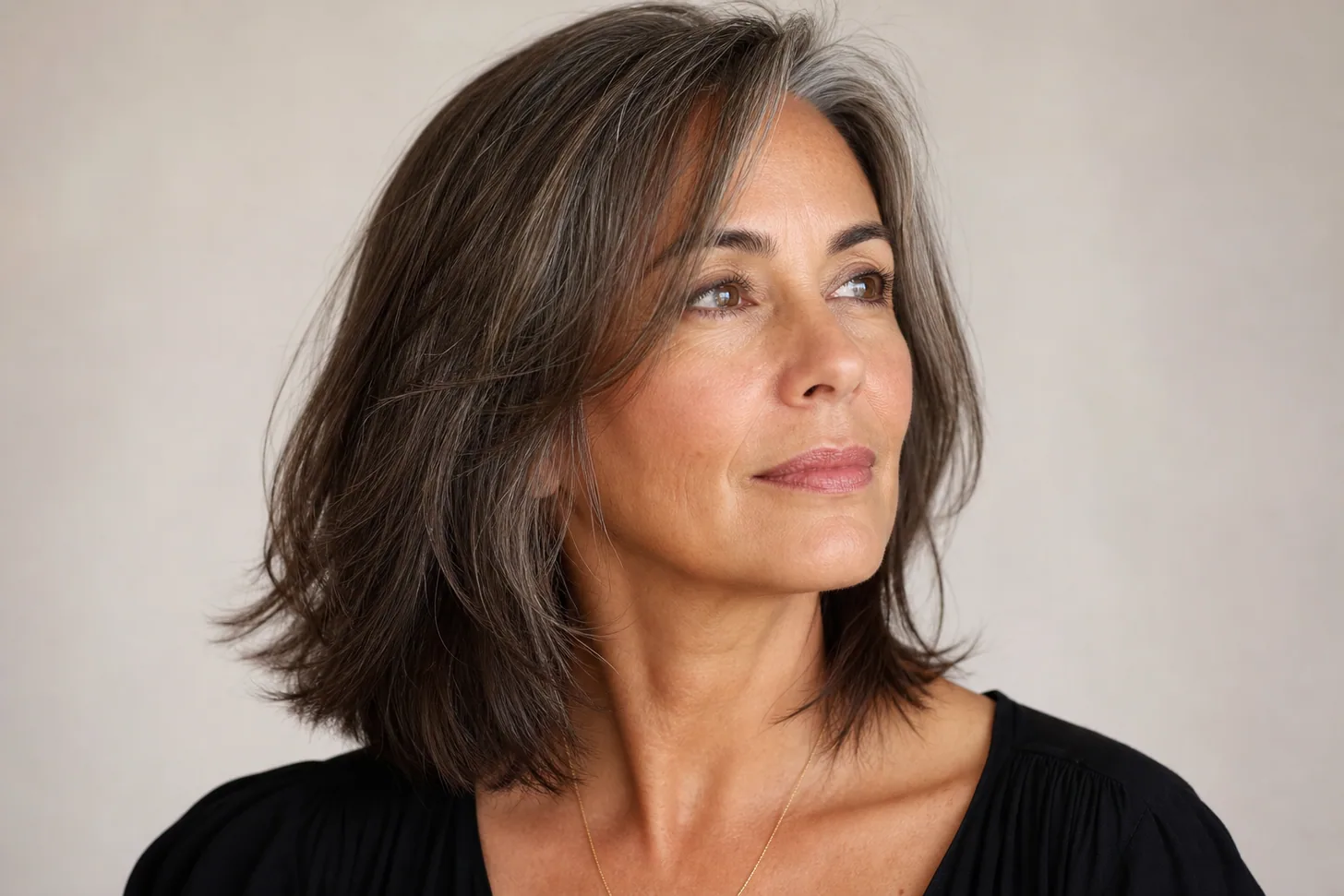

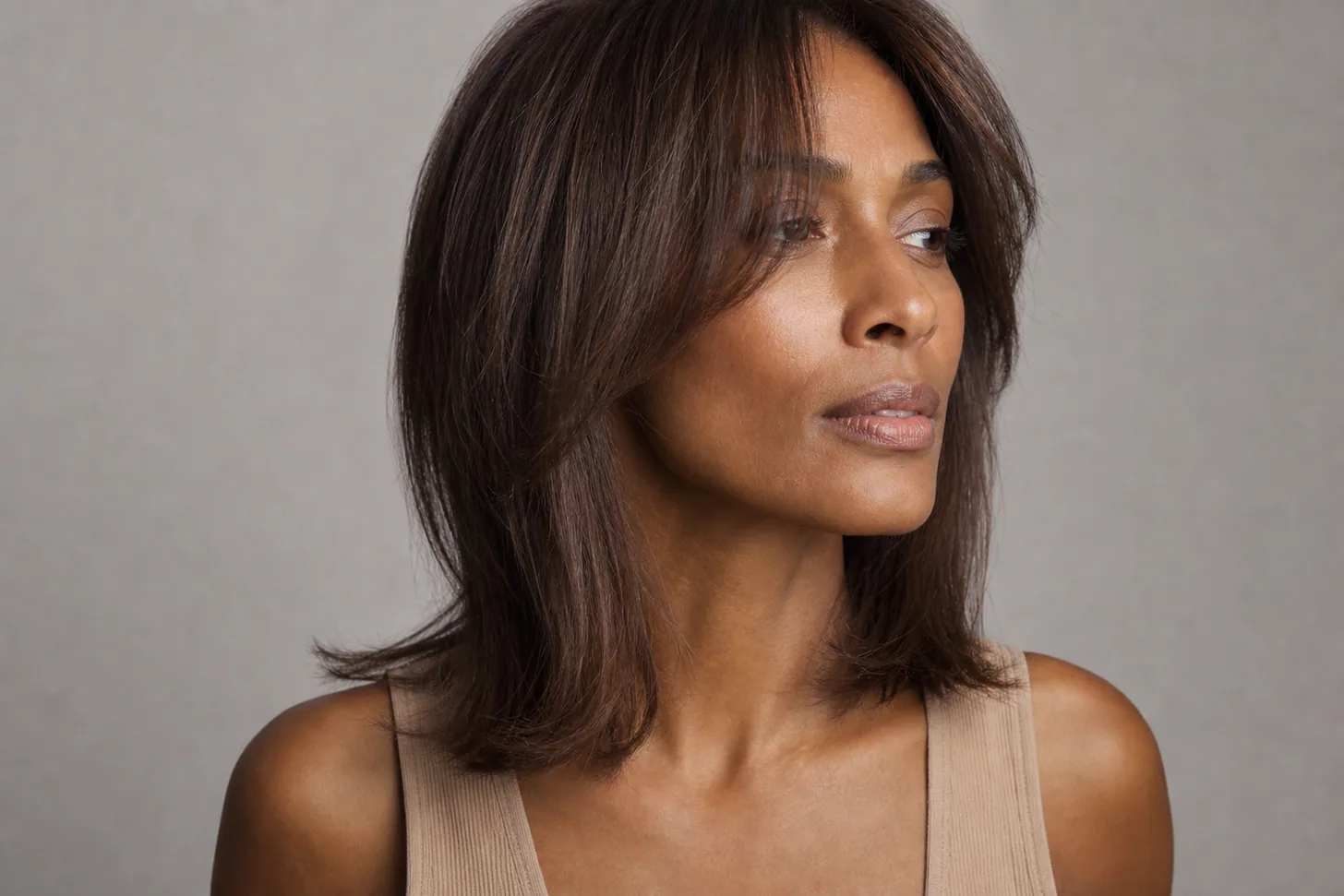
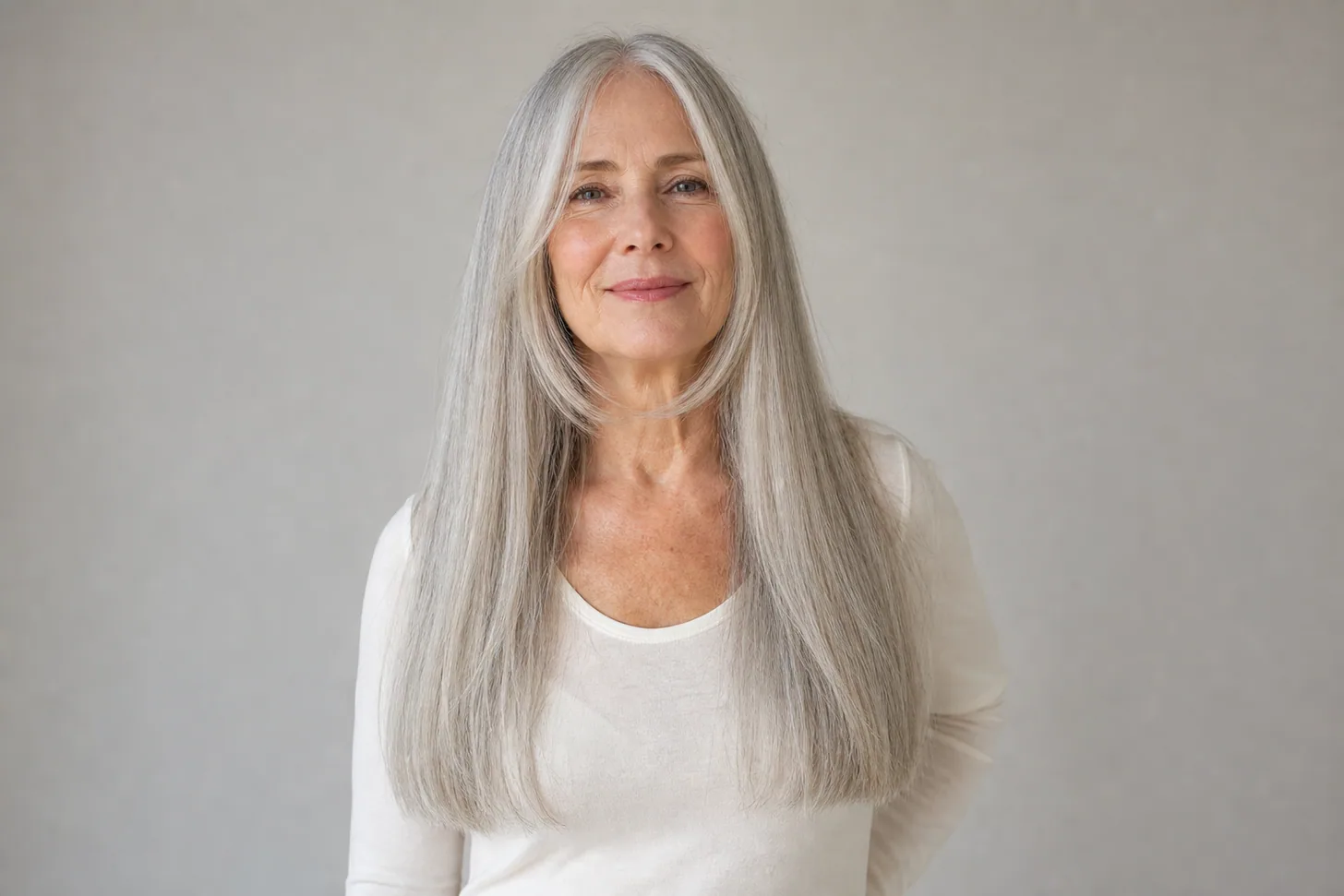



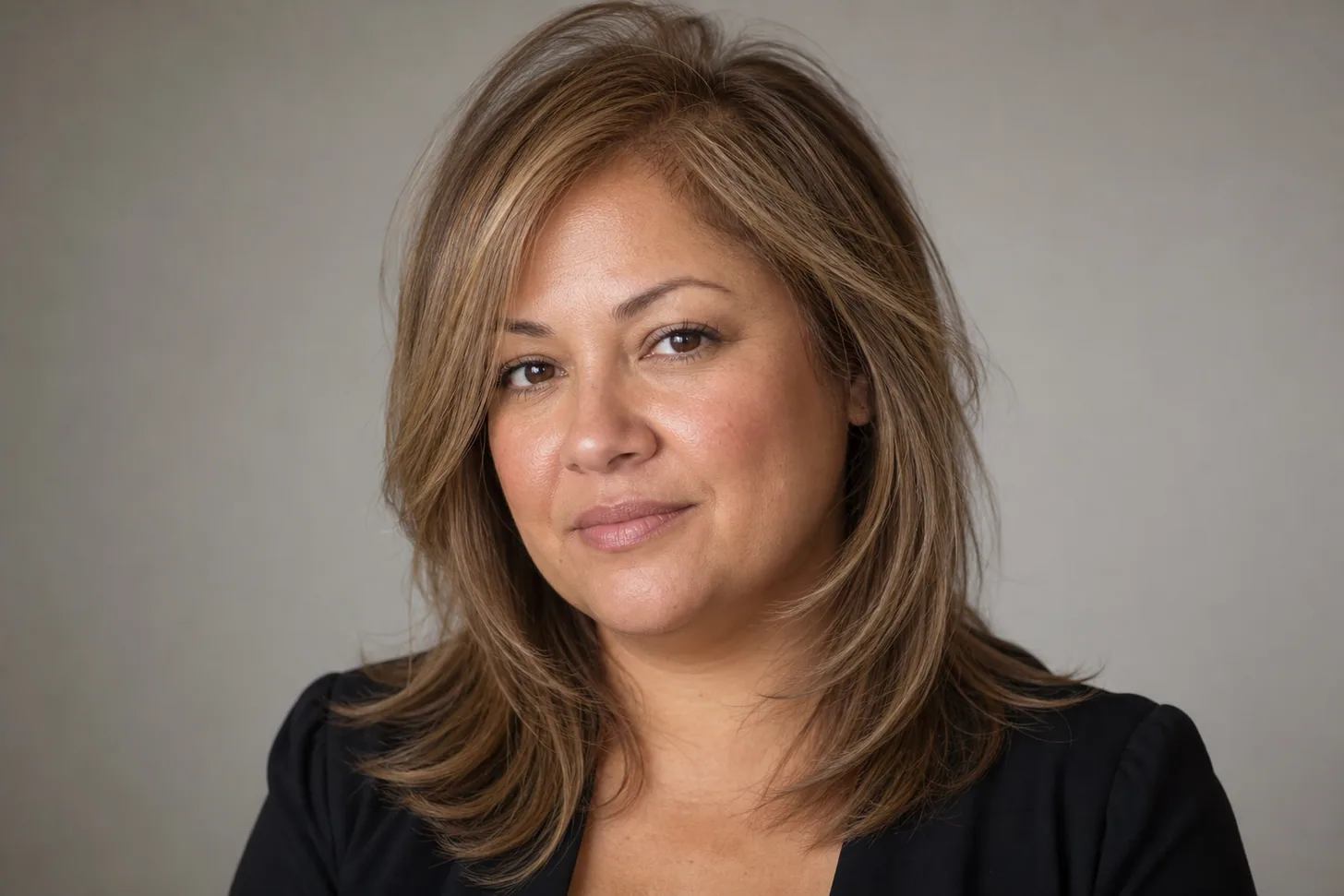

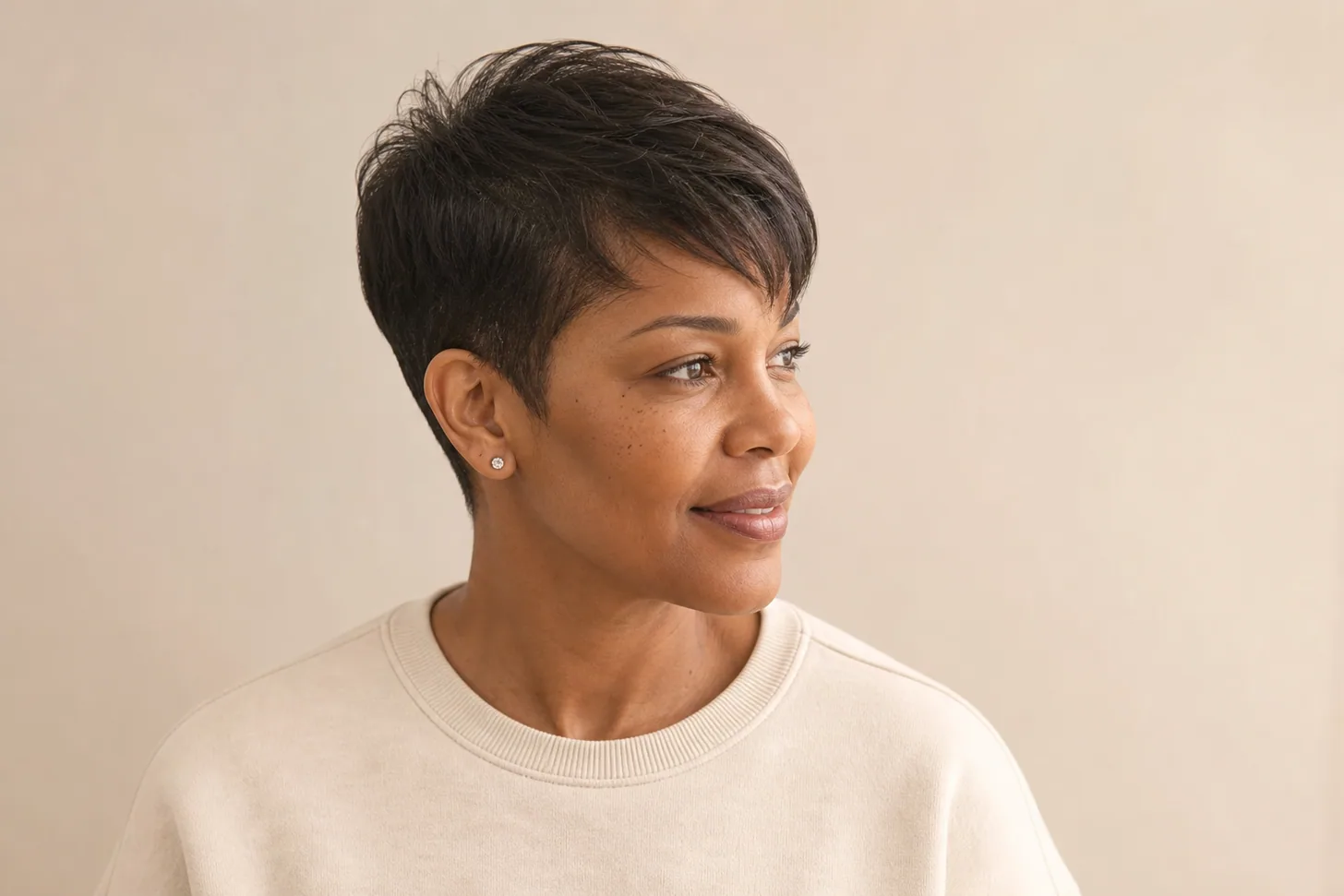
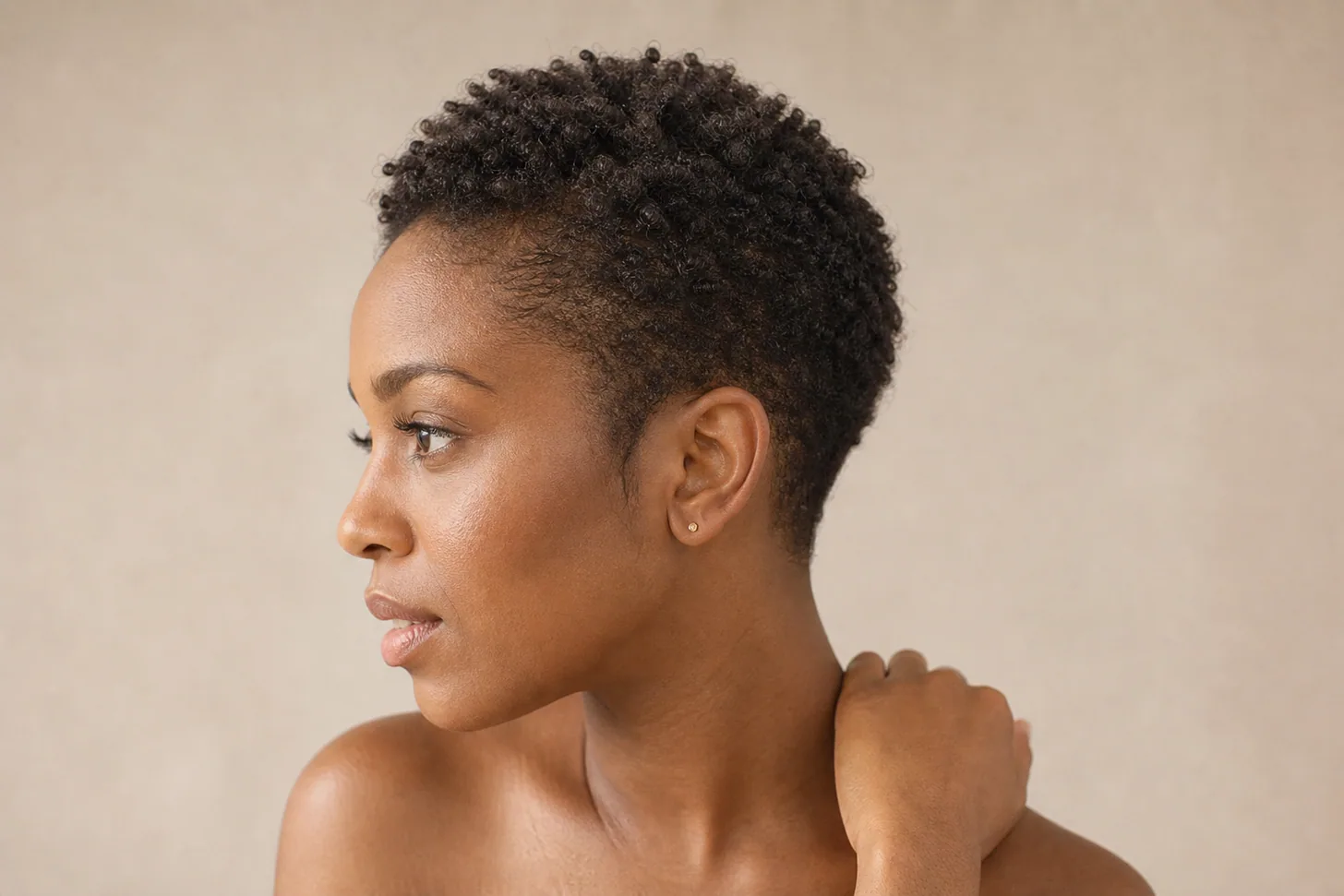
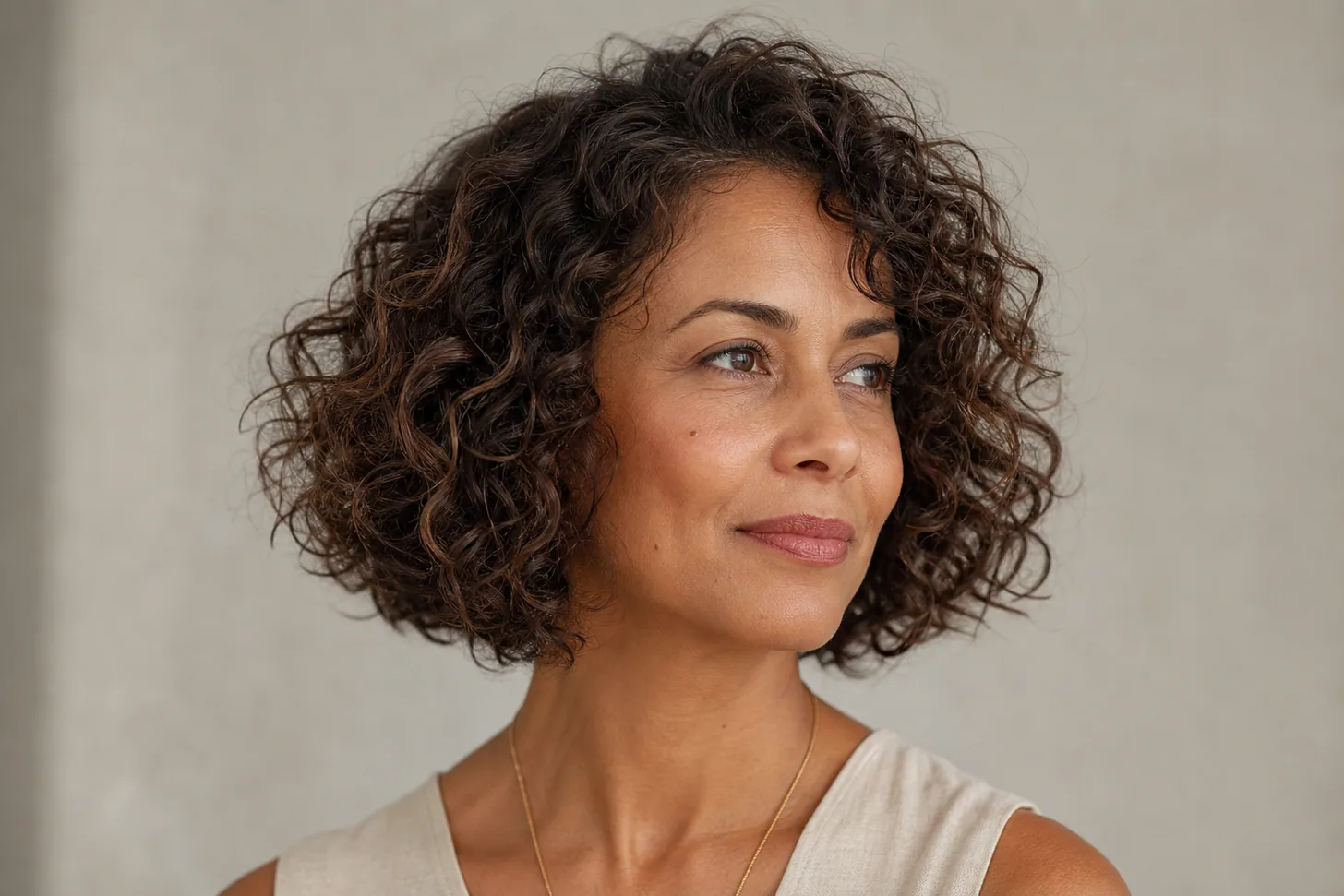

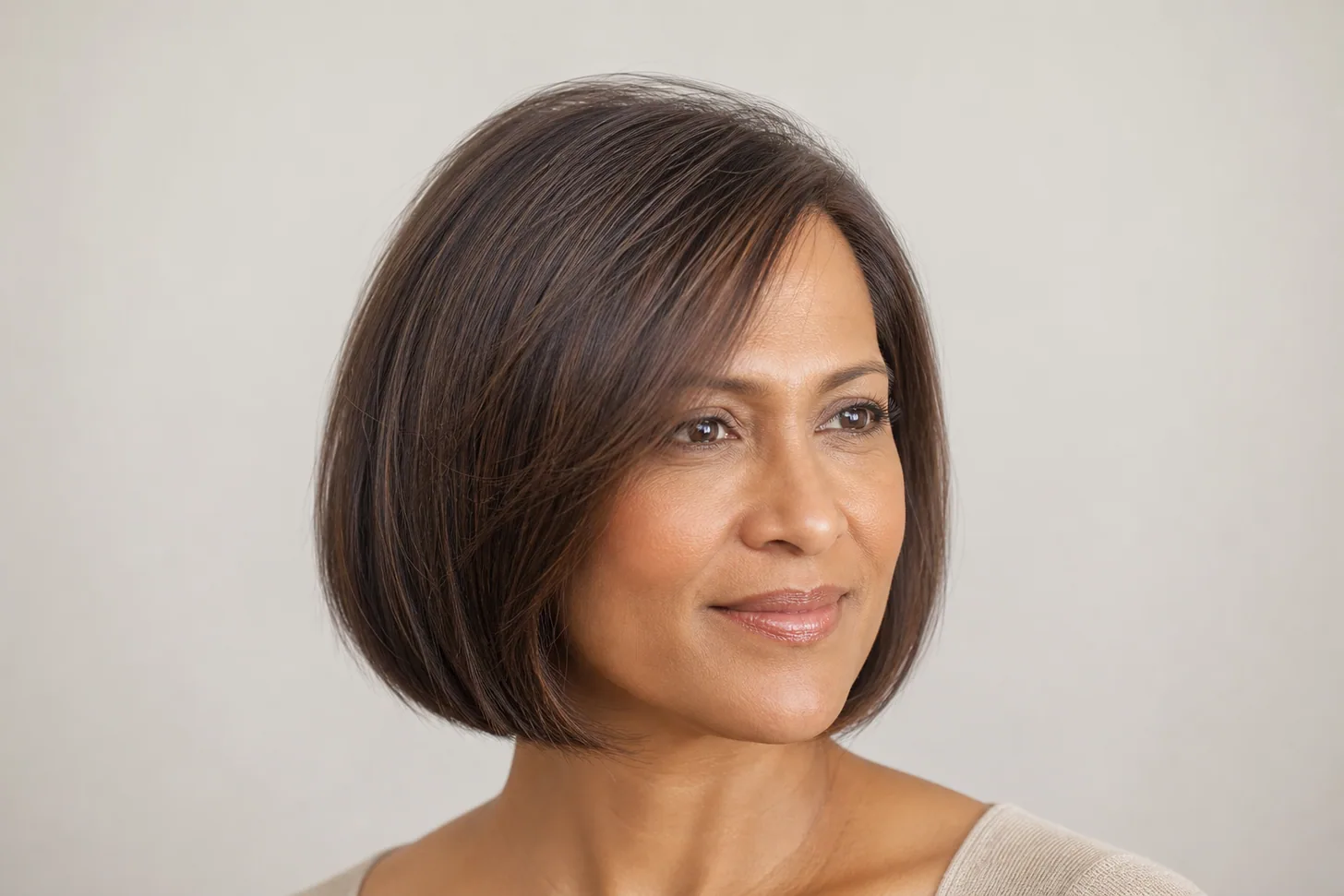
Almost everyone who types thin hair haircuts means one of two different things, and the cut that answers one is often the wrong answer to the other. Fine is the diameter of a single strand — each hair is thread-like, however many of them you have.
Thin is density: how many strands per square inch, which is what decides how much scalp shows at your part. You can be one, the other, or both, and the distinction is not academic. Fine-but-dense hair has plenty of hair to cut into, so it can carry layers, texture and a shag.
Genuinely low-density hair cannot: every layer removes bulk it has none of to spare, and the honest instruction is to keep the perimeter blunt, keep weight low, and cover the part. Two minutes with the fine-versus-thin test will tell you which set of rules you are under, and it is the single most useful thing to settle before you book.
After that, three decisions do the rest, and each is settled on a page of its own rather than here. Length — shorter reads fuller, and the length ladder runs short to bob to lob to medium to long.
Weight — whether the shape is blunt or layered, which is the argument settled on density in volumizing haircuts and blunt cuts. And what the cut is hiding, if anything: a widening part, a thinning crown, or a receding hairline each ask for a different shape, and none of them is answered by a length gallery.
One thing worth saying before you scroll back up: a haircut changes how full your hair reads, not how much of it there is. That is a real and worthwhile change — it is most of what this site is about — but it is not the same claim as the one most thin-hair galleries make. If the amount is what has changed, the cut is the second question, and is it fine hair or thinning is the first.
Start with length. Shorter almost always reads fuller, because length adds the weight that pulls fine roots flat. A cut between the chin and the collarbone — a bob, a lob, or a short cut — is the sweet spot for most fine and thin hair. You can wear it longer if the density supports it and the cut keeps weight off the ends.
Then decide how much movement you want. Blunt shapes look densest and take the least styling; soft internal layers and a shag or wolf cut add movement but ask for a little product. Whatever you choose, the layers should be point-cut, never razored — our stylist settles whether layers help or hurt fine hair and exactly which kinds to ask for — and ghost layers if you want the volume without losing any visible length.
A fringe — curtain bangs or a soft wispy fringe — adds fullness at the face without borrowing density from the top, and if you're heading the other way, growing out bangs on fine hair has the real timeline.
Factor in your decade and your density. As density drops, keep more weight low and cover the part: our decade guides for fine hair over 50, over 60, and mature fine hair match the shape to what changes with age. And once you've chosen, learn to keep it full: our guide to adding volume to fine hair is the styling half of the equation.
Bring the mechanics, not just a photo. Say: "I have fine hair and I want it to look fuller. Please keep the perimeter blunt and strong, point-cut any internal layers rather than razoring or thinning them, and keep the weight low enough that my roots aren't dragged flat." If your part is widening, name it and ask them to cut for lift at the crown and set you up with a deeper side part.
Those few sentences are the difference between a cut that flatters fine hair and one that fights it — the whole reason this site exists. For the complete script, copy from the exact words to ask for a fuller-looking haircut, and for what the terms in it actually mean, cutting techniques decoded for fine hair.
Two more worth settling at booking: whether the cut is done wet or dry — on fine hair the answer is both, in a particular order — and, if a previous appointment went badly, what a corrective cut can and can't fix. And because one tool causes more damage to fine hair than every other put together, it now has its own page: how to use thinning shears — and when to refuse them, including how much each grade of shear actually removes.
The cuts that flatter fine and thin hair are the ones that create the illusion of density: blunt and graduated bobs, the lob, soft point-cut layers, textured pixies, and the modern shag. What they share is a strong weight line and internal layers cut with scissors rather than a razor, so the ends stay dense where fine hair thins first. The single most reliable choice is a blunt or graduated bob at or above the jaw — it concentrates the hair you have into a solid edge the eye reads as fullness. Avoid long, heavy, one-length hair with no shape and any razored or over-thinned layering, both of which drag fine hair flat and expose the scalp.
A blunt cut makes fine hair look thickest, because a clean, heavy perimeter gathers every strand into one dense-looking line. A blunt bob or a blunt collarbone "clavicut" are the strongest examples. Adding a little graduation or stacking at the back builds a rounded body at the crown, where fine hair collapses most. Soft, point-cut internal layers add movement without thinning the ends. The finishing touch is a deeper side part and a light root lifter, which prop the roots up and instantly read as more volume. It's the combination — blunt weight line plus soft internal layers plus root lift — not any single trick, that makes fine hair look fuller.
Shorter usually looks fuller on fine hair, because length adds weight that pulls the roots flat and stretches the same amount of hair over more surface, so the scalp shows through. A cut between the chin and the collarbone — a bob, lob, or short-to-medium layered cut — is the sweet spot for most fine and thin hair. That said, fine hair can be worn long if it's cut for it: kept to a strong shape with long layers that keep weight off the ends, and if the density supports it. If your part is widening or the scalp shows badly, going shorter will almost always look fuller than holding onto length.
Layers help fine hair when they're the right kind and hurt it when they're not. Soft, internal, point-cut layers over a strong perimeter add movement and lift without sacrificing density — that's what you want. Heavy, high, or razor-cut layers remove weight from already-sparse hair and leave the ends stringy and transparent, which makes fine hair look thinner. The rule is: keep the perimeter blunt and strong, and let any layers live inside the shape rather than shredding the ends. Always ask your stylist to point-cut the layers with scissors, never to razor or heavily texturize fine hair.
Avoid three things: long one-length hair with no internal shape (it hangs flat and shows the scalp), heavily razored or over-thinned layers (they leave fine ends transparent), and blunt-heavy full fringes that borrow density an already-fine top can't spare. Extreme disconnection and choppy, high layers also tend to expose how little hair there is rather than disguise it. None of this means fine hair is limited — it means the cut has to keep weight where you need it and add movement without removing bulk. When in doubt, err toward blunter and softer, not choppier.
Fine and thin describe two different things. Fine is the diameter of each individual strand — a fine strand feels thread-like and almost silky between your fingers. Thin (low density) is how many strands you have per square inch of scalp — thin hair shows more scalp at the part. You can be one, the other, or both, and the distinction changes which cut works: fine-but-dense hair can carry more layering, while genuinely thin hair wants weight kept low and the scalp covered. A quick test is to roll a single strand between your fingertips and look at how much scalp shows along your part in good light. Our guide to telling fine hair from thin hair walks through it.
Often, yes — and it is the distinction most galleries skip. Fine describes the width of one strand; thin describes how many strands you have. Someone with fine but dense hair has plenty of hair to cut into, so layers, texture, a shag or a wolf cut are all genuinely open to them, and a blunt-only rule would just make their hair heavy and shapeless. Someone with low density has the opposite constraint: every layer removes bulk there is none to spare, the ends go transparent, and the part gets wider. For them the reliable answer is a strong blunt perimeter, weight kept low, minimal internal layering, and a shape that covers the part rather than exposing it. If you are both fine and thin, follow the low-density rules — they cost you a little movement and protect the thing that actually reads as fullness. The two-minute check is on our page comparing fine, thin and thick hair.
