Reviewed by Tara Sullivan · Updated July 2026 · 9 min read
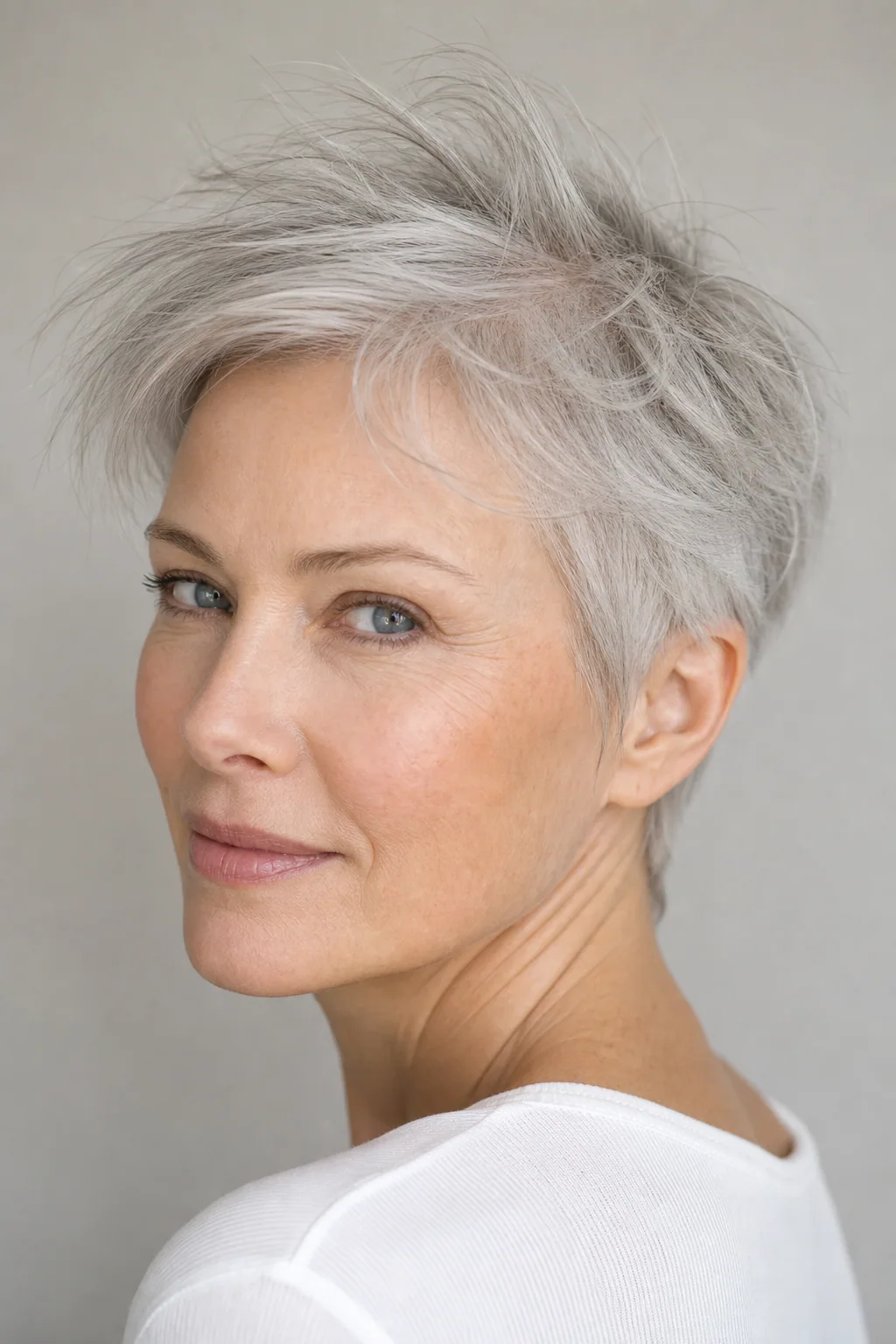
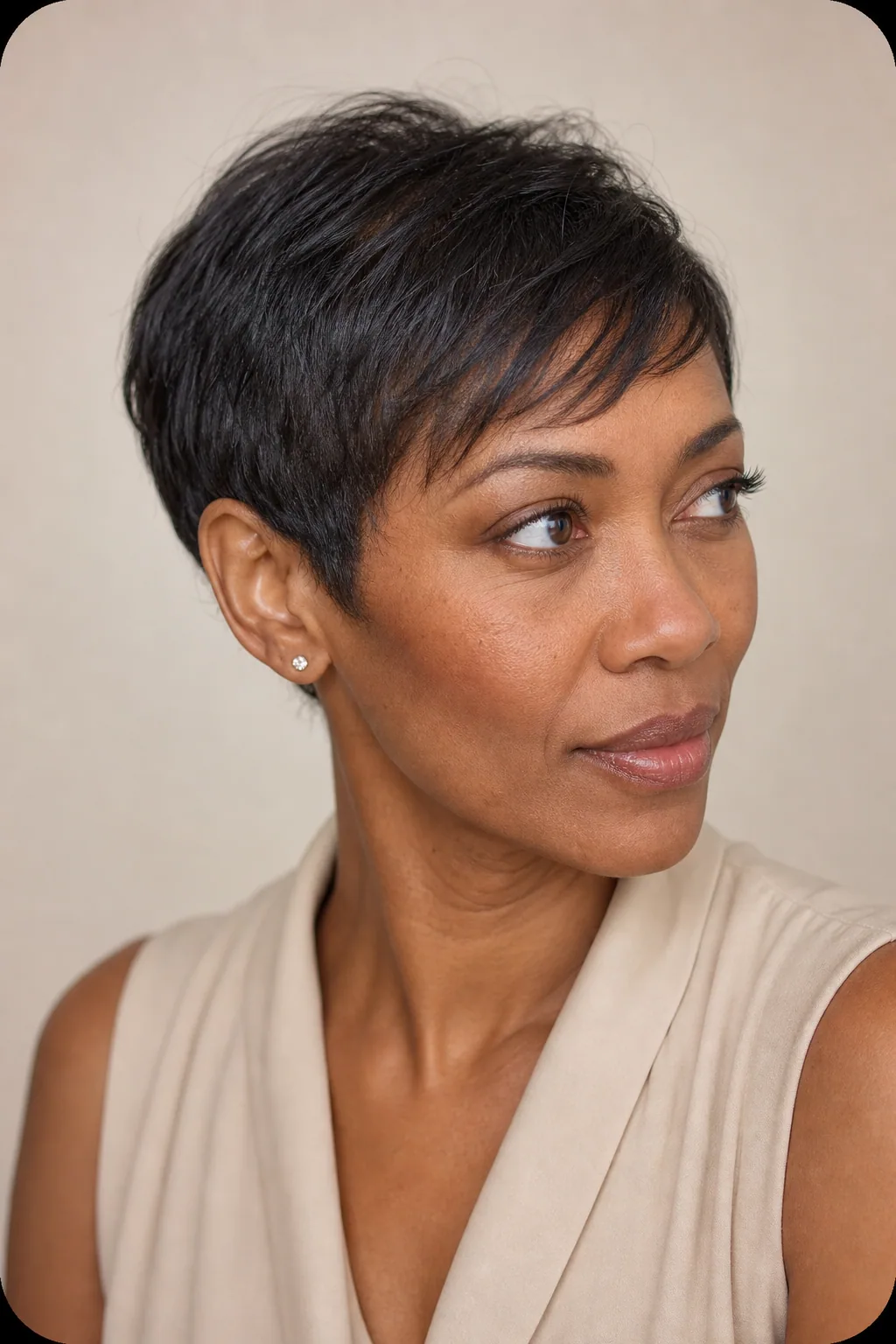
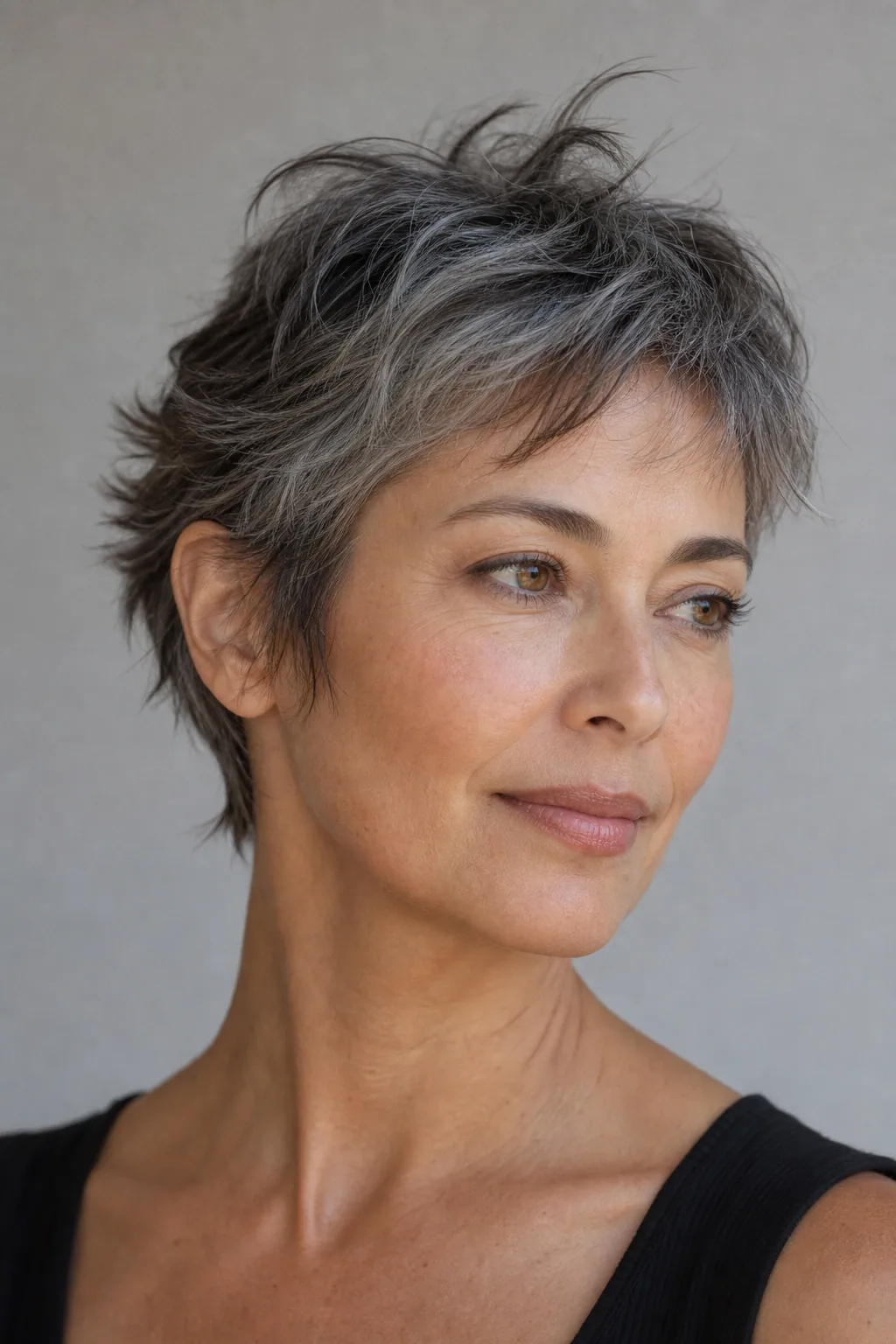
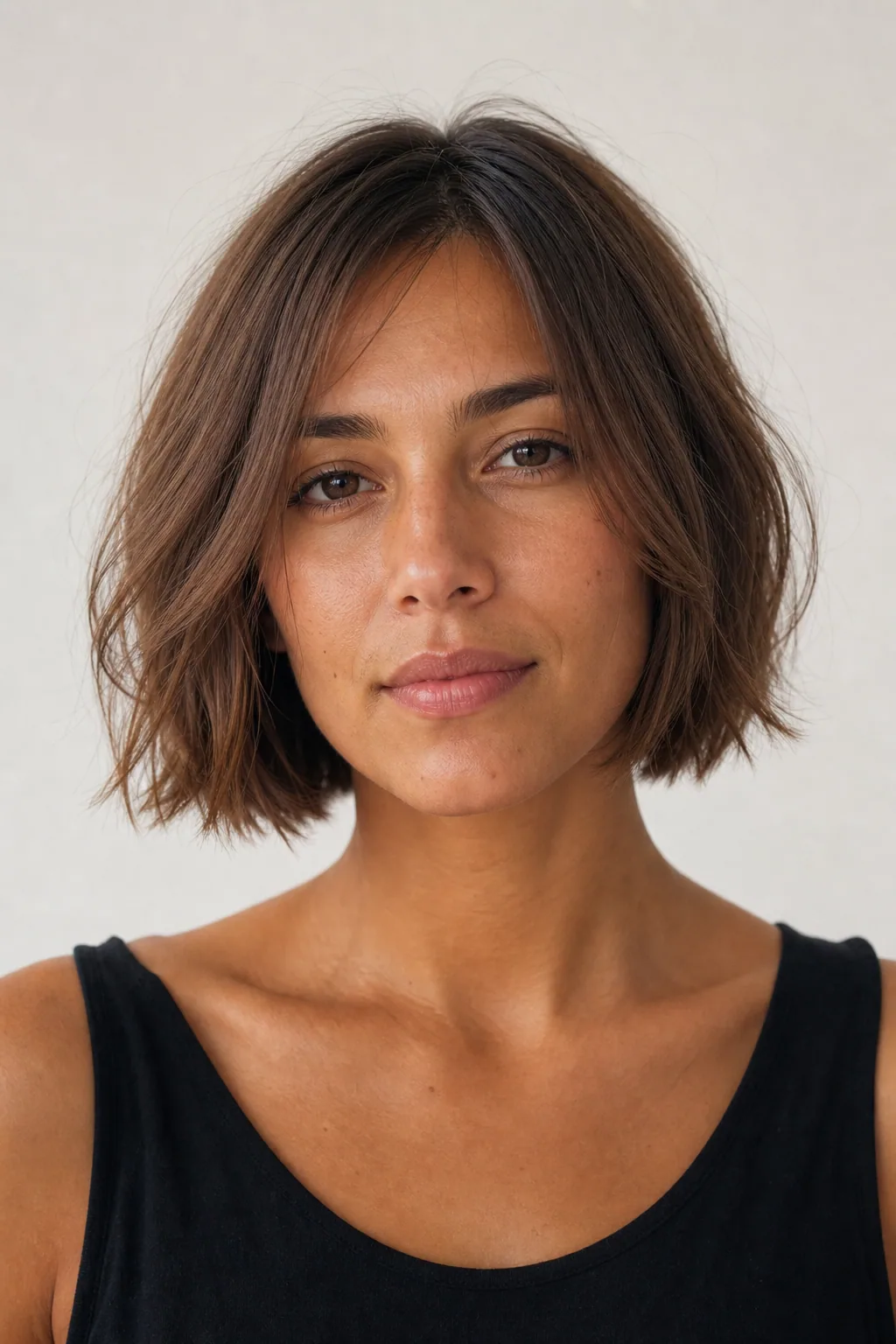
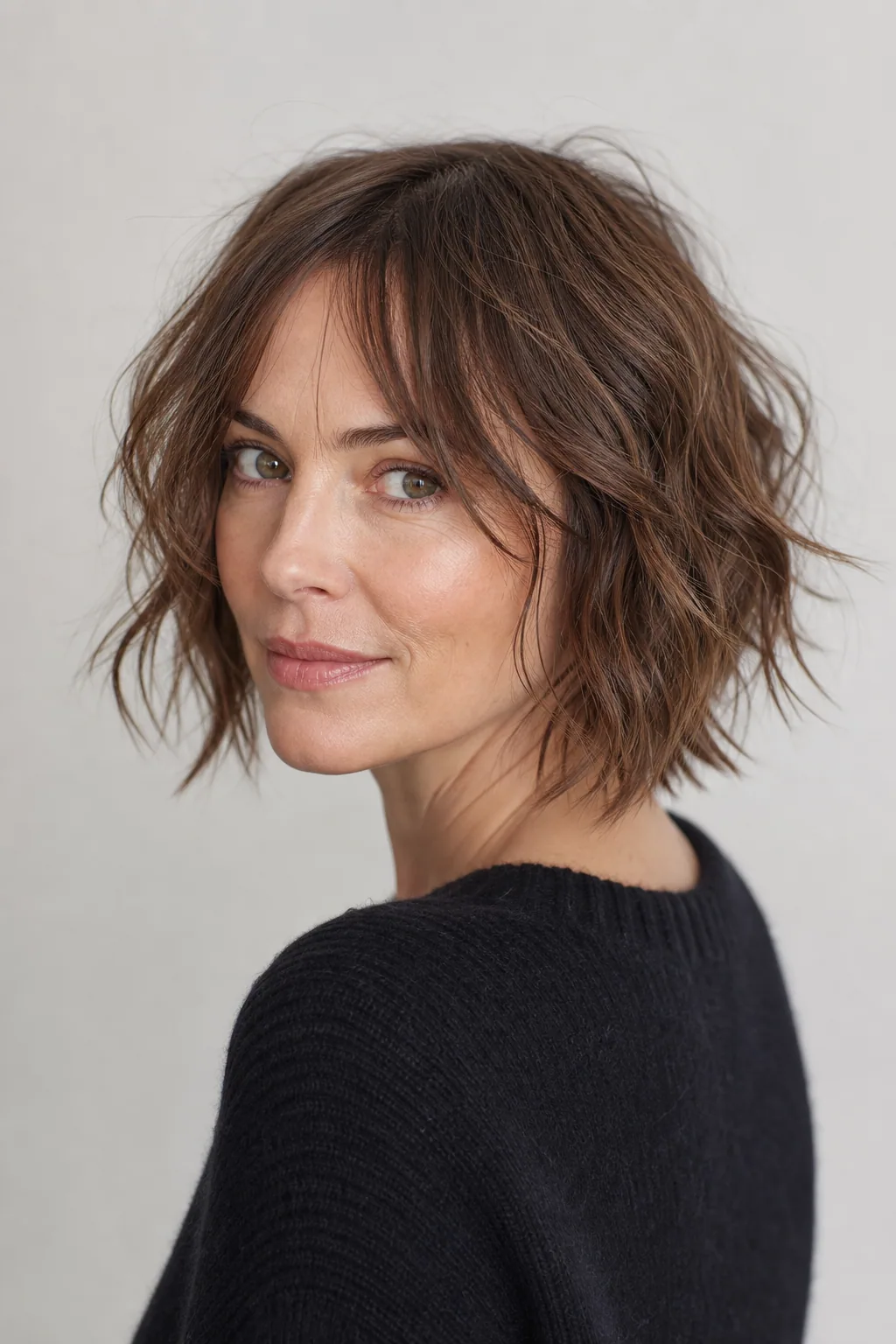
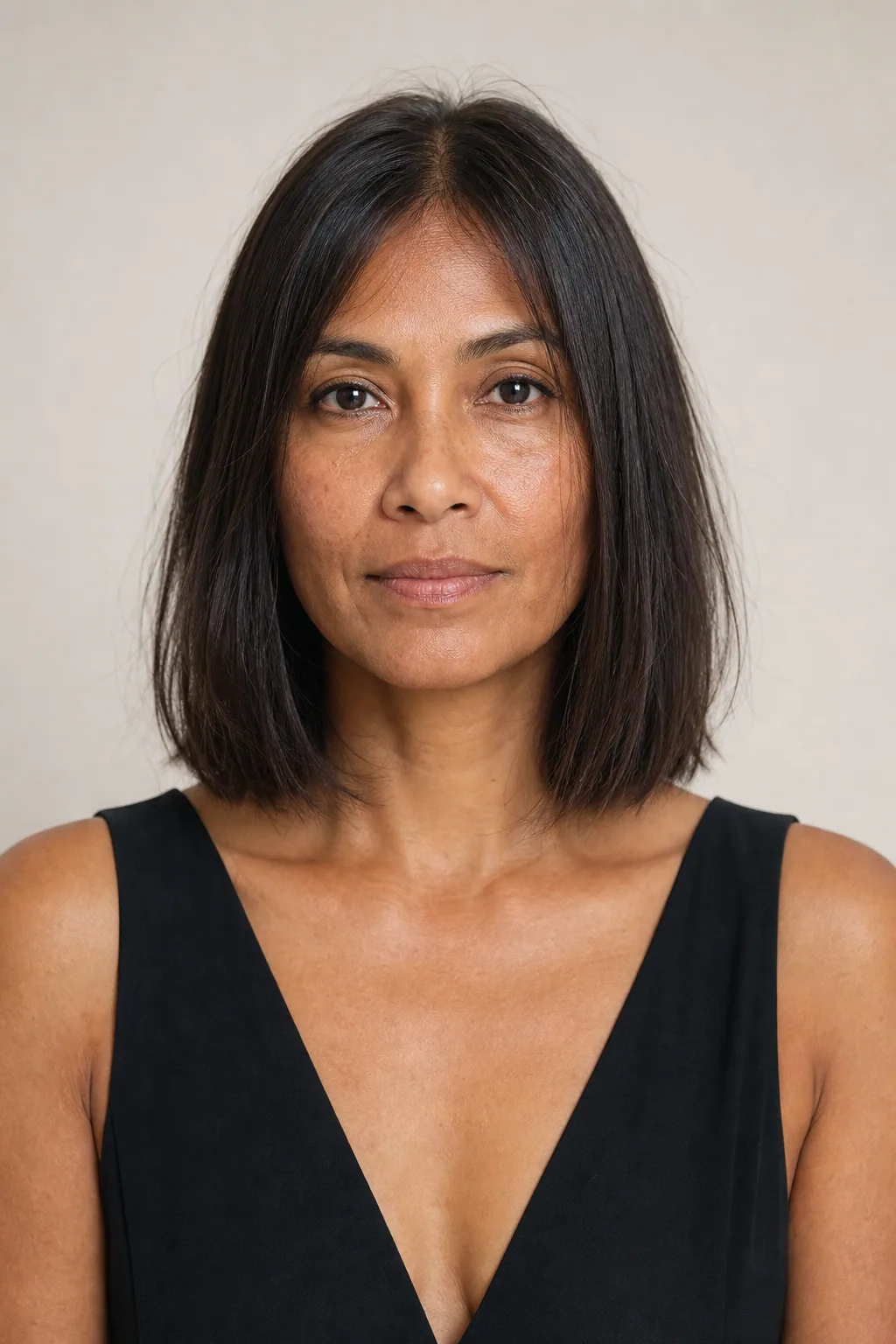
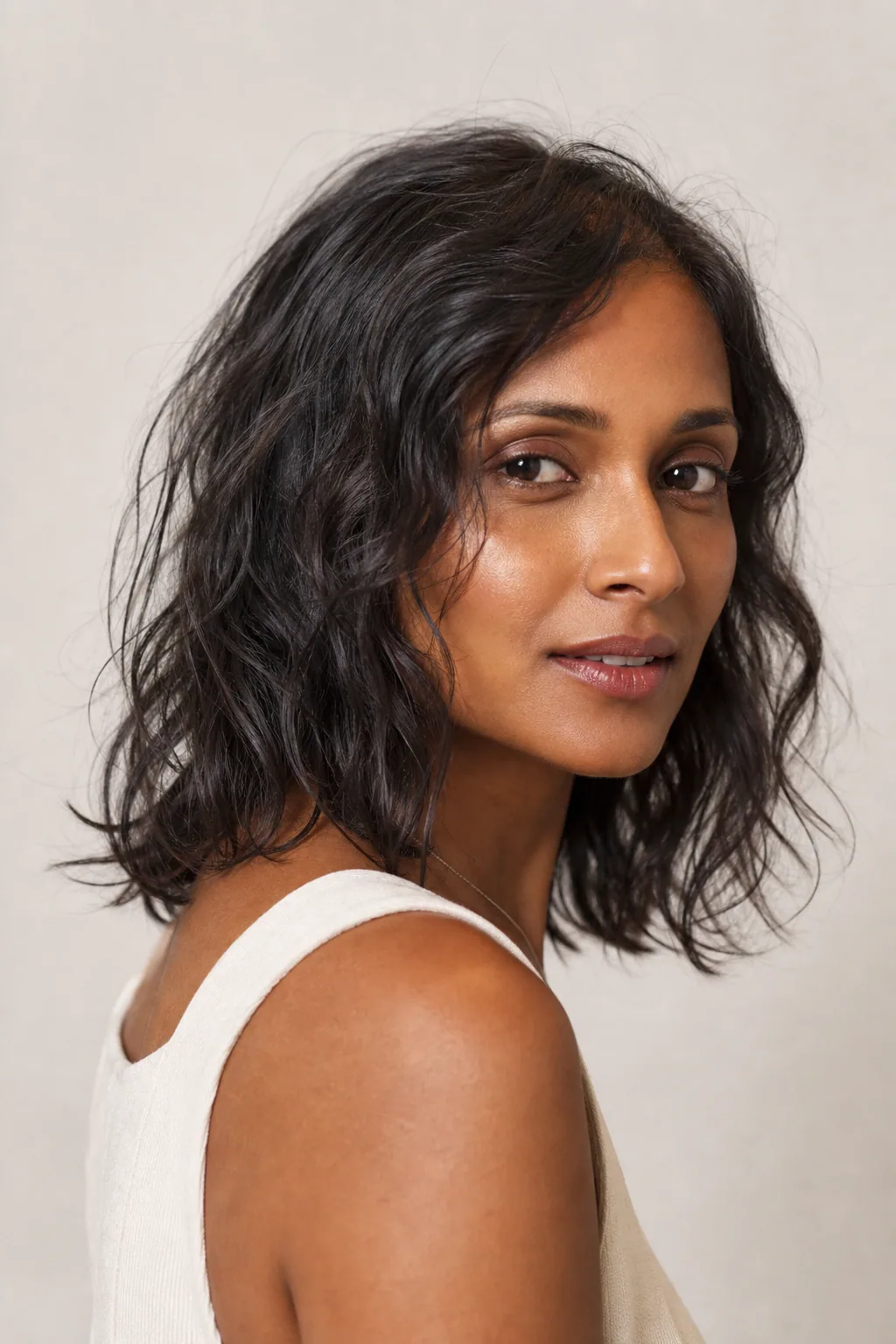
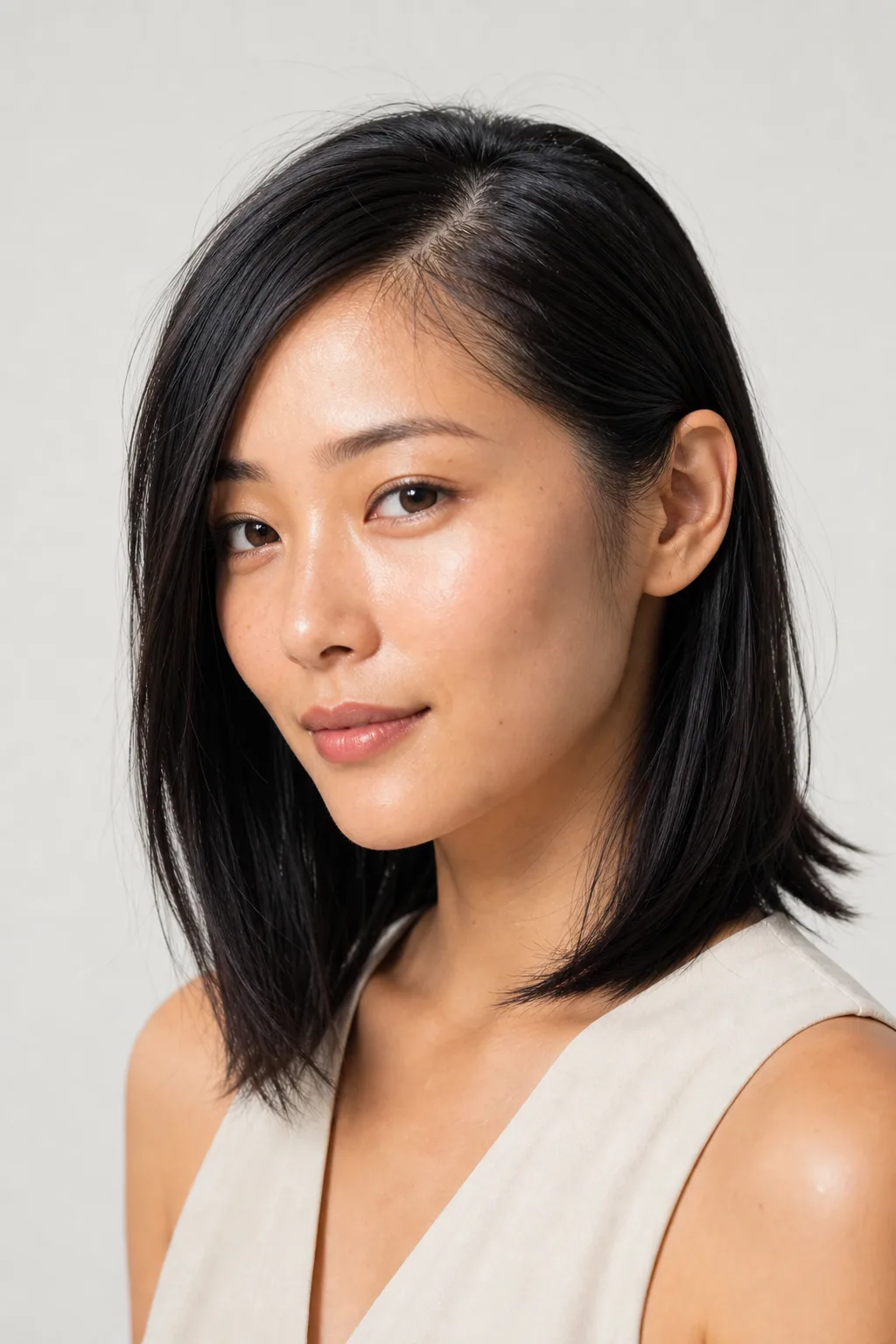
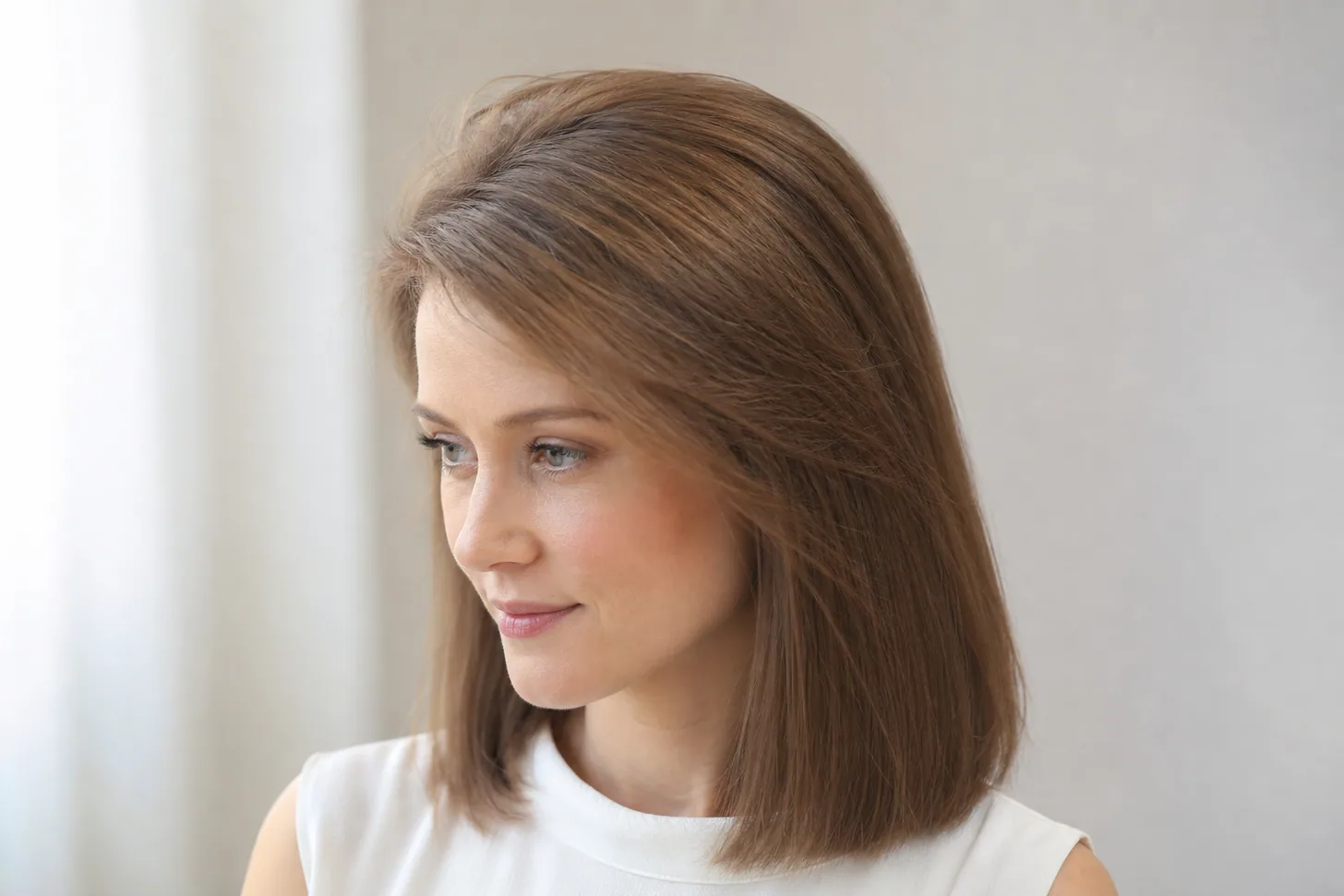
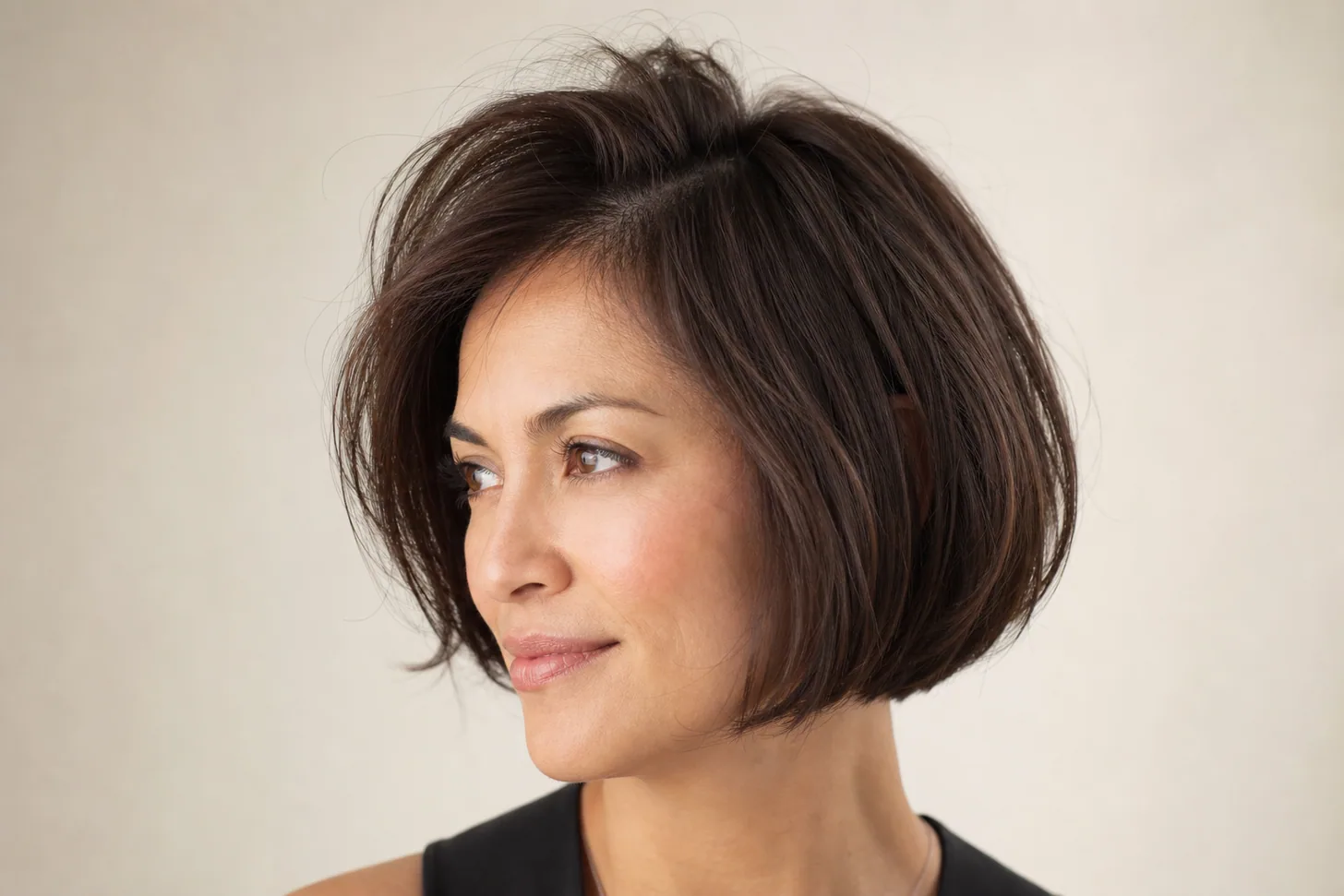
The secret to low-maintenance fine hair is a cut where the shape does the styling for you — a strong hemline that reads as fullness without a blow-dry, and a shape cut to your natural texture so it air-dries into place.
Get the cut right and fine hair looks full and intentional straight out of the shower. Below, 16 salon-tested wash-and-wear cuts grouped by length, each with who it suits, plus a face-shape cheat sheet and the honest upkeep each one really asks for.
Chair-side note
"Low-maintenance" gets mistranslated as "short," but that's only half true. A cropped cut is low-styling and high-salon — it looks good with no effort but needs a shape-up every month.
A blunt lob is the reverse: a couple more minutes some mornings, but I only need to see you every three months. Before I pick up the scissors I ask which chore you'd genuinely rather skip — the mirror or the salon. The honest answer decides the cut, and it's different for everyone.
SB
— Simone Baptiste, Senior Stylist
What makes a cut low-maintenance for fine hair
Three things, and the best wash-and-wear cuts have all three. The shape carries the fullness — a blunt or weighty perimeter reads as density with no styling, the same principle behind the bob for fine hair.
It's cut to your texture — shaped to your natural wave or fall so it air-dries into place instead of demanding heat. And it grows out gracefully — so a missed trim doesn't wreck it, which is worth weighing against how often the cut will genuinely need trimming.
What you're avoiding is the trap of a heavily layered or long, flat style that only looks good blow-dried; that's high-maintenance by design on fine hair. If you're not sure whether your hair is fine, thin, or both, start with the two-minute fine-vs-thin check — density affects how short you can go. The full range of shapes lives in our haircuts for fine & thin hair hub.
Low-maintenance short haircuts for fine hair
Lowest daily effort of all — a scrunch or a fingertip of product and you're done — at the cost of more frequent salon shape-ups. For anyone who'd rather never pick up a dryer. Shorter still, and the daily effort drops to nothing while the appointment cost rises: very short haircuts for fine hair.
Two versions of the short low-maintenance cut get asked for by name, and they behave differently on fine hair. A short shaggy cut is low-effort because its texture is built into the shape — the layers hold each other up, so air-drying is the intended finish rather than a compromise.
The catch is that the fullness in a shag comes from weight sitting in layers, so an over-textured version goes limp on fine hair and needs product to stand up, which is no longer low-maintenance. Our shag and shaggy cuts for fine hair gallery covers where that line sits.
A short feathered cut is the softer relative: the ends are point-cut into fine, tapered pieces that fall together without styling. It is genuinely wash-and-wear, but it is the least forgiving cut here on very low density, because feathering removes weight from ends that may not have it to spare — the feather cut on fine hair has the honest version of that trade.
1
The wash-and-wear long pixie
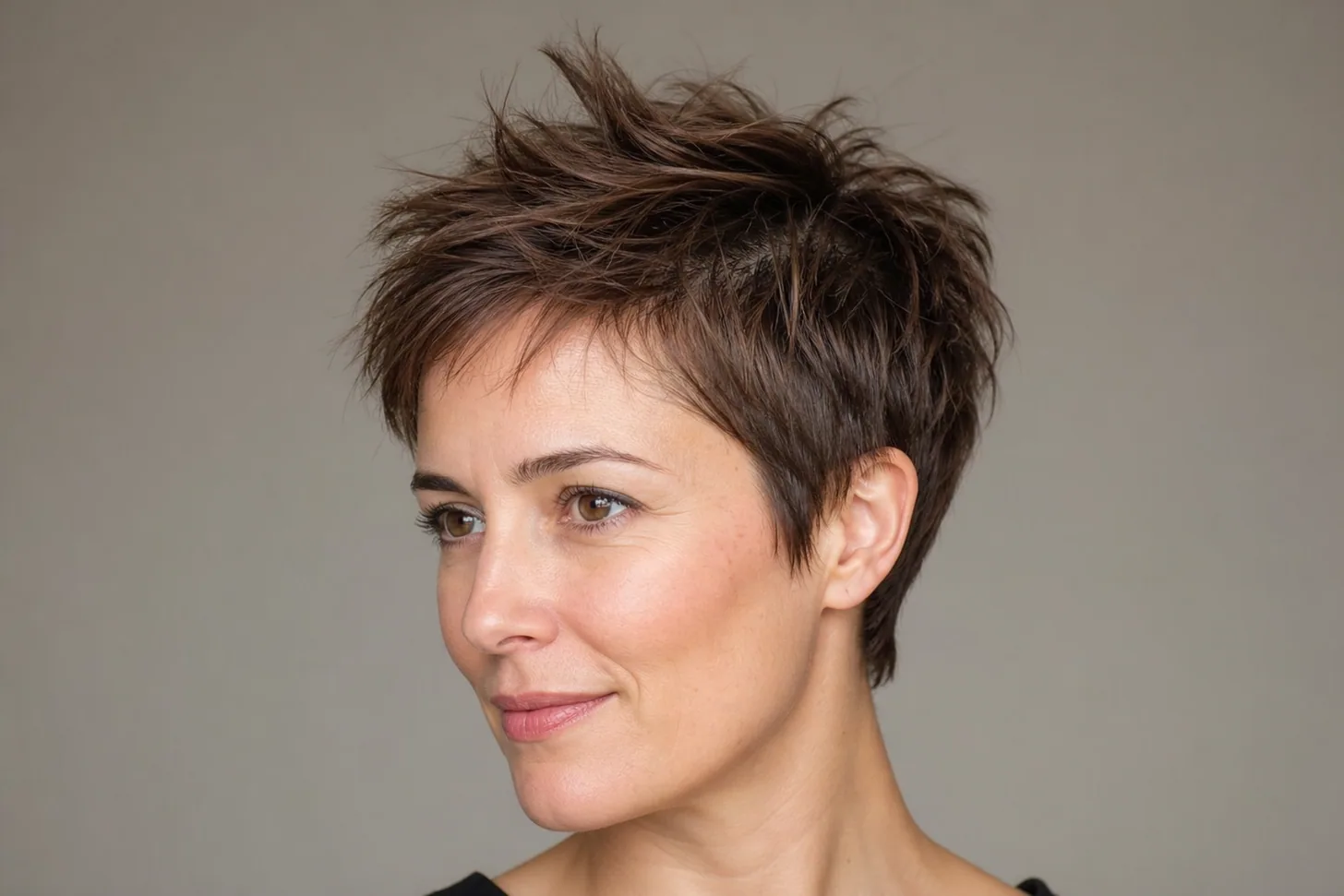
Long enough on top to air-dry with a fingertip of paste, short enough that fine hair stands up on its own — no heat required. It's the lowest-styling cut here, and the longer length grows out more gracefully than a cropped pixie. See the full range in our pixie cuts for fine hair.
2
The blunt French bob
Cheekbone-grazing, blunt, and deliberately undone — it air-dries into piece-y shape with a scrunch of light foam, which makes it one of the lowest-effort cuts anywhere. The blunt line reads full on fine hair without a single pass of a brush.
3
The rounded soft crop
A short, soft, close-to-the-head shape that needs one product and thirty seconds — the definition of grab-and-go. Best on oval and heart faces with the bone structure to carry short hair. Trade-off: it needs a shape-up every four to six weeks to stay crisp.
4
The lived-in grown-out pixie
Cut to look better as it grows — soft, piece-y, and deliberately undone, so a missed trim reads as intentional texture rather than a shapeless mess. The most forgiving short cut for anyone who can't commit to monthly salon visits.
5
The textured ear-length bob
A short bob with point-cut ends that break into soft texture as it air-dries — no heat, no brush, just a mist of texture spray. Keeps the density illusion of a blunt line while looking effortlessly undone. A great first step shorter for the pixie-curious.
6
The soft shag-bob
A gentle, lived-in shag at bob length — the choppy texture is designed to look undone, so it's forgiving of both skipped styling and stretched trims. Best on fine hair with a little natural wave; scrunch and go. On very straight hair it needs a touch more product to look intentional.
Mid-length wash-and-wear cuts
The sweet spot for most people — long enough to tie back on a bad day, short enough that fine hair still holds body, and forgiving on trims. The blunt lob is the low-maintenance MVP.
7
The blunt collarbone lob
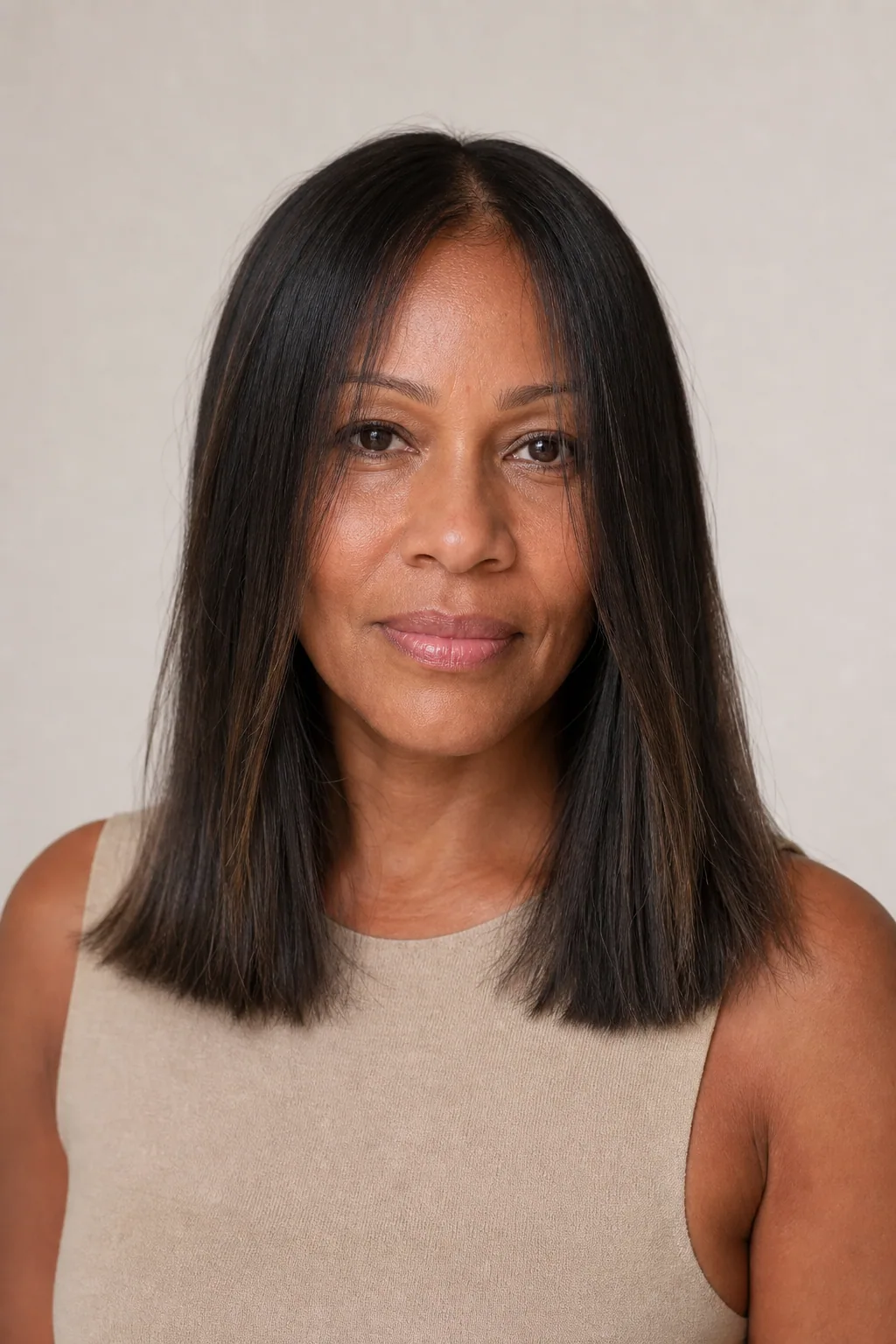
If there's one low-maintenance cut for fine hair, it's this — a strong, blunt hemline reads as density with barely any styling, and it stretches 8–10 weeks between trims. Air-dry it straight for sleek or scrunch for soft waves. Our full lob guide for fine hair breaks down every version.
8
The air-dry wavy lob
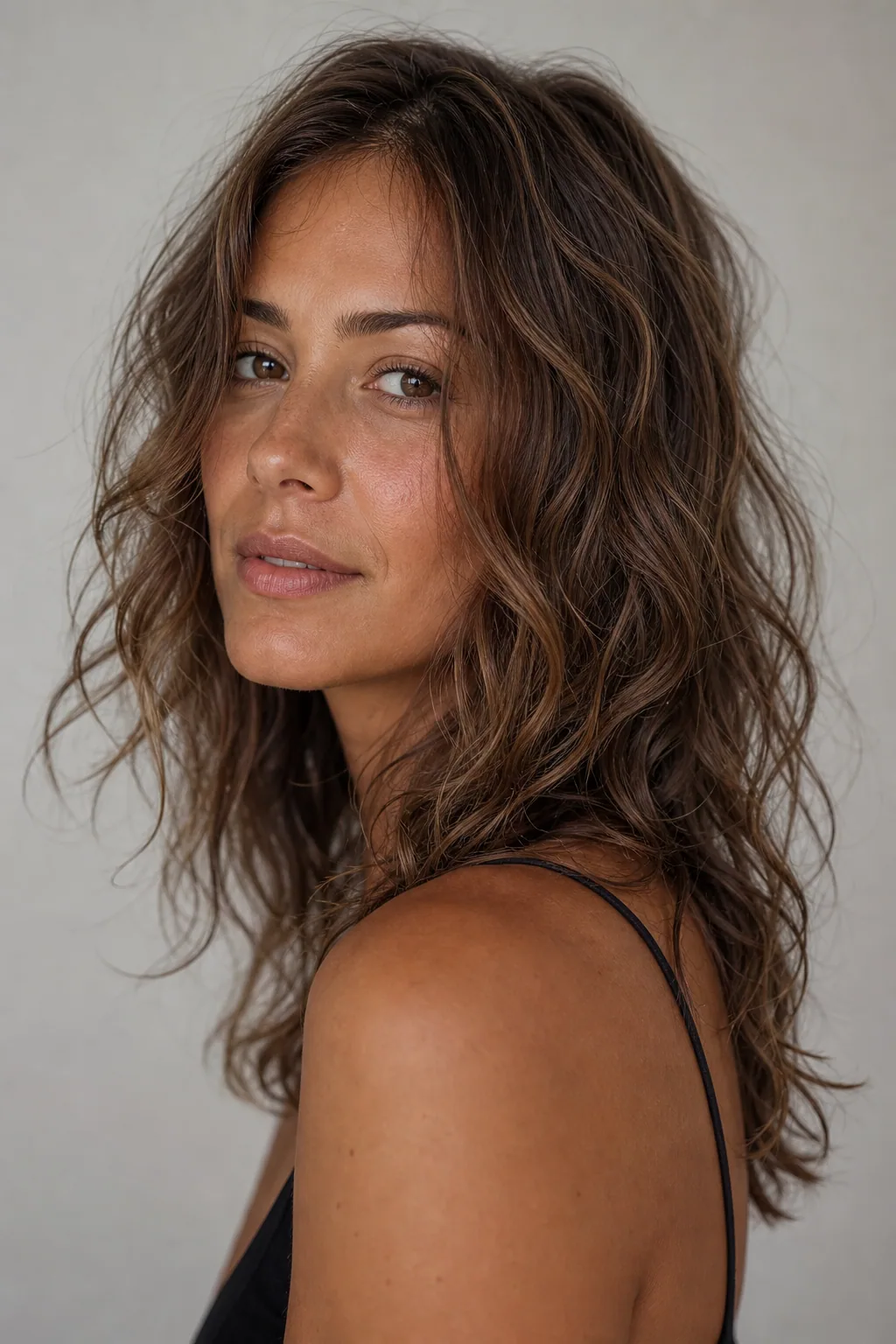
Cut to work with a natural wave, so it dries into soft, full shape with just a scrunch of foam — the ultimate wash-and-wear cut if you have any natural bend. Have it cut dry if your stylist offers it, so the shape lands where your wave actually falls.
9
The soft everyday shag
A conservative collarbone shag with layers concentrated up top — enough texture to look intentional air-dried, few enough that it doesn't thin the ends. One of the most forgiving cuts to grow out, so trims can stretch to 8–10 weeks. Scrunch with texture spray and go.
10
The "your hair but better" one-length cut
Barely a restyle — a clean, mostly one-length shape with the ends kept full and healthy, so your hair simply looks like the best version of itself. Nothing to learn, nothing to fuss over. The choice for anyone who wants low effort and low drama in equal measure.
11
The tuck-behind-the-ear lob with a side part
A sleek lob worn tucked behind one ear, with a deep side part that adds free crown lift and clean lines. Because fine hair lies flat easily, this polished look takes almost no effort — a shine spray, a tuck, done. The deep part does the volume work for you.
Longer wash-and-wear cuts
For fine hair that isn't going short — the trick is keeping length manageable with a strong hemline and minimal layering, so it doesn't hang flat or demand a daily blow-dry.
12
Long blunt with minimal face-framing
Length kept mostly one piece with a strong hemline for density, plus soft face-framing that grows out gracefully — layers only where they earn their keep. Air-dries presentable and needs a trim just every 8–12 weeks. See more in our long hairstyles for fine hair.
13
Long air-dry waves
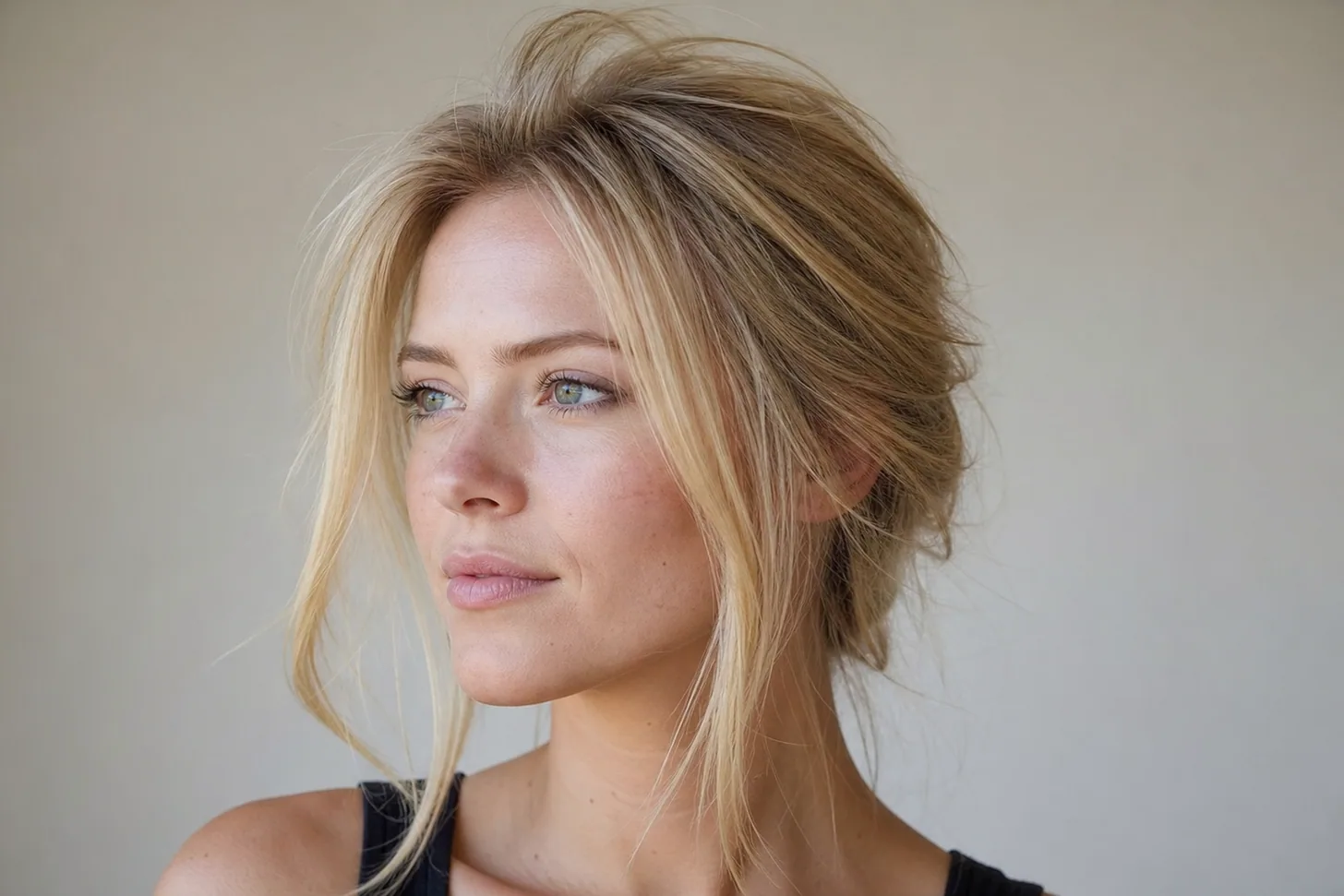
Cut to your natural wave so the length dries into soft, full bends with a scrunch of foam — no wand, no iron. Fine wavy hair's texture does all the volume work here, which makes this the lowest-effort way to keep length and still look full.
14
The U-cut long
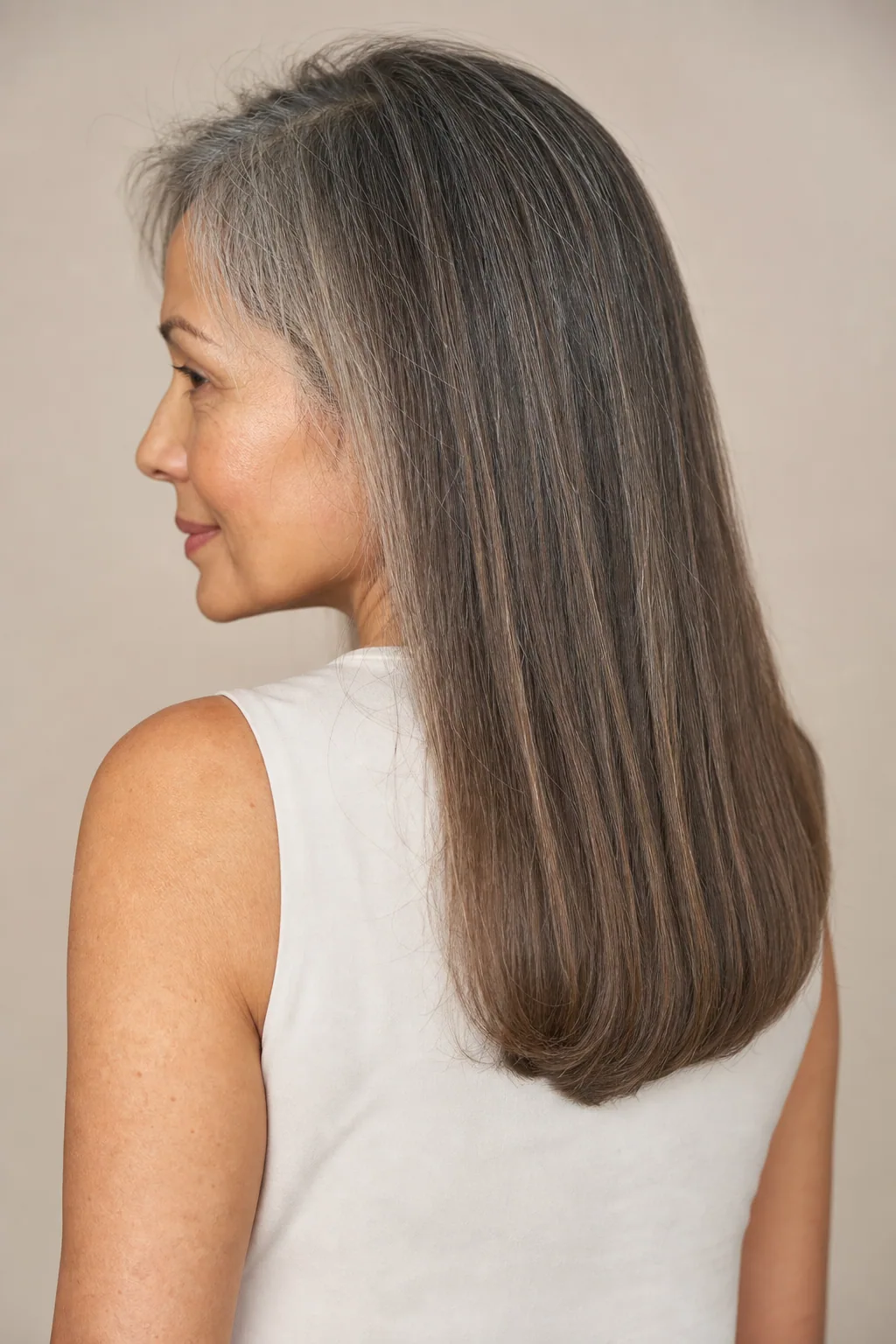
A rounded, heavy hemline that keeps maximum weight at the bottom, so long fine hair reads full without styling. The curved shape holds density a pointed cut would taper away. Wash, comb, air-dry — the hemline carries it.
15
Long with soft curtain bangs
Long, blunt length with a curtain fringe that sweeps into place with a quick finger-comb — the fringe adds a focal point and face-framing that makes low-effort length look considered. The one upkeep note: the fringe wants a trim every 4–6 weeks. Details in curtain bangs for fine hair.
16
The grown-out lob heading long
The lowest-commitment path to long hair — grow a blunt lob out, dusting the ends so the hemline stays strong the whole way. It looks intentional at every length in between, so there's no awkward stage and no pressure. Patience is the only maintenance.
Low-maintenance cuts for your face shape
An easy cut still has to suit your face to look effortless. If you haven't mapped your face shape yet, our two-minute face-shape guide does it with a mirror and a washable marker.
Balanced proportions carry short crops and blunt lobs alike.
Round
Tuck-behind-ear lob with a deep side part
Asymmetry and a bit of length elongate; skip chin-level blunt width.
Square
Air-dry wavy lob
Soft bends round a strong jaw with zero effort.
Heart
French bob or long with curtain bangs
Fullness and a fringe at the jaw balance a wider forehead.
Long / oblong
Blunt lob or U-cut with a fringe
A horizontal line and bangs shorten the proportions.
The honest upkeep picture
"Low-maintenance" is a trade between salon time and mirror time. Here's what each length really asks of you. If your reason for wanting low maintenance is physical rather than diary-based — shoulders that object to holding a dryer, a grip that is not what it was — our wash-and-wear cuts for thin hair over 70 apply a stricter test than this page does.
Cut
Trim
Daily styling
Best trait
Long pixie / French bob
4–6 wks
1–3 min
Almost zero daily effort
Textured / soft crop
4–6 wks
1–3 min
Grab-and-go
Blunt collarbone lob
8–10 wks
3–8 min
The all-round MVP
Air-dry wavy lob / long waves
9–10 wks
2–5 min
Texture does the work
Long blunt / U-cut
8–12 wks
5–10 min
Fewest salon visits
What to ask your stylist
Say: "I have fine hair and I want a genuinely low-maintenance cut — I want it to look full and finished when I air-dry it, with as little styling as possible. Cut it to my natural texture, keep the hemline strong, and only add layers where they help it air-dry."
Tell them honestly how often you'll realistically get to the salon and whether you own (or will use) a dryer — that decides short-versus-long more than anything. Bring a photo, but frame it as "the low-effort version of this."
At home, one lightweight product does it — a volumizing mousse or air-dry foam on damp roots. And even a wash-and-wear cut looks fuller with the odd five-minute root lift; the quick options are in how to add volume to fine hair.
When a low-maintenance cut still won't be low-effort
You have poker-straight, very fine hair and want texture. Straight fine hair air-dries flat — a blunt sleek shape suits it better than a tousled one that needs a wand.
You want long and full and zero effort. Pick two — very long fine hair needs either styling or a shorter length to look full. Be honest about the trade.
You can't get to the salon regularly and chose a cropped cut. Short shapes grow scruffy fast; a blunt lob or grown-out pixie forgives skipped trims far better.
Your ends are damaged. No air-dry cut looks effortless over frayed ends — get them healthy first, even if it means going a little shorter.
FAQ
A blunt or barely-layered cut that works with your natural texture — most often a blunt lob, a French bob, or a long pixie. The common thread is that the shape does the styling for you: a strong hemline reads as fullness without a blow-dry, and cutting to your natural wave means it air-dries into shape. The least-fuss cut is the one that looks intentional straight out of the shower.
Not if they're cut for it. The mistake is choosing a heavily layered or long, one-length style that only looks good blow-dried, then fighting it every morning. A cut designed around your texture — blunt weight for density, layers only where they help, length that doesn't drag flat — can look full with a scrunch of mousse and air-drying. The cut is the biggest low-maintenance lever you have.
It's a trade. Short cuts (pixies, bobs) need almost no daily styling and look fuller, but they need a salon trim every 4–8 weeks to keep their shape. Longer blunt cuts need fewer trims (every 8–12 weeks) but a little more effort to keep from hanging flat. Pick based on which chore you'd rather skip — the mirror in the morning, or the salon every month.
A French bob or a long pixie for short hair, or a blunt collarbone lob for longer — all three look finished with air-drying and a single product. If you have a natural wave, a cut shaped to that wave is the ultimate wash-and-wear option, because your texture does the work. Add soft, air-dry-friendly product to damp hair, don't touch it while it dries, and you're done.
Light, internal layers can be — they add movement that helps air-dried hair look intentional. Heavy layers are not: they thin the ends fine hair needs for fullness and often only look good when styled. For low maintenance, ask for a mostly-blunt cut with a few soft internal layers at most, or face-framing that grows out gracefully, rather than an all-over layered style.
Three habits: keep the ends trimmed so the hemline stays strong, use one lightweight product on damp hair (a mousse or air-dry foam at the roots), and switch or deepen your part for free crown lift. The cut carries the fullness; you're just protecting the shape. If a day needs more, a quick root-first blow-dry or two velcro rollers at the crown takes five minutes.
Both can be, and both have a threshold past which they stop being. A short shag is low-maintenance when the layers are cut long enough to support each other — then it air-dries into its own shape and needs nothing. Texturise it heavily and the weight that was holding the shape disappears, so it goes flat and starts needing mousse and a dryer to look like the picture. A short feathered cut is the gentler option day to day, because point-cut ends fall together on their own, but it needs reasonable density to work: on very fine, sparse hair, feathering thins the ends further and the outline goes wispy. If your density is low, ask for a blunter perimeter with the softness kept to the face-framing pieces only.
Shorter is not automatically lower-maintenance, and the honest answer is that the cheapest cut to live with sits between the chin and the collarbone for most people with thin hair. Above the chin, daily styling time keeps dropping but salon frequency rises sharply — a crop or a short pixie loses its shape in four to six weeks, so you trade minutes at home for appointments and cost. Below the collarbone, fine hair starts needing help to avoid hanging flat, which puts the effort back into your mornings. The chin-to-collarbone band is where a fine-hair cut holds its own shape and still stretches to ten or twelve weeks between trims.
Eleven years behind the chair, specializing in short shapes and fine-hair texture. Simone believes the best haircut is the one you can style yourself in ten minutes.
Images in this article are AI-generated illustrations, not photographs of real clients or results. See our image policy.
Results vary with hair type, density, and growth patterns. This guide is educational and not a substitute for an in-person consultation with a licensed stylist.
Get the good hair intel
One honest, stylist-written guide in your inbox each week. No hype.

 SB
SB