Reviewed by Tara Sullivan · Updated July 2026 · 9 min read
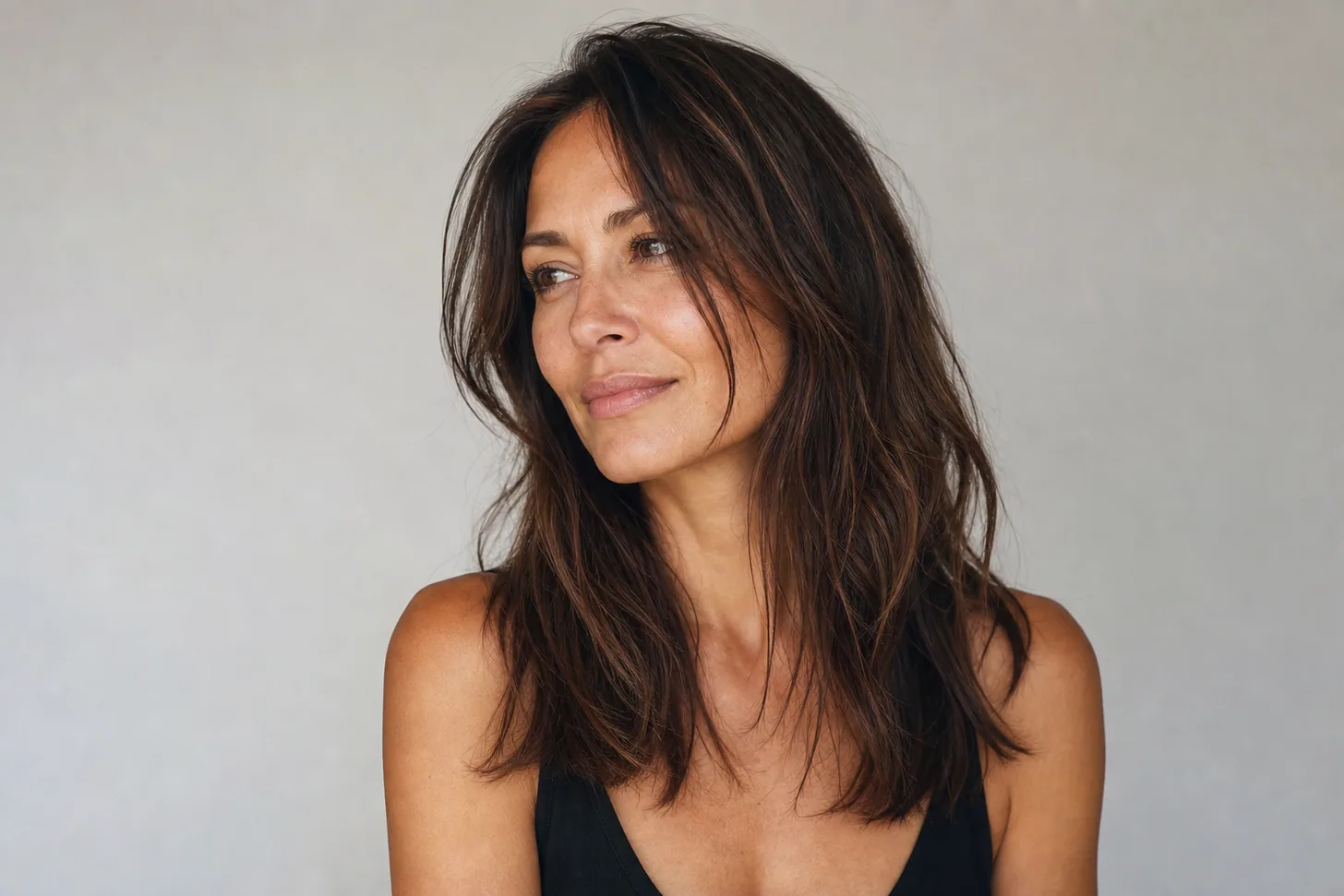
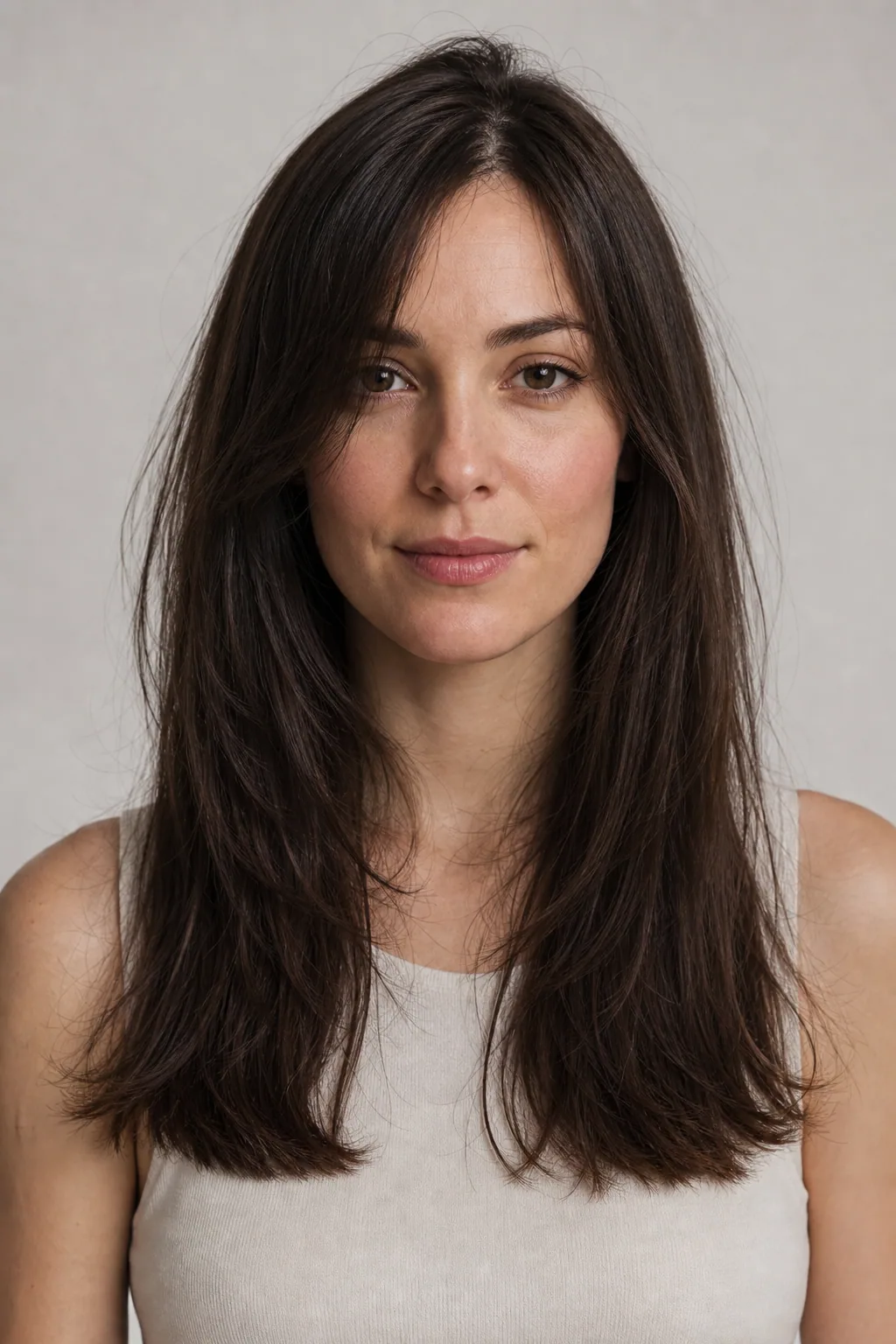
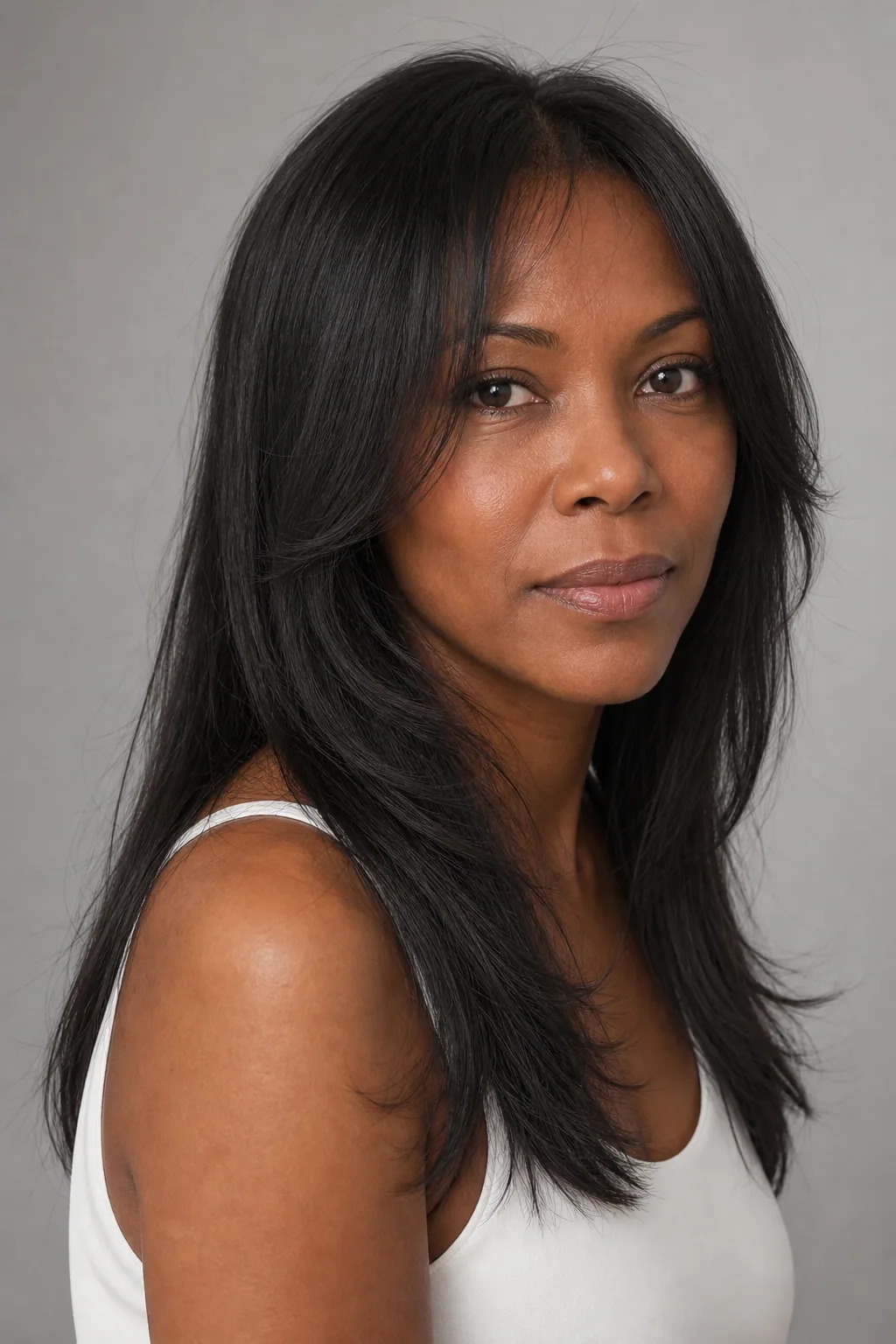
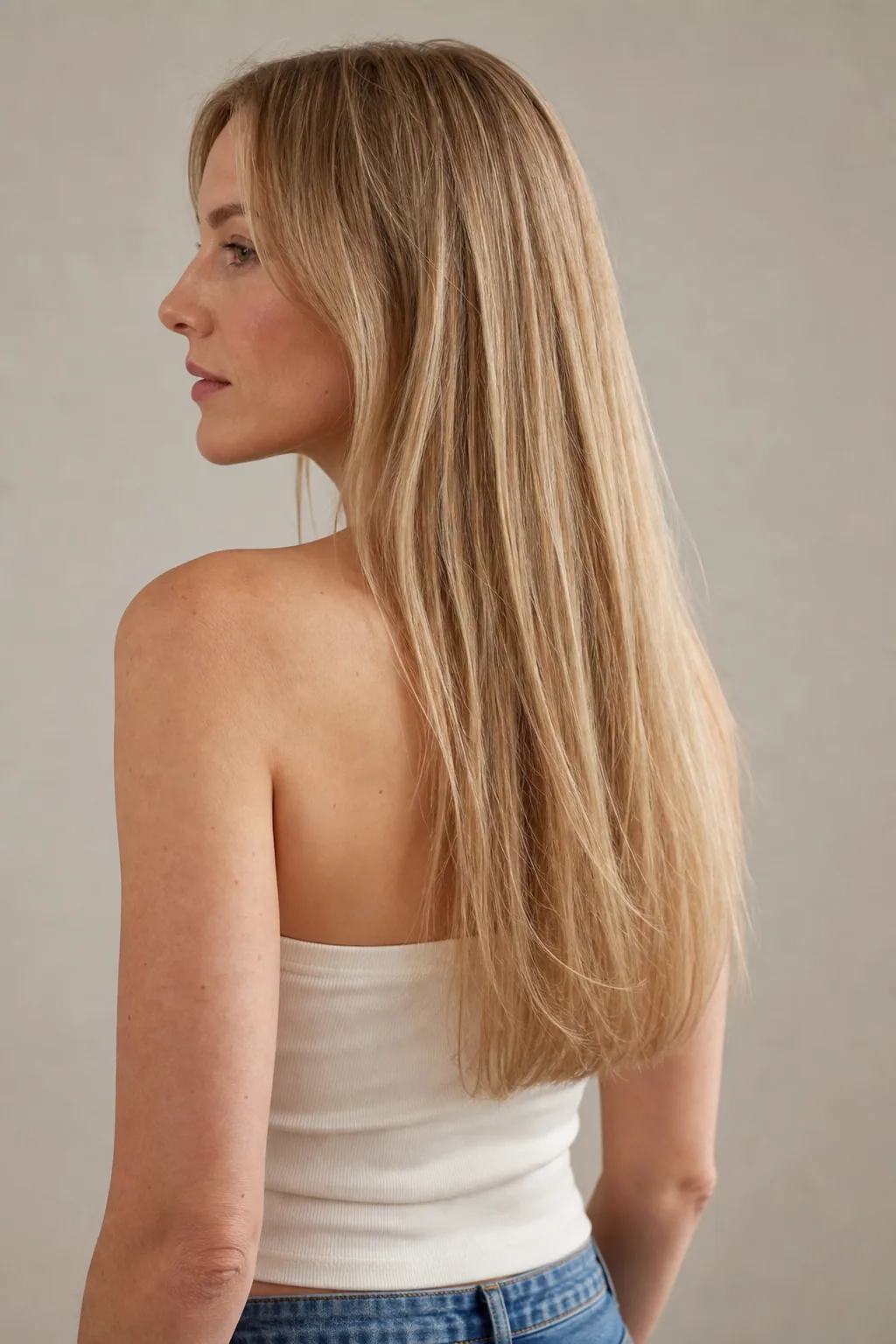
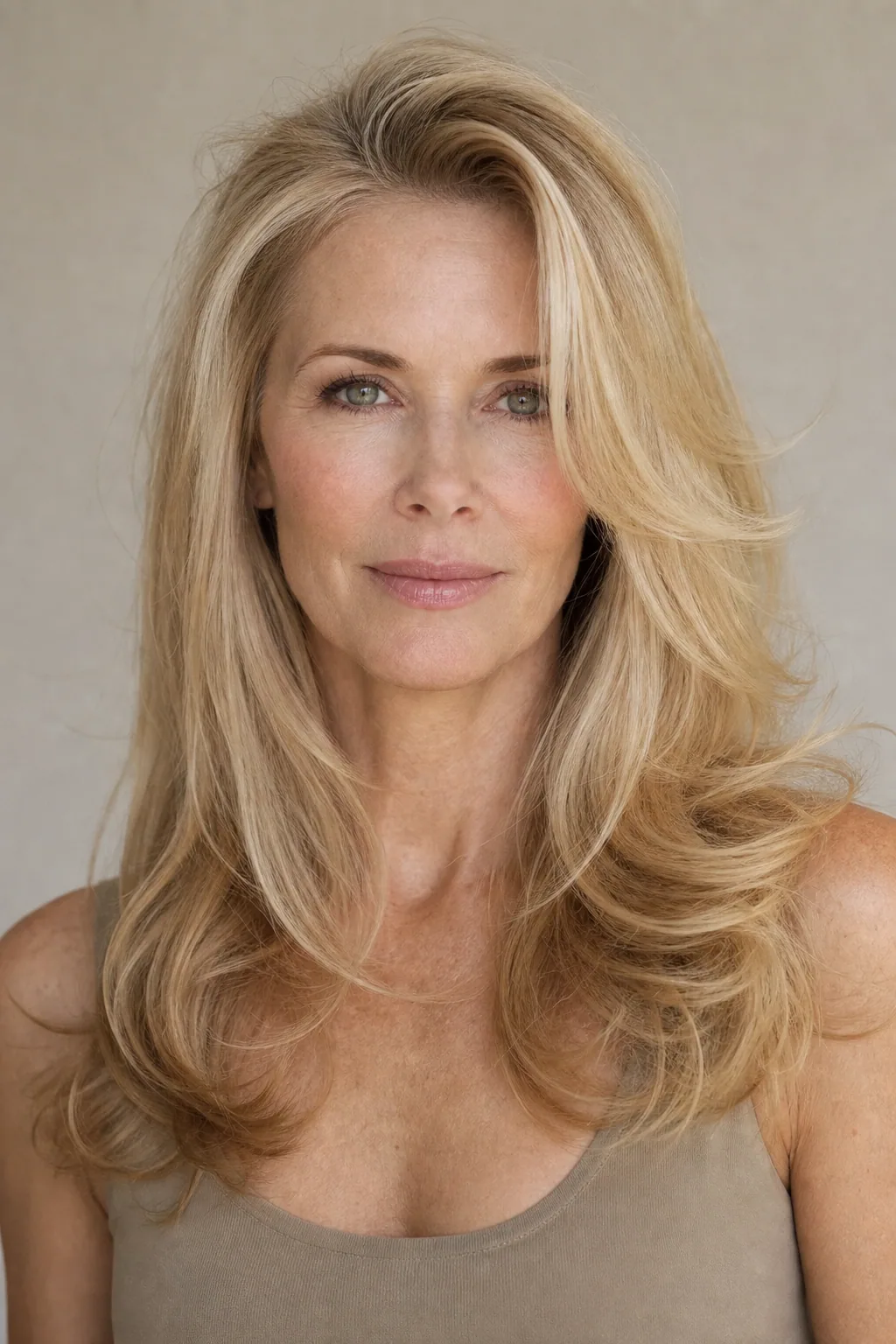
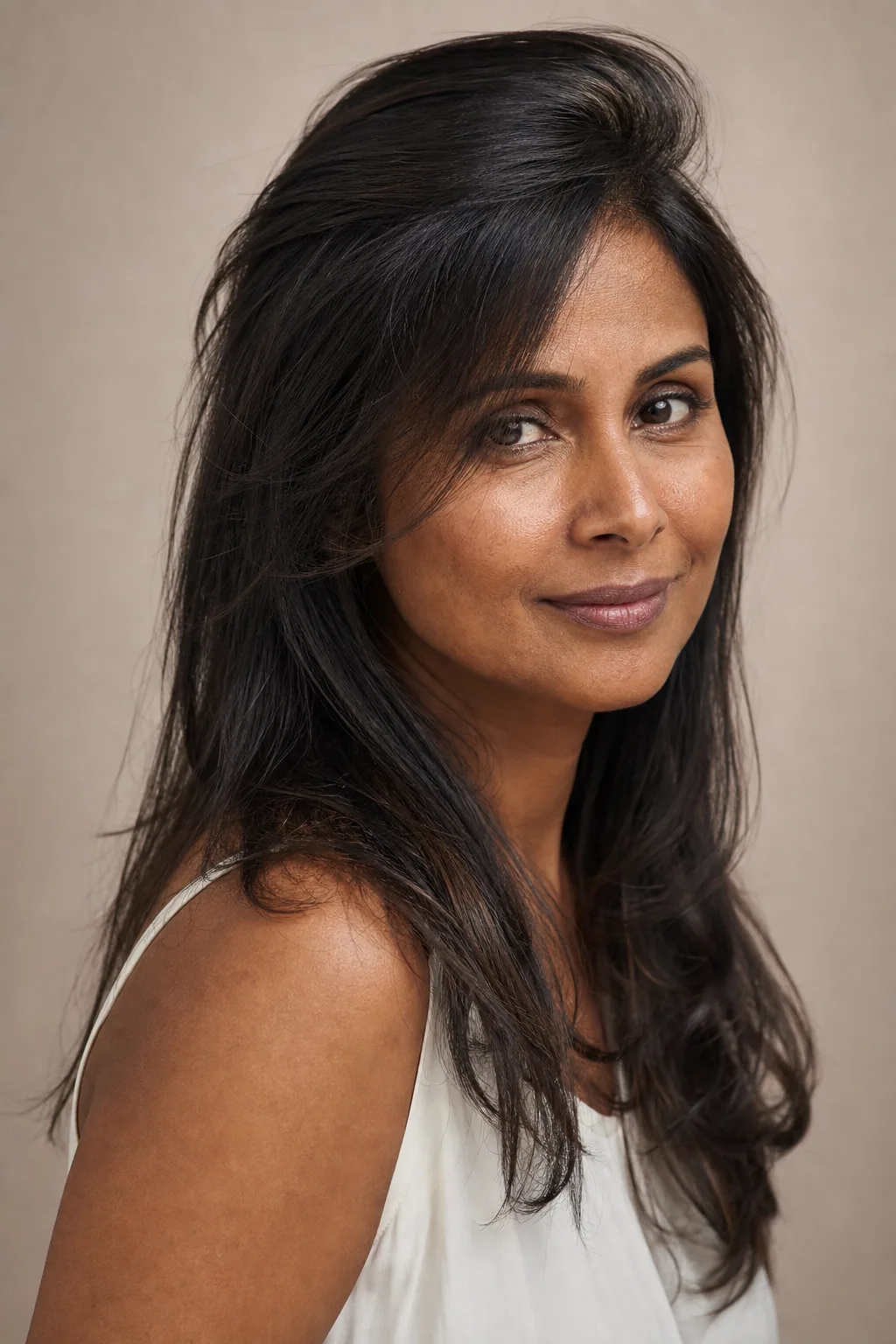
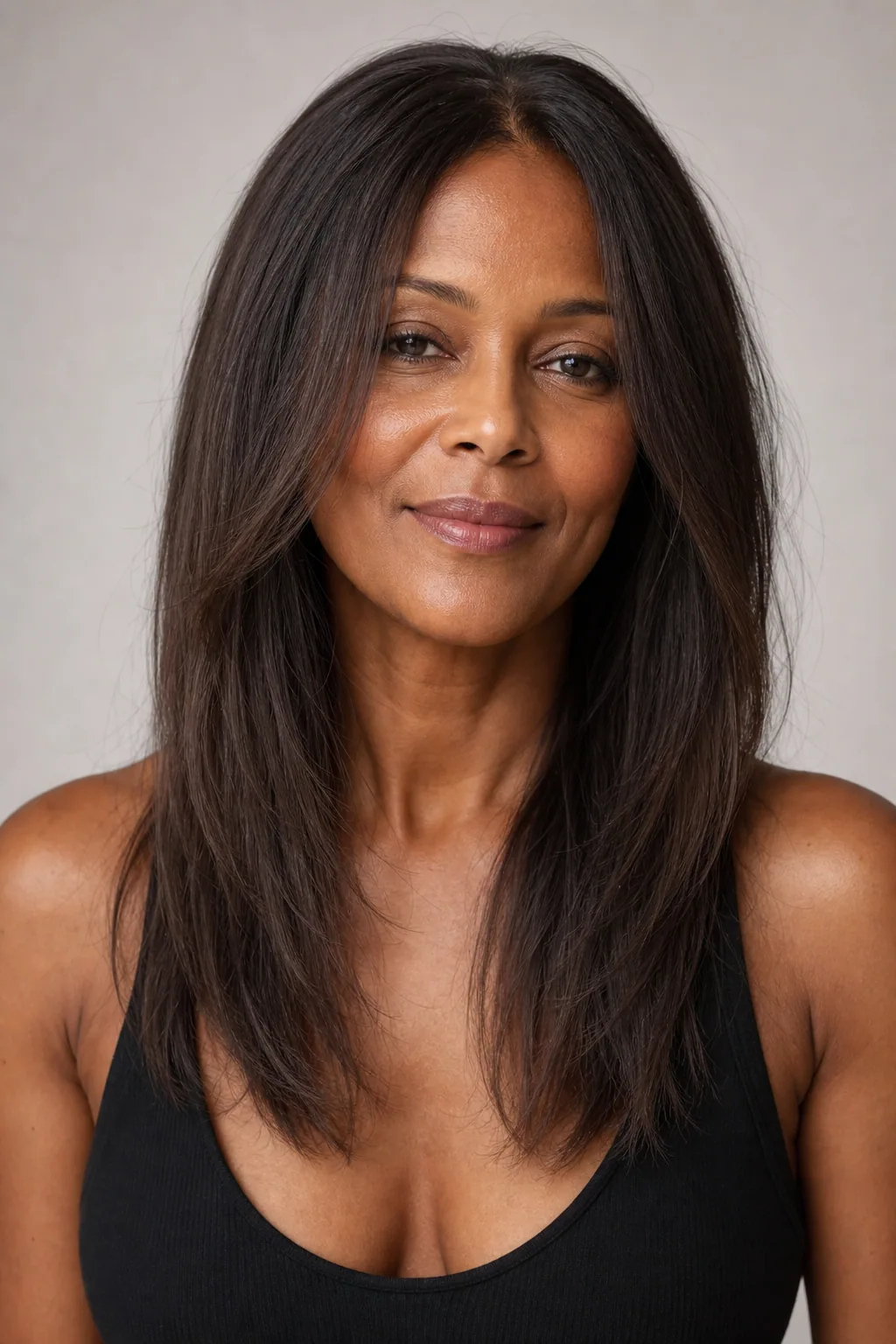
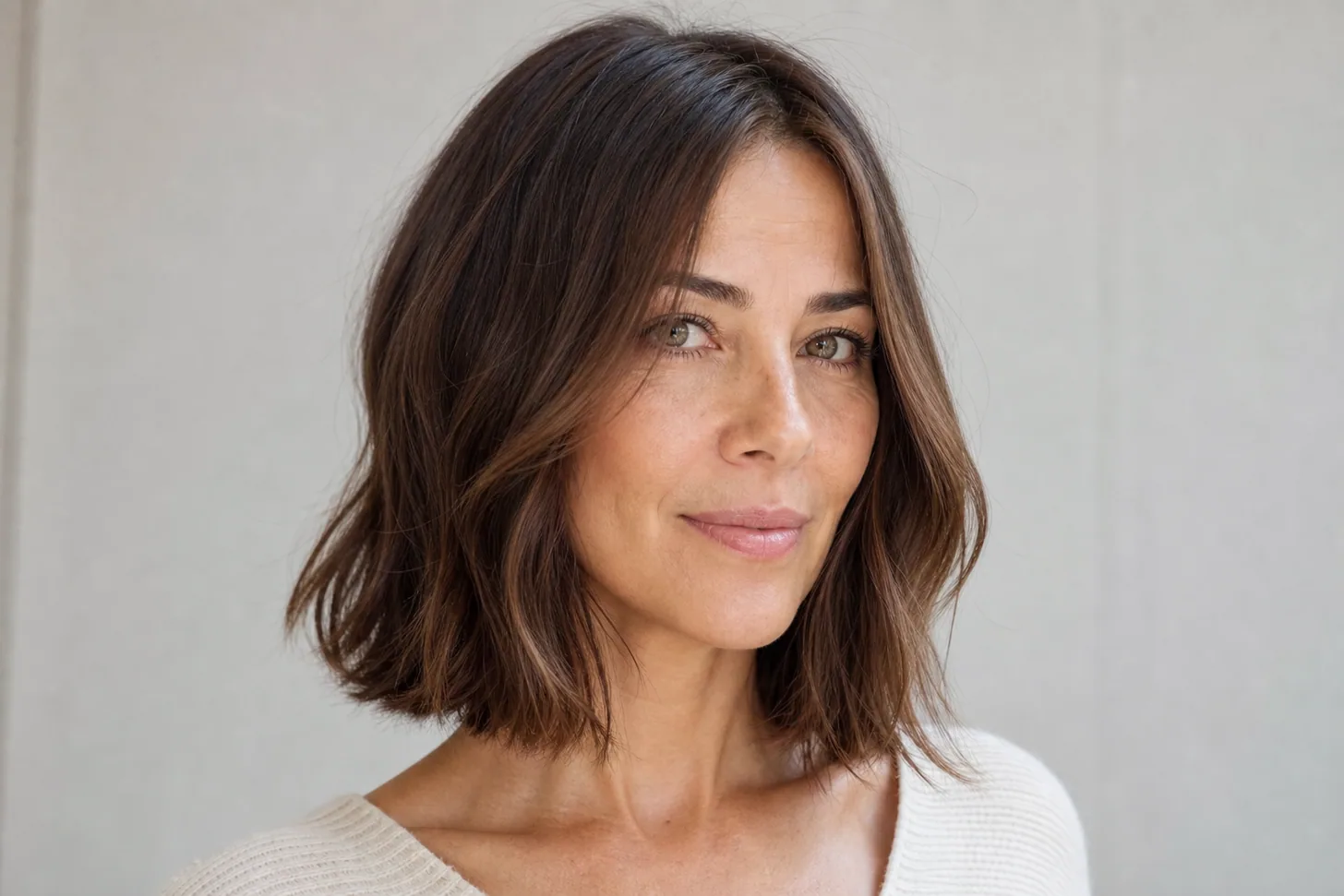
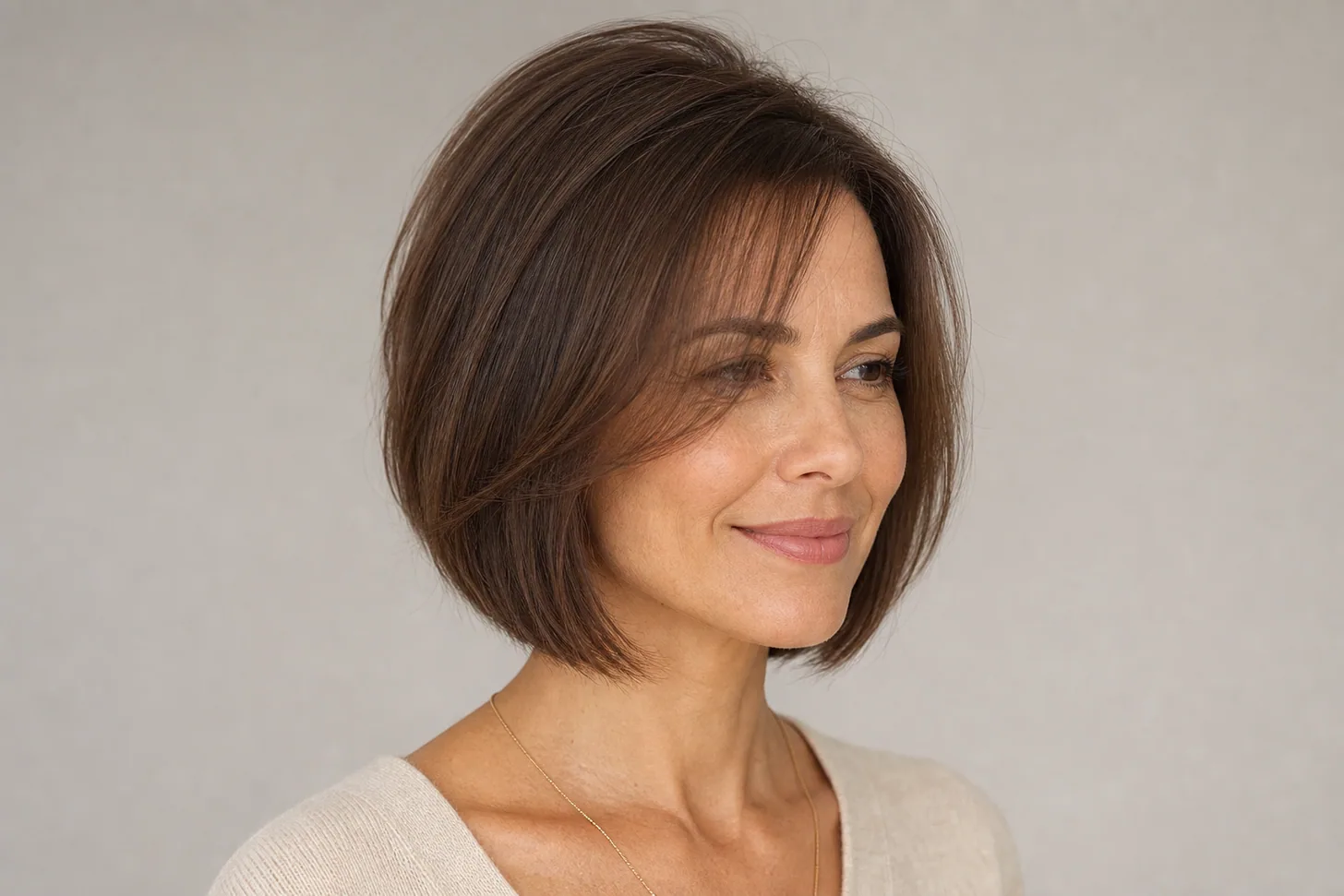
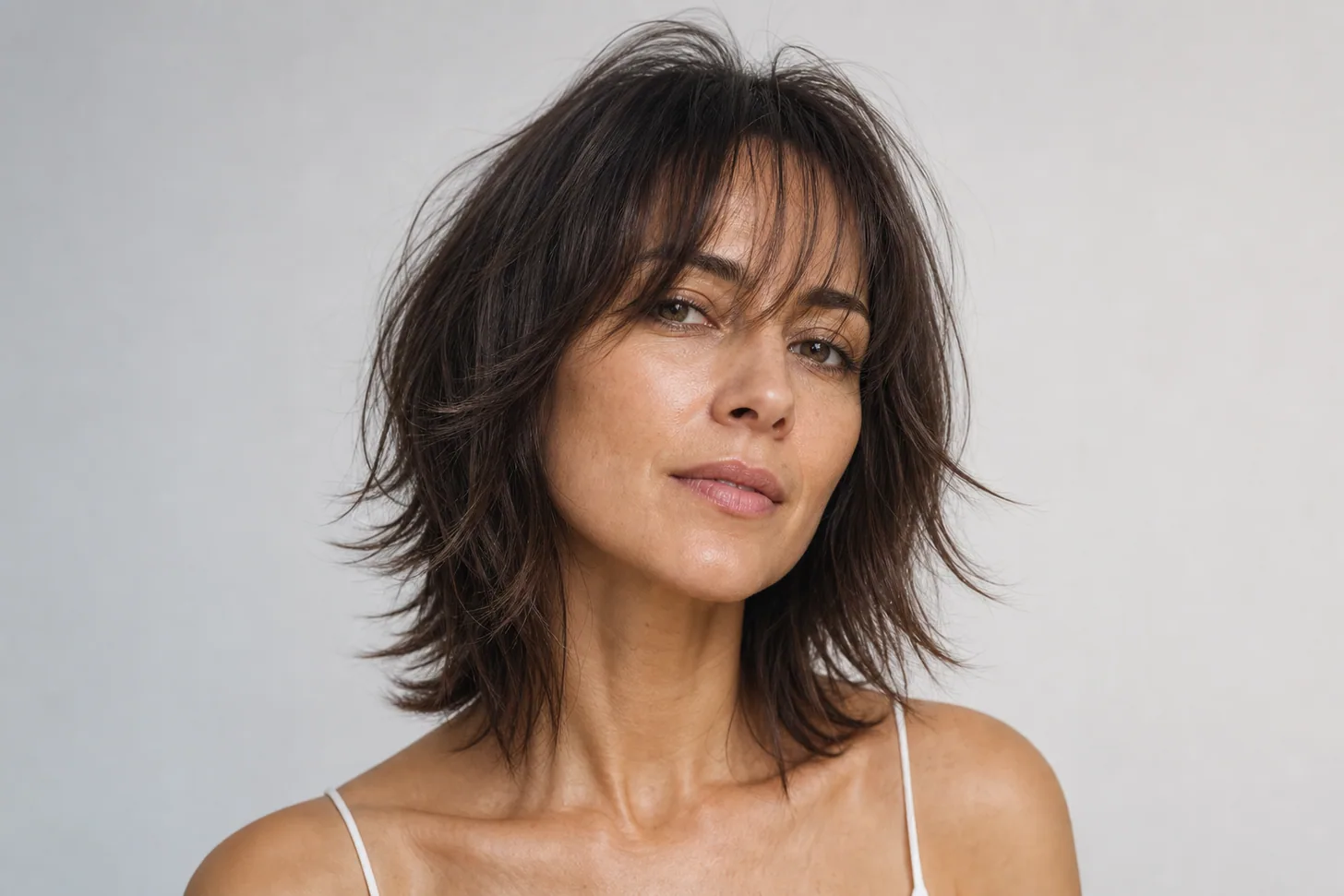
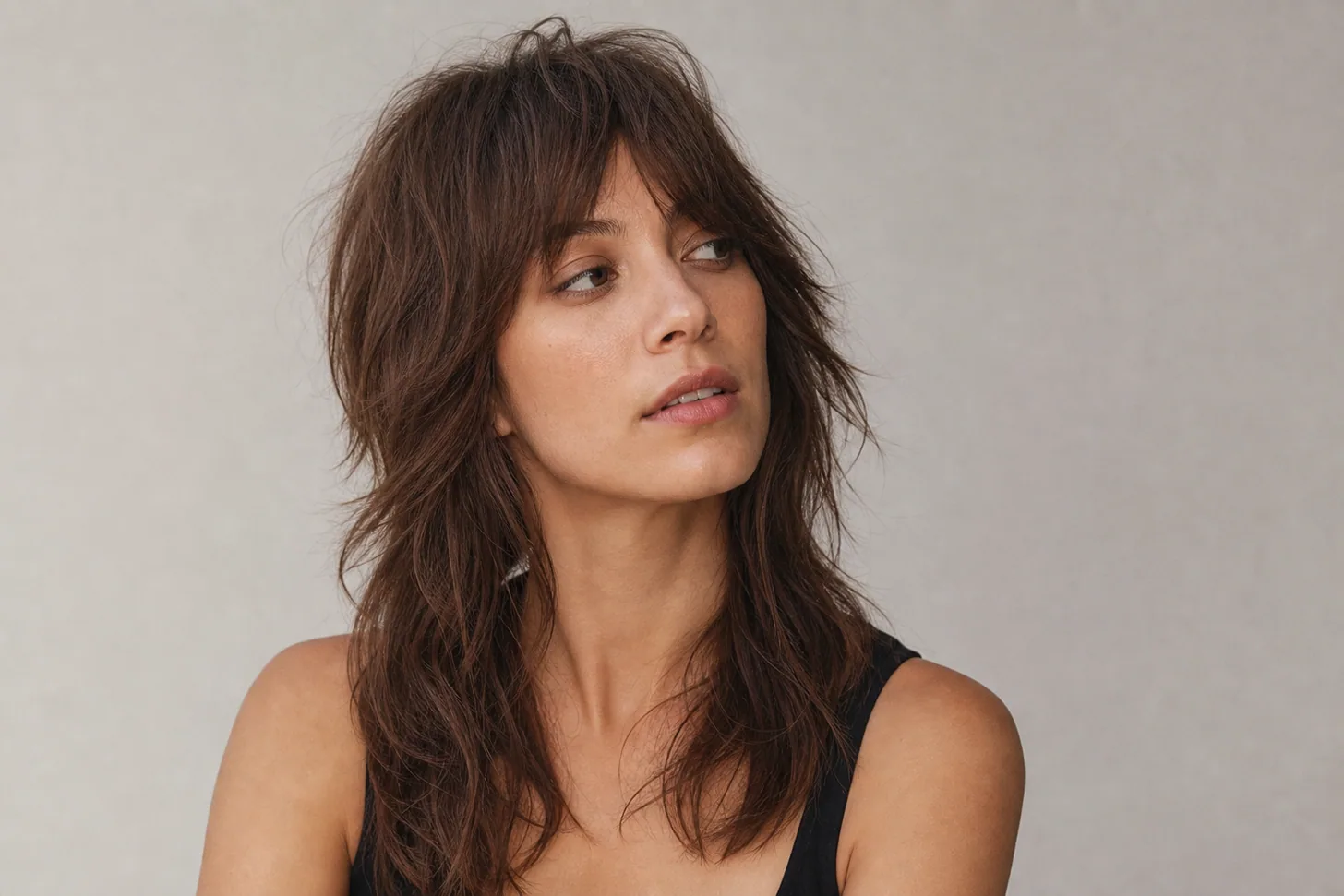
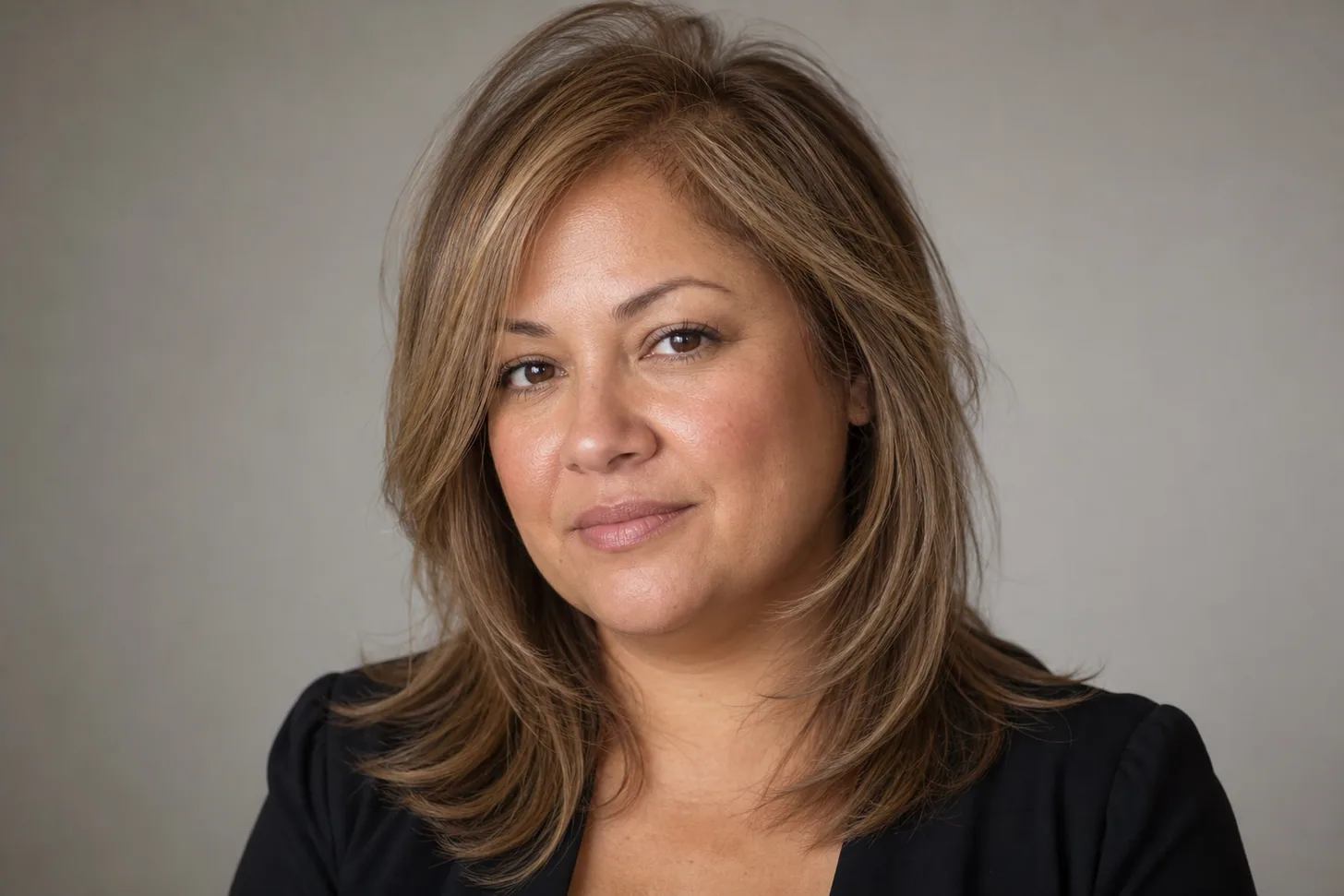
Long fine hair looks fullest with a specific formula: strategic layers up top for movement, a strong hemline at the bottom for density — not a blunt one-length curtain, and not over-layered, see-through ends. There's also an honest length ceiling, and we'll get to it. Below, 16 salon-tested long looks grouped by cut, texture, and finish, each with who it suits, plus a face-shape cheat sheet and the exact words to bring to your stylist.
Chair-side note
The hardest conversation I have with long-haired fine clients is about length. Everyone wants to keep every inch, and I get it — but past the mid-back, fine hair almost always tapers to a thin, stringy point that makes the whole head look sparser than a cut two inches shorter would.
My honest advice: pick the length where your hair looks fullest, not the longest it can technically grow. Nine times out of ten that's between the collarbone and the armpit, with the weight kept in and the layers kept high.
SB
— Simone Baptiste, Senior Stylist
Why the right long layers work on fine hair
Fine hair is narrow-stranded and light — over a long length, gravity flattens the roots and the tapering ends read as wispy and thin. Layering is the fix, but only when it's placed correctly: internal, point-cut layers at the crown and face let the surface hair sit on a cushion of shorter pieces so it moves and lifts, while the perimeter stays strong enough to read as density.
Done low into the ends, layering does the opposite and thins the hemline fine hair can't spare — the same restraint that governs a good layered bob for fine hair. If you're not sure whether your hair is fine, thin, or both, start with the two-minute fine-vs-thin check; density decides how long you can go and how much you can layer. The full range of shapes lives in our haircuts for fine & thin hair hub.
Whether layering is the fix for you, though, turns on how much hair you have rather than how fine it is — long layers reward high density and punish low density, and no amount of technique bridges that.
The shapes that decide whether long fine hair reads full or flat — mostly a question of where the layers sit and how the hemline is finished.
1
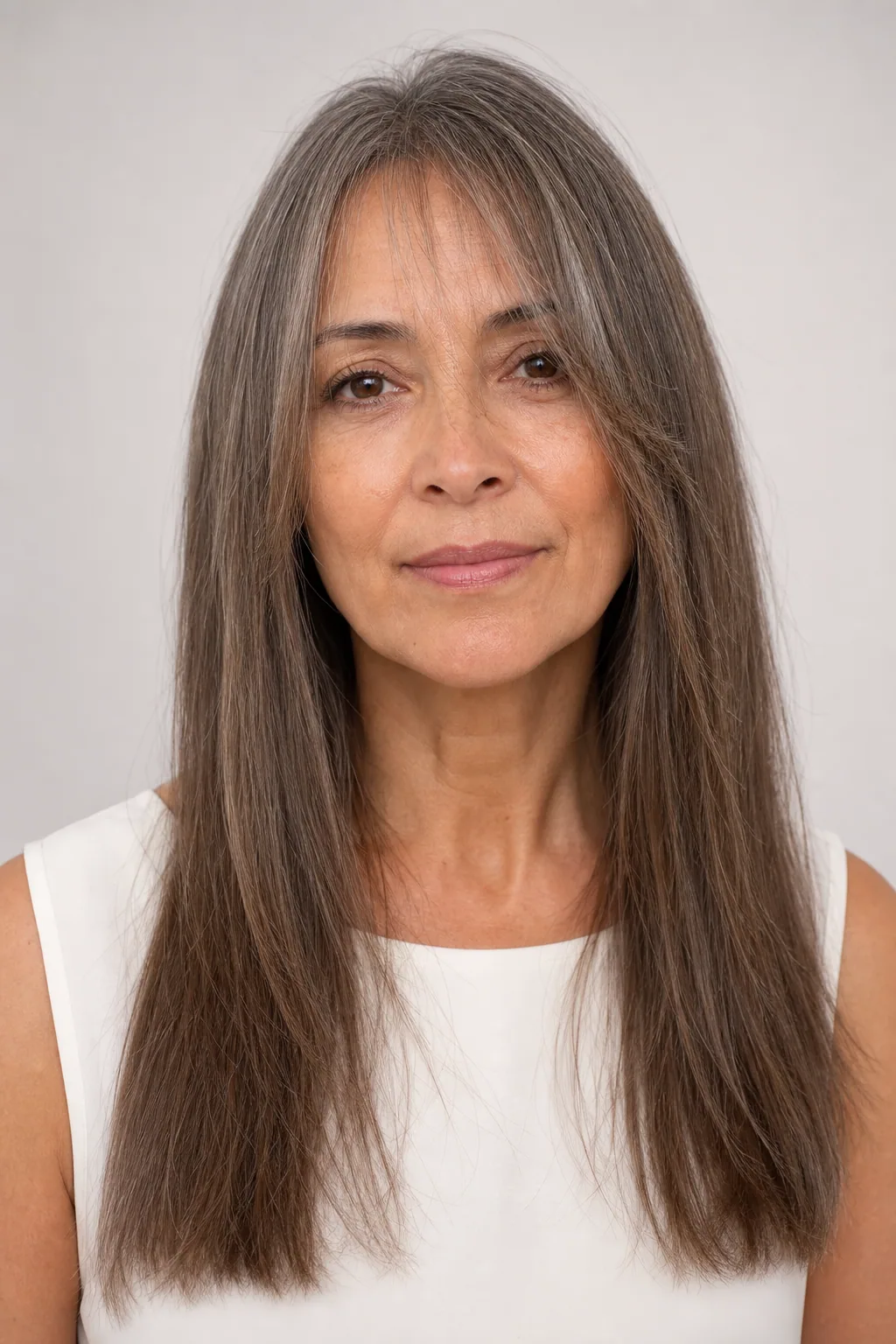
Classic long layers with a strong hemline
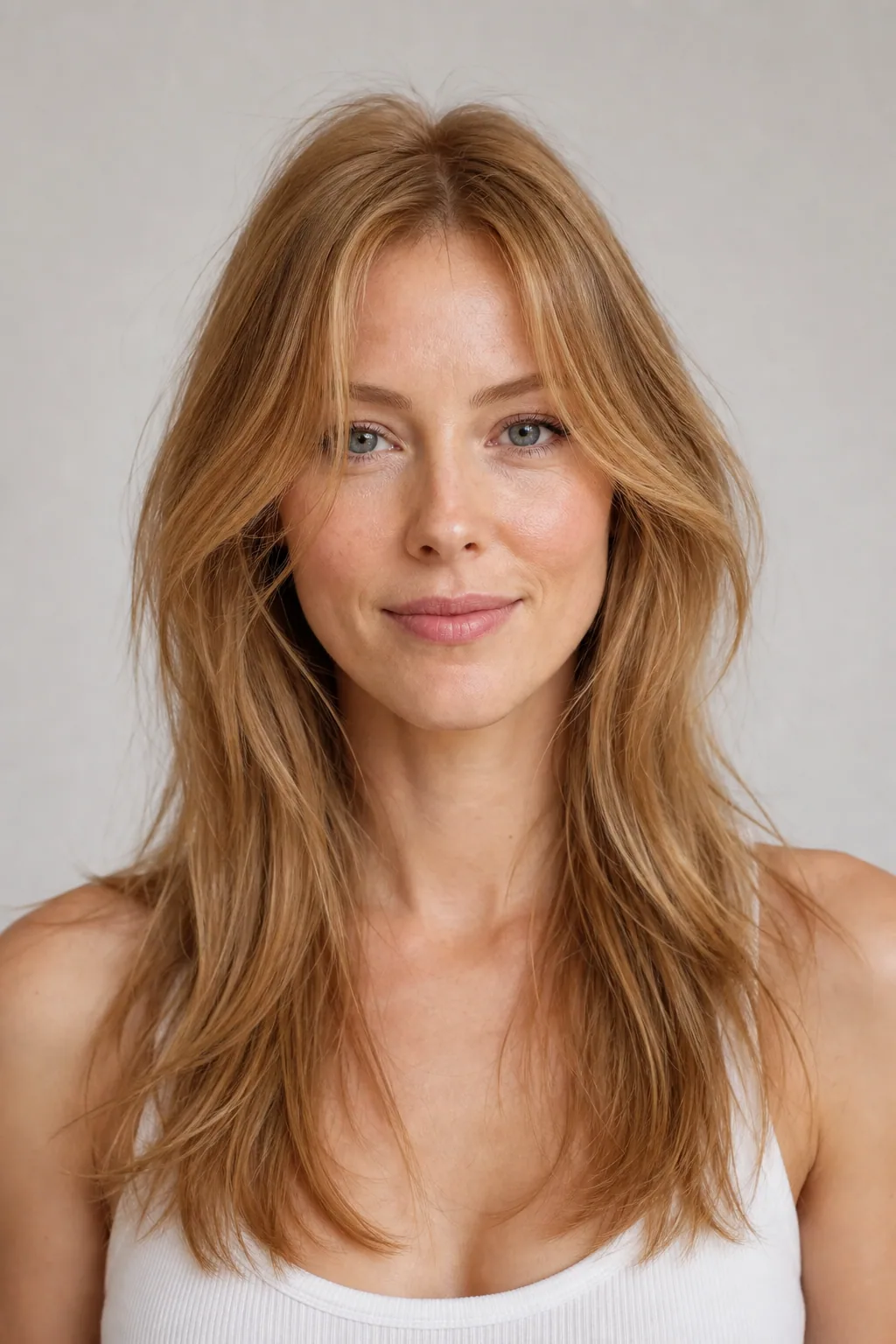
Soft internal layers through the top and mid-lengths for movement, with the bottom edge kept blunt and full — the fine-hair template for long hair. The layers add the swing; the heavy hemline keeps the density. If you screenshot one shape from this page, make it this balance.
2
Long face-framing layers
Layering concentrated at the front, feathering away from the cheekbones, while the length stays one solid piece — the layer lives where you see it, not through the ends where fine hair needs its weight. The safest way to add shape to long hair. Start the shortest frame piece at the cheekbone, no higher.
3
The U-cut long layers
A gently rounded hemline that keeps maximum weight at the bottom — the fuller-looking of the two classic long shapes on fine hair. The curve holds density where a pointed cut would taper it away. Best when your priority is a thick-looking bottom line over a slim silhouette.
4
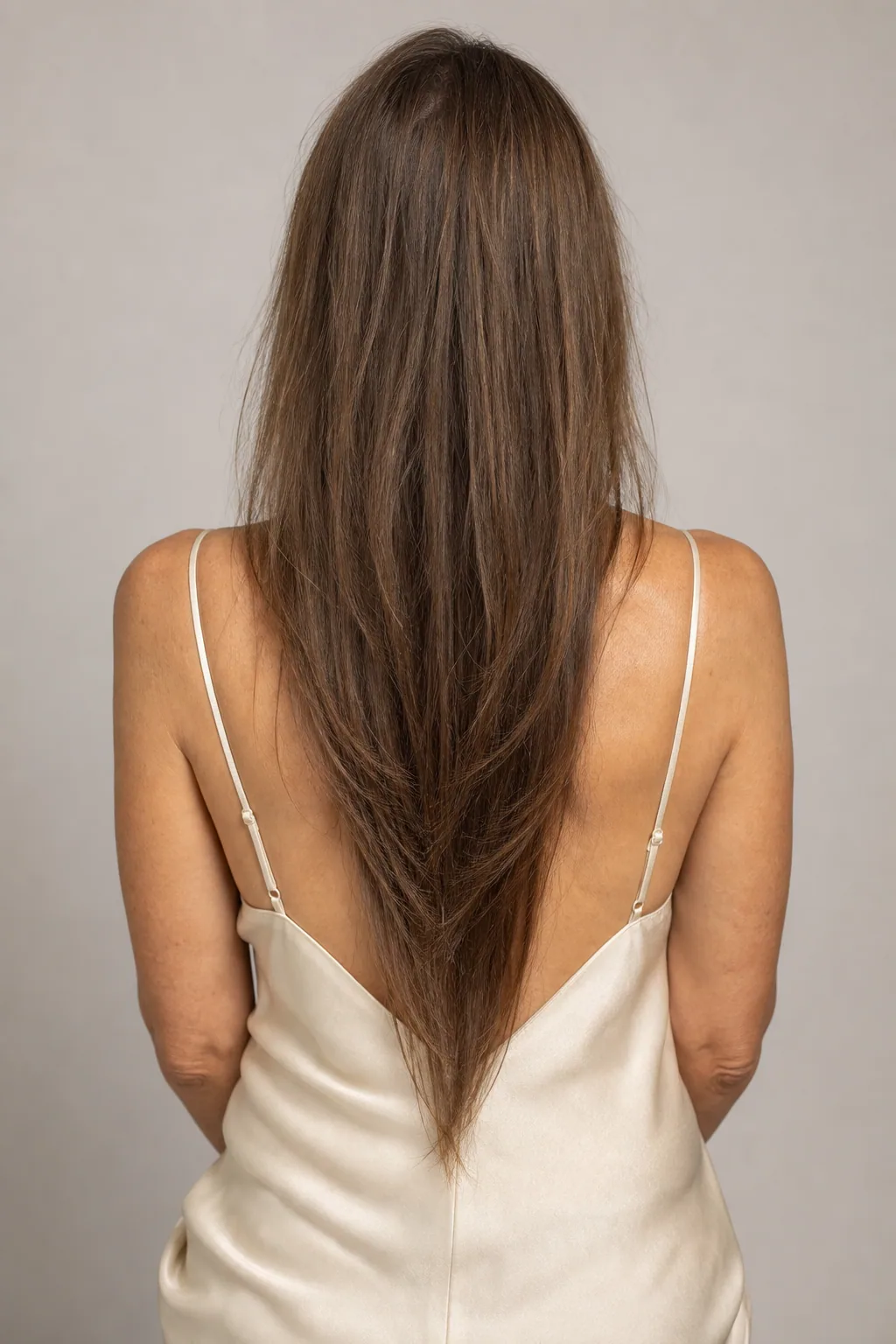
The V-cut long layers
The hemline tapers to a point in the center, slimming the silhouette into a long, narrow shape. It's dramatic and elongating — but be honest with your stylist about density, because a V-cut also thins the very ends. Best on fine hair that's plentiful; if density is low, choose the U-cut instead.
5
Long hair with invisible internal layers
From the outside it reads as one blunt length — the strongest density illusion long hair can buy. Inside, two whisper-light layers keep it from hanging like a curtain. If your hair is thin as well as fine, this hybrid is usually the answer: the hemline does the volume work the density can't. This is the technique now marketed as ghost layers.
6
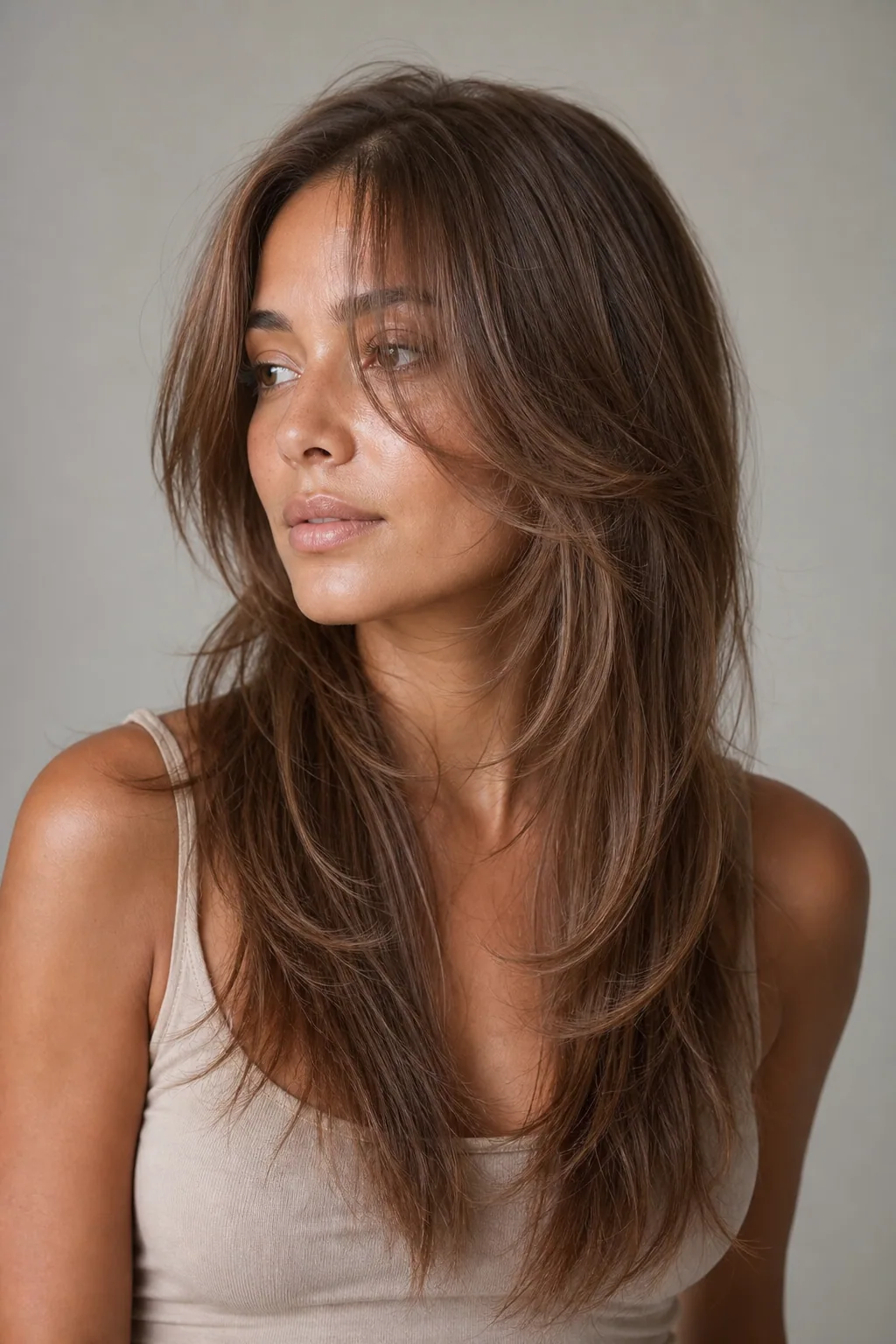
Butterfly-layered long hair
The viral shape: short, feathered face-framing layers over long lengths, creating the illusion of two lengths and double the volume. On fine hair it fakes remarkable fullness — the trick is keeping the shortest layer at the cheekbone so it frames rather than fluffs. A softer cousin of the long shag.
Texture & volume styling
The cut sets the potential; the styling decides whether long fine hair looks full or falls flat. Bends and root lift are where the body actually comes from.
7
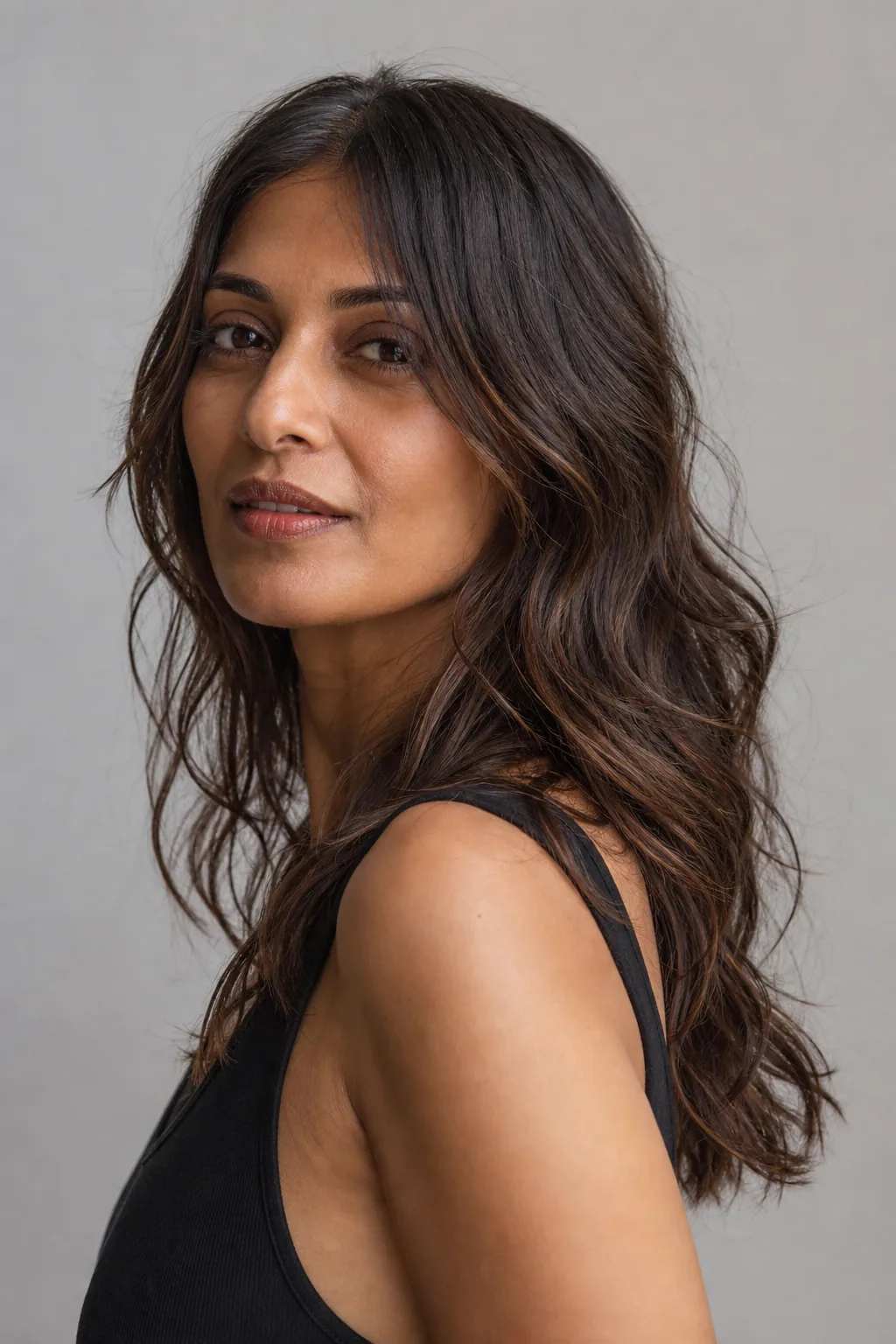
Long beachy waves
Loose, undone waves through long layers turn fine hair's fineness into an asset — the bends stack visual body that straight length can't. Work a one-inch iron through the mid-lengths, alternate directions, cool in the palm, shake out with texture spray. The everyday fullness-maker for long fine hair.
8
The bombshell blowout
Big, bouncy, round-brushed body — the '90s supermodel blowout, and proof long fine hair can look genuinely full with technique. Root-first drying and large velcro rollers set at the crown do the heavy lifting. It's a wash-day look, not an everyday one, but nothing fakes density better for a night out.
9
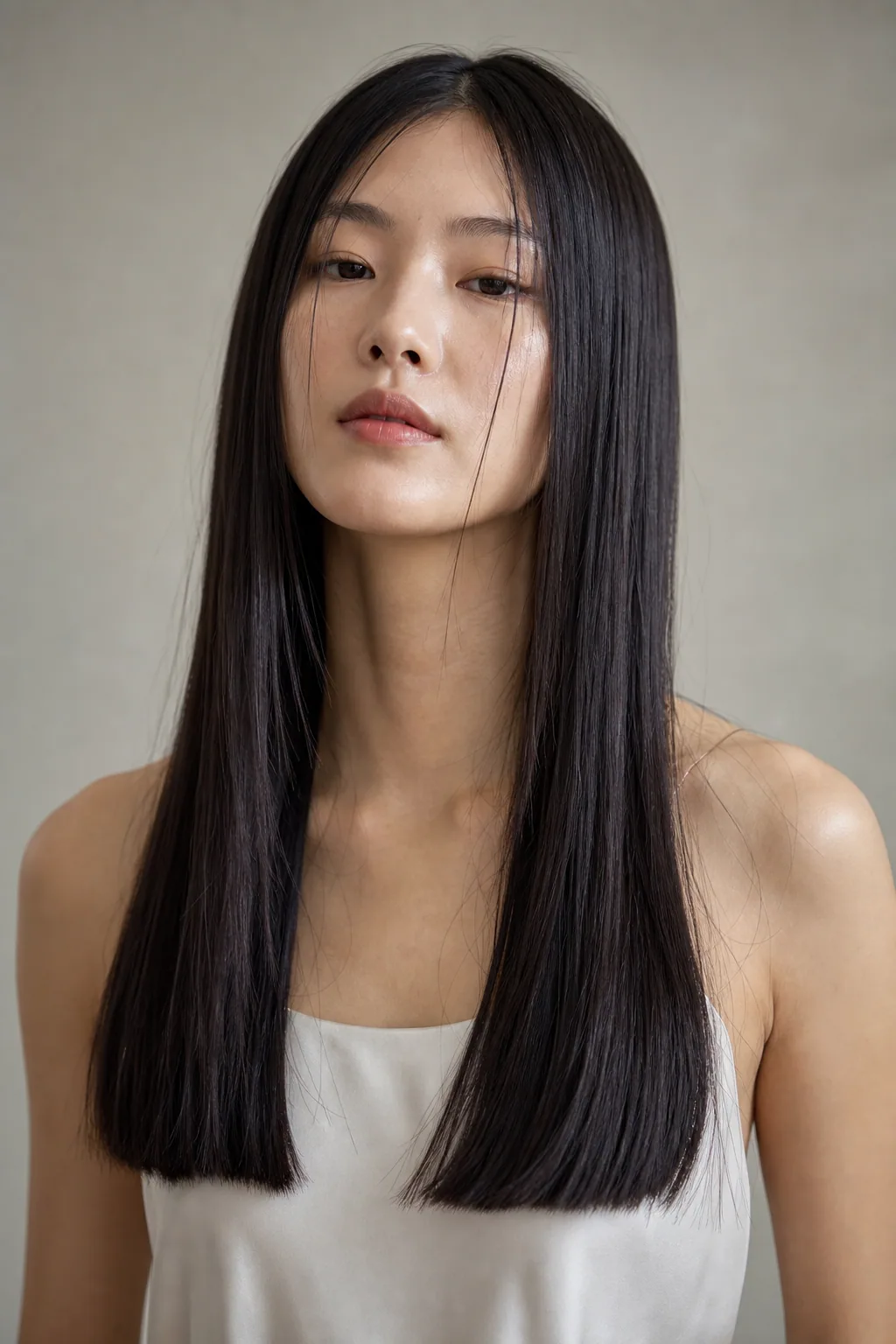
Glossy blunt-ended straight
Sleek, straight, and shining, with the ends kept blunt and full so the bottom line reads dense. Fine hair lies straight easily, so this polished look is low-effort — the catch is the hemline must be strong and freshly trimmed, because straight hair hides no gaps. Shine spray, never oil, for the gloss.
10
Long hair with a deep side part
A deep side part throws the weight up and over, standing the roots against their trained direction for instant crown lift — the easiest free volume on the page, and it needs no cutting to try. Suits round and heart faces; the diagonal breaks up width. Rotate the part every few washes so no line flattens permanently.
11
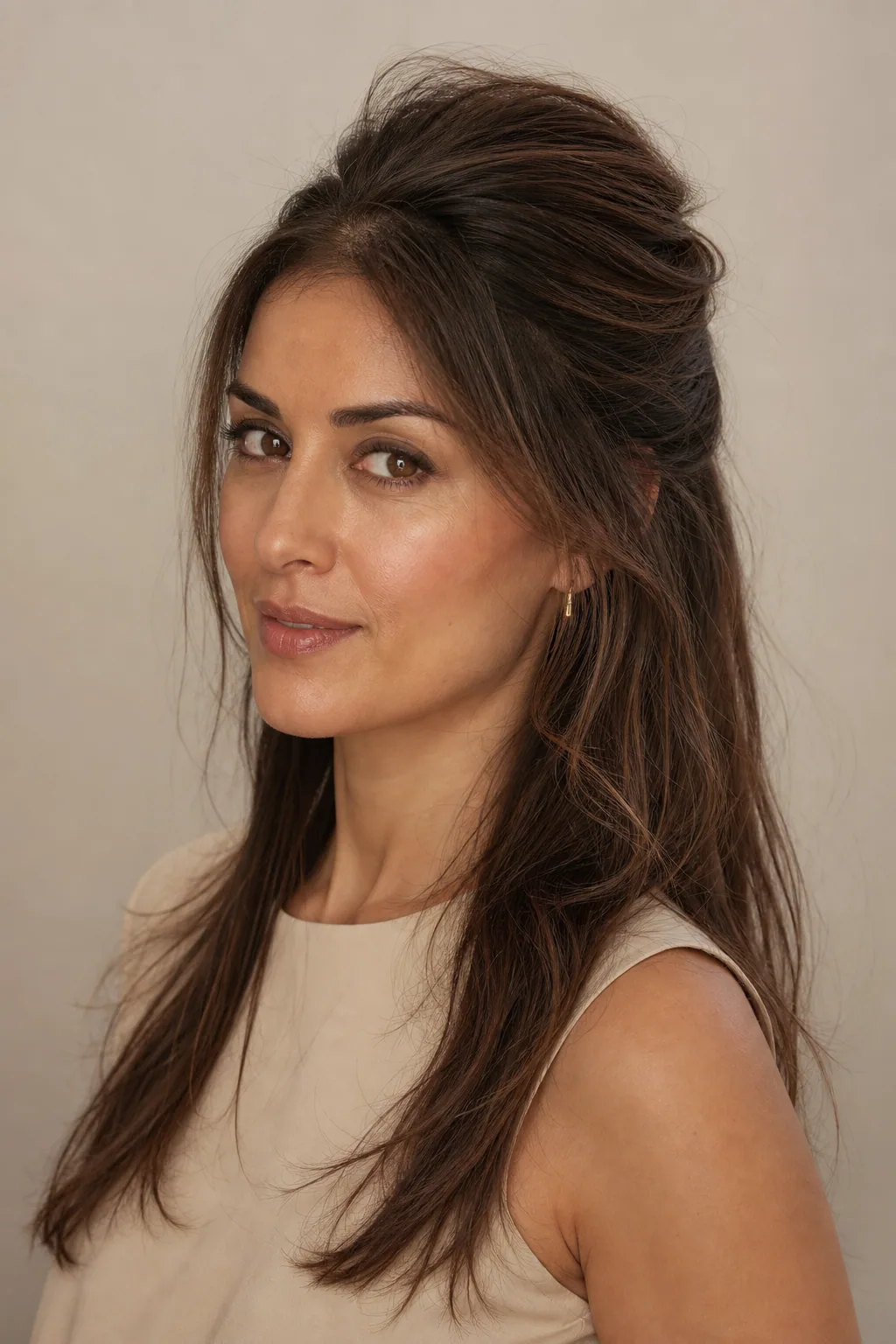
The voluminous half-up
Pulling the crown section up and back — with a gentle tease at the roots — instantly builds height and hides thinner density at the part line. A five-minute styling fix rather than a cut, and one of the most flattering ways to wear long fine hair. For fuller updo ideas, see our updos for fine hair that hold.
Long layers with bangs & color
A fringe or a well-placed brightening piece gives the eye a second focal point and adds dimension that makes long hair read fuller than the cut alone.
12
Long layers with curtain bangs
Curtain bangs sweep from a center part into the first face-framing layer, adding lift at the hairline and drawing the eye up and away from the ends — the most flattering fringe for long fine hair. We cover the fringe half in curtain bangs for fine & thin hair. It also gives long hair a focal point beyond its length.
13
Long hair with wispy bangs
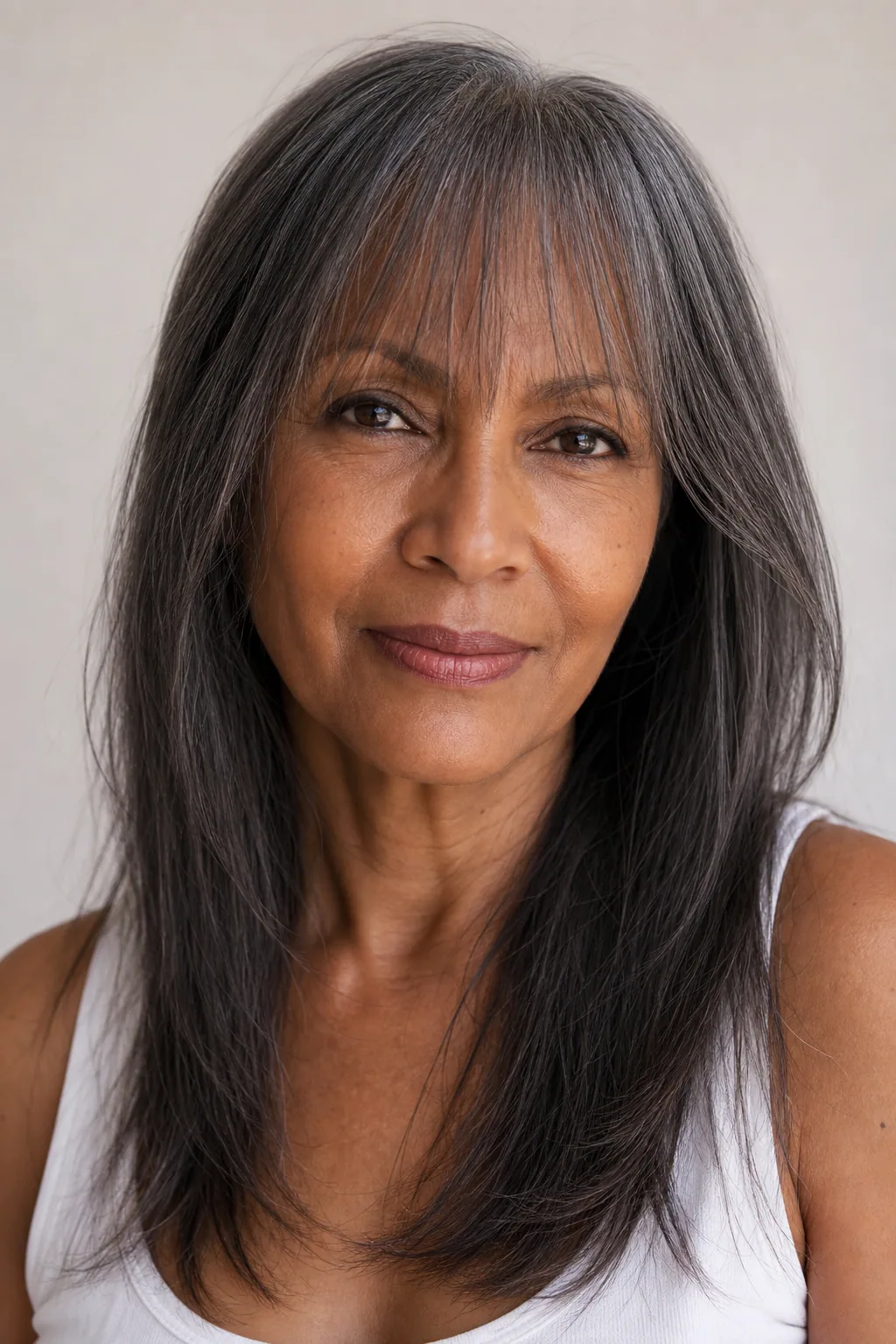
A sheer, airy fringe that lets a little skin show through — the only straight-across bang that flatters fine hair, because it never pretends to a density it doesn't have. Softens long hair on angular faces and adds a youthful frame. Keep it point-cut and light; a heavy fringe reads sparse on fine hair.
14
Long layers with a money piece
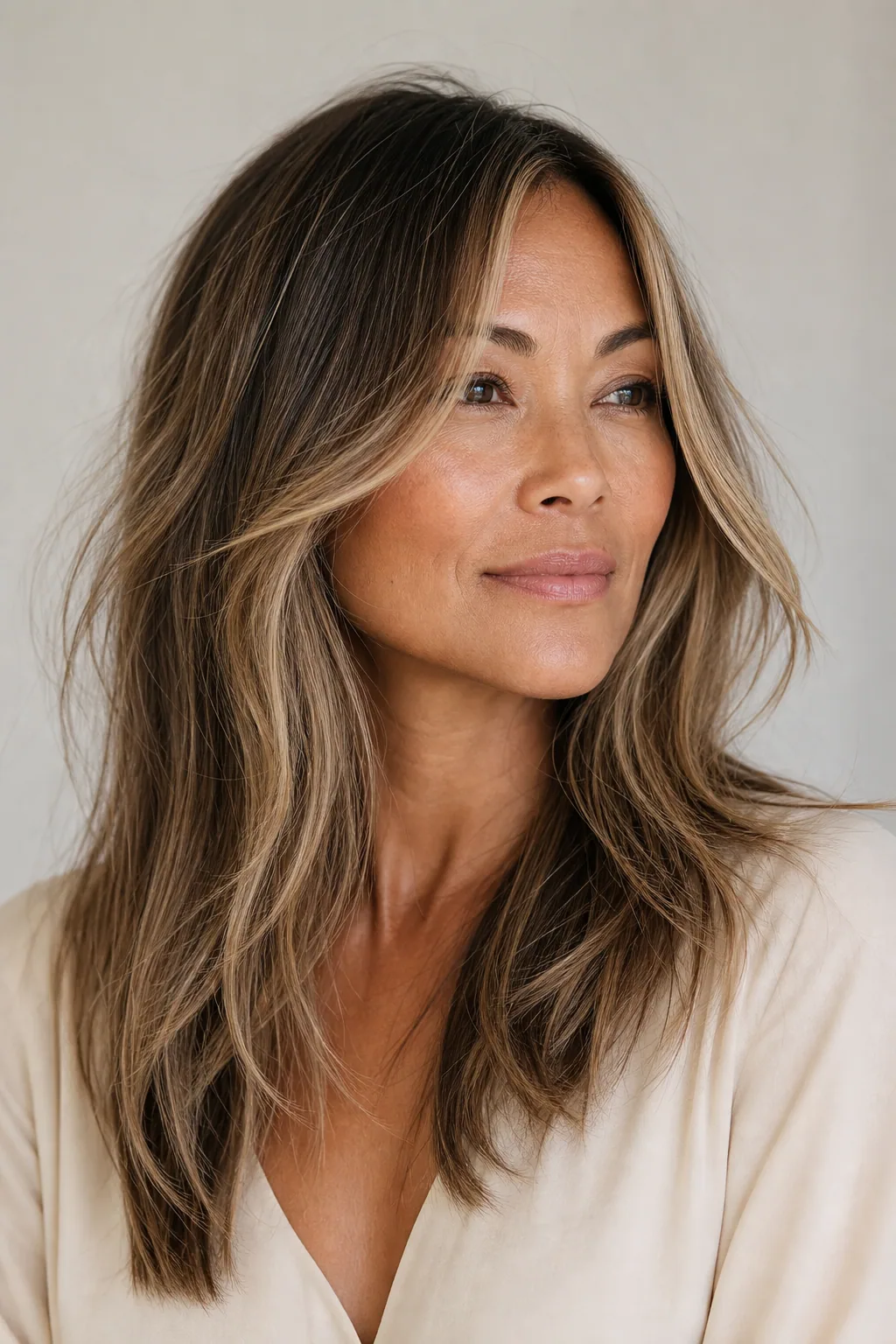
Brightening pieces framing the face and threaded softly through the top layer catch light at different depths, faking a thickness the cut alone can't. On fine hair, contrast — not stripes — reads as volume; keep placement soft and concentrated around the face and crown. The color detail that makes long hair look expensive.
15
Long shag layers
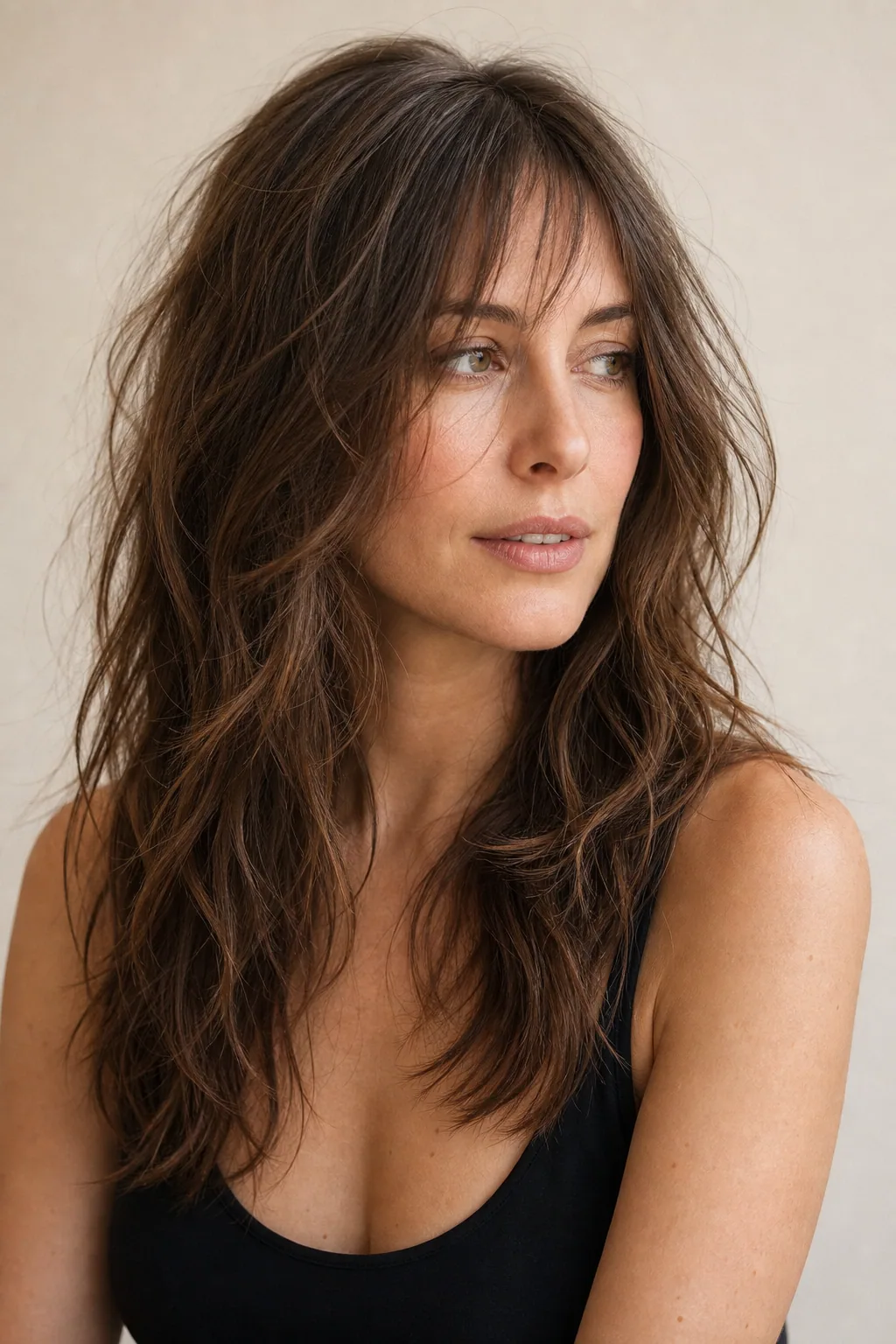
Choppy, piece-y layering worked through long length for maximum lived-in texture — the long shag for anyone who wants movement over polish. Best on fine hair with a little natural wave; on poker-straight, very thin hair the choppiness can read sparse, so keep the layering soft and the ends fuller.
16
Grown-from-a-lob long layers
The smartest way to reach long hair with fine strands: grow out a blunt lob, letting the strong hemline travel down with you so the ends stay full the whole way. Stopping at armpit length keeps the density illusion intact. This is the "long but full" sweet spot most fine hair looks best at.
Long layers for your face shape
Where the layers and face-framing start — not the length itself — decide what flatters. If you haven't mapped your face shape yet, our two-minute face-shape guide does it with a mirror and a washable marker.
Balanced proportions carry blunt, layered, and waved alike.
Round
Long layers with a deep side part & face frame
Vertical layers and asymmetry elongate; keep width off the cheeks.
Square
Long beachy waves with soft face-framing
Bends and softness round a strong jaw.
Heart
Long layers with curtain bangs
A fringe and fullness lower down balance a wider forehead.
Long / oblong
U-cut with wispy bangs
A fringe and rounded hemline shorten and widen the proportions.
The honest maintenance picture
That picture changes with age, mostly because growth slows and the ends get older at the same length — the version for later decades is in long hair for fine hair over 60. The fifties version, where the ends are usually still carrying the length well, is long hairstyles for fine hair over 50.
Long fine hair's upkeep is all about the ends — they're the weak point, and a wispy hemline is what makes long fine hair look thin. It's also worth understanding why: at a centimetre a month, hair 40 cm from your scalp is over three years old, and it has had every wash, brush and blow-dry of those three years concentrated on it.
Easy hairstyles for long thin hair, by how much time you have
A good long cut is half the job; the other half is having two or three ways to wear it that take less time than deciding on one.
Long fine hair has a particular constraint here — it is heavy enough at the ends to drag the roots flat, and light enough at the base that anything gathered reads thin. So the styles that work add visible bulk at the point where the hair is secured, and the ones that fail pull it smooth. Three tiers, by the clock.
Costs nothing and buys root lift, because the hair stands against its trained direction. Where to part fine hair has the geometry.
5 minutes
Low ponytail with the base wrapped, or a topsy-tail flip
Wrapping a section over the elastic replaces a thin-looking base with hair. Ponytails on fine hair covers both.
5 minutes
A loose braid, then pancaked
Pulling the edge of each loop outward roughly doubles the apparent width — the most useful trick in braids on fine hair.
10 minutes
A soft low bun over a small form
Fine hair cannot fill a bun on its own; a form supplies the volume it does not have. Buns for fine hair covers the sizes.
10 minutes
Bent mid-lengths, worn down
A wave through the middle stops long fine hair hanging as a flat curtain — the fastest version is in curling fine hair with a flat iron.
Two things to avoid at this length, and they are the same mistake in different clothes: a tight, high, smooth ponytail, and a slicked-back bun. Both pull the hair flat to the scalp and gather it into the smallest possible bundle — precisely the two things that make thin hair read as thin — and at length the weight hanging below adds real tension at the roots.
If you want the pulled-back look, take it lower, leave it looser, and let a few pieces out at the front. For a fuller run of options, easy updos for fine and thin hair is organised by failure mode rather than by occasion.
What to ask your stylist
Say: "I have fine hair and I want to keep it long but full — internal, point-cut layers at the crown and face only, keep the hemline strong, no razor and no thinning shears through the ends."
If your hair also runs thin, add: "Keep it no longer than a couple of inches below my shoulders, and prioritize a blunt, full hemline over length — I'd rather it look thick than reach my mid-back." Ask for a U-cut rather than a V-cut unless your density is genuinely high. Bring a photo, and be ready for your stylist to suggest a length where your hair looks fullest.
At home, body comes from root lift and a bend — the full routine is in how to style fine & thin hair, and a one-inch curling iron is the tool long fine hair leans on most.
When long hair may not be your best move
You can see your scalp through the lengths and the ends look see-through. Long hair magnifies low density — a blunt lob or bob will read dramatically fuller.
You want long hair past your mid-back. Most fine hair tapers to stringy at that length; be honest about whether you want long hair or full-looking hair, because past a point you can't have both.
Your ends are damaged, split, or over-processed. A strong hemline shows every split — the ends need to come off before length is worth chasing.
You skip trims to gain length. On fine hair that backfires: you gain half an inch and lose the full hemline that made it look good. Regular dustings keep it fuller than hoarding length ever will.
FAQ
Yes, but with a length ceiling and the right cut. Fine hair looks fullest kept between the collarbone and a few inches below the shoulder; much longer and its own weight drags it flat while the ends taper to a wispy point. The formula is strategic long layers up top for movement and a strong, blunt-ish hemline for density — not a blunt curtain and not over-layered, see-through ends.
The three that reliably work are a half-up secured with a claw clip, a low ponytail with the base wrapped in a section of hair, and a loose braid that you then pancake by pulling the edge of each loop outward. All three answer the same problem: long fine hair looks thin at the point where it is gathered, so the fix is to put something bulkier there — a clip, a wrap, or a widened braid. What to skip is the tight high ponytail and the slicked-back bun, which pull the hair flat and gather it into the smallest bundle possible. A deep side part costs nothing and does more for root lift than any of them.
It depends entirely on where the layers sit. Layers concentrated at the crown and face frame add movement and lift that read as fullness. Layers cut low into the ends do the opposite — they thin the hemline where fine hair needs its weight, exposing how little hair is there. Ask for internal, point-cut layers that keep the perimeter strong.
As a rule of thumb, past mid-back is where most fine hair starts to look stringy — the ends have tapered, the weight has flattened the roots, and the density illusion collapses. Many fine-haired people look fullest at collarbone-to-armpit length. If you're attached to long hair, keep the ends blunt and trimmed and add layers only up top.
A U-cut (rounded hemline) keeps more weight at the bottom, so it usually looks fuller on fine hair. A V-cut tapers to a point in the center, which slims the silhouette but also thins the very ends — flattering for creating a long, narrow shape, less so if your priority is density. For most fine hair, a U-cut or straight hemline builds a stronger fullness illusion.
Volume on long hair comes from the root and the bend, not the length. Mousse at damp roots, a root-first blow-dry lifting the crown against its fall, and a loose wave through the mid-lengths to stack body. A deep or switched part adds crown height for free, and dry shampoo at the roots on day two revives the lift without a rewash.
Every 8 to 12 weeks. Long fine hair's ends are its weak point — they split and taper faster than coarse hair, and a wispy hemline is what makes long fine hair look thin. Regular dustings keep the perimeter strong even if you're growing it. Skipping trims to gain length usually backfires: you gain half an inch and lose the fullness that made it look good.
Eleven years behind the chair, specializing in short shapes and fine-hair texture. Simone believes the best haircut is the one you can style yourself in ten minutes.
Images in this article are AI-generated illustrations, not photographs of real clients or results. See our image policy.
Results vary with hair type, density, and growth patterns. This guide is educational and not a substitute for an in-person consultation with a licensed stylist.
Get the good hair intel
One honest, stylist-written guide in your inbox each week. No hype.

 SB
SB