Reviewed by Tara Sullivan · Updated October 2026 · 9 min read
A hidden undercut bob is a bob with a small shaved or clippered section underneath, usually at the nape, covered by the hair on top. You only see it when you lift your hair or tie it up.
On thick hair, an undercut removes bulk. On thin hair, it has to be done carefully: kept low and small, under a blunt bob, or it takes hair you need. Here are 10 hidden undercut bobs that work on thin hair, and when to skip one.
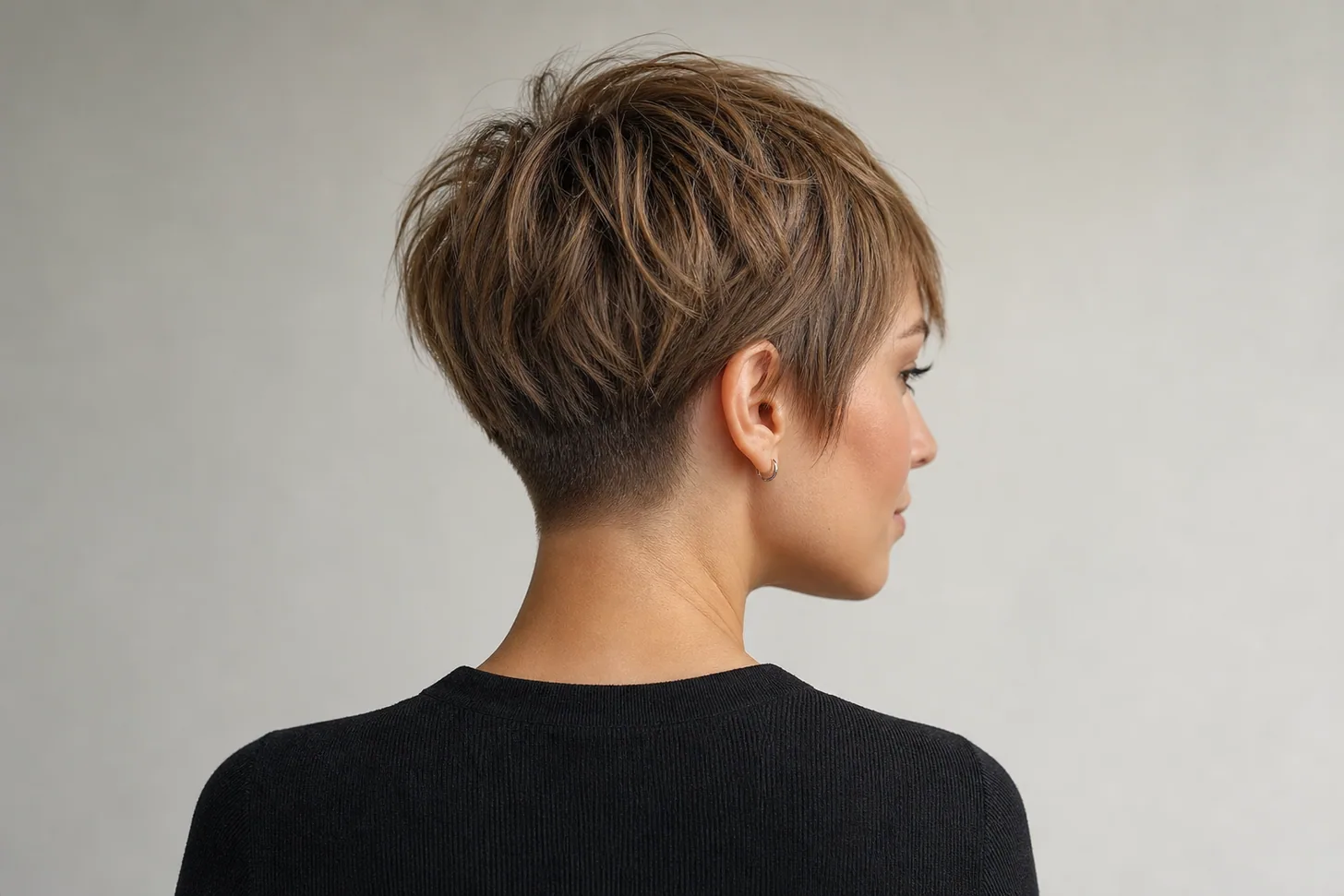
hidden undercut bob on fine dark-brown hair, blunt chin-length bob with the hair lifted at one side to reveal a small clippered nape undercut, woman in her 20s, back three-quarter view
Chair-side note
I get asked for undercuts by fine-haired clients who've seen them on thick hair. On thick hair they solve a problem. On fine hair, a big undercut creates one: the bob on top gets thinner, and the hem goes see-through.
So my rule is: no higher than the bottom of the ear, and no wider than the nape. Kept that small, it's a fun detail and a cool neck in summer, and the bob above stays dense.
SB
— Simone Baptiste, Senior Stylist
What is a hidden undercut bob?
It's a bob with a section underneath clippered short, usually at the nape and sometimes behind one ear. The longer hair on top falls over it, so the undercut only shows when you tuck, lift or tie your hair.
Yes, if it's small. A low nape undercut takes very little hair and can make a bob sit closer to the neck, which looks neat. It won't add volume, and a large undercut takes away density from the bob above it.
Pair it with a blunt bob, which keeps weight at the hem, rather than a heavily layered one.
Nape undercut bobs
The safest placement for thin hair, hidden under the back of the bob.
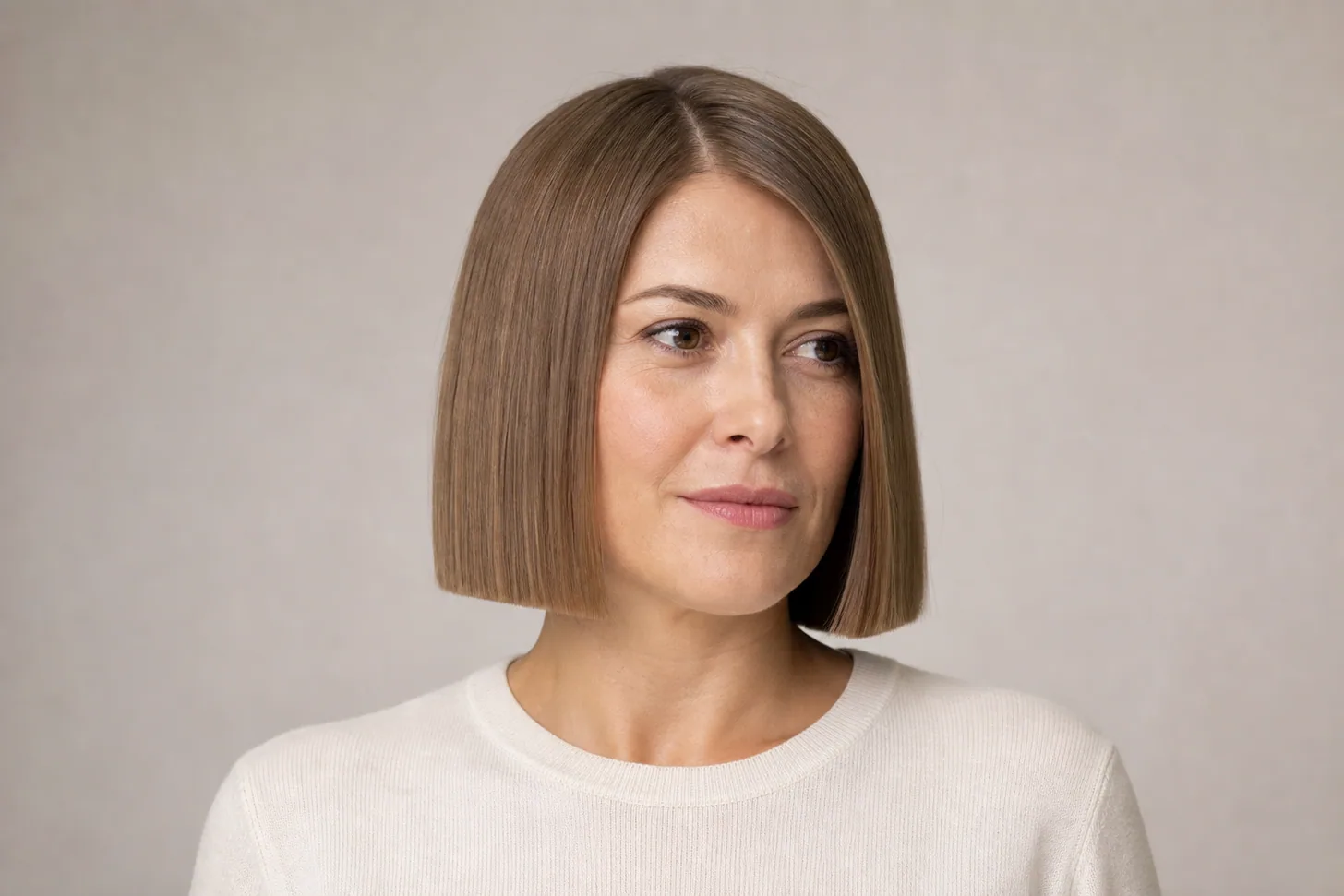
blunt chin-length bob on fine light-brown hair with the back lifted to show a small low clippered nape undercut, woman in her 30s, back view
1
Blunt bob with a nape undercut
A blunt bob with a small undercut at the nape. It's the version I'd start with on thin hair.
The undercut stops below the ears, so the bob stays dense.
chin-length bob on fine black hair tied up in a small clip to reveal a nape undercut with a simple shaved line pattern, woman in her 20s, back view
2
Nape undercut with a pattern
A simple shaved pattern, like lines or a small triangle, in the nape. It shows only when your hair is up.
Patterns grow out in two to three weeks, so book touch-ups if you want to keep it.
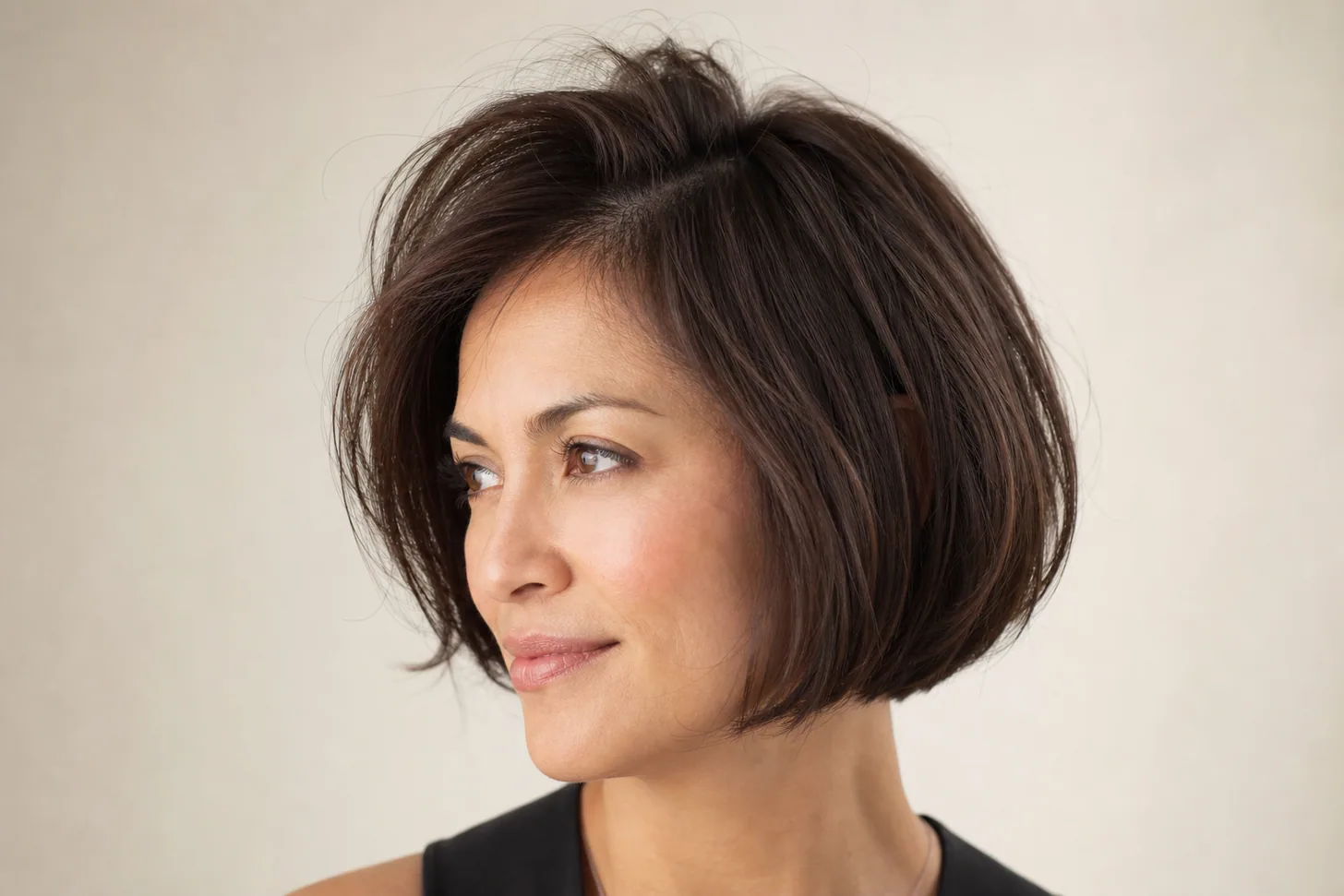
short ear-to-chin bob on fine dark-blond hair with a softly tapered clippered nape underneath, woman in her 30s, back three-quarter view
3
Short bob with a tapered nape undercut
A softly tapered undercut instead of a hard line. It grows out more gracefully and looks neat at the neck.
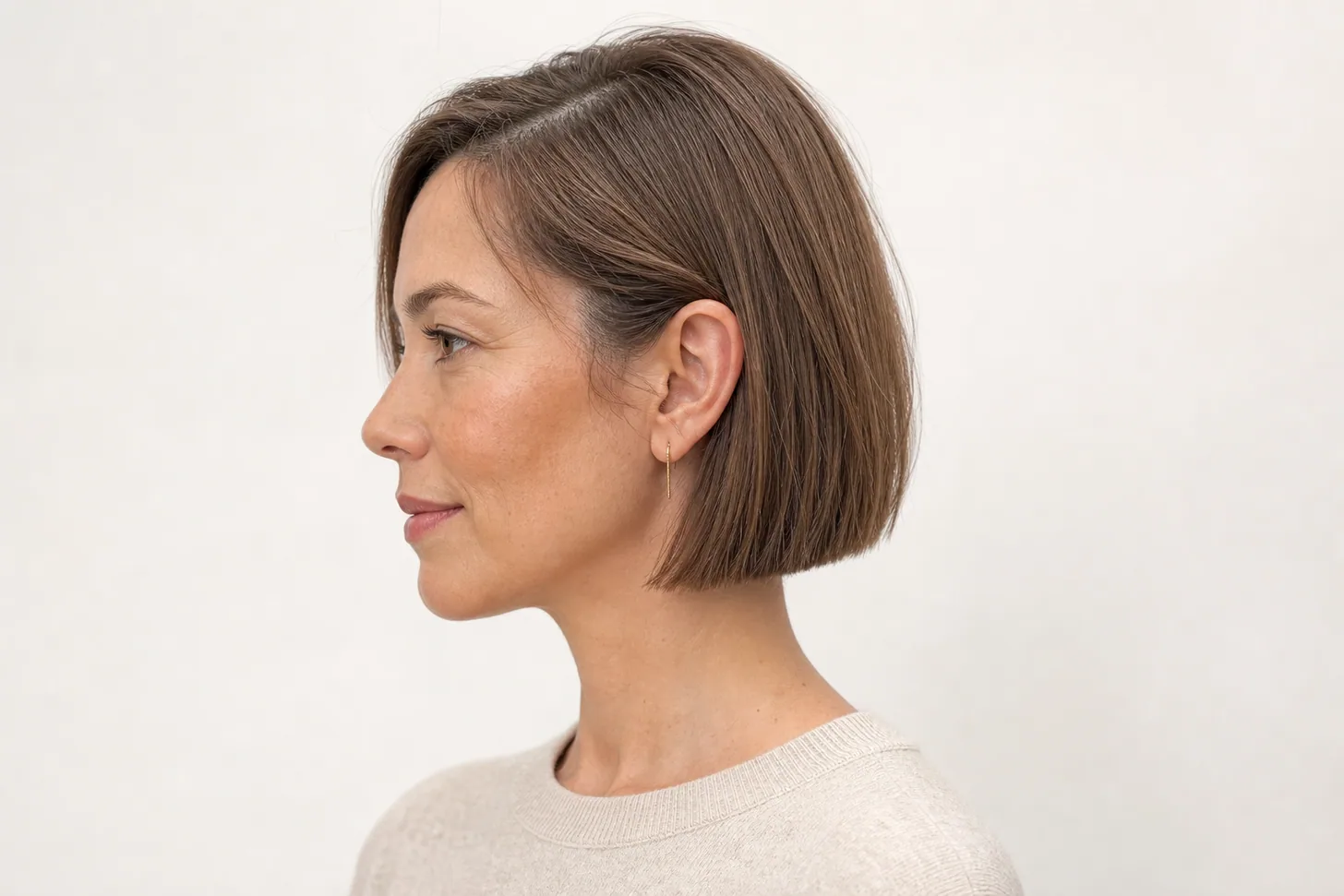
A side undercut sits behind one ear. On thin hair, keep it small and on the side you don't part toward.
chin-length bob on fine light-brown hair tucked behind one ear to show a small clippered undercut behind that ear, woman in her 20s, side view
5
Bob with an undercut behind one ear
A small undercut behind one ear. Tuck that side to show it; let it fall to hide it.
Keep it on the side away from your part, where the hair is fullest on top.
asymmetrical bob longer on one side with a small clippered undercut on the shorter side on fine dark-brown hair, woman in her 30s, front three-quarter view
6
Asymmetrical bob with a side undercut
A bob that's longer on one side, with the undercut on the short side. It's the edgiest version, and the asymmetry hides the hidden part.
An undercut works under longer bobs too, and it grows out more easily than most people expect.
collarbone-length lob on fine honey-blond hair in a high half-up knot showing a small nape undercut underneath, woman in her 30s, back three-quarter view
8
Lob with a hidden nape undercut
A longer bob with a nape undercut that shows when you wear it up. It keeps the neck cool in summer.
wavy chin-length bob on fine wavy auburn hair with a small hidden clippered nape undercut visible as the hair is lifted, woman in her 30s, back three-quarter view
9
Wavy bob with a hidden undercut
A wavy bob with a small nape undercut. The undercut stops the back from puffing out as the waves dry.
Say: "I'd like a blunt bob with a small hidden undercut at the nape. Please keep it below the bottom of my ears and no wider than the nape, and leave the bob above it full."
Ask for a clipper guard of 2 or 3 rather than a shave, so it looks soft and grows out evenly. Bring photos of where you want it to stop.
Styling a hidden undercut bob
Style the bob as you normally would: a little mousse at the roots and a quick blow-dry. To show the undercut, tuck one side or wear a small clip or half-up knot. Keep the undercut tidy with a clipper touch-up every three to four weeks.
Who should skip a hidden undercut
Your hair is thin at the nape or the back. The undercut takes the hair that hides the neck and the bob will look sparse.
Your bob is heavily layered. Layers plus an undercut leave too little hair at the hem.
You can't get clipper touch-ups. A grown-out undercut looks fuzzy under a sleek bob.
FAQ
A bob with a small clippered section underneath, usually at the nape. The longer hair on top covers it, so it only shows when you lift, tuck or tie your hair.
Only a small, low one. Keep it below the bottom of the ears and under a blunt bob. A large undercut takes density from the bob and makes the hem look thin.
No. An undercut removes hair. It can make a bob sit closer to the neck and look neater, but it won't add volume.
About six months for a small nape undercut to reach the length of a chin-length bob. Because it's hidden, the in-between stage barely shows.
Every three to four weeks with clippers if you want it to stay crisp. If you're growing it out, just leave it.
On thin hair, at the nape or behind one ear, on the side away from your part. Never high up the side of the head.
Eleven years behind the chair, specializing in short shapes and fine-hair texture. Simone believes the best haircut is the one you can style yourself in ten minutes.
Results vary with hair type, density and growth patterns. Haircut guidance is not a substitute for an in-person consultation with a licensed stylist, and sudden or heavy hair loss is worth raising with a doctor.
Hairstyle images in this guide are AI-generated illustrations, not photos of real clients or results. See our image policy.
Get the good hair intel
One honest, stylist-written guide in your inbox each week. No hype.

 SB