Fine-hair care · The honest routine

Dry, Fine Hair: The Moisture Routine

Dry, fine hair is a genuinely awkward problem, because the products that fix dryness are usually too heavy for the hair that has it — so most people end up choosing between rough ends and flat roots. You don't have to. The routine below moves moisture down the strand instead of piling it on: water-based layers rather than butters, small amounts applied to damp hair, everything from the ears down, and one weekly treatment used for a fraction of the time the jar recommends. It also covers the diagnosis that saves months of wasted product — whether your hair is actually dry, actually damaged, or simply over-proteined.

Fine shoulder-length hair with soft shine and movement at the ends in natural light
Chair-side note

The dry-fine-hair conversation almost always starts with a confession: "I know I should condition more, but it makes my hair flat." Then I look at the hair and find the opposite problem to the one she's describing — the ends are parched and the roots are coated, because she's been using a small amount of a rich conditioner and, not wanting to waste it, rubbing what's left on her palms through the top of her head. Same product, wrong geography. What I ask for instead is a bigger amount of a much lighter conditioner, applied deliberately from the ears down, and nothing at all above that line. Almost everyone who makes that single swap reports softer ends and more volume within two washes, which sounds like it shouldn't be possible and is simply weight moving to where fine hair can carry it.

Megan HollowayMH
— Megan Holloway, Editor-in-Chief

Why fine hair dries out faster

A fine strand is not simply a smaller version of a coarse one. It has a thinner cortex — the inner core that holds most of the hair's water and protein — and proportionally more surface area for the volume it contains, so it loses moisture to the air more quickly and shows the loss sooner. It also has less mass to buffer everything you do to it: the same flat iron pass, the same round of highlights, the same rough towel-dry costs a fine strand more than a coarse one.

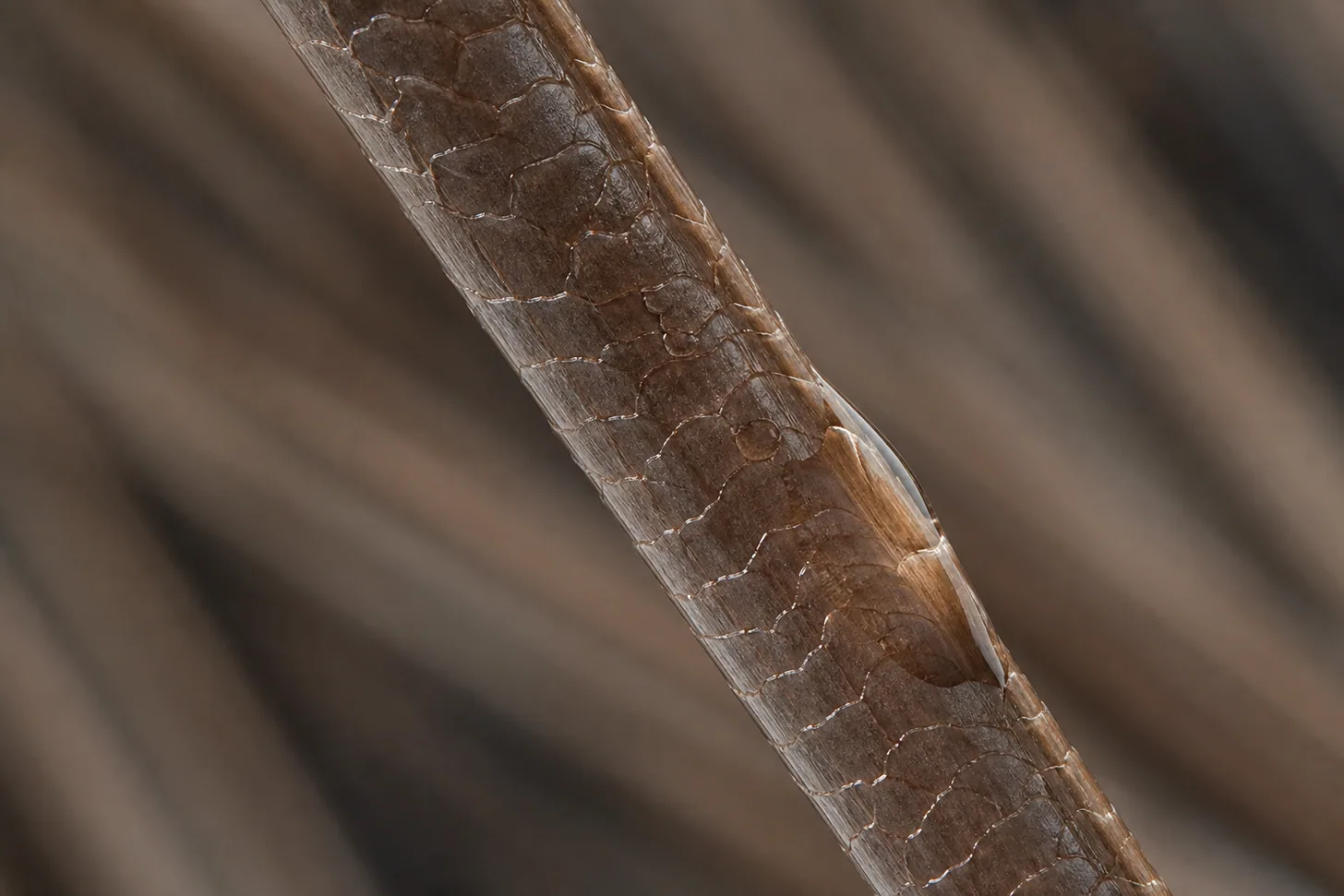
Then there's the cuticle. Moisture stays in the hair when the overlapping scales of the cuticle lie flat; heat, color, friction, and hard water lift them, and a lifted cuticle leaks. That's why dryness and frizz travel together and why the same habits improve both — though frizz is specifically a surface problem, covered in taming frizz on fine hair, while dryness runs deeper into the strand.

The last reason is behavioral, and it's the biggest one. Fine hair is very often oily at the scalp and dry at the ends at the same time. That pushes people into washing more often to manage the roots and conditioning less to protect the volume — which strips the ends twice over. Whether your hair is fine, low in density, or both changes how much product it can carry; if you're not sure which you have, the two-minute distinction is in fine hair vs thin hair.

Dry, damaged, or over-proteined? Diagnose before you buy

These three feel similar in the hand and need completely different responses. Working out which one you have is worth more than any product on your shelf.

What you haveHow it feels & behavesThe testWhat to do
Dry (dehydrated)Rough, dull, static-prone; tangles easily; still stretchesA shed strand gives a little and springs backThe moisture routine below — improvement within one or two washes
DamagedSplit ends, mid-length breakage, gummy and stretchy when wetA shed strand snaps with almost no stretchTrim, less heat, and the ingredients that genuinely repair fine hair
Over-proteinedStiff, straw-like, brittle; gets worse the more product you useYou're using two or more protein or "bond" products at onceDrop all protein for two weeks; lightweight conditioning only
Highly porousSoaks up water fast, dries fast, never stays softWets through instantly in the showerMore frequent, lighter moisture and a sealing step — see porosity for fine hair

Over-proteining deserves a special mention because fine hair walks into it so easily. Protein temporarily stiffens a strand and makes it feel thicker, so it's in an enormous share of the volumizing shampoos, mousses, and bond treatments marketed at fine hair. Stack three of those in one routine and the hair goes rigid and starts snapping — and the instinct is to reach for more product, which makes it worse. If your hair got rougher as your routine got more elaborate, that's the likeliest explanation.

The moisture routine, wash to style

Seven steps. The principle running through all of them: water-based first, weight last, and nothing conditioning above the ears.

Wash the scalp, not the ends

Shampoo is for the scalp. Massage it into the roots with your fingertips, and let the suds rinse down through the lengths on their way out — scrubbing the ends strips them and roughs up the cuticle for no cleaning benefit. Use lukewarm rather than hot water, and pick a gentle shampoo formulated for fine hair rather than a moisturizing one built for thick hair, which coats. If you're washing daily, stretching to every second or third day usually improves the ends within a fortnight; the honest cadence is in how often to wash fine hair.

Condition properly — more product, placed lower

This is the step most dry-fine-haired people get backwards. Use a genuinely lightweight conditioner, and use enough of it: a hazelnut for shoulder length, more if your hair is long. Apply from the level of your ears down, concentrate it on the last few inches, and leave it for a minute or two before rinsing. The American Academy of Dermatology's healthy-hair guidance is explicit about the placement — if your hair is fine or straight, apply conditioner to the ends — and about using it after every shampoo. How much is genuinely enough is worked through in how much conditioner fine hair needs.

Rinse cool, then blot — never rub

A cool final rinse helps the cuticle lie flat, which is how the moisture you just added stays in. Then handle the hair as little as possible: the AAD's guidance on habits that damage hair is to wrap your hair in a towel to absorb the water rather than rubbing it dry, because wet hair is at its most fragile and friction lifts the cuticle instantly. A microfiber towel or a cotton t-shirt, pressed and squeezed, does the job without the roughing-up.

Detangle with a wide-tooth comb

Combing wet fine hair with a brush is where a surprising proportion of "dryness" actually originates — the broken, wispy pieces it creates read as frizz and rough ends. Use a wide-tooth comb, start at the ends, and work upward in short sections — better still, get the knots out before the hair is wet, which is the core of how to keep fine hair from tangling. Which brushes suit fine hair once it's dry is covered in our hair brush guide.

Leave-in on damp ends, in a pea-sized amount

A water-based lightweight leave-in is the workhorse of this routine: it keeps hydrating after the shower without the film a rich cream leaves behind. A pea for shoulder length, emulsified between the palms and pressed through the mid-lengths and ends on damp hair. Damp is doing real work here — the same amount on dry hair coats the first section it touches and never reaches the ends.

Dry with heat you'd be happy to hold

Air-drying entirely is not automatically kinder, and fine hair air-dries flat. Let the hair get to roughly 70 percent dry on its own, then finish on medium heat with the airflow pointing down the strand rather than up into it, and end with the cool shot. Use a weightless heat protectant — a mist, not a cream — before any hot tool touches the hair, every time.

Seal the last two inches, only if you need to

If the ends still feel thirsty when everything is dry, one drop of a light weightless hair oil or a fraction of a drop of smoothing serum, warmed between the palms and pressed onto the last two inches. Never combed through, never above the ears, never on the same day you already used both a leave-in and a mask. This step is optional and most people overdo it.

Humectants, emollients, and the weight budget

Moisturizing ingredients do two different jobs, and knowing which is which explains a lot of failed products.

Humectants — glycerin, panthenol, hyaluronic acid, honey — pull water into the strand. They're the light half of the equation and generally excellent for fine hair. Their quirk is that they respond to the air around them: in very dry winter air a heavy humectant load can draw moisture out of the hair, and in high humidity it can pull in enough to swell the strand and frizz it. Small amounts, adjusted seasonally.

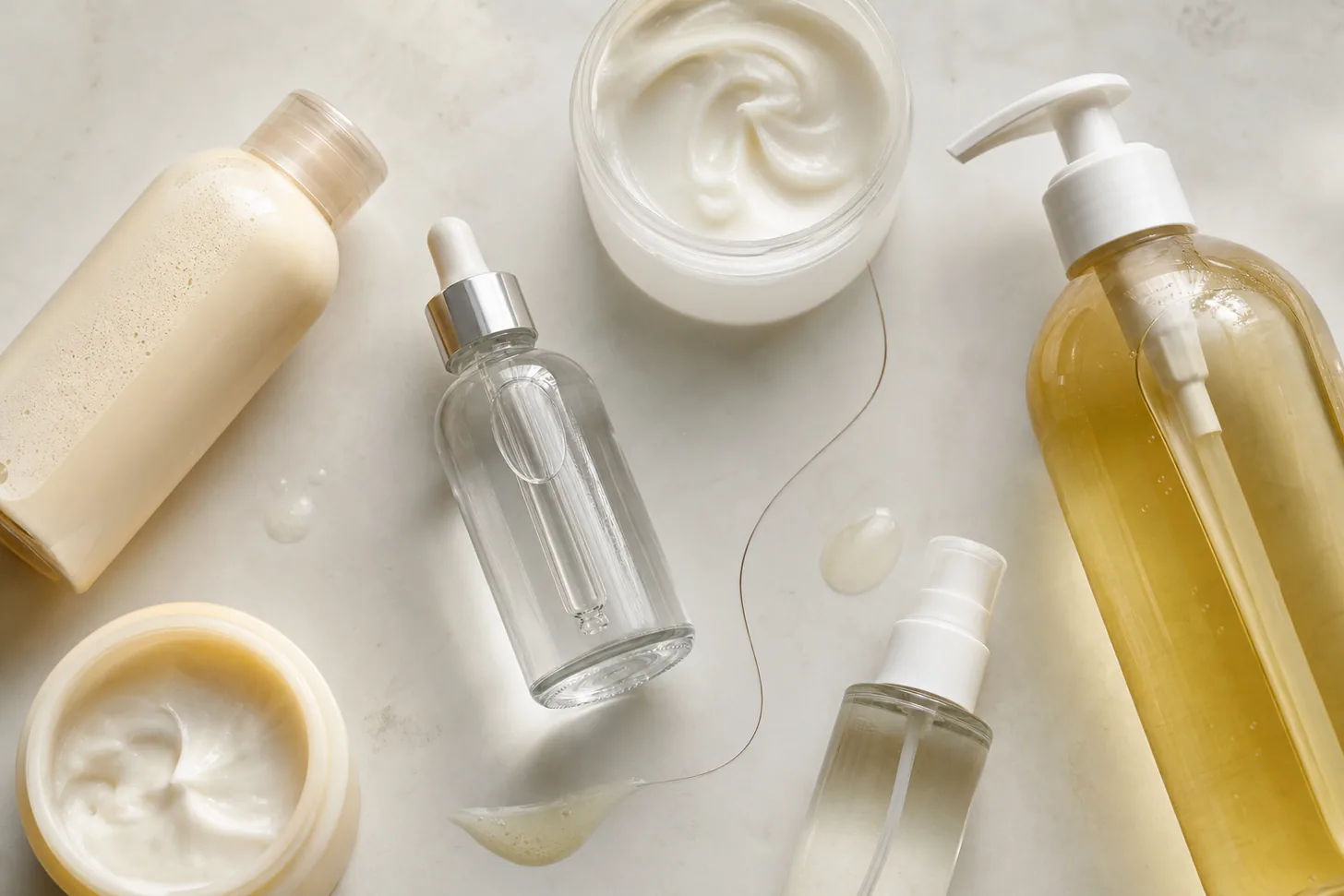
Emollients and occlusives — oils, butters, silicones, fatty alcohols — smooth the surface and slow water loss. They're the half that costs weight. Fine hair can carry a little, on the ends, and that's the whole allowance.

The practical version: build the routine from humectants and light conditioning, then spend the small amount of weight you can afford on the last two inches. Every product on your shelf draws from the same budget — a leave-in plus a cream plus an oil is three withdrawals, and fine hair goes flat at about one and a half.

Weekly and overnight: what's actually worth doing

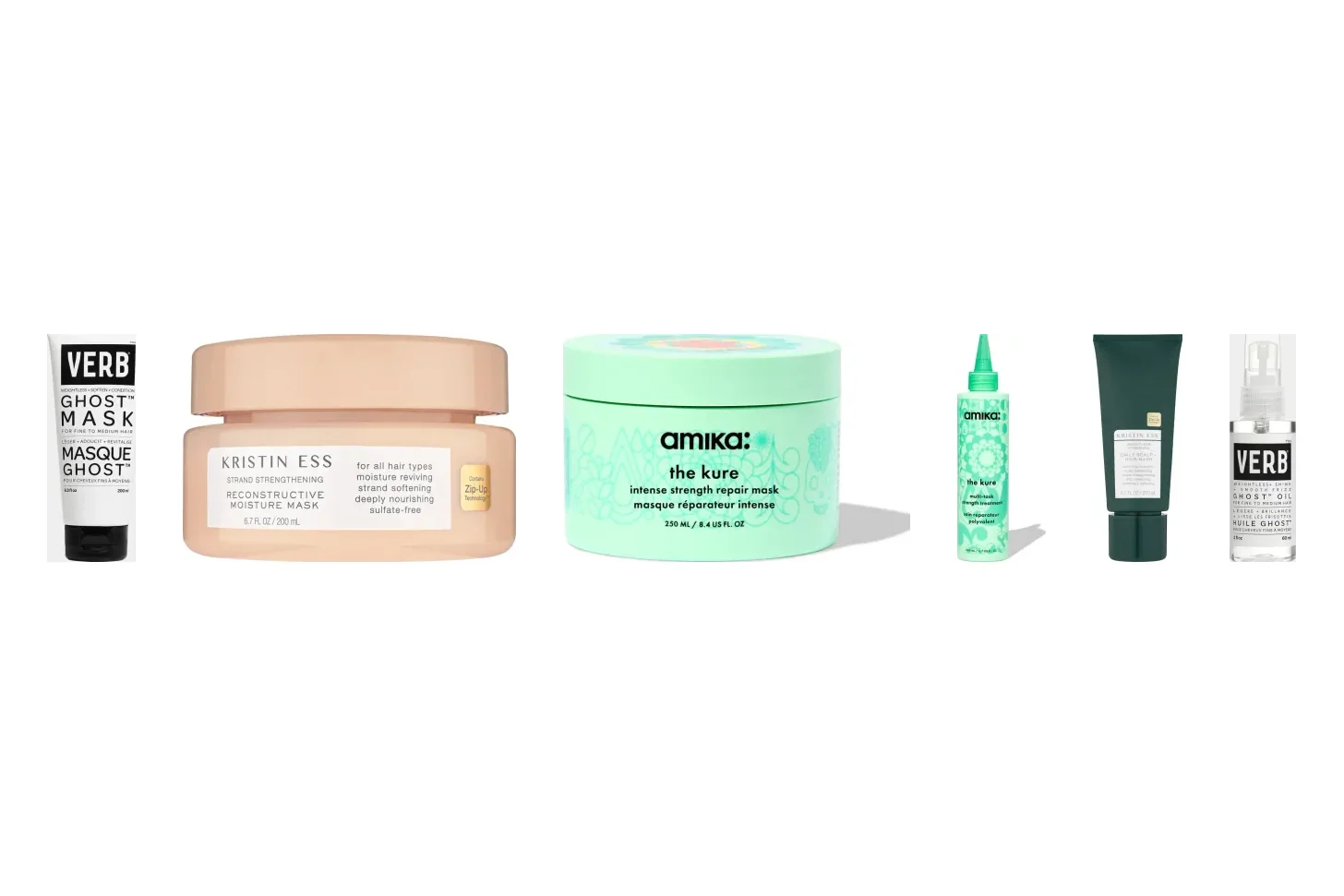
A weekly mask, on your terms. Use a lightweight mask once a week, from the ears down, on damp rather than dripping hair, for five to ten minutes — not the thirty the jar suggests. Rinse thoroughly. If your roots feel heavy the next day, you applied too high or left it on too long.

A pre-shampoo treatment, occasionally. Applying a light oil to the mid-lengths and ends 20 minutes before shampooing protects them from the wash itself. This works on fine hair only because it gets washed out; leave-on oil pre-treatments are a different, heavier proposition.

Silk or satin at night. Cotton pillowcases create friction across the hours you're not thinking about your hair. A silk or satin pillowcase, or loosely tying long hair up in a soft scrunchie, cuts the mechanical wear that turns dry ends into broken ones.

Skip: heavy overnight oil masks, coconut-oil soaks, and anything that has to be shampooed out twice. The double wash undoes the benefit, and on fine hair the residue outlasts your patience.

Special cases: winter, hard water, color, and swimming

SituationWhat it does to fine hairThe adjustment
Winter and indoor heatingVery dry air pulls water out of the strand; static and flyaways spikeLighter humectants, more frequent leave-in, silk pillowcase, humidifier in the bedroom
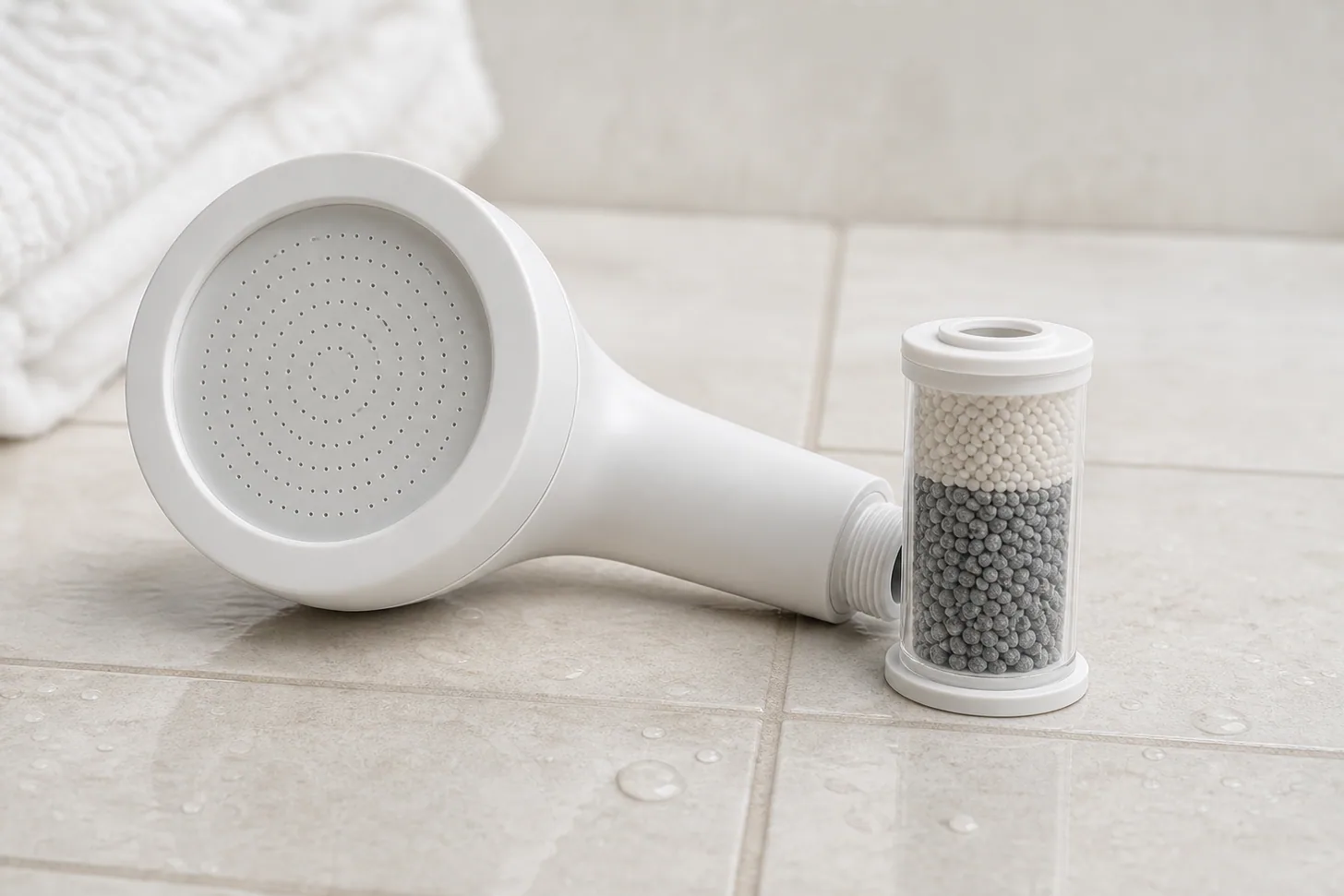
Hard waterMineral deposits roughen the cuticle and leave hair dull and stiffA clarifying or chelating wash every few weeks; a shower filter if it's severe
Color, highlights, bleachRaises the cuticle permanently; porosity climbs and moisture escapes fasterCondition every wash without exception; add the weekly mask; stretch time between lightening services
Chlorine and salt waterStrips lipids and dehydrates; blondes also risk discolorationWet the hair with clean water and apply conditioner before swimming; rinse immediately after
Smoothing or keratin treatmentsSometimes helps dryness, often adds weight fine hair can't carryRead the honest version first — keratin and protein treatments for fine hair

None of this replaces the underlying routine — it sits on top of it. If you're building from scratch rather than troubleshooting, start with the honest fine-hair care routine and layer these adjustments onto it.

When dryness isn't really the problem

  • Your ends snap rather than stretch. That's damage, and moisture alone won't touch it. Trim the worst, cut the heat frequency, and read what actually repairs fine hair.
  • Your hair got rougher as your routine got bigger. Protein overload, almost certainly. Strip everything protein-labelled for two weeks and reintroduce one product at a time.
  • Your scalp is greasy and your ends are dry. Two different problems on one head — treat them separately rather than compromising on both. The balancing approach is in fine, oily hair.
  • Your hair feels dry and looks thinner than it used to. Texture change and density change are different things. Start with fine hair or thinning, which is medically reviewed and says when to see a dermatologist.
  • Nothing has worked for months and your scalp itches or flakes. Persistent scalp symptoms alongside dry hair are worth a board-certified dermatologist's opinion, not another conditioner.

FAQ

Three reasons stack up. A fine strand has a thinner cortex and proportionally more surface for its volume, so it loses water faster and shows dryness sooner than a coarse strand carrying the same damage. Fine hair is also easier to damage — heat, color, and friction lift the cuticle quickly, and a raised cuticle can't hold moisture. And most people with fine hair under-condition on purpose, because conditioner has flattened their roots in the past, so the ends never get what they need. The fix isn't richer product; it's the same moisture placed lower down, in smaller amounts, more often.

Use water-based products, apply them to damp hair, and keep everything below the level of your ears. A lightweight conditioner on the mid-lengths and ends at every wash, a leave-in the size of a pea on damp ends, and — only if the last inch still feels thirsty — a single drop of light oil pressed on at the end. The American Academy of Dermatology's healthy-hair guidance says the same thing about placement: if your hair is fine or straight, apply conditioner to the ends. Weight is cumulative, so it's the total across every product that flattens fine hair, not any one of them.

Dry hair feels rough and looks dull but stretches and springs back; damaged hair snaps. The quickest home test is to stretch a shed strand gently between your fingers — hair that gives a little and recovers is dehydrated, hair that breaks with almost no stretch has structural damage in the cortex. Damage also shows as split ends, mid-length breakage, and a gummy, stretchy feel when wet. Dryness responds to moisture within a wash or two; damage doesn't respond to moisture at all and needs a trim, less heat, and a protein-and-moisture approach instead.

Yes, but a light one, on the ends, for less time than the jar suggests, and no more than once a week. Most masks are formulated for coarse or curly hair and are far too rich for a fine strand, which is why the classic experience is beautifully soft hair that lies completely flat for two days. Choose something described as lightweight or for fine hair, apply it from the ears down on damp — not soaking — hair, leave it five to ten minutes rather than thirty, and rinse thoroughly. If your roots feel heavy afterwards, you applied it too high or left it too long.

Usually moisture, and often less protein than it's getting. Fine hair is a favorite target for protein-based volumizers and bond builders because protein temporarily stiffens the strand and makes it feel fuller, so many fine-haired people are layering protein through their shampoo, their mousse, and their treatment without realizing it. Too much of it leaves hair stiff, straw-like, and prone to snapping — the tell is a rough, brittle feel that gets worse when you use more product. If that sounds familiar, drop everything protein-labelled for two weeks and use only lightweight conditioning.

Usually every two to three days, adjusted to your scalp rather than your ends. Fine hair often has an oily scalp and dry ends at the same time, which is why washing feels like an impossible compromise. Wash when the roots need it, shampoo the scalp only, and let the suds rinse through the lengths on the way out rather than scrubbing the ends. If you're washing daily out of habit, stretching by a single day usually improves the ends noticeably within a fortnight.

Partly. Skipping heat obviously helps, but hair left wet for a long time swells and stays vulnerable, and fine hair air-dries flat, which is why people go back to the dryer. The middle path works better: blot with a microfiber towel or a cotton t-shirt, let the hair dry to about 70 percent on its own, then finish on medium heat with the airflow pointed down the strand and a cool shot at the end. That gets you most of the reduced-heat benefit and keeps the root lift.

Related reads

Megan HollowayMH
Megan Holloway
Editor-in-Chief · Licensed cosmetologist & certified trichology practitioner

Fourteen years in hair — eight behind the chair, six in editorial — with a focus on scalp health and the science of fine, flat-prone hair. Megan's first question about dry ends is never which product, but where it's being applied.

More from Megan →

Results vary with hair type, density, and growth patterns. This guide is educational and not a substitute for an in-person consultation with a licensed stylist.

Hairstyle images in this guide are AI-generated illustrations, not photos of real clients or results. See our image policy.