Reviewed by Tara Sullivan · Updated August 2026 · 7 min read
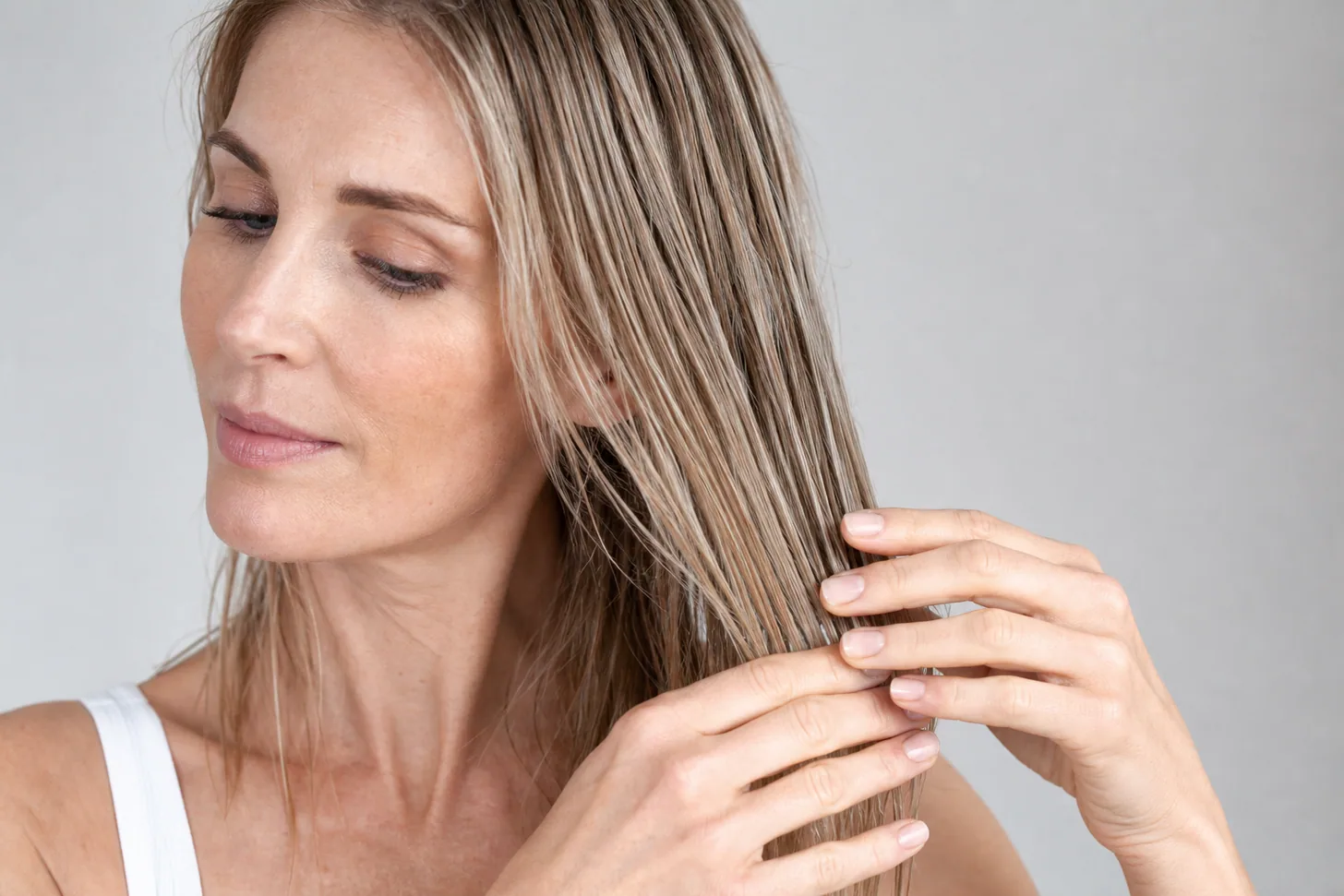
Fine hair frizzes for the same reason all hair does — a dry, raised cuticle that catches the air and the light — but the usual fix makes it worse.
Rich oils and smoothing creams flatten fine hair the moment they tame the frizz, so the whole game is smoothing the cuticle lightly: gentle washing, moisture placed low, the lightest possible product on the ends, and a cool-shot finish. Here's the routine that gets fine hair smooth without sacrificing the volume you're already fighting for.
Chair-side note
The most common frizz mistake I see on fine hair is reaching for the same jar of heavy anti-frizz cream a friend with thick, coarse hair swears by. It works beautifully on her — and it turns fine hair into a flat, greasy sheet by lunch.
Fine hair needs a fraction of the product, and it needs it on the ends, never the roots. A rice-grain of serum smoothed through the last few inches will do what a coin-sized blob does on thick hair. When in doubt, use less than you think and add more only if you truly need it.
MH
— Megan Holloway, Editor-in-Chief
Why fine hair frizzes
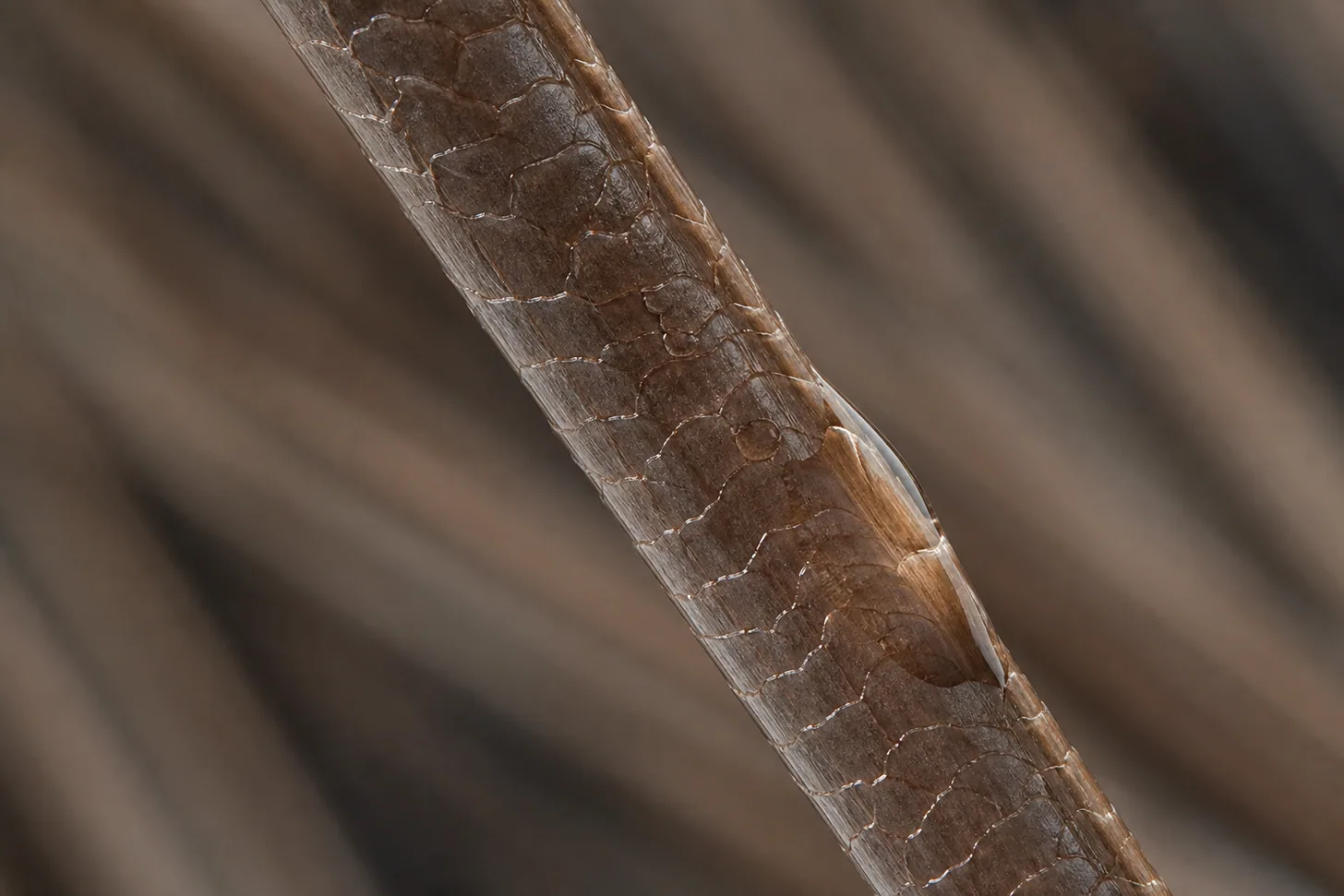
Every strand of hair is wrapped in a cuticle — a layer of overlapping scales, like roof tiles. When the cuticle lies flat, hair looks smooth and shiny; when it lifts, strands snag on each other and scatter light, and that's frizz.
The cuticle lifts when hair is dry, damaged, or absorbing moisture from humid air. Fine hair shows all of this faster than thicker hair for two reasons: each strand is delicate and easily roughed up, and there's simply not enough weight to hold the surface down.
How readily your hair drinks in humidity also depends on its porosity — a more porous, more damaged cuticle frizzes fastest, which is why the porosity of fine hair is worth understanding before you buy another product. The goal isn't to drown the strand in moisture; it's to smooth and lightly seal the cuticle so it lies flat, without adding weight fine hair can't carry.
Is it frizz, or a wave you're fighting?
Worth settling before you buy anything, because fine frizzy hair gets used for three genuinely different things and only one of them is frizz. Two of the three get worse with anti-frizz products.
What you're seeing
What it actually is
The tell
What it needs
A soft halo of fuzz along the length, worse in humidity
Actual frizz — a raised cuticle letting moisture in and out unevenly
Worse on dry hair and damp days; smooths temporarily with moisture
The routine below
Hair that won't lie smooth and looks fuzzy however you dry it
An undiagnosed wave — a 1C or 2A pattern with no definition, brushed out and dried straight
Dries with soft S-bends if you leave it entirely alone; the fuzz sits in sections, not evenly
The two-minute test for the middle row, which is the one most often missed: wash, don't brush, don't touch, and let it air-dry completely without touching it once.
If it comes out with soft bends in it rather than uniformly fuzzy, you have a wave — and everything you've been doing to smooth it has been removing definition rather than adding it. A surprising number of people who describe their hair as fine and frizzy have fine, wavy hair that has never been allowed to dry in its own shape.
That matters commercially as well as practically, because the two want opposite products. Frizz wants a little weight, smoothly distributed. A fine wave wants almost no weight and a light hold that lets the bend set. Buy for the wrong one and you get the outcome you were trying to avoid.
The lightweight anti-frizz routine, wash to style
Frizz control on fine hair is built across the whole wash, not fixed with one product at the end. Six habits, from the shower to the last flyaway.
Wash gently, and not too often
Over-washing strips the natural oils that keep the cuticle smooth, and harsh sulfates rough it up — both feed frizz. Use a gentle, sulfate-free fine-hair shampoo, wash with lukewarm rather than hot water, and stretch your washes as far as your scalp comfortably allows.
If you're washing daily out of habit, our guide to how often to wash fine hair will help you find the honest cadence — less washing usually means less frizz. If your fine hair is wavy, the choice of cleanser is a narrower one than it looks: see shampoo for fine wavy hair.
Condition low, and lightly
Moisture is your main anti-frizz tool, but placement is everything on fine hair. Apply a lightweight conditioner only from the mid-lengths down, never at the roots, and rinse with cool water to help the cuticle lie flat.
If your ends still feel dry and frizzy, the issue is usually too little conditioner on the ends rather than too much overall — the balance is covered in how much conditioner fine hair actually needs, and a genuinely lightweight formula is the difference between smooth and flat (see our best conditioner picks).
Blot — never rub — with a soft towel
A rough terry towel and vigorous rubbing lift the cuticle instantly, which is why hair is frizziest right after a towel-dry. Blot and squeeze gently with a microfiber towel or a soft cotton t-shirt instead, pressing the water out rather than roughing the surface up.
Apply product to damp hair, on the ends
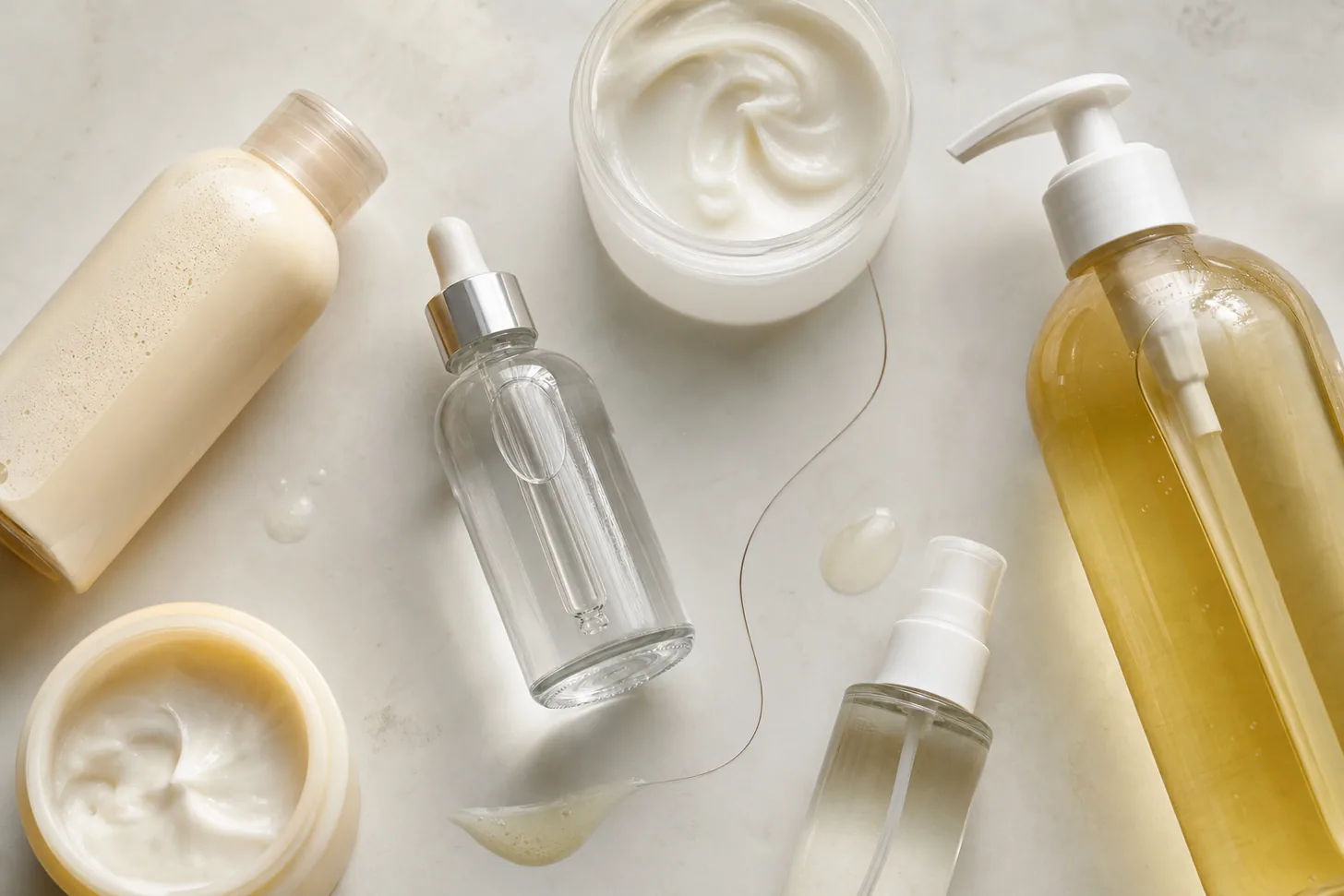
Smooth a pea-sized amount of a lightweight leave-in — or a single drop of a light, non-greasy serum warmed between your palms — through damp mid-lengths and ends. Damp hair spreads a tiny amount evenly; dry hair needs more product to coat the same surface, which is how fine hair ends up weighed down. Keep every bit of it below the ears.
Dry smooth, finish cold
Rough handling and high heat both roughen the cuticle. Always mist a weightless heat protectant, dry on medium heat aiming the airflow down the strand (root to tip, with the cuticle), and finish with the cool shot — cold air closes the cuticle and locks in a smooth, shiny surface. If you air-dry, resist touching the hair while it's wet, which is when frizz sets in. The full styling method is in how to style fine hair.
Smooth flyaways last, with the lightest touch
Save the surface flyaways for the very end. Spritz a whisper of light hairspray onto a clean toothbrush or the backs of your hands and smooth it over the top layer — spraying directly deposits far too much for fine hair. A lightweight anti-frizz or smoothing spray misted over the lengths does the same job for a broader halo of frizz.
Static, flyaways, and humidity — the three special cases
Static in particular is partly a pillowcase problem, since cotton generates more of it against dry fine hair than silk does — see silk pillowcases for fine hair.
Not all frizz is the same, and each type has its own light-touch fix on fine hair. Static is the seasonal one — it is a dry-air problem rather than a hair problem, and the physics plus the winter-specific fixes are in fine hair in winter. Humidity is the same mechanism running the other way, and the summer version of it is in fine hair in summer.
The problem
What's causing it
The fine-hair fix
Static & standing-up strands
Dry winter air and friction charging the hair
Lightweight leave-in for moisture; silk pillowcase and ionic tools to cut friction; dryer sheet over the surface in a pinch.
Surface flyaways
Short, broken, or baby hairs sticking up
Hairspray on a toothbrush or palms, smoothed over the top only — never sprayed on directly.
Humidity frizz
A dry, porous cuticle drinking moisture from the air and swelling
Cool-shot finish to seal the cuticle; a light anti-humidity or smoothing spray on the lengths; keep the hair healthy and lightly moisturized.
All-over halo of frizz
General dryness and a raised cuticle
More moisture placed low (leave-in on ends), gentler washing, and a soft-towel blot instead of rubbing.
When frizz is really damage
Sometimes frizz isn't a dryness problem you can smooth away — it's breakage. Heat, color, and over-washing can crack the cuticle and snap fine strands, and the short, broken pieces that result stand up as "frizz" that no serum will fix. The tell is texture: damaged frizz comes with ends that feel rough or straw-like, snap easily, and show split ends.
If that's you, the answer is repair and prevention, not more anti-frizz product — the ingredients that genuinely repair fine hair are a better starting point, alongside a trim and lower heat. Building the whole thing into a consistent routine is what actually holds frizz down long-term; that's the job of the honest fine-hair care routine.
When taming frizz isn't the real fix
Your ends snap and feel brittle. That's damage, not dryness — treat the breakage and trim first; anti-frizz product only masks it. See what actually repairs fine hair.
Your hair goes flat and greasy the moment frizz is gone. You're using too much, or too heavy a product — cut the amount and keep it on the ends only.
Frizz appeared with new "smoothing" products. Heavy silicones and creams can build up and rough the cuticle over time on fine hair; a gentle clarifying wash resets it.
The frizz is really new baby-hair regrowth. Fine regrowth around the hairline is normal and healthy — smooth it, don't fight it, and be gentle so you don't break it.
The whole length feels parched, not just rough on the surface. Frizz is a cuticle problem; that's a moisture problem, and it needs conditioning placed lower and applied more often — see the moisture routine for dry, fine hair.
FAQ
Frizz happens when the hair's cuticle — its outer layer of overlapping scales — lifts instead of lying flat, so strands catch the light and each other roughly. On fine hair the usual triggers are dryness, heat damage, over-washing, rough towel-drying, and humidity, which swells a thirsty strand. Fine hair shows frizz easily because each strand is delicate and there's little weight to hold the surface down. The fix is to smooth and lightly seal the cuticle without the heavy oils and creams that flatten fine hair.
Go lightweight and targeted. Use a gentle sulfate-free shampoo, condition only the mid-lengths and ends, and blot with a microfiber towel or cotton t-shirt instead of rubbing. Apply a pea-sized amount of a lightweight leave-in or a single drop of a light serum to damp mid-lengths and ends — never the roots. Smooth with medium heat and a cool-shot finish, and keep the anti-frizz product on the ends only. The rule for fine hair is less product, placed lower down.
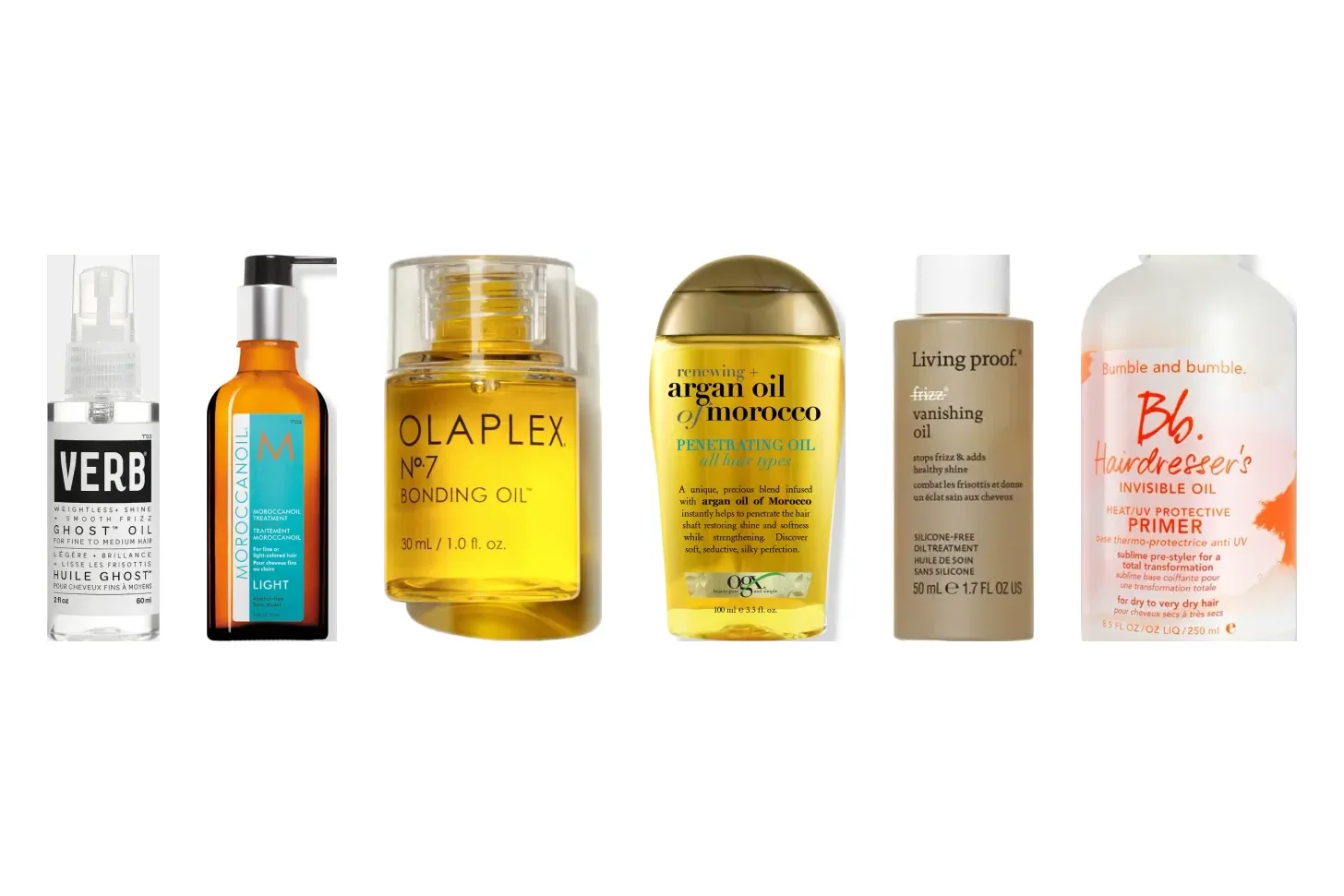
A lightweight leave-in conditioner or a light, non-greasy anti-frizz serum used sparingly on the ends. Look for words like weightless, lightweight, or volumizing, and formulas built around light silicones or a touch of argan oil rather than heavy butters and creams. A little smoothing cream can work if you use a rice-grain amount on the ends only. Avoid rich oils, heavy leave-in masks, and anything labelled for thick or coarse hair — they smooth frizz but leave fine hair flat and greasy.
Not necessarily. Frizz is often just dryness and a raised cuticle, which lightweight moisture and gentler habits fix. But persistent frizz that comes with split ends, breakage, or a rough, straw-like feel can signal real damage from heat, color, or over-washing — and that needs a repair approach, not just a smoothing serum. If your ends snap easily or feel brittle, treat the damage first; frizz that's actually breakage won't respond to anti-frizz product alone.
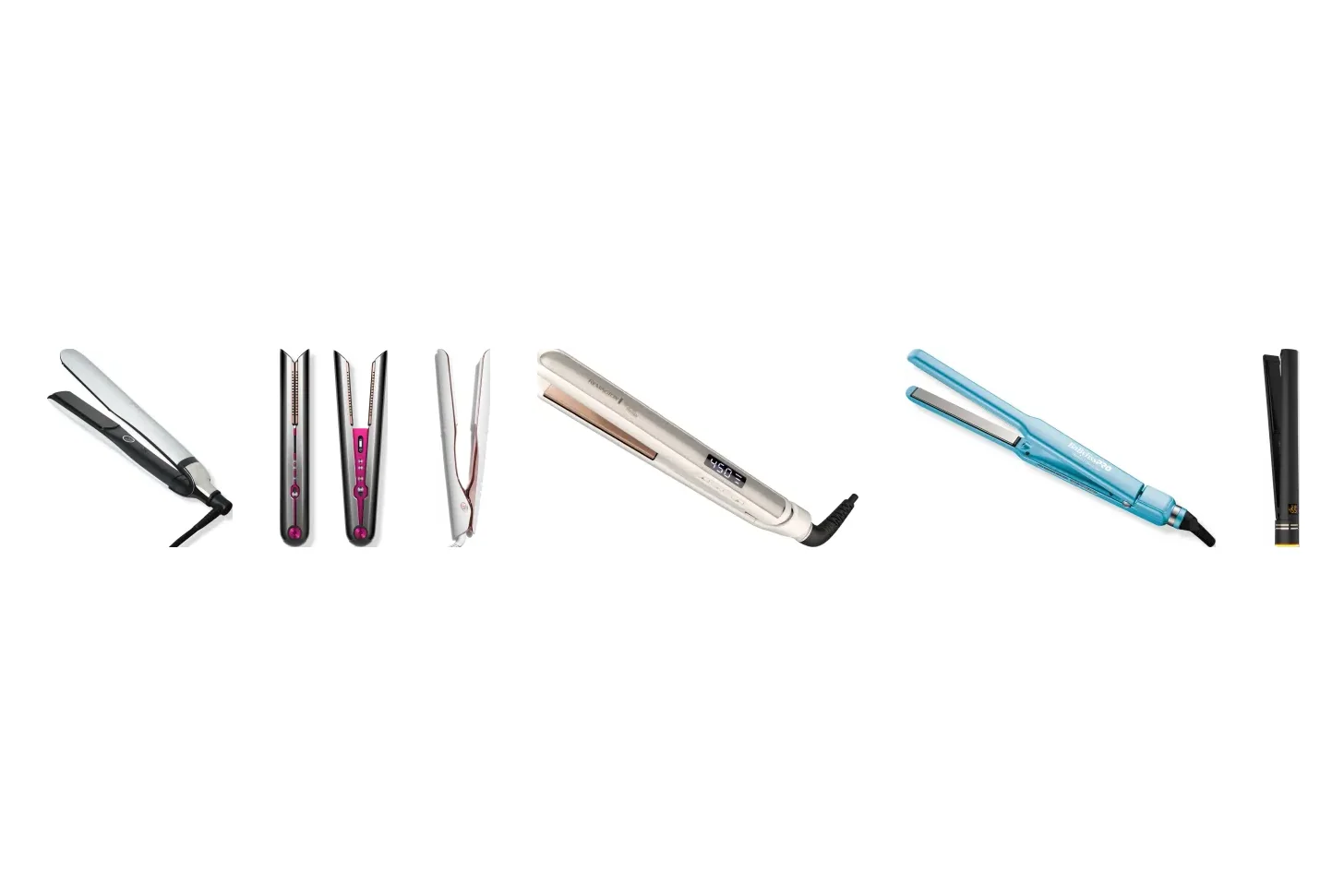
Static is a dry-air problem, worst in winter and from friction. Cut it by adding a little moisture back — a lightweight leave-in — and by reducing friction: use ionic styling tools, a natural-bristle brush, and a silk or satin pillowcase. For flyaways in the moment, spritz a tiny bit of hairspray onto a clean toothbrush or your palms and smooth it over the surface, rather than spraying directly. A dryer sheet lightly passed over the hair works in a pinch. Fine hair needs the lightest possible touch here.
Humidity makes hair swell as it pulls moisture from the air into a dry, porous cuticle, so the defense is a smooth, lightly sealed surface. Finish styling with a cool shot to close the cuticle, use a lightweight anti-humidity or smoothing spray on the lengths, and skip heavy product that fine hair can't carry. Highly porous or damaged fine hair frizzes fastest in humidity, so keeping the hair healthy and lightly moisturized matters more than any single product. A silicone-light serum on the ends adds a thin barrier without the weight.
It's a description rather than a hair type, and it's worth taking apart because it covers three different situations. Real frizz is a raised cuticle: a soft halo along the length that gets worse in humidity and on dry hair. The second is an undiagnosed wave — a 1C or 2A pattern being brushed out and dried straight, which reads as fuzz because the bends have no definition. The third is breakage or new regrowth: short upright pieces along the part and hairline, blunt at the tip rather than tapered. Only the first wants anti-frizz products; the second wants definition and almost no weight, and the third wants the breakage addressed. The quickest way to tell is to wash, not brush, not touch, and let it air-dry completely — if soft S-bends appear, you have a wave rather than frizz.
Fourteen years in hair — eight behind the chair, six in editorial — with a focus on scalp health and the science of fine, flat-prone hair. Megan's rule for fine hair is simple: the lightest thing that works, and nothing heavier.
Results vary with hair type, density, and growth patterns. This guide is educational and not a substitute for an in-person consultation with a licensed stylist.
Images in this guide are AI-generated illustrations, not photos of real clients or results. See our image policy.
Get the good hair intel
One honest, stylist-written guide in your inbox each week. No hype.

 MH
MH