Reviewed by Tara Sullivan · Updated July 2026 · 8 min read
Fine hair absolutely can use a leave-in — the trick is a lightweight or spray formula applied to the mid-lengths and ends only, never the roots. That single change is the difference between softer, protected, tangle-free ends and hair that goes flat by lunch.
Below are our stylist picks by use-case — best overall lightweight, best budget, best spray, best detangler, best for color-treated, and best with heat protection — each with who it suits and one honest limitation. A leave-in is the last step of a chain that starts at the wash: shampoo for dry, fine hair.
Every product here is chosen independently, on the merits — what genuinely suits fine, thin hair. Links go to each brand's official page, and we don't take payment for placement. Price tiers are rough guides because prices change.
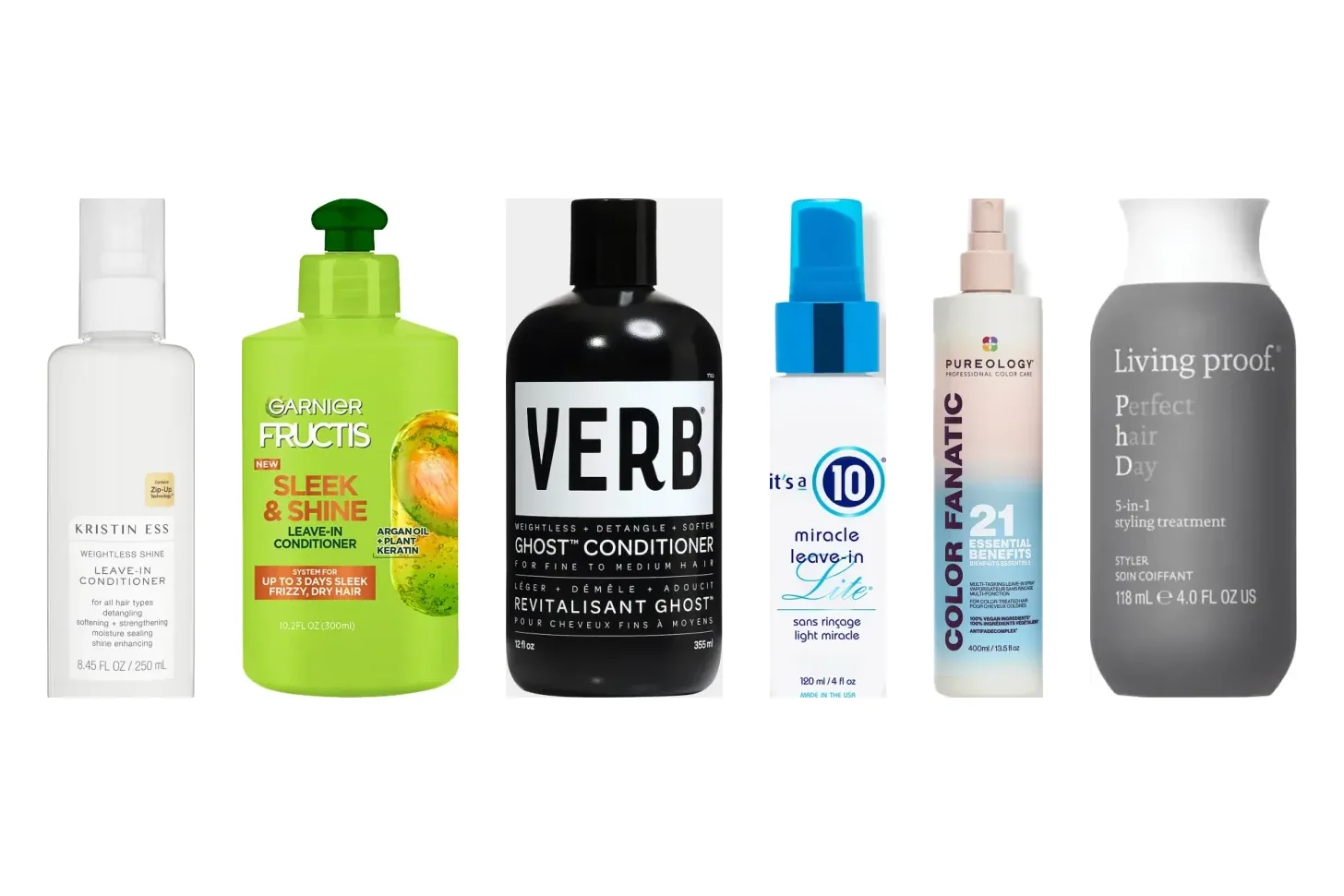
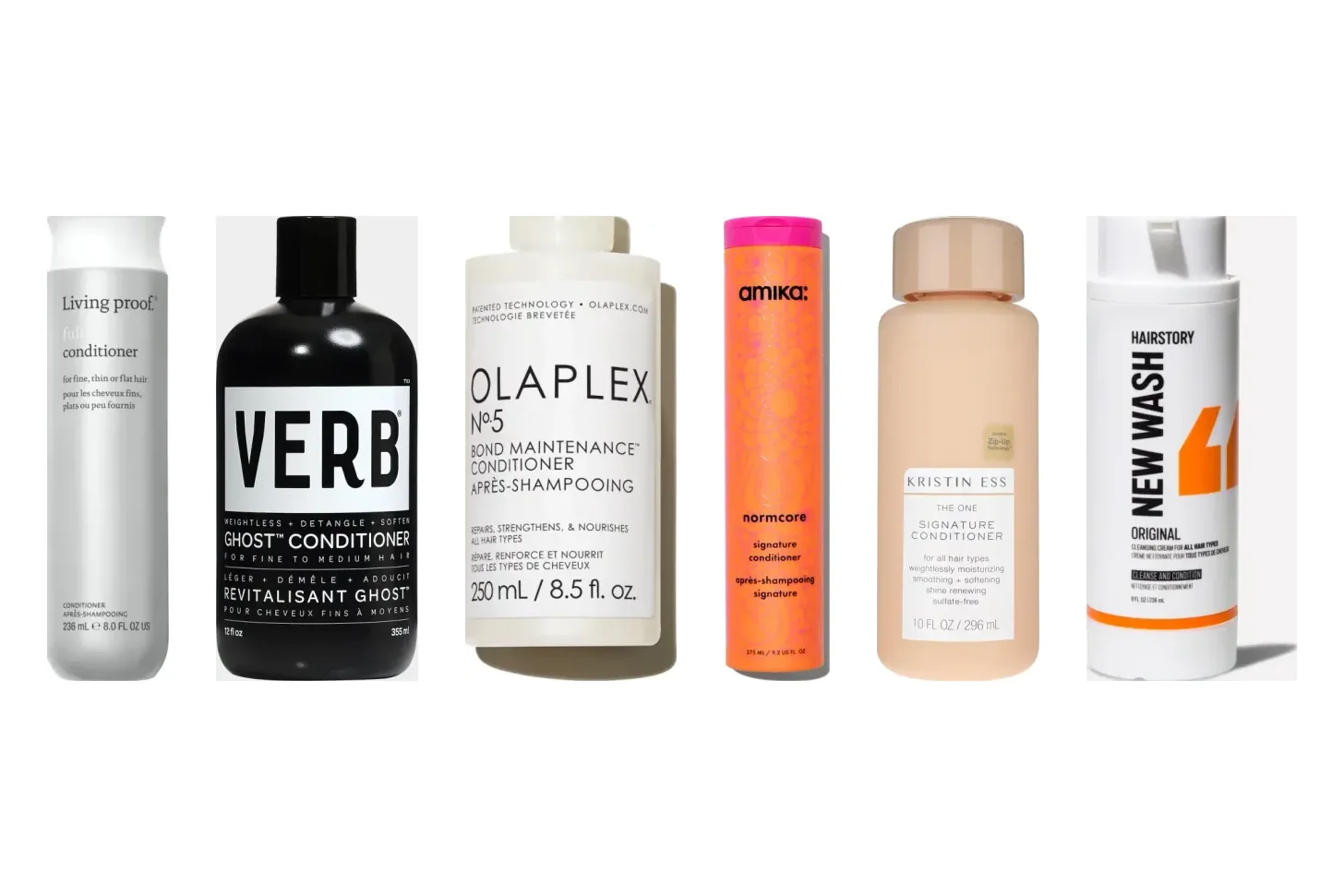
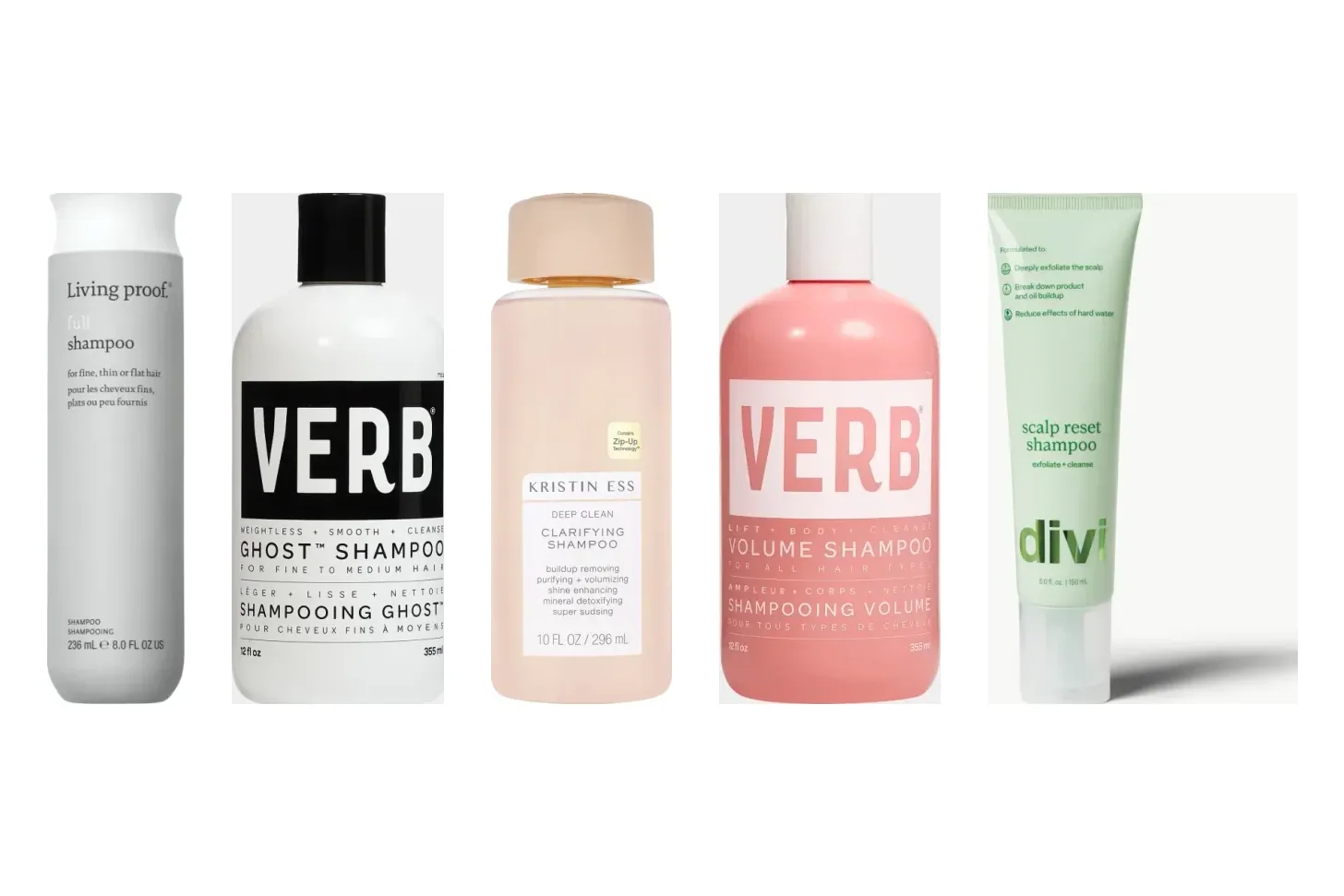
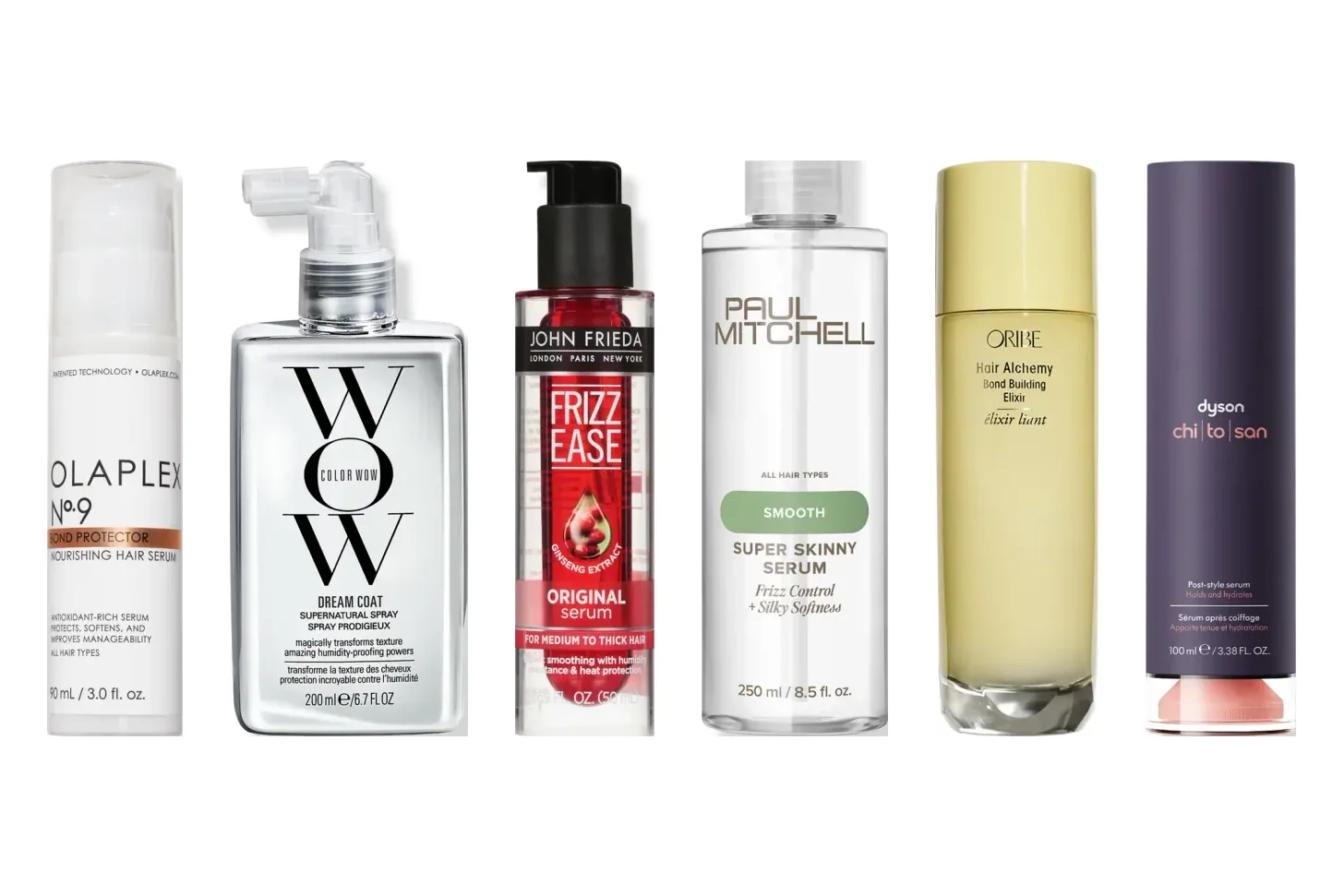
Our six picks. Product images courtesy of the brands.
Chair-side note
The clients who tell me leave-in "doesn't work" on their fine hair are almost always doing one of two things: reaching for a rich cream built for thick, coarse hair, or smoothing it up into the roots out of habit. Fine hair only wants conditioning in the bottom third — the old, dry, snap-prone ends. Mist a light one from the ears down, comb it through, and leave the top alone. Same hair, completely different result.
MH
— Megan Holloway, Editor-in-Chief
Why most leave-ins flatten fine hair
A leave-in conditioner is designed to stay in the hair instead of rinsing out, which means whatever weight it carries stays too. Most formulas are built for the majority of hair types — thick, coarse, or curly — so they lean on rich creams, shea butter, and heavy oils to smooth and define.
Those same ingredients that tame a coarse strand simply sit on a fine one, dragging it down and dulling the lift at the root. Fine hair doesn't need to be weighed into place; it needs the lightest possible layer of slip and protection on the parts that actually take a beating.
Whether your hair is fine, low-density, or both changes what you should reach for — the distinction takes two minutes to check in our guide to telling fine hair from thin hair. Fine-but-plentiful hair mainly wants tangle control and heat protection; genuinely sparse hair wants the same, plus the discipline to keep every drop off the scalp.
What to look for in a leave-in for fine hair
The words that matter are weightless, lightweight, detangling, and spray or mist. A fine mist distributes a whisper-thin layer that fine strands can carry, where a cream is easy to over-apply. Humectants like panthenol and glycerin add softness without grease, and a heat-protective claim earns its keep if you blow-dry.
Be wary of rich oils (coconut, castor, argan) or butters high in the ingredient list, and of "curl-defining" or "ultra-rich" marketing — those formulas prioritize weight. Above all, apply to mid-lengths and ends only. A leave-in near the roots is the single fastest way to make fine hair look limp and unwashed.
The best leave-in conditioners for fine hair, by use-case
One honest pick per job. Match the category to how you actually wear your hair — daily detangling, color upkeep, heat styling, or a wash-and-go you want to feel softer.
1
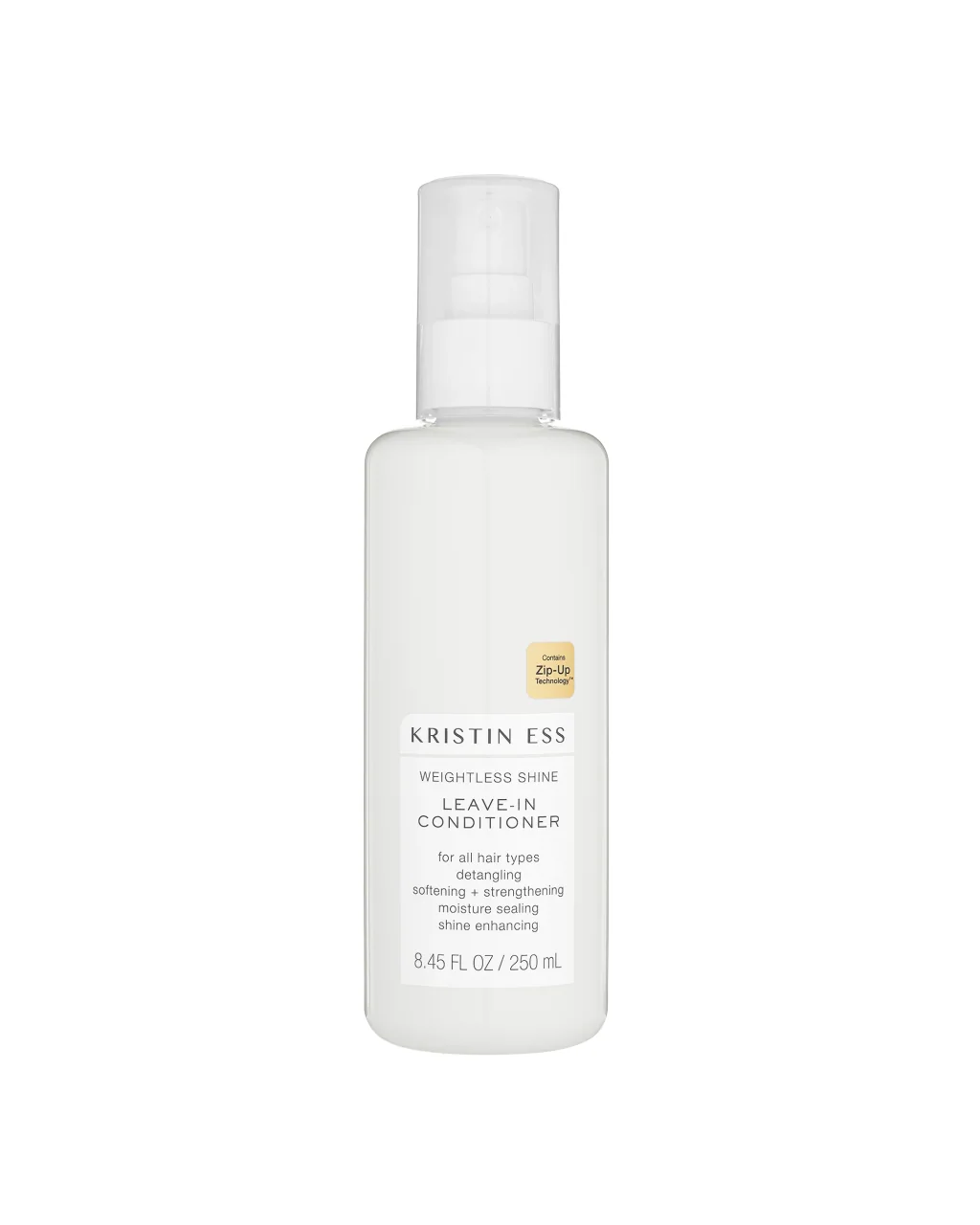
Best overall lightweight: Kristin Ess Weightless Shine Leave-In Conditioner
A thin, fast-absorbing conditioner built around the exact problem fine hair has — it softens, detangles, and adds shine without the film a richer cream leaves behind. Best for: everyday fine hair that wants smoother, less staticky ends without losing root lift. Honest limitation: it's a cream, so it's easy to overdo — a dime-sized amount on the ends is plenty, and more just weighs you down.
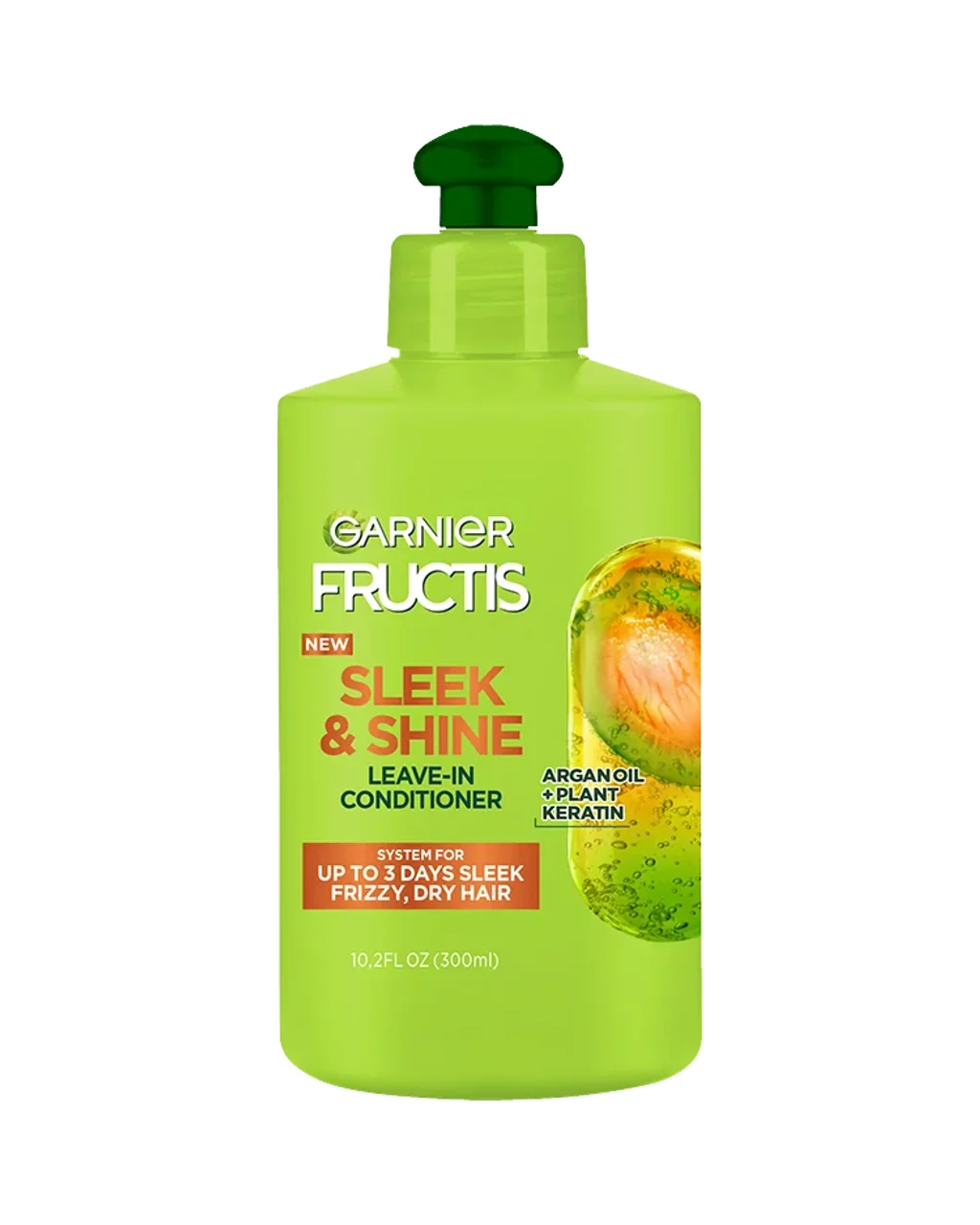
Best budget: Garnier Fructis Sleek & Shine Leave-In
Proof a drugstore leave-in can hold its own — it detangles and smooths flyaways for a few dollars, which makes it a low-risk way to test whether a leave-in earns a place in your routine at all. Best for: anyone building a fine-hair routine on a budget, or trialing leave-ins before upgrading. Honest limitation: the classic formula is on the richer side for very fine hair — use a small amount on the ends only, and consider a spray version if it reads greasy.
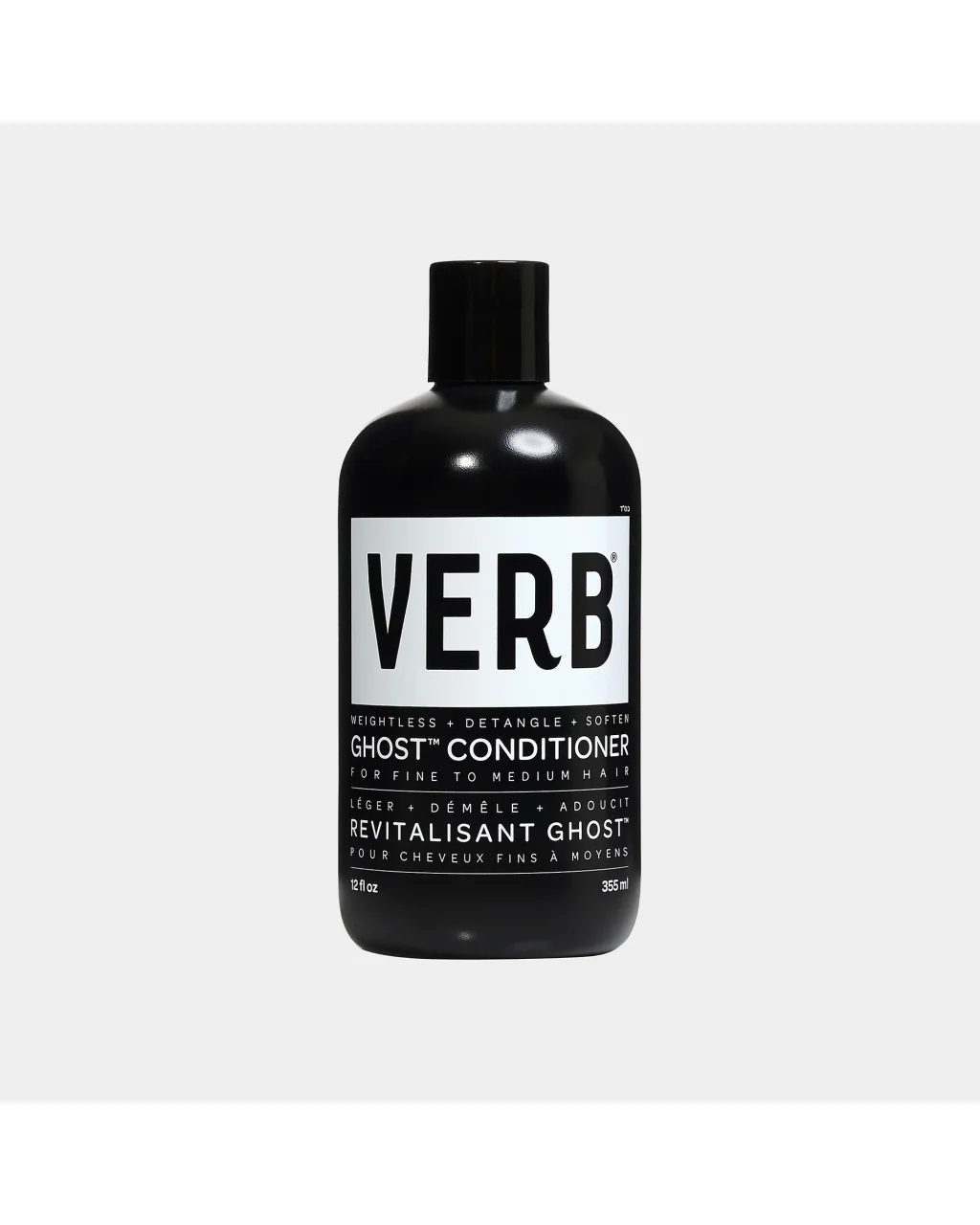
Best spray/mist: Verb Ghost Weightless Conditioner
A true weightless mist — the "Ghost" name is the whole pitch, and it delivers slip and softness in a layer so thin fine hair barely registers it. A spray is the format most fine hair should default to because it's almost impossible to over-apply. Best for: very fine or easily-flattened hair that goes limp under any cream. Honest limitation: conditioning is light by design, so genuinely dry or damaged ends may want something with a bit more slip.
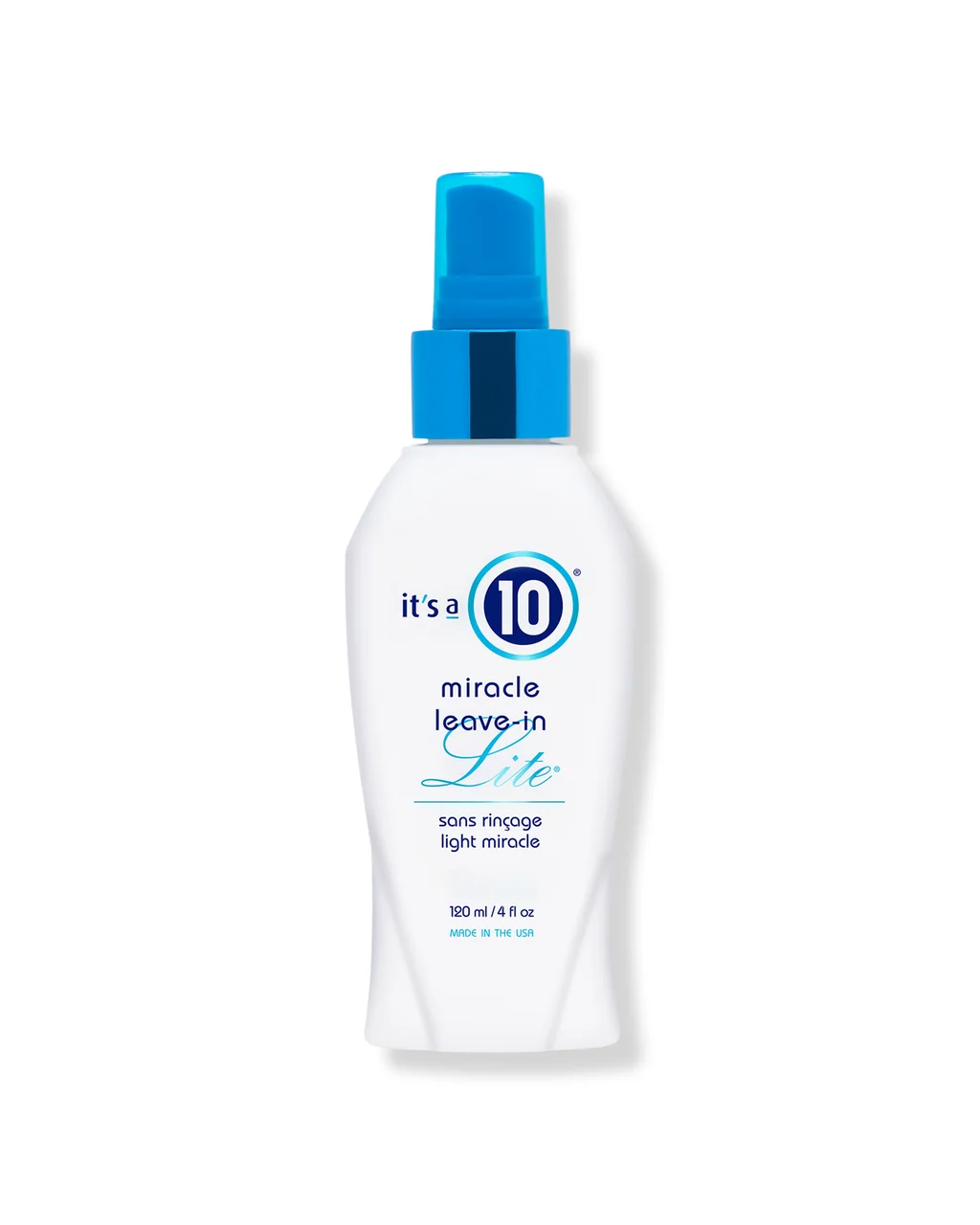
The cult multi-tasker most people know detangles beautifully — but the classic is genuinely too heavy for fine hair, which is why we point you to the Lite version instead: same knot-melting slip, far less weight. Best for: fine hair that tangles or snarls easily and needs comb-through help after washing. Honest limitation: skip the original Miracle Leave-In on fine hair; even the Lite belongs on the mid-lengths and ends, never the crown.
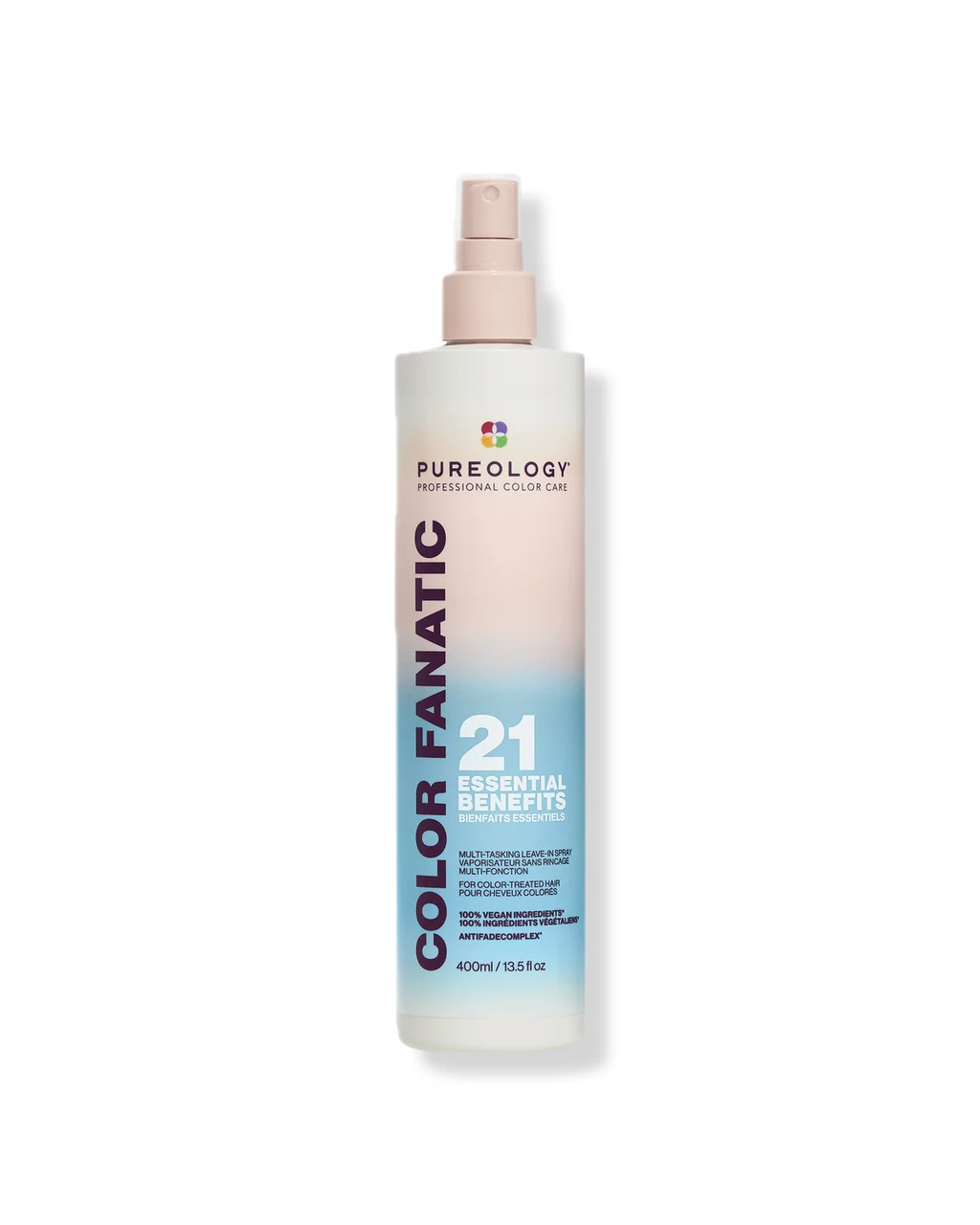
Best for color-treated fine hair: Pureology Color Fanatic Multi-Tasking Leave-In Spray
A sulfate-free spray leave-in built to protect color while it detangles and primes — the mist format keeps it light enough for fine hair, and it's a genuine multi-tasker for highlighted or glossed strands that dull quickly. Best for: color-treated fine hair that turns dry or brassy with heavier leave-ins. Honest limitation: it markets a long list of benefits; treat it as a light detangling and color-care mist for the ends, not a deep conditioner.
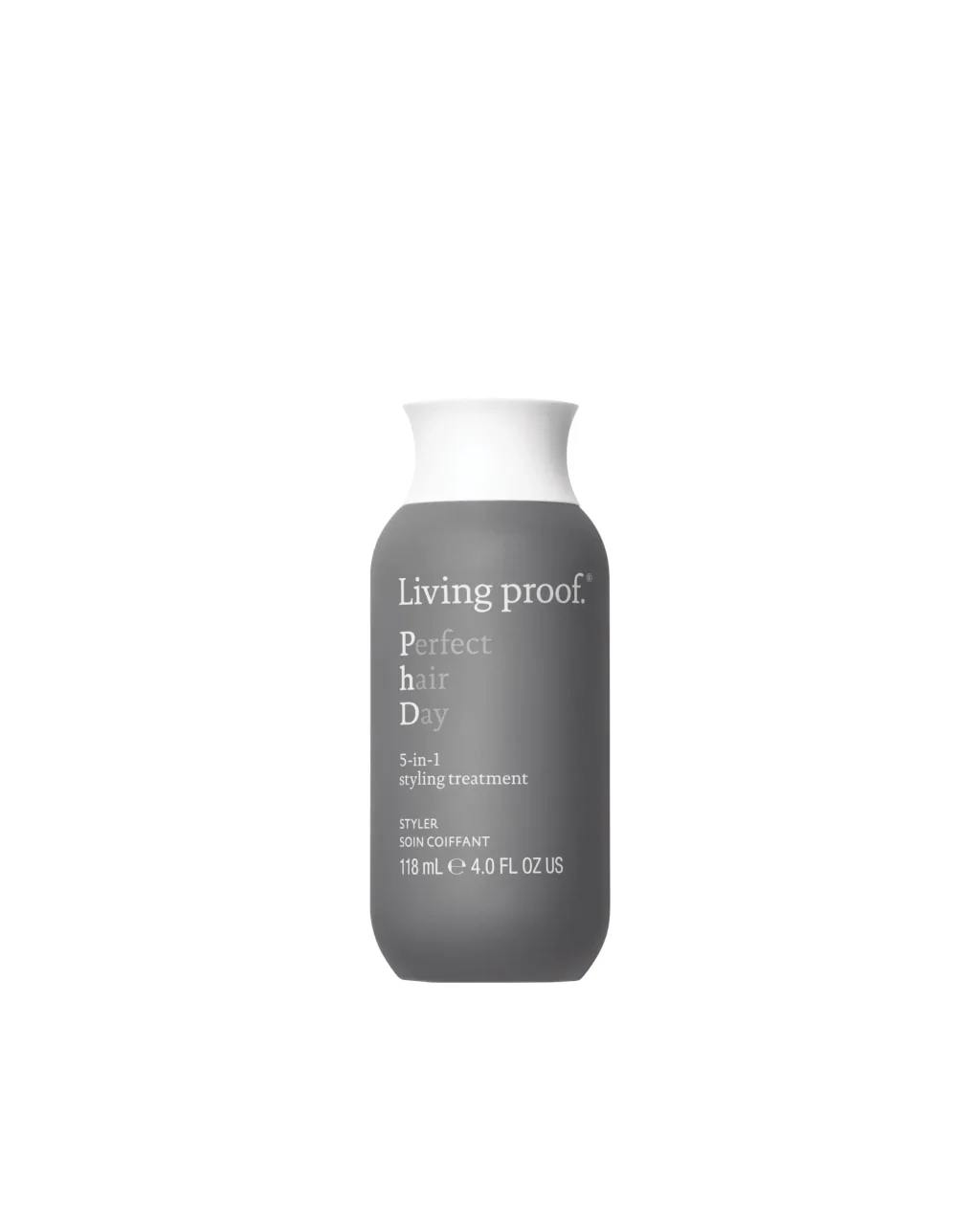
Best with heat protection: Living Proof Perfect hair Day (PhD) 5-in-1 Styling Treatment
A lightweight leave-in styling treatment that folds heat protection, detangling, and frizz control into one thin layer — useful for fine hair on blow-dry days, when a dedicated heat shield plus a leave-in would be too much product. Best for: fine hair that heat-styles regularly and wants protection without a second layer. Honest limitation: it's still a leave-in, not a substitute for a proper spray shield on high-heat days — for that, see our heat protectant picks for fine hair.
Start with a clean, lightweight wash — a leave-in can't fix hair that's already coated, which is why the right shampoo for fine hair and a light rinse-out conditioner for fine hair do half the work. On towel-damp hair, tip your head forward, then mist or smooth the leave-in through the bottom two-thirds only, concentrating on the ends.
Comb through with a wide-tooth comb to distribute it evenly, then style. If you're layering a leave-in with an in-shower conditioner, keep both light and reserve the leave-in for heat-styling days rather than every wash. For fine hair that also fights flyaways, the same no-weigh-down logic runs through our guide to taming frizz on fine hair.
When a leave-in weighs fine hair down
You applied it to the roots or too high up the shaft. Keep every drop on the mid-lengths and ends — the scalp already makes its own conditioner.
Your roots go flat or greasy by afternoon. Skip the leave-in on non-styling days and rely on your rinse-out conditioner; some fine hair simply doesn't need the extra layer.
Your hair is very fine and a cream keeps coating it. A spray beats a cream on very fine hair every time — switch formats before you assume leave-ins aren't for you.
FAQ
You don't strictly need one, but fine hair benefits from a lightweight leave-in more than most people expect. Fine strands tangle, snap, and lose moisture easily, and a light spray leave-in adds slip and heat protection with almost no weight. The trick is formula and placement: choose a mist or weightless cream, apply it to mid-lengths and ends only, and skip it entirely if your roots go flat or greasy by afternoon.
For most fine hair, a weightless mist or a thin, water-based cream applied to the ends works best. Kristin Ess Weightless Shine Leave-In and Pureology Color Fanatic spray are two examples designed to detangle and protect without coating the strand. Look for the words weightless, lightweight, or spray, and avoid rich butters or heavy oils high in the ingredient list, which read as grease on fine hair.
It can, if the formula is too rich or you apply it too high. Greasiness on fine hair almost always comes from product sitting near the roots or from oil-heavy creams that fine strands can't carry. Switch to a spray leave-in, mist it only from the ears down, and use a fraction of what the bottle suggests. If roots still look flat by midday, skip the leave-in and rely on your in-shower conditioner instead.
Mid-lengths to ends only, never the roots. The ends are the oldest, driest, most tangle-prone part of the hair and the only place fine hair actually needs extra conditioning. Applying leave-in at the scalp flattens the lift where fine hair needs it most and speeds up greasiness. Tip your head down, mist or smooth the product through the bottom two-thirds, then comb through with a wide-tooth comb.
Yes, and on fine hair the two do different jobs. Your in-shower conditioner softens and detangles while you rinse most of it away; a leave-in stays put to add slip, heat protection, and frizz control on dry or damp hair. The risk is overload. If you use both, keep each one light and off the roots, and consider a leave-in only on the days you heat-style rather than every wash.
For very fine or easily-flattened hair, a spray almost always wins. A mist distributes a whisper-thin layer that fine strands can carry without collapsing, while creams — even lightweight ones — are easy to over-apply and can coat the hair. Save cream leave-ins for fine hair that also runs dry or coarse at the ends, and even then use a pea-sized amount on the very tips only.
Fourteen years in hair — eight behind the chair, six in editorial — with a focus on scalp health and the science of fine, flat-prone hair. Megan reviews product formulas the way she'd read a label for her own clients: weight first.
Results vary with hair type, density, and growth patterns. This guide is educational and not a substitute for an in-person consultation with a licensed stylist.
Get the good hair intel
One honest, stylist-written guide in your inbox each week. No hype.

 MH
MH