Reviewed by Tara Sullivan · Updated July 2026 · 8 min read
Fine hair can wear oil beautifully — the whole game is a weightless or dry formula, one or two drops, pressed into the ends only. Get those three things right and an oil adds shine, tames frizz, and softens dry tips without the grease that gives oils a bad name on fine hair.
Get any of them wrong and your roots go flat by lunch. Below are our stylist picks by use-case — best overall weightless, best light treatment, best concentrated, best budget, best for frizz, and best for heat styling — each with who it suits and one honest limitation.
Every product here is chosen independently, on the merits — what genuinely suits fine, thin hair. Links go to each brand's official page, and we don't take payment for placement. Price tiers are rough guides because prices change.
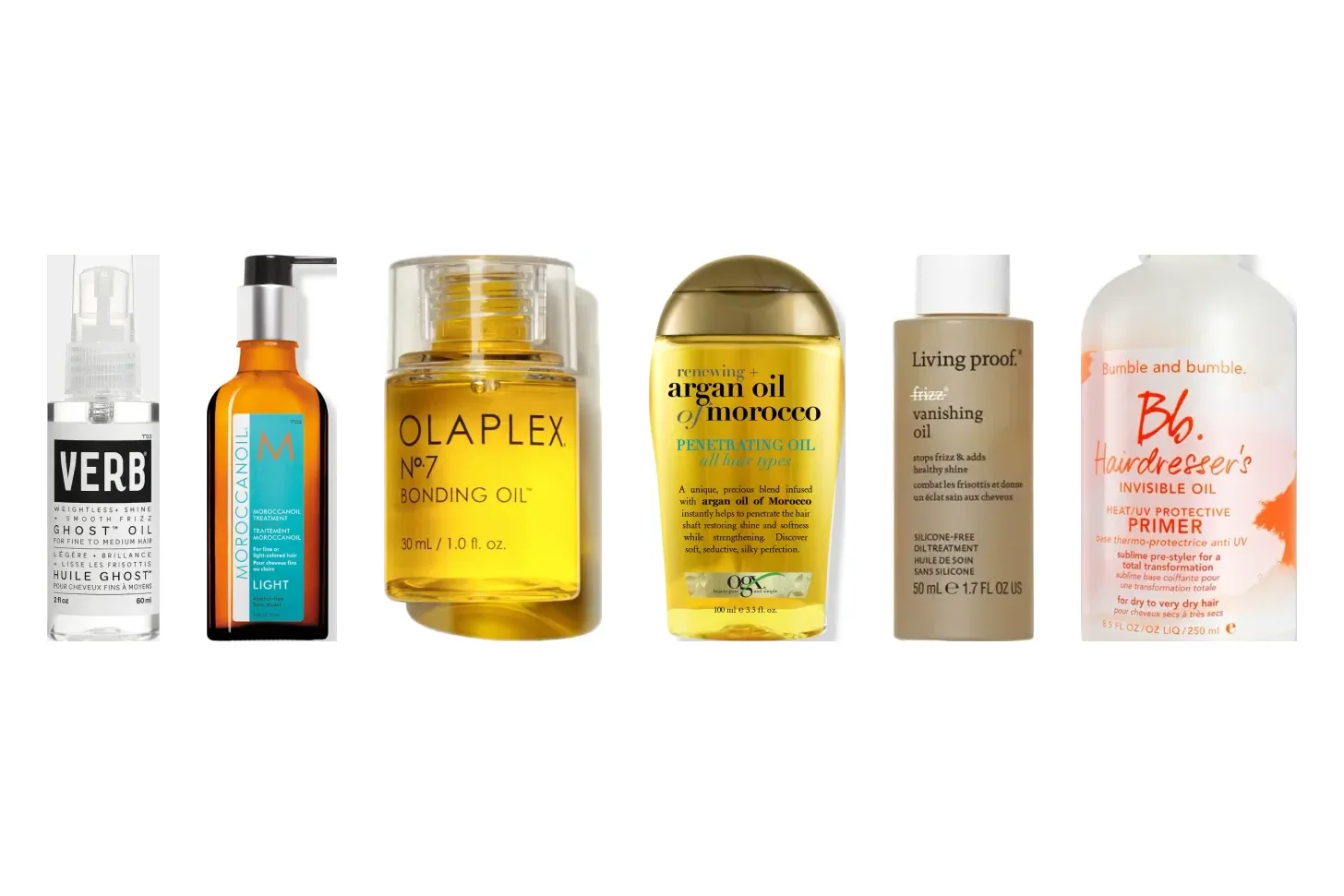
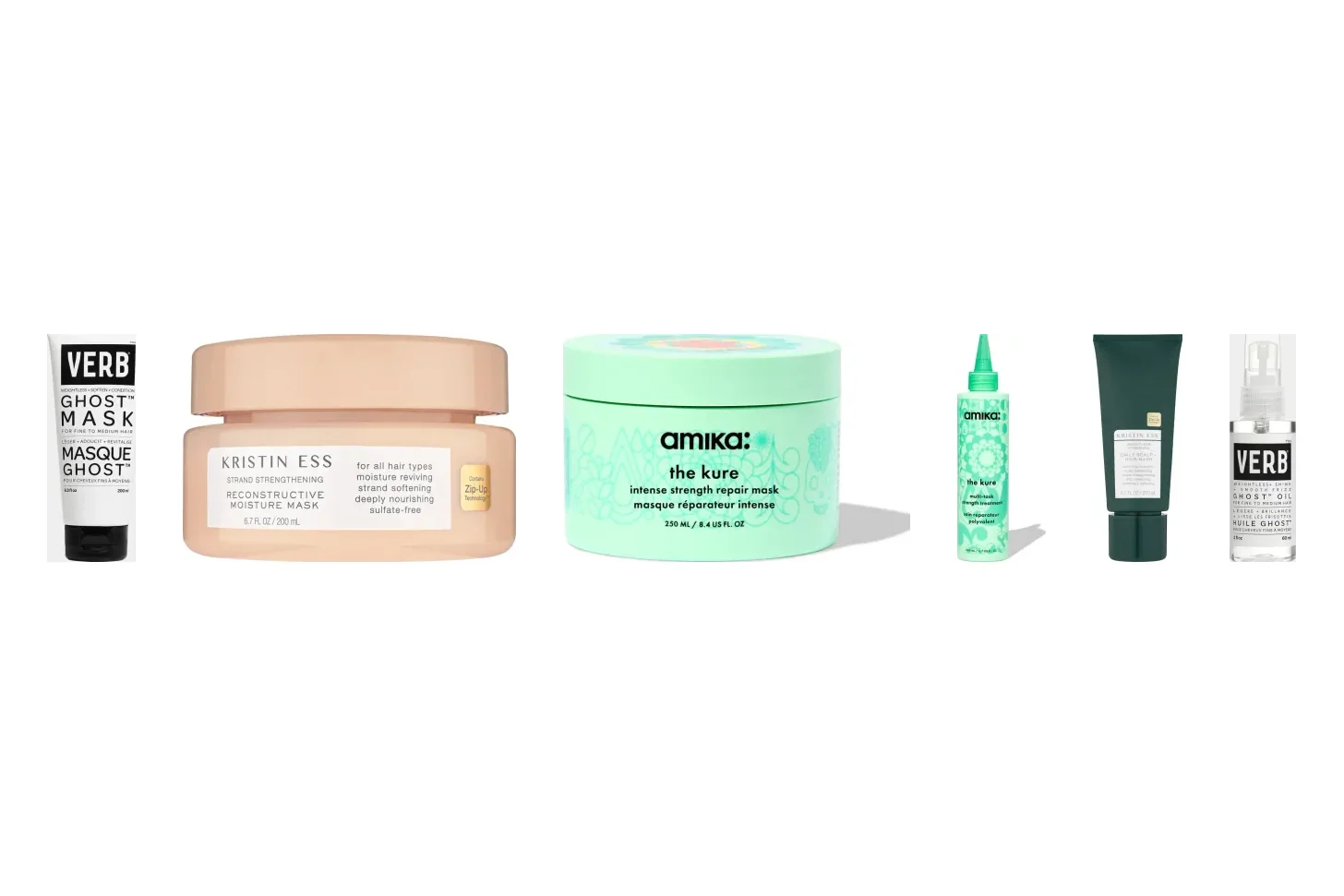
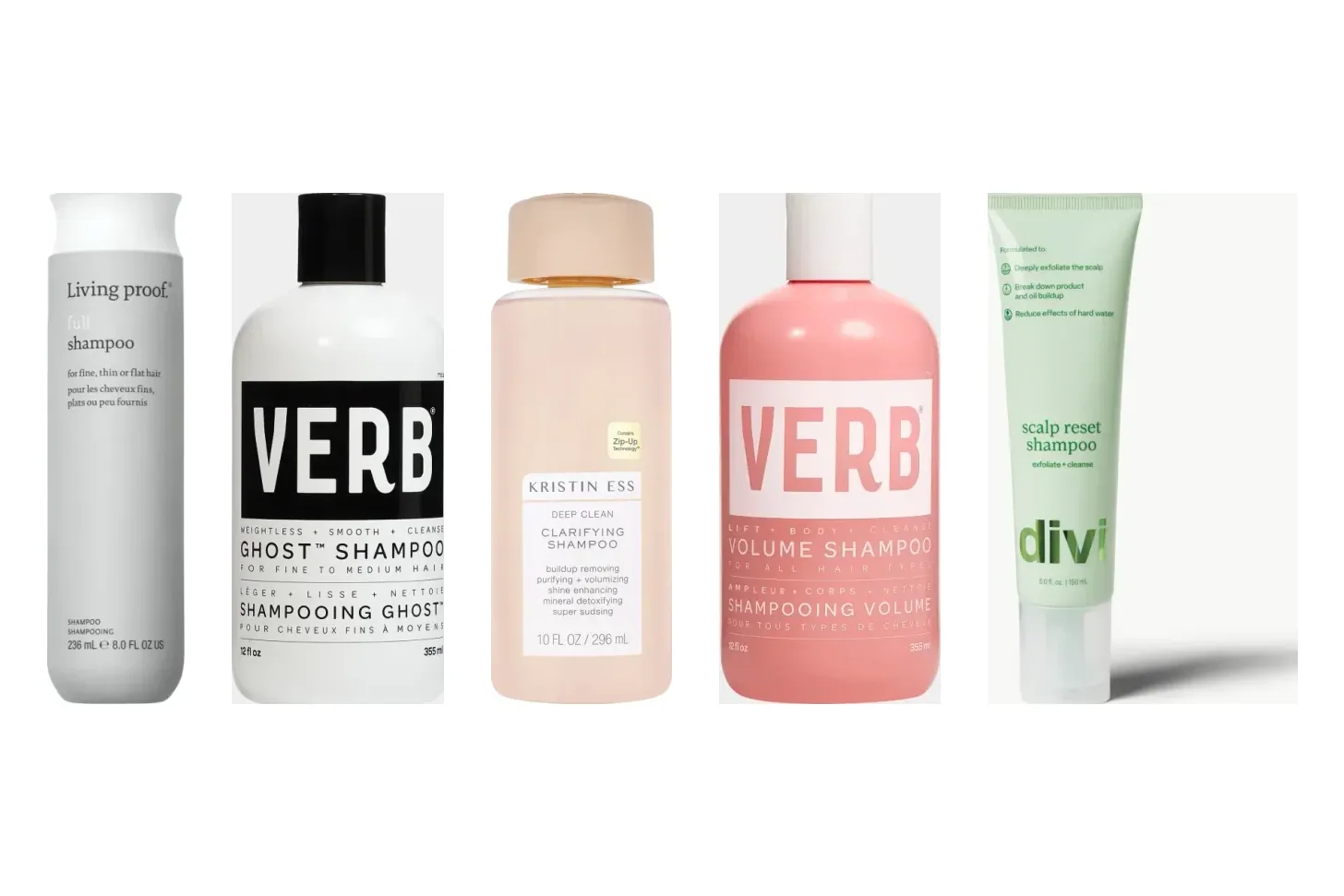
Our six picks, one per use-case. Product images courtesy of the brands.
Chair-side note
When a client tells me oil "ruins" her fine hair, I ask her to show me how much she uses — and it's almost always a full pump or a pour straight from the bottle, rubbed in from the roots down. Fine hair needs a fraction of that.
I have her put a single drop in her palm, rub her hands together until they barely look shiny, then press her palms over the very ends like she's smoothing a scarf. No scooping it up into the roots, no second helping. Same oil, same client — and suddenly it's shine, not grease. The oil was never the problem; the dose and the placement were.
MH
— Megan Holloway, Editor-in-Chief
Why most hair oils flatten fine hair
An oil's job is to coat the strand — that's how it smooths frizz and reflects light. On coarse, thick hair there's a lot of strand to coat and it drinks the oil up. Fine hair is the opposite: less surface area, less weight to spare, and a scalp that reads any excess oil as grease within hours.
Pour a rich botanical oil — coconut, castor, unrefined argan — over fine hair and it doesn't absorb; it sits on top, dragging the strand down and killing the root lift fine hair works hard to keep. The fix isn't skipping oil altogether. It's choosing a weightless or "dry" oil — lighter, faster-absorbing, often silicone- or ester-based — and dosing it in single drops on the ends, where fine hair actually goes dry.
Whether your hair is fine, low-density, or both changes how much oil it can carry — the distinction takes two minutes to check in our guide to telling fine hair from thin hair. Genuinely fine strands want the lightest possible layer; lower-density hair wants the same discipline plus extra care to keep every drop off the scalp so the parting doesn't look sparse.
What to look for in a hair oil for fine hair
The words that matter are weightless, dry oil, lightweight, and serum. A dry oil absorbs fast and leaves no film; a serum-style oil you can dose one drop at a time is far safer than a pour-spout bottle. Lighter esters and cyclomethicone-type silicones smooth and shine without much weight, while heavy occlusives like castor oil, shea, and unrefined coconut are the ones that flatten fine hair.
A dropper or fine-mist format helps you control the amount, which on fine hair is the entire battle. Above all, apply to the mid-lengths and ends only — an oil anywhere near the roots is the fastest way to make clean fine hair look unwashed.
The best hair oils for fine hair, by use-case
One honest pick per job. Match the category to what you actually want the oil to do — everyday shine, a light treatment, frizz control, a drop before heat, or the smallest possible amount on very fine hair.
1
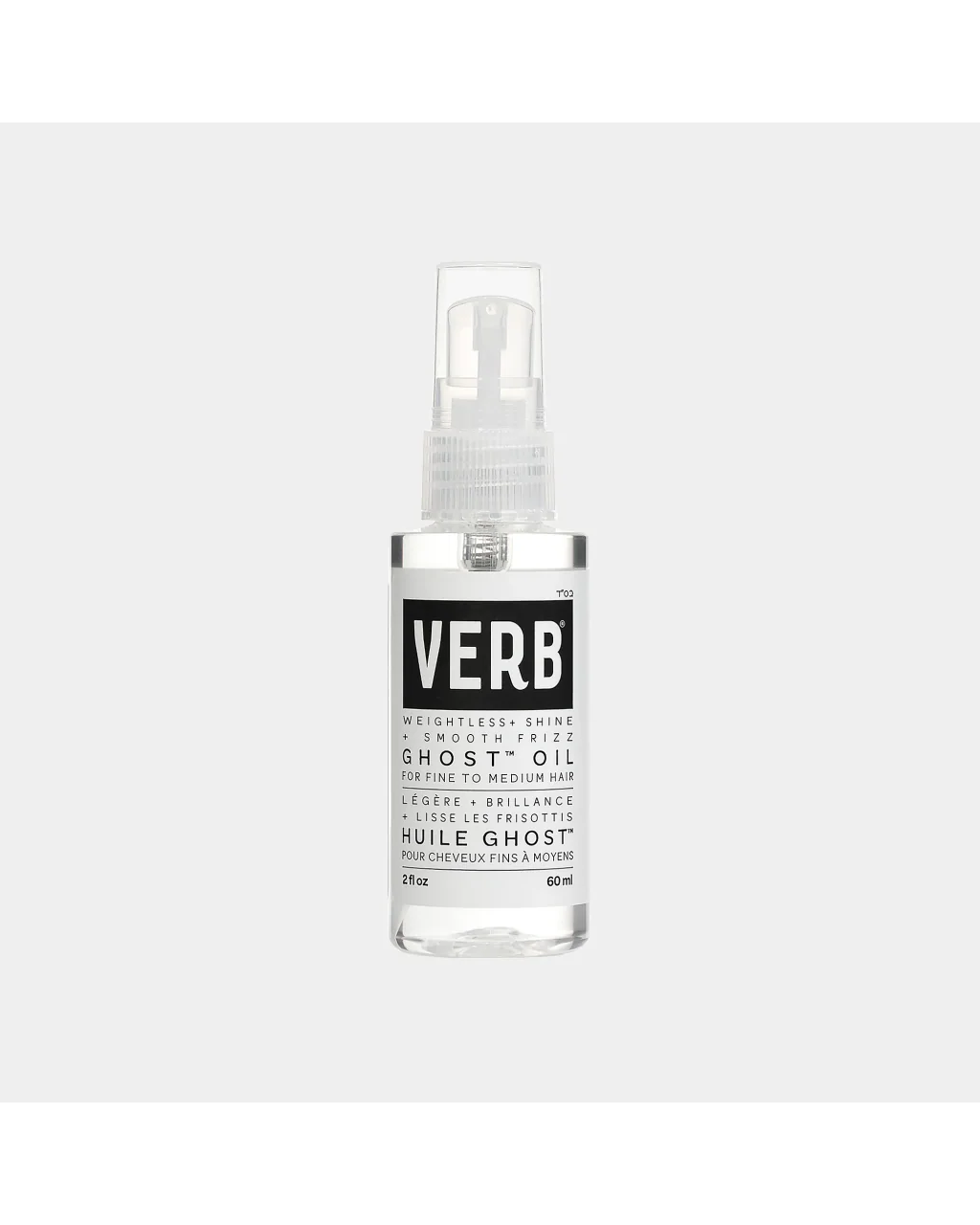
Best overall weightless: Verb Ghost Oil
The name is the whole pitch — a genuinely weightless dry oil that melts in and adds shine without a trace of film, which is exactly what fine hair needs. It's the safest first oil for anyone who's been burned by grease before. Best for: everyday shine and frizz-smoothing on fine hair that goes flat under anything heavier. Honest limitation: the conditioning is light by design, so very dry or coarse ends may want something with more slip — but that's the trade fine hair should happily make.
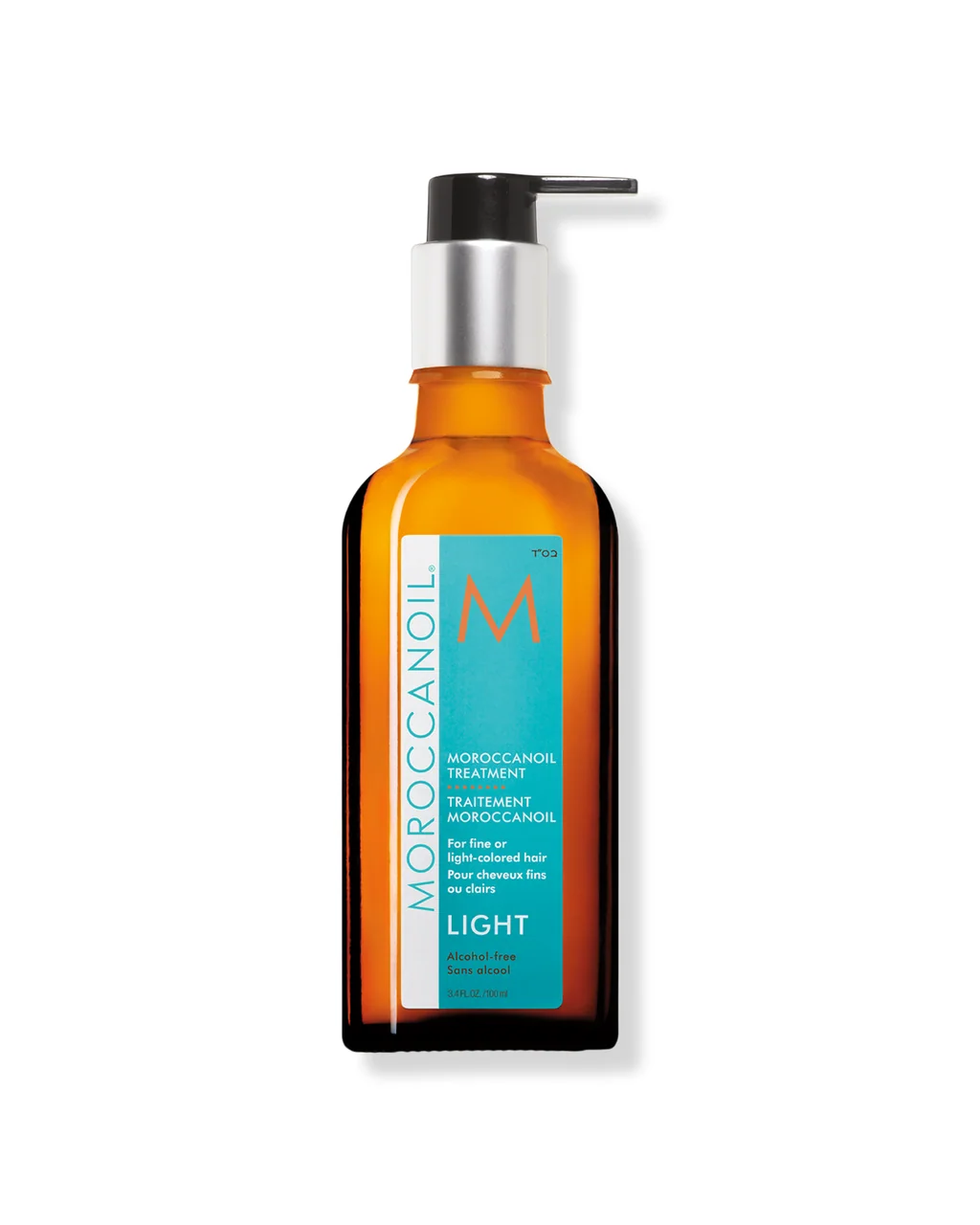
Best light treatment oil: Moroccanoil Treatment Light
The cult argan treatment most people know is genuinely too rich for fine hair — which is why we point you to the Light version, formulated specifically for fine and light-colored hair with the same smoothing shine and far less weight. Best for: fine hair that wants a proper conditioning treatment before styling, not just a shine drop. Honest limitation: buy the Light, not the original — the classic gold-bottle formula will weigh fine hair down, and the two look nearly identical on the shelf.
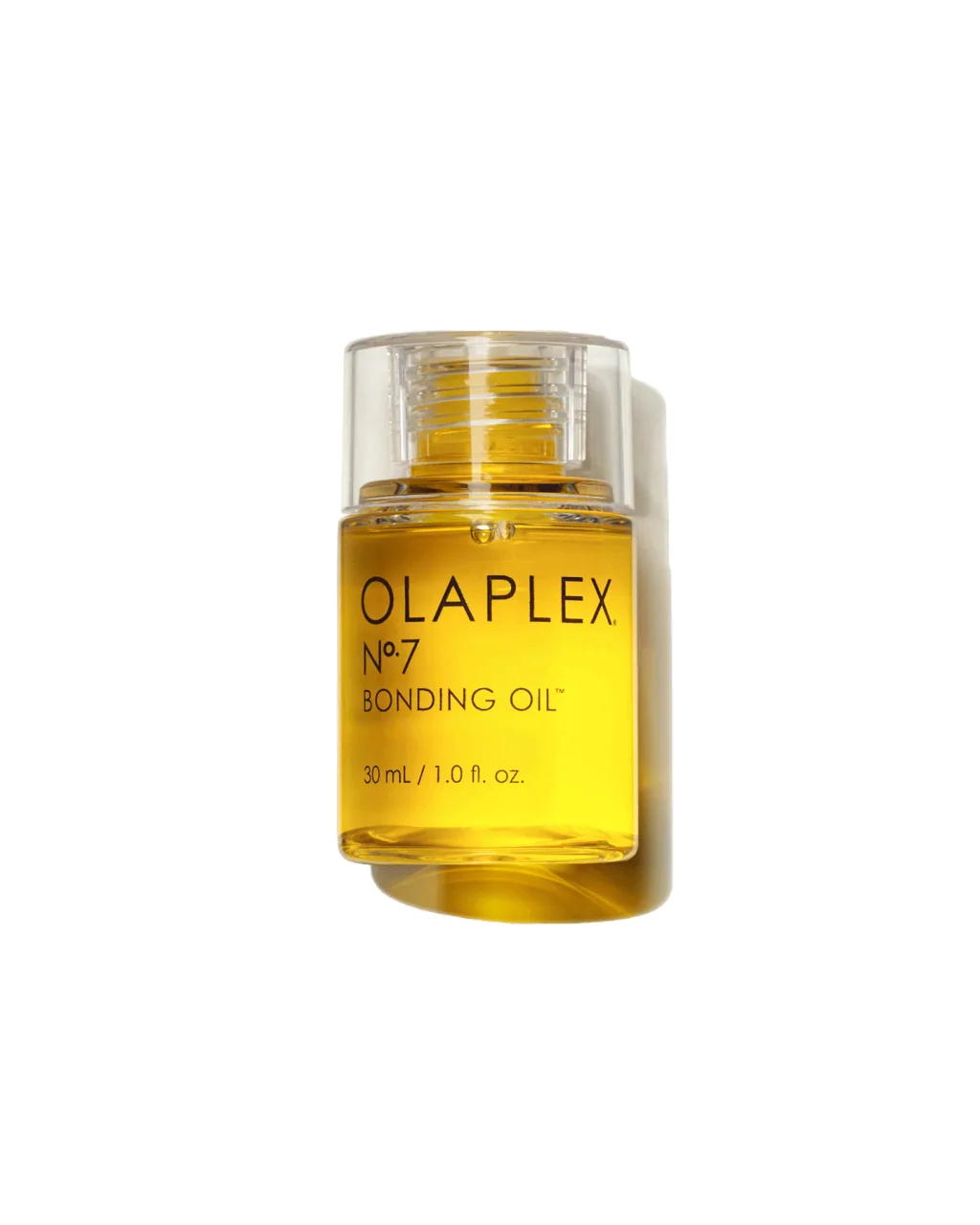
Best concentrated (a drop does it): Olaplex No. 7 Bonding Oil
A highly concentrated dry oil built to be used one or two drops at a time — which makes it ideal for fine hair, because the format forces the small dose fine hair needs. It adds shine and a little heat protection, and folds bond-building actives in without the heavy feel of a treatment oil. Best for: fine hair that heat-styles and wants shine plus a touch of strengthening in one drop. Honest limitation: it's potent — go past two drops and even this light oil will start to weigh fine hair down, so treat the dropper as a hard limit.
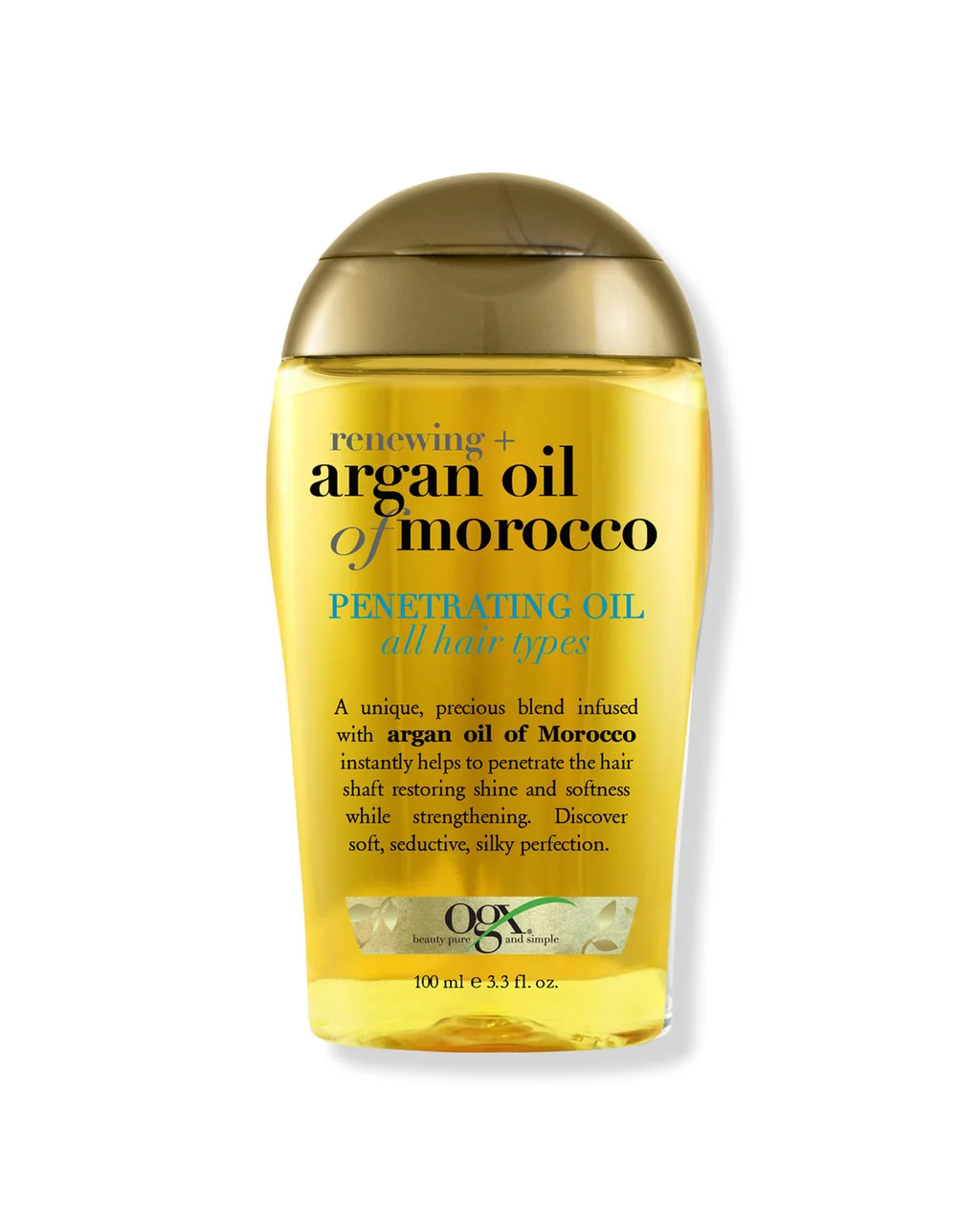
Best budget: OGX Argan Oil of Morocco Penetrating Oil
Proof a drugstore oil can hold its own — a lightweight penetrating oil that smooths and shines for a few dollars, which makes it a low-risk way to learn how little oil your fine hair actually wants before spending more. Best for: anyone testing whether oil belongs in their routine, or wanting a cheap shine-and-frizz oil for the ends. Honest limitation: it's richer than the weightless picks above, so be strict — a single drop on the very ends, never a pump, or it will read greasy on fine hair.
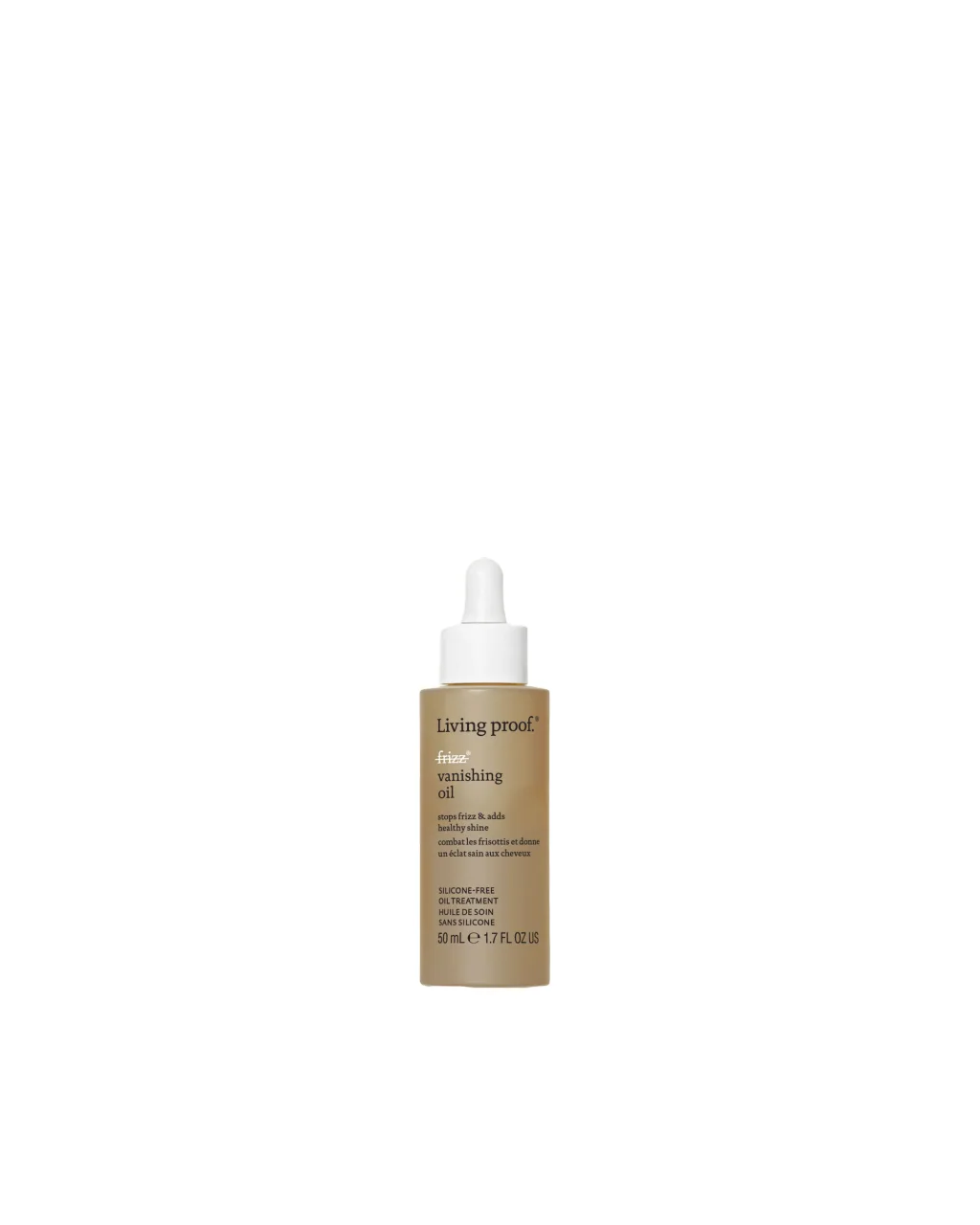
Best for frizz & flyaways: Living Proof No Frizz Vanishing Oil
An anti-frizz oil designed to "vanish" into the hair — light enough for fine strands, targeted at the halo of flyaways and surface frizz that a heavier oil would overcorrect into grease. It smooths without the wet, coated look. Best for: fine hair that fights frizz and static but can't wear a traditional smoothing oil. Honest limitation: it's a finishing touch for surface frizz, not a deep conditioner for dry, damaged ends — pair it with a lightweight hair mask for fine hair if your ends are genuinely thirsty.
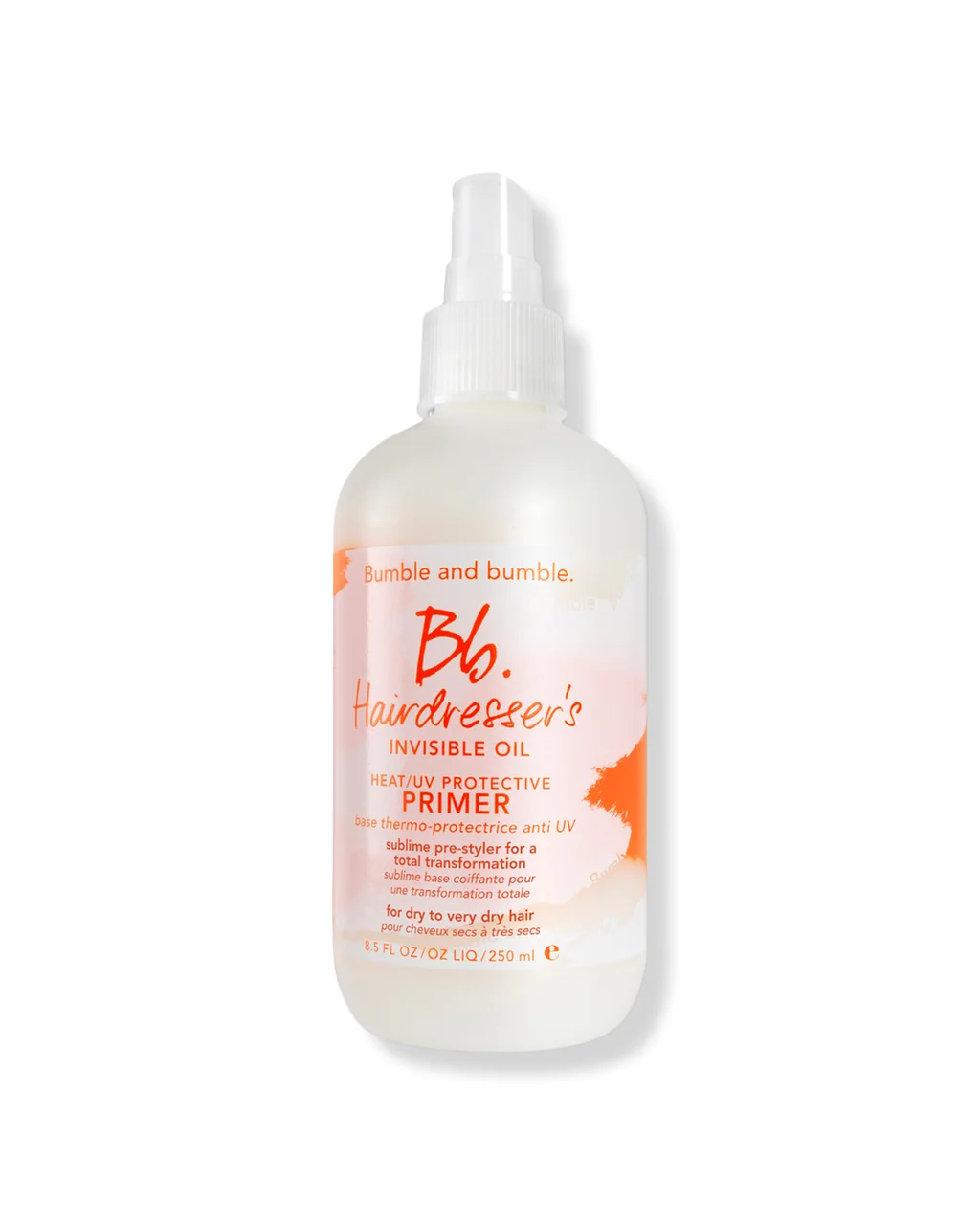
Best for heat styling: Bumble and bumble Hairdresser's Invisible Oil Primer
A spray primer that delivers the smoothing of the cult Invisible Oil in a mist you can't over-apply, with heat and UV protection built in — a smart way for fine hair to get an oil's benefits before a blow-dry without a drop of grease. Best for: fine hair that heat-styles and wants detangling slip plus a light shield in one step. Honest limitation: it's a light primer, not a high-heat shield on its own — for flat irons and curling wands, layer a dedicated heat protectant for fine hair as well.
Start with the smallest amount you think you need, then halve it. Dispense one drop (or one small pump) into your palm, rub your hands together until they look barely shiny, and warm the oil so it spreads evenly instead of landing in a patch. Tip your head forward, then press your palms over the bottom two-thirds of your hair, concentrating on the very ends — the way you'd smooth a scarf, not scrub shampoo.
Comb through with a wide-tooth comb to distribute what's there, and keep your hands well clear of the crown and part. On damp hair before a blow-dry, the oil adds slip and disappears into the style; on dry hair after, it tames flyaways and adds shine.
Either way, if your roots look flat an hour later, you used too much — go lighter next time. An oil works best on hair that started clean and light, so the right shampoo for fine hair and a restrained hand at the conditioner do half the job before the oil ever comes out.
When a hair oil weighs fine hair down
You used more than a drop or two. Fine hair needs a fraction of what thick hair does — start with one drop and add only if the ends still look dry.
You applied it to the roots or too high up. Keep every trace on the mid-lengths and ends; the scalp makes its own oil and goes flat instantly.
The formula is a heavy botanical oil. Coconut, castor, and unrefined argan sit on top of fine hair — switch to a weightless or dry oil before you decide oils aren't for you. Coconut oil has one application where its weight stops mattering, because you rinse it out: see hair oiling for fine hair.
Your hair is oily at the roots to begin with. Skip oil on wash-day roots entirely and use it only on the ends, or reserve it for heat-styling days — see our routine for fine, oily hair.
You wanted smoothing and heat protection rather than shine. That's a serum's job, and it goes on damp hair instead of dry — the picks are in best serum for fine hair.
FAQ
Yes, as long as you choose a weightless oil and keep it off the roots. Fine hair can absolutely wear oil — the ends are the oldest, driest, most frizz-prone part of the strand and benefit from a whisper of conditioning shine. The problems people blame on oil come from the wrong formula (a heavy argan or coconut oil high in the ingredient list) or the wrong placement (anywhere near the scalp). Use a dry or weightless oil, warm one or two drops between your palms, and press it into the mid-lengths and ends only.
For most fine hair, a weightless or dry oil applied sparingly to the ends works best. Verb Ghost Oil and Moroccanoil Treatment Light are two examples built to add shine and smooth frizz without coating the strand. Look for the words weightless, dry, or lightweight on the label, and reach for a serum-style oil you can dose in single drops rather than a rich botanical oil you pour. The best oil is the one you can barely feel once it is in.
It can, if the oil is too rich or you use too much or apply it too high up the shaft. Greasiness on fine hair almost always traces back to product sitting near the roots or to a heavy oil the fine strand cannot carry. Switch to a weightless or dry oil, start with a single drop, and keep every trace on the bottom third of your hair. If your roots still look flat by afternoon, you are using more than fine hair needs — cut the amount in half.
Far less than you think — one to two drops for most lengths, and never more than a small pump. Fine hair has less surface area to coat and shows grease fast, so a dose that suits thick hair will flatten a fine head. Warm the drops between your palms first so the oil spreads evenly instead of landing in one greasy patch, then press your hands over the ends and mid-lengths. You can always add a second drop; you cannot easily take oil back out.
Mid-lengths to ends only, never the scalp or roots. The ends are where fine hair goes dry, splits, and frizzes; the roots make their own oil and go flat the instant anything weighs them down. Tip your head forward, warm the oil in your palms, and press it into the bottom two-thirds of your hair, concentrating on the very tips. Comb through with a wide-tooth comb to distribute it, and keep your hands well clear of the crown.
Both work, but they do different jobs. A drop of weightless oil on damp hair before you blow-dry adds slip and a little heat buffer and disappears into the style. A drop on dry hair afterward tames flyaways and adds shine to the finished look. On fine hair the rule is the same either way: keep the dose tiny and the placement low. If you are heat-styling, damp application plus a proper heat protectant is the smarter order.
Fourteen years in hair — eight behind the chair, six in editorial — with a focus on scalp health and the science of fine, flat-prone hair. Megan reads an oil's ingredient list weight-first, the way she would for her own clients.
Results vary with hair type, density, and growth patterns. This guide is educational and not a substitute for an in-person consultation with a licensed stylist.
Get the good hair intel
One honest, stylist-written guide in your inbox each week. No hype.

 MH
MH