Reviewed by Tara Sullivan · Updated July 2026 · 9 min read
The best shampoo for fine hair does one thing above all: it cleans without coating, so your roots stay lifted instead of collapsing by midday. That sounds obvious, and it is still the thing most people get wrong — because a shampoo that coats never announces itself.
It works for a fortnight, holds a little less the next week, and then nothing holds at all; by which point you have blamed the mousse, the dryer, the weather and your hair. The tell is on the label rather than in the mirror. If a long-chain conditioning agent (behentrimonium chloride, cetrimonium chloride), a butter, or a non-water-soluble silicone such as dimethicone sits in the first six ingredients, that formula is built to leave something behind.
Coarse hair needs it. A fine strand has far less surface to spread it across, so the same deposit is a much larger fraction of the strand's own weight — and it lands at the roots, where fine hair can carry it least.
Below are five picks by category — a volumizing everyday, a gentle sulfate-free, a clarifying reset, a color-safe, and a scalp-focused option — each with who it suits and one honest limitation. If your fine hair is also wavy, the trade-offs shift: shampoo for fine wavy hair resolves that case separately, and shampoo for dry, fine hair covers the case where the lengths are thirsty but the roots still go flat.
Every product here is chosen independently, on the merits — what genuinely suits fine, thin hair. Links go to each brand's official page, and we don't take payment for placement. Price tiers are rough guides because prices change.
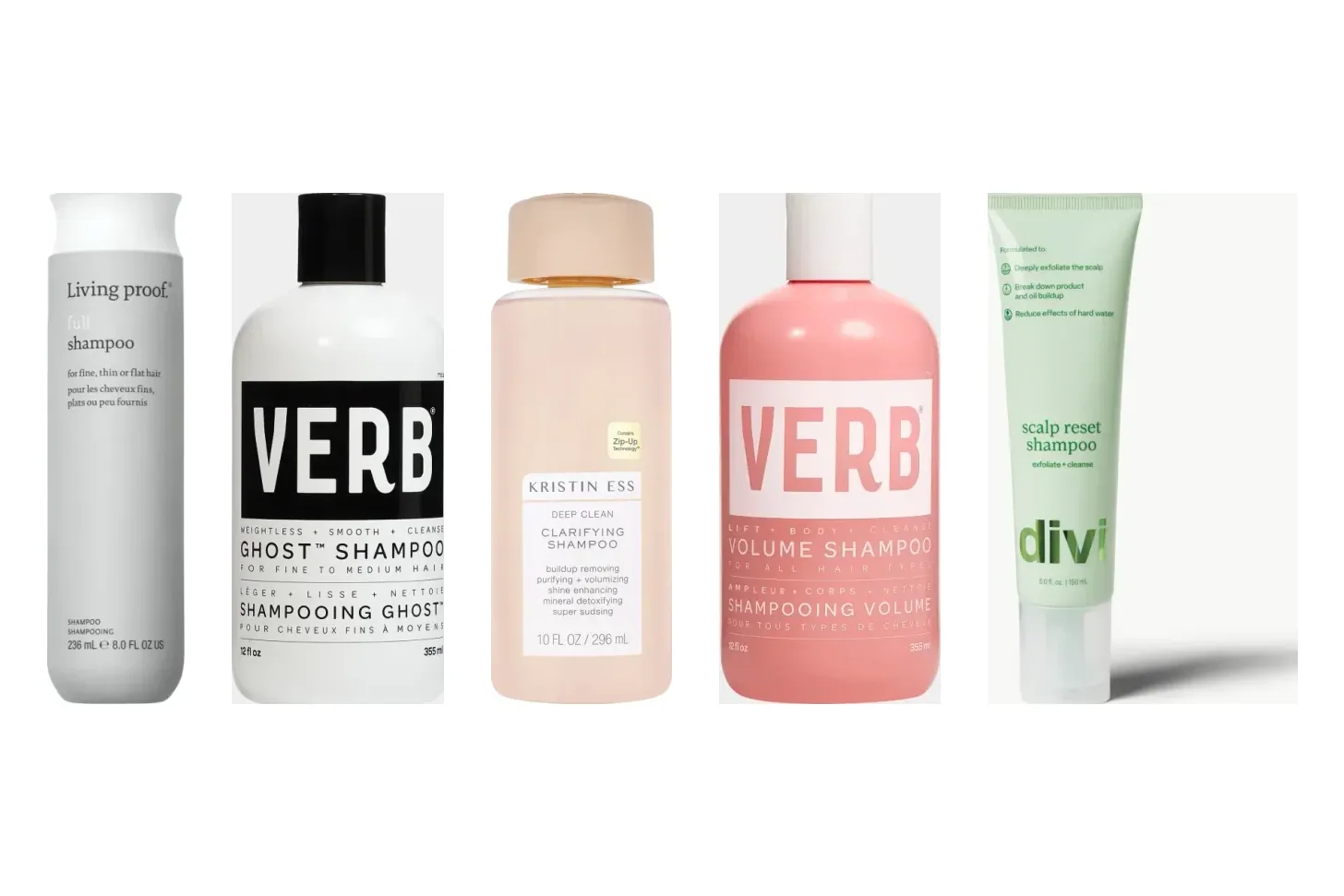
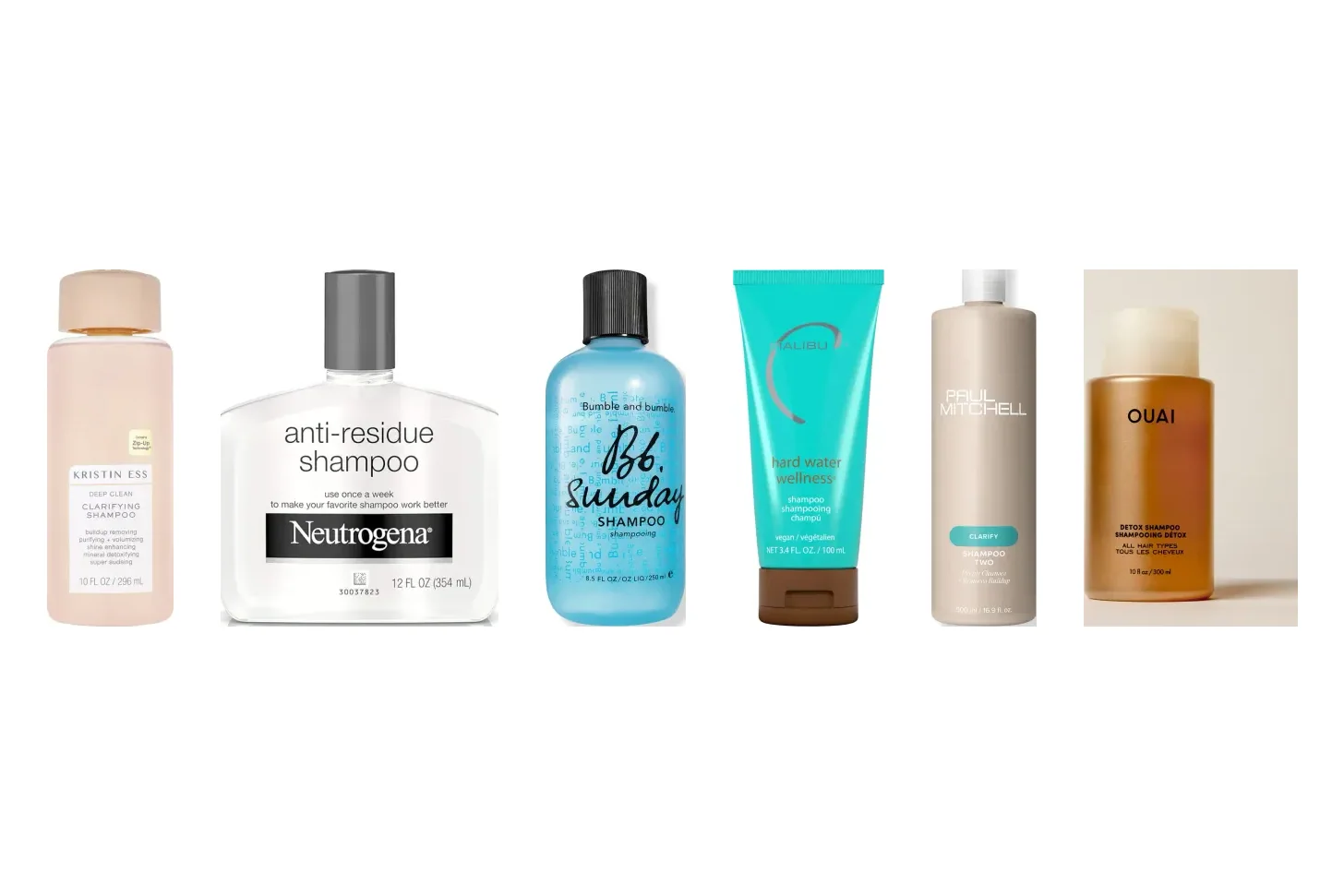
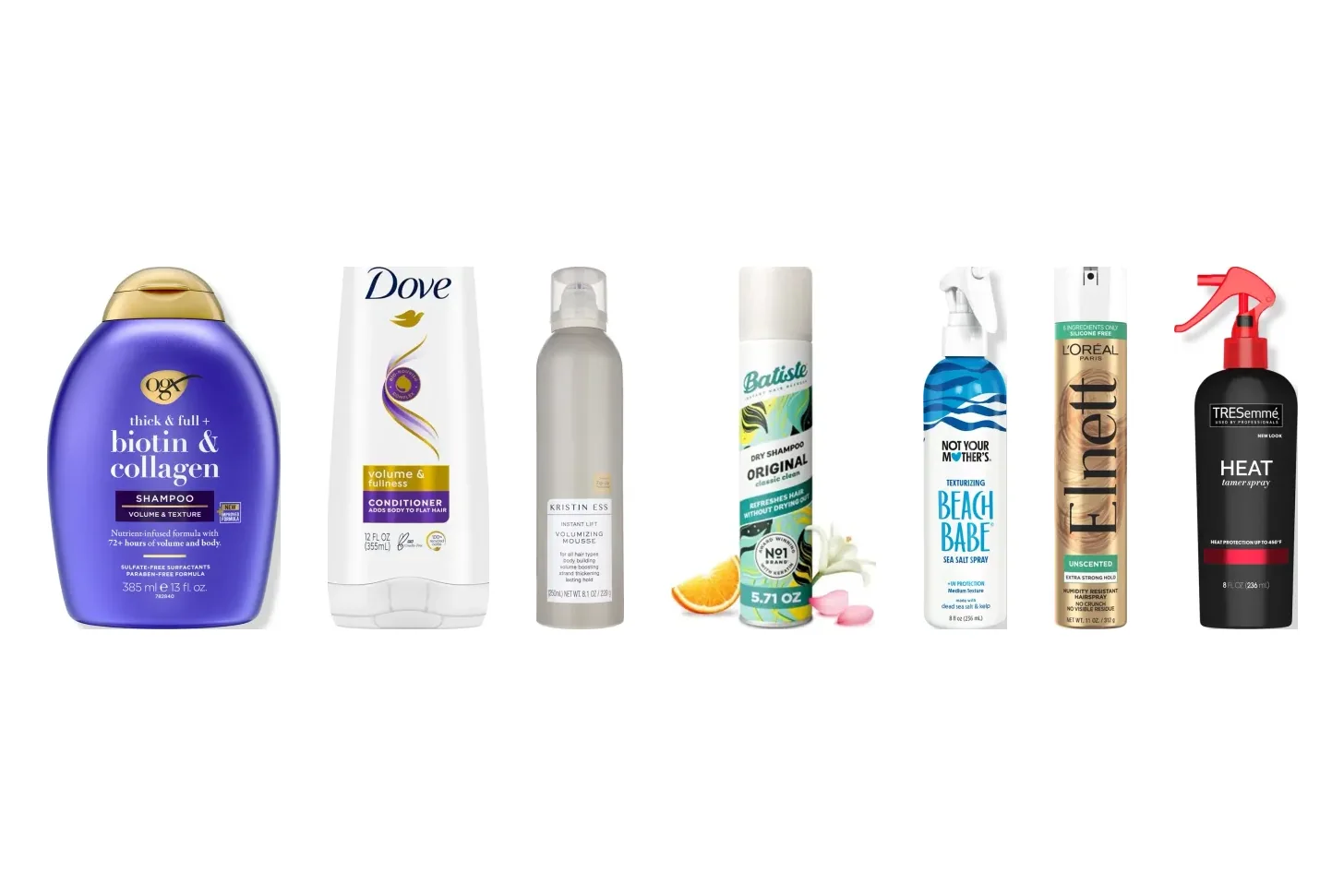
Our five picks. Product images courtesy of the brands.
Chair-side note
When a client says her fine hair "just went flat overnight," the shampoo is usually the last thing she suspects and the first thing I check. A too-rich, poorly-rinsing formula coats fine strands so gradually you don't notice until nothing holds. Switching to a genuinely lightweight wash fixes more limp-root complaints than any volumizer.
MH
— Megan Holloway, Editor-in-Chief
How to choose a shampoo for fine hair
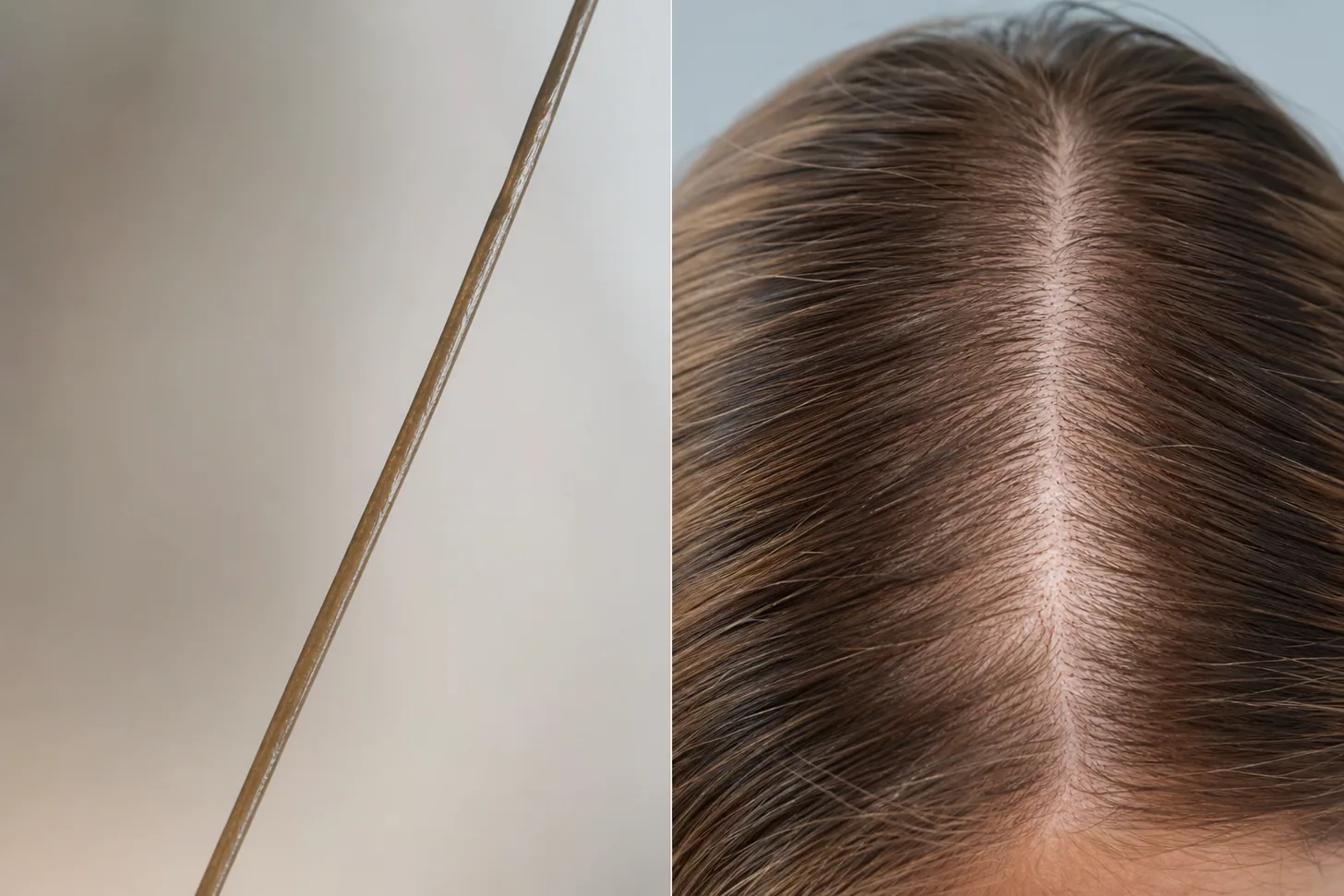
Fine hair is a narrow strand that carries little structure, so it's flattened by anything heavy — and it shows buildup fast. The goal is a formula that lifts residue (sebum, product, hard-water minerals) and rinses clean without leaving a conditioning film at the root.
Weight is the enemy of volume, so the label words that help are volumizing, bodifying, and lightweight; the words to be wary of on the roots are smoothing, ultra-moisturizing, and nourishing oil.
If you're not yet sure whether your hair is fine, low-density, or both, it's worth two minutes to tell fine hair from thin hair first — the answer nudges which of the picks below fits you best. If your scalp flakes or itches as well as your hair falling flat, that is a treatment question rather than a cleansing one — dandruff shampoos for fine hair covers it.
The best shampoos for fine hair, by category
One honest pick per job. Match the category to your main problem — daily flatness, a sensitive or color-treated scalp, or buildup that dulls and drags hair down. If your hair is colored and that is the main thing you are shopping for, the color-treated picks go further into the trade-off between protecting tone and staying weightless.
1
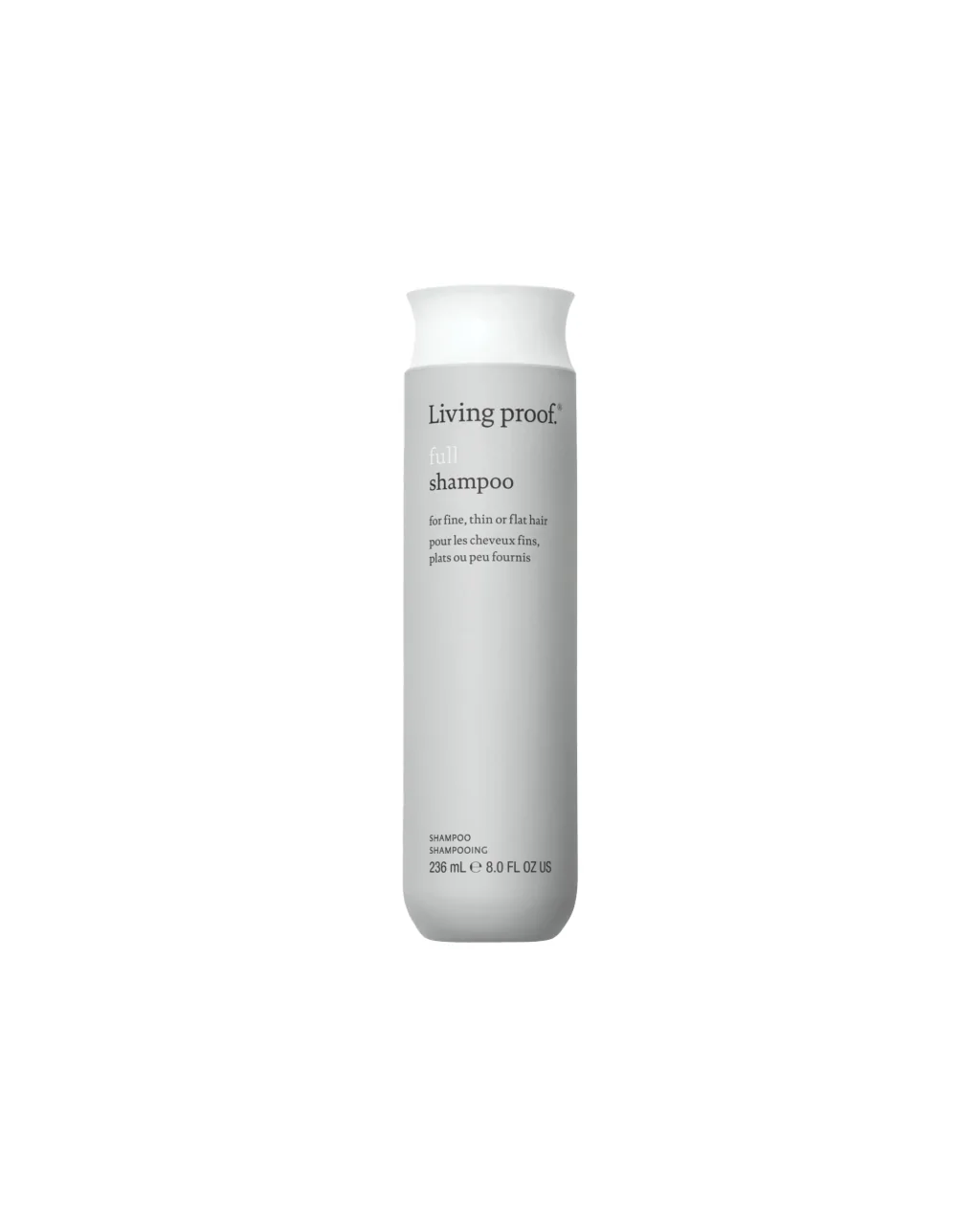
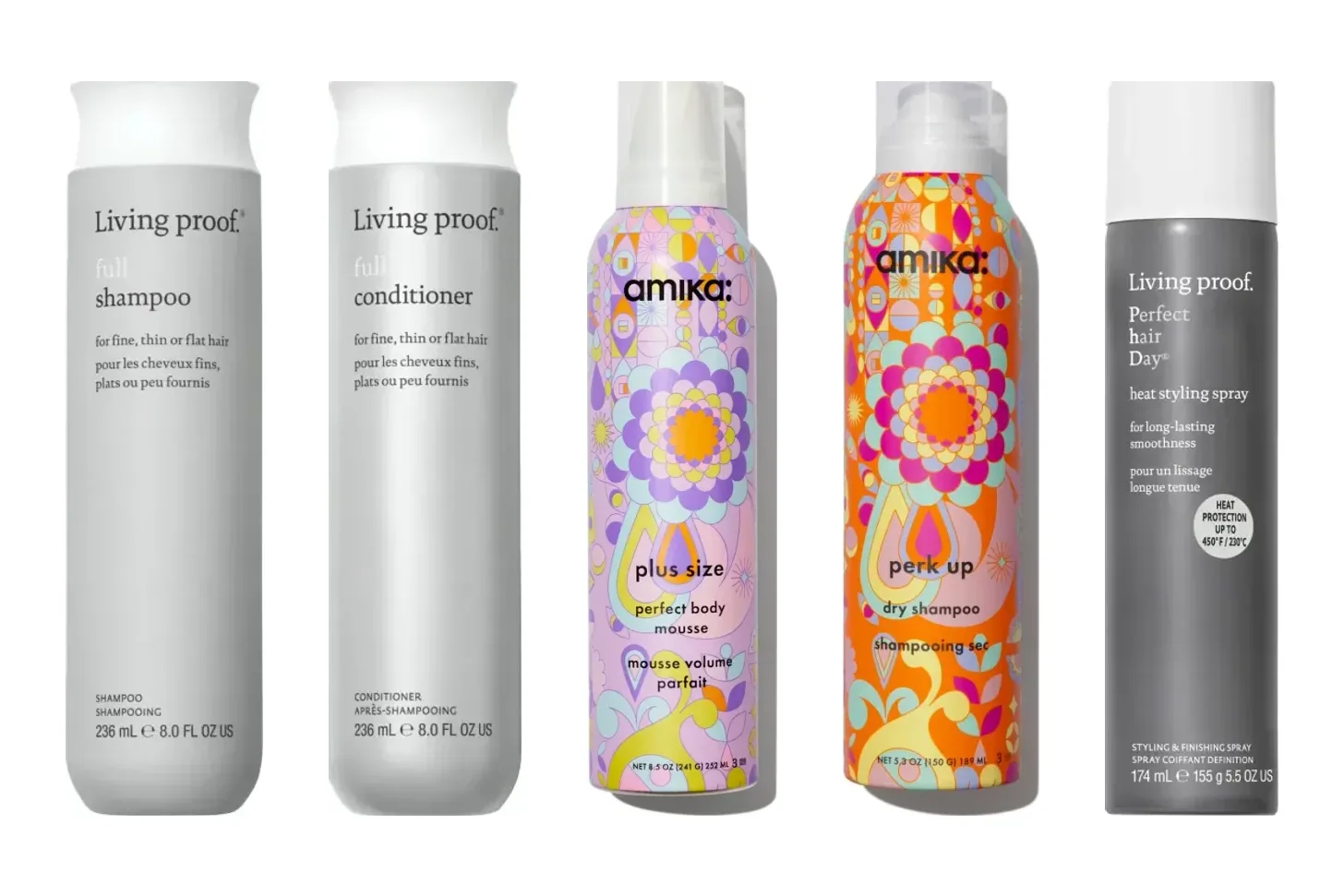
Best overall: Living Proof Full Shampoo
The everyday workhorse — a silicone-free, bodifying formula (Living Proof's patented thickening technology) that adds grip and root lift while rinsing genuinely clean, made specifically for fine, thin or flat hair. Best for: fine hair that's flat by noon and wants one reliable daily wash. Honest limitation: it sits at a premium price, and the volume comes from clean plus light body, not the shampoo alone — you'll still want root-lift technique to make it last.
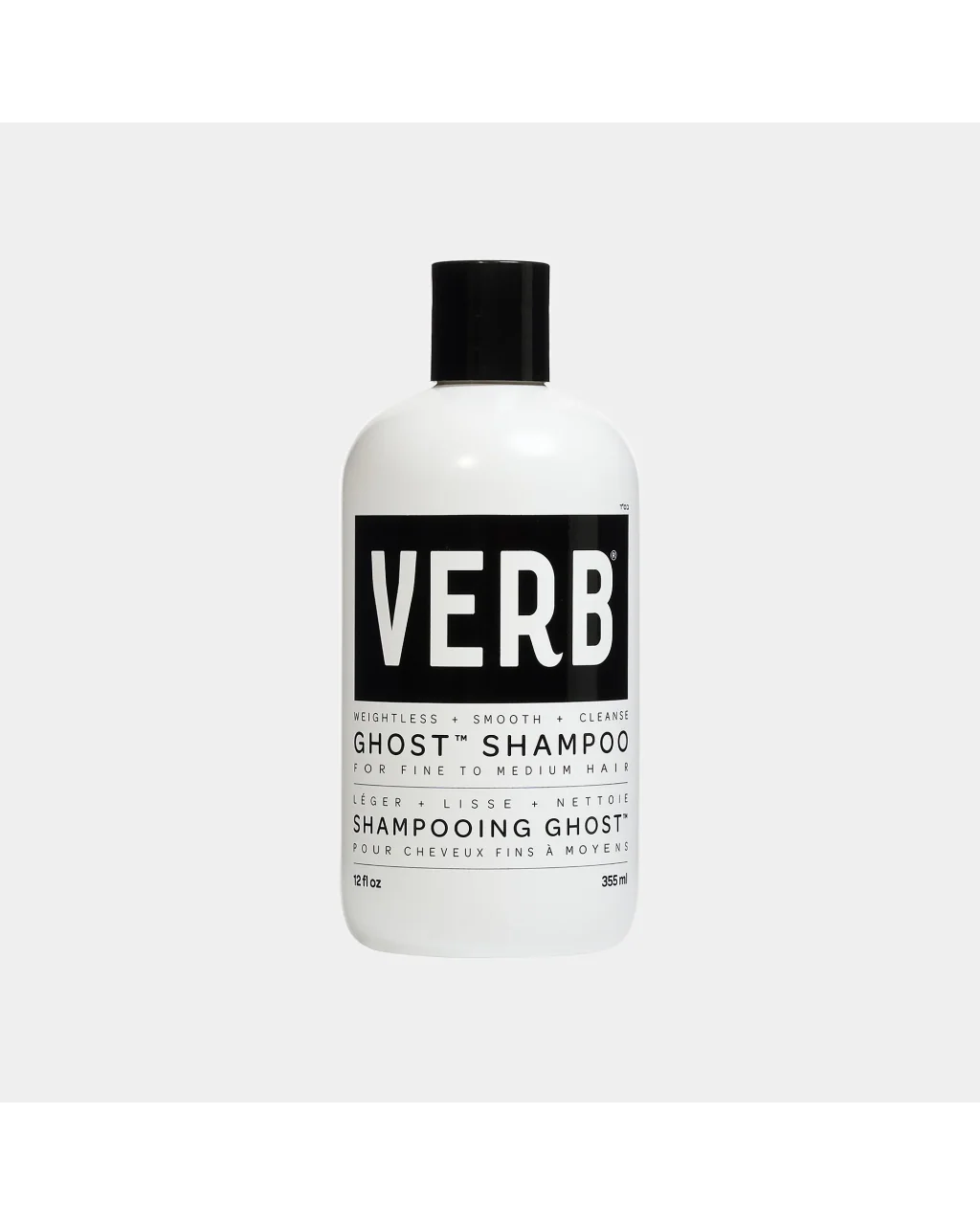
A sulfate-free, weightless cleanse (moringa oil plus vegan proteins) built for fine-to-medium hair — it cleans without over-stripping and without the coated feel that richer "gentle" shampoos leave behind. Best for: daily washers, easily-irritated scalps, or fine hair that also runs dry at the ends. Honest limitation: gentle, sulfate-free formulas can rinse less completely over time — if roots start feeling coated, alternate with the clarifying pick below.
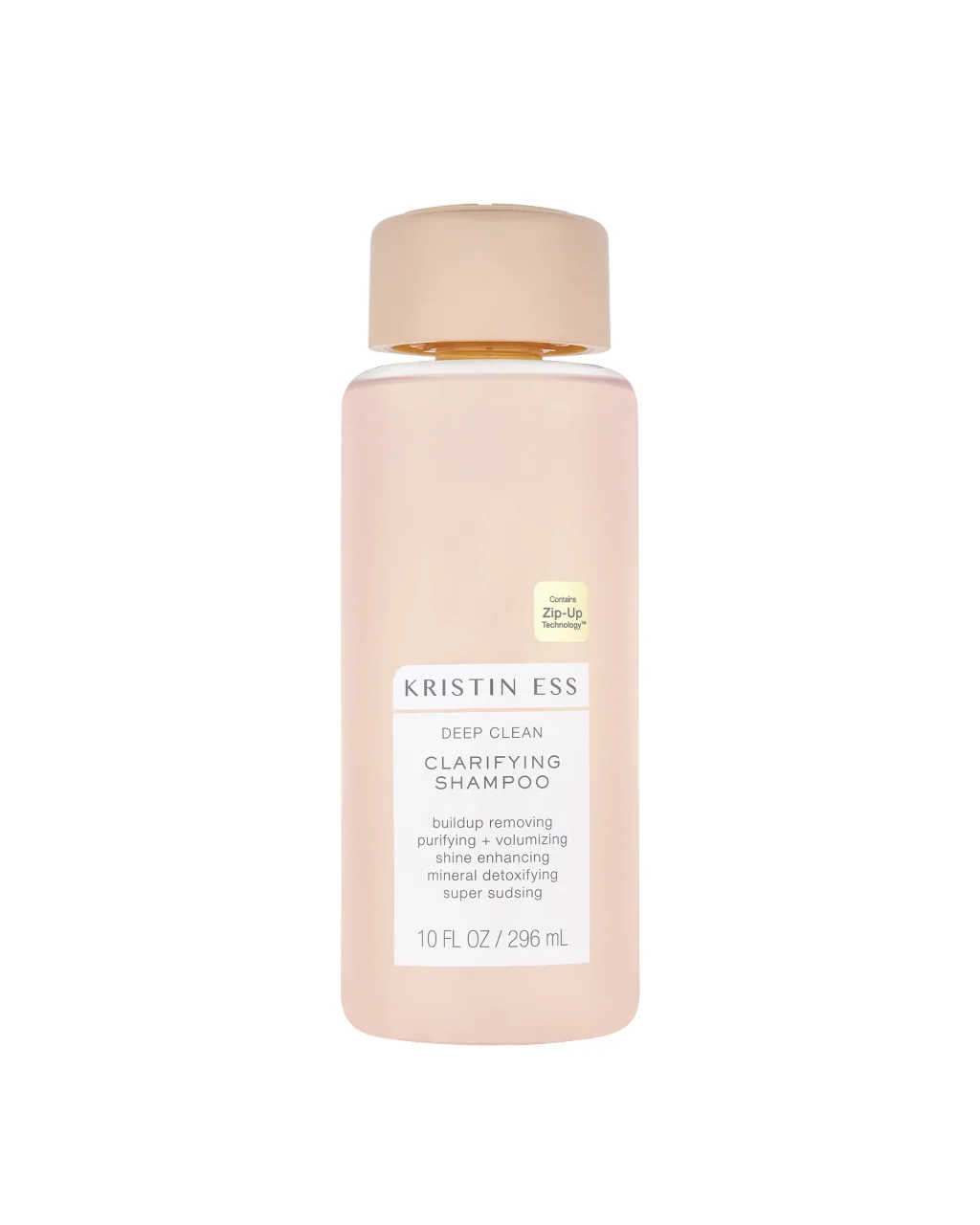
Best reset: Kristin Ess Deep Clean Clarifying Shampoo
A sulfate-free deep-clean wash (around $10) that strips the buildup fine hair collects fast — styling product, dry shampoo, and hard-water minerals that quietly weigh roots down — without the harshness of an old-school clarifier. Best for: anyone whose hair has gone limp and "coated" despite washing. Honest limitation: it's a once-a-week or once-every-two-weeks tool, not a daily shampoo — over-clarifying leaves fine hair dry and staticky.
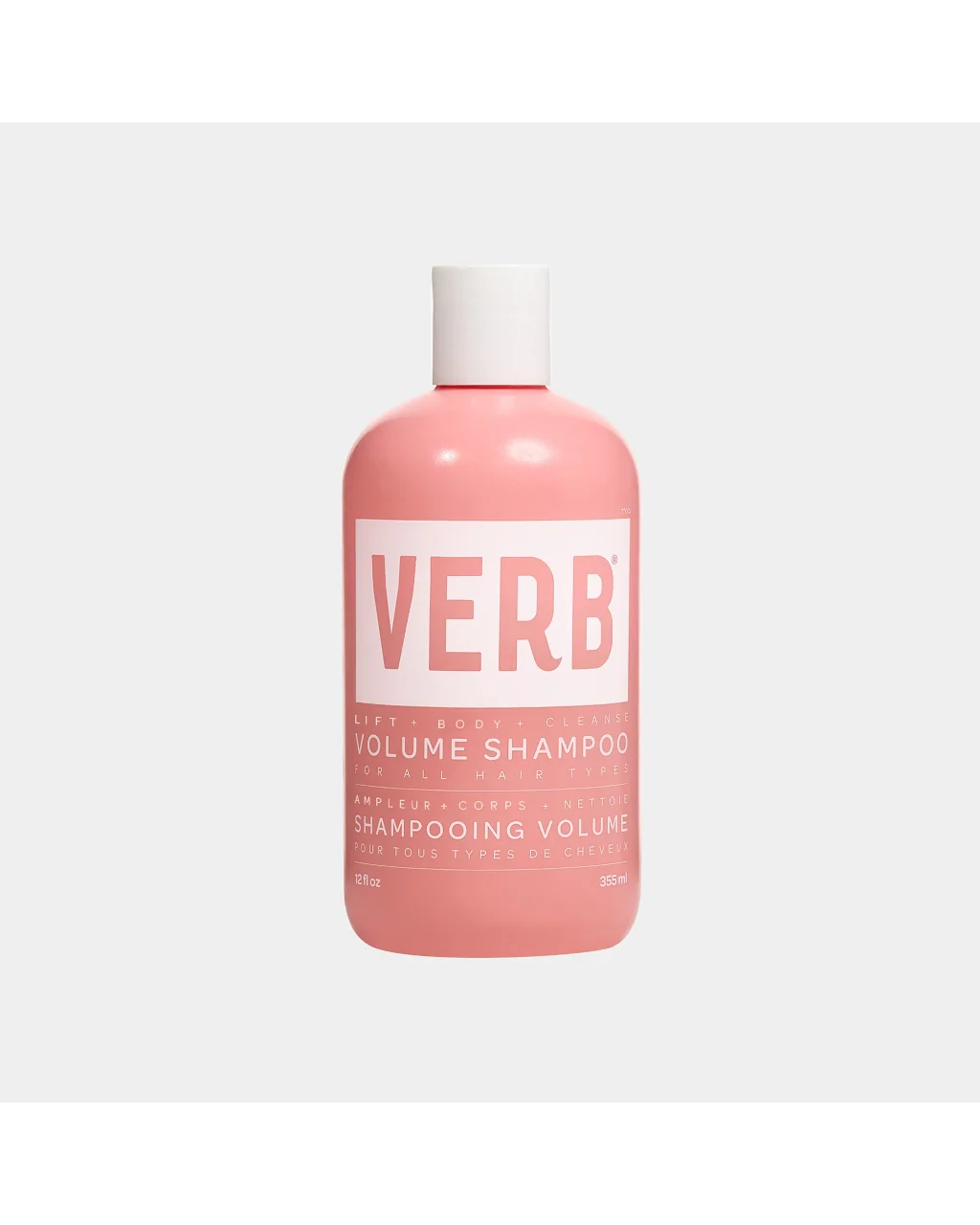
Best for color-treated fine hair: Verb Volume Shampoo
A sulfate-free volumizing wash that lifts and adds body while staying gentle enough to protect color, so highlights and gloss last while roots still get lift. Best for: fine, color-treated hair that needs volume without fading. Honest limitation: "volume" shampoos lift by cleaning and lightly texturizing, not by coating — pair it with a root-lift styler, and keep conditioner off the scalp.
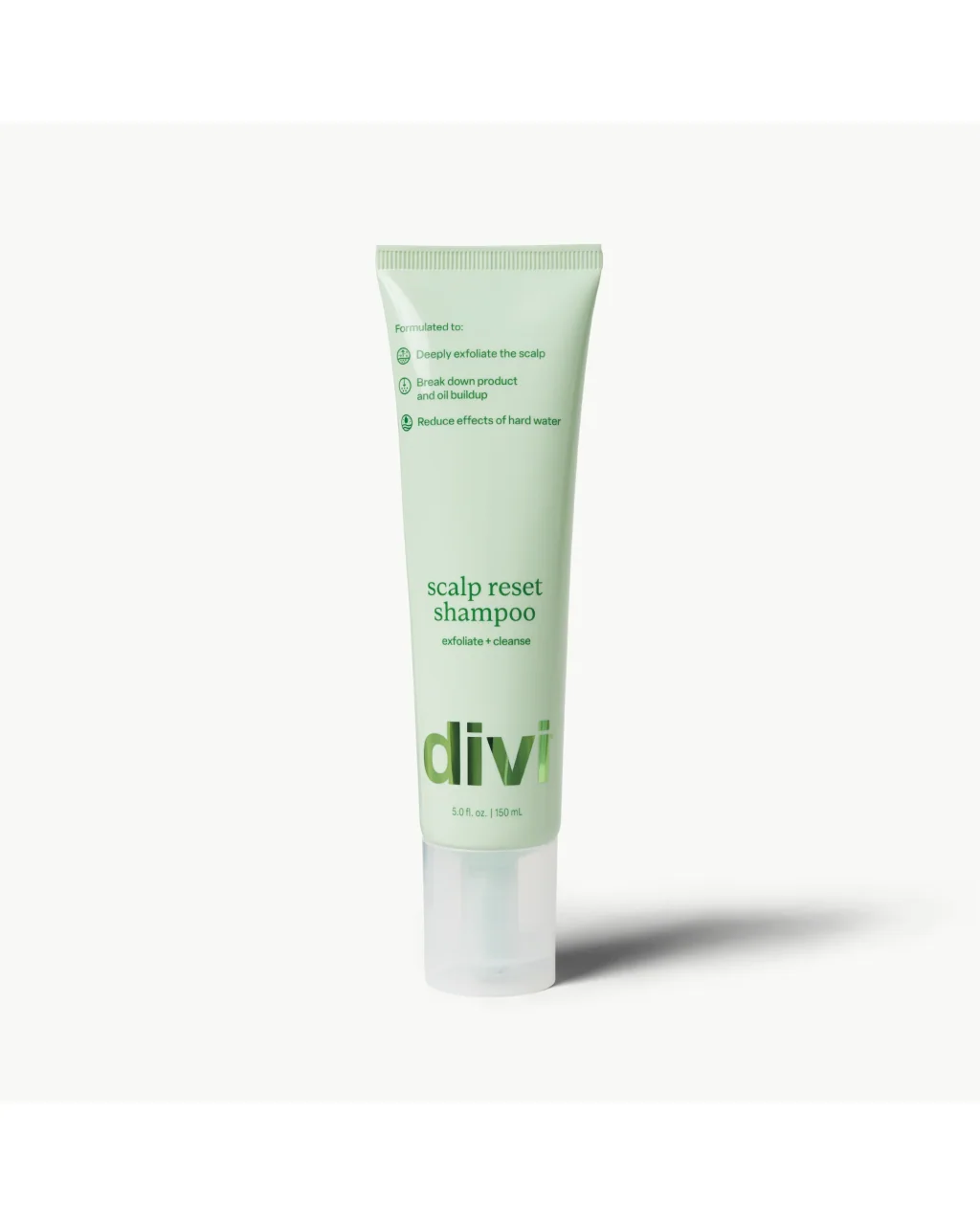
Best for scalp and density concerns: Divi Scalp Reset Shampoo
A scalp-first exfoliating cleanse that clears buildup, excess oil, and hard-water minerals from the follicle area — useful when low density means a clean, comfortable scalp matters more. Best for: fine and thinning-feeling hair that wants a clean base; use it weekly in place of your regular shampoo. Honest limitation: a shampoo supports scalp health but doesn't regrow hair — if density is genuinely changing, see a dermatologist first (more in the caveat below). Our shampoo picks for thinning hair covers that case separately, including the two actives with real trials.
"Volumizing" is not a regulated claim and it does not describe a single mechanism, so it is worth knowing what is behind the word before you pay for it. A volumizing shampoo does one or both of two things.
It cleans more completely, stripping the residue and sebum that were weighing the roots down — that part is real, and on fine hair it is most of the effect. Or it deposits something: lightweight cationic polymers, hydrolysed proteins, or a film-former that sits on the cuticle and swells the apparent diameter of the strand.
The second mechanism is where the arithmetic turns against fine hair, and it is the same arithmetic that governs a moisturising shampoo. Anything a shampoo leaves behind, it leaves behind mostly at the scalp and roots, because that is where the lather sits longest and gets rinsed least thoroughly.
The roots are the one place fine hair cannot carry weight — they are what is holding the whole style up. So a formula that measurably thickens each strand can still leave you flatter at hour four than a formula that deposits nothing at all. A genuine cross-sectional gain from a thickening product is in the region of ten per cent, and it is bought with deposition.
Which is why the picks above are ranked on how little they leave behind rather than on how much body they promise, and why the honest order of operations puts the shampoo third. The lift comes from the dry and the root product; the shampoo's job is to not undo them.
The best volumizing shampoo for fine hair, from the five above
Living Proof Full is the pick if you want the word to mean something: it is built on the cleaning-plus-grip route rather than the coating one, which is the combination fine hair can actually use. Verb Ghost is the choice if you have tried volumizing shampoos and found they all flattened you by the afternoon — it deposits least, so nothing has to be undone later.
And if you have been using a volumizing shampoo for months with steadily worse results, the problem is usually accumulated deposition rather than the wrong bottle: run Kristin Ess Deep Clean once and judge the volumizer again from a clean baseline. Full reasoning, and one honest limitation each, in the picks above.
Shampoo and conditioner for fine hair: pairing the two
The search for the best shampoo and conditioner for fine hair usually assumes the answer is a matched set from one brand. It can be, and two of the pairs below are, but the thing that has to match is not the label — it is the deposit. A clean-rinsing shampoo at the scalp does its job only if the conditioner that follows it is light enough, and placed low enough, not to put the coating straight back.
Pair a weightless shampoo with a rich conditioner from a different line and the roots are flat by lunch anyway; pair it with a light conditioner kept below the ears and the whole routine works. Placement carries more of the result than either bottle, which is why our conditioner picks open with where to put it rather than what to buy.
The pairs below take each shampoo pick on this page and name the conditioner from our roundup that matches its job. If you already own a conditioner you like, run it through the same test instead: does it rinse clean, does it stay below the ears, and does the hair still lift at the root the next morning?
Shampoo
Pair it with
Why the pair works on fine hair
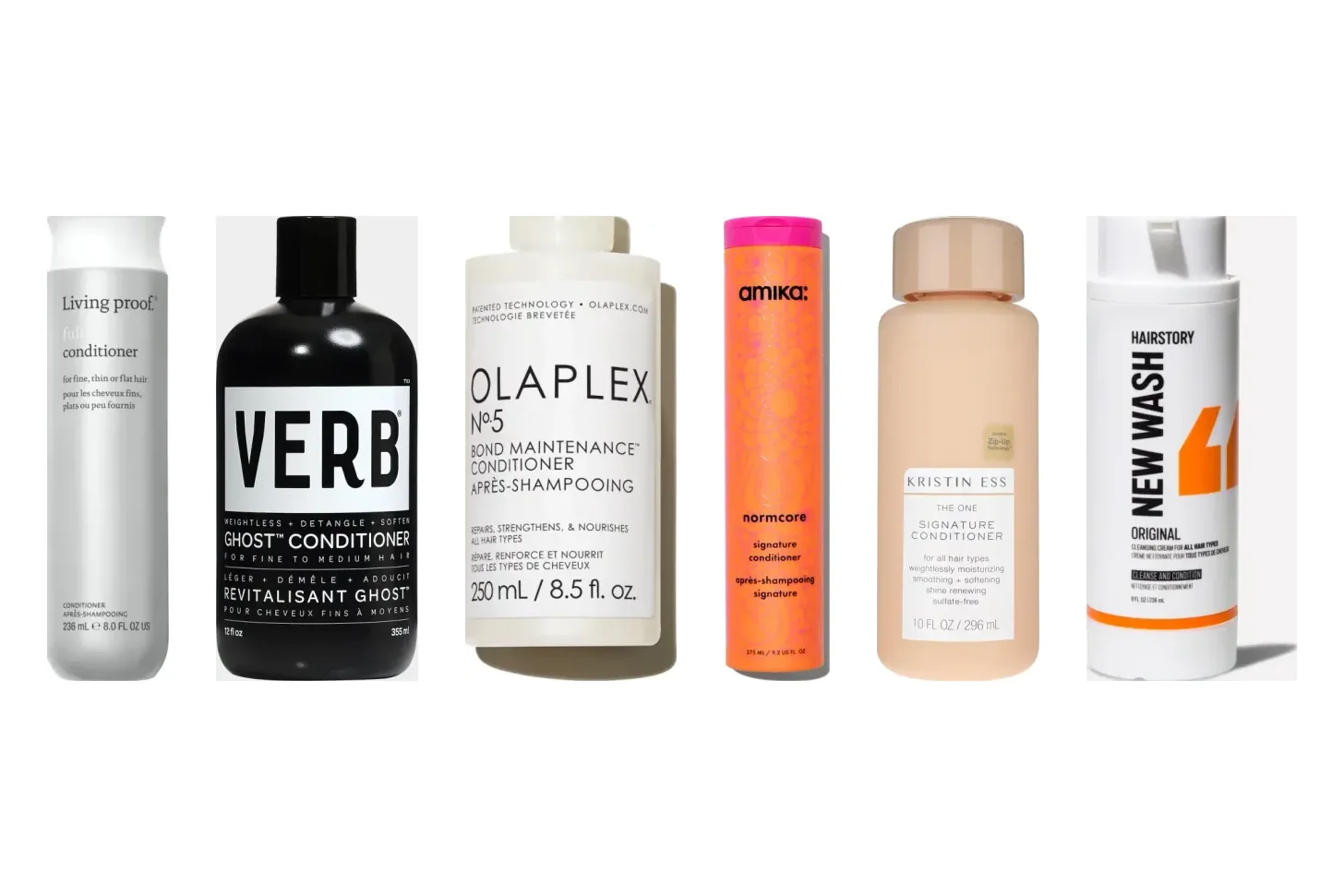
Living Proof Full Shampoo
Living Proof Full Conditioner
The one true matched set here: both are built around the same lightweight polymer, so the conditioner adds softness without undoing the shampoo’s lift. Ends only.
Verb Ghost Shampoo
Verb Ghost Conditioner
The pair for baby-fine or low-density hair and sensitive scalps. Both are the lightest in their category; the conditioner will not tame real dryness, so add a weekly light mask rather than a richer daily bottle.
Kristin Ess Deep Clean Clarifying Shampoo
Kristin Ess The One Signature Conditioner
A weekly reset followed by a plain lightweight conditioner, so the clean slate is not immediately re-coated. Use this pair on clarifying day only; it is too stripping for daily use.
Verb Volume Shampoo
amika Normcore Signature Conditioner
The color-treated pair. Neither is from the same line, and it does not matter: a sulfate-free cleanser off the scalp plus a sulfate-free conditioner strictly on the ends protects tone without the film that color-safe sets usually leave.
Divi Scalp Reset Shampoo
Olaplex No. 5 Bond Maintenance Conditioner
The pair for fine hair with density concerns or breakage: a scalp-focused cleanse, then a bond-building conditioner on the lengths. Neither regrows hair, and the conditioner is cumulative rather than instant.
Two honest notes on sets. A 2-in-1 shampoo and conditioner is the one format we would skip for fine hair, because it conditions the roots by design; the conditioner page explains why. And if your scalp is oily as well as your hair being fine, the shampoo half of the pair changes more than the conditioner half does — shampoo for fine, oily hair has the picks, and any of the conditioners above pairs with them.
How to wash fine hair so a good shampoo actually delivers
The right bottle only works with the right technique. Fine, low-density hair is coated and collapsed by scalp oil quickly, so many people with fine hair do best washing daily or every other day — stretching washes too far is a leading cause of flat roots.
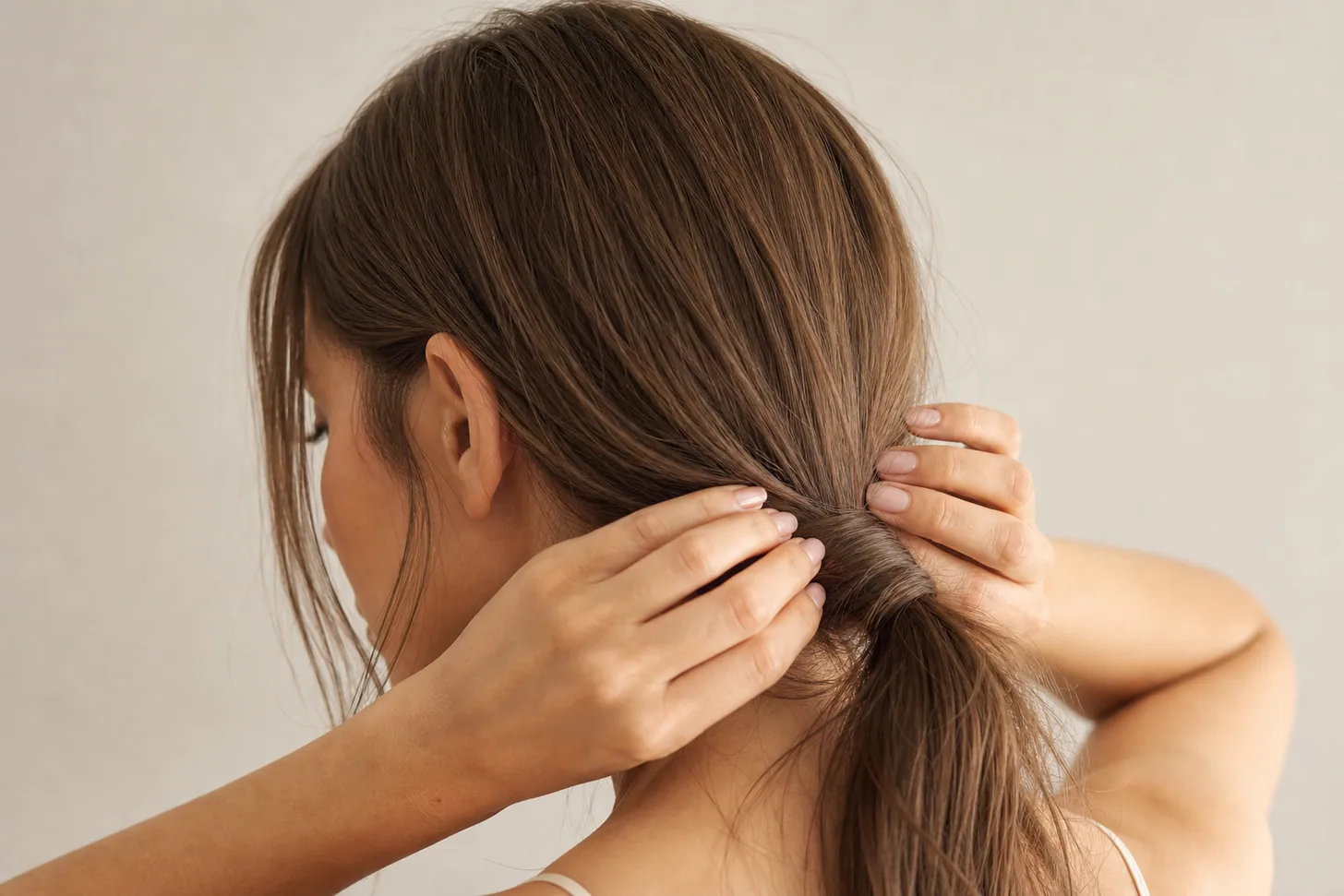
Concentrate shampoo at the scalp, where oil and buildup live, and let the run-off clean the lengths; keep conditioner on the mid-lengths to ends only, never the roots. Finish with a cool rinse to help the cuticle lie flat and reflect light — which reads as fuller on fine hair.
Your density is genuinely changing — a shrinking ponytail or widening part. No shampoo regrows hair; see a board-certified dermatologist to find the cause first.
You love a rich, "smoothing" or oil-based shampoo. On fine hair that's the flatness culprit — save it for coarse, dry hair and switch to a lightweight formula.
Hair still drags and dulls after switching. It's usually buildup, not the wrong bottle — add a weekly clarifying wash before buying anything new.
FAQ
A lightweight volumizing shampoo with a clean-rinsing, non-coating formula. Look for the words volumizing or bodifying and avoid anything labeled smoothing, moisture-rich, or with heavy oils and butters high in the ingredient list — those are formulated to weigh hair down, which is the opposite of what fine hair needs at the root.
Not necessarily. Sulfate-free is gentler and good if your scalp is sensitive or color-treated, but many sulfate-free formulas rinse less completely and can leave fine hair feeling coated. Fine hair often does better with a light, clean-rinsing shampoo — sulfate or not — plus an occasional clarifying wash to remove buildup. If your scalp also greases up within a day, that is a narrower problem than this page solves — shampoo for fine, oily hair covers it.
More often than most other hair types. Fine, low-density hair is coated and flattened by natural scalp oil quickly, so many people with fine hair do best washing every day or every other day with a gentle shampoo. Stretching washes too far is a common cause of flat, limp roots.
It helps, but manage expectations. Volumizing shampoos work mostly by cleaning thoroughly and depositing lightweight polymers that add a little grip and body — they won't hold volume alone. Pair one with root-lifting technique and a lightweight styling product for a result that lasts past noon.
Yes, used occasionally. Fine hair shows buildup fast — from styling product, dry shampoo, and hard water — and buildup is a top cause of limp, lifeless roots. A clarifying wash once a week or two resets it. Don't clarify daily, though; it can over-strip and leave hair dry.
Heavy conditioning agents high on the label: rich plant butters, mineral oil, heavy silicones layered without clarifying, and dense oils like coconut used as a main ingredient. These are great for coarse, dry hair and counterproductive for fine hair, which reads them as weight and goes flat.
A clean-rinsing volumizing shampoo used at the scalp, paired with a lightweight conditioner used from the ears down — and the pairing matters more than the brand. Living Proof Full Shampoo and Full Conditioner are the one matched set on this page that is genuinely built as a pair for fine hair; Verb Ghost Shampoo and Ghost Conditioner are the lighter option for baby-fine or low-density hair. If you mix brands, apply one test to the conditioner: it should rinse clean, stay below the ears, and leave the roots able to lift the next morning. A rich conditioner undoes any shampoo, however good.
No. Matched sets are convenient, but what needs to match on thin or fine hair is the weight of the deposit each product leaves, not the label. A shampoo that rinses clean followed by a conditioner that coats will flatten the roots regardless of whether the two bottles came in a box together. The reverse is also true: a lightweight conditioner from one line pairs perfectly well with a clean-rinsing shampoo from another. The one exception worth knowing is that some brands formulate the pair around the same polymer so the conditioner reinforces rather than undoes the shampoo, which is why the Living Proof set is the matched pair we recommend.
Living Proof Full, if you want one answer — it builds body by cleaning thoroughly and adding grip rather than by coating the strand, which is the route that survives contact with fine roots. Verb Ghost is the better pick if volumizing shampoos have historically left you flat by mid-afternoon, because it deposits the least of the five. Two things worth knowing before you choose. First, "volumizing" is not a regulated word, so it tells you nothing about the formula — read the ingredient list for heavy conditioning agents near the top instead. Second, a shampoo is the third-strongest lever you have for root volume, behind how you dry the roots and what you put on them; a volumizing shampoo that undoes neither of those is doing its job.
Fourteen years in hair — eight behind the chair, six in editorial — with a focus on scalp health and the science of fine, flat-prone hair. Megan reviews product formulas the way she'd read a label for her own clients: weight first.
Results vary with hair type, density, and growth patterns. This guide is educational and not a substitute for an in-person consultation with a licensed stylist or, for concerns about hair loss, a board-certified dermatologist.
Get the good hair intel
One honest, stylist-written guide in your inbox each week. No hype.

 MH
MH