Reviewed by Tara Sullivan · Updated July 2026 · 8 min read
Fine hair needs heat protection more than other hair types — a narrow strand has less cortex to spare, so every unprotected iron pass costs it proportionally more — and yet most protectants are built heavy, trading fine hair's volume for its safety.
The fix is choosing by weight class: a true mist or a featherlight cream, applied before every blow-dry and iron session. Below are our six picks by category — best overall, blow-dry, budget, cream, detangling two-in-one, and dry-finish — each with who it suits and one honest limitation.
Every product here is chosen independently, on the merits — what genuinely suits fine, thin hair. Links go to each brand's official page, and we don't take payment for placement. Price tiers are rough guides because prices change.
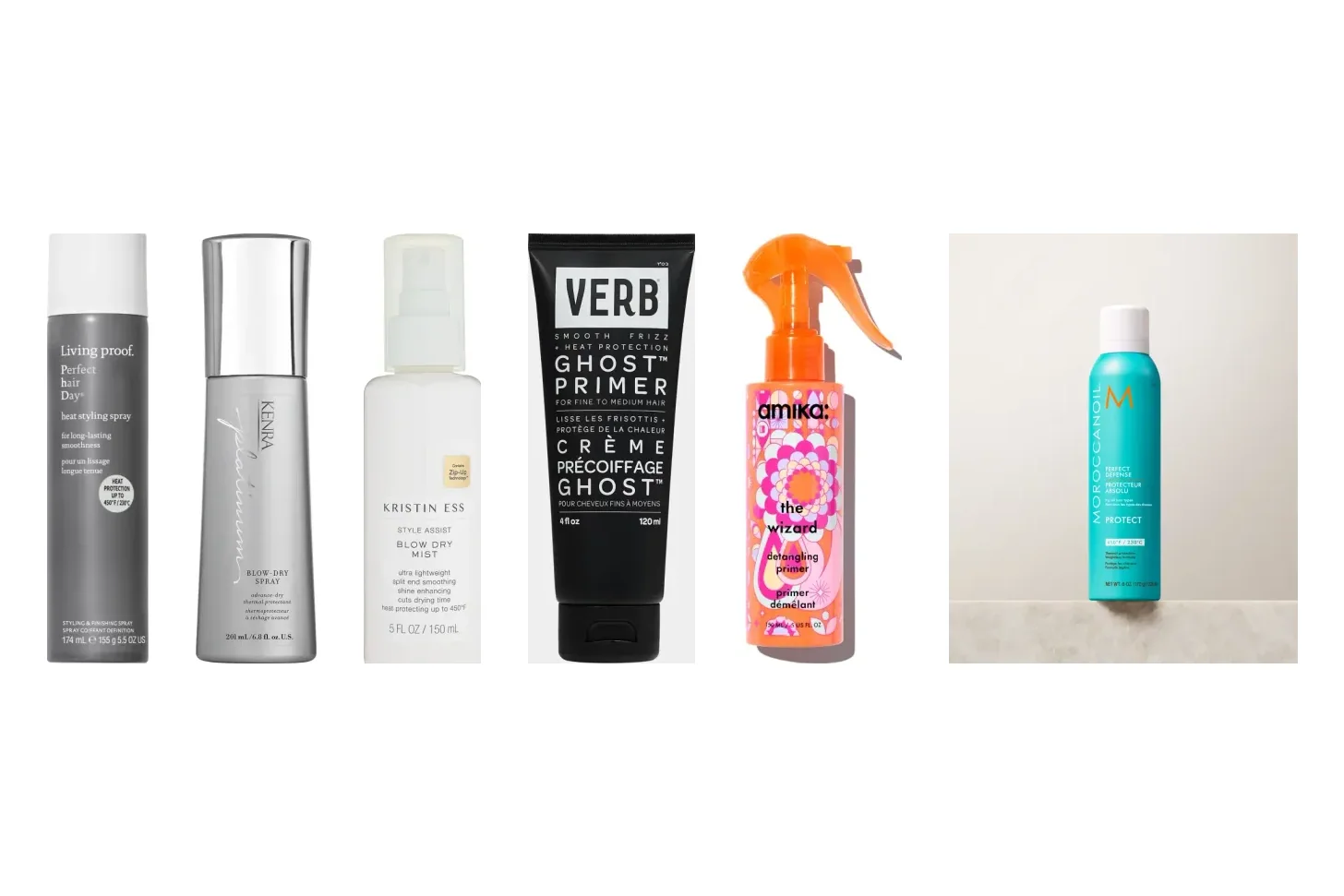
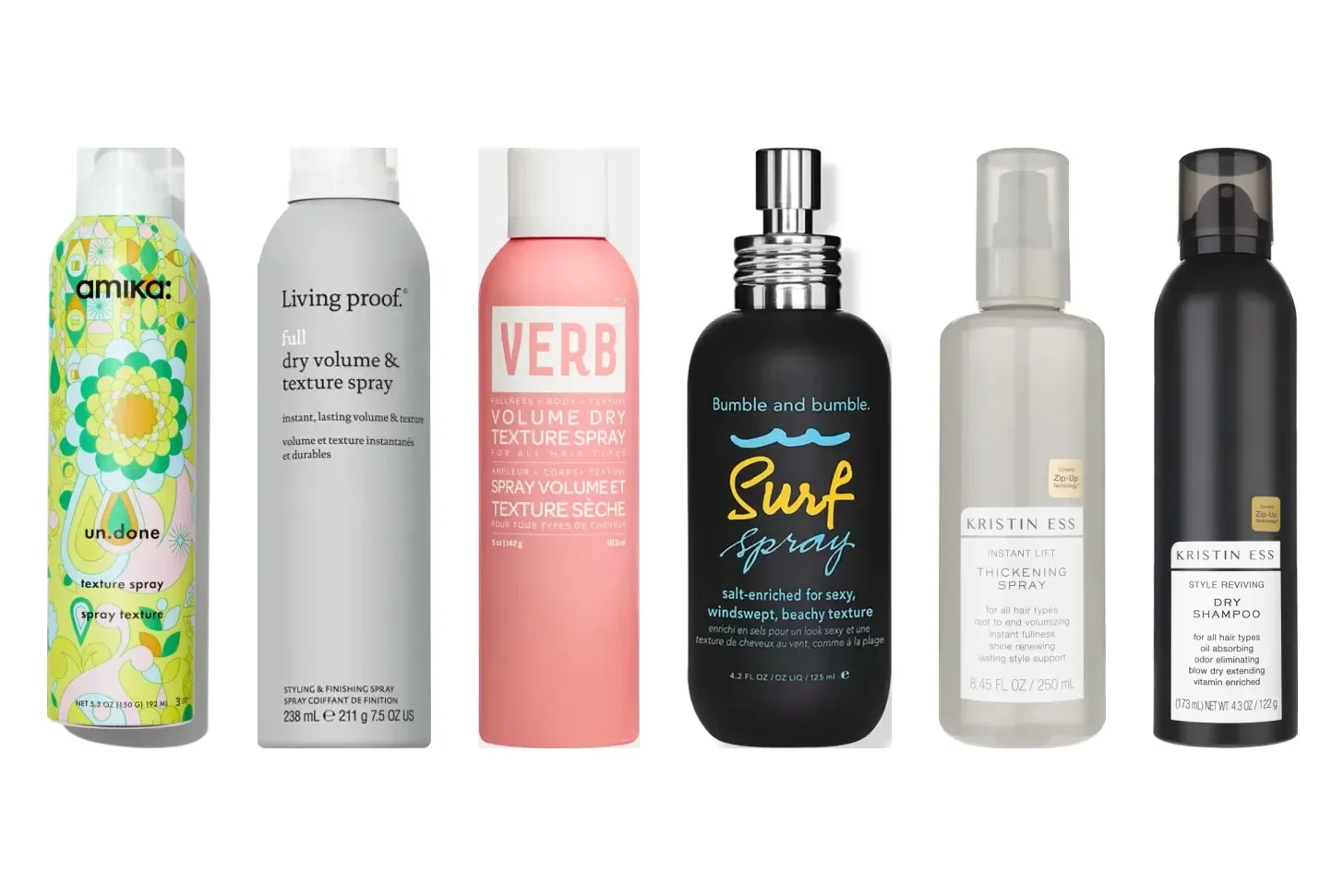
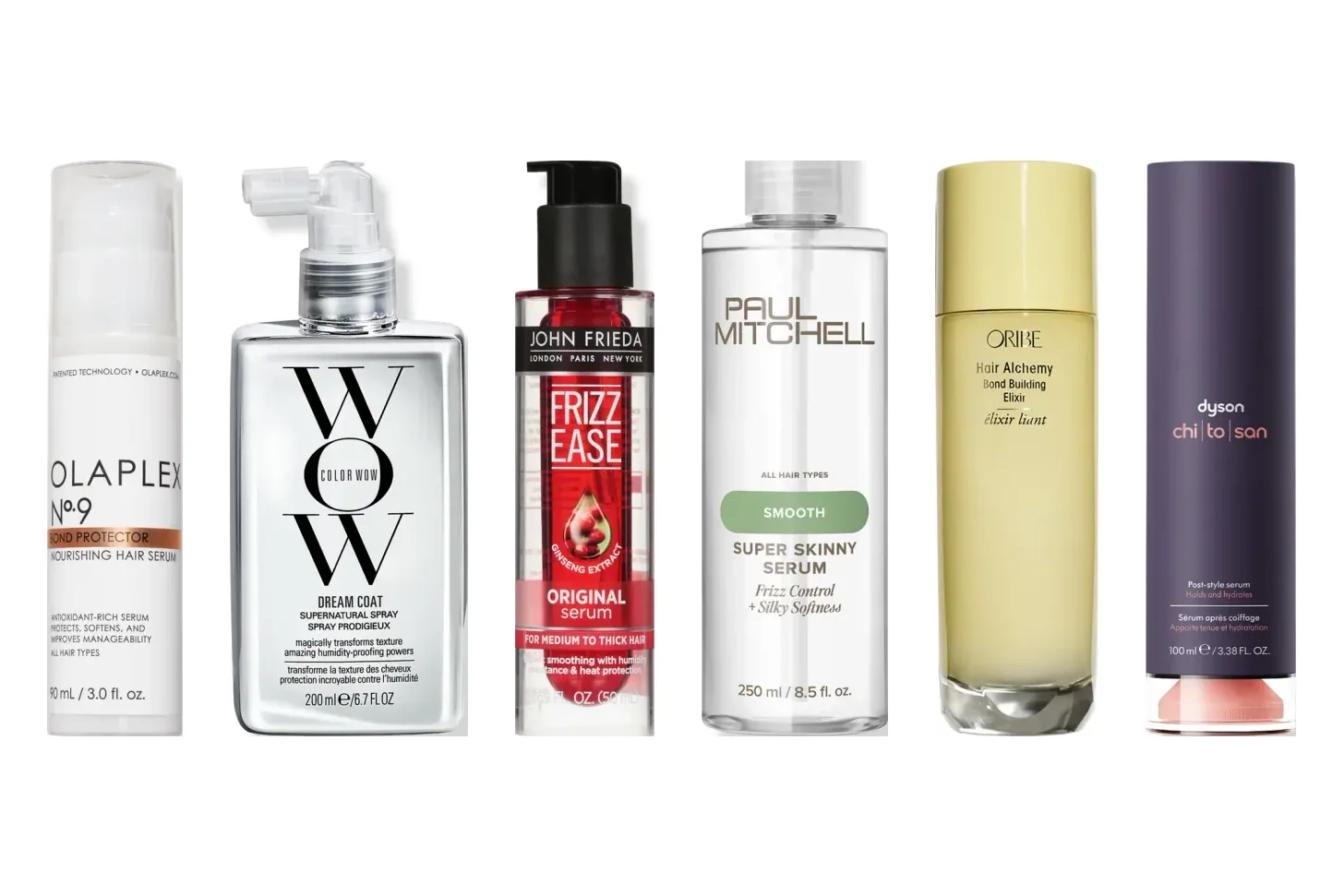
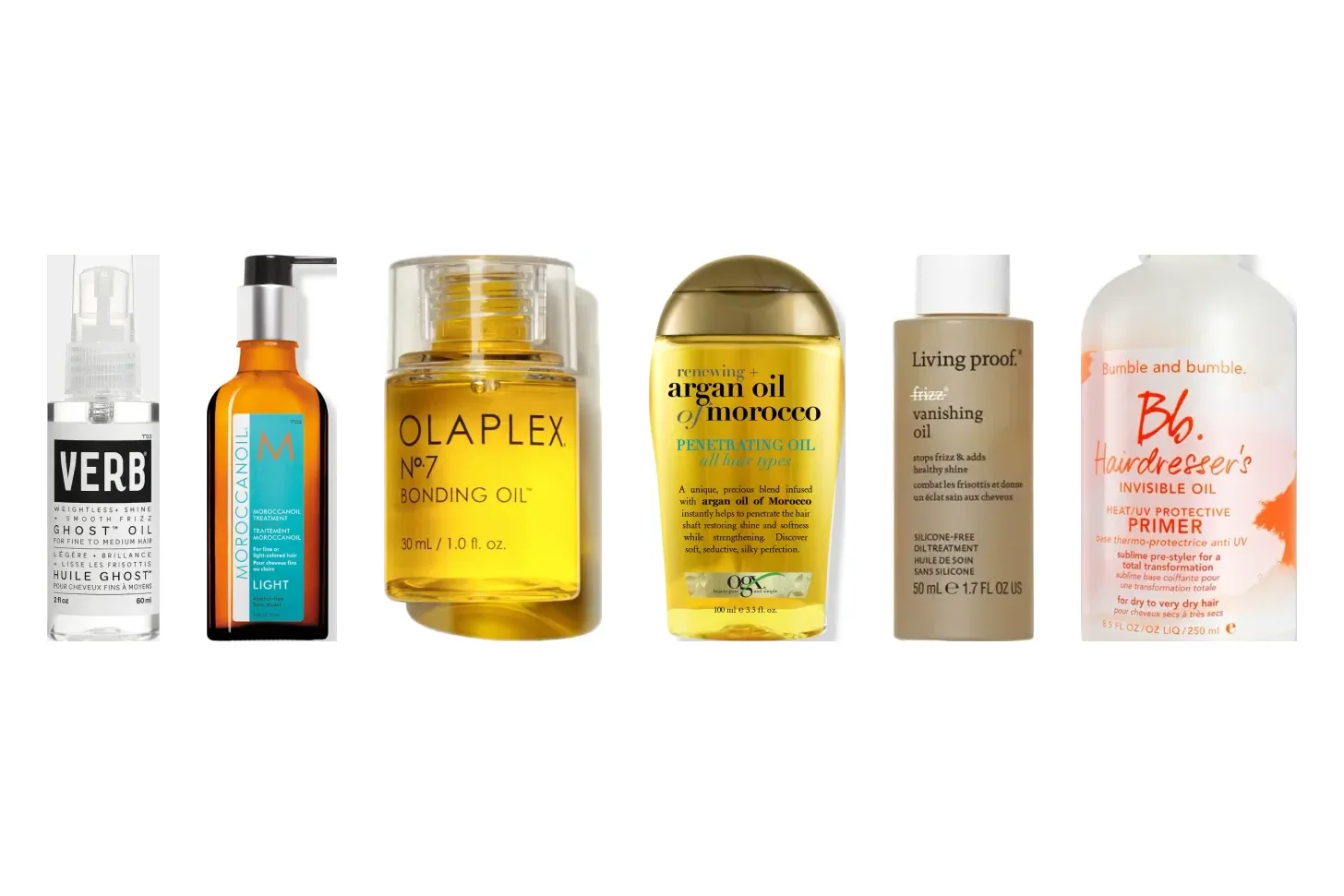
Our six picks. Product images courtesy of the brands.
Chair-side note
The heat-protectant conversation I have most often isn't "which one" — it's "why is my hair flat when I use it." Nine times out of ten the client is applying a protectant made for thick hair, or applying the right one like conditioner: soaked through, roots included.
On fine hair a protectant is a veil, not a coat — a light, even mist on the mid-lengths and ends, combed through, roots left alone. Protection scales with coverage, not quantity; past even coverage, every extra pump is just weight.
MH
— Megan Holloway, Editor-in-Chief
Why heat protection matters more on fine hair
Heat styling damages hair two ways: it drives water out of the strand fast enough to rupture the structure, and repeated passes erode the cuticle until ends split and snap. A fine strand has less material to absorb that abuse, and the visible result — wispy, transparent, broken ends — is precisely the look of thinness this whole site fights against.
Even blow-drying technique measurably changes the damage picture: a controlled study found that a moving dryer held at a distance caused less surface damage than closer, static drying. A protectant adds a physical margin on top of good technique — its film slows heat transfer and moisture loss — and if damage has already happened, the repair side of the story is in what actually repairs fine hair.
What to look for on the label
Three things. Weight class first: a fine mist or a featherlight cream — if the bottle says "nourishing oil serum," it's a lengths treatment, not a fine-hair protectant. A stated temperature rating: quality formulas claim 425–450°F, which comfortably covers any iron you should be pointing at fine hair anyway.
Multitasking: the best fine-hair protectants also detangle, fight humidity, or speed up the blow-dry, letting you drop a product from the stack — on fine hair, every layer you don't apply is volume you keep. One honest note on the ratings: they're a ceiling, not a promise of immunity. A protectant reduces damage; your temperature dial decides the rest.
The best heat protectants for fine hair, by category
One honest pick per job. Match the category to how heat actually shows up in your week.
1
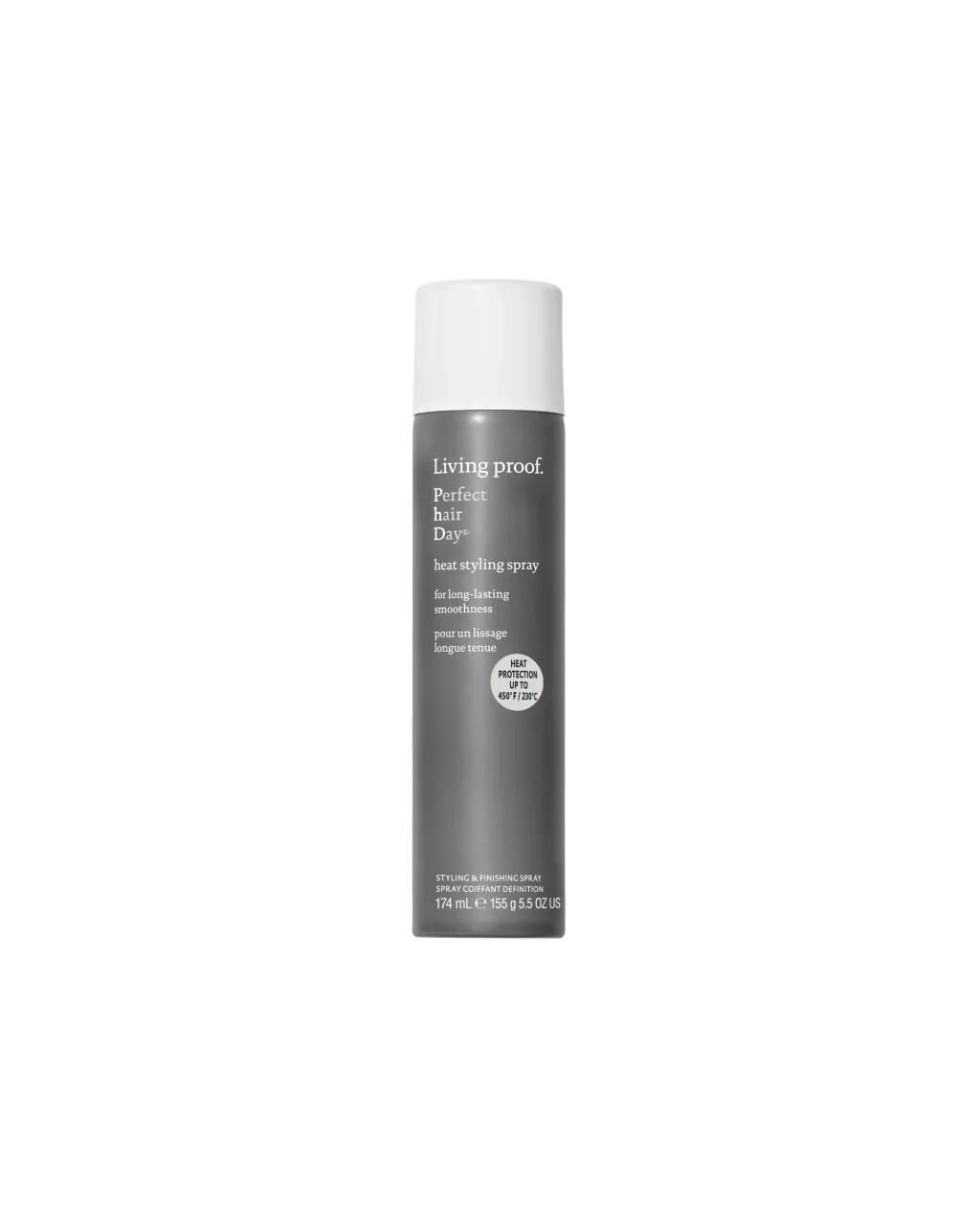
Best overall: Living Proof Perfect hair Day Heat Styling Spray
A silicone-free, genuinely weightless mist rated to 450°F that works on damp or dry hair — and Living Proof itself positions it for fine-to-medium hair, which is rare candor in this category. Best for: anyone who heat-styles several times a week and wants one bottle that covers both the blow-dry and the iron. Honest limitation: it's protection and light smoothing only — no hold, no volume — so your styling products still do their own jobs.
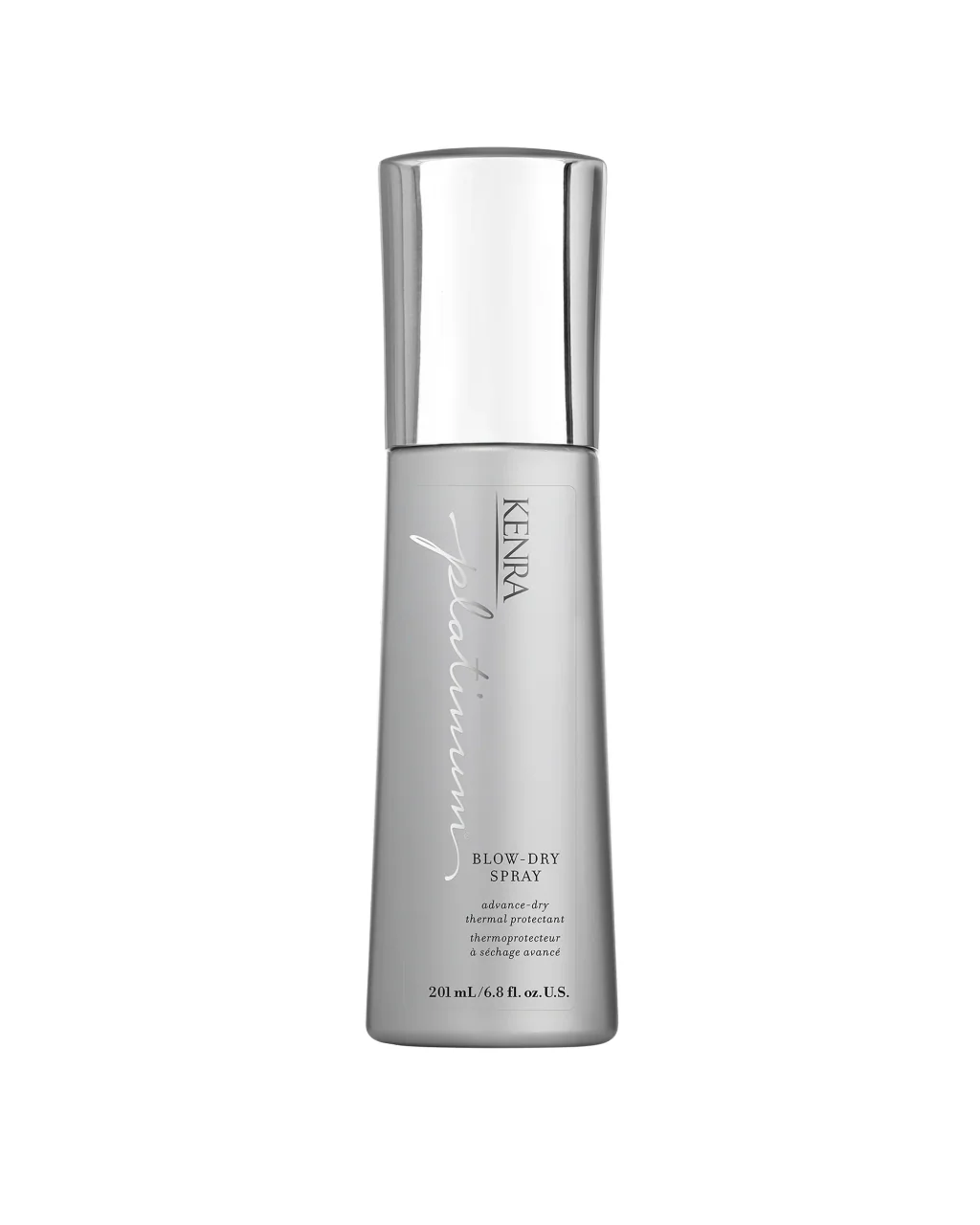
Best for blow-drying: Kenra Platinum Blow-Dry Spray
A salon staple that protects to 428°F while claiming to cut blow-dry time by up to half — and less time under the dryer is itself less heat exposure, a double win for fine hair. It detangles and smooths on the way. Best for: the daily blow-dryer whose iron mostly stays in the drawer. Honest limitation: its 428°F rating is real but lower than the others here — if you flat-iron at high settings, pick the overall winner instead.
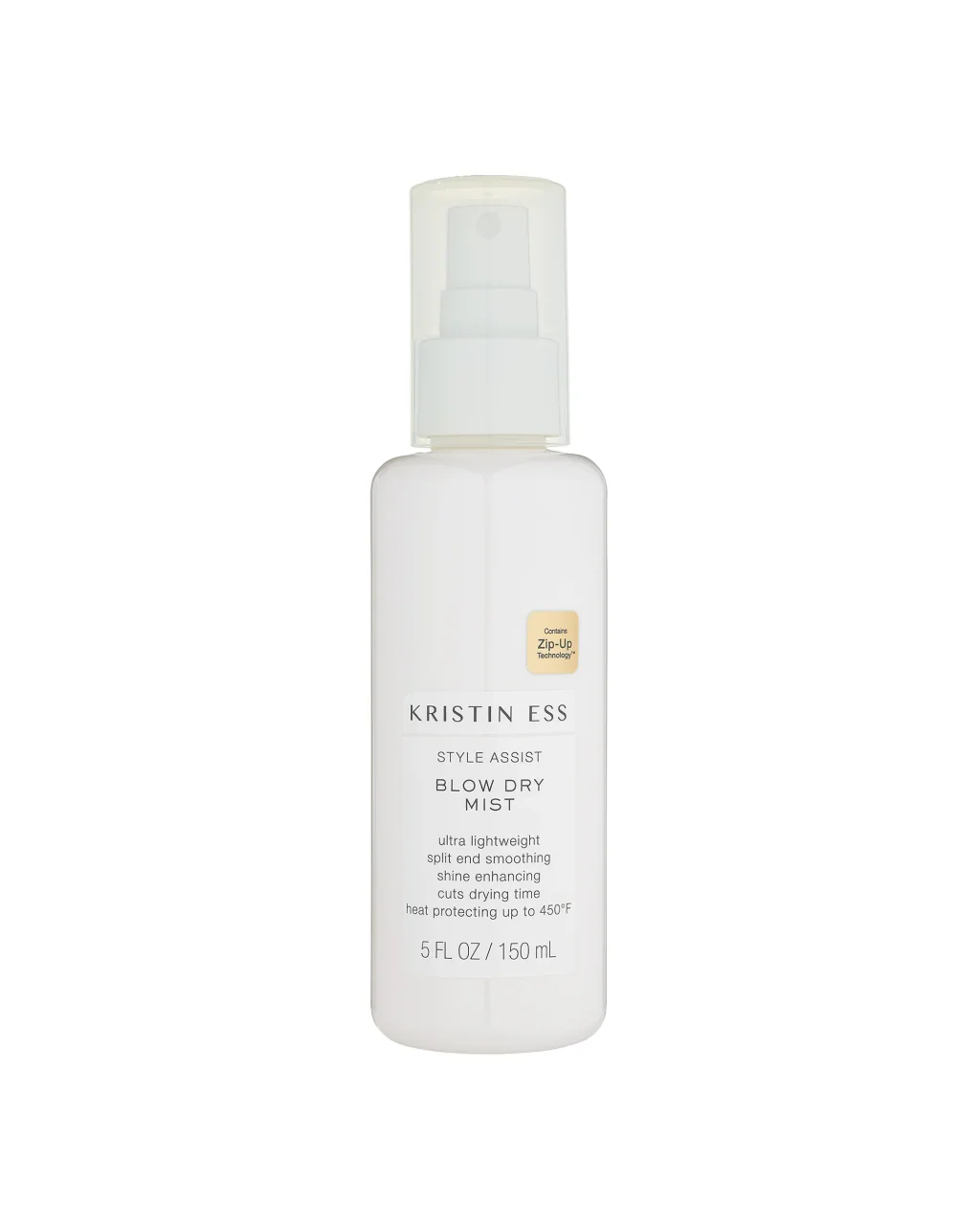
Best budget: Kristin Ess Style Assist Blow Dry Mist
Around $14 for a 450°F-rated mist with a strengthening complex aimed at split-end-prone weak points — the spec sheet of a salon product at a drugstore price, and color- and keratin-safe. Best for: building the protectant habit without a premium spend, or a backup for the gym bag. Honest limitation: the scent is noticeable while it dries, and the mist is slightly wetter than the premium sprays — keep passes light on very fine hair.
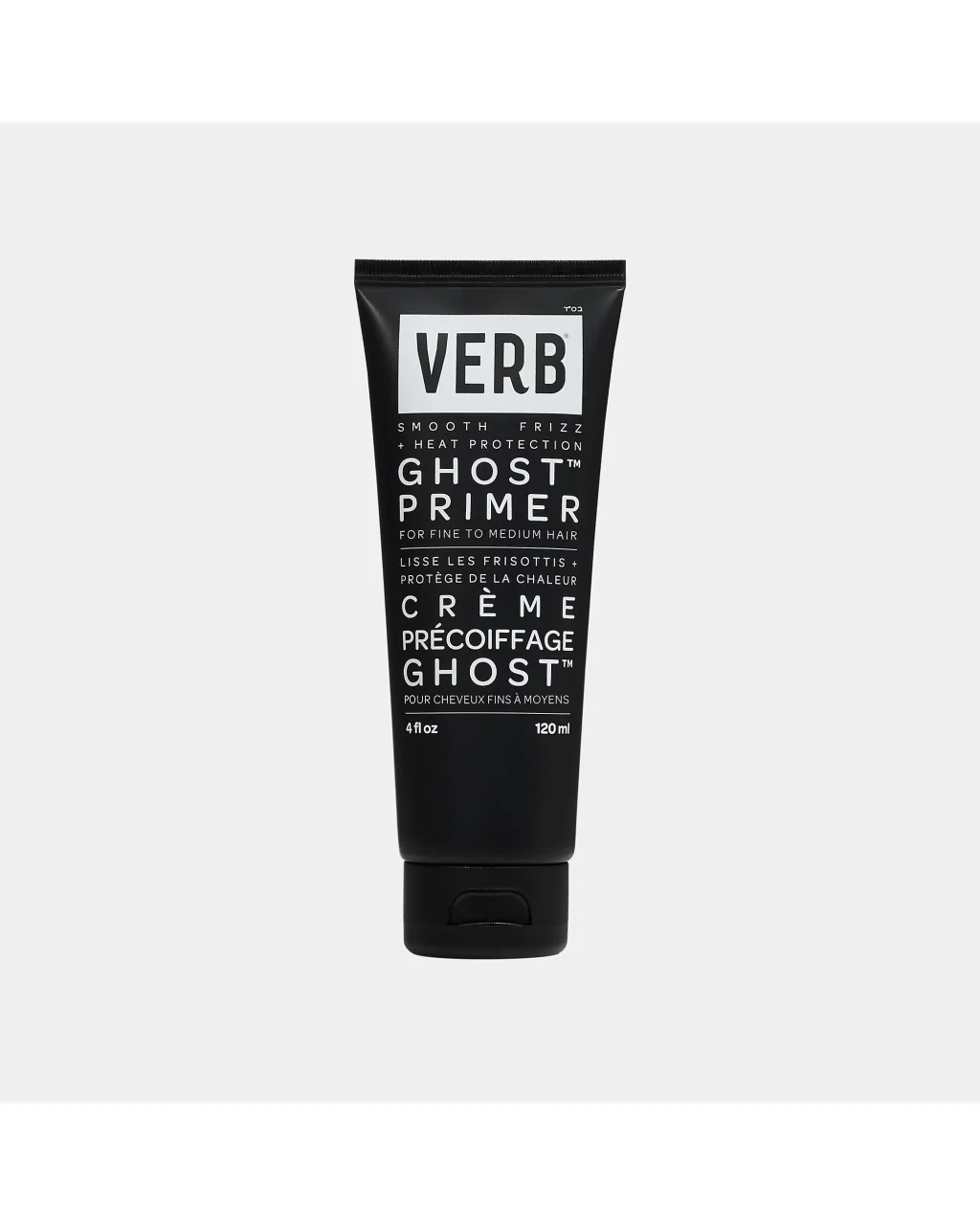
The exception to the no-creams rule: a moringa-oil primer from Verb's "ghost" line — named for how little it leaves behind — rated to 425°F, taming flyaways and prepping damp hair in one step. Best for: fine hair with dry, static-prone or flyaway ends that a mist doesn't smooth. Honest limitation: it's still a cream — a pea-sized amount on the mid-lengths and ends only, or you'll trade the flyaways for flatness.
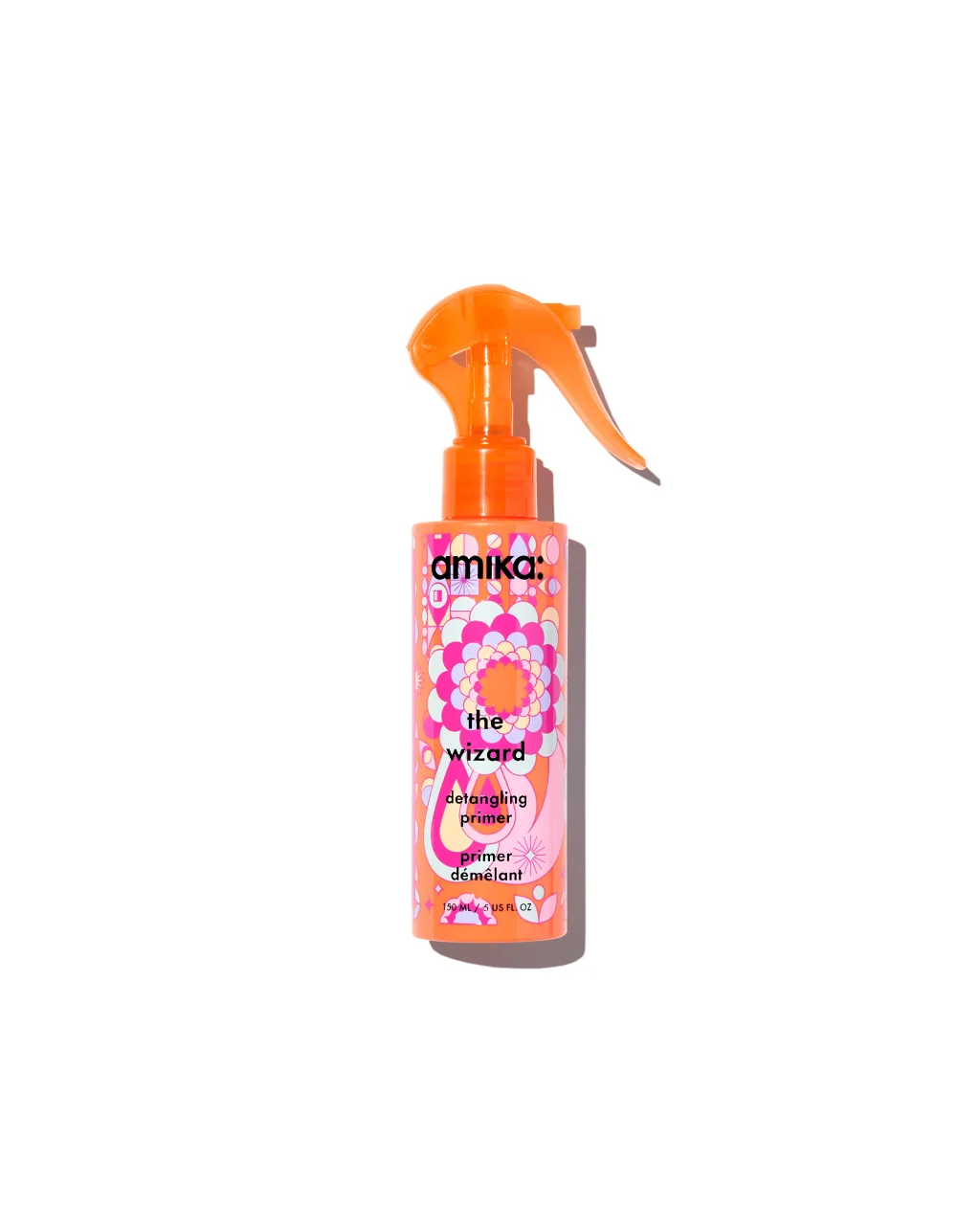
Best two-in-one: amika The Wizard Detangling Primer
Detangler, leave-in, and 450°F heat shield in one weightless spray with avocado oil and provitamin B5 — one pass on damp hair replaces two products, which is exactly the layering math fine hair wins by. Color- and keratin-safe. Best for: fine hair that tangles wet and can't afford a separate leave-in's weight. Honest limitation: the conditioning is light by design — very dry or damaged ends may still want a dedicated treatment; see the repair ingredient guide.
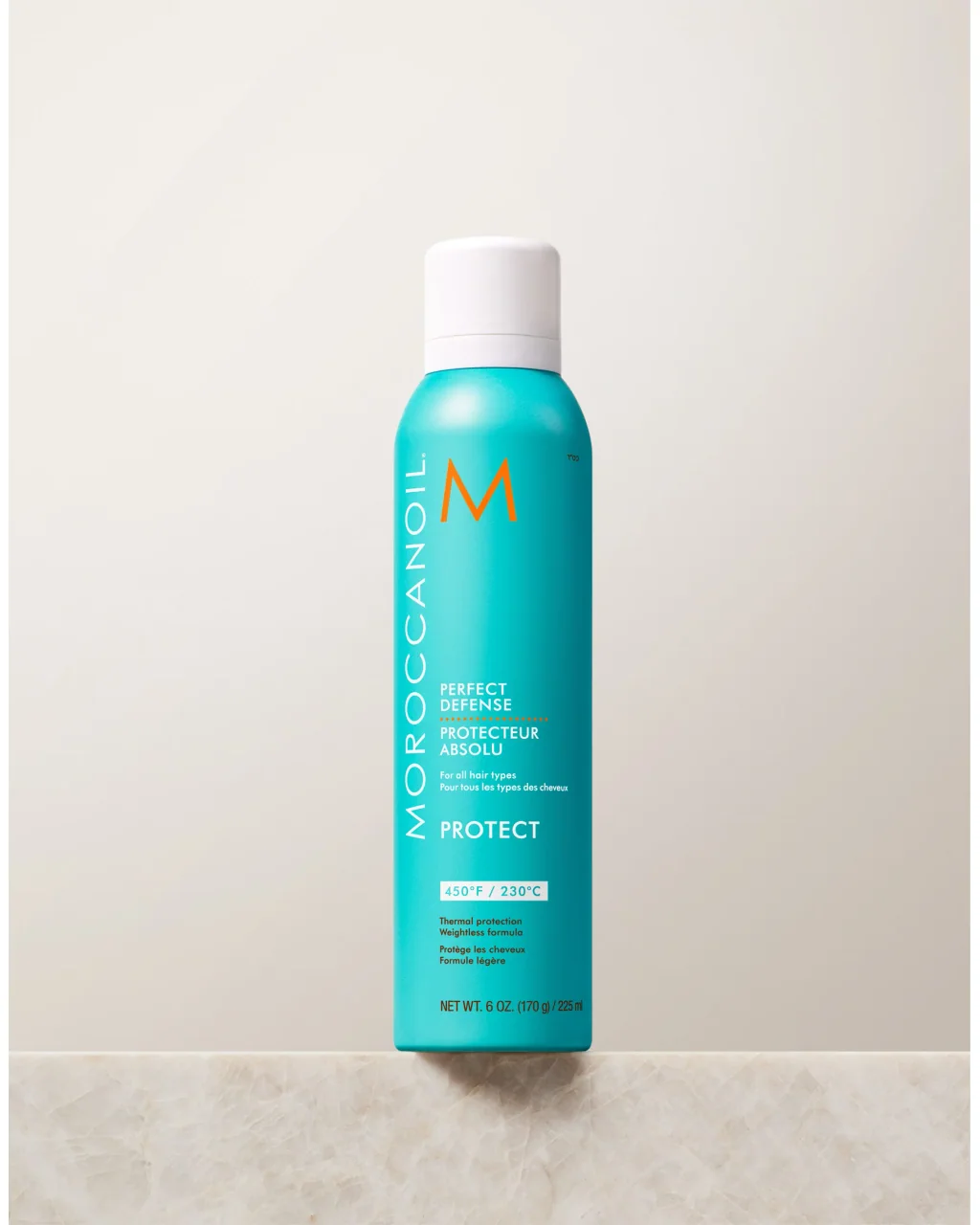
A dry aerosol mist — it lands weightless with no dampness and no hold, protects to 450°F, and works over dry hair right before an iron touches it. Best for: touch-up ironing on already-styled hair, when a wet spray would undo the blow-dry you just built. Honest limitation: it's argan-oil based, so on the very finest hair use short bursts at a distance — and the aerosol empties faster than pump bottles.
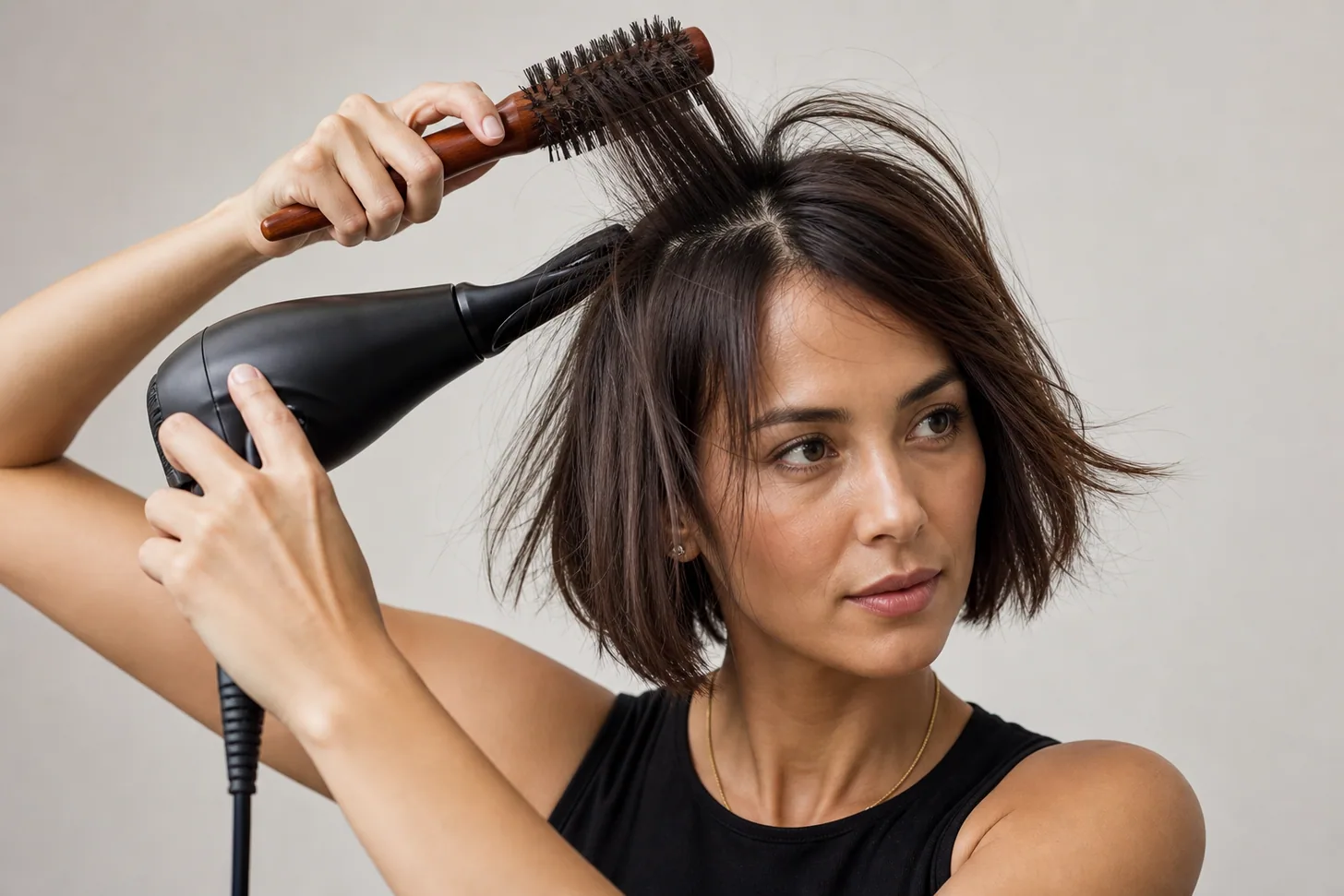
Apply to clean, damp hair before the blow-dry (or dry hair before ironing, if the formula allows): a light, even mist over the mid-lengths and ends, then comb through — the comb is what turns a spritz into coverage. Skip the roots; they get the least heat and pay the most in lift.
Let a wet mist flash-dry for thirty seconds before the dryer touches it — ideally one with real heat control, like the picks in our best hair dryer for fine hair guide. Then let the protectant do its job at a sensible temperature: fine hair sets at 280–330°F, and the blow-dry method that builds volume while minimizing heat — motion, distance, cool shot — is laid out in the bob blow-dry tutorial and the bigger-picture volume guide.
If you finish with texture spray, it goes on after the heat, not before. And if straightening is where most of your heat comes from, the tool matters as much as the protectant — our picks are in the best flat iron for fine hair.
When a heat protectant isn't the fix
Your ends are already snapping and see-through. Protectant prevents; it doesn't rebuild. Trim the damage, treat with bond-repair ingredients, and protect what grows back.
You iron at 400°F+ daily "because it's the only way it holds." That's a technique or product gap, not a heat gap — fine hair sets at far lower temperatures with a proper cool-down.
You air-dry and never heat-style. Then you don't need one — put the money toward a good cut or a lightweight shampoo instead.
Your hair goes flat the moment you apply anything. Choose the lightest mist here, halve the amount, and keep it strictly off the roots — or protect only the sections the iron actually touches.
FAQ
More than any other hair type. A fine strand has less cortex — less structural material — so the same iron pass costs it proportionally more, and damage on fine hair shows up fast as snapped ends and frizz that reads as thinness. If heat touches your hair even a few times a week, a protectant is the cheapest insurance in your routine. The catch for fine hair is formula weight, which is what this page solves.
A fine, weightless mist or a genuinely light cream used sparingly; a stated protection temperature (most quality formulas claim 425–450°F); and ideally something that multitasks — detangling, humidity resistance, or faster blow-drying — so you're layering fewer products. Avoid heavy oil-based protectants and rich serums: they protect, but they also flatten the root lift fine hair works so hard for.
They genuinely reduce damage — the film they leave slows heat transfer and cuts moisture loss from the strand — but no spray makes heat harmless. Think seatbelt, not force field. The protectant buys you a real margin; technique buys you the rest: keep irons at the lowest effective temperature, keep the dryer moving at a distance, and don't re-pass the same section five times.
Lower than the tool goes. Fine hair styles and sets at 280–330°F in most cases — it simply doesn't need the 400°F+ settings built for thick, coarse hair, and using them is how fine ends go wispy. Start low; if the shape doesn't hold in one pass, step up slightly rather than repeating passes. A protectant rated to 450°F still applies at low temperatures — the rating is a ceiling, not a target.
Check the label — it matters. Most spray protectants apply to damp hair before blow-drying; several also work on dry hair before ironing. Cream protectants almost always go on damp. The rule that never changes: the protectant must be on the hair before the heat, applied lightly and combed through so coverage is even — a mist that never reached the under-layers protects nothing.
Sometimes, on fine hair — and fewer layers is usually better. Multitasking primers cover detangling, light conditioning, and heat protection in one pass, which is the right call when every added product is added weight. If your ends are dry or color-treated you may still want a dedicated lightweight leave-in on the lengths; put the protectant everywhere heat goes, and keep both away from the roots.
Fourteen years in hair — eight behind the chair, six in editorial — with a focus on scalp health and the science of fine, flat-prone hair. Megan reviews product formulas the way she'd read a label for her own clients: weight first.
Results vary with hair type, density, and growth patterns. This guide is educational and not a substitute for an in-person consultation with a licensed stylist.
Get the good hair intel
One honest, stylist-written guide in your inbox each week. No hype.

 MH
MH