Reviewed by Tara Sullivan · Updated July 2026 · 8 min read
Fine hair does need a mask — especially if it's colored or heat-styled — but almost every mask on the shelf is built rich enough to flatten it. The right one for fine hair is lightweight and reinforcing: protein, bond-builders, or light humectants that strengthen the strand without the buttery weight that collapses the root.
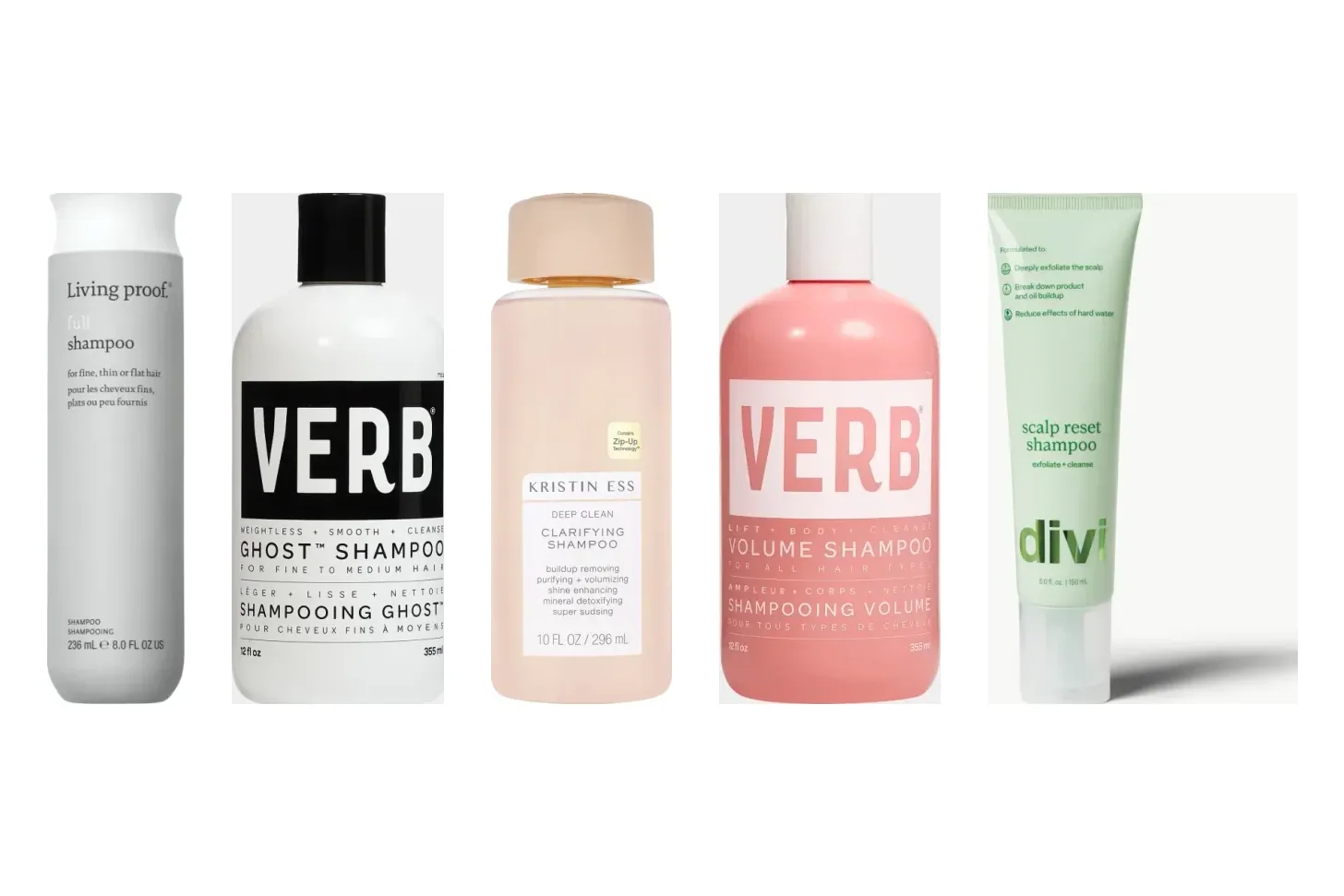
Below are our stylist picks by category — lightweight weekly, strengthening protein, bond-building, color-safe, drugstore, and light leave-in — each with who it suits and one honest limitation. A mask works harder when the wash before it is not stripping: shampoo for dry, fine hair.
Every product here is chosen independently, on the merits — what genuinely suits fine, thin hair. Links go to each brand's official page, and we don't take payment for placement. Price tiers are rough guides because prices change.
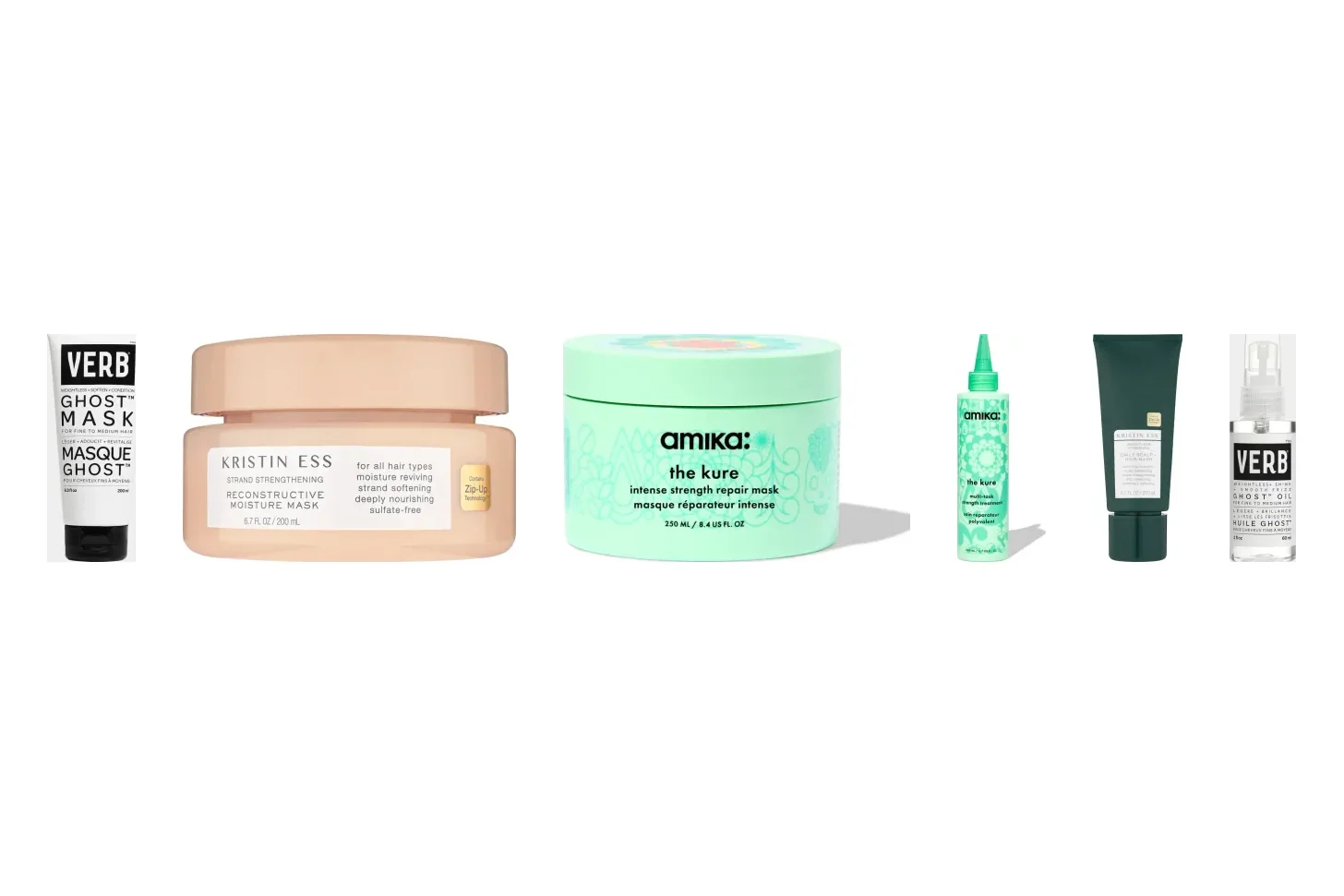
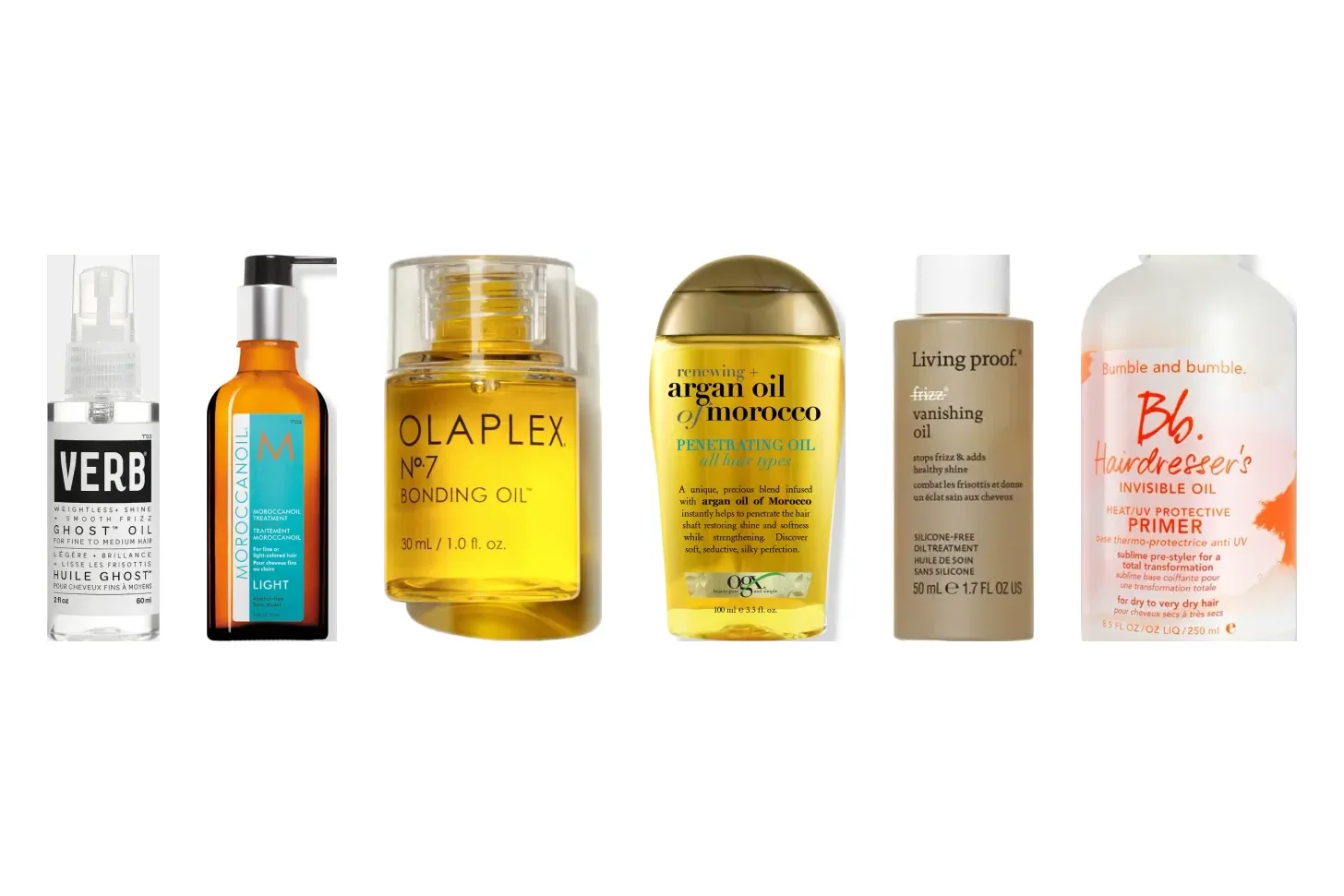
Our six picks. Product images courtesy of the brands.
Chair-side note
The fastest way to ruin fine hair for a day is a rich mask applied like everyone else uses it — root to tip, ten minutes, twice a week. Fine hair doesn't need that, and it can't carry it.
I tell clients to treat a mask like a targeted repair, not a blanket: ends only, once a week, rinsed until the hair squeaks. Done that way, a good lightweight mask strengthens color-treated fine hair beautifully. Done the other way, it's why people swear masks "don't work" on fine hair.
MH
— Megan Holloway, Editor-in-Chief
Why fine hair needs a different kind of mask
A hair mask is just a deep conditioner with a higher concentration of conditioning and repair agents and a longer contact time. On thick or curly hair, that richness is the point. On fine hair it's the problem — narrow strands are coated and weighed down by ingredients coarse hair barely registers, so a standard mask flattens the root and leaves the hair limp.
But fine hair still gets damaged, and colored or heat-stressed fine hair genuinely needs reinforcement. The answer isn't skipping masks; it's choosing lightweight, reinforcing ones and using them surgically. If you want the full breakdown of which repair ingredients actually help fine hair, our guide to what actually repairs fine-hair damage is the companion to this page.
What to look for on the label
Watch for the mask that's really a bond product in a heavy base — the strength claim is genuine, the format often isn't for fine hair. Sorted out in bond builders for fine hair.
The helpful words are lightweight, strengthening, bond-building, and volumizing. Look for hydrolyzed proteins (keratin, wheat, silk) in moderation, bond-building actives, and light humectants like panthenol — low-molecular-weight hydrolyzed keratins in particular are shown to penetrate the fiber and improve its strength (peer-reviewed study on hydrolyzed keratin in hair).
Be wary of rich oils and butters (coconut, shea, castor) high in the ingredient list, "ultra-nourishing" or "curl" masks, and anything that feels like a thick cream in the jar. Your porosity matters too — porous, colored ends drink a mask in, while low-porosity fine hair needs the lightest formula and a little warmth to absorb it (more on porosity for fine hair).
The best hair masks for fine hair, by category
One honest pick per job. Match the category to what your fine hair actually needs — general strength, repair after color, or light moisture.
1
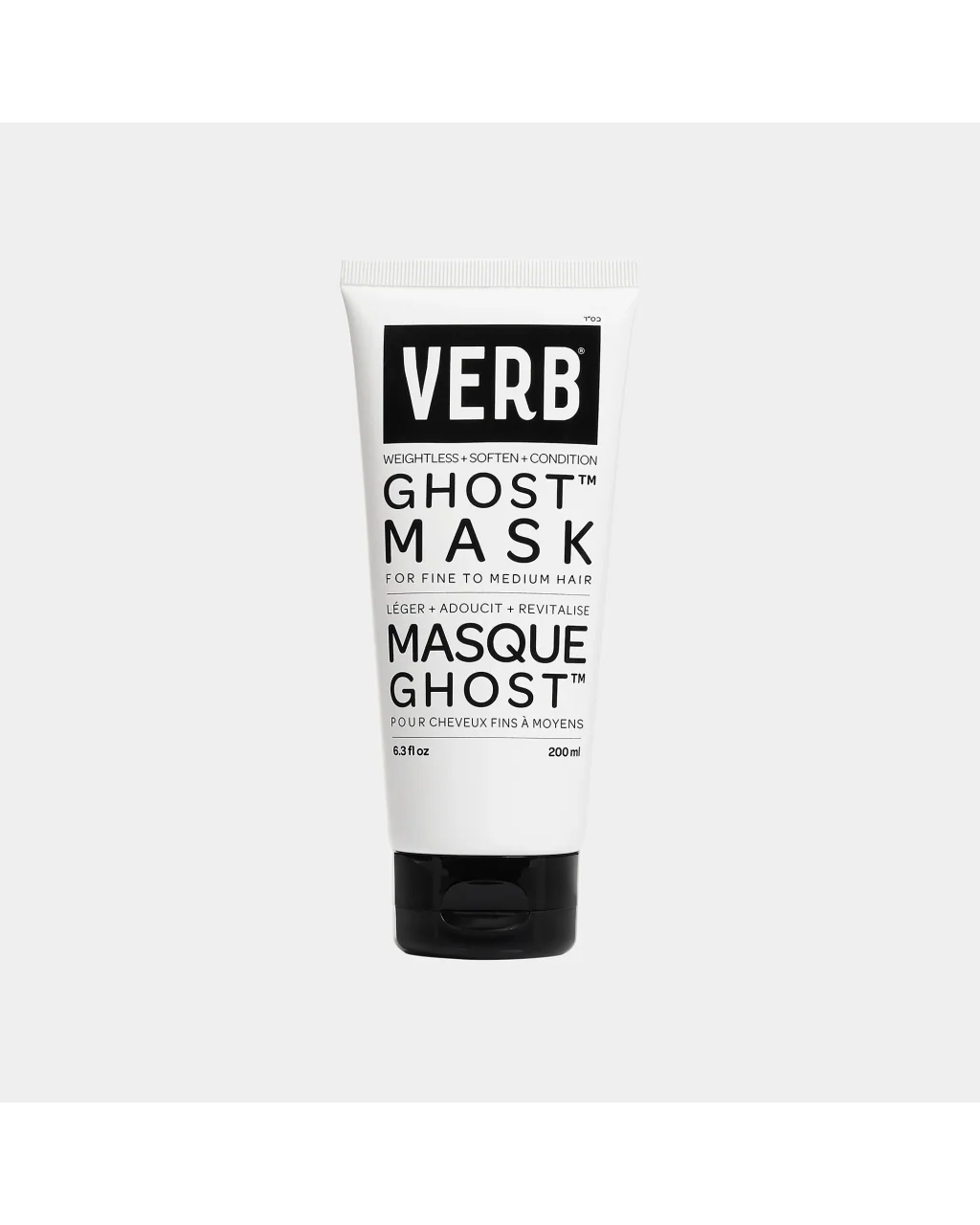
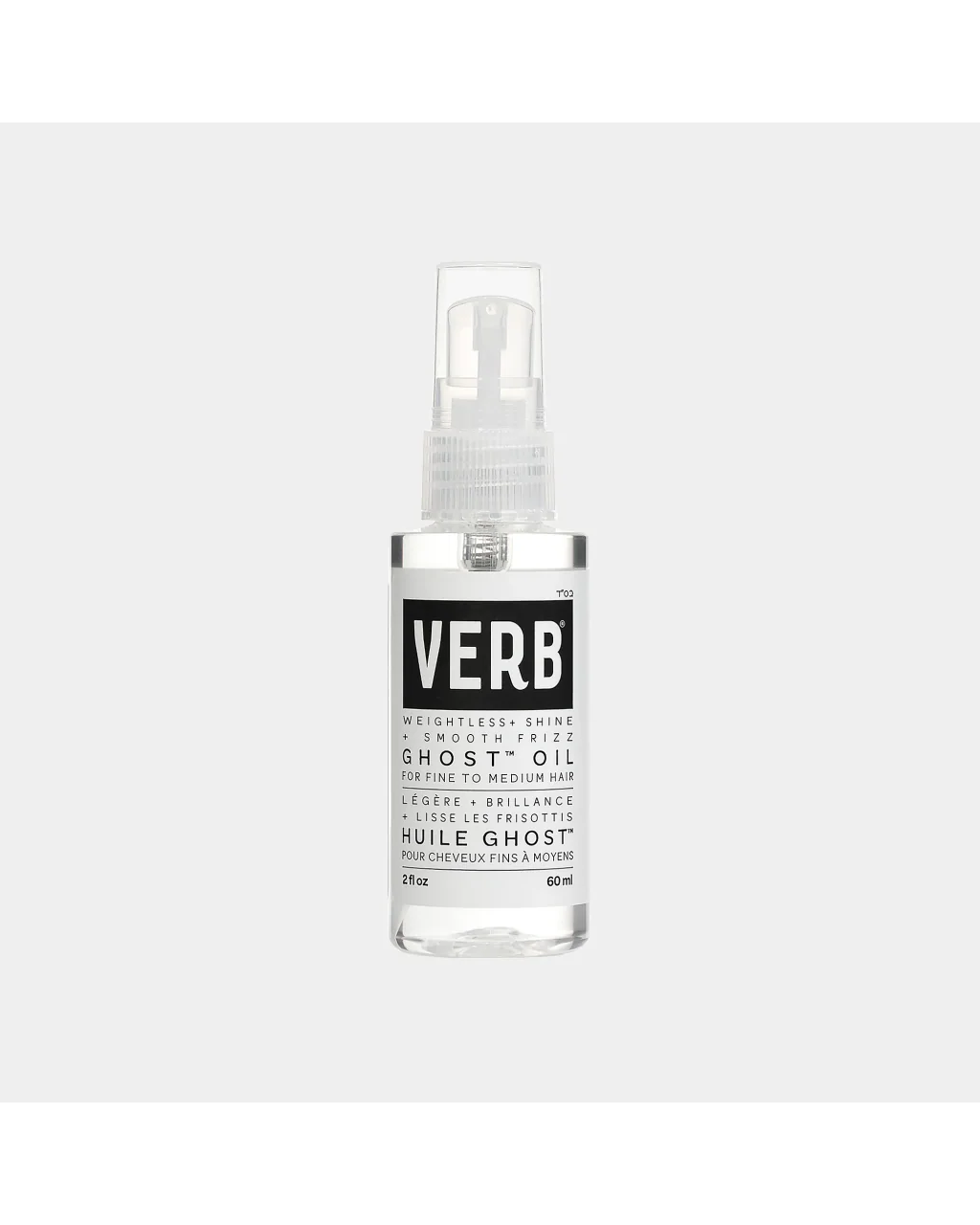
Best overall: Verb Ghost Mask
Verb's weightless weekly treatment (moringa oil, for fine-to-medium hair) — a light, fast-rinsing mask for fine hair that just wants to feel healthier without going flat. Best for: fine hair that's slightly dry or heat-styled but not badly damaged. Honest limitation: it's maintenance, not rescue — genuinely fried ends need a bond-builder or a trim, not a conditioning mask.
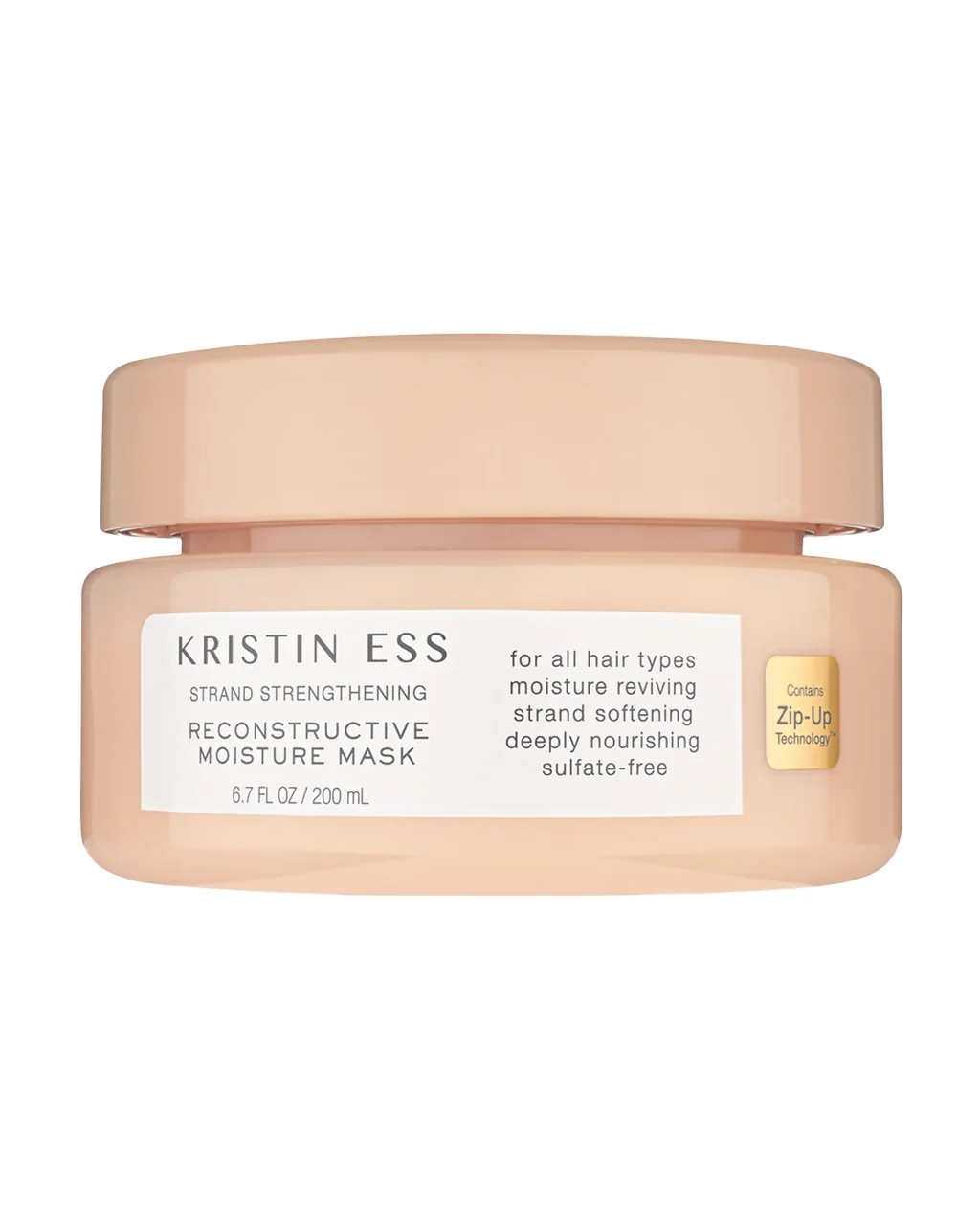
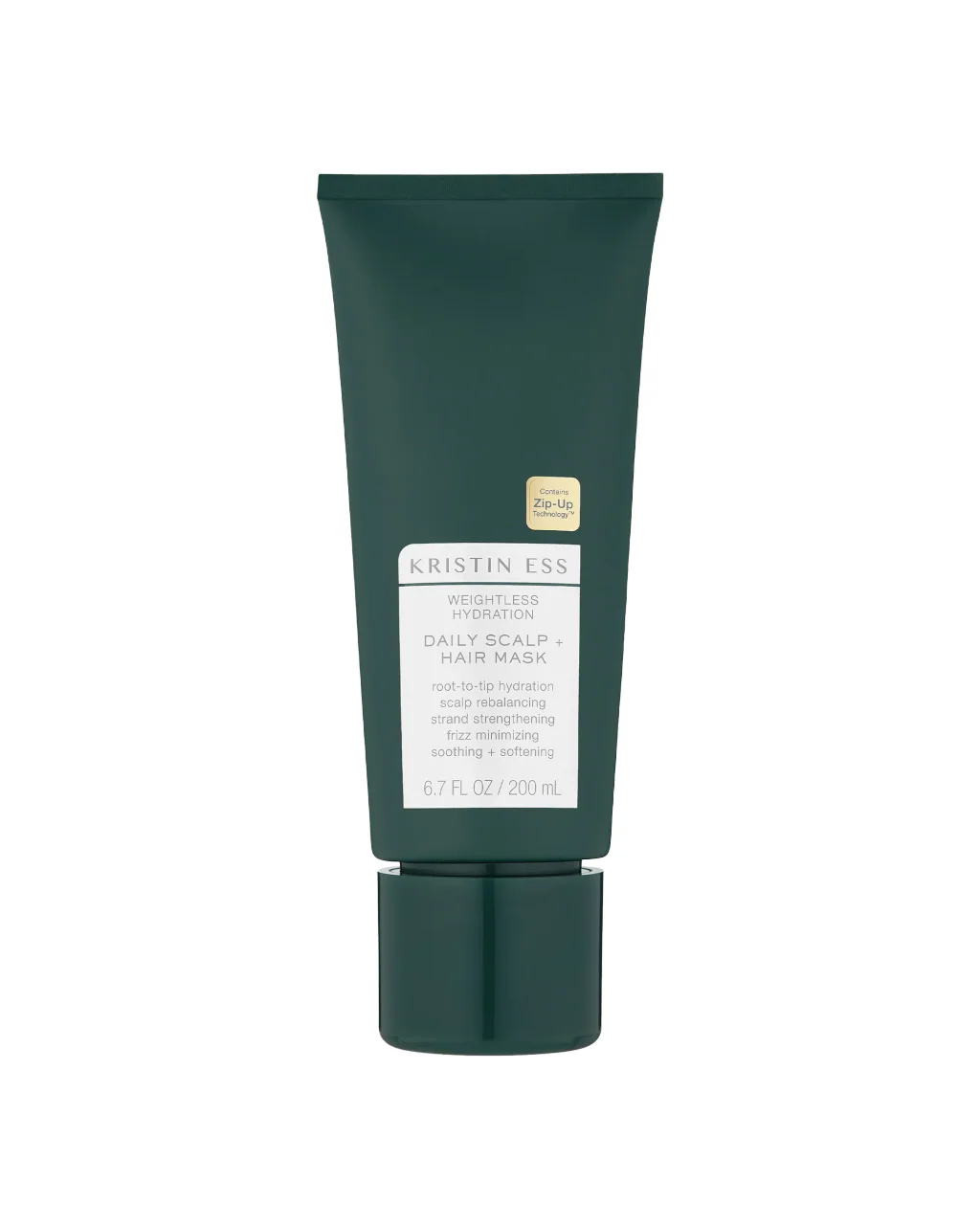
Best for strength: Kristin Ess Reconstructive Moisture Mask
A strengthening, "reconstructive" mask that reinforces weak, breaking fine hair while it softens — used in moderation, it firms up fragile strands without going heavy. Best for: fine hair that snaps, has split ends, or feels fragile after color. Honest limitation: strengthening overload is real on fine hair — use it every other week at most, and alternate with a lighter mask if your hair starts to feel stiff.
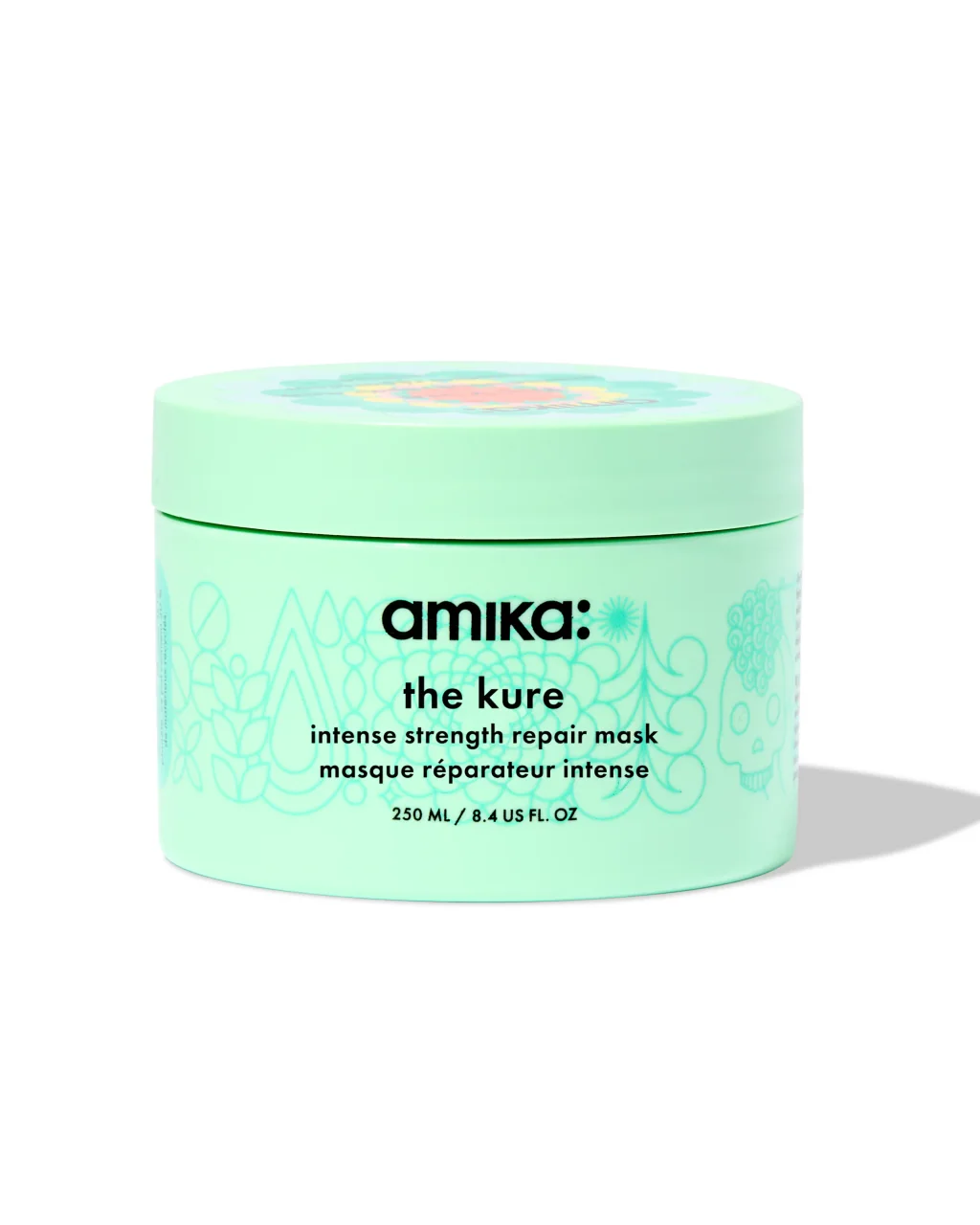
Best for damage: amika The Kure Intense Repair Mask
A strength-repair mask that reinforces the internal structure broken by bleach, color, and heat, working chemically rather than by depositing weight — a strong "repair" pick for fragile fine hair. Best for: color-treated, highlighted, or over-processed fine hair. Honest limitation: it repairs strength more than it moisturizes — pair it with a light conditioner, and it won't fix mechanical damage that only a trim can.
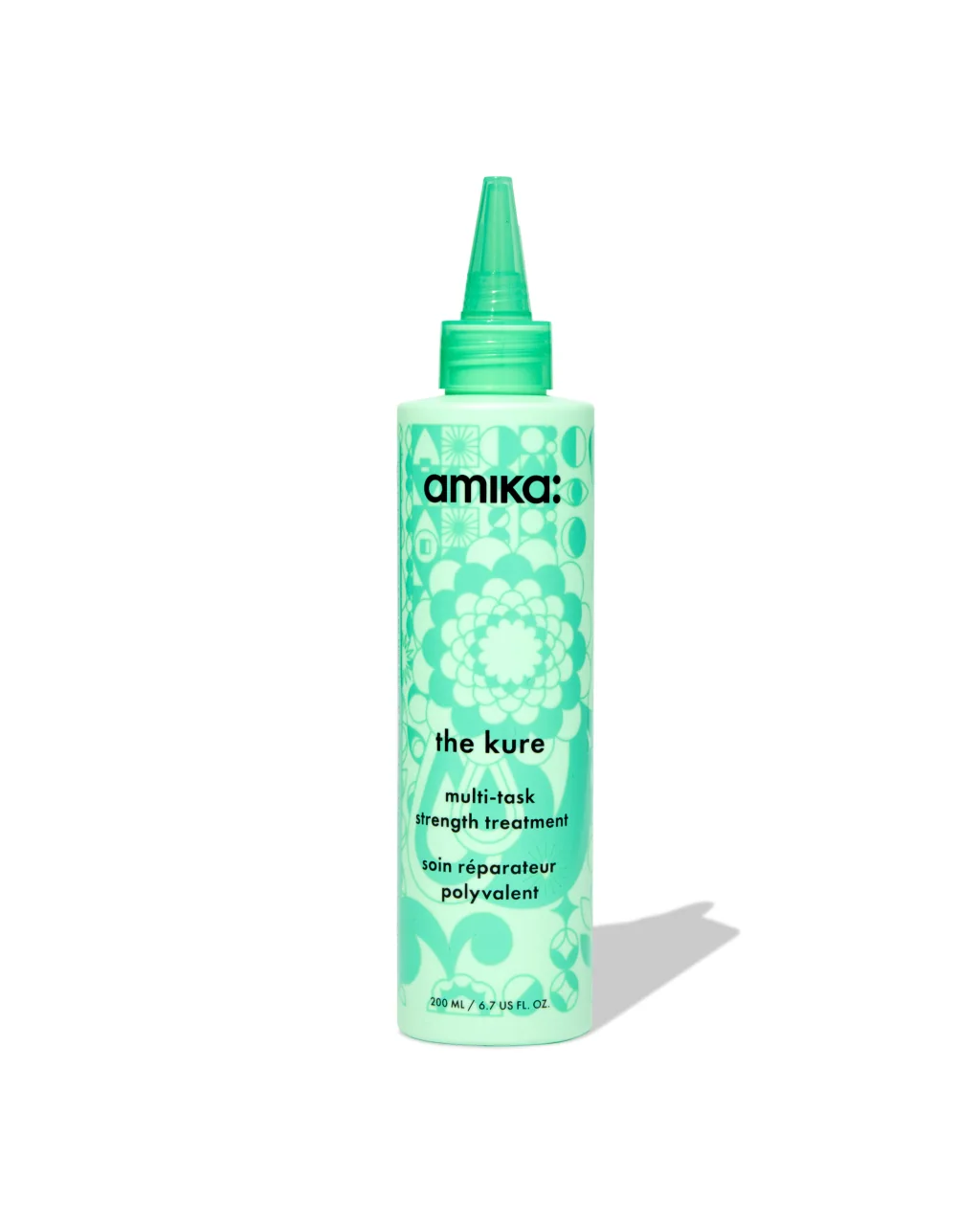
Best for color-treated fine hair: amika The Kure Multi-Task Treatment
A color-safe, 60-second repair treatment that strengthens and lightly conditions porous, colored fine hair without the heavy oils that dull and flatten it. Best for: balayaged, highlighted, or glossed fine hair that turns dry or brassy. Honest limitation: "color-safe" isn't "weightless" — apply to the ends only and rinse well, or the added conditioners will still drag fine roots down.
A whipped, weightless daily mask at a drugstore price (around $14) — light enough to use often, and a genuinely good way to test whether a mask helps your fine hair before investing more. Best for: building a fine-hair routine affordably. Honest limitation: it's light hydration, not deep repair — very damaged hair will still want the bond or strength picks above.
A weightless leave-in oil light enough to stay in without weighing fine hair down — a few drops smooth and protect the ends, and it doubles as an overnight treatment. Best for: fine hair that wants ongoing protection between washes, or an overnight treatment on the ends only. Honest limitation: keep it well away from the roots and use one or two drops; even a light oil becomes weight if you overapply.
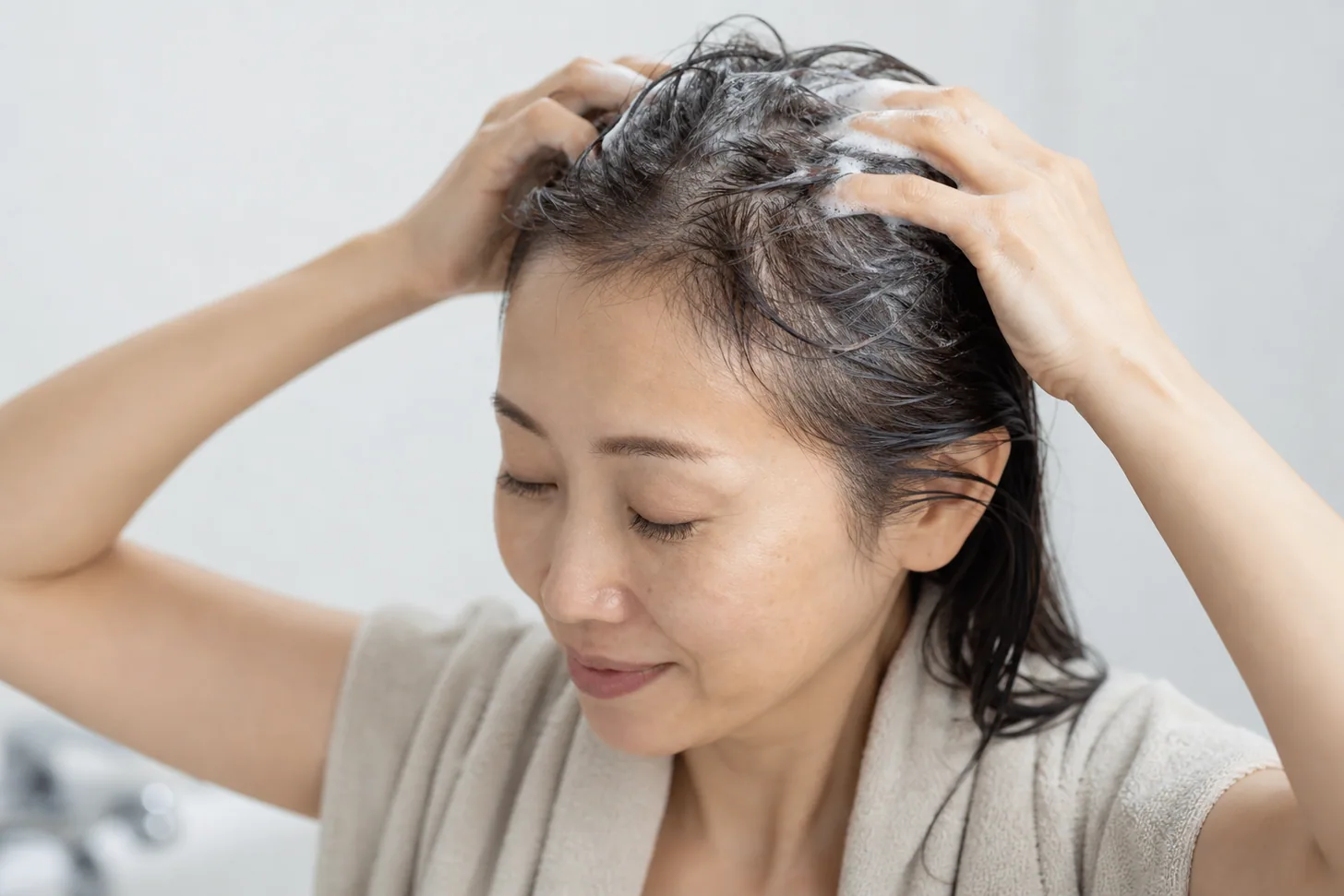
Technique is most of the result. Start on clean, towel-damp hair — a mask over buildup or heavy conditioner just adds weight, so the right shampoo for fine hair sets it up. Work a small amount through the mid-lengths and ends only, keeping it a hand's width away from the scalp.
Comb it through so it distributes evenly, leave it the recommended time — a warm towel or shower cap helps low-porosity fine hair absorb it — then rinse thoroughly until the hair feels clean, not slippery. Once a week is plenty for most fine hair; every other week for protein. Follow with your usual lightweight styling, and if you're building a full care routine, our guide to how often to wash fine hair puts masking in context.
When a mask isn't the answer
Your hair is limp and coated already. A mask on buildup compounds the weight — clarify first, then treat.
Your hair feels stiff and straw-like. That's likely protein overload — switch to light moisture and cut the protein masks for a few weeks.
Your ends are split and frayed. No mask mends a split; it only smooths it temporarily. The fix is a trim.
You're masking to fix flat roots. Masks live on the ends — root volume comes from the cut, the wash, and styling, not a deep conditioner. See how to add volume to fine hair.
FAQ
Yes — fine hair benefits from a mask, especially if it's colored or heat-styled, but the formula and placement matter enormously. Rich, buttery masks weigh fine hair down and flatten the roots; lightweight masks built around protein, bond-builders, or light humectants strengthen without the weight. Apply to the mid-lengths and ends only, never the scalp, and rinse thoroughly.
For most fine hair, once a week is plenty, and every two weeks is fine if your hair isn't damaged. Colored or heat-stressed fine hair can go weekly with a lightweight protein or bond mask. Overdoing it — especially with protein — makes fine hair stiff and can build up and flatten it, so more is not better. Watch how your hair responds and space it out if it feels weighed down.
It depends on the damage. If your fine hair is colored, heat-stressed, or breaking, a lightweight protein or bond-building mask reinforces it. If it's dry but not damaged, a light moisture mask with humectants like panthenol suits better. Many fine-haired people do best alternating — protein when it feels weak, moisture when it feels dry — because too much of either backfires on fine strands.
Because most masks are formulated rich — heavy with oils, butters, and conditioning agents built for thick or curly hair. On fine strands that weight sits on the surface and collapses the root. The fix is a lightweight mask applied only to the ends, kept off the scalp, and rinsed until the hair feels clean rather than coated. If it still flattens you, the formula is too heavy for fine hair.
Only if it's a lightweight, leave-in-style formula designed for it — a rich rinse-out mask left on overnight will over-condition fine hair and leave it limp and greasy. If you want an overnight treatment, choose a light leave-in mask, apply a small amount to the ends only, protect your pillow, and rinse or wash in the morning. For most fine hair, a 5–10 minute rinse-out in the shower is the safer, more effective option.
Mid-lengths to ends only — the oldest, most porous, most damage-prone part of the hair — and never the scalp or roots. The roots are where fine hair needs lift, and any conditioning weight there flattens it. Comb the mask through the ends, leave it the recommended time (a little warmth helps it absorb), then rinse thoroughly so nothing lingers to weigh the hair down.
Fourteen years in hair — eight behind the chair, six in editorial — with a focus on scalp health and the science of fine, flat-prone hair. Megan reviews product formulas the way she'd read a label for her own clients: weight first.
Results vary with hair type, density, and growth patterns. This guide is educational and not a substitute for an in-person consultation with a licensed stylist.
Get the good hair intel
One honest, stylist-written guide in your inbox each week. No hype.

 MH
MH