Reviewed by Tara Sullivan · Updated July 2026 · 8 min read
Fine hair does need conditioner. The myth that it should skip it comes from people slathering it on the roots, going flat, and drawing the wrong conclusion — the problem was never the product, it was where the product landed. So before the picks, the two numbers that decide whether any conditioner works on fine hair.
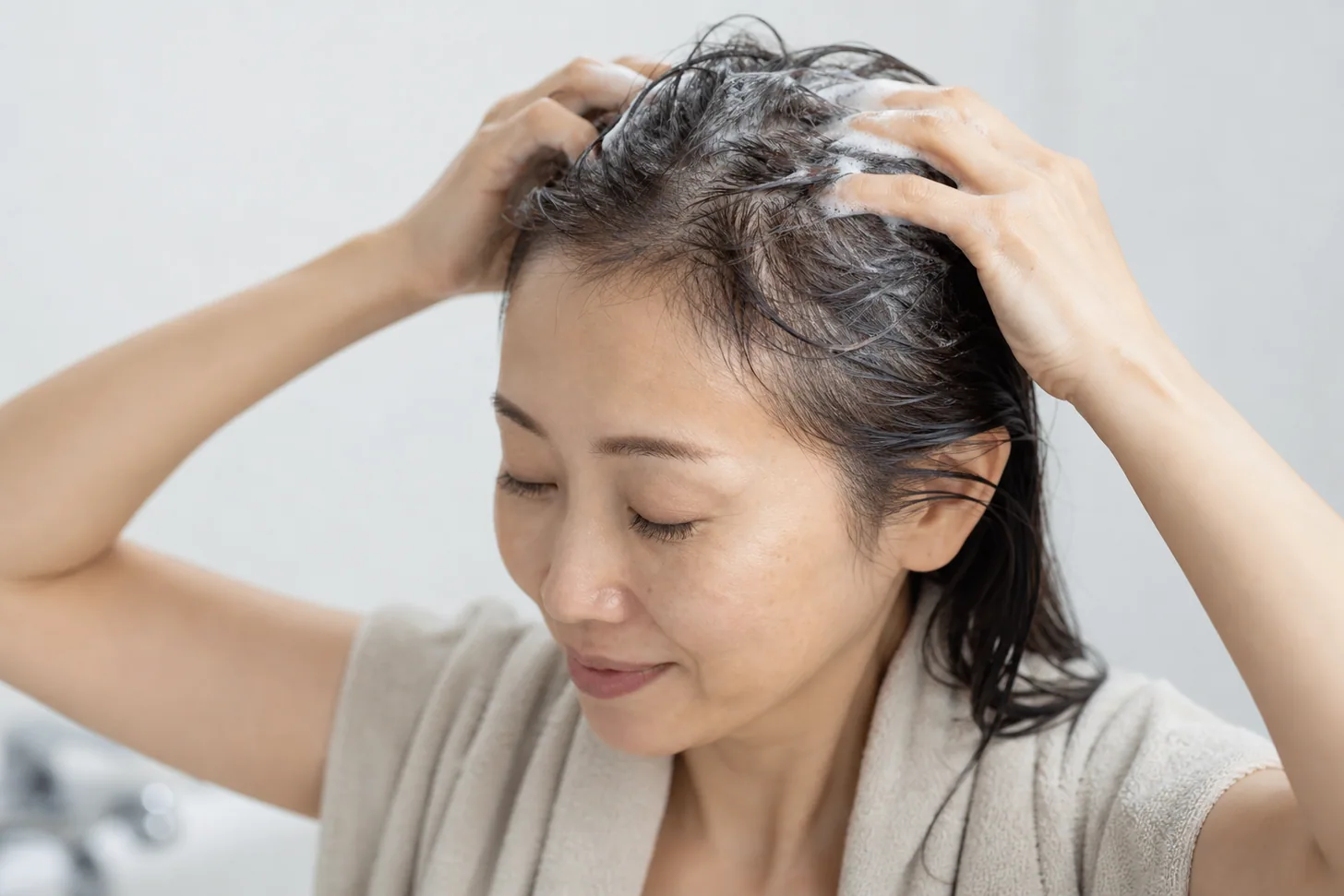
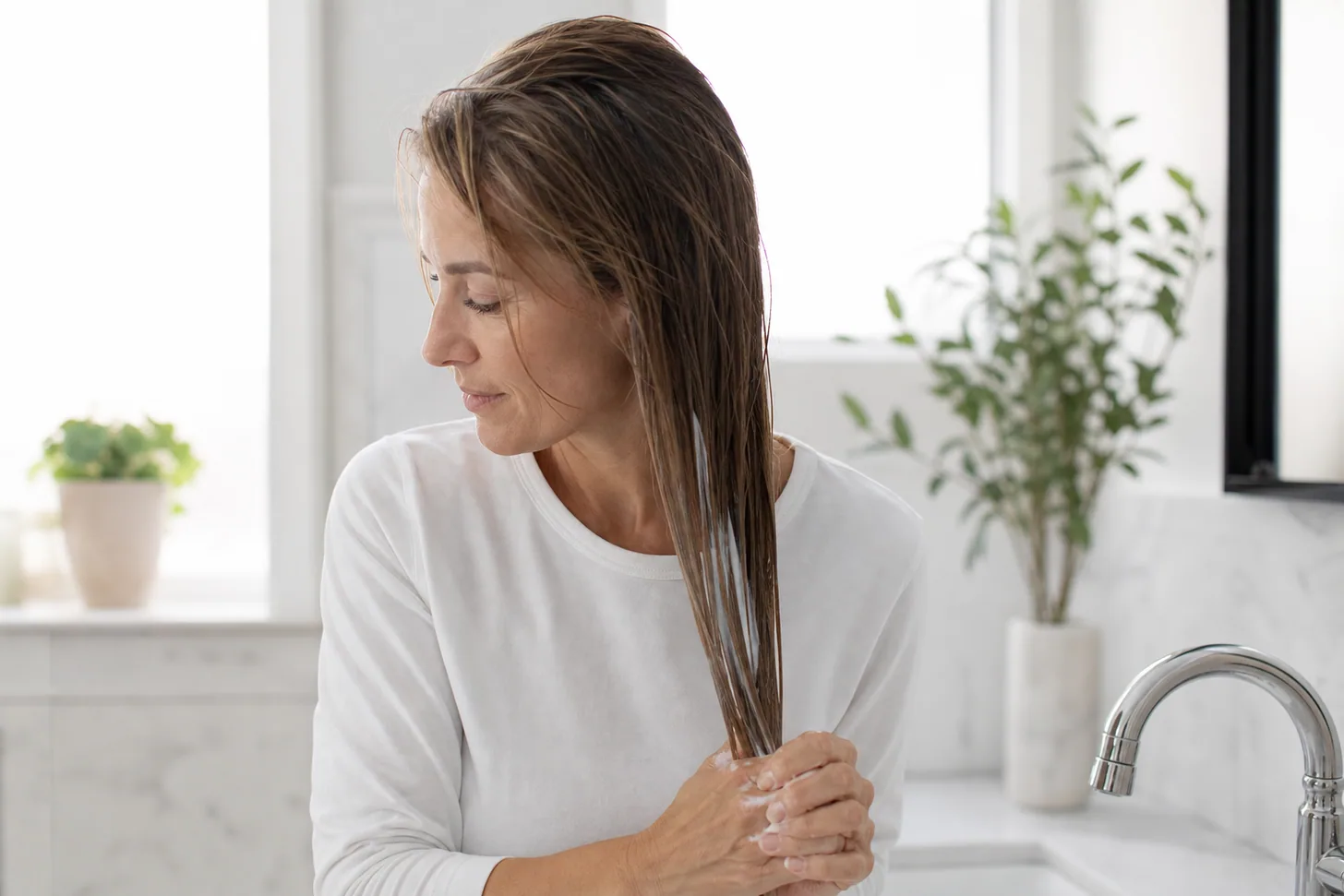
Where: start at the point where your hair leaves your head — roughly the bottom of your ear — and work down. Not the crown, not the temples, not "mostly the ends but a bit through the middle." A useful test in the shower is to tilt your head back and apply where you can see nothing; if you can feel it near the scalp, it is too high.
How much: about a fifth of what the bottle implies. Fine hair has less surface per strand to spread a dose across, so the same amount that vanishes into coarse hair sits visibly on fine hair as weight. A pea for a bob, a large coin for shoulder length.
Get those two right and a mediocre conditioner behaves well; get them wrong and the best conditioner on this page will still flatten you. Below are six picks by category — everyday volumizing, featherweight, protein-strengthening, color-safe, drugstore, and cleansing conditioner — each with who it suits and one honest limitation.
Every product here is chosen independently, on the merits — what genuinely suits fine, thin hair. Links go to each brand's official page, and we don't take payment for placement. Price tiers are rough guides because prices change.
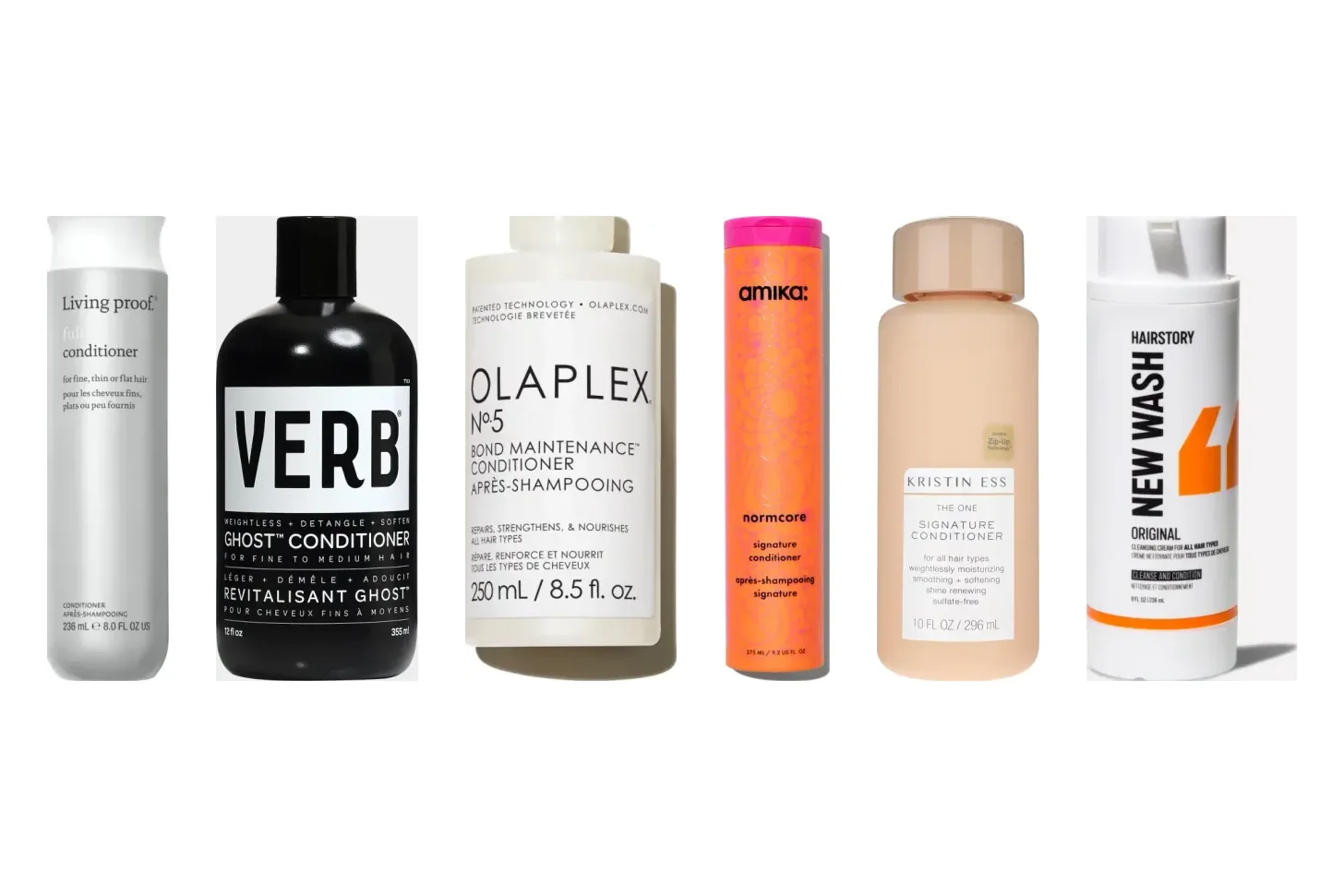
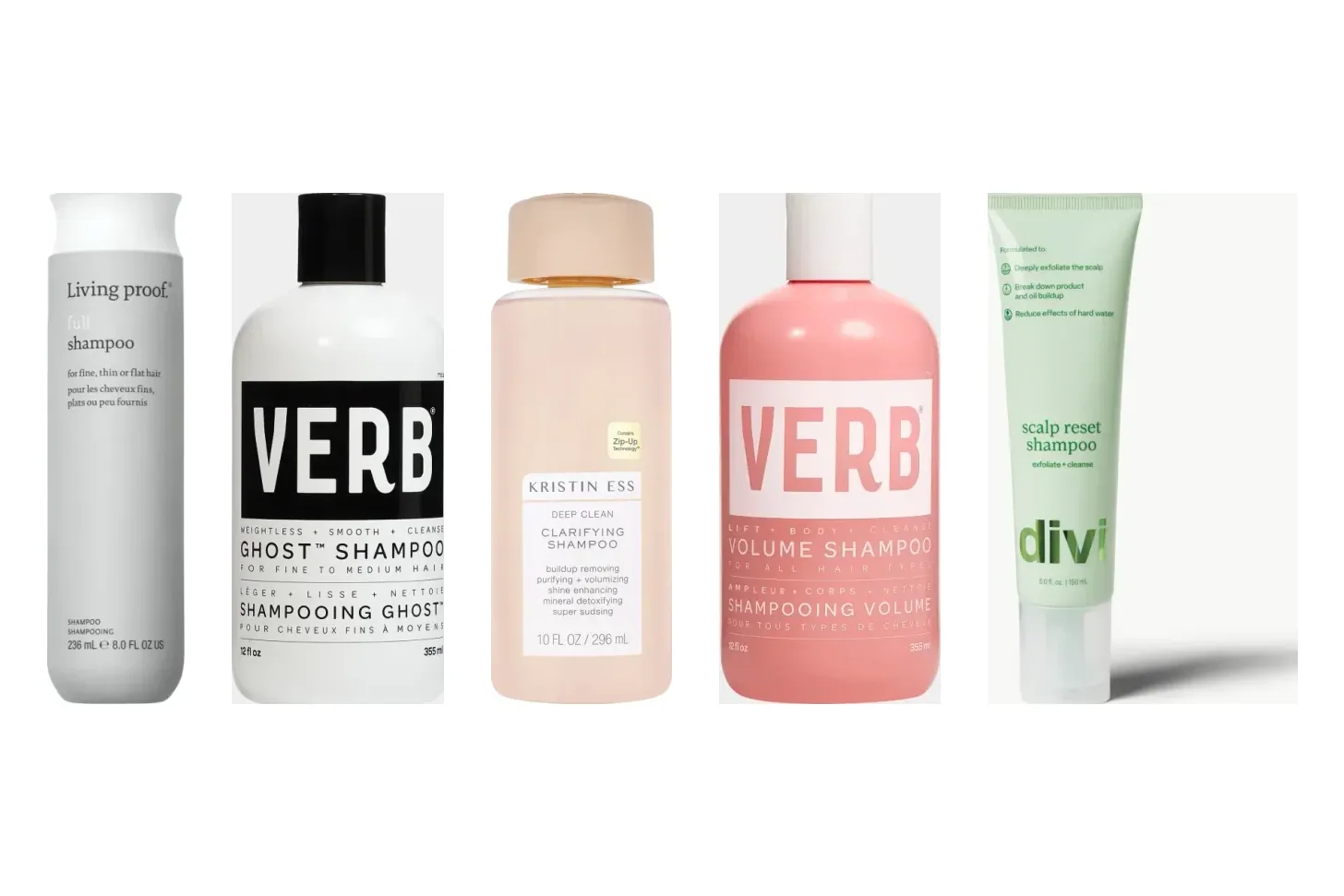
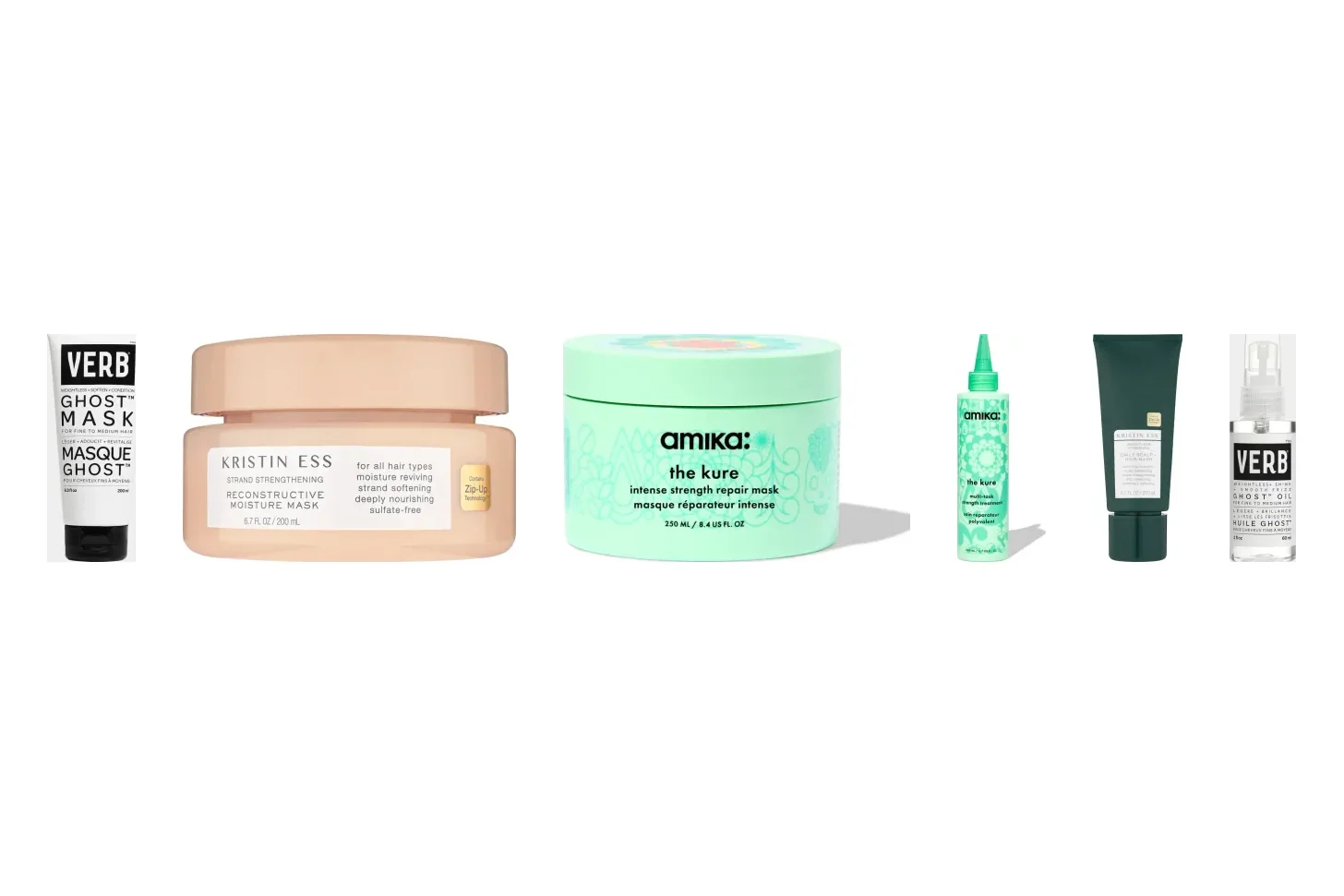
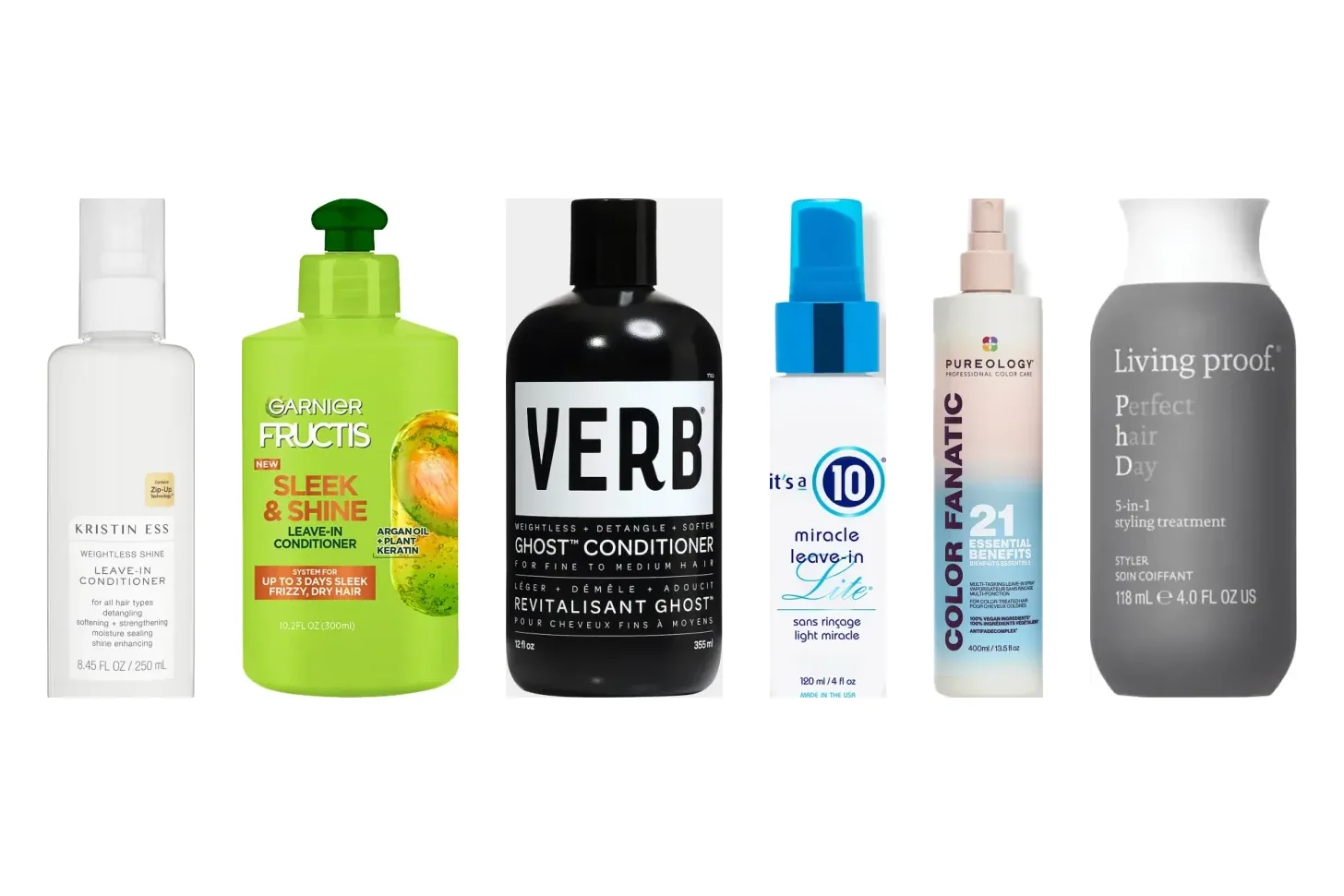
Our six picks. Product images courtesy of the brands.
Chair-side note
If I could fix one habit for fine-haired clients, it would be where the conditioner goes. So many wash their hair, then pull conditioner from scalp to ends out of instinct — and then wonder why their roots are flat by lunch. Conditioner belongs from the ears down, full stop. Your ends drink it up and your roots stay lifted. Half the "my fine hair has no volume" problem disappears the day you stop conditioning your scalp.
MH
— Megan Holloway, Editor-in-Chief
Why fine hair still needs the right conditioner
Skipping conditioner leaves fine ends dry, tangled, and prone to breakage — which makes hair look thinner, not fuller. The problem was never conditioner; it was heavy conditioner in the wrong place. Fine strands are narrow and weighed down by rich creams and oils, and conditioner on the roots is dead weight where you need lift.
A lightweight formula kept to the ends solves both: softness and slip where the hair is driest, nothing where it flattens. This pairs directly with choosing the right shampoo for fine hair and knowing how often to wash — the three together are the base of a fine-hair routine.
What to look for on the label
The helpful words are lightweight, volumizing, bodifying, and weightless. Light humectants (panthenol, glycerin) and light proteins add softness and strength without coating; a rinse-clean formula matters because residue is weight. Be wary of "deep moisture," "ultra-nourishing," "smoothing," and "curl" conditioners — all built to deposit richness — and heavy oils or butters high in the ingredient list.
If a conditioner feels thick and buttery in your hand, it's likely too heavy for fine hair. For genuinely dry or damaged ends, a targeted lightweight mask once a week does more than a rich daily conditioner.
The best conditioners for fine hair, by category
One honest pick per job. Match the category to your hair — everyday softness, ultra-light for baby-fine, strength for damage, or color protection. The matching shampoo question is on shampoo for fine color-treated hair, which has the placement rule that keeps a protective formula from flattening you.
1
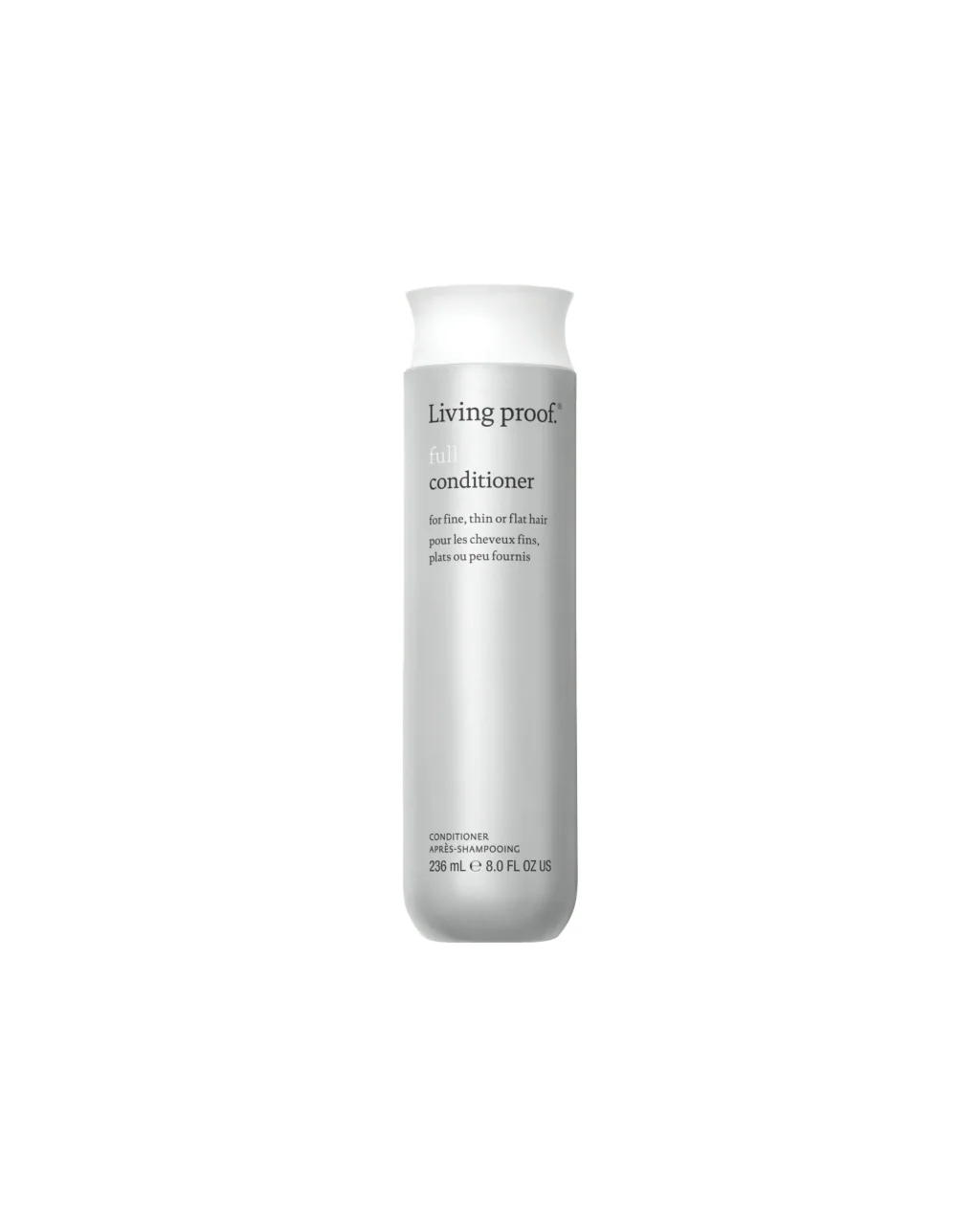
Best overall: Living Proof Full Conditioner
The daily workhorse — a silicone-free formula made for fine, thin or flat hair that detangles and softens the ends while keeping hair full and bouncy, with a clean rinse. Best for: most fine hair that wants soft, manageable ends without losing volume. Honest limitation: it's a premium price, and light conditioners give less slip — very tangle-prone or long fine hair may want a leave-in on top for extra detangling.
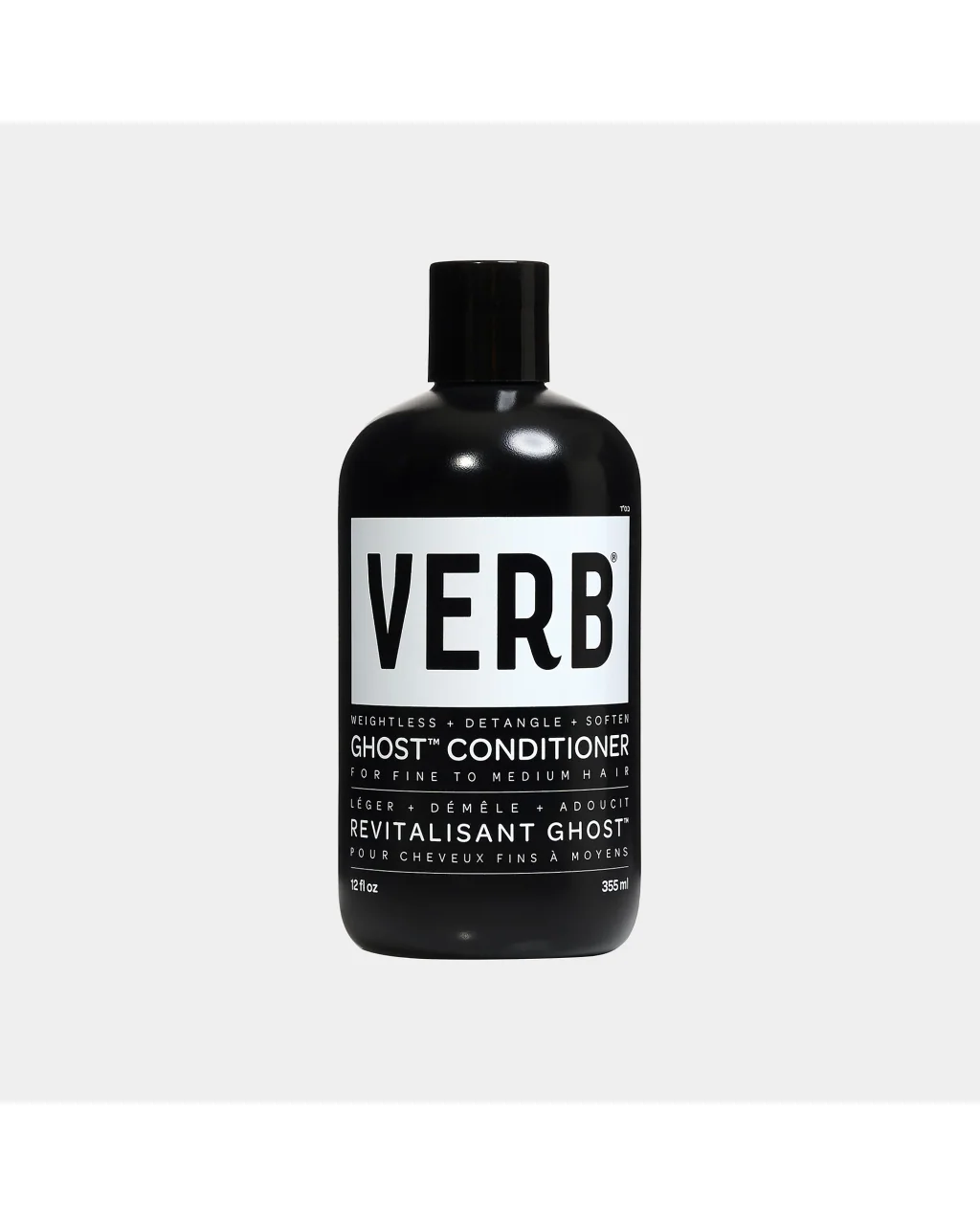
Verb's near-weightless conditioner (moringa oil, built for fine-to-medium hair) — light enough for hair so fine that even standard "volumizing" conditioner flattens it. Best for: baby-fine or very low-density hair that collapses easily. Honest limitation: minimal conditioning means it won't tame significant dryness or damage — pair it with a weekly light mask if your ends need more.
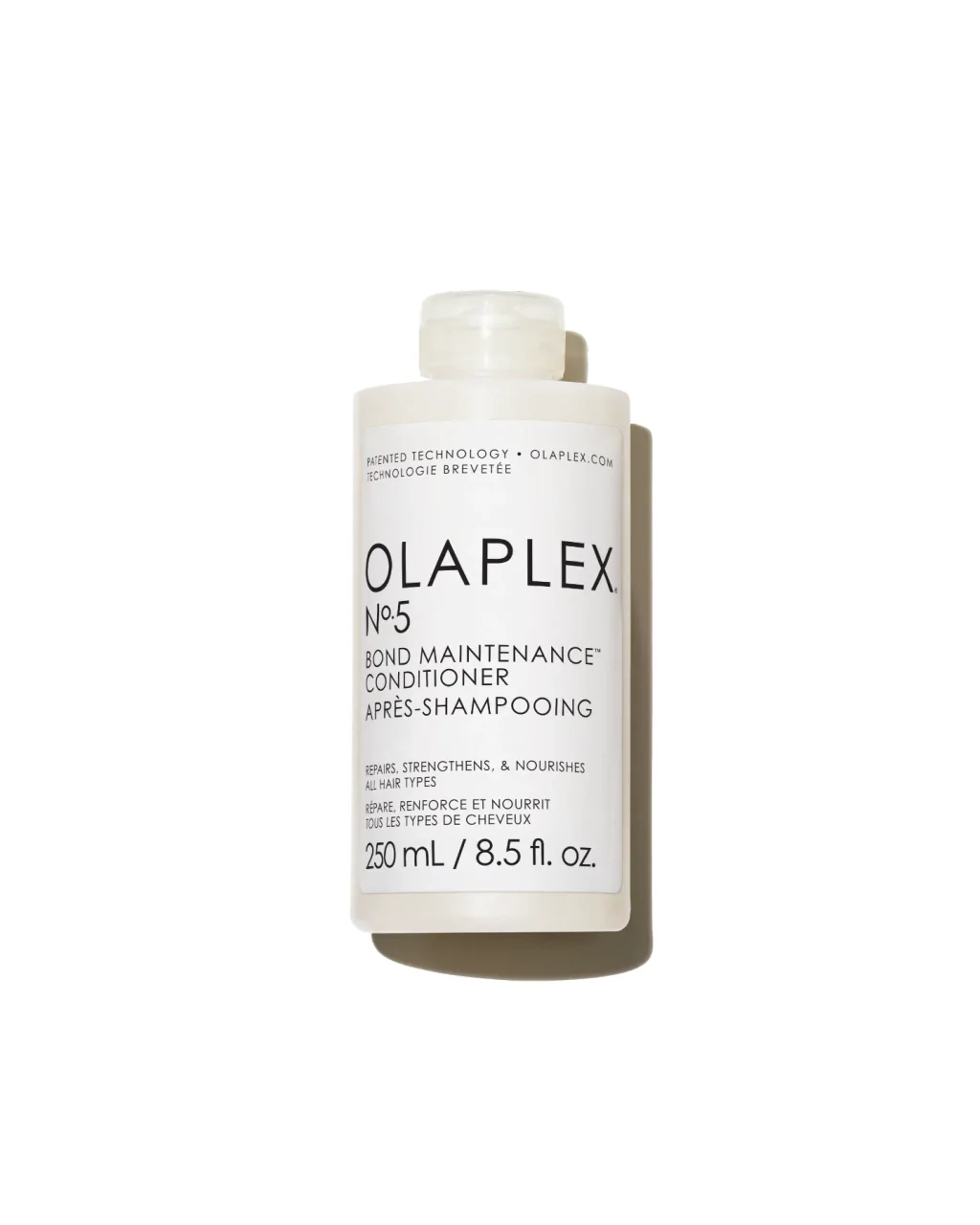
Best for strength: Olaplex No. 5 Bond Maintenance Conditioner
A bond-building conditioner that reinforces fragile, breaking, or color-weakened fine hair while it detangles — light enough to use daily without coating. Best for: fine hair that snaps or has damaged, over-processed ends. Honest limitation: it's a splurge, and bond repair is cumulative — you won't feel dramatic strength from a single wash, and it's a maintainer, not a miracle.
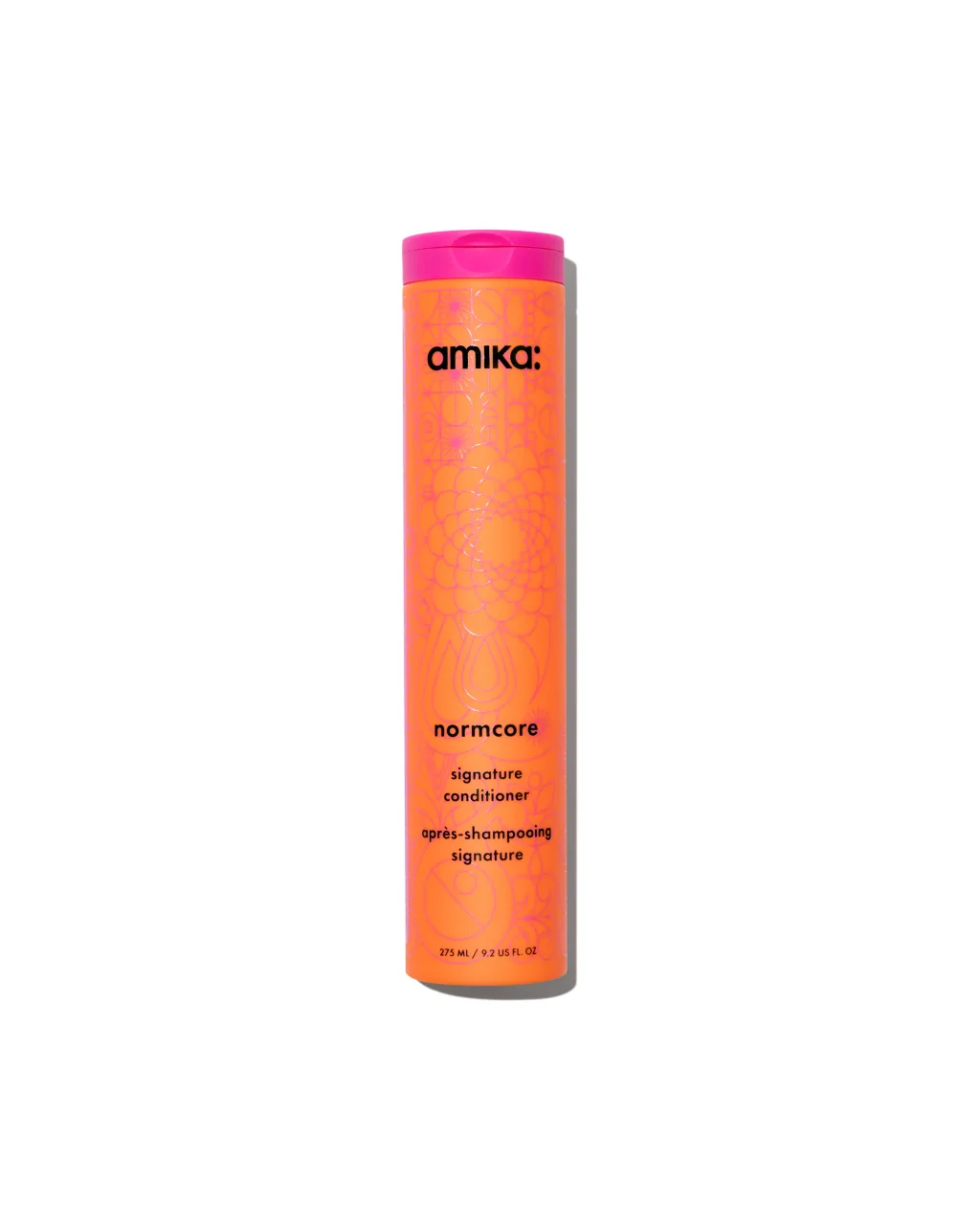
Best for color-treated fine hair: amika Normcore Signature Conditioner
A sulfate-free, vegan everyday conditioner that softens porous, colored fine hair without the heavy agents that dull and flatten it. Best for: highlighted, balayaged, or glossed fine hair. Honest limitation: "color-safe" doesn't mean weightless — keep it on the ends and rinse well, or the added conditioners still drag the roots down.
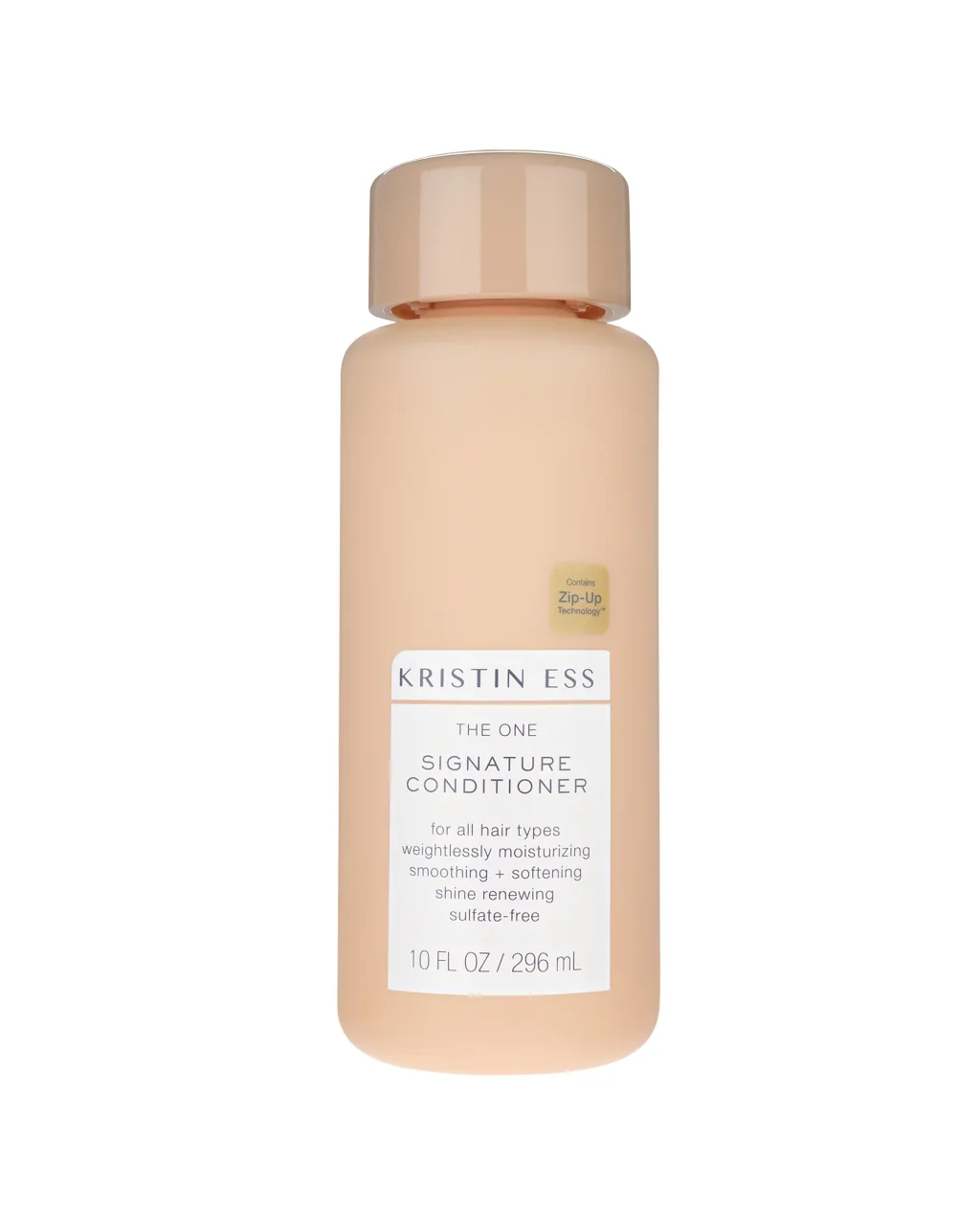
Best value: Kristin Ess The One Signature Conditioner
Salon-feel at a drugstore price (around $14) — a sulfate-free, lightweight conditioner that's genuinely strong value and easy to find at Target. Best for: building a fine-hair routine affordably. Honest limitation: it's a do-everything conditioner rather than a specialist — great all-rounder, but very damaged or baby-fine hair may prefer the strength or featherweight picks above.
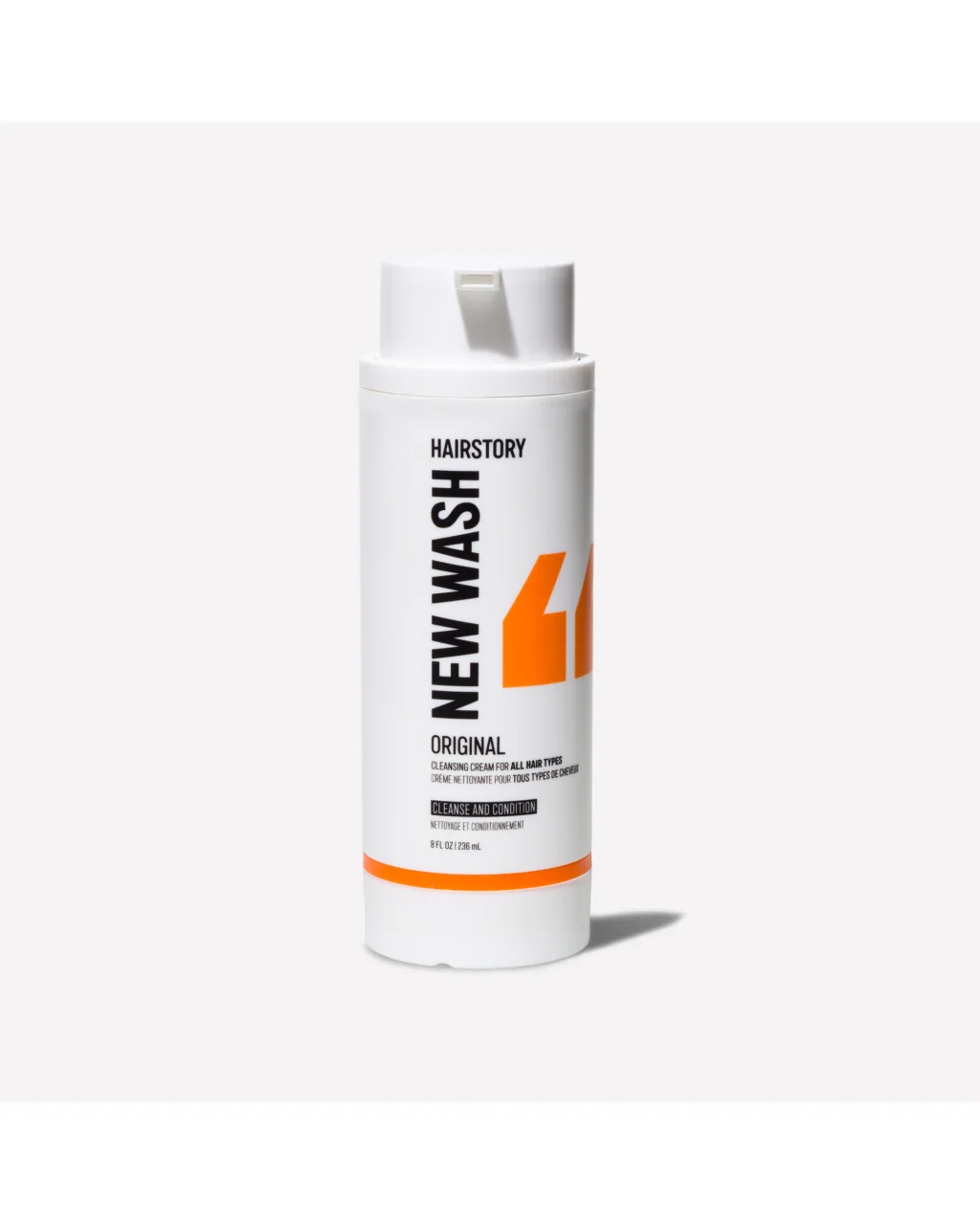
A detergent-free cleansing cream that cleanses and conditions in one gentle step — for fine hair that gets stripped or frizzy with regular shampoo, used on non-shampoo days. Best for: fine, slightly dry or sensitive-scalp hair between washes. Honest limitation: it's pricey, and co-washing can under-clean an oily fine-hair scalp — most fine hair still needs a proper lightweight shampoo for most washes — the gentlest of them are in shampoo for dry, fine hair.
The placement rule at the top of this page does most of the work, but it changes slightly if your fine hair is wavy: a wave needs more slip on the lengths than straight fine hair does, so you can be a little more generous below the ear — provided the cleanser above it is not also depositing. The two halves have to be planned together, which is what shampoo for fine wavy hair works through.
After shampooing the scalp, gently squeeze excess water from your hair, then apply a small amount of conditioner from the ears down, concentrating on the ends. Comb it through with your fingers or a wide-tooth comb so it distributes evenly, leave it a minute or two, then rinse thoroughly — with a cool final rinse to help the cuticle lie flat for shine.
Never let conditioner touch the scalp, and if your hair still feels limp, use less and keep it lower. For dry ends that need more, add a weekly lightweight mask rather than a heavier daily conditioner, and finish styling light, per how to style fine & thin hair.
Conditioner for thinning hair: what changes, and what does not
If your hair is thinning rather than simply fine — a widening part, a smaller ponytail over months, more scalp at the crown — the conditioner question gets asked with more urgency and deserves a plain answer. Nothing changes about placement: below the ears, small dose, rinse clean. What changes is the stakes of getting it wrong, because thinning hair has less of itself to carry any coating, so a conditioner that fine hair merely finds heavy will flatten thinning hair to the scalp.
The lightest pick on this page is the right default, and the bond-building option earns its place if the thinning is coming with breakage, since fewer snapped strands is the one contribution a conditioner can honestly make to how much hair you appear to have.
What no conditioner does is change density. "Thickening" and "volumizing" conditioners coat the strand so it feels fuller while styled, which is a fair styling aid and not a treatment; if the cause of the thinning has not been looked at, that is the appointment that matters, and fine hair or thinning? is the place to start.
Your roots go flat within hours of washing. The formula is too heavy or applied too high — go lighter and keep it on the ends.
Your hair feels coated or dull. Buildup from rich or silicone-heavy conditioner; clarify and switch to lightweight.
Your ends are still dry despite daily conditioning. Add a weekly light mask instead of a richer everyday conditioner.
Your hair feels stiff and straw-like. Possible protein overload — swap the protein conditioner for a plain lightweight one for a few weeks.
FAQ
Yes — fine hair still needs conditioner, especially on the ends, which get dry and tangle-prone like any hair. The myth that fine hair should skip conditioner comes from people applying it to the roots and going flat. The fix isn't skipping it; it's using a lightweight, volumizing formula and keeping it on the mid-lengths and ends only, never the scalp. Conditioned ends detangle, resist breakage, and look healthier.
Mid-lengths to ends only — from about ear level down — and never on the roots or scalp. The roots are where fine hair needs lift, and conditioner there is liquid weight that flattens it. The ends are the oldest, driest, most damage-prone part and are where conditioner does its real work. Apply, comb through, leave a minute or two, then rinse thoroughly so nothing lingers to weigh the hair down.
A lightweight, volumizing, or bodifying conditioner — one that detangles and softens without heavy oils, butters, or rich creams that coat and flatten fine strands. Look for light humectants like panthenol and glycerin, and light proteins for strength. Avoid deep-conditioning, ultra-moisturizing, or curl formulas, which are built to add weight. If your hair goes limp after conditioning, the formula is too heavy or you applied it too high.
Yes, if it's a lightweight spray or milk applied sparingly to the ends. Leave-in conditioner helps detangle, protect, and smooth fine ends between washes, and many double as heat protectants. The rule is the same as rinse-out: keep it off the roots and use a small amount, or it becomes weight. A light mist on damp ends before styling is usually all fine hair needs.
Two reasons: the formula is too rich, or you're applying it too close to the roots. Fine strands are coated and weighed down by conditioning agents that thicker hair barely notices, so a heavy conditioner — or any conditioner on the scalp — collapses the roots. Switch to a lightweight volumizing formula, keep it strictly on the mid-lengths and ends, and rinse thoroughly. That usually solves the flatness completely.
You can, but it's usually a compromise. A 2-in-1 conditions the whole head, including the roots, which tends to flatten fine hair, and it can't clean and condition as well as separate products used correctly. For fine hair, a lightweight shampoo at the scalp plus a light conditioner on the ends gives better volume and healthier ends. A 2-in-1 is a convenient travel option, not an everyday best.
There is no conditioner that treats thinning, but there is a right way to condition hair that is thinning. Use the lightest formula you can — an ultra-light or lightweight volumizing conditioner — from the ears down only, in a smaller dose than feels natural, and rinse it completely, because thinning hair has less of itself to carry any coating and flattens faster than fine hair alone. If the thinning comes with breakage, a bond-building conditioner on the lengths is worth adding, since fewer snapped strands is the one contribution a conditioner can honestly make. Products labelled thickening coat the strand to feel fuller while styled; they do not change density, and the cause of thinning belongs with a dermatologist.
A clean-rinsing volumizing shampoo used at the scalp and a lightweight conditioner used below the ears — and they do not have to be from the same brand. The pair works when neither product leaves a coating the other has to fight, and when the conditioner stays off the roots. Living Proof Full Shampoo and Full Conditioner are the matched set we recommend for most fine hair; Verb Ghost is the lighter pair for baby-fine or low-density hair. Our shampoo guide lays out a pairing for each of its five picks, with the reasoning for each.
Fourteen years in hair — eight behind the chair, six in editorial — with a focus on scalp health and the science of fine, flat-prone hair. Megan reviews product formulas the way she'd read a label for her own clients: weight first.
Results vary with hair type, density, and growth patterns. This guide is educational and not a substitute for an in-person consultation with a licensed stylist.
Get the good hair intel
One honest, stylist-written guide in your inbox each week. No hype.

 MH
MH