Reviewed by Tara Sullivan · Updated July 2026 · 10 min read
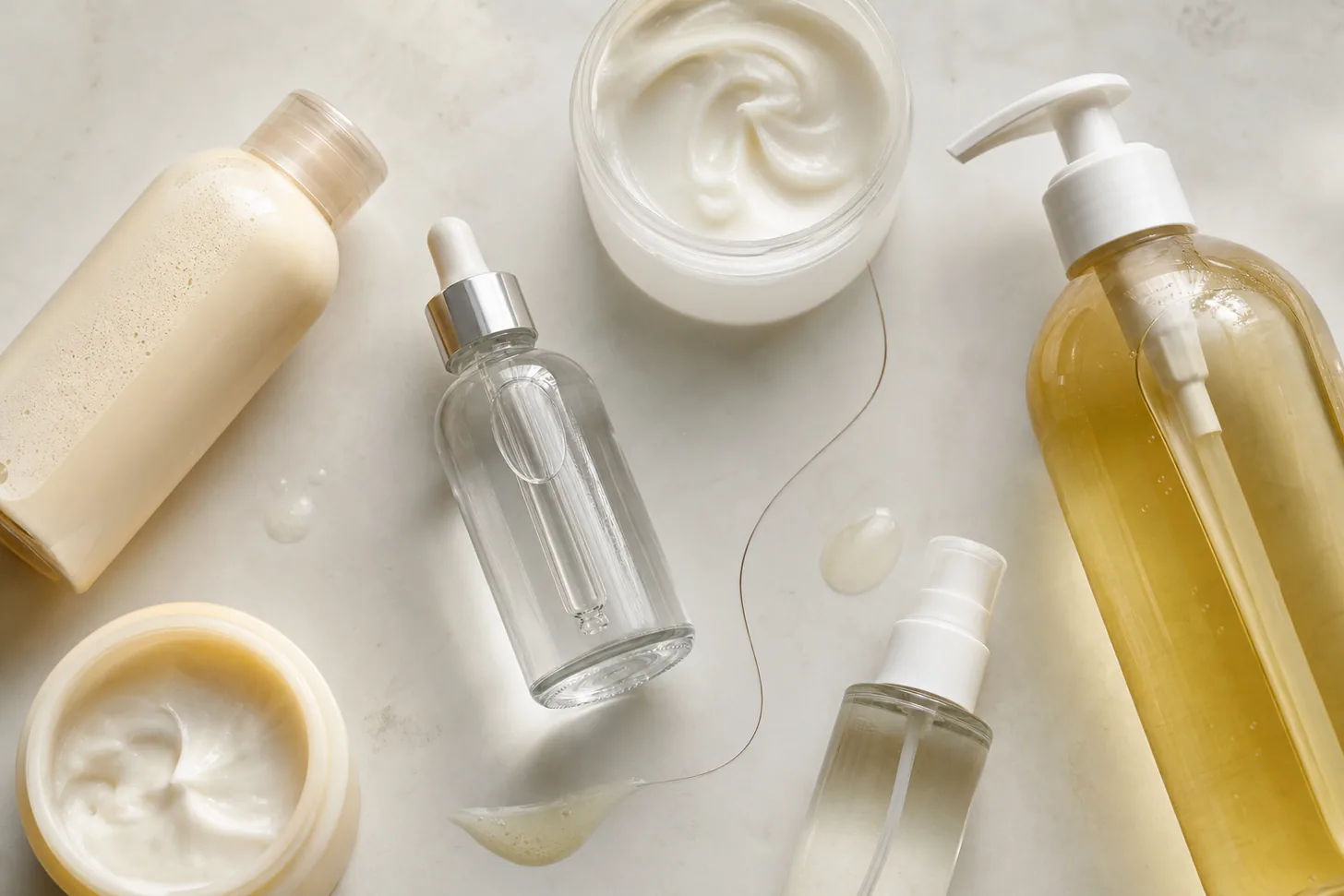
A fine hair care routine has one organizing rule: everything you put on fine hair is weight, and weight is the enemy — so every product must earn its place. The routine itself is five steps: wash light and often, condition from the ears down, treat only what needs treating, protect before heat, and style at the roots.
That's it. This page is the honest version of each step — what fine hair actually needs, what it can skip, and where the beauty industry's default advice (written for thick, dry hair) quietly works against you.
Chair-side note
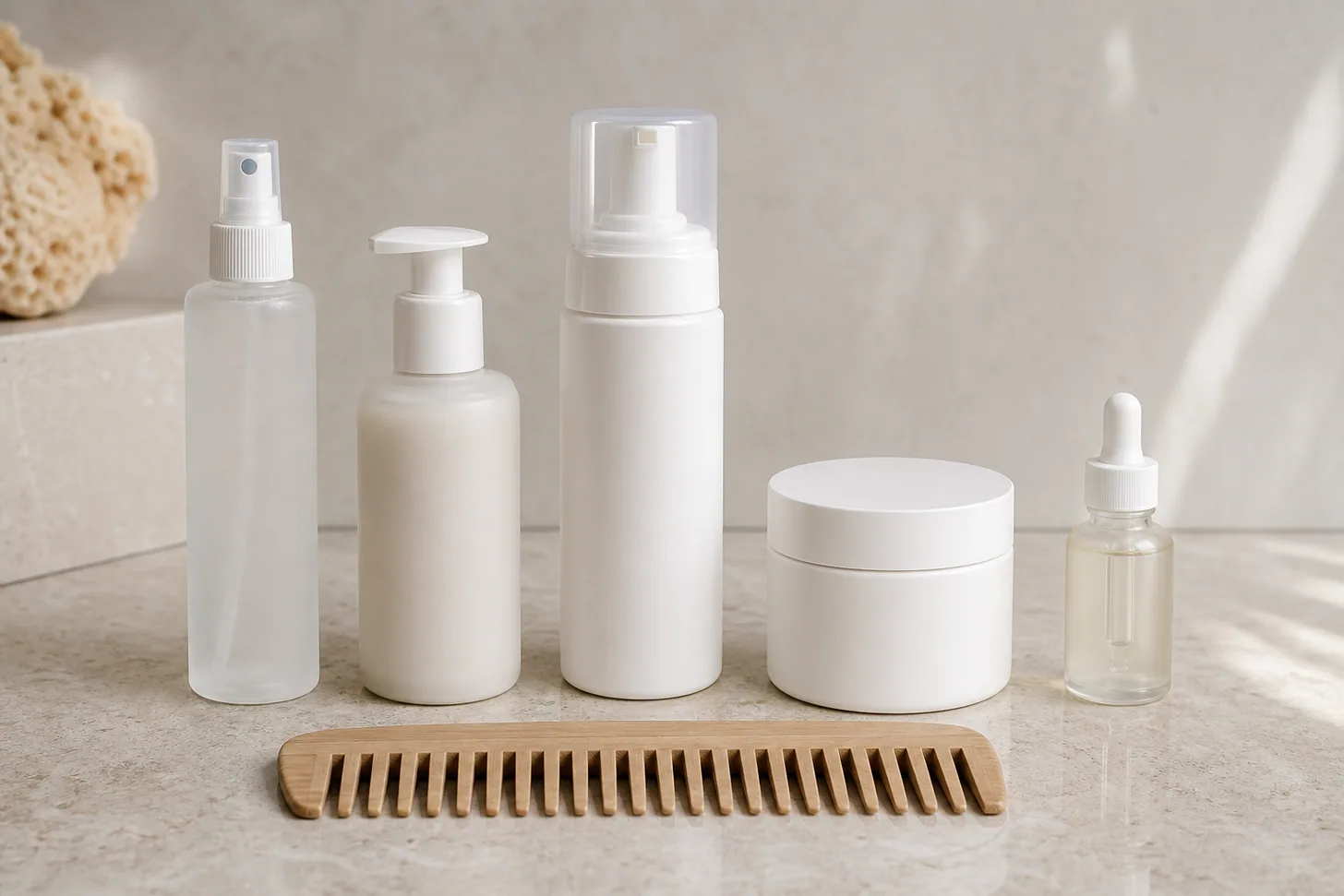
The most common fine-hair routine I audit isn't neglectful — it's overbuilt. Somewhere along the way, "taking care of your hair" came to mean applying more things to it, and every one of those things was formulated and marketed for hair with twice the diameter. My rule for clients: your routine should fit on one small shelf, you should be able to say what each product is for, and if you can't name the problem a product solves, it's solving the brand's problem, not yours.
MH
— Megan Holloway, Editor-in-Chief
Start by knowing what you're caring for
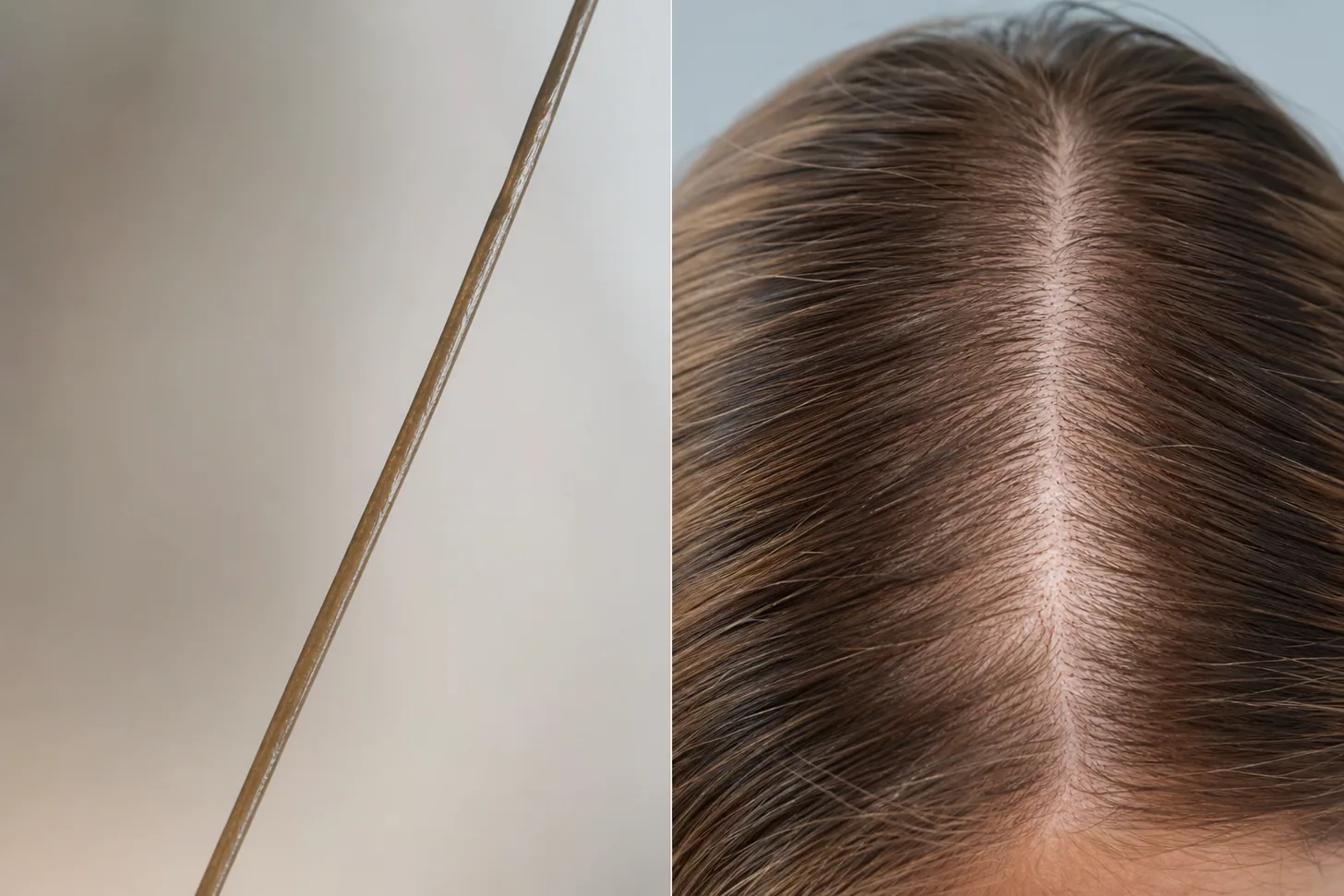
Fine hair means each strand is narrow in diameter; thin hair means fewer strands per square inch. They're different conditions with different care priorities — fine hair's battle is weight and limpness, thin hair's is coverage — and most people on this page have some mix of both.
Take two minutes with fine vs thin: what you actually have if you haven't already; it changes which advice below you should weight most. And one more variable worth knowing: your hair's porosity decides how quickly products absorb versus sit on the surface, which is why the same conditioner can be fine on your friend and a flattening film on you.
Step 1 — Wash: light, scalp-focused, and probably more often than you've been told
The "train your hair to be washed less" advice that dominates the internet was written for thick, dry, coarse hair. Fine hair runs the opposite way: more follicles per inch of scalp means more oil production feeding less hair mass, so oil shows fast — and oil at the root is weight where fine hair can least afford it.
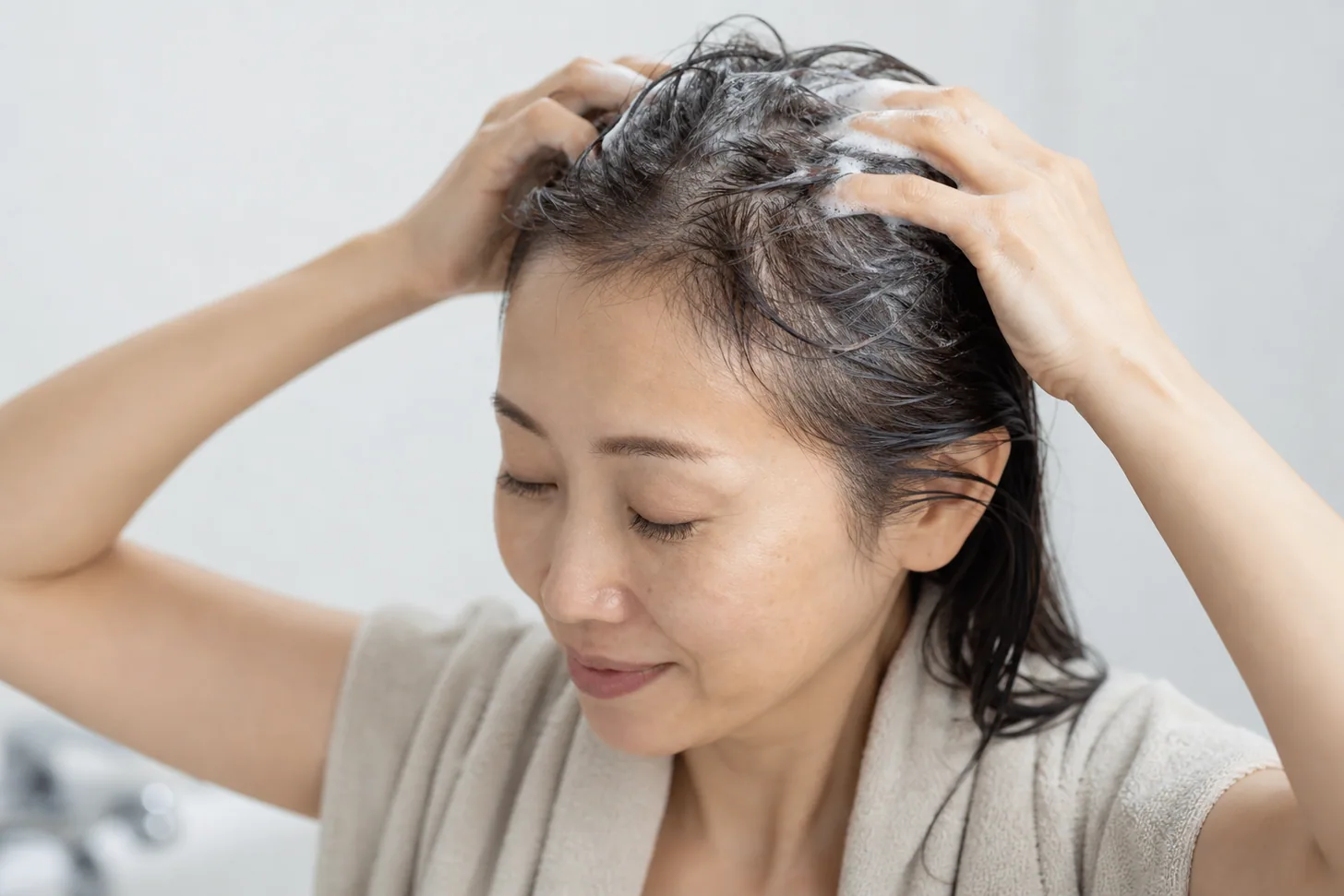
For most fine hair, every one to two days is the honest rhythm, done with a lightweight shampoo massaged into the scalp (the lengths get cleaned by the rinse-down; they don't need direct scrubbing). The full reasoning, including when stretching to day three does work, is in how often to wash fine hair.
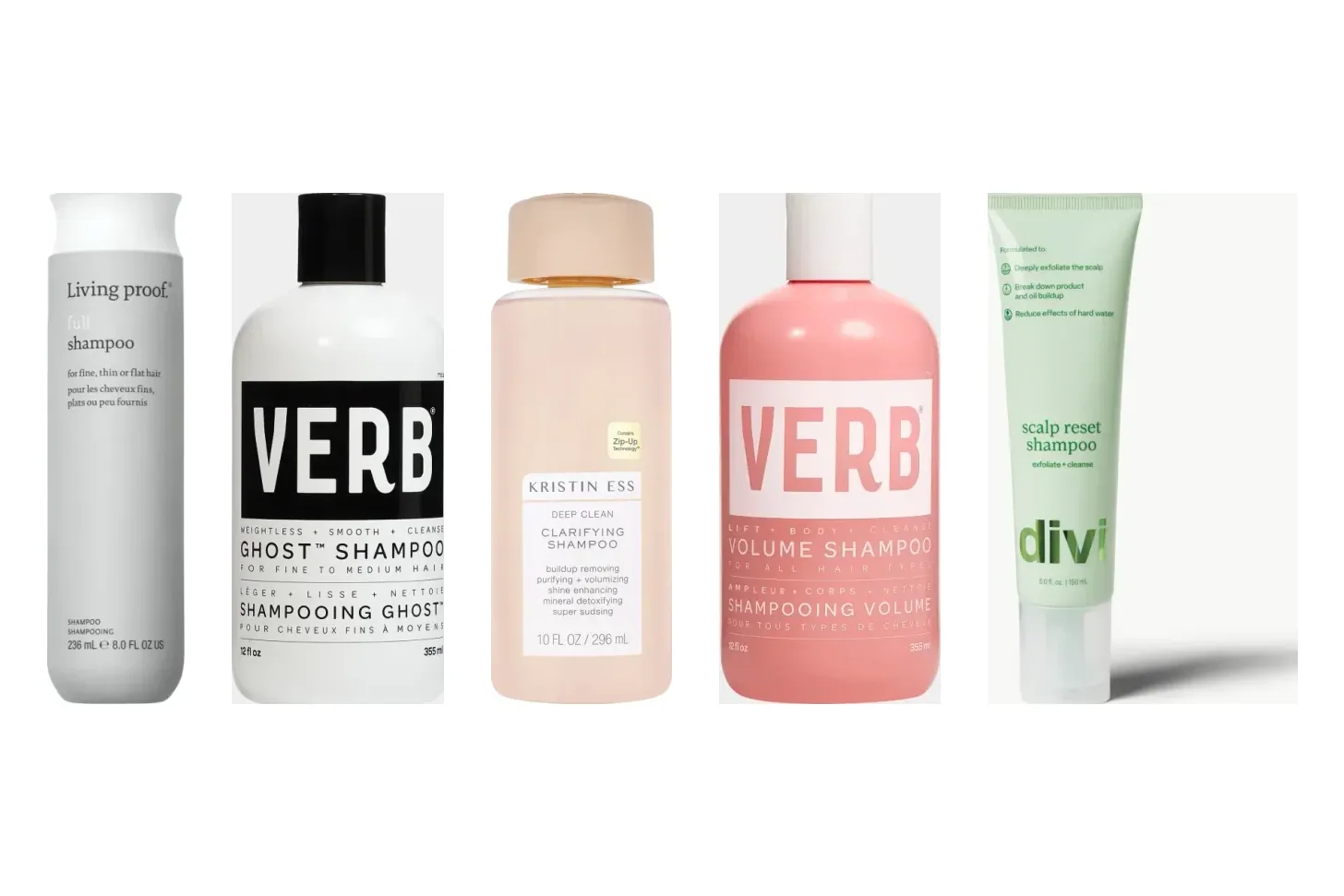
Two additions worth their place: a clarifying wash every 2–4 weeks to strip the film that light daily shampoos leave behind (hard-water homes need it more), and real attention to the shampoo itself — it's the one product that touches your roots every wash, which is why it's the highest-leverage bottle you own.
Step 2 — Condition: from the ears down, every wash
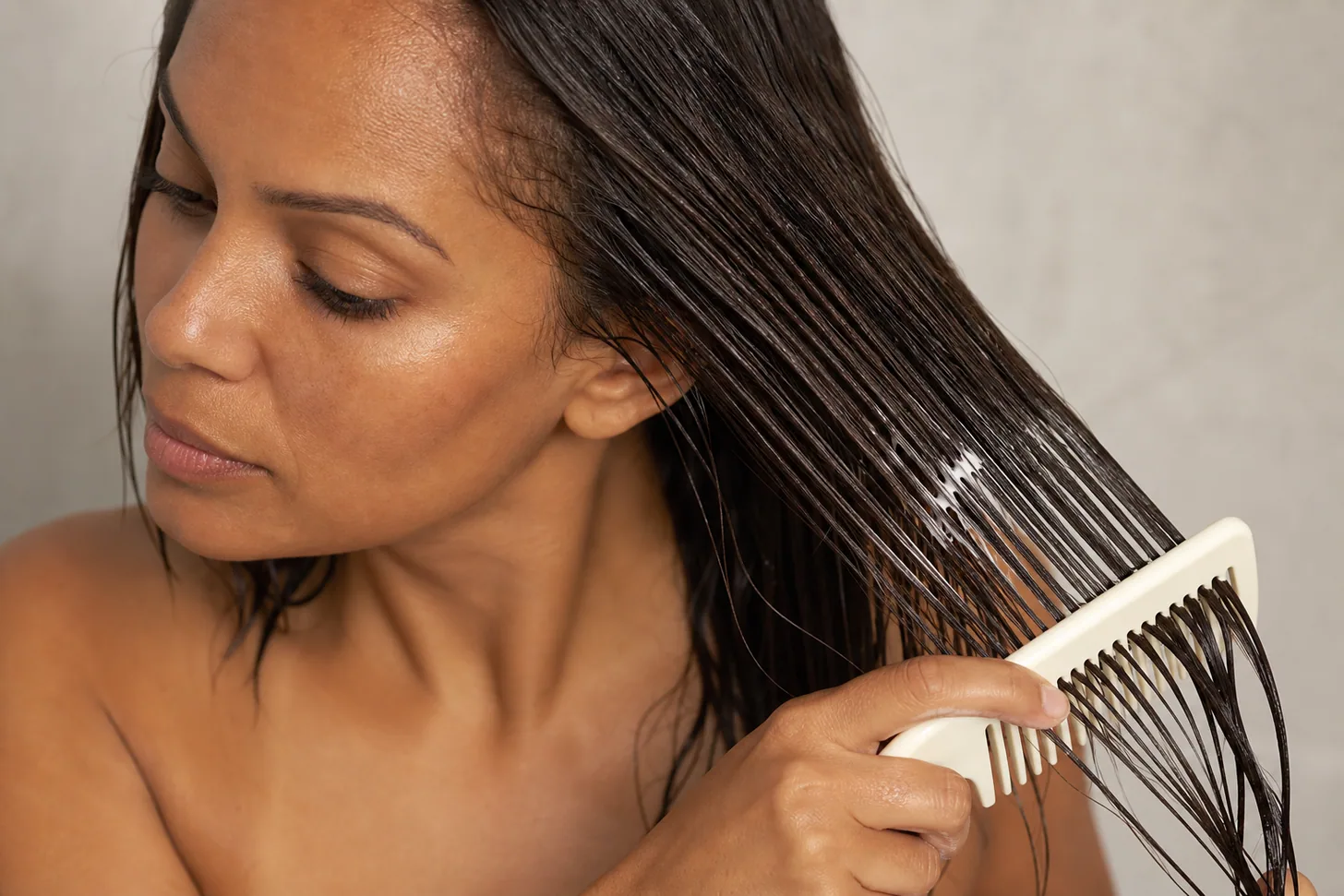
Fine hair needs conditioner — wet fine hair tangles, and tangles snap narrow strands — but it needs it relocated. The rule is ears down: apply a lightweight conditioner to the mid-lengths and ends, comb it through with fingers or a wide-tooth comb, rinse thoroughly.
The roots never see it. Leaving conditioner "to soak" doesn't deepen the effect on a low-porosity fine strand; it just rinses worse. If your ends still feel rough after this, upgrade the formula, not the quantity — the conditioners that actually suit fine hair are the ones that rinse clean.
Step 3 — Treat: weekly at most, and only what needs it
Masks and treatments are where fine-hair routines most often go wrong, because the instinct — "my hair is delicate, it needs nourishment" — leads straight to the heaviest products in the store. The honest version: fine hair that's heat-styled, colored, or long enough to have year-old ends benefits from one light treatment a week, applied ears-down like conditioner.
Fine hair that's short, uncolored, and rarely heated can skip masks entirely and lose nothing. Choose emulsified, lightweight formulas over oil-heavy ones — the specific ingredients that repair versus merely coat are broken down in the ingredient guide, and our mask picks by hair situation are in best hair masks for fine hair.
Step 4 — Protect: before every heat session, no exceptions
A fine strand has less cortex than a thick one, so the same 350° pass costs it proportionally more — and heat damage on fine hair shows up as exactly the wispy, transparent ends that read as thinness.
The routine is one step: a weightless heat protectant misted over mid-lengths and ends, combed through, before the dryer or iron touches the hair. It's the cheapest insurance in the whole routine. Keep iron temperatures in the 280–330°F range fine hair actually needs, and pick a mist-weight formula from our heat protectant guide rather than a rich cream.
Step 5 — Style: at the roots, with one or two light products
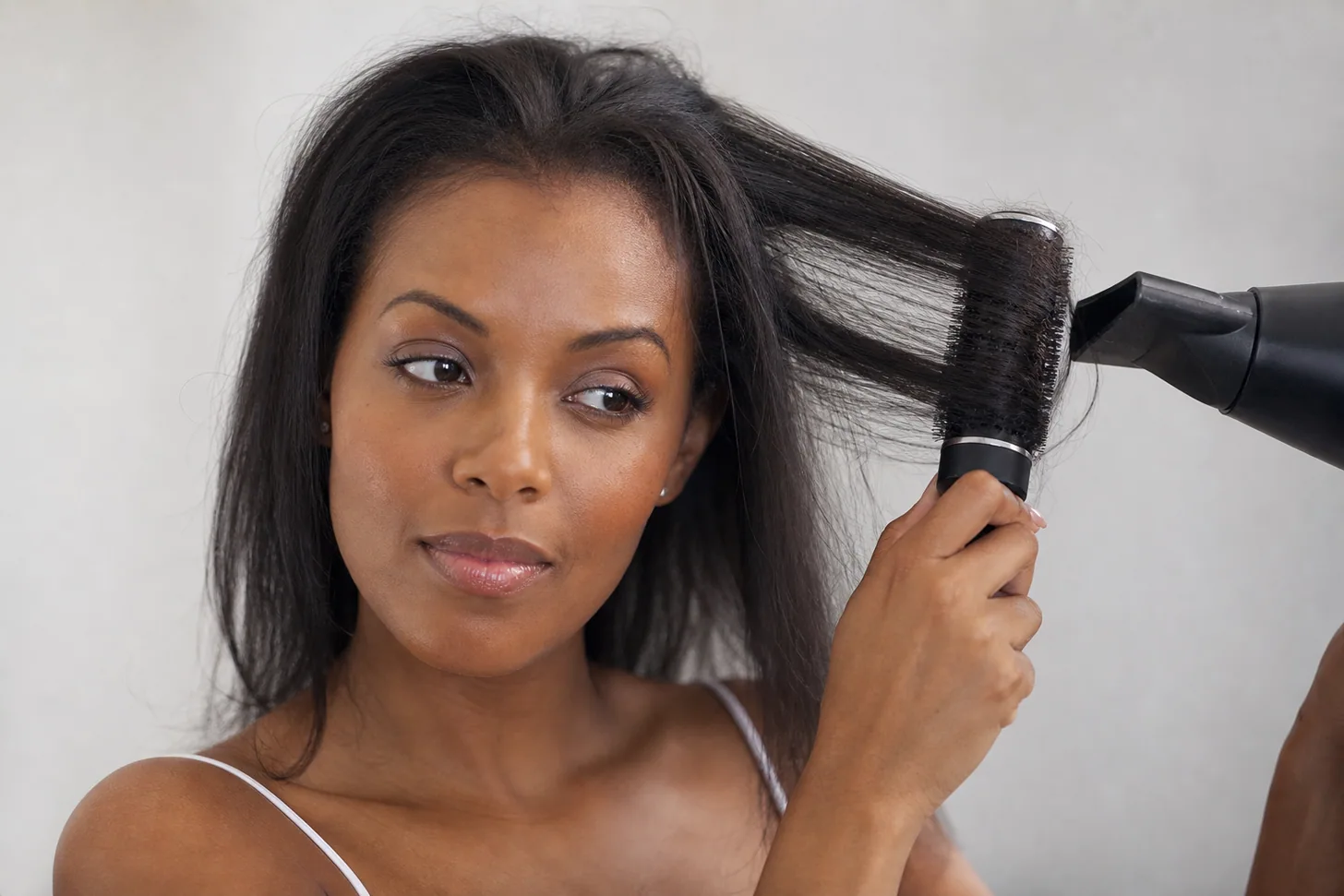
Care sets the stage; styling is where fullness actually happens. The short version: styling products go at the roots (mousse on damp, powder or texture spray on dry), rich finishing products barely belong in a fine-hair routine at all, and the blow-dryer's job is lifting roots against their fall, then cooling them in position.
The complete daily method lives in how to style fine hair — this page's job is just to hand it clean, light, undamaged hair to work with.
The routine on a calendar
When
What
The point
Every wash (1–2 days)
Lightweight shampoo at the scalp · light conditioner ears-down
Clean roots, protected ends
Before any heat
Weightless heat protectant, combed through
Keep ends from going transparent
Weekly (if needed)
One light mask or treatment, ears-down
Repair for heat/color stress — skip if hair is virgin & short
Every 2–4 weeks
Clarifying wash
Strip film and hard-water buildup before it flattens
Every 6–10 weeks
Trim
Fine ends split quietly; split ends read as thinner
What fine hair can honestly skip
Half the value of a fine-hair routine is what's not in it. You have permission to skip: heavy oils and butters (coconut-oil masks, rich argan blends — they're weight, full stop); co-washing (washing with conditioner was designed for coarse, curly, dry hair — on fine hair it's a buildup machine); ten-step routines (each layer is film, and film compounds); protein overload (one protein-containing product in rotation is plenty — stacking them makes fine hair brittle); and "thickening" supplements sold without a diagnosis (if your hair is genuinely thinning, you want a dermatologist, not a gummy — here's how to tell).
The one place this routine flexes is genuinely dry hair. If your ends stay rough however carefully you follow the steps above, you need the same moisture moved lower down and applied more often rather than a richer product — the adjusted version is in the moisture routine for dry, fine hair.
Chair-side note
A pattern I see weekly: a client's hair got limp, so she added a mask; the mask made it limper, so she added a volumizing spray; the spray built up, so she added a scalp scrub; now she's five products deep treating problems the products created.
We reset her to shampoo, conditioner, heat protectant — three bottles — and in two weeks her hair was the best it had looked in a year. Fine hair is the one hair type where the minimalist routine isn't a compromise. It's the destination.
MH
— Megan Holloway, Editor-in-Chief
When the routine isn't the problem
Your part is widening or your ponytail has genuinely shrunk. That's density change, not product choice — start with fine hair or thinning? and consider a dermatologist visit.
Your scalp is flaky, itchy, or sore. Scalp conditions change oil production and shedding; treat the scalp medically before optimizing the hair cosmetically.
Your hair changed abruptly after illness, birth, menopause, or a new medication. Those are systemic signals worth a doctor's visit — no shampoo addresses them.
Your hair is fine but your real complaint is the cut. No routine gives one-length, past-the-shoulder fine hair lasting body — that conversation is with your stylist, starting at the haircut hub.
FAQ
Wash every 1–2 days with a lightweight shampoo focused on the scalp; condition mid-lengths and ends only; one light treatment or mask weekly if the ends need it; heat protectant before every heat session; and one or two light styling products applied at the roots. The organizing principle is weight: every product must earn its place, because fine hair pays for every layer in flatness.
Every one to two days for most fine hair — more often than the internet's blanket advice. Fine-haired scalps show oil fast, and oil sitting at the root is weight exactly where fine hair can't afford it. If your hair looks better on day one than any other day, that's your answer: wash more, with a gentler, lighter shampoo, rather than stretching days and fighting the grease.
No — it should relocate it. Skipping conditioner leaves fine hair tangly, static-prone, and fragile at the ends; the actual problem is conditioner applied at the roots or left on too long. Use a lightweight conditioner from the ears down, rinse thoroughly, and the ends get their slip and protection while the roots stay clean and liftable.
Heavy oils used generously, yes — coconut oil masks and rich argan blends sit on a narrow strand as visible weight and flatten it. What works is a genuinely light oil, one or two drops, palms rubbed together first, pressed onto the bottom third of dry hair only. If your hair looks flat or stringy within an hour of applying oil, the oil (or the amount) is wrong for your strand.
It needs lightweight products more than special ones. The label words that matter: volumizing, lightweight, weightless, fine-hair-specific. The words that warn: deeply nourishing, rich, intense repair, for dry and damaged hair — those formulas are built for thick, porous hair and land on fine strands as flattening weight. A short stack of two to four light products beats a shelf of rich ones.
Because most "care" is addition, and fine hair improves with subtraction. Masks, oils, leave-ins, and serums each leave a film; films add up to weight and dullness within weeks. If your hair has gotten limper as your routine has grown, clarify once to reset, then rebuild with the minimum: light shampoo, light conditioner on the ends, heat protectant, one styler. Add anything further only if a specific problem asks for it.
Fourteen years in hair — eight behind the chair, six in editorial — with a focus on scalp health and the science of fine, flat-prone hair. Megan reviews product formulas the way she'd read a label for her own clients: weight first.
Images in this article are AI-generated illustrations, not photographs of real clients or results. See our image policy.
Results vary with hair type, density, and growth patterns. This guide is educational and not a substitute for an in-person consultation with a licensed stylist. If you're noticing sudden or patchy thinning, a board-certified dermatologist can rule out a treatable cause.
Get the good hair intel
One honest, stylist-written guide in your inbox each week. No hype.

 MH
MH