Reviewed by Tara Sullivan · Updated July 2026 · 7 min read
Most fine hair does best washed every one to two days — and that's completely normal, not a sign you're doing something wrong. Fine strands are coated and flattened by scalp oil faster than thick hair, so they look greasy and limp sooner. The right frequency isn't a universal number; it's whatever keeps your scalp clean and your roots lifted, using a lightweight shampoo on the scalp and conditioner only on the ends.
Below: why fine hair behaves this way, the "training" myth debunked, and how to genuinely stretch the time between washes. If washing often is leaving your lengths rough, the answer is a gentler bottle rather than a longer gap — shampoo for dry, fine hair.
Photo styling: Megan Holloway
The honest answer: your scalp sets the schedule, not a rule
There's a popular idea that everyone should wash their hair less — twice a week, once a week, whatever the wellness internet is selling. For fine hair, that advice is often wrong. Dermatologists are clear that washing frequency should match how oily your hair gets, and that people with fine or oily hair may need to shampoo daily (American Academy of Dermatology, tips for healthy hair).
The goal is a clean scalp and lifted roots — not hitting an arbitrarily low number on the calendar. If your fine hair looks flat and greasy on day two, washing it is the fix, not the problem. Where you're fine vs thin also matters for how products behave; if you're not sure which you have, our two-minute fine-vs-thin check sorts it out.
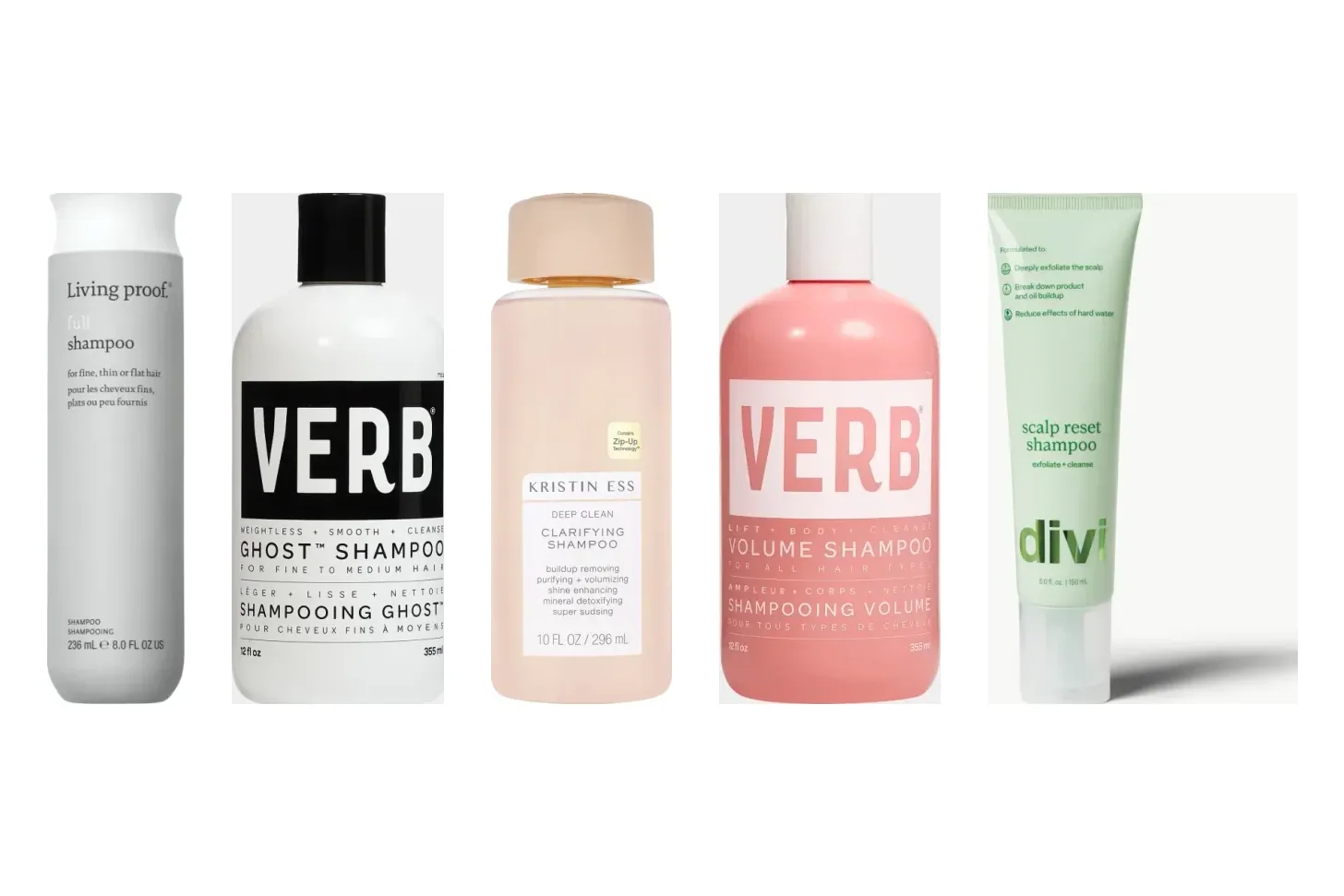
Treat these as starting points. Adjust to what keeps your roots lifted and your scalp comfortable. Fine wavy hair has an extra variable — the wave needs a day to settle after handling — which shampoo for fine wavy hair covers alongside the picks.
Why fine hair gets greasy and flat faster
It comes down to physics, not hygiene. Your scalp's oil glands produce sebum, which coats the hair to protect it — a normal, healthy process (Cleveland Clinic on how sebum and washing work). But on fine hair, two things make that oil show fast:
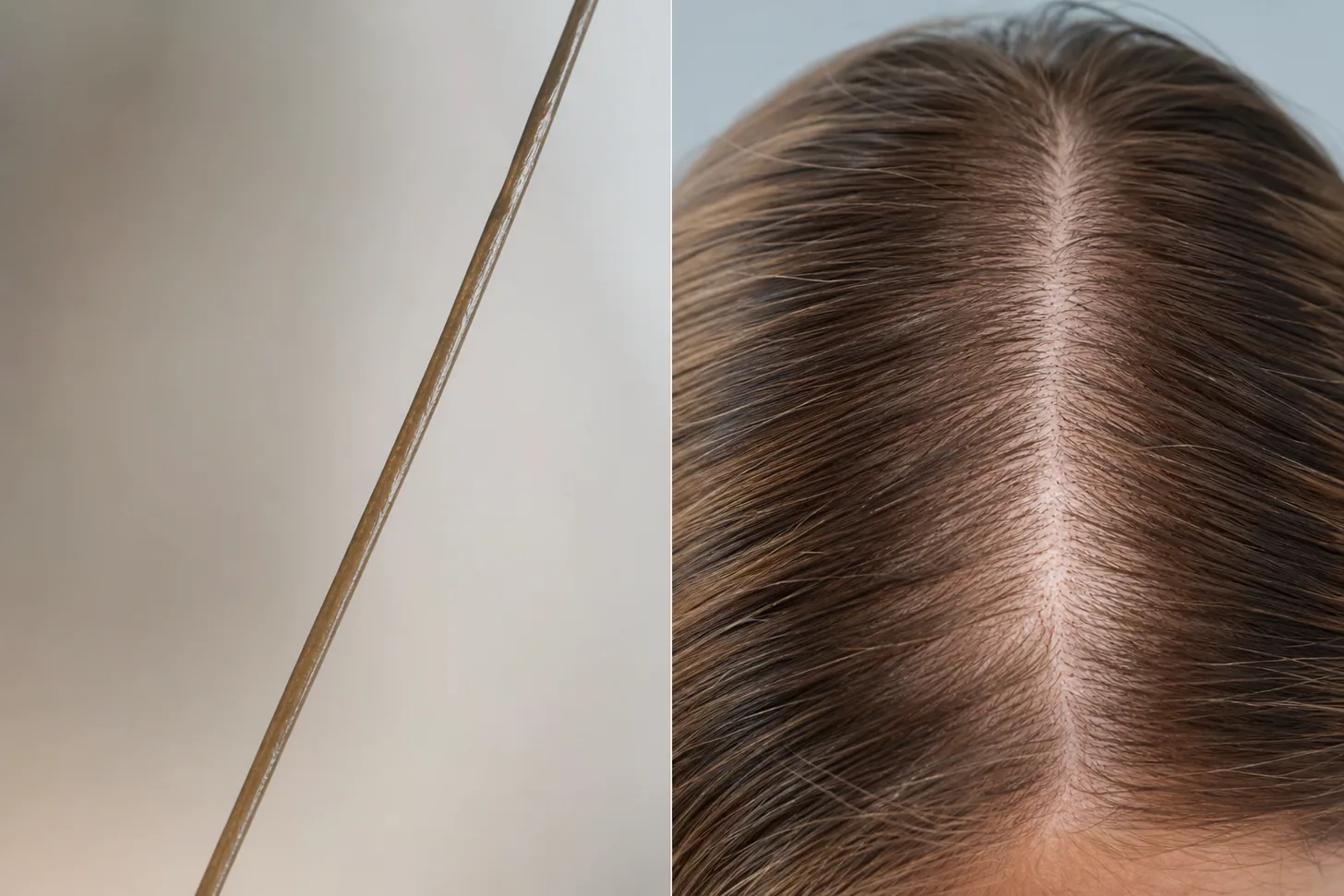
Narrow strands coat quickly. A fine hair is thin, so even a little sebum wraps it, weighs it down, and makes it clump and separate — the exact same amount of oil that would go unnoticed on thick hair looks greasy on fine hair.
Less surface to spread across. With less hair overall, the oil concentrates at the roots instead of dispersing through a dense head of hair, so the scalp reads oily while the ends may still feel dry.
This is why fine-haired people so often feel their hair is "always greasy." It isn't a washing failure — it's what fine hair does. The answer is washing appropriately and washing correctly, which are two different things.
Chair-side note
The number-one thing I fix in a fine-hair wash routine isn't frequency — it's where the conditioner goes. So many clients wash daily, then slather conditioner from scalp to ends and wonder why their roots are flat by lunch.
Conditioner on the scalp is liquid weight on the exact spot you need to lift. Keep it from the ears down, rinse it like you mean it, and half the "my hair goes flat" complaints disappear before we've even talked about styling.
MH
— Megan Holloway, Editor-in-Chief
The "train your hair to need less washing" myth
You've heard it: wash less, and eventually your scalp "adjusts" and stops producing so much oil. It's one of the most persistent hair myths, and for fine hair it's actively unhelpful. Your sebaceous glands are governed by genetics and hormones — not by your shampoo schedule.
Washing less often doesn't retrain them to make less oil; it just leaves the oil they're already producing sitting on your hair longer. On fine hair, that means flat, greasy roots sooner, not a magically balanced scalp. The same myth costs thinning hair most, because sebum sitting at the roots makes a sparse area look sparser — best shampoo for thinning hair covers the cadence for that case.
What can change is your tolerance for the look of second-day hair, and your styling skill at disguising it — the five-minute revival method teaches exactly that. Those are real. But the biology of oil production isn't something washing frequency reprograms. If you want to wash less, do it because you've learned to refresh and restyle well — not because you're waiting for your scalp to "calm down."
How to wash fine hair the right way
Correct technique matters more than frequency. Done this way, even daily washing keeps fine hair light and full rather than stripped or flat. Washing is step one of the honest fine hair care routine — the same weight-first logic runs through conditioning, treating, and styling too.
Step 1: Shampoo the scalp, not the lengths
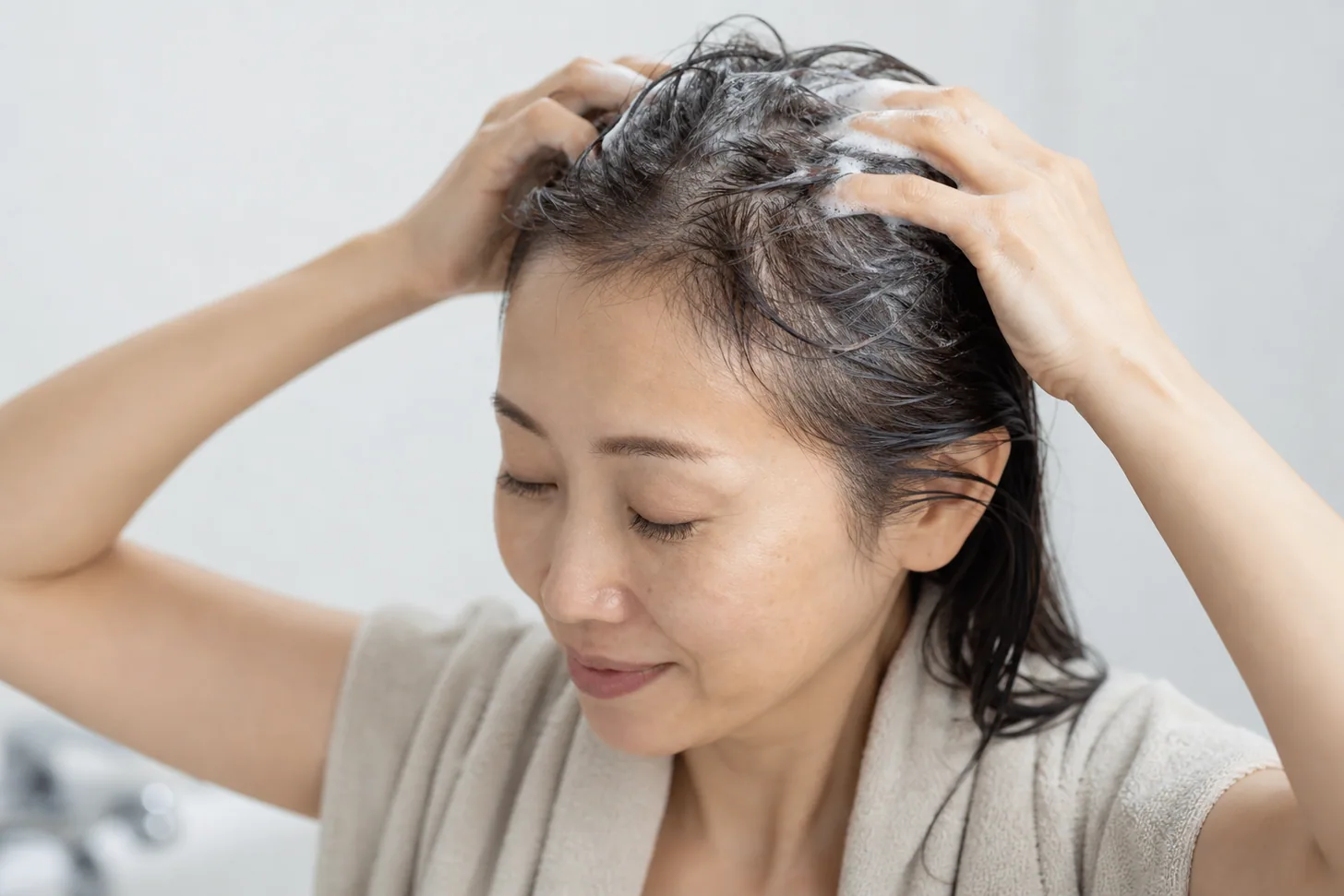
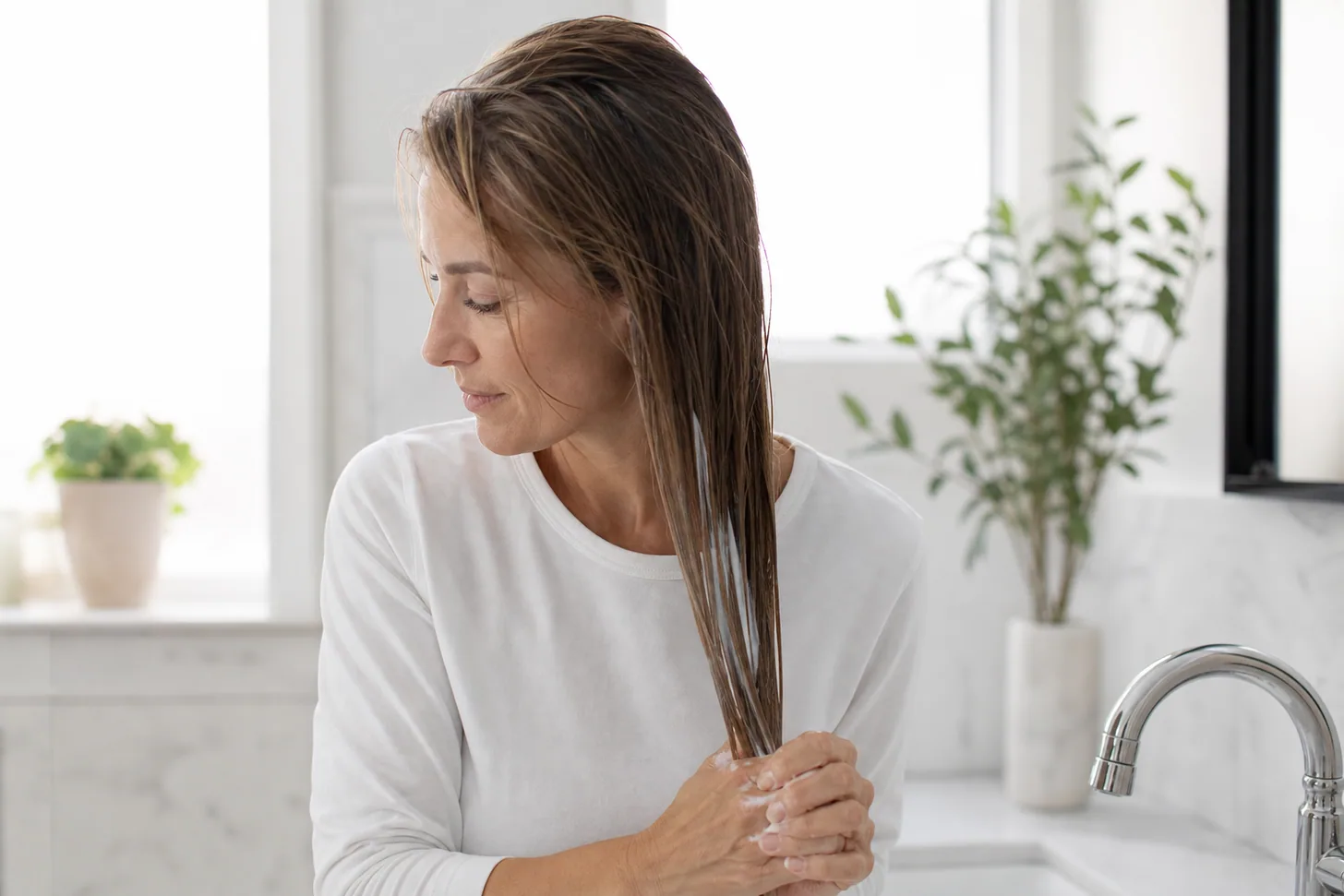
Apply a lightweight volumizing shampoo to the scalp and massage with your fingertips. The AAD recommends applying shampoo to the scalp rather than the full length of the hair — it removes the sebum and buildup that flatten fine hair while sparing the ends from over-drying. Let the lather rinse down the lengths; that's enough to clean them.
Step 2: Rinse until it squeaks
Residue is weight, and weight is the enemy of fine hair. Rinse longer than feels necessary — until the hair at your scalp feels genuinely clean, even slightly squeaky. Leftover shampoo or hard-water minerals are a common hidden cause of limp, dull fine hair.
Step 3: Condition mid-lengths to ends only
Keep conditioner entirely off the scalp — this is the single biggest fine-hair mistake. Apply from the ears down, focusing on the ends, then rinse thoroughly. Fine hair needs conditioner (the ends still get dry), just never at the root.
Step 4: Cool final rinse, then blot
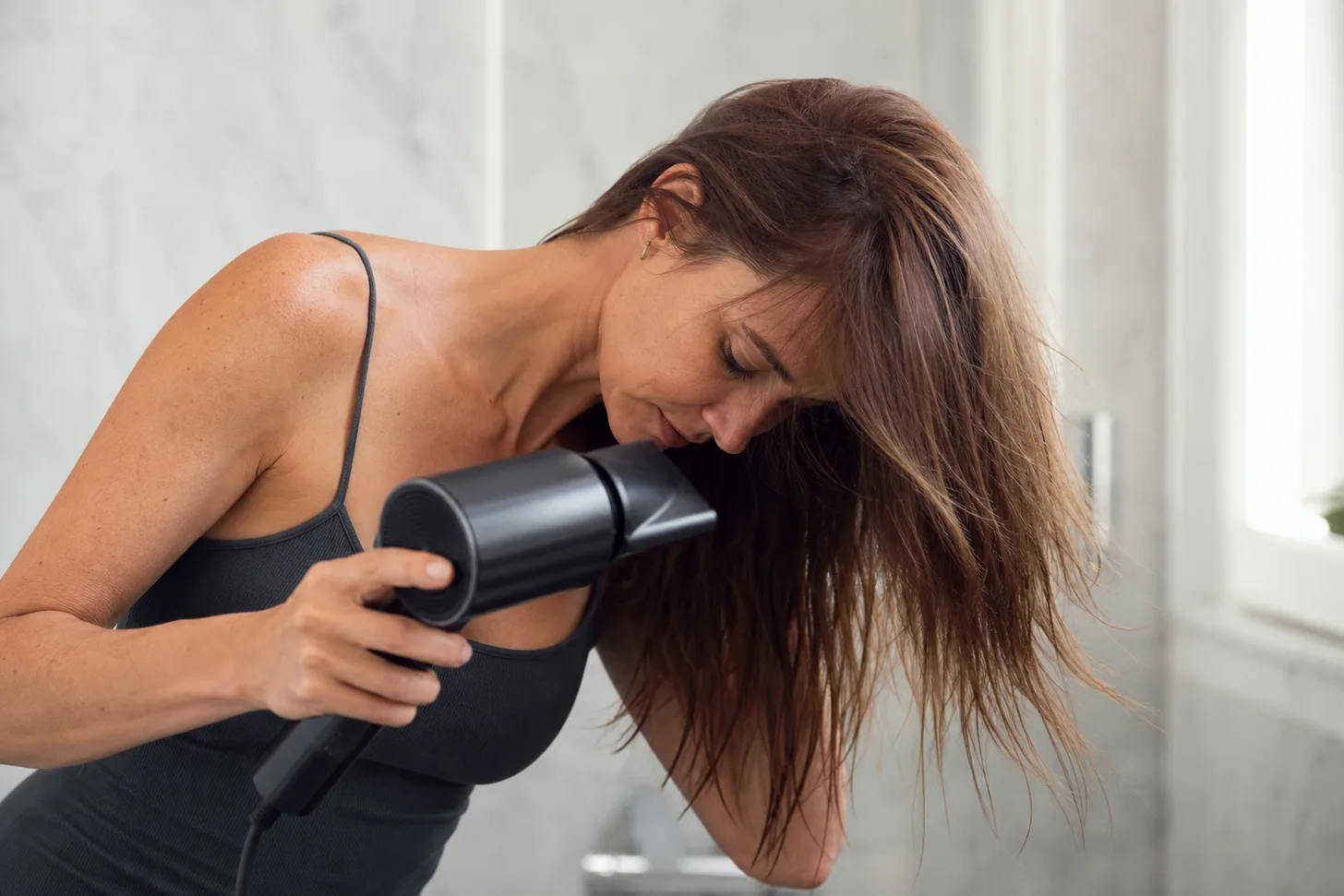
A cooler final rinse helps the cuticle lie flat for shine without any weighting product. Then squeeze the water out with a towel rather than rubbing, which roughens fine strands and creates flyaways. From here, style root-first while damp — the full method is in how to style fine & thin hair.
How to stretch the time between washes
If you'd genuinely rather wash less — for time, or because your ends are dry — the move is to refresh, not to tough it out with greasy roots. Here's what actually works on fine hair:
Dry shampoo, applied early. Mist it at the roots before the grease shows, from a hand's width away, let it sit a minute, then massage or brush it through. Dermatologists advise letting it absorb and washing it out regularly rather than layering it for days (AAD, dry shampoo tips). Use it as a refresh, not a wash replacement.
Keep your hands out of your hair. Fingers transfer oil and press the roots flat — a surprising amount of "my hair got greasy" is a touching habit.
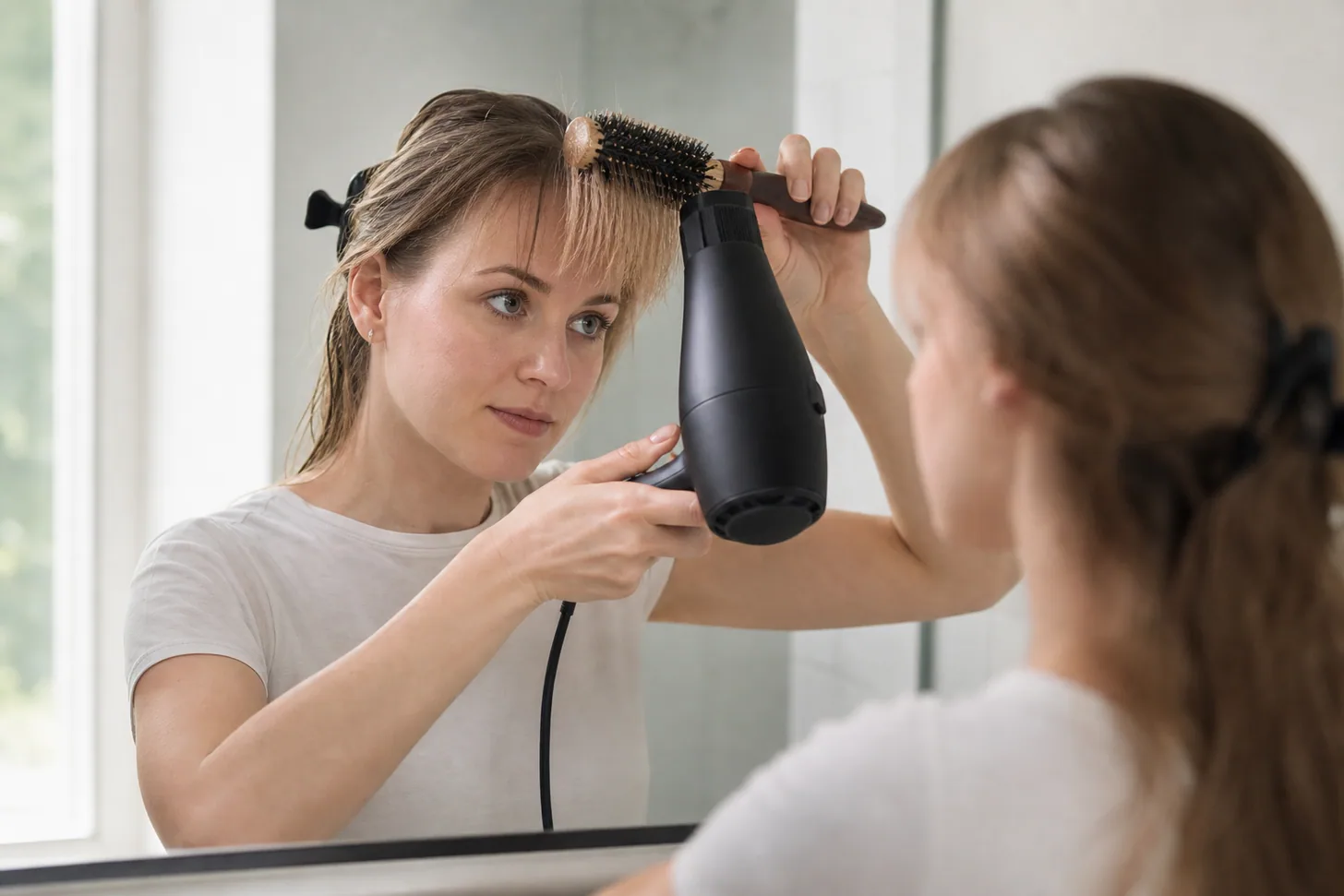
Refresh the lift, don't rewash. On day two, a quick cool blow-dry at the roots (or two velcro rollers at the crown) revives the volume without water.
Switch your part. Moving the part gives you clean-looking roots along a fresh line and instant crown height.
Even with all of this, fine hair usually caps out around two to three days before it needs a real wash — and that's fine. Chasing week-long stretches is where fine hair loses the plot.
The wash mistakes that flatten (or damage) fine hair
Conditioner on the scalp. The fastest way to flatten fine roots — keep it below the ears.
Washing less to "train" your scalp. It doesn't reprogram oil glands; it just leaves oil sitting on flat-prone roots longer.
A heavy, "moisturizing" or "smoothing" shampoo. Those formulas add weight by design — fine hair wants lightweight or volumizing.
Scrubbing the dry ends with shampoo. Cleanse the scalp; let the lather rinse through the lengths so the ends don't dry out.
Living on dry shampoo for days. Buildup can irritate the scalp — it's a refresh, not a replacement for cleansing.
Persistent flaking, itching, or a sore scalp. That's not a styling issue — see a board-certified dermatologist to rule out a scalp condition.
FAQ
Most fine hair looks and behaves best washed every 1 to 2 days. Fine strands are coated and flattened by scalp oil faster than coarse hair, so they read greasy and limp sooner — daily or every-other-day washing is completely normal and not harmful, as long as you use a lightweight shampoo on the scalp and keep conditioner on the ends. There is no universal number; your scalp's oiliness sets your schedule.
No, not if your scalp gets oily and you use a gentle, lightweight shampoo. Dermatologists note that people with fine or oily hair may need to shampoo daily, and cleansing the scalp removes the oil and buildup that flatten fine hair. The thing to avoid isn't frequency — it's a harsh, stripping formula or scrubbing the dry ends. Wash the scalp, protect the lengths.
Largely no — this is a myth. Your sebaceous glands produce oil at a rate set by genetics and hormones, not by how often you wash. Washing less doesn't retrain them; it just leaves the oil sitting on your hair longer, which on fine hair means flat, greasy roots sooner. You may adjust to the look of second-day hair, but the glands themselves aren't reprogrammed.
Two reasons. First, fine strands are narrow, so a small amount of sebum coats and weighs them down quickly and visibly — the same oil that would look fine on thick hair looks greasy on fine hair. Second, there's less hair surface to distribute the oil across, so it concentrates at the roots. It's a feature of fine hair, not poor hygiene.
Use dry shampoo at the roots before the grease shows — apply from a hand's width away, let it sit a minute, then massage in. Keep your hands out of your hair during the day, since fingers transfer oil and press the roots flat. Rinse conditioner thoroughly, avoid rich products near the scalp, and refresh the roots with a cool blow-dry on day two rather than rewashing.
Used correctly and occasionally, it's a useful tool; overused as a wash replacement, it can build up and irritate the scalp. Dermatologists advise applying it to the roots, letting it absorb, then brushing or massaging it through — and washing it out regularly rather than layering it on for days. Treat it as a between-wash refresh, not a substitute for cleansing your scalp.
Fourteen years in hair — eight behind the chair, six in editorial — with a focus on scalp health and the science of fine, flat-prone hair. Megan reviews routines the way she'd advise her own clients: weight first, honesty always.
Images in this article are AI-generated illustrations, not photographs of real clients or results. See our image policy.
Results vary with hair type, density, and growth patterns. This guide is educational and not a substitute for an in-person consultation with a licensed stylist or, for scalp concerns, a board-certified dermatologist.
Get the good hair intel
One honest, stylist-written guide in your inbox each week. No hype.

 MH
MH