Reviewed by Tara Sullivan · Updated July 2026 · 9 min read
"Serum" is the least-defined word on the shelf — it covers smoothing liquids, bond treatments, heat protectants, and scalp products that have nothing in common except the bottle shape. For fine hair, the ones worth owning share three traits: they pour like water rather than oil, they go on damp, and they stay below the ears.
Below are six picks by job — best overall, best for humidity, best budget, best before a flat iron, best for damaged or colored lengths, and best for making a style last — each with who it suits and one honest limitation. Plus the distinction that saves most people a purchase: what a serum does that an oil and a leave-in don't.
Every product here is chosen independently, on the merits — what genuinely suits fine, thin hair. Links go to each brand's official page, and we don't take payment for placement. Price tiers are rough guides because prices change.
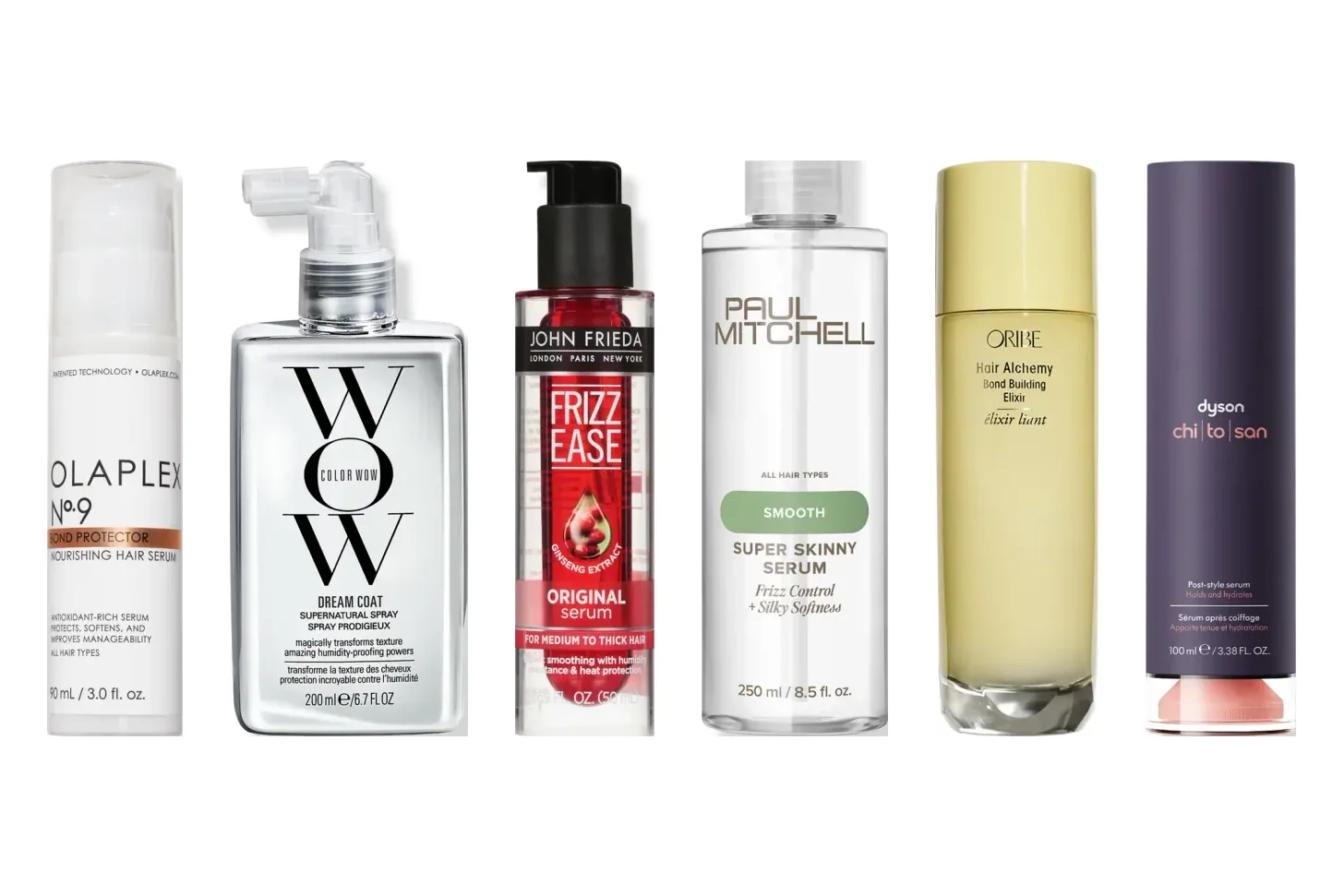
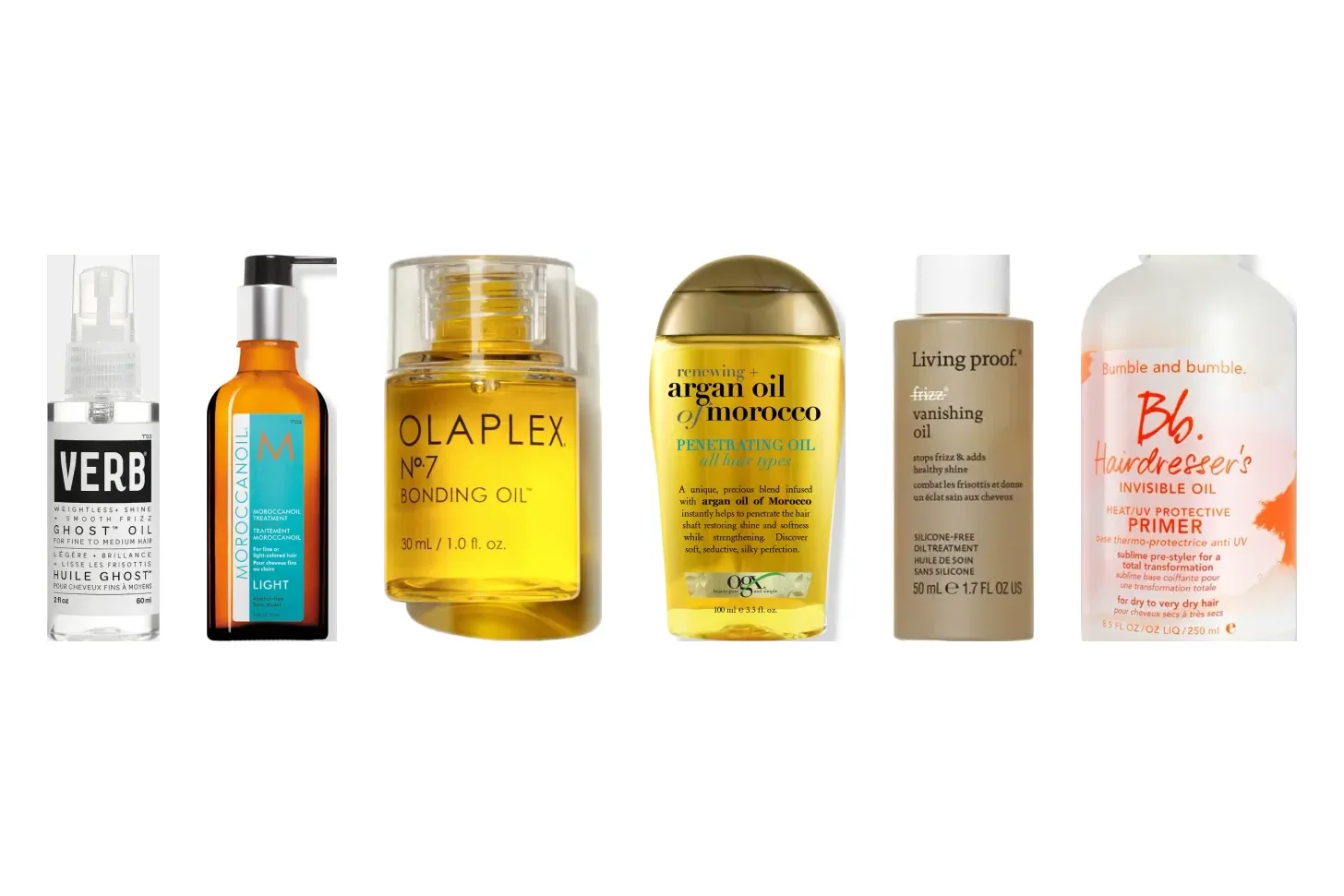
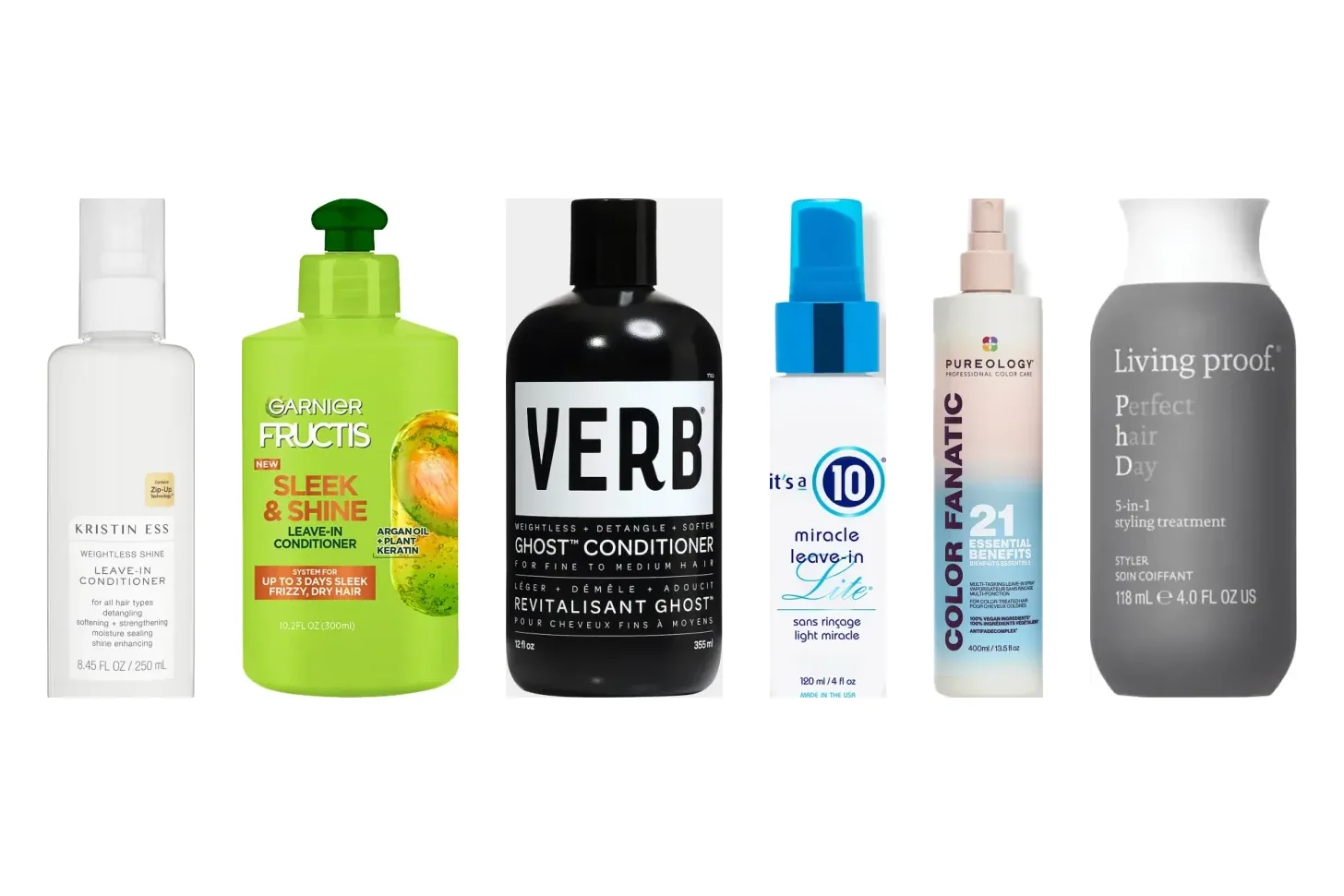
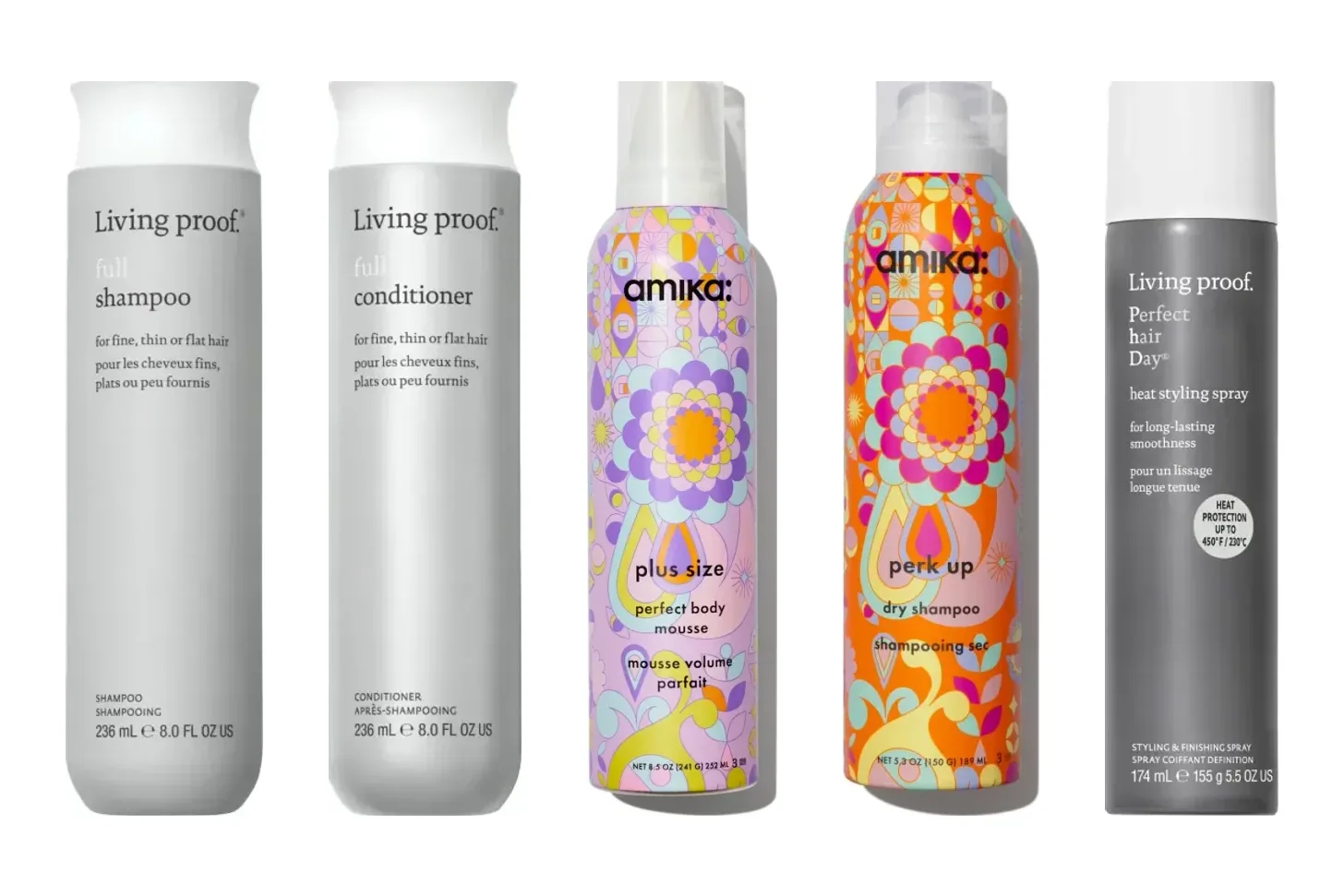
Our six picks, one per job. Product images courtesy of the brands.
Chair-side note
When a client tells me serum makes her fine hair greasy, I ask her to show me how much she uses. It's almost always a coin-sized pool in the palm — the amount the bottle photograph implies — and it's almost always going onto dry hair, because that's when she notices the frizz.
Both halves of that are the problem. On damp hair, two drops travel the whole length; on dry hair, the same two drops soak into the first section they touch and never reach the ends.
The fix I give at the basin: blot the hair well, put one drop in your palm, rub your hands together until they look almost clean, then start at the ends and work up. Whatever is left on your palms is your day-two flyaway fix — nothing more goes on the hair.
MH
— Megan Holloway, Editor-in-Chief
Serum, oil, and leave-in are three different products
They sit next to each other on the shelf, they all promise smoothness, and on fine hair they behave completely differently. The short version: a leave-in is mostly water and hydrates, an oil is mostly oil and coats, and a serum is a concentrated smoothing liquid that shields the cuticle without doing much hydrating at all.
Product
What it's built from
What it does on fine hair
Where it goes
Serum
Light silicones, small amounts of oil, sometimes bonding actives
Smooths and seals the cuticle, adds shine and heat protection, cuts frizz
Mid-lengths and ends, on damp hair
Hair oil
Plant or synthetic oils, sometimes as a dry-oil spray
Softness and shine; weighs fine hair down fastest of the three
Most fine-haired people need one of the three, not all three. If your problem is dryness and tangling, start with the leave-in. If it's frizz, dullness, or hair that roughs up under a hot tool, that's the serum's job. If it's only the last inch of your ends looking thirsty, an oil in a very small dose is the cheapest answer.
What matters in a serum for fine hair
Texture in the bottle tells you almost everything. Tip it. If it runs like water or thin milk, fine hair will carry it. If it moves slowly and feels slippery between your fingertips, it is built for coarse hair and will lie your roots flat by lunchtime.
Light silicones, not heavy ones. Silicones are not the enemy — volatile ones such as cyclopentasiloxane spread, smooth, and largely evaporate. Heavier, water-insoluble ones like dimethicone stay put and accumulate over weeks, and buildup is one of the most common reasons fine hair gradually stops responding to anything. Keep the dose small and clarify roughly monthly.
Damp application, or it doesn't work. Nearly every smoothing serum is designed to be distributed through wet hair and sealed in as it dries. It is the single habit that separates people who like serum from people who think it's grease in a bottle.
Heat protection, if you use hot tools. Several serums double as heat protectants, which saves a step and a layer of weight. If yours doesn't say so on the bottle, assume it doesn't — and add a weightless heat protectant instead of hoping.
Whether your hair is fine, genuinely low-density, or both changes how much of any of this you can carry: fine-but-plentiful hair tolerates a serum through the mid-lengths, while sparse hair usually wants it on the ends alone. The two-minute distinction is in our guide to telling fine hair from thin hair.
The best serums for fine hair, by job
One honest pick per job. Match the category to the problem you actually have — general smoothing, humidity, budget, heat styling, damage, or a style that collapses by mid-afternoon.
1
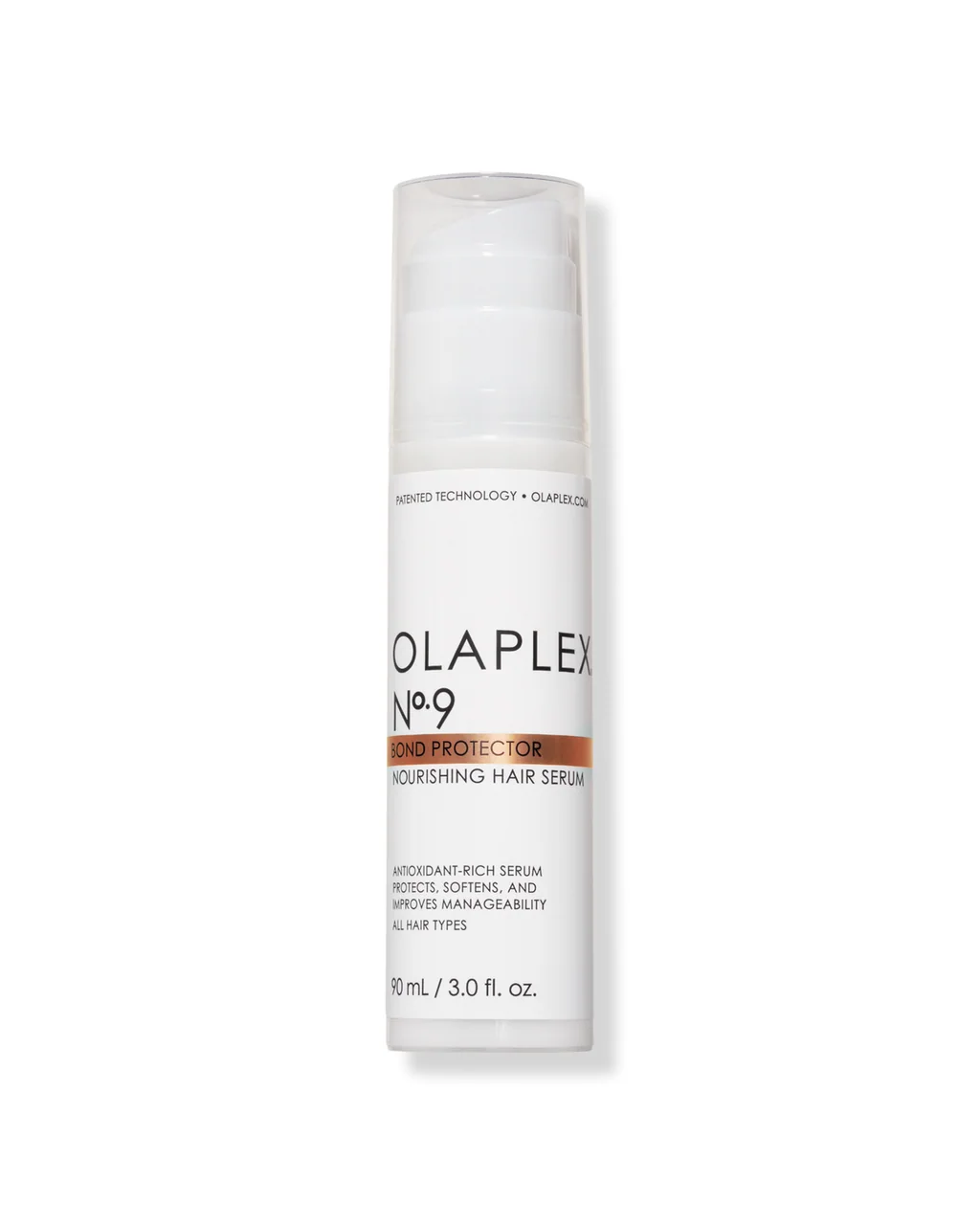
Best overall: Olaplex Nº.9 Bond Protector Nourishing Hair Serum
A genuinely light, silicone-free liquid meant to go on damp hair as the first step out of the shower, which is exactly the habit fine hair needs. It detangles, cuts static, protects against heat up to 450°F, and — the part that matters for a fine head — doesn't leave the slippery film that makes roots collapse. Best for: most fine hair, most of the time, especially if you want smoothing and heat protection from one bottle. Honest limitation: it's a protector rather than a shine bomb — if you're after high-gloss ends, a drop of oil on the last two inches does that better.
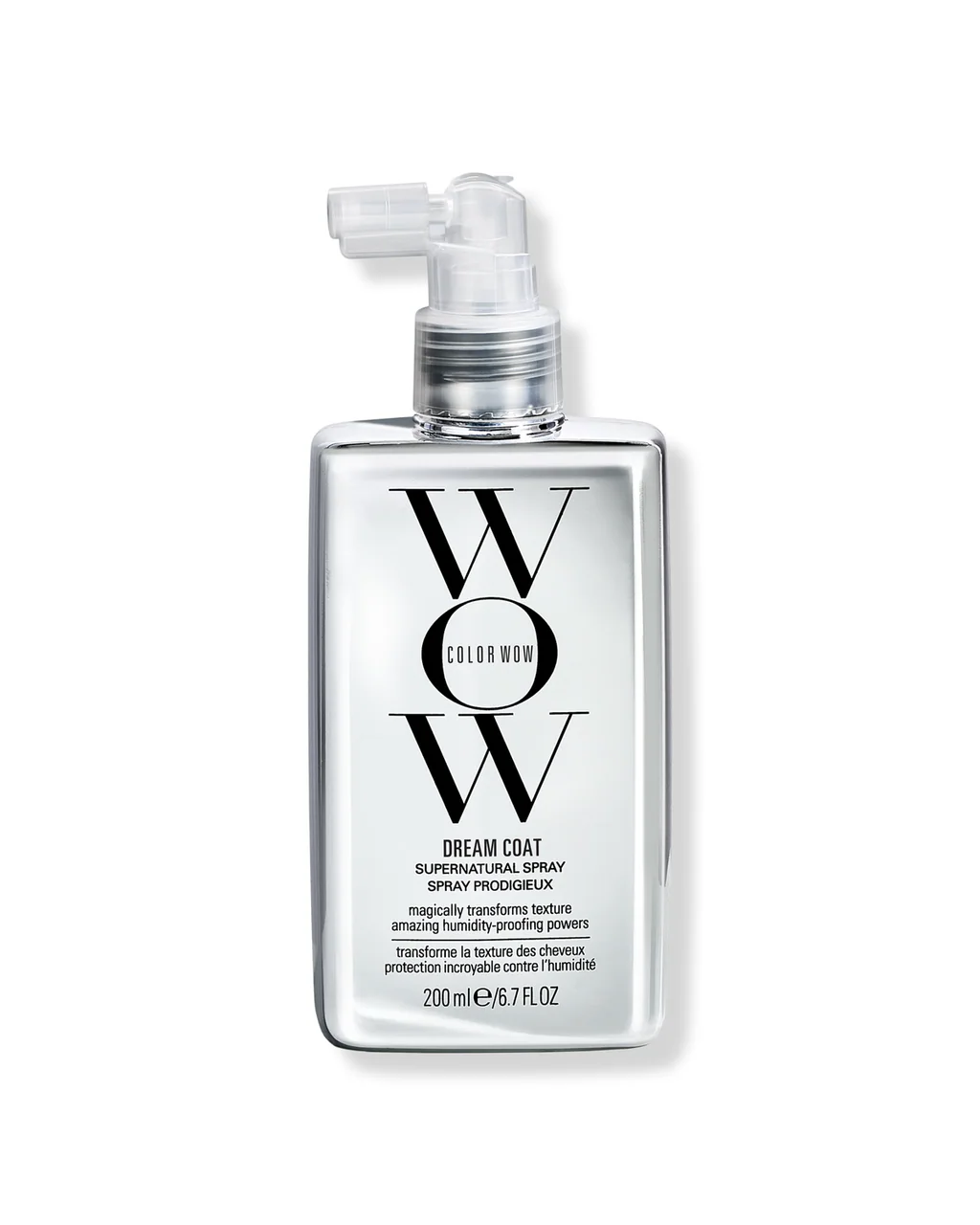
Best for humidity: Color Wow Dream Coat Supernatural Spray
Technically a spray rather than a dropper serum, and included anyway because it solves the fine-hair humidity problem better than anything in a bottle: it's misted onto damp hair and activated by the heat of the dryer, forming a water-repelling shield that survives a humid day without a coating you can feel. Best for: fine hair that behaves perfectly indoors and puffs the moment you step outside. Honest limitation: it only works if you blow-dry — air-dry it and you get very little — and applying too much dulls fine hair rather than smoothing it.
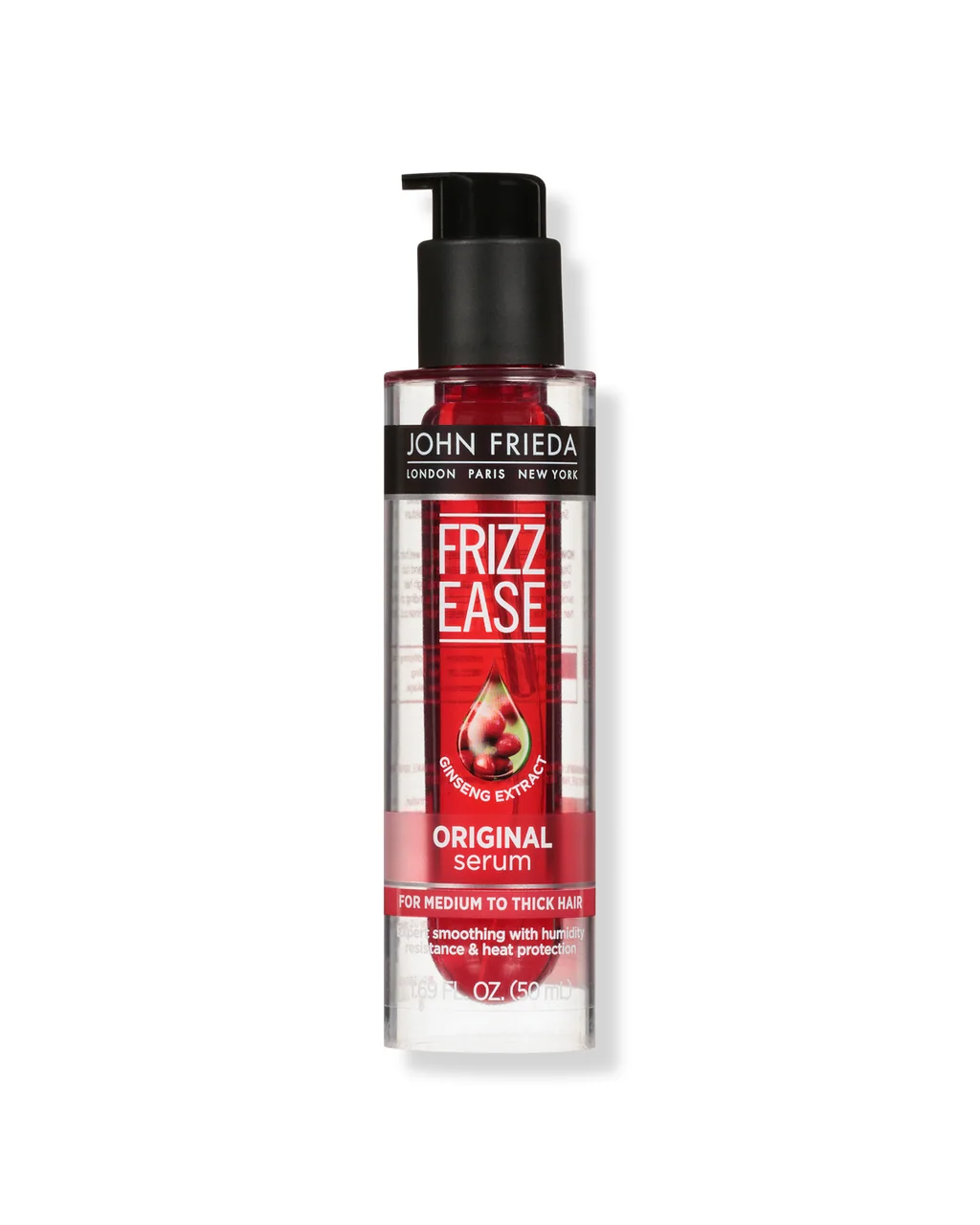
Best budget: John Frieda Frizz Ease Original 6 Effects Serum
The drugstore classic that has outlived most of its imitators, and it still smooths a fine, frizz-prone cuticle for a few dollars. It's silicone-forward, which is why it works and also why restraint matters — the dose that suits fine hair is about a third of what the bottle implies. Best for: anyone testing whether serum suits their hair at all before spending real money. Honest limitation: the heavier silicones build up over repeated use, so pair it with a monthly clarifying wash or you'll wonder why your hair has gone quietly flat.
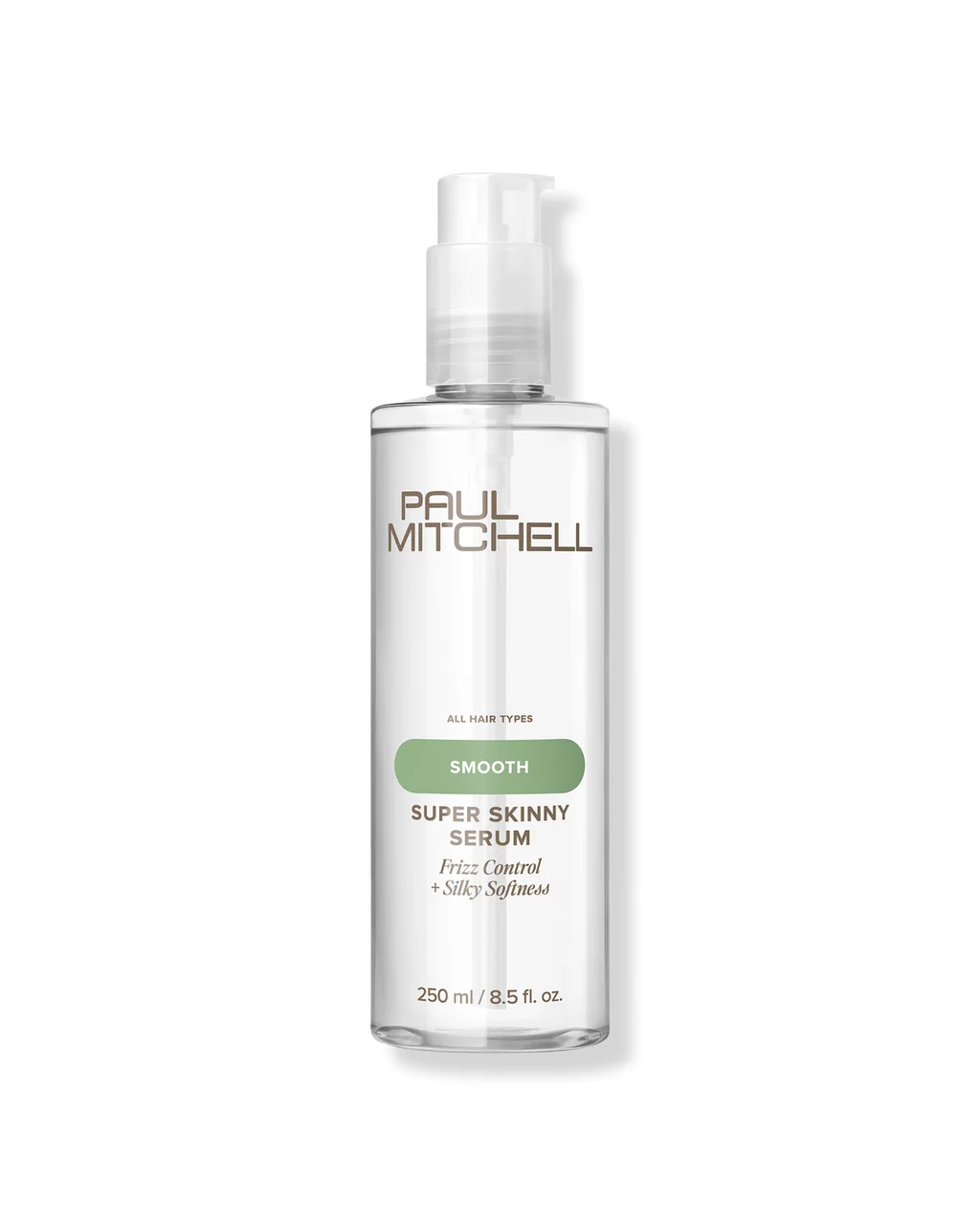
Best before a flat iron: Paul Mitchell Super Skinny Serum
Built for the specific job of straightening: it coats and seals the strand with lightweight silicones, repels water, and measurably shortens drying time, which means fewer minutes of heat on a fine cuticle. Used on damp hair before the dryer, it's the difference between a one-pass flat iron session and three. Best for: fine hair that gets straightened, and anyone whose blow-dry takes longer than it should. Honest limitation: it's the easiest product here to overdo — fine-haired users who report greasiness are almost always using more than a pump, and it does nothing for volume.
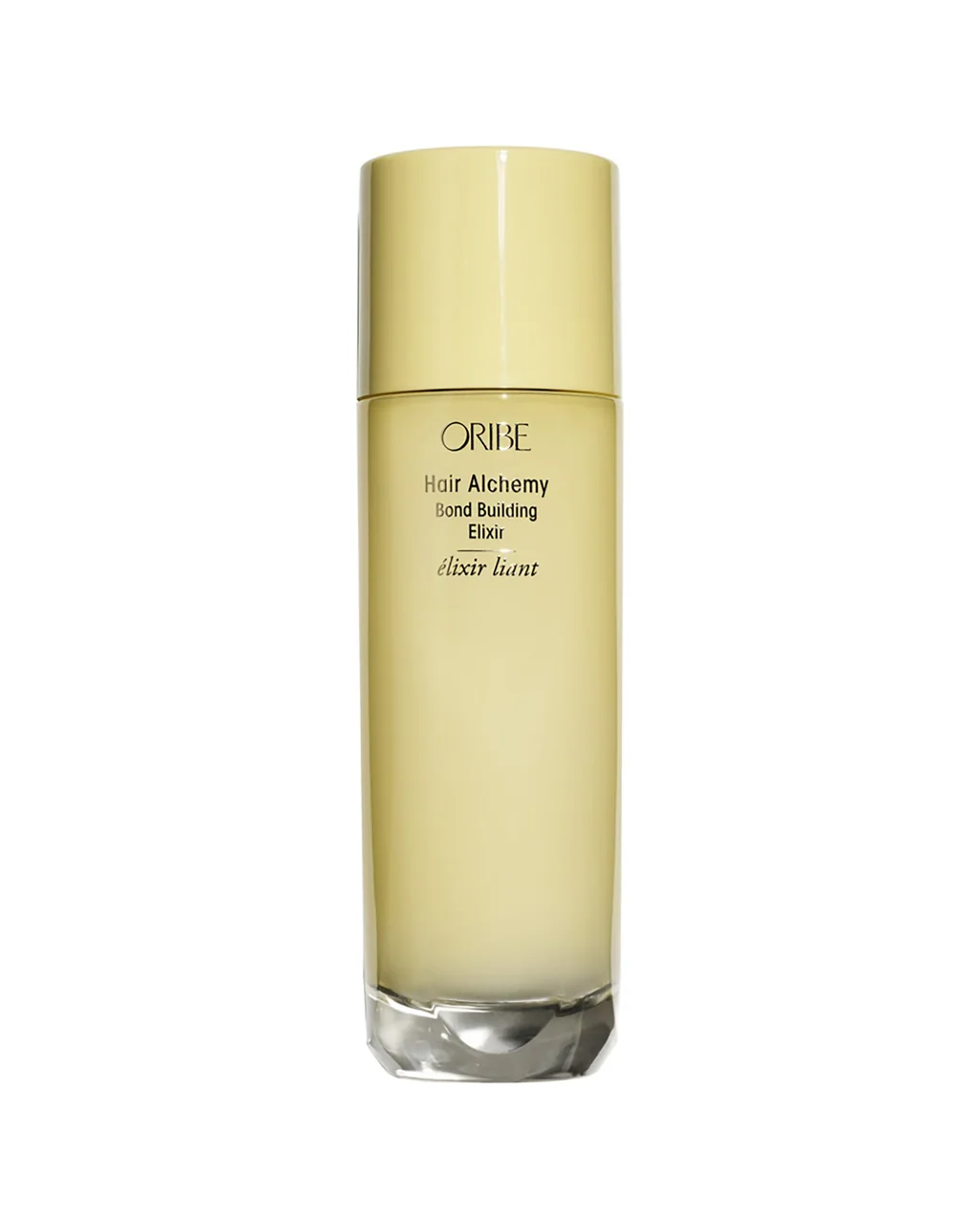
Best for colored or damaged fine hair: Oribe Hair Alchemy Bond Building Elixir
A fast-absorbing bond-building serum that goes on clean, damp hair before anything else, aimed at the hydrogen, ionic, and disulfide bonds that bleaching and heat break down. On fine hair the appeal is that it does repair work in a liquid light enough not to register as weight — most repair products in this category are creams that flatten a fine head. Best for: fine hair that's highlighted, bleached, or heat-styled often and has started to feel rough at the mid-lengths. Honest limitation: premium pricing for a step you use every wash, and bond-building is maintenance rather than a cure — it won't undo damage you can already see at the ends.
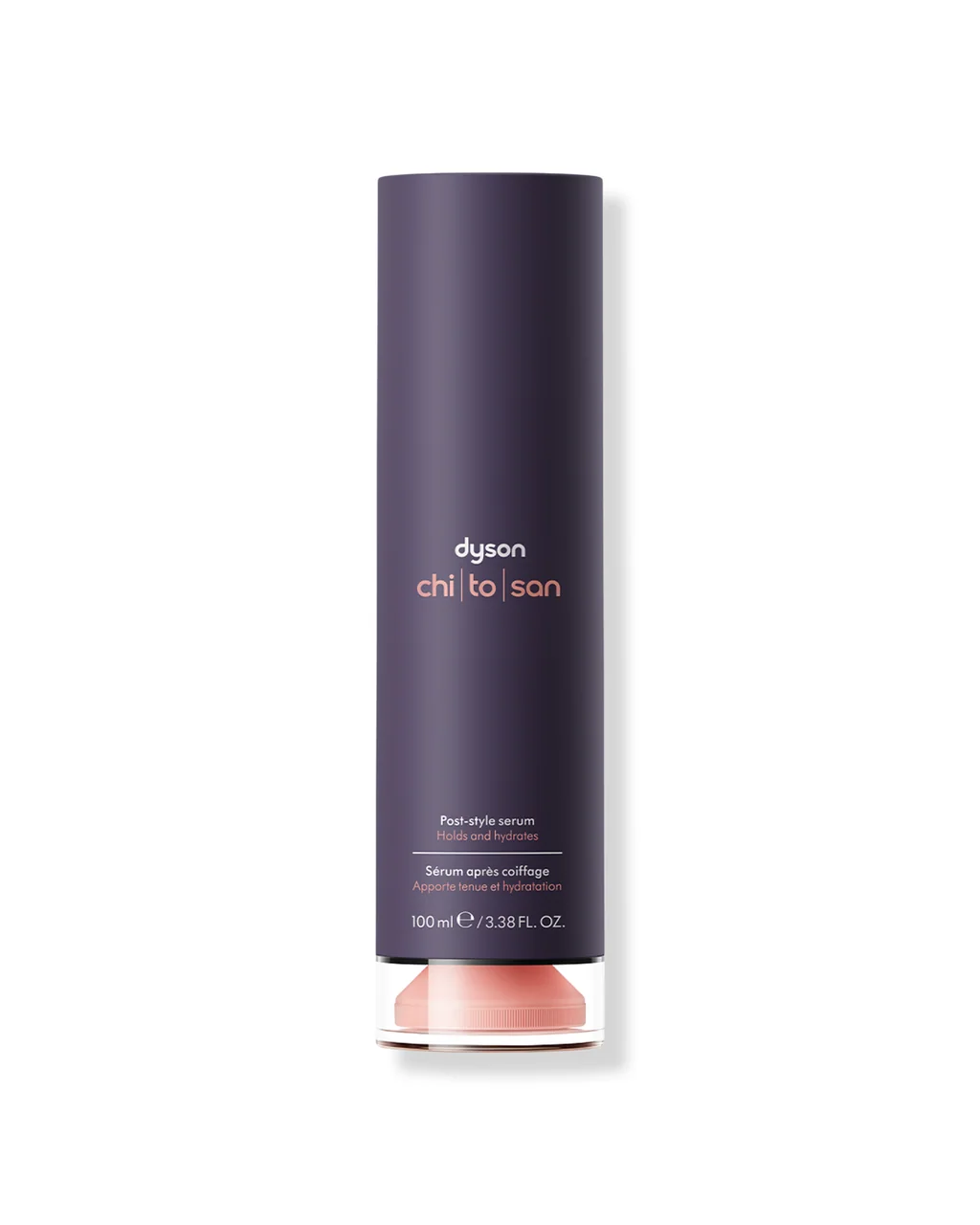
Best for making a style last: Dyson Chitosan Post-Style Serum
An unusual one — a post-styling serum built around chitosan, applied after drying to hold the shape you just created rather than to condition the strand. Fine hair's real complaint is rarely the first hour; it's that the blow-dry is gone by three o'clock, and a hold-extending serum addresses that directly without the stiffness of hairspray. Best for: fine hair that styles beautifully and then drops. Honest limitation: the price is hard to justify unless you style often, and it's a finishing product, not a smoothing or repairing one — it won't replace anything else on this list.
How to use serum on fine hair without flattening it
The method matters more than the bottle. Five habits, in order.
Blot first, properly. Serum spreads through damp hair and pools in wet hair. Squeeze the water out with a microfiber towel or a cotton t-shirt until the hair is damp rather than dripping.
One or two drops, emulsified. One drop for shoulder length, two or three if your hair is long. Rub it between your palms until they look almost clean — that thin film is what you want on the hair, not a pool.
Start at the ends and work upward. The ends are the oldest, driest, most porous part of the strand and they should get the most. Stop at the level of your ears — everything above that is where volume lives.
Comb through with a wide-tooth comb. Even distribution beats quantity. The American Academy of Dermatology's guidance on habits that damage hair is to detangle wet hair gently with a wide-tooth comb rather than a brush, which is exactly the right tool for spreading a serum too.
Dry with the roots lifted. Serum protects the length; the volume still has to be built at the scalp with airflow and tension. The method is in how to blow-dry fine hair for volume.
If you're using serum on already-dry hair to smooth flyaways, the dose drops again: a fraction of a drop, warmed between the palms, pressed onto the surface rather than combed through. Fine hair shows over-application within minutes, and there is no way to take it back off without washing.
What about hair-growth and scalp serums?
They share a word and nothing else. Everything on this page is cosmetic — it changes how a strand looks and behaves today. A growth or density serum claims to change how hair grows from the follicle, which is a medical question rather than a styling one, and the evidence behind cosmetic versions is considerably thinner than the packaging suggests.
If your real concern is that you have less hair than you used to rather than limper hair than you'd like, start with telling fine hair from thinning, then read the honest version of what actually influences growth in can you grow fine hair thicker — which is medically reviewed, and says plainly where a dermatologist is the right next step.
When a serum isn't the fix
Your hair is limp rather than frizzy. Serum smooths; it cannot lift. A lightweight mousse at the damp roots does the job you're asking a serum to do.
Your ends feel dry within a day of washing. That's a moisture problem, and a smoothing serum only seals the surface. Start with the moisture routine for dry, fine hair.
Everything you own has stopped working. Usually buildup, not the products. One clarifying wash resets the slate before you buy anything new.
Your ends snap when you comb them. That's breakage rather than frizz, and serum masks it. The ingredients that genuinely repair fine hair are the better starting point, alongside a trim.
You're applying serum to fight day-three greasiness at the roots. You're adding to the problem. Dry shampoo and a wash-day reset are the answer — the cadence is in how often to wash fine hair.
FAQ
The one with the most water and the least oil in it, applied to damp hair rather than dry. Olaplex Nº.9 Bond Protector is the most broadly useful for fine hair because it's a light, silicone-free liquid that goes on before you dry and adds heat protection without any perceptible weight. Color Wow Dream Coat is the pick if humidity is your particular problem, and John Frieda Frizz Ease Original 6 Effects does a version of the same job for a few dollars if you use one drop rather than a palmful. Beyond the brand, the test is texture: if it pours like water or thin milk it will suit fine hair, and if it feels slippery and heavy between your fingers it will flatten it.
A hair oil is mostly oil and sits on the outside of the strand to add shine and softness. A leave-in conditioner is mostly water with conditioning agents, meant to hydrate and detangle across the whole length. A serum sits between them: a concentrated liquid, usually built around light silicones or small amounts of oil, designed to smooth the cuticle and shield it rather than to moisturize it. For fine hair the practical difference is weight and placement — a leave-in can go through the mid-lengths, a serum belongs on the mid-lengths and ends, and an oil belongs on the last two inches only.
Most of the time it's the amount, not the product. Fine hair needs roughly a third of what the bottle suggests — one to two drops for shoulder-length hair, three or four if it's long — and it needs it on damp hair, where a small amount spreads across the whole length instead of pooling in one patch. Apply serum to dry hair and you'll need three times as much to coat the same surface, which is how people conclude that serum flattens fine hair. Keep every bit of it below the ears; anything conditioning near the roots removes the lift you spent the blow-dry building.
No, but the type matters. Light, volatile silicones like cyclopentasiloxane spread easily, do their smoothing work, and evaporate, which is why they suit fine hair. Heavier, water-insoluble ones like dimethicone stay on the strand and accumulate over repeated washes, and that buildup is what eventually makes fine hair look dull and lie flat. You don't need to avoid silicones — you need to keep the dose small and clarify roughly once a month to reset. If your hair has felt progressively heavier and less responsive over a few weeks, buildup is the usual culprit.
That's a different product category and a different question, and it's worth separating from the cosmetic serums on this page. A styling or smoothing serum changes how a strand behaves today; a scalp or growth serum claims to change how hair grows, and the evidence behind cosmetic versions of those is much thinner than the marketing suggests. If your concern is genuinely losing density rather than limp texture, the honest version of what does and doesn't work — including what's worth seeing a dermatologist about — is in our guide to whether you can grow fine hair thicker.
Damp, for almost every serum and almost every fine-haired person. Towel-blotted hair spreads a small quantity evenly along the strand, and most smoothing serums are designed to be sealed in as the hair dries. The exception is a finishing serum used on already-dry hair to tame flyaways or add shine to the ends — and there you're talking about a single drop warmed between the palms and pressed on, never combed through. If you're using a serum for heat protection, it goes on damp, before the dryer, and the hair must be fully dry before a flat iron touches it.
Every wash day is fine if the serum is light and the dose is small; the frequency causes far fewer problems than the quantity does. What fine hair can't tolerate is topping up daily on top of yesterday's product, because each layer adds weight and none of it rinses away until you shampoo. If you're reaching for serum on day two or three to revive dull ends, use a fraction of a drop or skip it in favor of a light mist, and let the wash day do the resetting.
Fourteen years in hair — eight behind the chair, six in editorial — with a focus on scalp health and the science of fine, flat-prone hair. Megan judges a serum by how little of it you need, not by how good it feels in the palm.
Results vary with hair type, density, and growth patterns. This guide is educational and not a substitute for an in-person consultation with a licensed stylist.
Get the good hair intel
One honest, stylist-written guide in your inbox each week. No hype.

 MH
MH