Reviewed by Tara Sullivan · Updated July 2026 · 8 min read
If your fine hair goes flat and coated no matter how recently you washed it, the fix is a clarifying shampoo used occasionally — a periodic reset that strips the buildup weighing your roots down and gives you back the lift.
The key word is occasionally: fine hair only needs clarifying about every one to two weeks, not daily. Below are our honest picks by use-case — best overall, budget, gentle weekly, hard water, oily scalp, and color-safe — each with who it suits and one real limitation.
Every product here is chosen independently, on the merits — what genuinely suits fine, thin hair. Links go to each brand's official page, and we don't take payment for placement. Price tiers are rough guides because prices change.
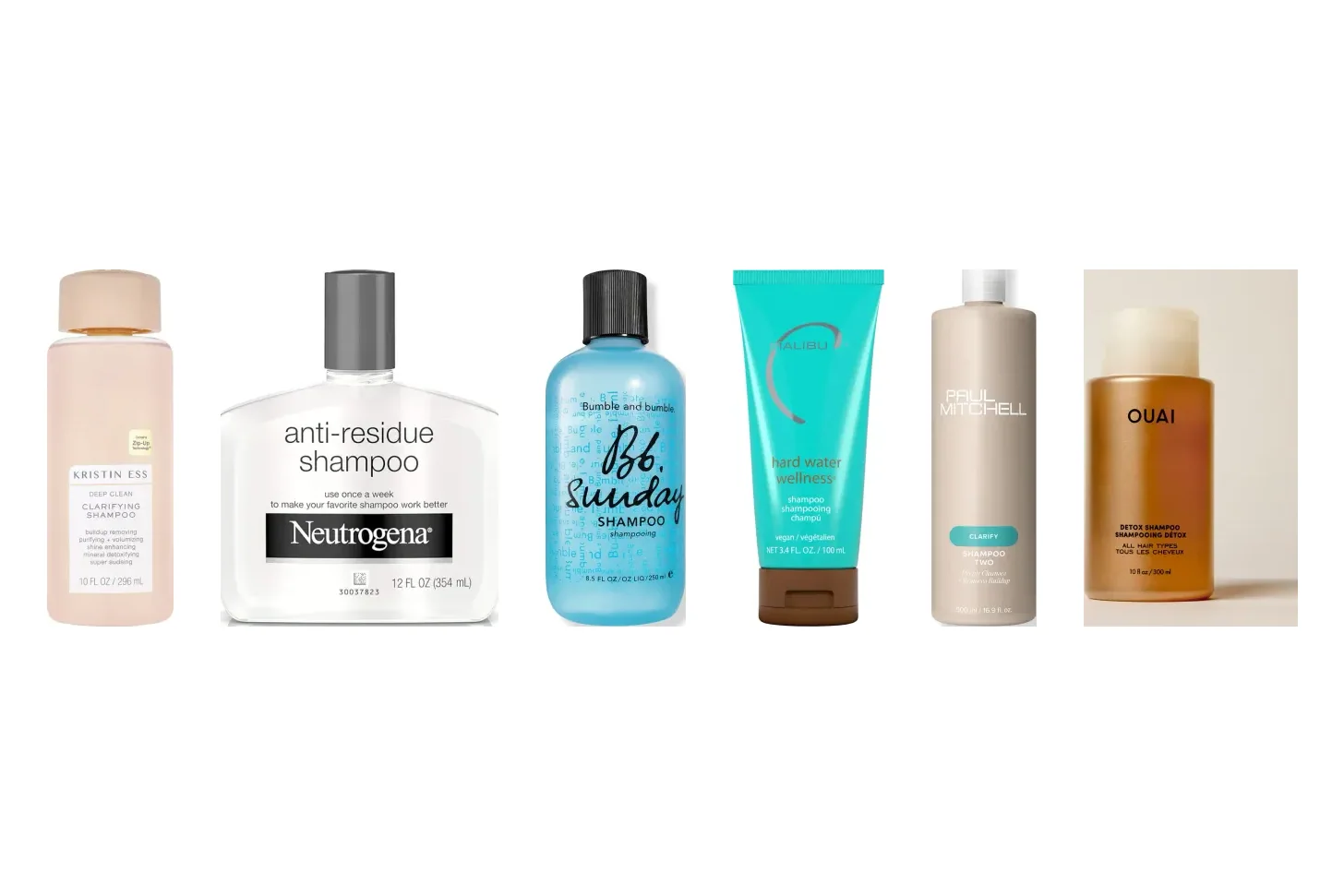
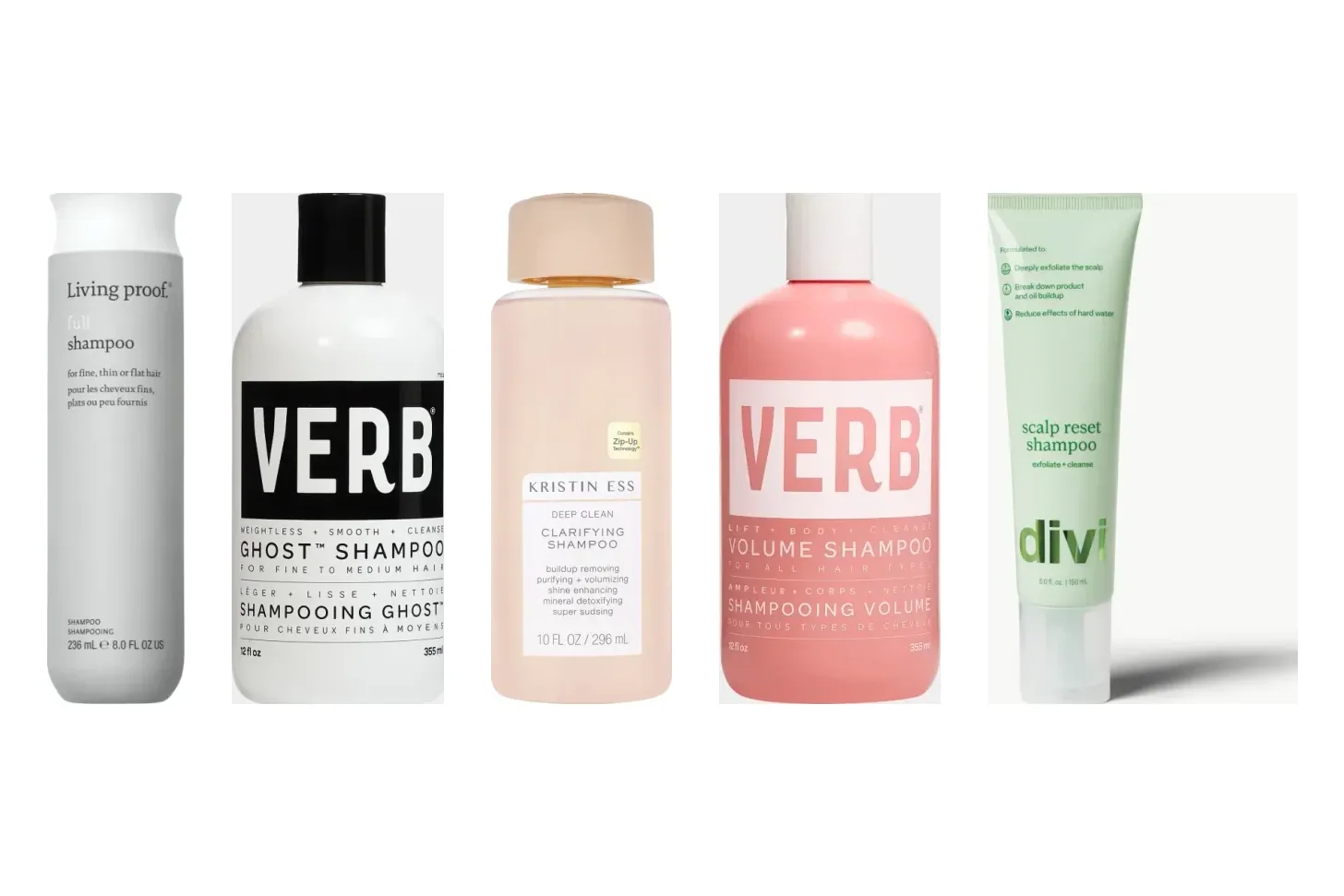
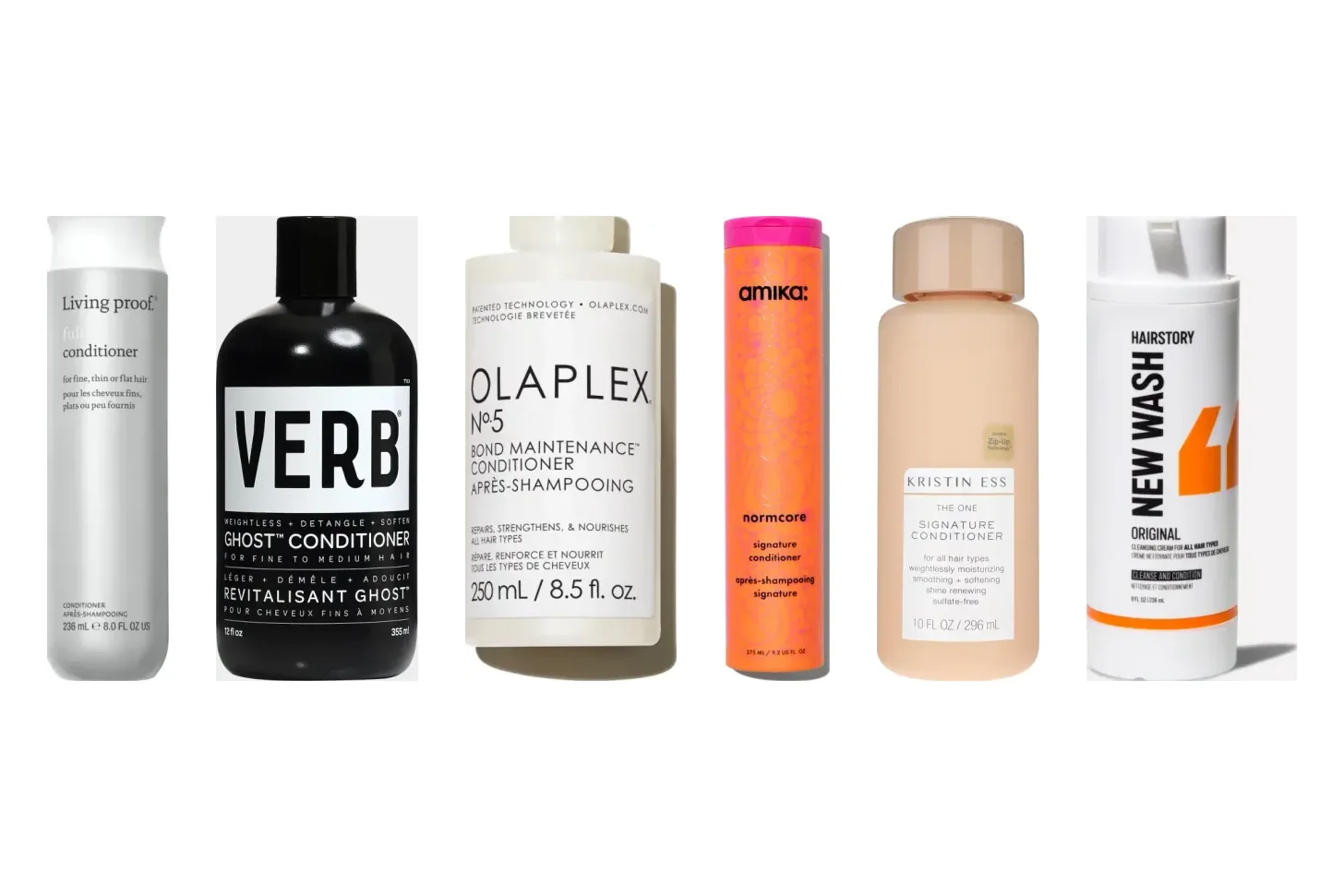
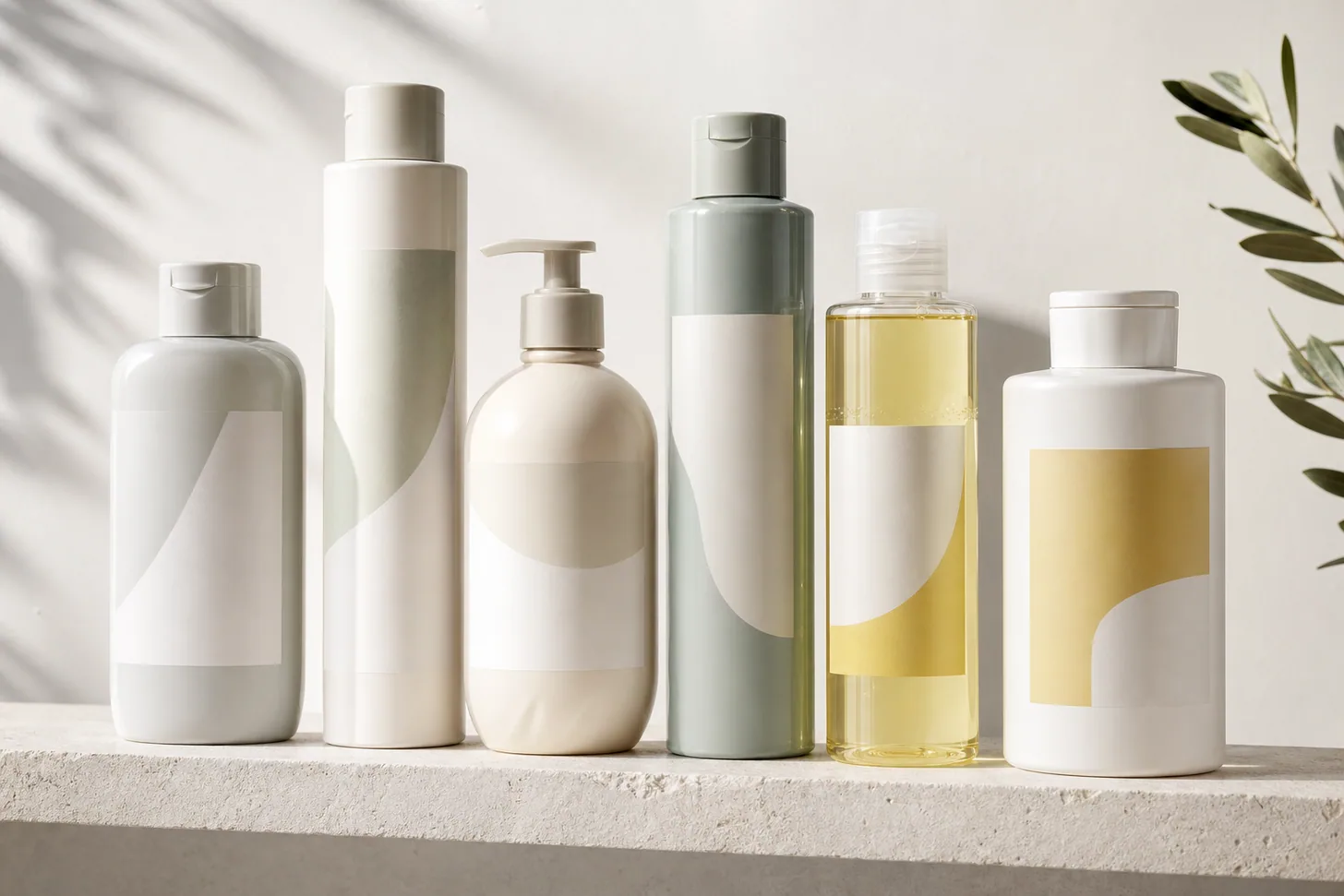
Our six picks by use-case. Product images courtesy of the brands.
Chair-side note
A common thing I hear: "My hair is flat by noon and I just washed it." Nine times out of ten on fine hair, that's not dirt — it's coating. Silicones, dry-shampoo starch, and hard-water minerals build an invisible film that regular shampoo skates over, and fine strands show the weight of it immediately.
One clarifying wash and clients text me the same thing: "It feels like my hair again." That's the reset doing its job — you just don't want to do it every day.
MH
— Megan Holloway, Editor-in-Chief
Why buildup flattens fine hair faster than any other type
Fine strands are narrow, so it takes far less residue to coat them — and once coated, they collapse. Everything you put on your hair leaves a little behind: conditioner and styling silicones, mousse and hairspray polymers, dry-shampoo starch, plus the minerals in hard water and your own scalp oil.
On coarse hair that film is a rounding error. On fine hair it's the difference between roots that stand up and roots that lie flat by lunch. That's also why the volume products you love can eventually turn on you — the same polymers that build body one day become dead weight once they accumulate. Clarifying is the reset, not the routine — the everyday bottle for thirsty lengths is in shampoo for dry, fine hair.
A clarifying shampoo is built to dissolve that layer. Where your everyday wash is gentle and often mildly conditioning, a clarifier uses stronger surfactants (and sometimes chelating agents for minerals) to lift buildup the daily formula leaves behind. This is a genuinely different job from your daily cleanser — if you're shopping for that, see our guide to the best everyday shampoo for fine hair, which is the lightweight daily counterpart to the reset wash covered here.
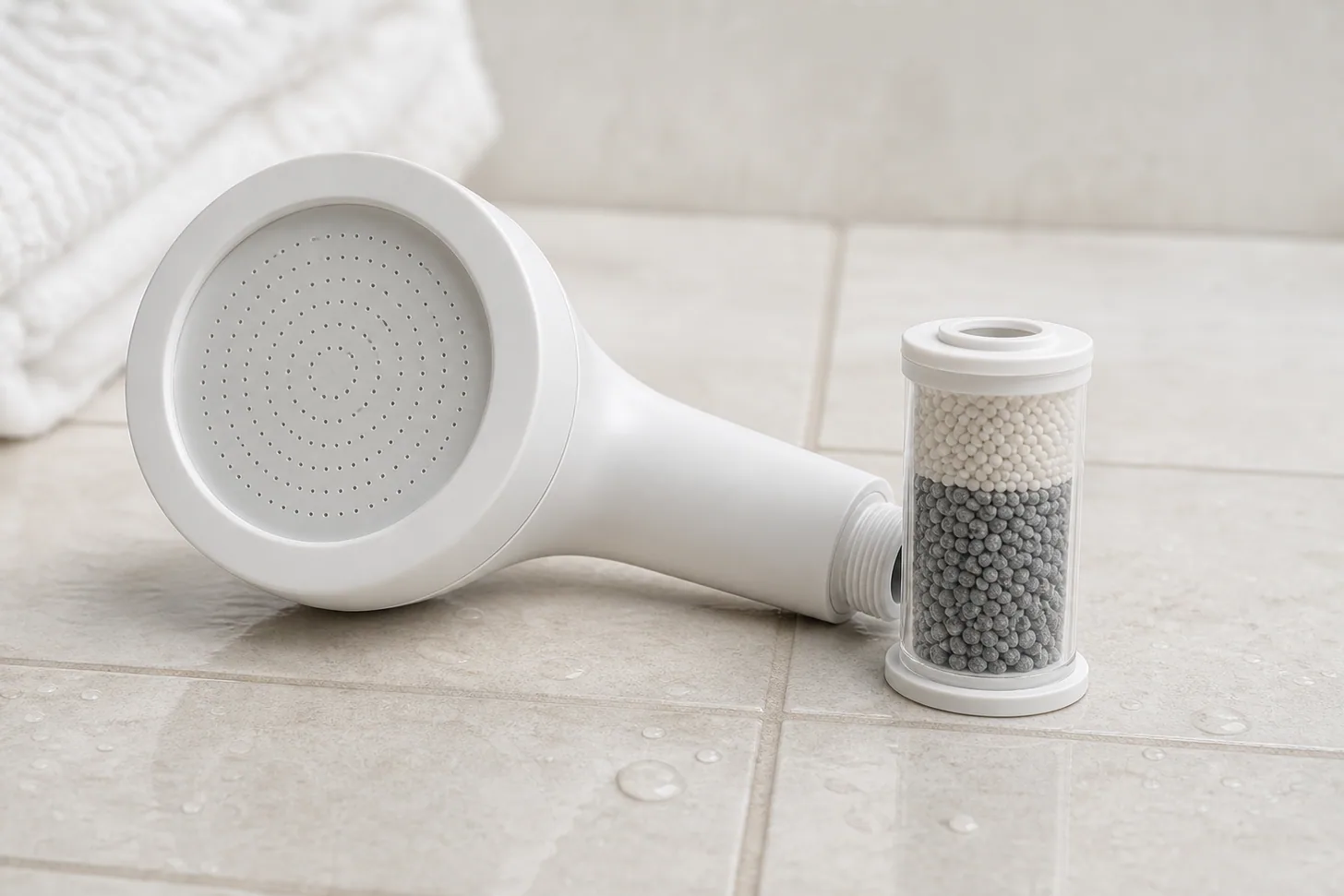
And if your buildup is mineral rather than product, the distinction matters more than the brand: what hard water actually does to fine hair explains why a clarifier alone often changes nothing. Buildup and flaking look alike and are not the same thing; if yours is genuinely flaking rather than residue, start with a dandruff shampoo chosen for fine hair instead.
How often fine hair should actually clarify
Here's the honest caveat, because it matters more on fine hair than on any other type: clarifying strips oils along with buildup, and fine hair does not have oils to spare. Clarify too often and you trade flatness for dryness, roughness, and static — a worse problem.
For most people the sweet spot is every one to two weeks, and rarely more than once a week. Heavy product users, hard-water households, and daily exercisers lean toward the weekly end; dry or color-treated hair should stretch to every other week or monthly.
Let the feel of your hair set the cadence: clarify when it goes flat and coated despite a normal wash, not on a rigid schedule. And always follow with a lightweight conditioner on the mid-lengths — never the roots — to put back the slip you stripped. Fine curls need this more often than curl-focused advice suggests — the cadence is in shampoo for fine curly hair.
The best clarifying shampoos for fine hair, by use-case
One honest pick per job. All are real, currently-sold clarifiers — match the use-case to why your fine hair feels weighed down, whether that's product, hard water, oil, or color that can't take a harsh strip.
1
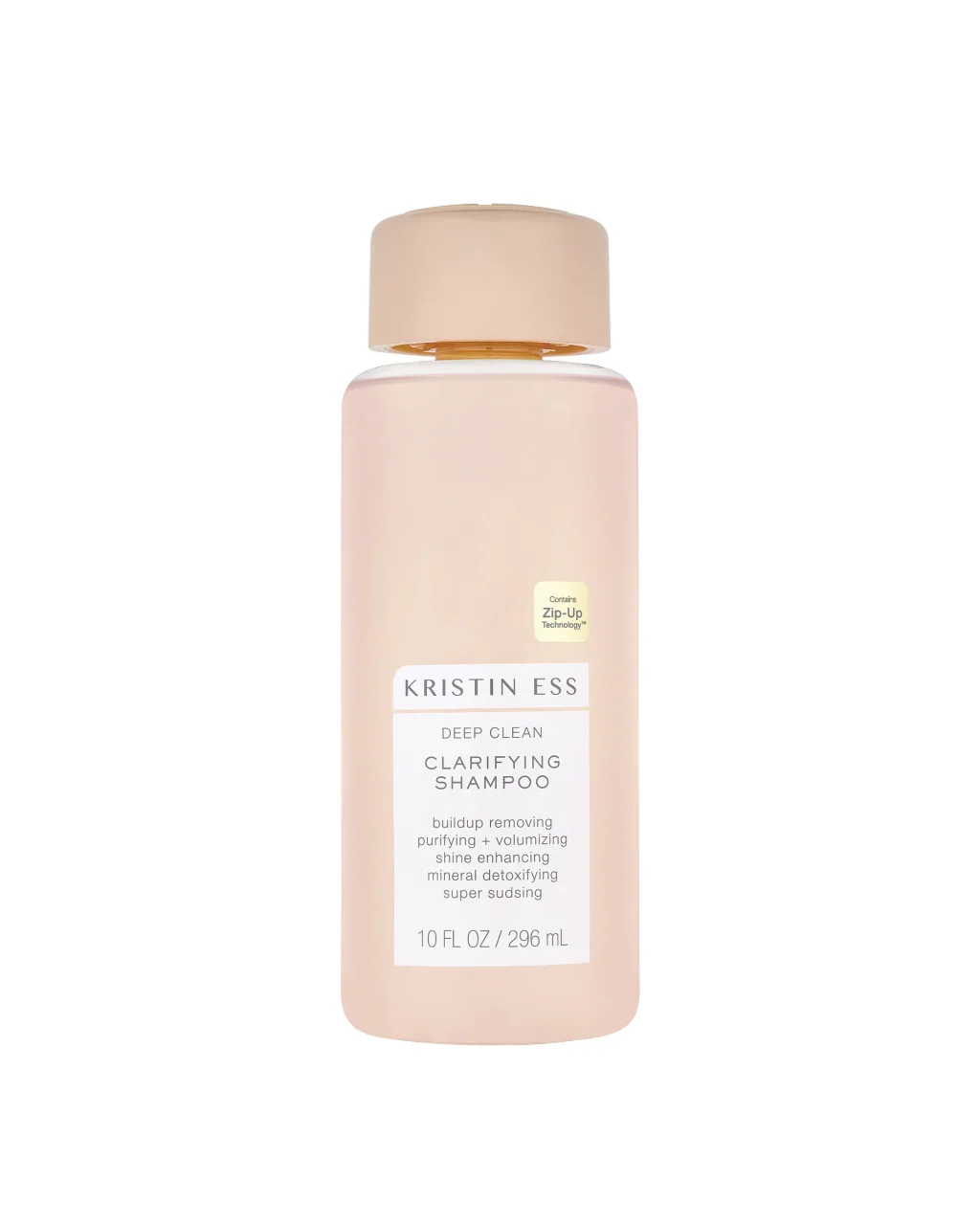
Best overall: Kristin Ess Deep Clean Clarifying Shampoo
A modern clarifier that clears product, oil, and mineral buildup without the stripped, squeaky harshness of old-school formulas — the balance fine hair needs from a reset. Best for: most fine-haired readers who want one dependable every-week-or-two wash to restore lift. Honest limitation: it's still a clarifier, so it can feel drying on the ends if you skip conditioner — always follow with a light one from the ears down.
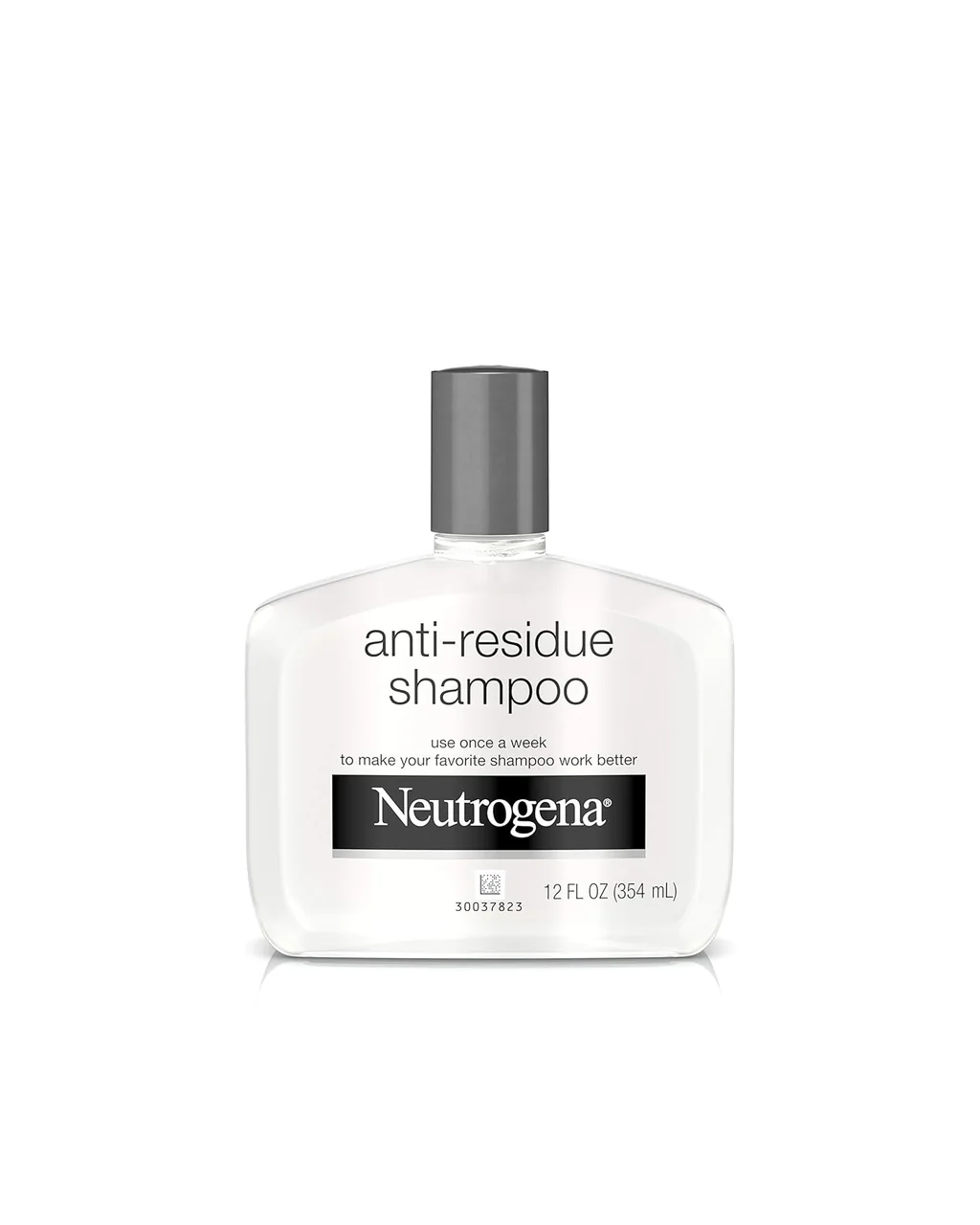
Best budget: Neutrogena Anti-Residue Clarifying Shampoo
The drugstore classic stylists have recommended for decades — a no-frills, effective residue remover for a few dollars, designed to be used about once a week. Best for: anyone who wants a proven reset without spending much, or a first clarifier to test whether buildup is your flatness culprit. Honest limitation: it's basic and can run drying, with no conditioning agents at all, so lightweight conditioner afterward isn't optional here.
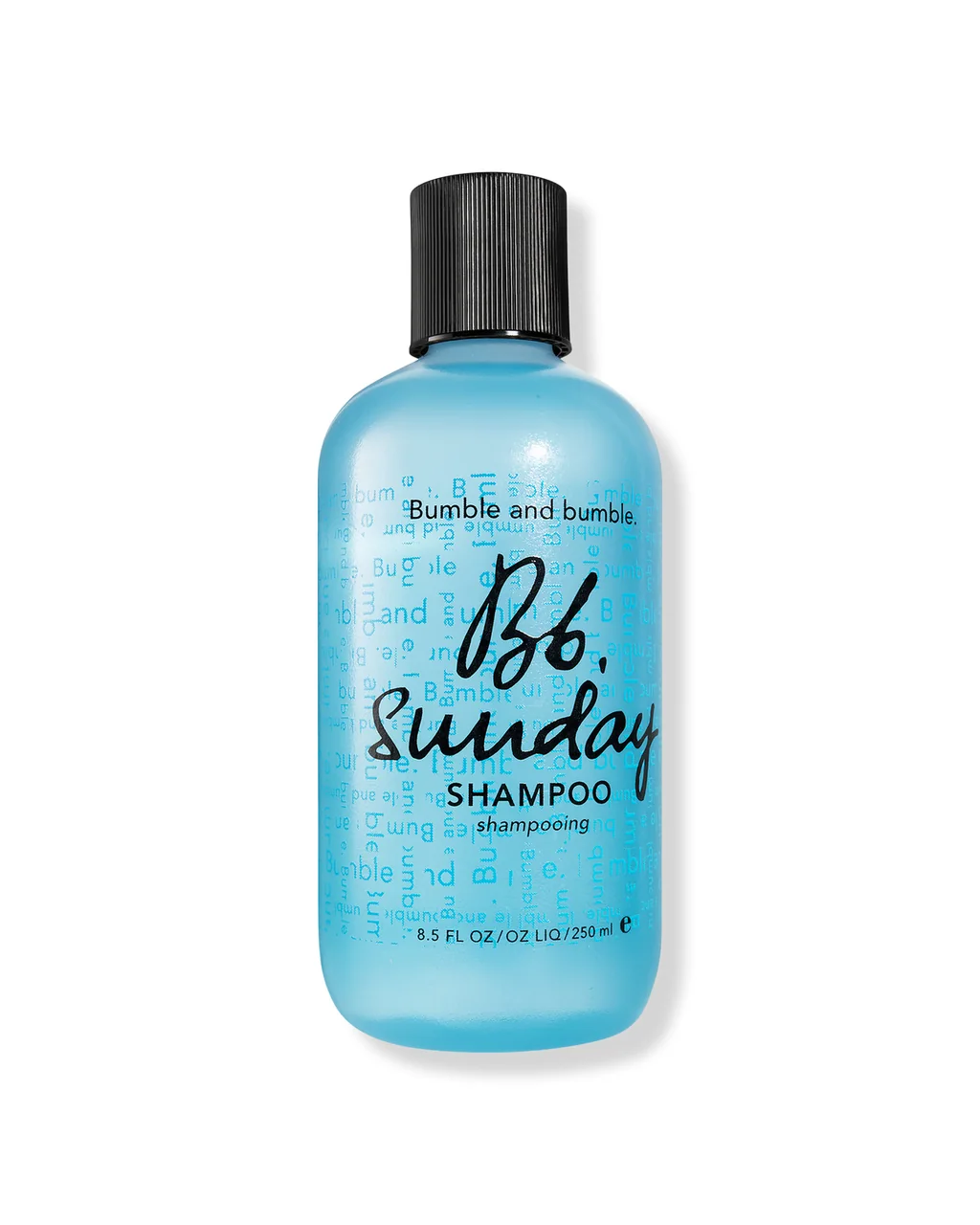
Best gentle weekly reset: Bumble and bumble Sunday Shampoo
A deep clean that's noticeably less stripping than most clarifiers — named for the once-a-week wash it's built around, so it clears buildup while staying kind to finer, more fragile strands. Best for: fine hair that needs regular resets but turns dry and staticky with aggressive formulas. Honest limitation: that gentleness means it's less aggressive on heavy silicone or serious mineral buildup — for hard water, reach for a chelating pick below.
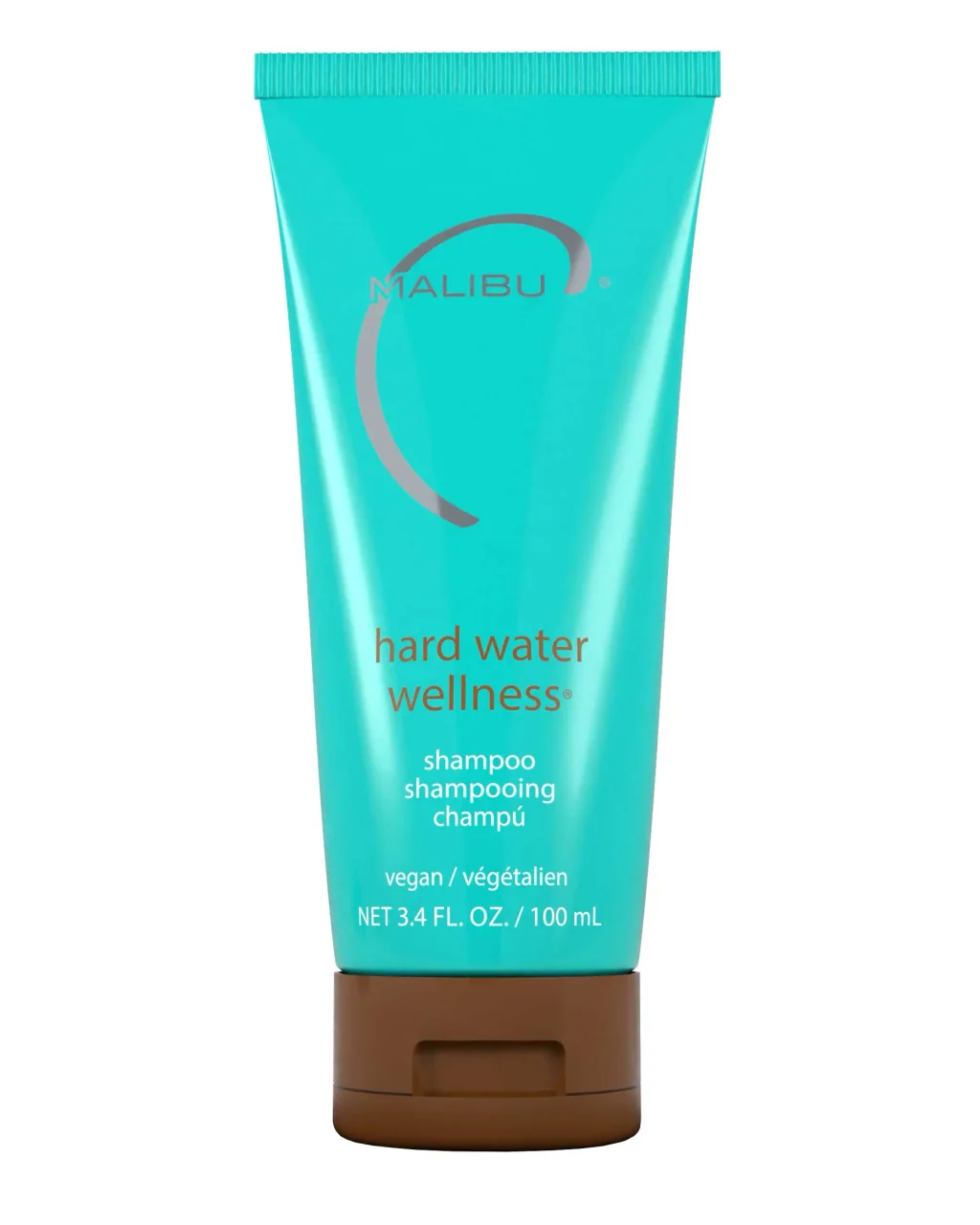
Best for hard water and mineral buildup: Malibu C Hard Water Wellness Shampoo
A chelating wash formulated to bind and lift the minerals a standard clarifier leaves behind — the right tool when hard water is dulling and coating fine hair. (Malibu C Un-Do-Goo is the brand's sister option for combined product-and-mineral residue.) Best for: fine hair in a hard-water area that feels heavy, dull, and film-coated no matter how you wash. Honest limitation: it's a targeted fix, not a daily shampoo — use it every week or two, and it won't help if your flatness is really product or oil rather than minerals.
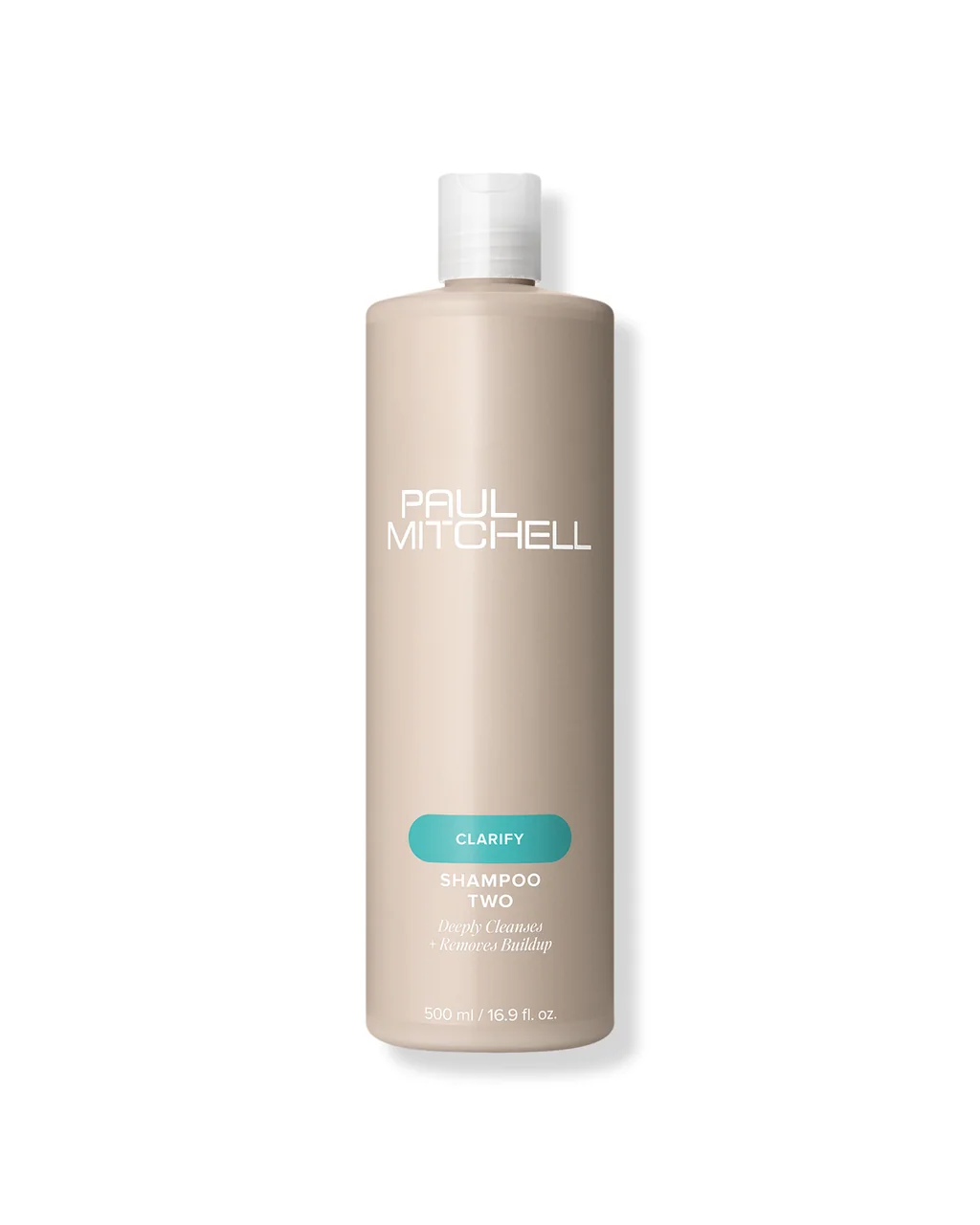
Best for an oily fine scalp: Paul Mitchell Shampoo Two
A deep-cleansing clarifier that cuts through excess oil and residue at the scalp with a brisk, thorough lather — ideal when fine roots grease up and go limp by afternoon. Best for: oily-scalped fine hair that needs a stronger periodic degrease than a daily wash provides. Honest limitation: it's efficient at removing oil, which means it can over-dry the lengths — keep the lather at the scalp and condition the mid-lengths after.
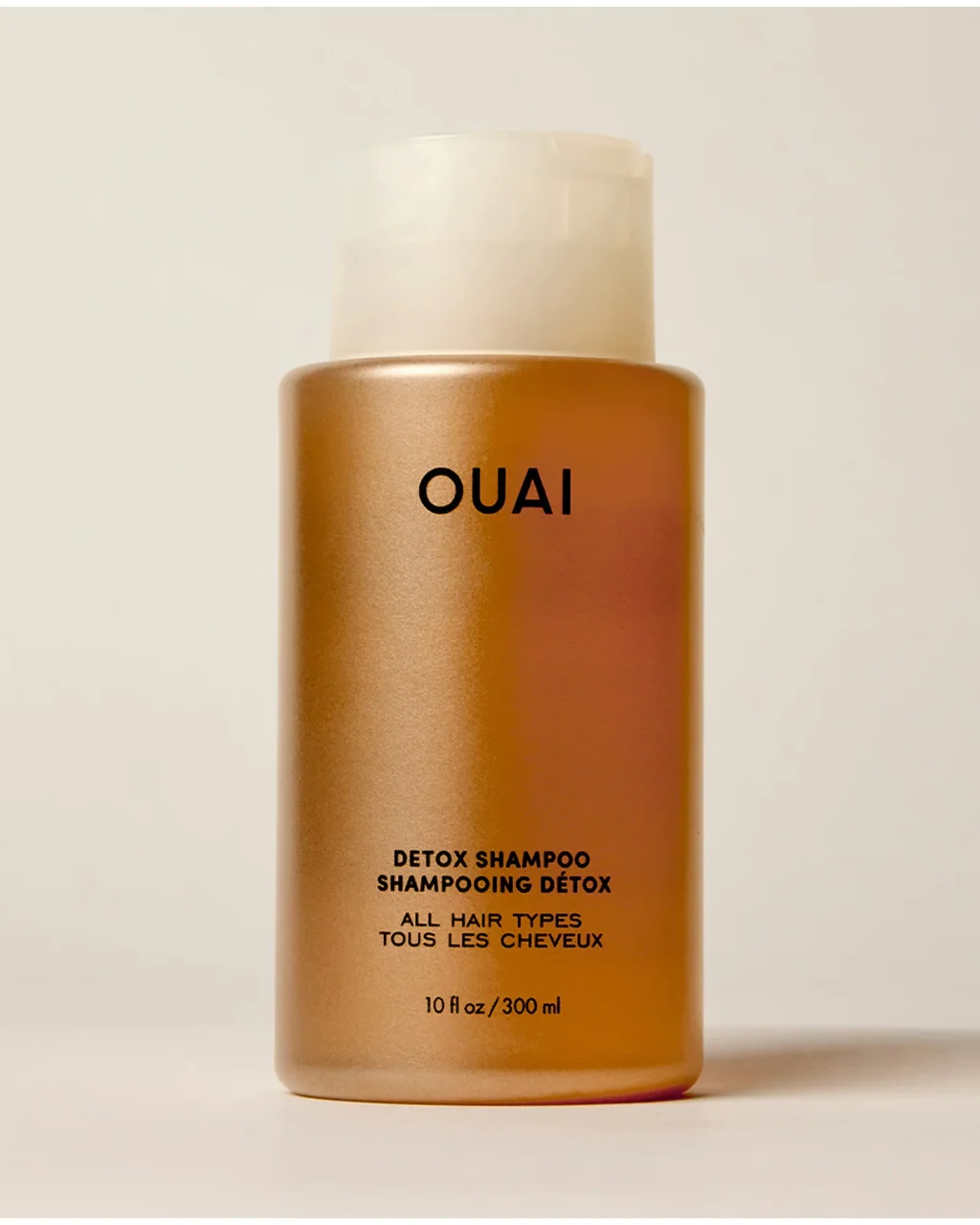
Best color-safe / gentler detox: Ouai Detox Shampoo
A detox wash built to clear product, chlorine, and hard-water buildup while staying gentle enough for color-treated hair, so you get the reset without stripping tone the way a harsh clarifier can. If colored hair is your main concern rather than buildup generally, the color-treated shampoo picks cover the same reset job alongside the daily wash. Best for: highlighted or glossed fine hair that turns dull and coated but can't take an aggressive strip. Honest limitation: gentler on color also means gentler on heavy buildup — for stubborn mineral scale, a dedicated chelating pick clears more.
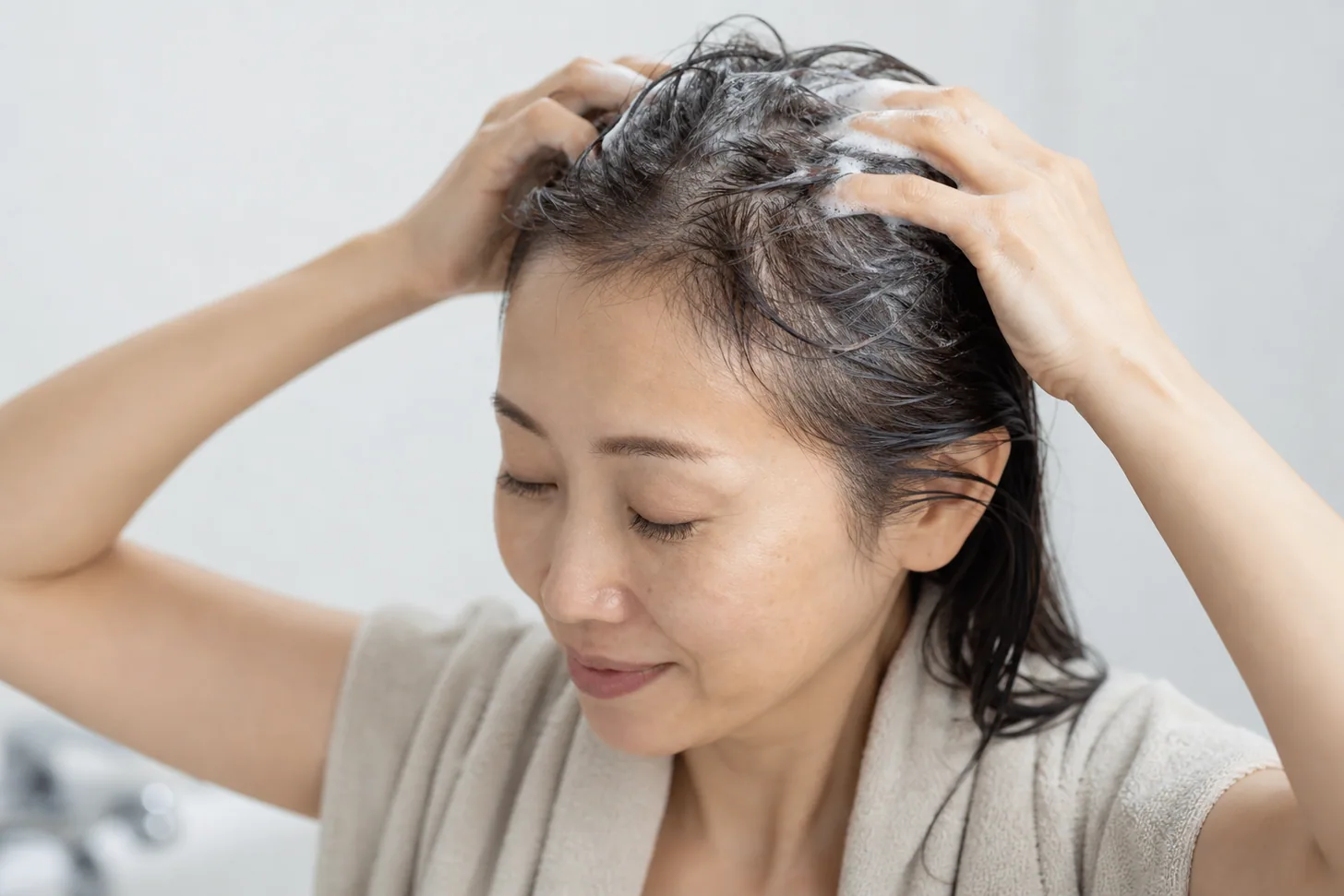
Wet the hair thoroughly, then work a modest amount of clarifier into the scalp with your fingertips — that's where buildup and oil live — and let the lather run down the lengths rather than scrubbing the fragile ends directly. If your hair is long or dense enough that your fingertips never quite reach the skin, this is the wash to use a scalp brush on: it puts the clarifier where the buildup actually is, which is most of what makes a clarifying wash work.
Leave it a minute so the surfactants can dissolve the film, then rinse until the water runs completely clear. Follow immediately with a lightweight conditioner from the ears down, never at the roots, so you restore slip without re-coating the hair you just reset.
Then style as usual; you'll notice the difference most in how much lift your roots hold. If flatness is a daily battle even right after washing, our guide to a flat hair fix covers the cut and styling side, and knowing whether you're dealing with fine hair or thin hair helps you tell coating from genuinely low density.
When clarifying isn't the fix — and don't overdo it
Your hair is dry, rough, or staticky. You may already be clarifying too often — pull back to every other week and let your natural oils recover. Over-clarifying strips fine hair faster than it helps.
Your flatness is really the cut. If hair has no shape or body built in, no wash will lift it — a smart fine-hair cut does more than any clarifier. See our flat hair fix.
Your scalp oils up by afternoon. Clarifying degreases for a day but doesn't change the cadence — fixing your wash frequency for fine hair is the real lever.
You skip conditioner to "keep the volume." Always follow with a lightweight conditioner on the mid-lengths and ends. Bare clarified fine hair tangles and roughens — condition below the roots, not at them.
FAQ
Yes — used occasionally, it's one of the most effective volume resets fine hair has. Thin strands coat fast, so product, hard-water minerals, and oil build up quickly and weigh the hair flat. A clarifying wash strips that layer and gives you back your lift. The one rule: it's a periodic reset, not a daily shampoo. Fine hair dries out and roughens if you clarify too often, so most people need it only every one to two weeks. It is also the reset that keeps a thickening shampoo from becoming weight, which is why best shampoo for thinning hair schedules one fortnightly.
About every one to two weeks for most people, and no more than once a week. If you use a lot of styling product, have hard water, or work out daily, lean toward weekly; if your hair is dry or color-treated, stretch it to every other week or even monthly. The signal to clarify is a flat, coated, won't-lift feeling despite a normal wash — not a set schedule. Over-clarifying strips the natural oils fine hair needs and leaves it dry and staticky.
Not when it's used correctly, but overuse can leave fine hair dry, rough, and brittle. Clarifying formulas are designed to strip — that's the point — so using one daily or every wash removes the natural oils that keep fine strands flexible. Keep it to a periodic reset, concentrate the lather at the scalp rather than scrubbing the fragile ends, and always follow with a lightweight conditioner on the mid-lengths. Used that way, it helps far more than it harms.
A regular shampoo is your everyday cleanser — gentle enough for frequent use, often with conditioning agents. A clarifying shampoo is a stronger, deeper reset built to dissolve accumulated buildup: silicones, styling polymers, hard-water minerals, and excess oil that a daily wash leaves behind. Think of clarifying as the occasional deep-clean and your regular shampoo as the daily one. On fine hair you want both — a lightweight daily formula plus a clarifier used every week or two.
For hard-water mineral buildup specifically, look for a chelating shampoo — one with ingredients like EDTA or sodium gluconate that bind and lift metals and minerals, which a standard clarifier doesn't fully remove. Malibu C Hard Water Wellness is a well-known chelating option, and Malibu C Un-Do-Goo targets product and mineral residue. If your fine hair feels coated, dull, and heavy in a hard-water area, a chelating wash every week or two usually restores the lift a regular clarifier can't.
Yes, always — but keep it lightweight and off the roots. Clarifying strips oils along with buildup, so the mid-lengths and ends can feel dry or tangly afterward; a light conditioner restores slip without re-coating the hair you just cleaned. Apply it from the ears down, never at the scalp, so you don't undo the volume reset. Skipping conditioner entirely is how clarifying gets its undeserved reputation for leaving fine hair straw-like.
Fourteen years in hair — eight behind the chair, six in editorial — with a focus on scalp health and the science of fine, flat-prone hair. Megan reviews product formulas the way she'd read a label for her own clients: weight first.
Results vary with hair type, density, and growth patterns. This guide is educational and not a substitute for an in-person consultation with a licensed stylist.
Get the good hair intel
One honest, stylist-written guide in your inbox each week. No hype.

 MH
MH