Reviewed by Tara Sullivan · Updated August 2026 · 9 min read
Mousse is the one styling product genuinely built for fine hair: an aerated foam that adds body without weight — the trade-off every cream, oil, and heavy serum gets wrong. Below are our stylist picks for the best mousse for fine thin hair, by category — everyday volumizing, featherweight liquid-to-foam, drugstore, all-day hold, color-safe, and air-dry — each with who it suits and one honest limitation.
Every product here is chosen independently, on the merits — what genuinely suits fine, thin hair. Links go to each brand's official page, and we don't take payment for placement. Price tiers are rough guides because prices change.
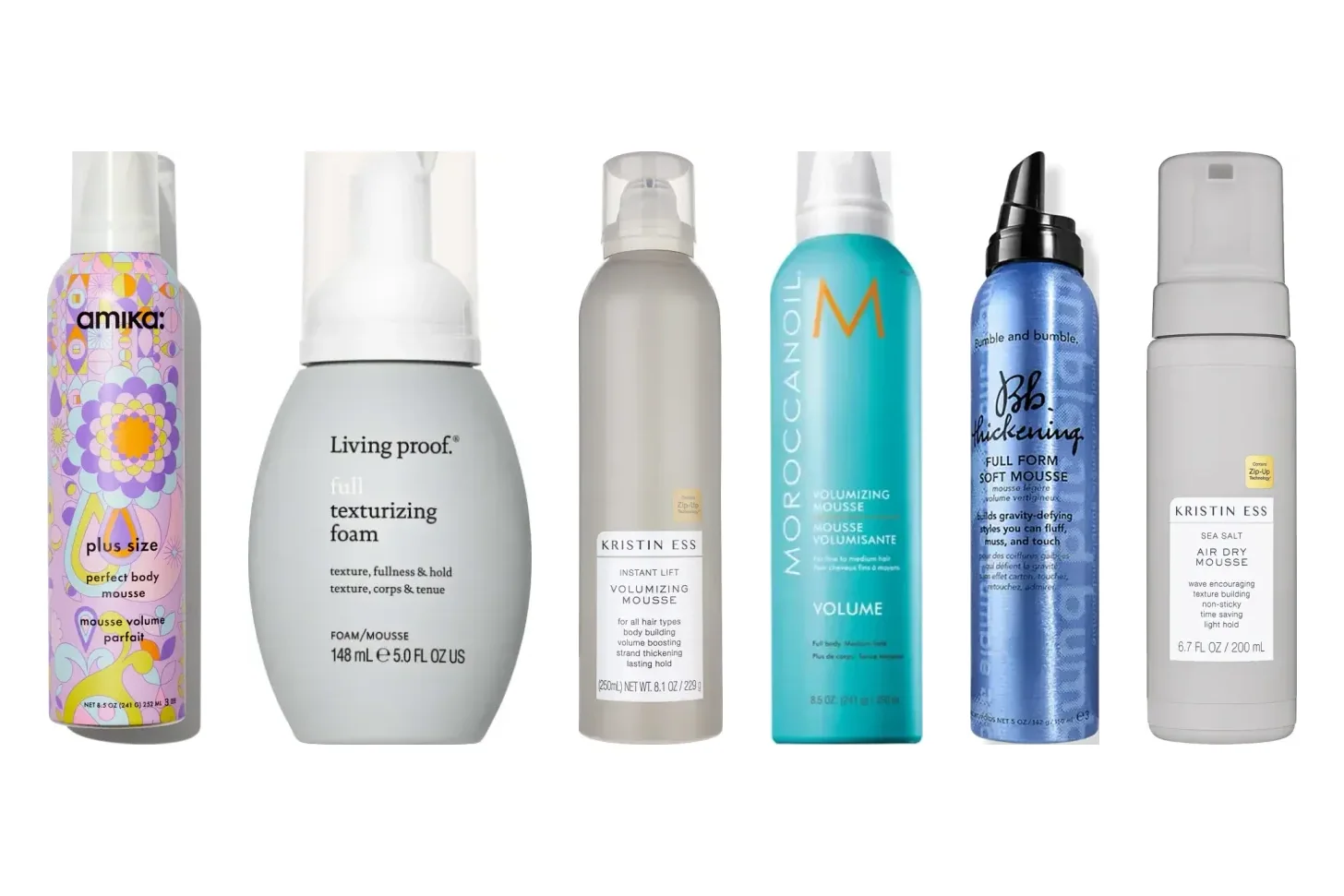
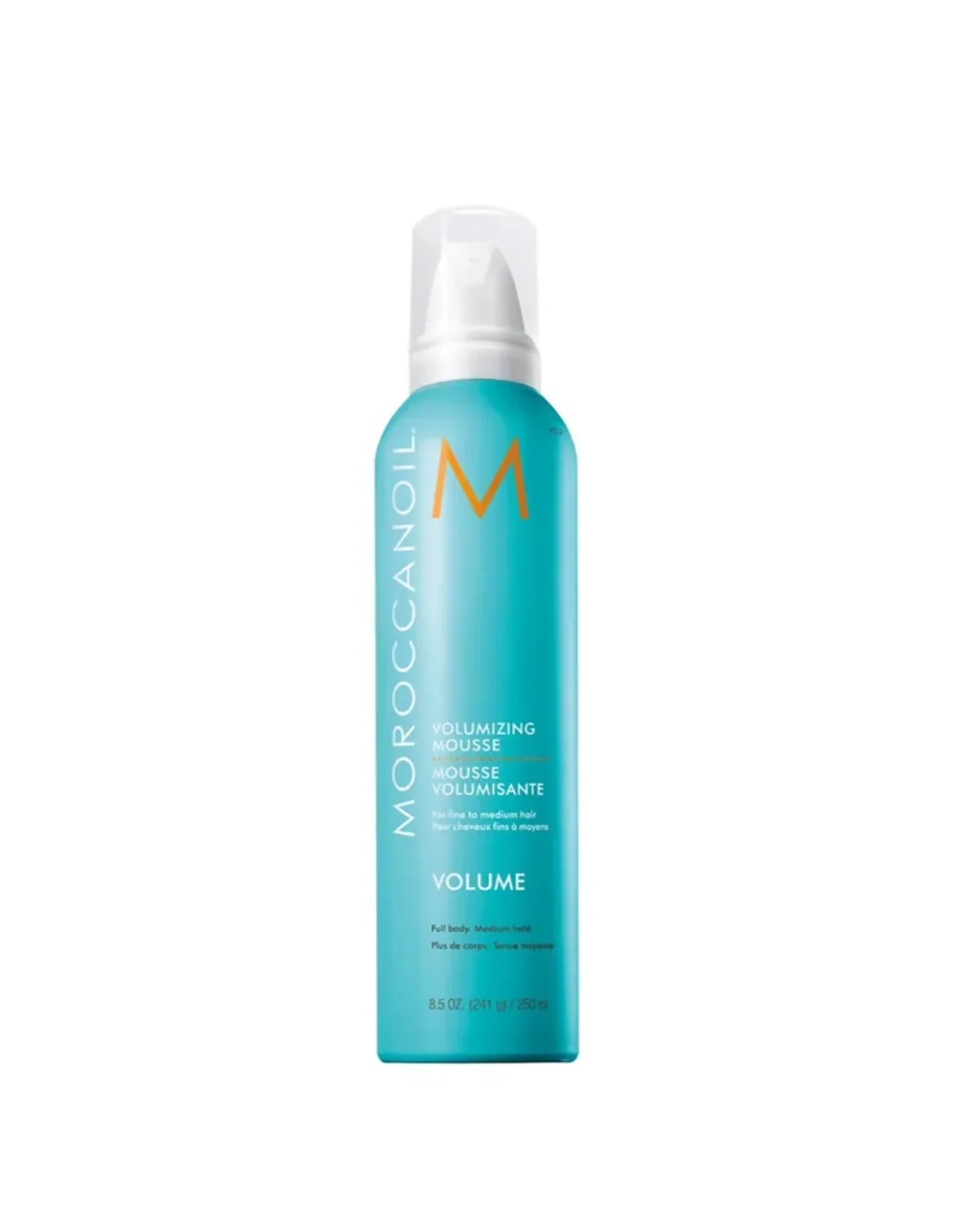
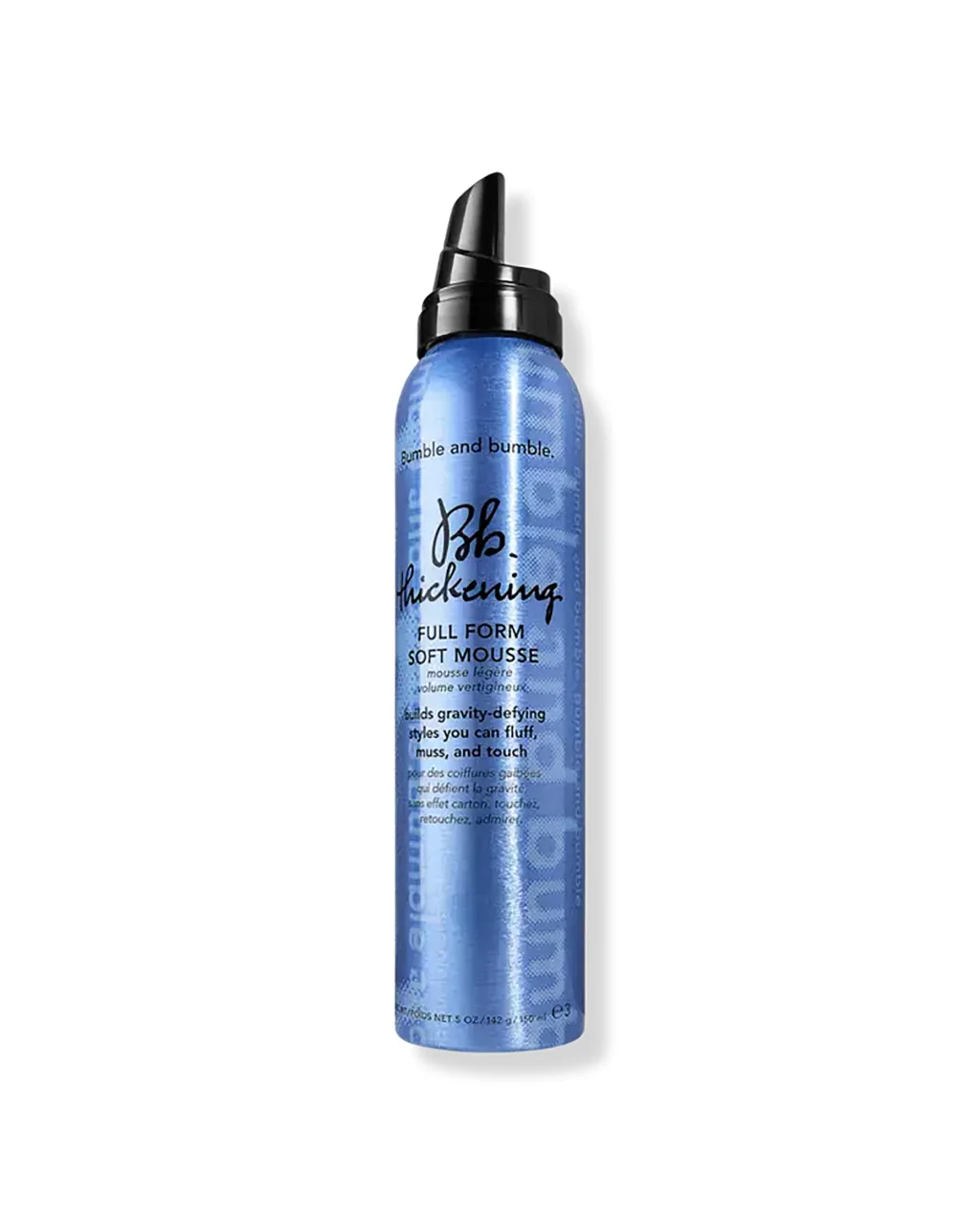
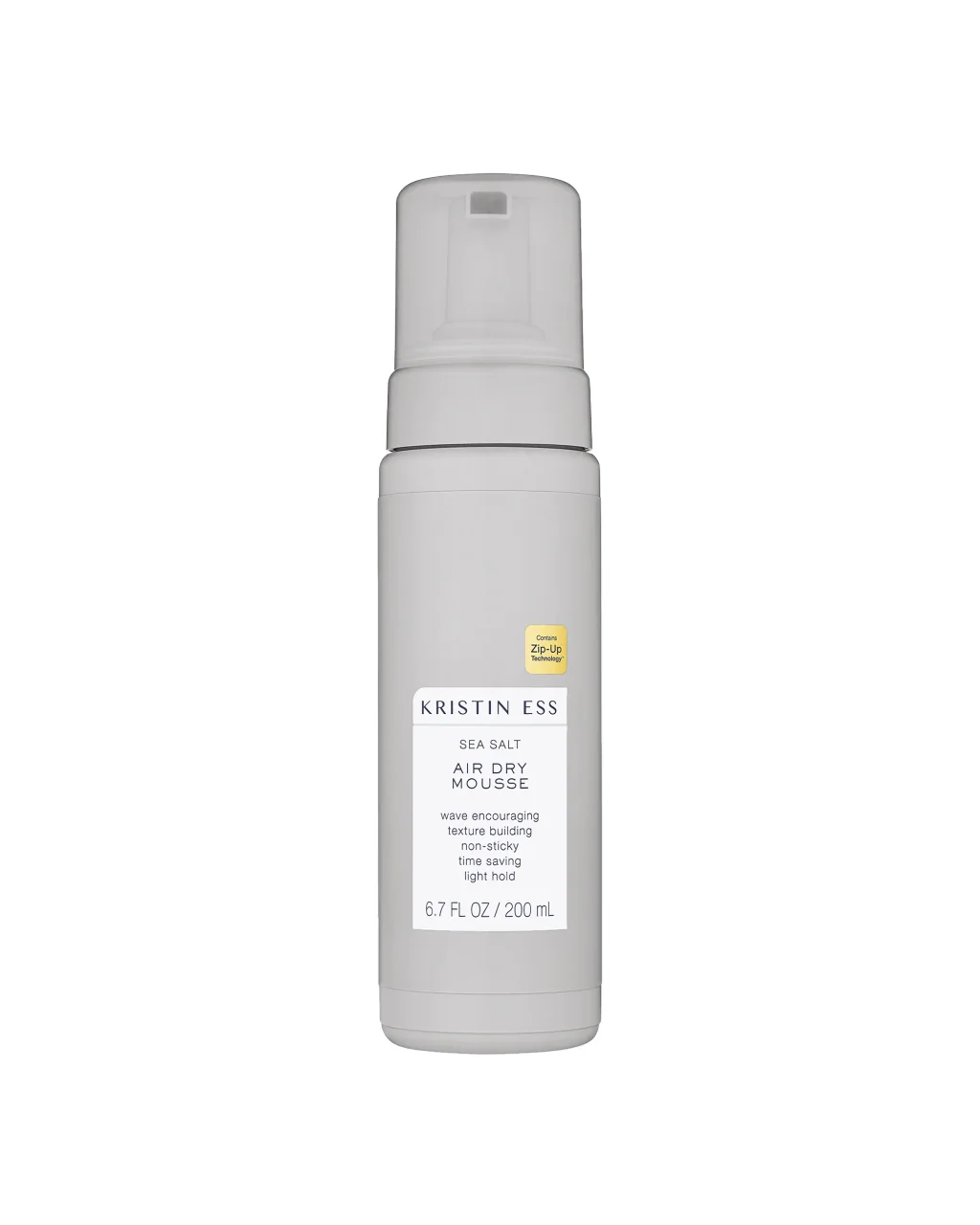
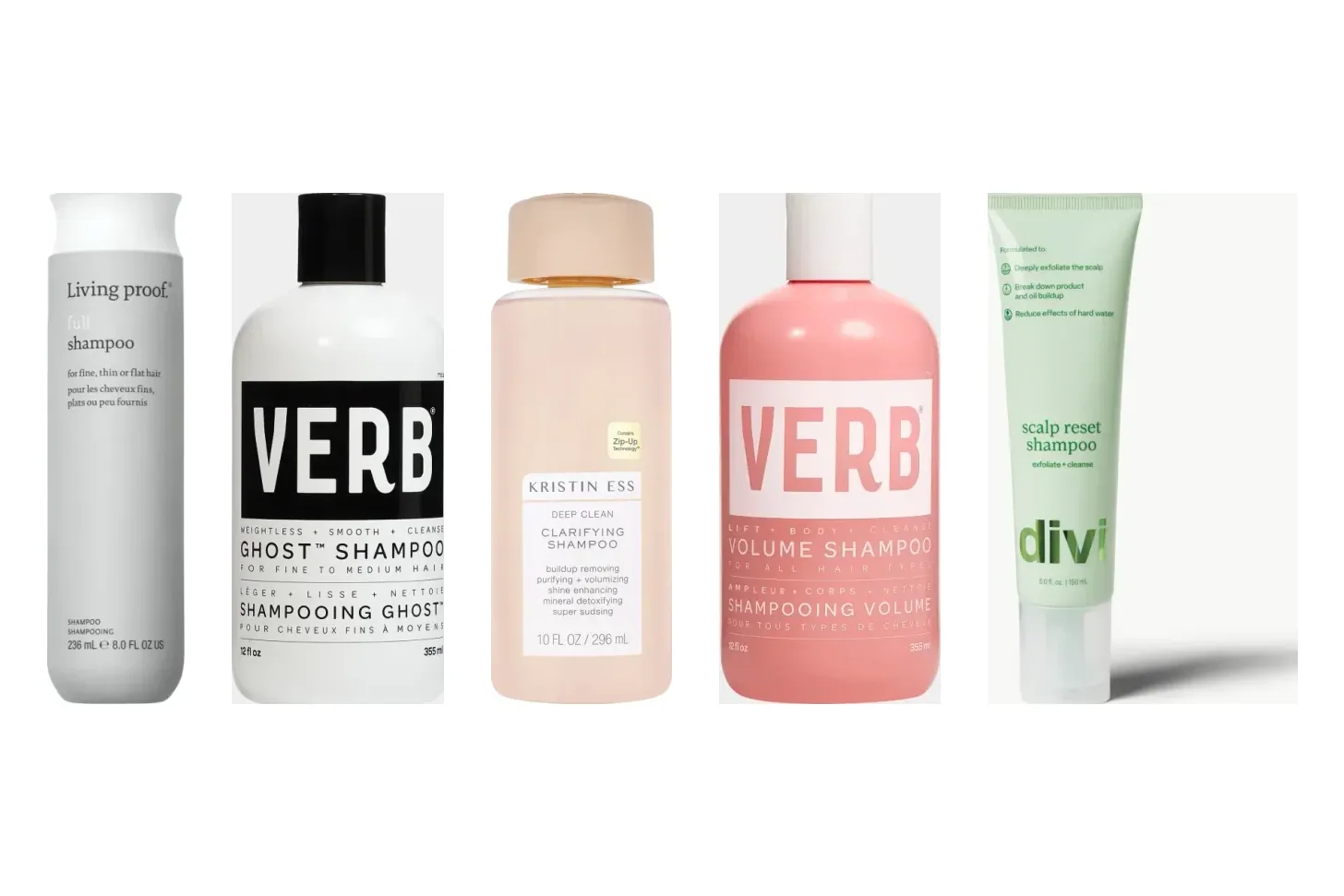
Our six picks. Product images courtesy of the brands.
Chair-side note
Almost every "mousse didn't work for me" story I hear comes down to placement, not product. Clients rake it through their ends — where fine hair least needs hold — and skip the roots, which is where all the lift lives. A golf-ball puff worked into the roots of damp hair, then blow-dried, behaves like a different product entirely.
MH
— Megan Holloway, Editor-in-Chief
Why mousse suits fine hair better than any other styler
Fine strands are narrow and collapse under anything heavy, so the usual styling arsenal — creams, oils, rich serums — works against them. Mousse flips the equation: the foam is mostly air, carrying lightweight fixative polymers that coat each strand thinly, add grip between strands, and hold lift at the root once heat sets them. That's why a bodifying foam can double the visual fullness of a blow-dry while a styling cream of the same weight class flattens it.
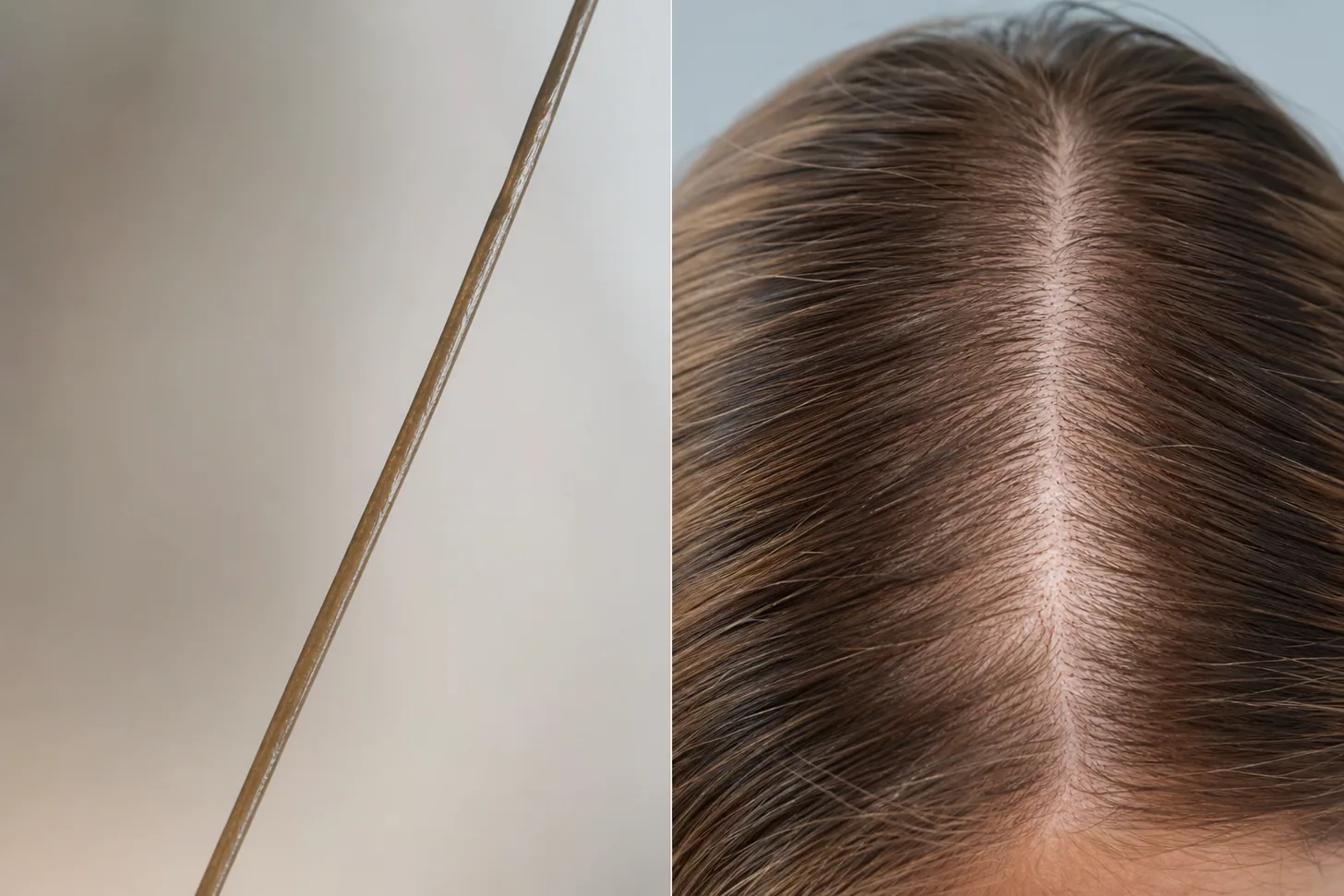
Which formula you need depends partly on whether your hair is fine, low-density, or both — the distinction takes two minutes to check in our guide to telling fine hair from thin hair. Fine-but-plentiful hair wants hold and lift; genuinely thin hair also wants thickening ingredients that plump the strand itself.
What to look for on the label
The helpful words are volumizing, bodifying, lightweight, and flexible hold. Humectants like panthenol and aloe add softness without grease. Be wary of rich oils (coconut, castor) or butters high in the ingredient list, "smoothing" or "curl-defining" marketing (those formulas prioritize weight and clump control), and maximum-hold resins, which read as crunch on fine strands.
A mousse should disappear into the hair once dry — if you can feel it, it's too heavy or you used too much.
The best mousses for fine hair, by category
One honest pick per job. Match the category to how you actually style — daily blow-dry, air-dry, color-treated, or a style that has to survive until evening.
1
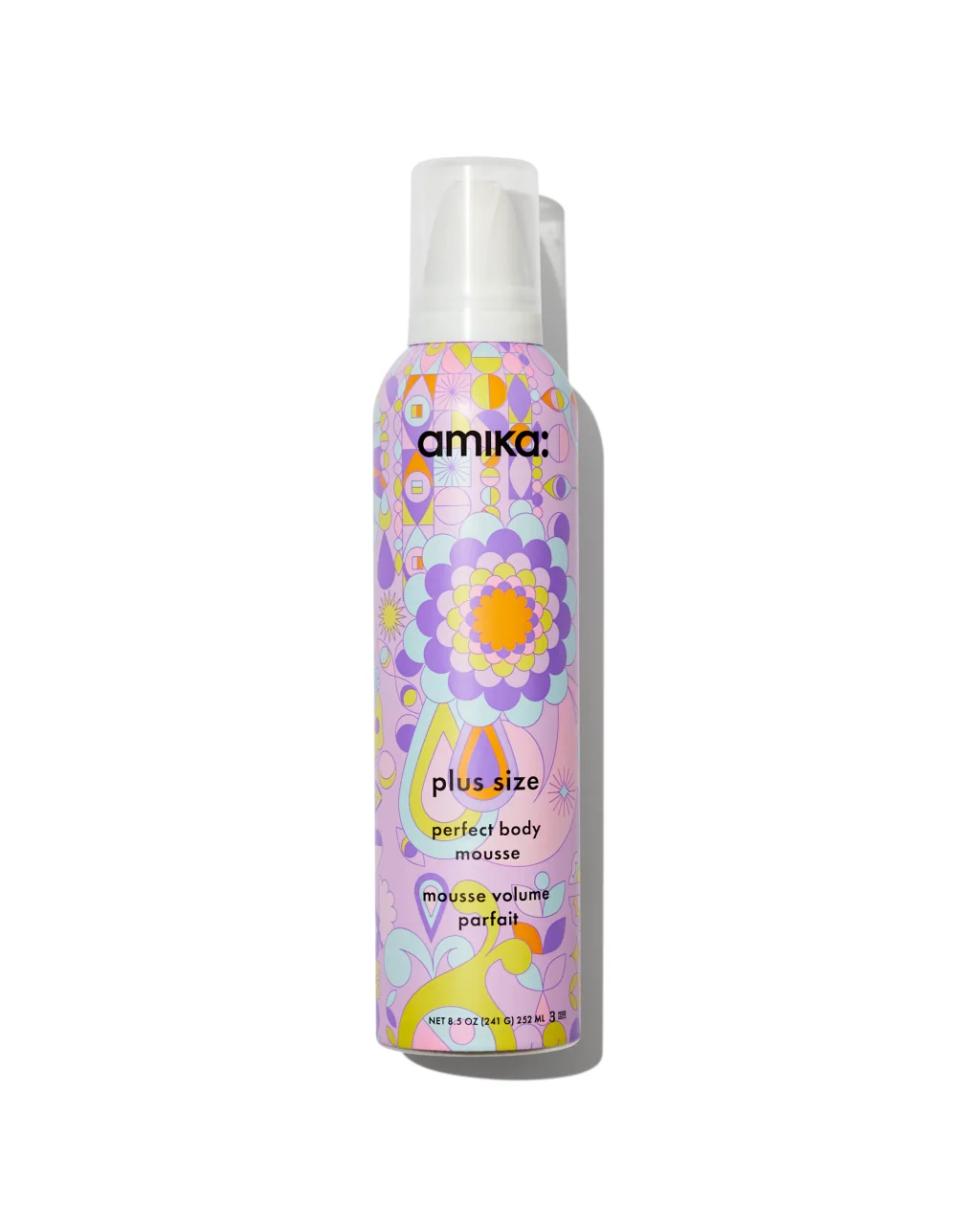
Best overall: amika Plus Size Perfect Body Mousse
amika's cult volumizer — medium-light hold, heat-activated lift, and a clean finish that brushes out soft. Best for: fine hair that gets a quick blow-dry most mornings and needs the volume to last past noon. Honest limitation: it's a partner to technique, not a substitute — applied to air-dried hair without root-lifting, it gives light control and not much else.
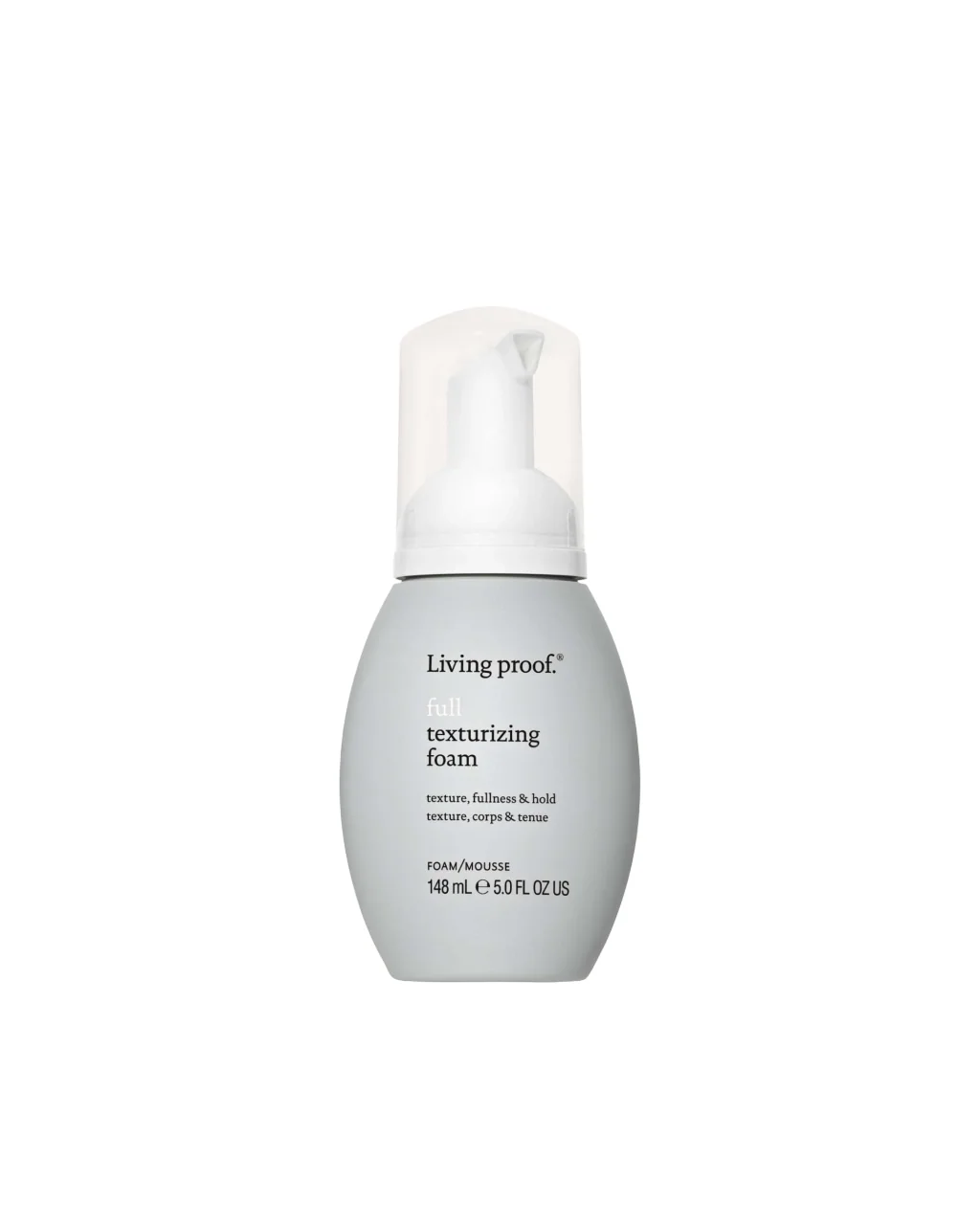
Best featherweight: Living Proof Full Texturizing Foam
A pump-dispensed foam that lands light and airy, so the polymer layer is thinner than a classic aerosol — the one to try when even regular mousse feels like too much. Best for: baby-fine or sparse hair that collapses under standard stylers. Honest limitation: hold is soft; on humid days you'll want a texture-spray finisher to keep the lift.
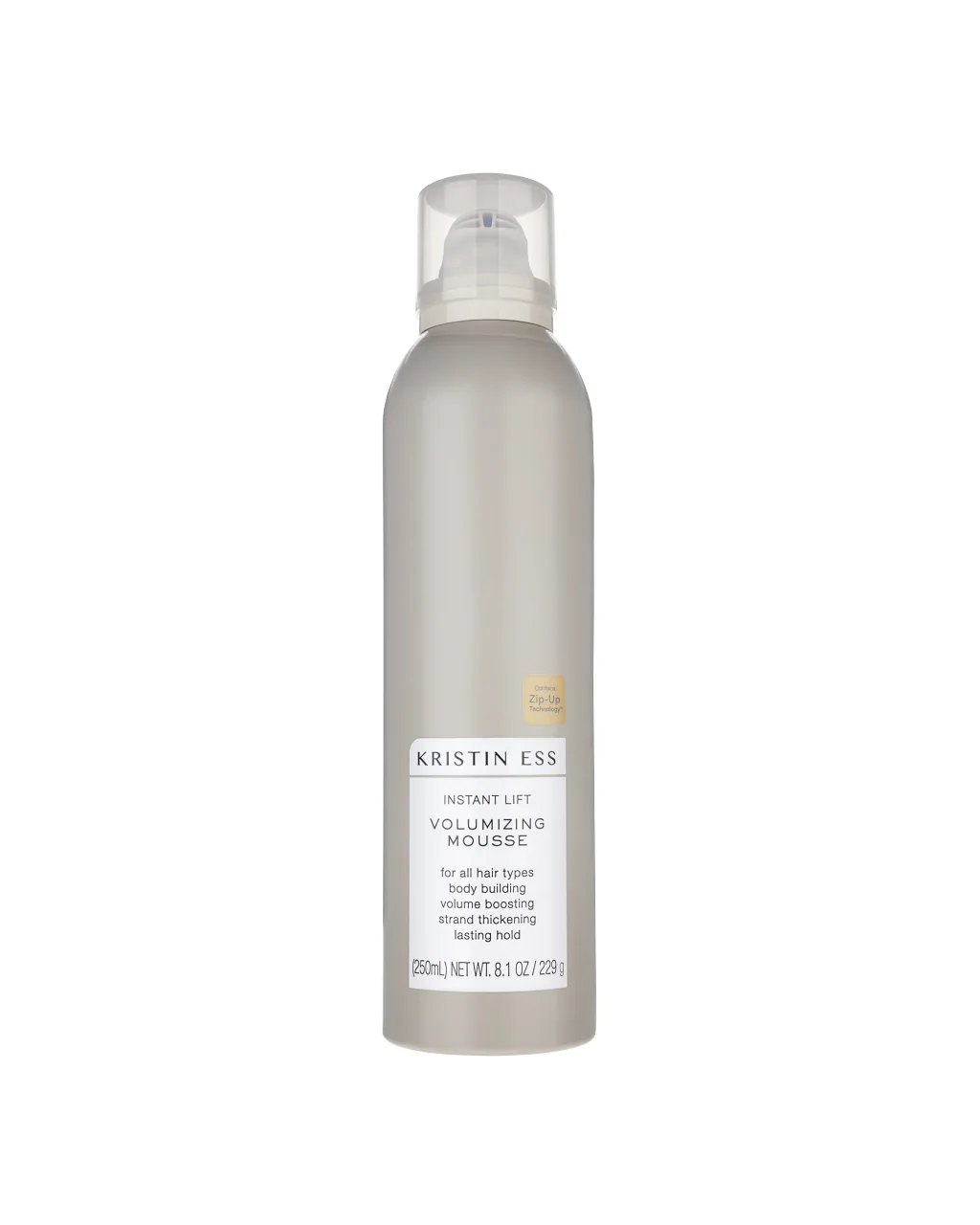
Best budget: Kristin Ess Instant Lift Volumizing Mousse
Proof the drugstore option can genuinely compete — aerated, light, and effective at the roots, around $14. Best for: anyone building a fine-hair routine without a salon budget, or testing whether mousse is their product before upgrading. Honest limitation: hold is light-to-medium; keep it at the roots and condition the ends properly.
A step up in fixative for the days the style has to survive — an event, a curl set, or an updo base. On fine hair, "flexible" is the key word: strong and brittle is how you get crunch. Best for: curls that fall by lunch and updos that slip; it's the base we'd use under updos for fine hair that hold. Honest limitation: too much reads stiff — halve your usual amount and build up only if needed.
Best for color-treated fine hair: Bumble Thickening Full Form Soft Mousse
A soft, heat-protective mousse that adds body while keeping the finish cushiony — light conditioning that suits porous, color-processed fine hair. Best for: highlighted or gloss-treated fine hair that turns dull or dry with standard mousse. Honest limitation: that extra conditioning costs a little lift — concentrate it at the roots and skip the ends entirely.
Formulated to work without heat — lighter polymers (with sea salt for texture) that set as hair dries naturally, giving control and a touch of body instead of flyaway limpness. Best for: wash-and-go mornings, wavy fine hair, and anyone rationing heat styling. Honest limitation: no foam matches a blow-dry for root lift; expect "better air-dried hair," not volume.
The six picks above are sorted by job. These are the three questions that come up afterwards, and each of them is really a question about what else you already own.
The drugstore tier genuinely competes on mousse, which is not true of every category
Worth saying plainly, because it isn't true across the board: on mousse specifically, the best drugstore option for fine hair is close enough to the salon ones that price is a reasonable way to choose. Both budget picks above are drugstore products, and one of them is the pick we would hand to someone starting from nothing.
The reason is chemistry rather than luck. A volumizing mousse is mostly water, a propellant, and a film-forming polymer, and those polymers are commodity ingredients that a drugstore brand buys from the same suppliers a premium brand does.
What the premium tier reliably buys you is the feel — finer aeration, less alcohol drag, better scent, a softer brush-out — and on fine hair the aeration is worth something, because a wetter foam deposits more material per pump. What it does not buy you is more lift. Compare that with a hair oil or a bond builder, where the active itself differs, and the tiers separate properly.
So: if mousse is a product you are testing rather than committing to, start at the drugstore, spend the difference on a decent round brush, and upgrade only if the finish bothers you. More budget swaps across the whole shelf are in our drugstore picks for fine, flat hair.
A curl mousse and a curl cream do different jobs on fine waves
These get bought interchangeably and they are not interchangeable. Mousse adds body during the dry; a curl cream groups and defines a pattern that is already there. On fine, wavy hair that distinction decides which one you should own — usually both, in that order, and in much smaller amounts than the bottles suggest.
Reach for a mousse when the wave is there but flat, when the roots collapse before the ends do, or when you want a curl set from a wand or rollers to survive the evening — that is the job the "best hold" pick above exists for.
Reach for a curl cream for fine hair when the wave is present but frizzy and undefined at the ends. And if your hair is genuinely straight, neither one creates a pattern; a texture spray or a heatless set is the honest answer.
Layering them works if the mousse goes first, on soaking-wet hair at the roots, with a pea of cream scrunched through the mid-lengths afterwards. The other order coats the root and cancels the lift.
Mousse, volumizing spray and root lifter are three mechanisms, not three brands of the same thing
A mousse coats the whole strand in a thin flexible film, so it adds body along the length as well as lift at the base. A volumizing spray is thinner and lands more selectively, which suits hair that gets weighed down by anything with substance. A root lifter or volumizing powder does one job in one place — it props the hair up at the scalp and does nothing at all to the lengths.
The practical test: if your hair falls flat at the roots but the lengths look fine, buy a root lifter. If the whole head reads limp and lifeless, buy the mousse. Owning all three is normal; using all three on the same day is how fine hair ends up coated.
How much mousse fine hair needs, by length
Almost every "mousse didn't work" story is a dosage story rather than a product one, and it fails in both directions. Too little does nothing you can see. Too much coats the strand, and a coated fine strand is heavier than a bare one — which is how a volumizing product ends up flattening hair. The workable amounts are smaller than the bottle implies.
Length
Amount
Where it goes
The tell you overdid it
Pixie / very short
A walnut
Roots only, fingertips, section by section
Ends feel tacky when dry; pieces stick together
Bob to lob
A golf ball
Roots, then whatever's left combed through the mid-lengths
Hair looks darker and lies closer than before you started
Shoulder to mid-back
A golf ball, in two halves
Roots first, second half through mid-lengths only — never the ends
Brushing it out leaves white flecks on the brush
Longer than mid-back
Two golf balls
Applied in sections, roots first, and stopping several inches short of the ends
The length feels stiff while the roots are still flat
Two rules underneath all four rows. Mousse is a root product — the ends of fine hair are the oldest, most porous part of the strand and they soak up more than they need, which is why "comb the residue through" is deliberately the last step rather than a proper application.
And the dose is per application, not per day: reapplying to dry hair the next morning stacks polymer on polymer, and that's the version that turns crunchy. Second-day lift is a dry-product job — see second-day fine hair and our texture spray picks.
How to apply mousse so fine hair actually lifts
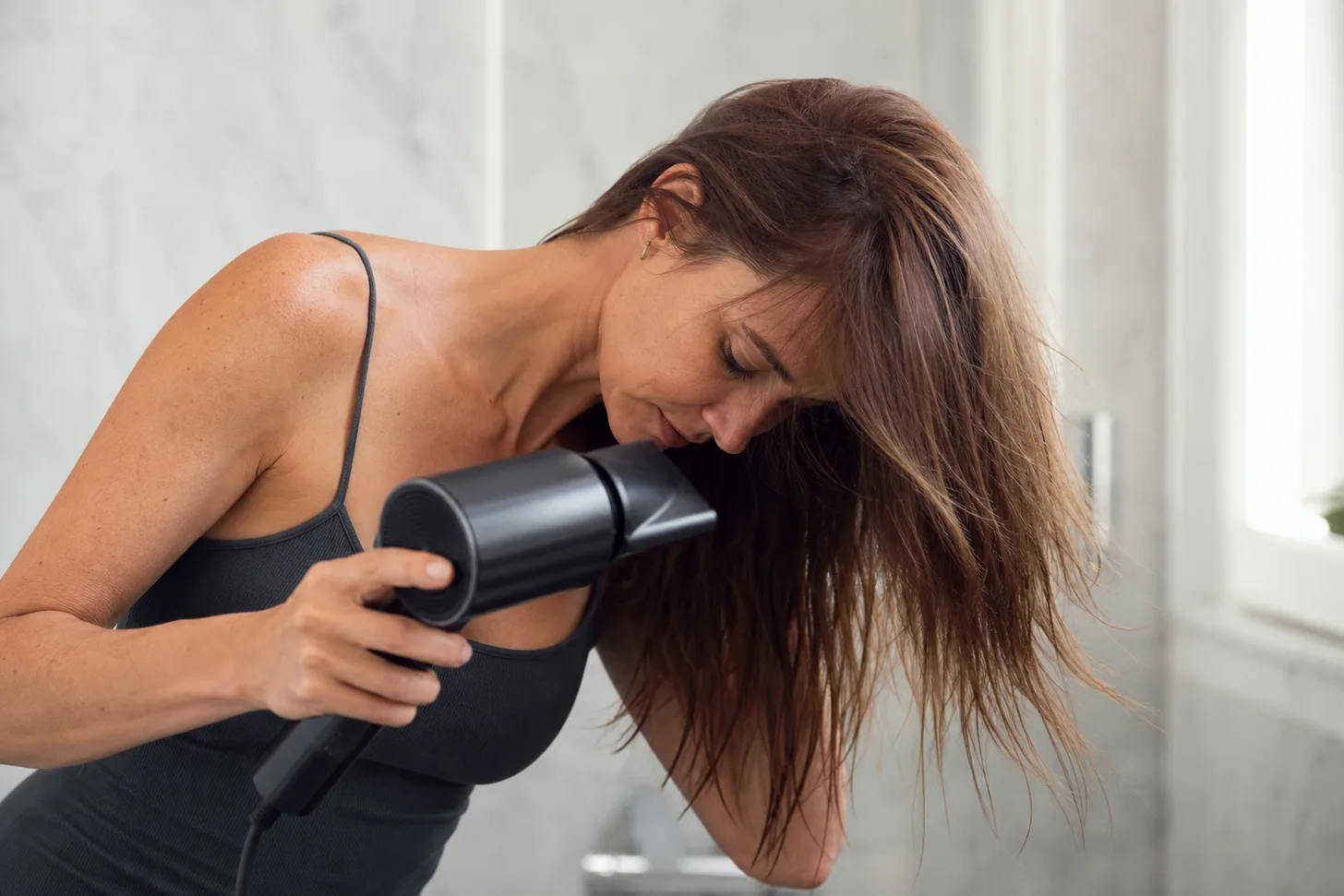
Start with a clean, lightweight wash — a coated strand can't hold volume no matter what you put on it, which is why the right shampoo for fine hair is half the result. On towel-damp hair, dispense a golf-ball-sized puff into your palm, work it into the roots with your fingertips section by section, and comb the residue through the mid-lengths only.
Then blow-dry with the nozzle aimed up and back at the root — most volumizing polymers need heat to set — and finish with a cool shot to lock the lift. The full root-first routine, including the upside-down trick and rollers, is in our guide to styling fine and thin hair.
When mousse isn't the answer
Your hair is limp and coated — product buildup collapses fine hair faster than any styler can lift it. Do a clarifying wash first; mousse on buildup just adds another layer.
You want all-day volume with zero styling time. Mousse needs at least a quick rough-dry to activate — if mornings are non-negotiable, a smart cut that builds shape in does more than any product.
Your scalp is very oily and roots grease up by afternoon. Fix the wash cadence first — oil plus mousse residue compounds the flatness by day's end.
You need firmer, more directional hold — a sculpted crown, defined waves, a smooth hairline. Mousse is soft by design. A trace of gel holds a specific shape without adding weight; the picks are in best gel for fine hair.
The roots are fine but the length is fluffy and shapeless. Mousse is a root product and won't settle the mid-lengths. That's a job for a polymer-led styling cream, applied from the ears down — the two work well together in that order.
FAQ
Yes — mousse is arguably the styling product best matched to fine hair. The aerated foam delivers hold and body with almost no weight, which is exactly the trade-off fine hair needs. The catch is formula: older or heavier mousses can turn stiff or leave a film, so look for the words lightweight, volumizing, or bodifying and skip anything with rich oils high in the ingredient list.
A golf-ball-sized puff for chin- to shoulder-length hair — slightly less for a pixie, slightly more for long hair. More than that doesn't add more volume; it adds weight and stiffness, which collapses fine hair. If your hair feels coated or crunchy, you're using too much or applying it to the ends instead of the roots.
Damp hair — towel-dried, not dripping. Water dilutes the polymers that create hold, and bone-dry hair won't distribute the foam evenly. Work it into the roots first with your fingertips, comb what's left through the mid-lengths, then blow-dry; most volumizing formulas need heat to fully activate.
A modern lightweight mousse shouldn't. Crunch comes from high-hold resins and over-application — both fixable by using a golf-ball amount of a flexible-hold formula and brushing through once hair is fully dry. If a mousse still feels sticky after drying, it's the formula, not you; switch rather than fight it.
They do different jobs. Mousse is the all-over body builder applied damp before drying; a root lifter targets lift right at the scalp; texture spray adds grip and separation to dry, finished hair. Fine hair usually gets the most from mousse as the base, with texture spray as the finisher — add a dedicated root lifter only if your crown still falls flat.
Yes, but choose a soft-hold, air-dry-friendly foam and temper expectations. Without heat, most volumizing polymers only partially activate, so you'll get light body and control rather than a blow-out's lift. Scrunch it into damp roots, part your hair where you want it to fall, and don't touch it while it dries.
Mousse is one of the categories where the drugstore option genuinely competes, so it is a reasonable place to start rather than a compromise. Both budget picks above are drugstore products, and the Kristin Ess Instant Lift is the one we would hand to someone building a fine-hair routine from nothing — aerated, light, effective at the roots, around fourteen dollars. The reason the tier holds up here is that a volumizing mousse is mostly water, propellant and a film-forming polymer, and those polymers are commodity ingredients rather than proprietary actives. What the premium tier reliably buys is the feel — finer aeration, less alcohol drag, a softer brush-out — not more lift. That is different from categories like hair oils or bond builders, where the active itself changes between tiers.
It is the single most useful styling product for thin hair, with one condition attached: it has to stay off the ends. A volumizing mousse works by drying into a thin flexible film around each strand, which makes the strand behave as though it were slightly thicker and holds it away from its neighbours — exactly the effect low-density hair needs, because what reads as thin is scalp showing between hairs. The failure mode is dosage rather than product. Too much mousse coats the strand, and a coated fine strand is heavier than a bare one, so a volumizing product ends up flattening the hair it was bought to lift. Keep it at the roots, use a golf-ball-sized puff for bob-to-lob length, and comb only the residue through the mid-lengths.
Yes, and on fine waves it often works better than a curl cream — but they do different jobs and the order matters. Mousse adds body during the dry and holds a set; a curl cream groups and defines a pattern that already exists. So reach for mousse when the wave is there but flat, when the roots collapse before the ends do, or when a wand or roller set has to survive the evening. Reach for a curl cream when the wave is present but frizzy and undefined at the ends. If you want both, the mousse goes first, into soaking-wet roots, with a pea of cream scrunched through the mid-lengths afterwards — the other order coats the root and cancels the lift. On genuinely straight fine hair neither creates a wave; a texture spray or a heatless set is the honest answer.
Fourteen years in hair — eight behind the chair, six in editorial — with a focus on scalp health and the science of fine, flat-prone hair. Megan reviews product formulas the way she'd read a label for her own clients: weight first.
Results vary with hair type, density, and growth patterns. This guide is educational and not a substitute for an in-person consultation with a licensed stylist.
Get the good hair intel
One honest, stylist-written guide in your inbox each week. No hype.

 MH
MH