Reviewed by Tara Sullivan · Updated July 2026 · 8 min read
Gel has a bad reputation with fine-haired people, and it's the wrong reputation. Gel is the one styling category that gives fine hair hold without weight, because it's mostly water — the water evaporates and leaves behind a thin polymer film that holds the shape you dried in.
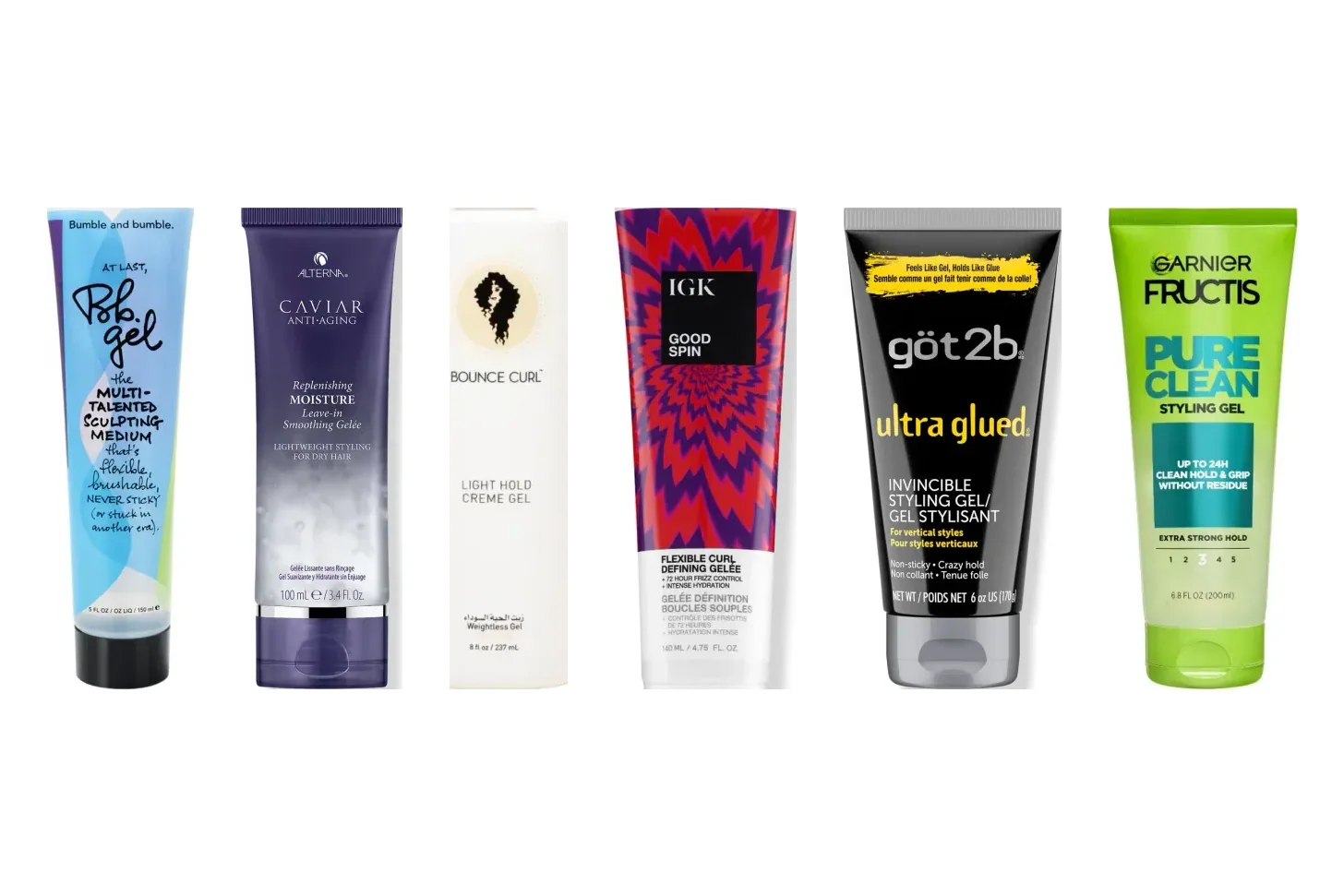
Creams, waxes, and pomades stay in the hair as weight. What goes wrong with gel is almost always dose and placement, not the product. Below are six picks by job — best overall, gentlest formula, best for fine waves, best definition gel, best for slicked buns and edges, and best budget — each with who it suits and one honest limitation, plus the amount that actually works on a fine head.
Every product here is chosen independently, on the merits — what genuinely suits fine, thin hair. Links go to each brand's official page, and we don't take payment for placement. Price tiers are rough guides because prices change.
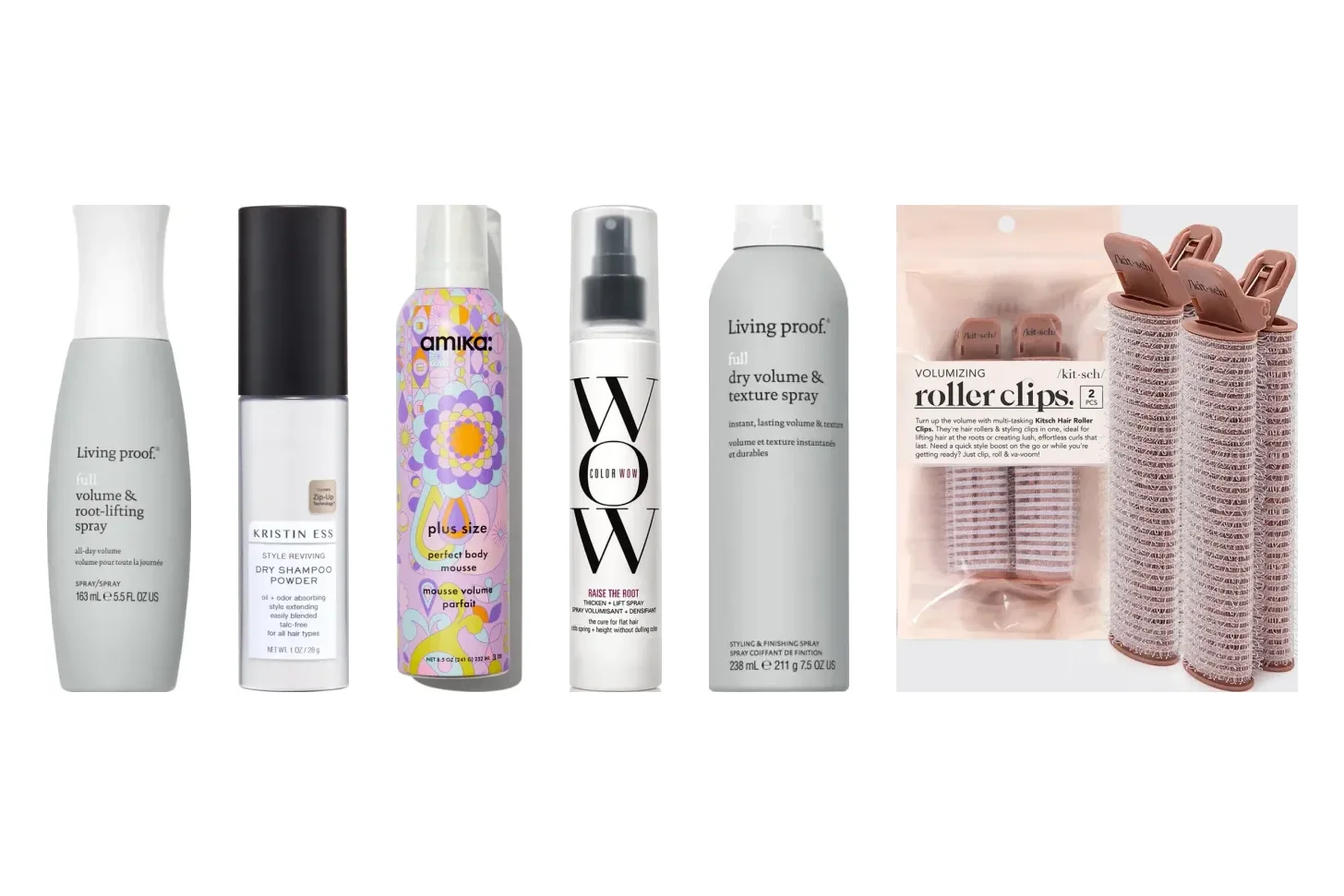
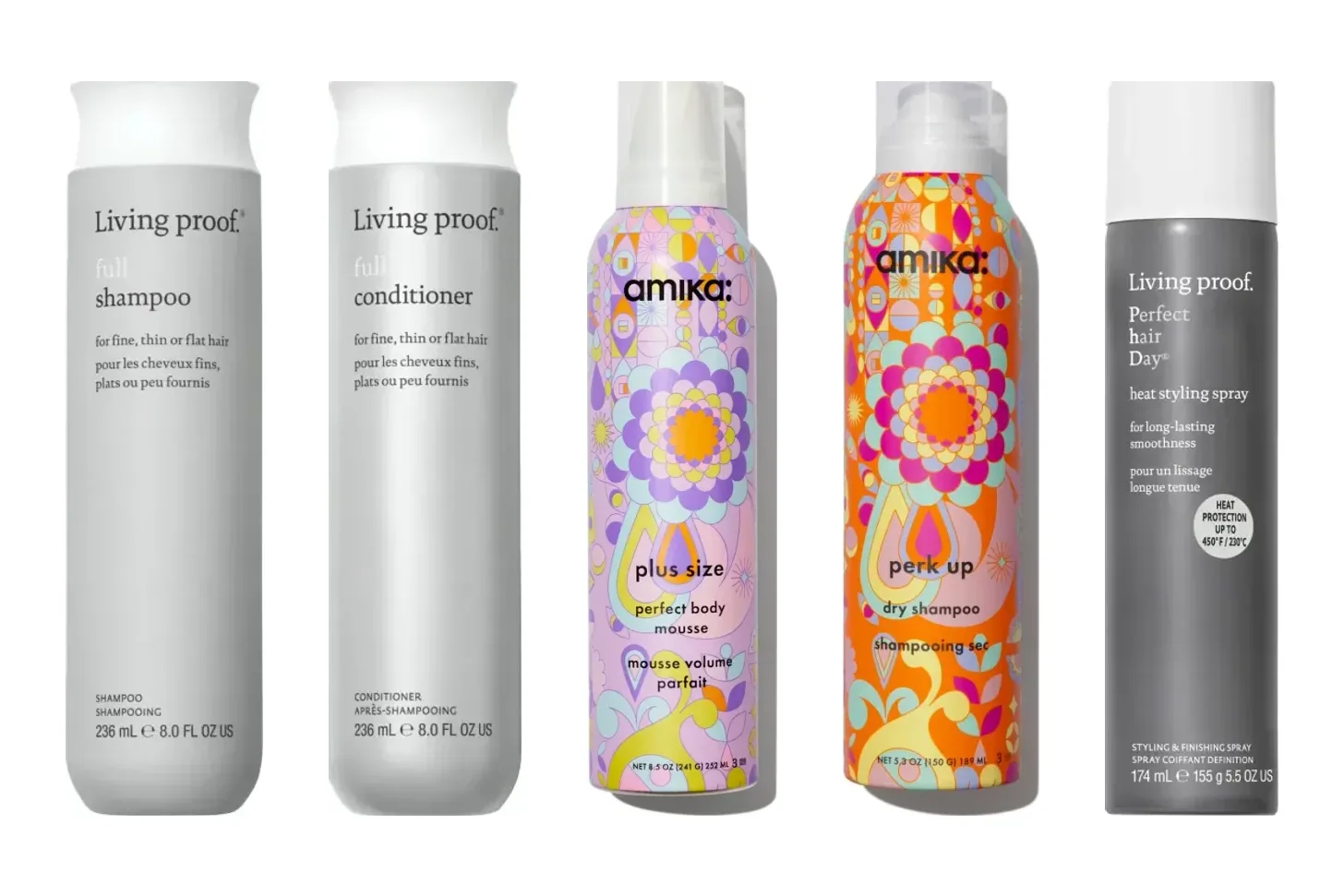
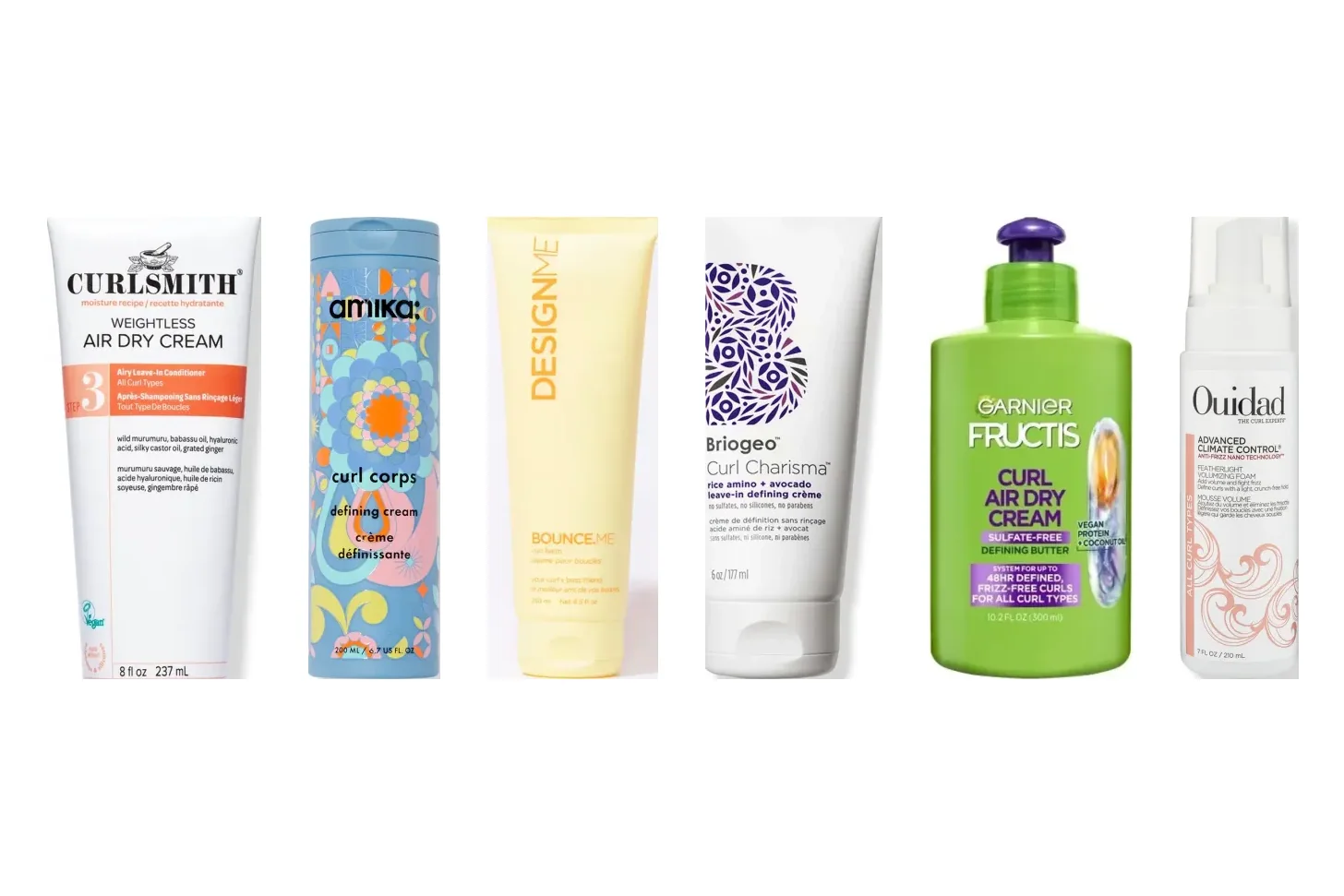
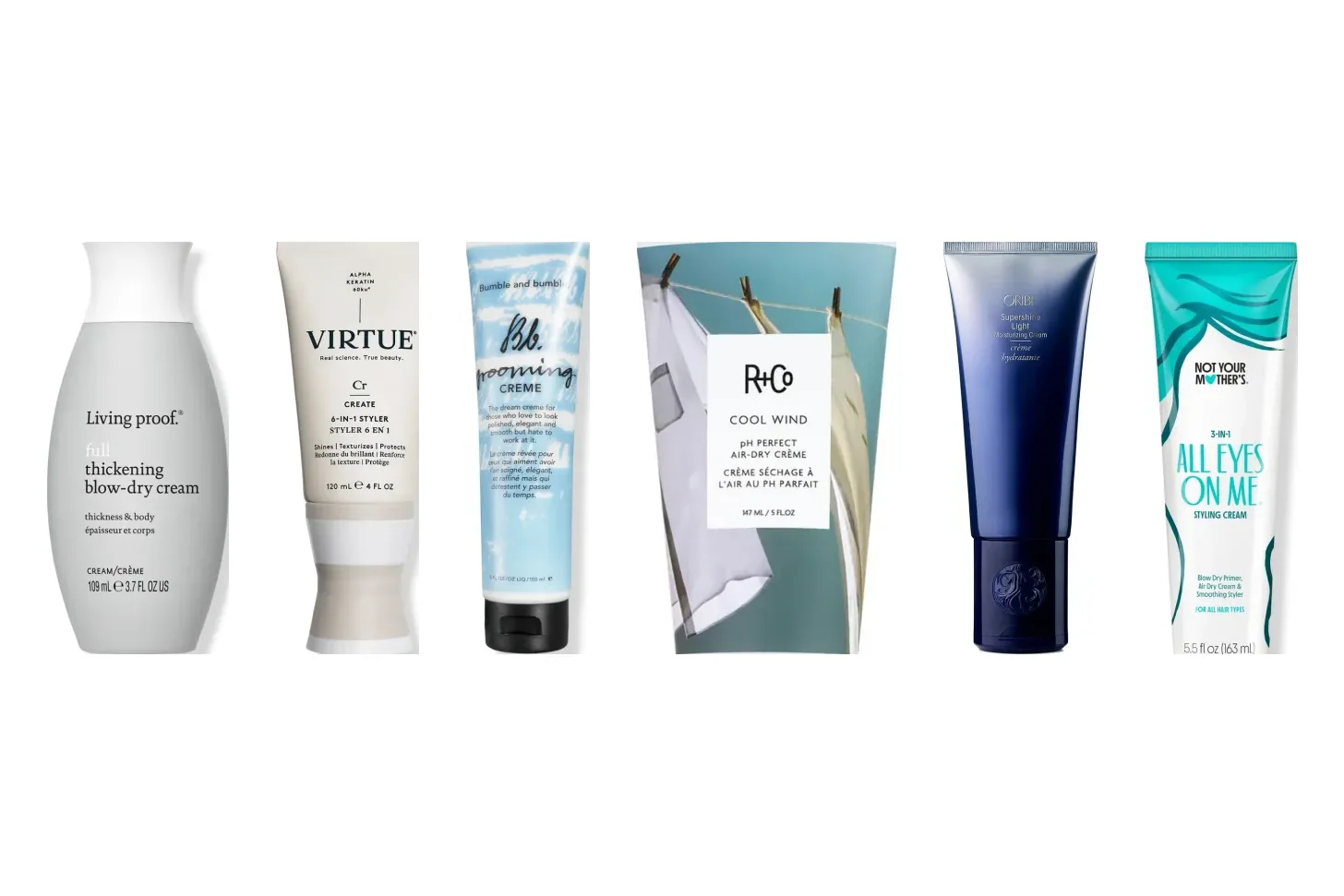
Our six picks, one per job. Product images courtesy of the brands.
Chair-side note
I've watched fine-haired clients flinch at the word gel for years, and it always traces back to the same memory — a stiff, shiny, crunchy result from the 1990s, usually applied to dry hair.
Here's what I do at the basin instead. A pea-sized amount goes into wet palms, gets rubbed until my hands are almost clear, and then goes onto hair that's damp, not dripping. For straight fine hair it goes at the roots only, and I dry with my fingers lifting the section.
For waves it gets scrunched upward into the ends. Then — and this is the step everyone skips — once the hair is completely dry, I break the cast up with my fingertips. The hold stays; the crunch disappears. Clients who learn that sequence stop calling gel a 90s product.
MH
— Megan Holloway, Editor-in-Chief
Why gel works on fine hair when creams don't
A fine strand can hold very little weight before it lies flat against the scalp, which is why so much of fine-hair styling is a weight budget. Gel is unusual because most of what you apply leaves. The water carrying the polymers evaporates during drying, and what remains is a microscopically thin film that stiffens the strand slightly and locks in whatever shape it dried in. That film is closer to a scaffold than a coating.
Compare that with a styling cream or a pomade, where the oils, butters, and waxes doing the holding stay in the hair for the rest of the day. On coarse hair that's welcome weight. On fine hair it's the difference between a style and a flat, slightly greasy afternoon.
There is one exception worth knowing about — a clay or water-based paste holds by adding friction rather than coating, which is why those are the two categories that earn a place next to gel: see pomade, paste and clay for fine hair.
The trade-off is that gel is firm rather than soft. Used badly it clumps strands into visible separations, and separations on a fine head reveal scalp — which is precisely the thing you're styling to avoid. That's why placement matters more with gel than with any other styler.
Gel, mousse, or root lifter — which job is which
These three overlap enough to confuse anyone, and buying the wrong one is the usual reason a fine-hair styling routine stalls.
Product
What it does
Best when
Where it goes
Gel
Firm, directional hold; sets a specific shape
You want structure in one place — crown, waves, hairline
Damp hair, targeted
Mousse
Soft, whole-head body built during the dry
You want overall fullness on straight fine hair
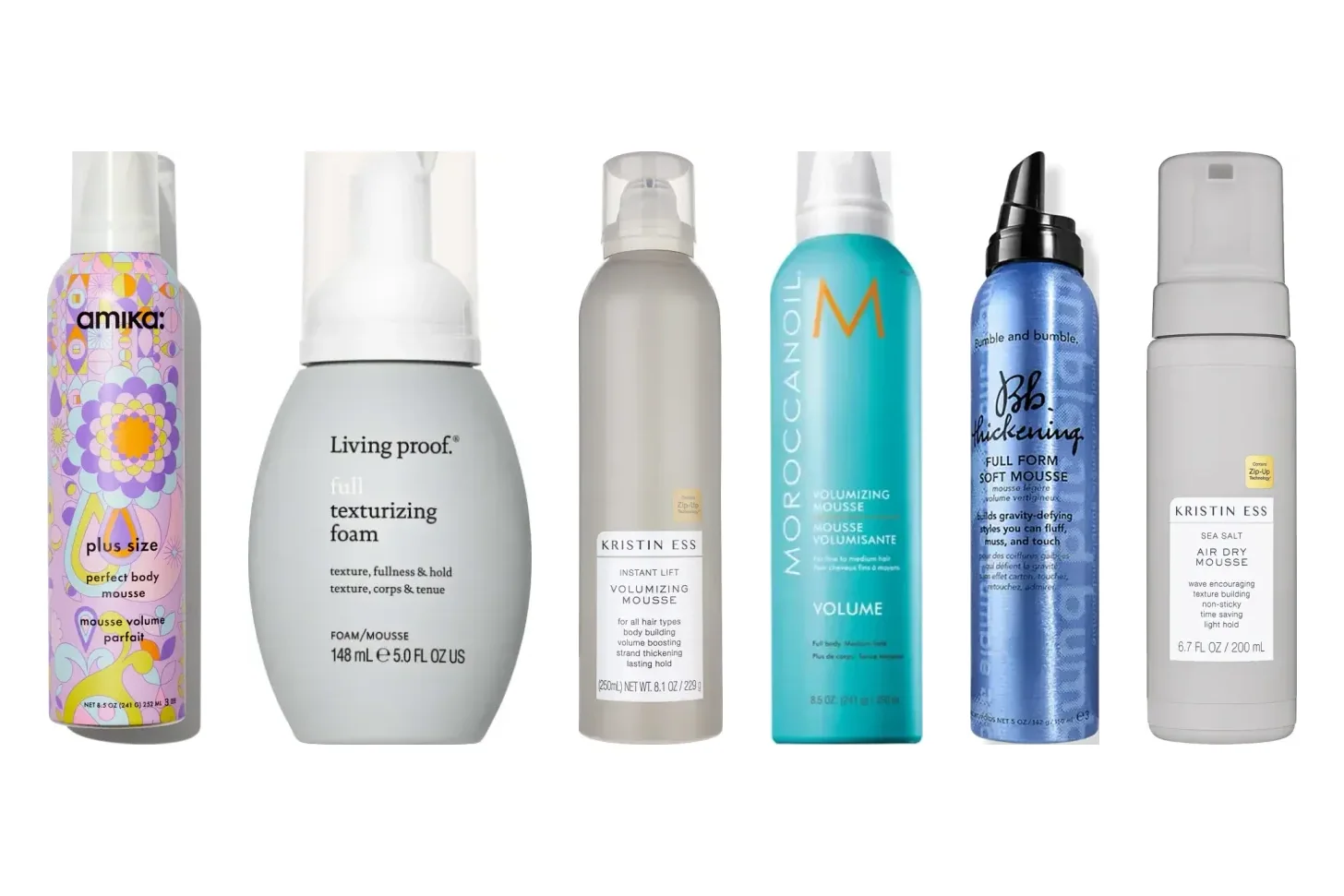
Damp roots and upper lengths — see our mousse picks
Most fine-haired people are best served by mousse as the everyday product and a small tube of gel for the jobs mousse can't do — humidity-proof waves, a smooth ponytail, or hold at the crown that survives past lunch.
Whether your hair is fine, genuinely low in density, or both changes how much of any of them you can carry; the two-minute distinction is in telling fine hair from thin hair. Salt sprays sit in the same decision, buying grip through texture rather than through hold — sea salt spray for fine hair covers where they win and where they dry the ends out.
What matters in a gel for fine hair
Hold level, honestly assessed. Medium hold suits most fine hair. Firm and extra-firm gels exist for sculpted, structural styles and for the hairline — they're useful in traces and disastrous by the handful.
Alcohol content. Denatured alcohol makes a gel set fast and hold hard, and dries the strand out with repeated use. Fine hair, which is already prone to dryness at the ends, does better with alcohol-free or low-alcohol formulas unless you need maximum grip for a specific style.
Conditioning agents, kept low. The more oils, butters, and silicones a gel contains, the softer the result and the heavier the residue. On fine hair the conditioning-rich curl gels marketed for dense textures drag waves straight under their own weight.
Flake behavior. Cheap gels flake when they dry on a fine strand and the flakes are visible against the scalp. If a formula has ever left white specks in your part, it's the wrong gel for you regardless of how it holds. Pomade is the other firm-hold option and it fails differently — greasy rather than crunchy. Pomade for fine hair covers that trade.
The best gels for fine hair, by job
One honest pick per job. Match the category to what you're actually styling — everyday hold, a dry or sensitive scalp, fine waves, definition, a slicked-back style, or the cheapest thing that works.
1
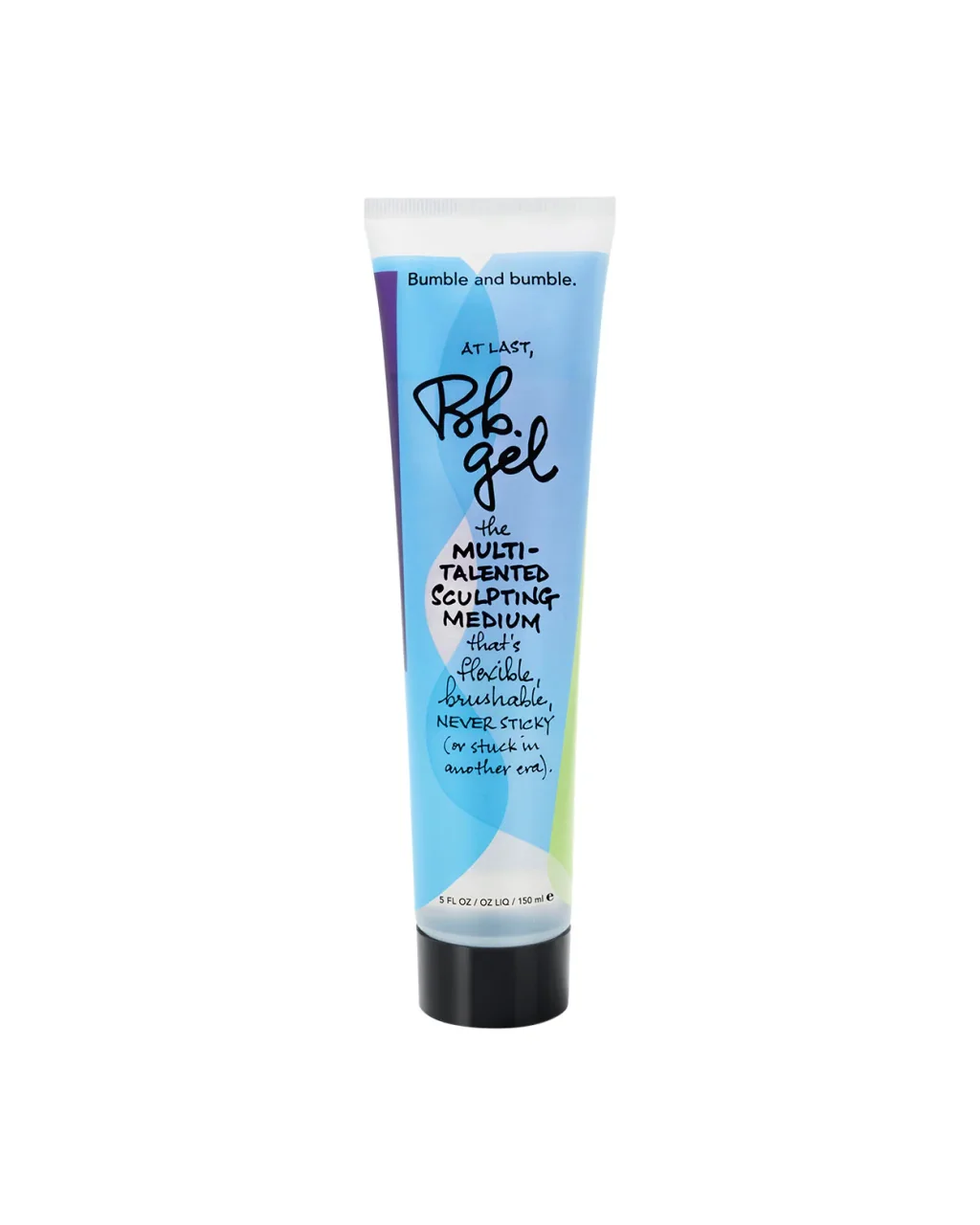
Best overall: Bumble and bumble Bb. Gel (Sculpting Medium)
The salon-standard clear gel, and the one I reach for on fine hair because it sculpts and shapes without the sticky, flaky finish that gives gel its reputation. Medium hold is the right register for a fine head — enough to keep a crown lifted or a side part behaving, not so much that the hair sets into a shell. Best for: everyday structure on straight or slightly wavy fine hair, and for anyone who wants one tube that does most jobs. Honest limitation: it isn't a volumizer — it holds the height you dried in and won't create any on its own, so it works alongside a mousse rather than instead of one.
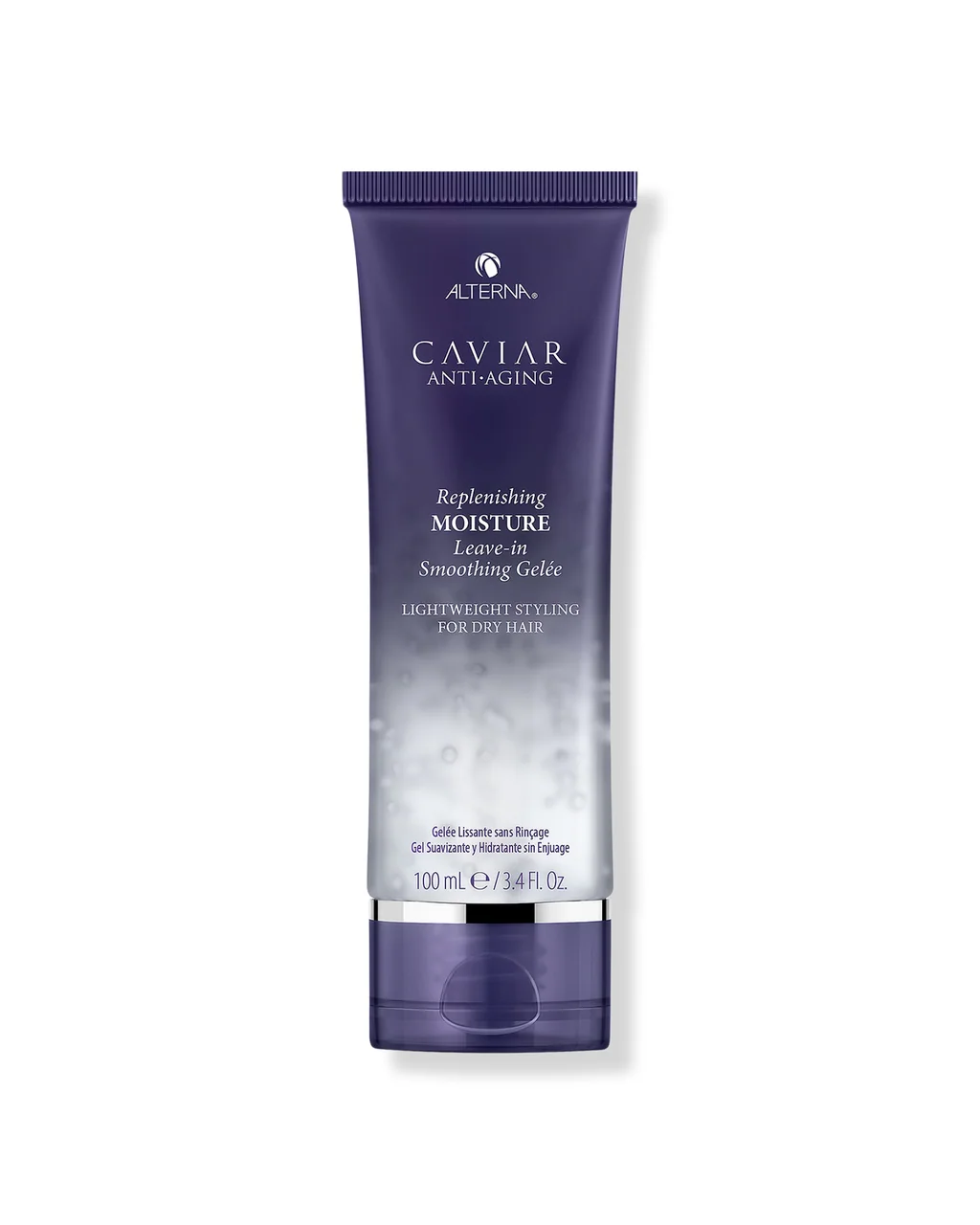
An alcohol-free gelée built to smooth and lightly hold while adding shine rather than stripping moisture — which makes it the sensible choice if standard gels leave your fine hair feeling like straw by the ends. It's noticeably softer in the hand than a sculpting gel and behaves more like a light styling cream that happens to set. Best for: fine hair that's dry, color-treated, or reacts badly to alcohol-heavy formulas. Honest limitation: the hold is genuinely light, so it won't survive humidity or hold a structured style, and the conditioning agents mean over-application flattens fine hair fast.
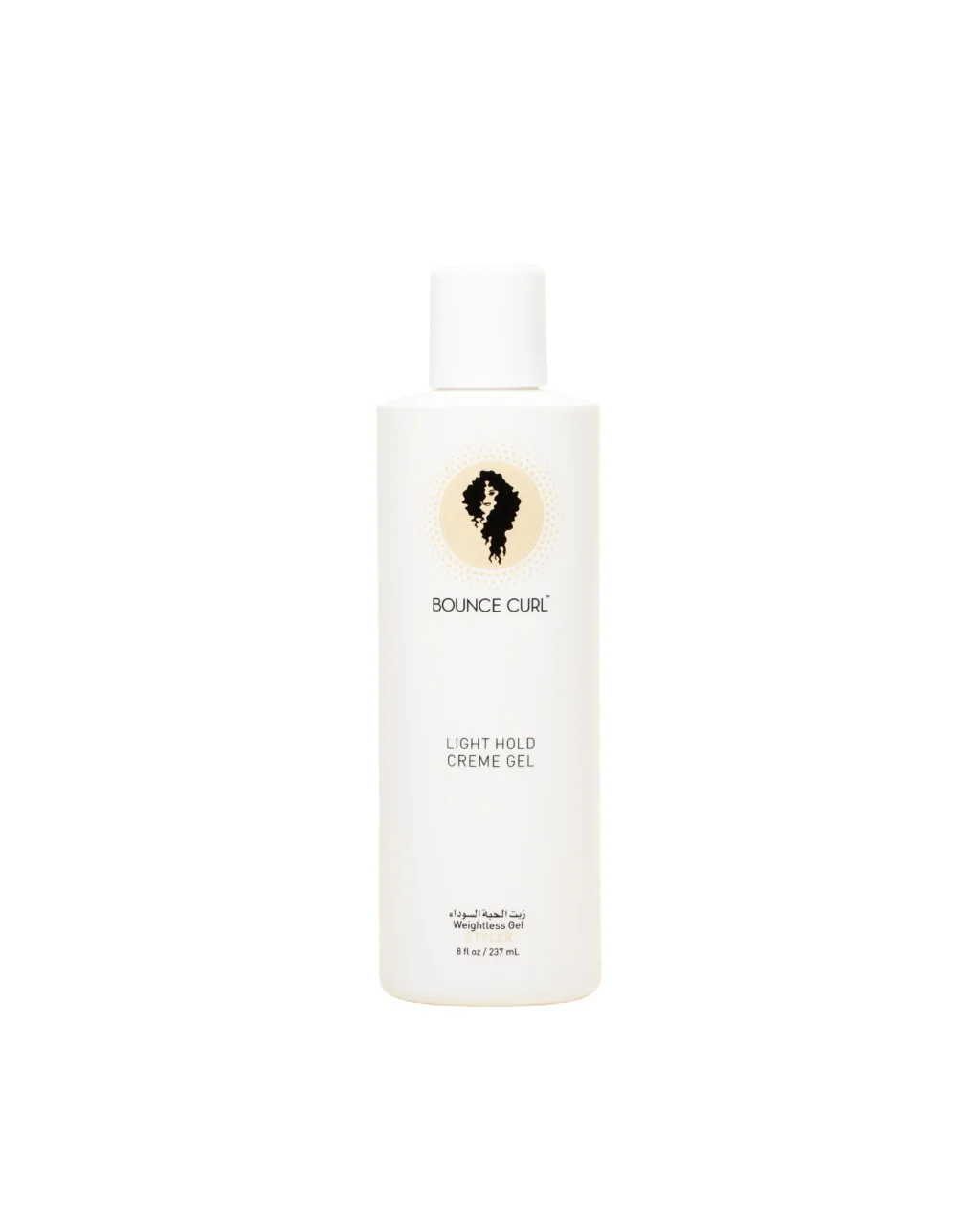
Best for fine waves and curls: Bounce Curl Light Hold Creme Gel
Most curl gels are formulated for dense, coarse curls and simply drag a fine wave straight. This one is built the other way round — a light-hold creme gel with jojoba esters, oat protein, and aloe that defines the pattern without loading it. Scrunched into soaking-wet hair it gives fine waves a shape that survives the walk to the car. Best for: fine wavy and loosely curly hair that goes limp under standard curl products. Honest limitation: light hold means exactly that — in serious humidity, or on hair that drops quickly, you may need to layer it over a mousse rather than rely on it alone.
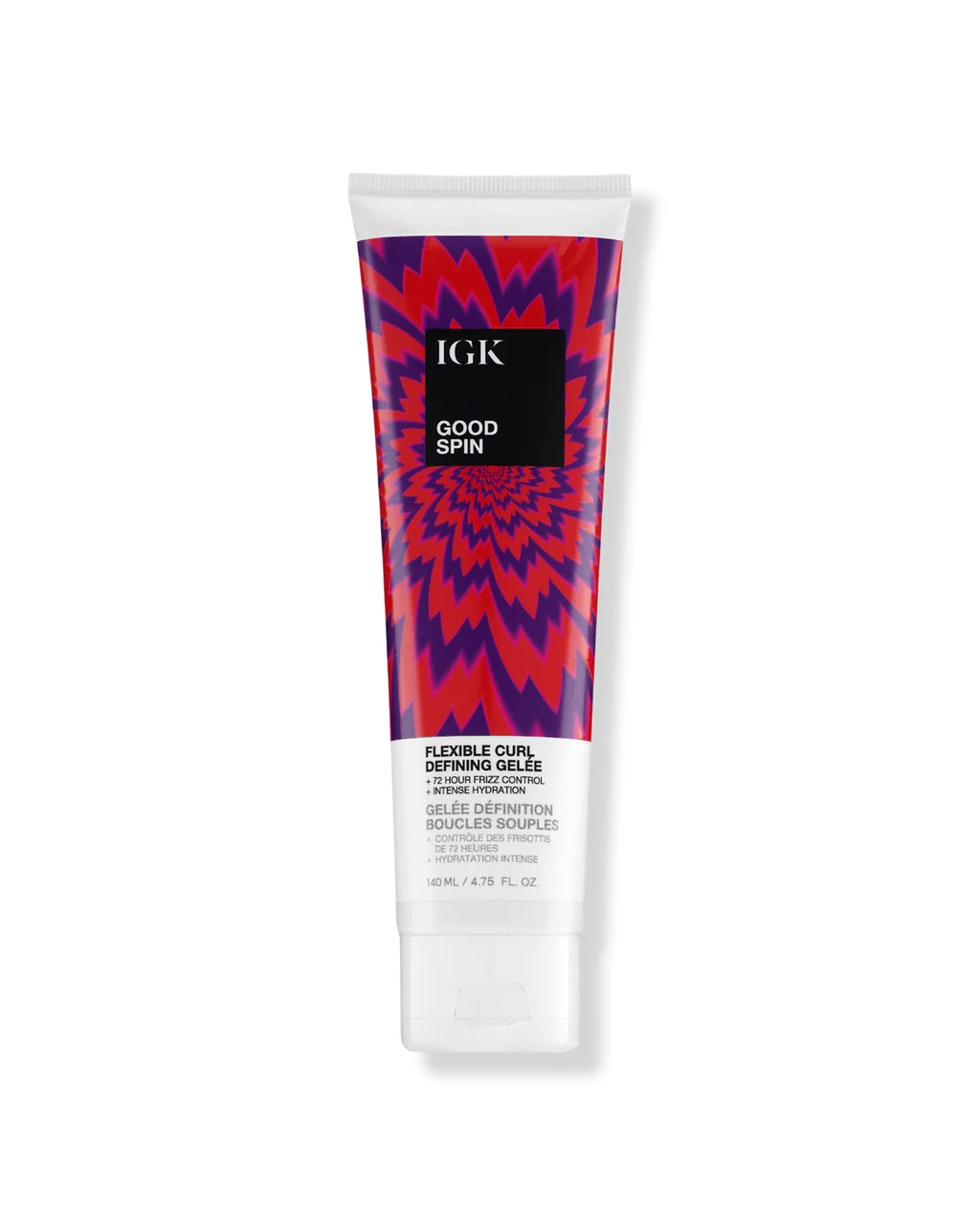
Best definition without stiffness: IGK Good Spin Curl Gelée
A medium-hold gelée with marshmallow root and flaxseed, formulated with delicate textures in mind and marketed on long-wear frizz control — the useful combination for fine hair that has some movement but not enough to hold itself. It sets a defined shape and then breaks out soft, which is the whole trick with gel on fine strands. Best for: fine hair with a natural bend that needs help staying defined past mid-morning. Honest limitation: medium hold on a fine head is unforgiving of over-application — a full pump is too much for anything shorter than shoulder length.
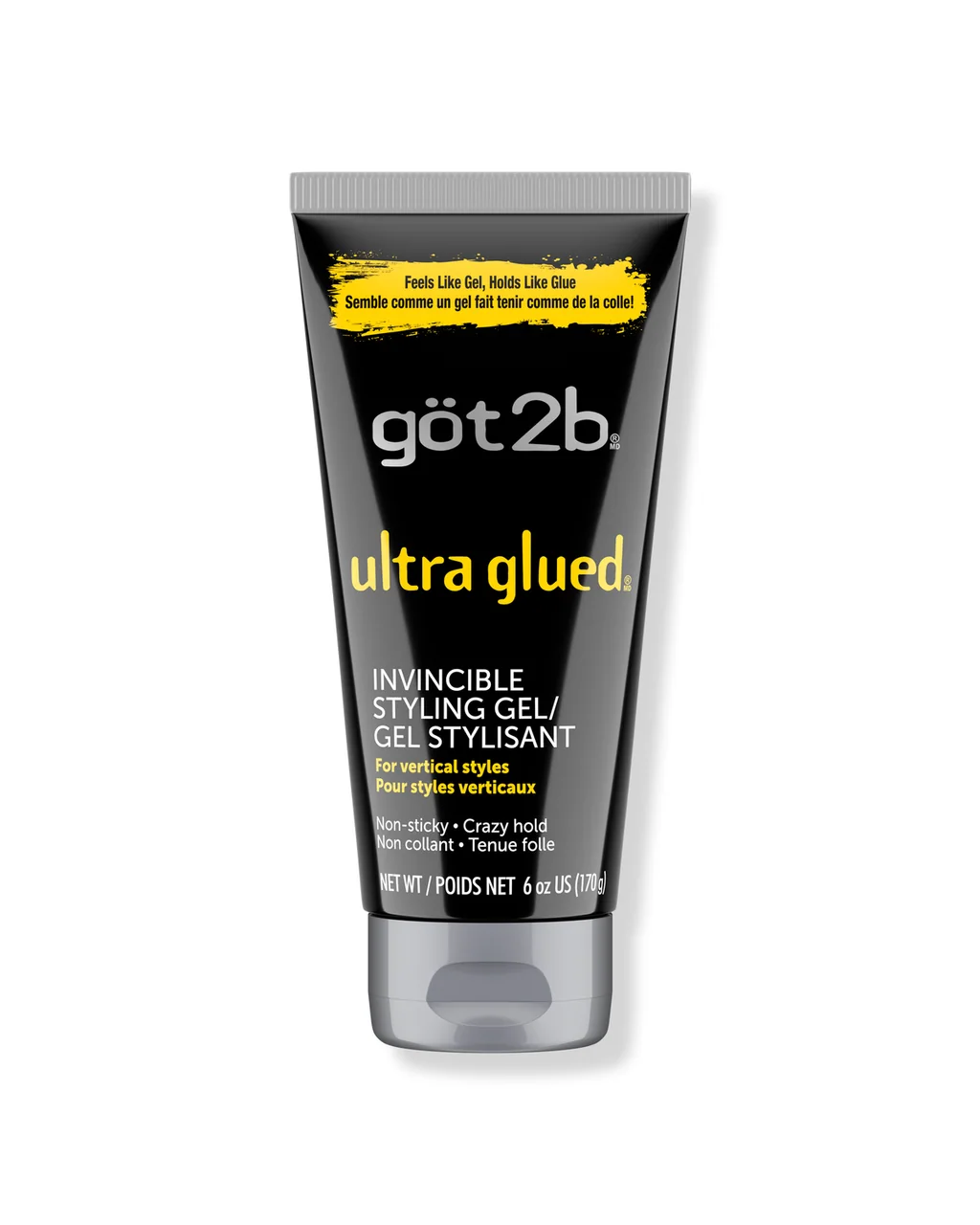
Best for slicked buns, ponytails, and edges: got2b Ultra Glued Invincible Styling Gel
Included for one specific job and used in trace amounts: a smooth, immovable hairline. Fine hair produces a halo of short baby hairs that ruin an otherwise sleek ponytail, and a firm-hold gel applied with a clean toothbrush lays them down for the whole day where a soft gel gives up in an hour. Best for: slicked-back styles, low buns, and dance or wedding hair on fine strands — see our buns that actually hold on fine hair for the anchoring technique. Honest limitation: it's genuinely strong and genuinely sticky, it belongs nowhere near the lengths or the crown, and it needs a proper shampoo — not a rinse — to come out.
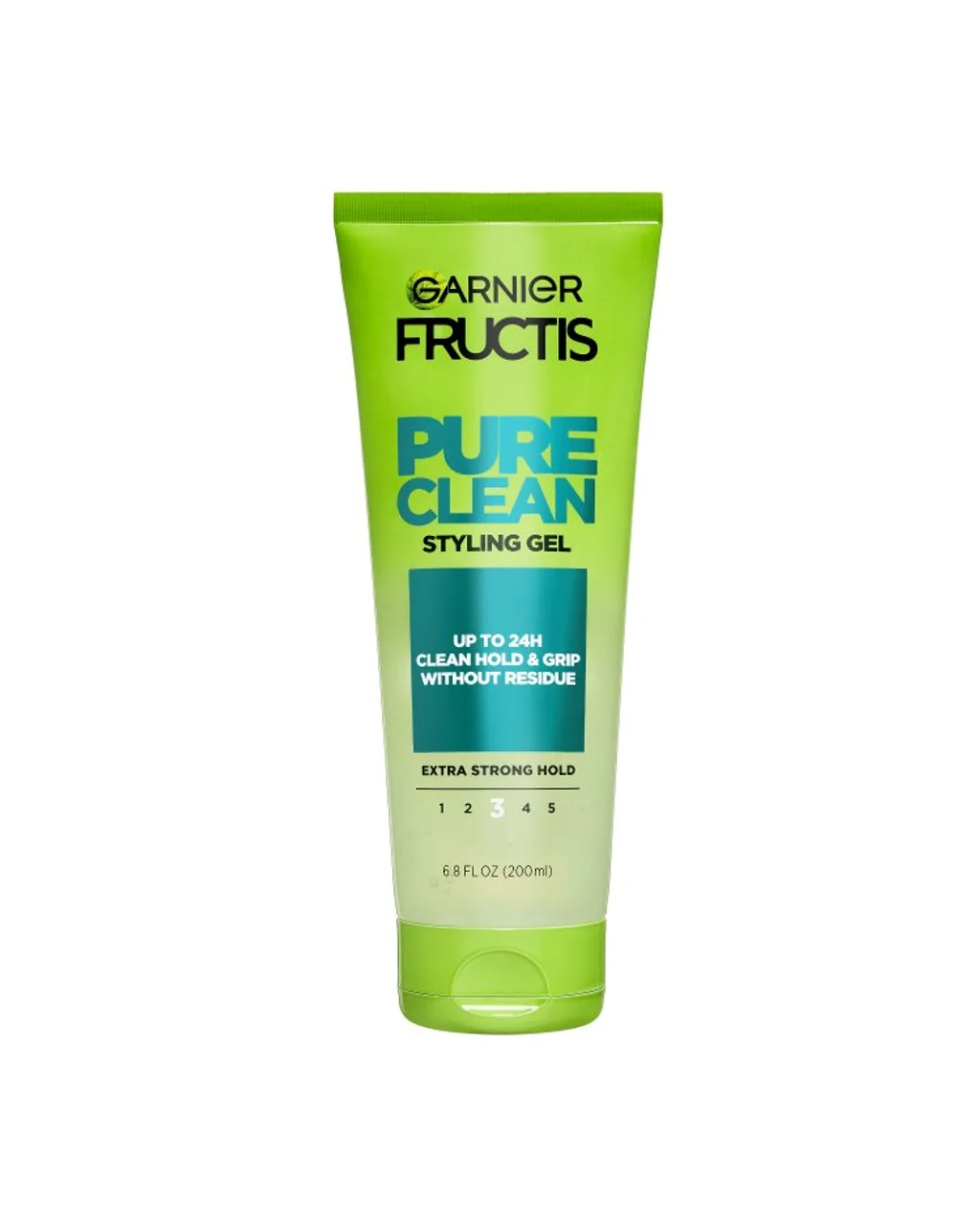
Best budget: Garnier Fructis Style Pure Clean Styling Gel
A clear, no-frills styling gel that holds without the heavy conditioning agents that flatten fine hair, at a price that makes experimenting painless. If you've never used gel and don't know whether you'll like it on your hair, this is the sensible place to find out rather than committing to a salon tube. Best for: first-time gel users, students, and anyone who wants a cheap tube for the hairline and a nicer one for everything else. Honest limitation: the hold is less refined than the salon picks and it can flake on very fine hair if you use too much — start with half a pea.
Six steps, and the last one is the one everybody skips.
Start with damp hair, not dripping and not dry. Gel needs water to spread. Dripping hair dilutes it into nothing; dry hair traps it in one place where it turns gummy.
Measure small. A pea for a bob, a small grape for long hair. Emulsify it between wet palms until your hands look almost clear — that thin film is what should reach the hair.
Place it where you want structure. Roots only for lift on straight hair. Mid-lengths and ends, scrunched upward, for waves. A trace on a clean toothbrush for the hairline. Never roots-to-ends across the whole head.
Dry with lift, or diffuse without touching. For straight fine hair, lift each root section with your fingers or a round brush as you dry — the technique is in how to get root volume in fine hair. For waves, diffuse on low and resist handling.
Let it set completely before you judge it. Gel feels crunchy at 90% dry and that is normal. Judging it early is why people rinse out a style that was about to work.
Break the cast with your fingers. Once the hair is bone dry, scrunch or ruffle it gently with dry hands to shatter the film. The hold stays underneath; the stiffness disappears. Never brush it out — dragging a brush through a dried cast snaps fine hair.
Gel is a film-forming product, so it accumulates if you use it often. A clarifying wash roughly once a month keeps fine hair responsive; without it, the gradual dulling gets blamed on the gel when it's really residue. Gel on fine curls only performs on properly cleansed hair; buildup is the usual culprit when it stops working — see shampoo for fine curly hair.
When gel isn't your best move
You want soft, brushable body across the whole head. That's mousse territory. Gel sets a shape rather than adding general fullness — the wider method is in how to style fine hair.
Your hair looks separated and you can see scalp through it. Too much product, applied too far up. Cut the dose in half, keep it off the top surface, and break the cast properly once it's dry.
Your ends are dry and brittle already. High-alcohol gels will make that worse. Go alcohol-free and fix the underlying dryness first — start with the moisture routine for dry, fine hair.
You're styling second- or third-day hair. Gel needs water and a clean-ish surface to work. On unwashed hair a texture spray or dry shampoo does more; see reviving second-day fine hair.
You're using it to hold curls that fall out within the hour. Product isn't the failure point — the set is. Fine hair holds a curl only if it cools in shape, which is covered in how to curl fine hair so it holds.
FAQ
Gel is one of the better styling products for fine hair, for a reason most people never hear: it's water-based, so the part that would add weight evaporates. What's left behind is a thin polymer film that holds the shape you dried in, which is exactly what a fine strand can't generate on its own. Creams, waxes, and pomades stay in the hair as weight and flatten it; gel sets and then gets out of the way. The two things that go wrong are using too much of it and putting it in dry hair, both of which produce the stiff, sticky, visible result people associate with bad gel.
About a pea for a chin-length bob and no more than a small grape for long hair, emulsified between wet palms before it touches your head. Fine hair has less surface area than it looks like it does, and gel is concentrated, so the amount that suits a thick head of curls will glue a fine head into strings. Start with less than you think, apply to damp rather than dripping hair, and add a second tiny amount only in the specific area that needs it. If the hair feels tacky while it's drying, you've used too much, and the only real remedy is to rinse and start again.
Only if you apply it the way you would on thick hair. Gel worked from roots to ends on a fine head clumps strands together into visible separations, and separations reveal scalp, which reads as thinner. Applied to the roots for lift, or scrunched into the mid-lengths and ends of waves, it does the opposite — it holds volume that would otherwise collapse by mid-morning. The rule for fine hair is that gel goes where you want structure and nowhere else, and that the cast it forms gets broken up with your fingers once the hair is bone dry.
Mousse if you want soft body through the whole head; gel if you want structure in a specific place. Mousse is mostly air and distributes easily through damp hair to build overall fullness during a blow-dry, which makes it the better default for straight fine hair. Gel gives firmer, more directional hold — at the roots for lift, along waves for definition, or at the hairline for a smooth ponytail — and it survives humidity better than mousse does. Plenty of fine-haired people use both: mousse everywhere, a trace of gel at the crown or the hairline.
A light-hold creme gel or gelée rather than a firm-hold styling gel. Fine waves need enough polymer to stop the wave dropping but not so much conditioning agent that the pattern is dragged straight by its own weight — which is what happens with the rich curl gels formulated for dense, coarse curls. Apply to soaking-wet hair, scrunch upward rather than raking down, let it dry completely without touching it, then scrunch the cast out with dry hands. If your waves go limp within an hour, the answer is usually more water and less product rather than a firmer gel.
Gel itself doesn't damage the hair fiber; the alcohol in some formulas and the way people remove it cause the problems. High-alcohol gels dry the strand out over time, which matters more on fine hair because there's less mass to buffer it — look for alcohol-free formulas if your hair is already dry or color-treated. The bigger risk is mechanical: brushing or raking a dried gel cast out of fine hair snaps it. Break the cast with your fingers instead, and clarify roughly once a month so film-forming polymers don't accumulate.
Only in tiny, targeted amounts — for smoothing the hairline before a bun, taming a flyaway, or slicking back the front. Gel needs water to spread, so on dry hair it stays wherever it lands and turns gummy, which on fine hair is instantly visible. If you want hold on dry hair across the whole head, a flexible hairspray or a texture spray is the right tool. The one dry-hair technique worth learning is applying a trace of gel to a clean toothbrush and smoothing it over the hairline, which gives a polished edge without loading the roots.
Fourteen years in hair — eight behind the chair, six in editorial — with a focus on scalp health and the science of fine, flat-prone hair. Megan measures styling products in peas, not palmfuls.
Results vary with hair type, density, and growth patterns. This guide is educational and not a substitute for an in-person consultation with a licensed stylist.
Get the good hair intel
One honest, stylist-written guide in your inbox each week. No hype.

 MH
MH