Reviewed by Tara Sullivan · Updated July 2026 · 8 min read
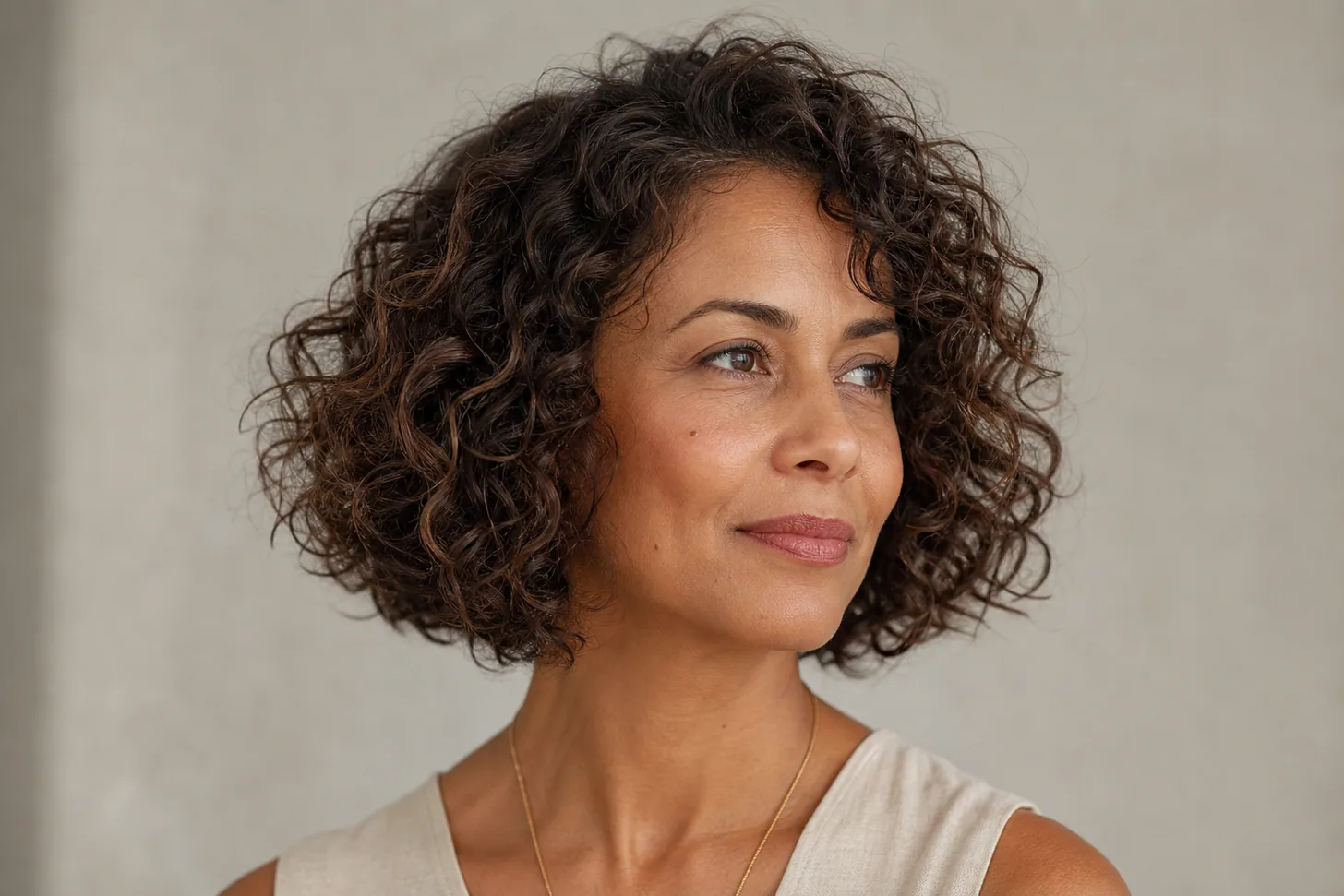
Almost every curl cream on the shelf is built around butters and oils, and there is a good reason for it — dense, coarse curls need weight to clump into defined pieces, and a fine wave has no stiffness to resist that weight with, so the same cream that defines a 3C curl drags a 2A wave straight.
The fine-hair version of this product exists, but you have to shop for it by formula rather than by the word "curl" on the front: water and humectants near the top of the ingredient list, light proteins and film-formers doing the definition, emollients kept low.
Below are six picks by job — best overall, best definition without crunch, best for frizz, best for drier fine curls, best budget, and what to use when even a light cream is too much — each with an honest limitation, plus the dose that actually works on fine hair and where cream sits next to gel.
Every product here is chosen independently, on the merits — what genuinely suits fine, thin hair. Links go to each brand's official page, and we don't take payment for placement. Price tiers are rough guides because prices change.
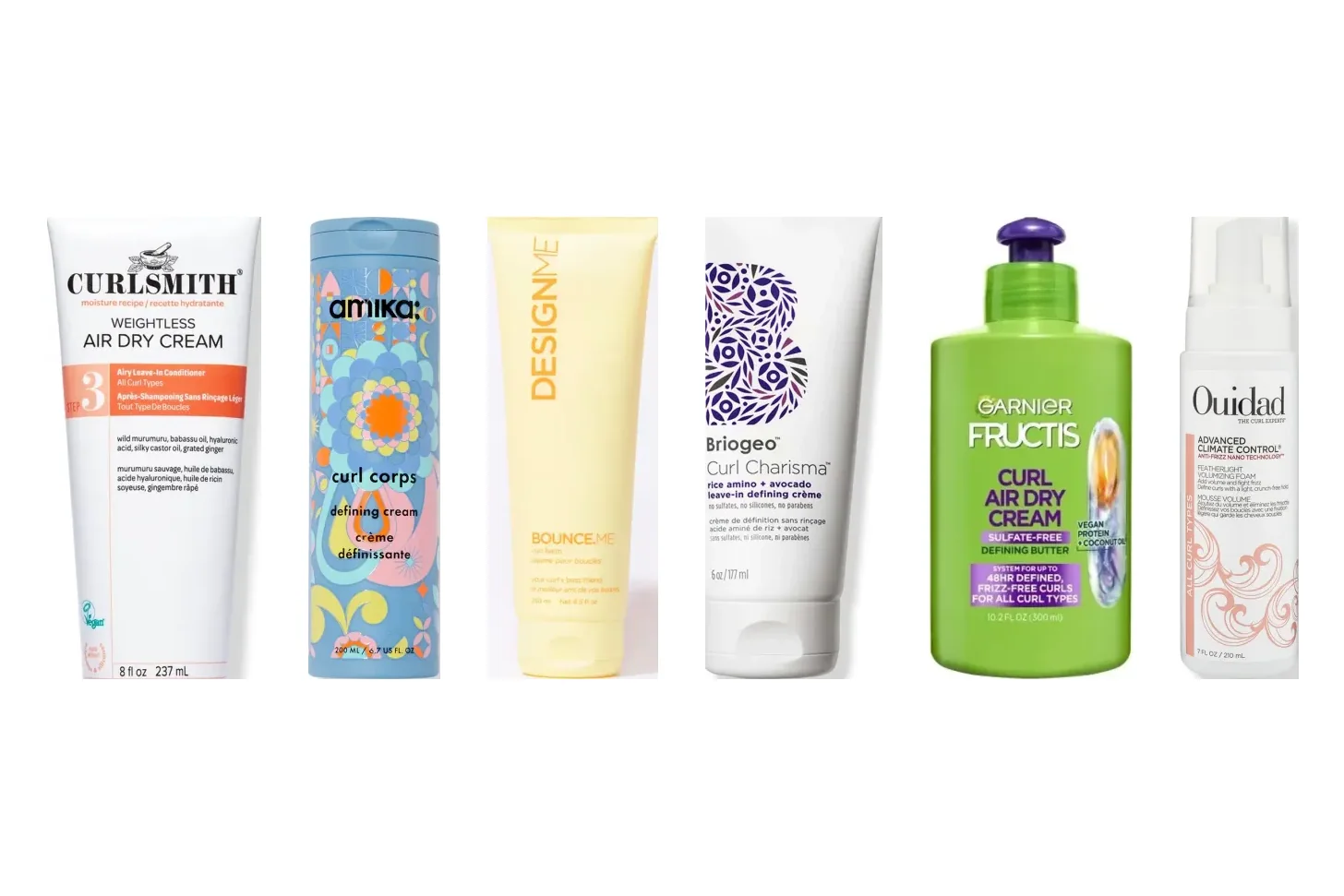
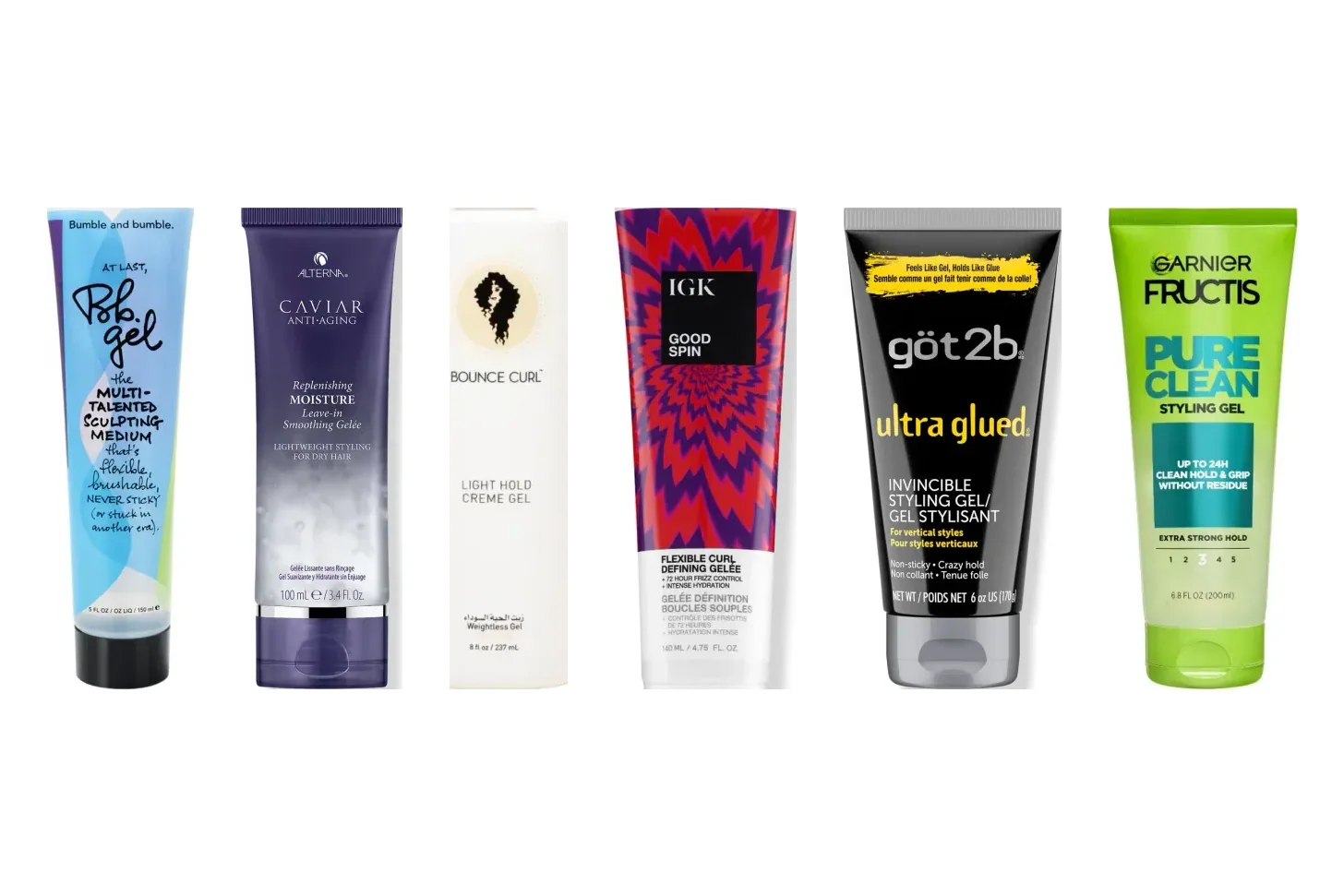
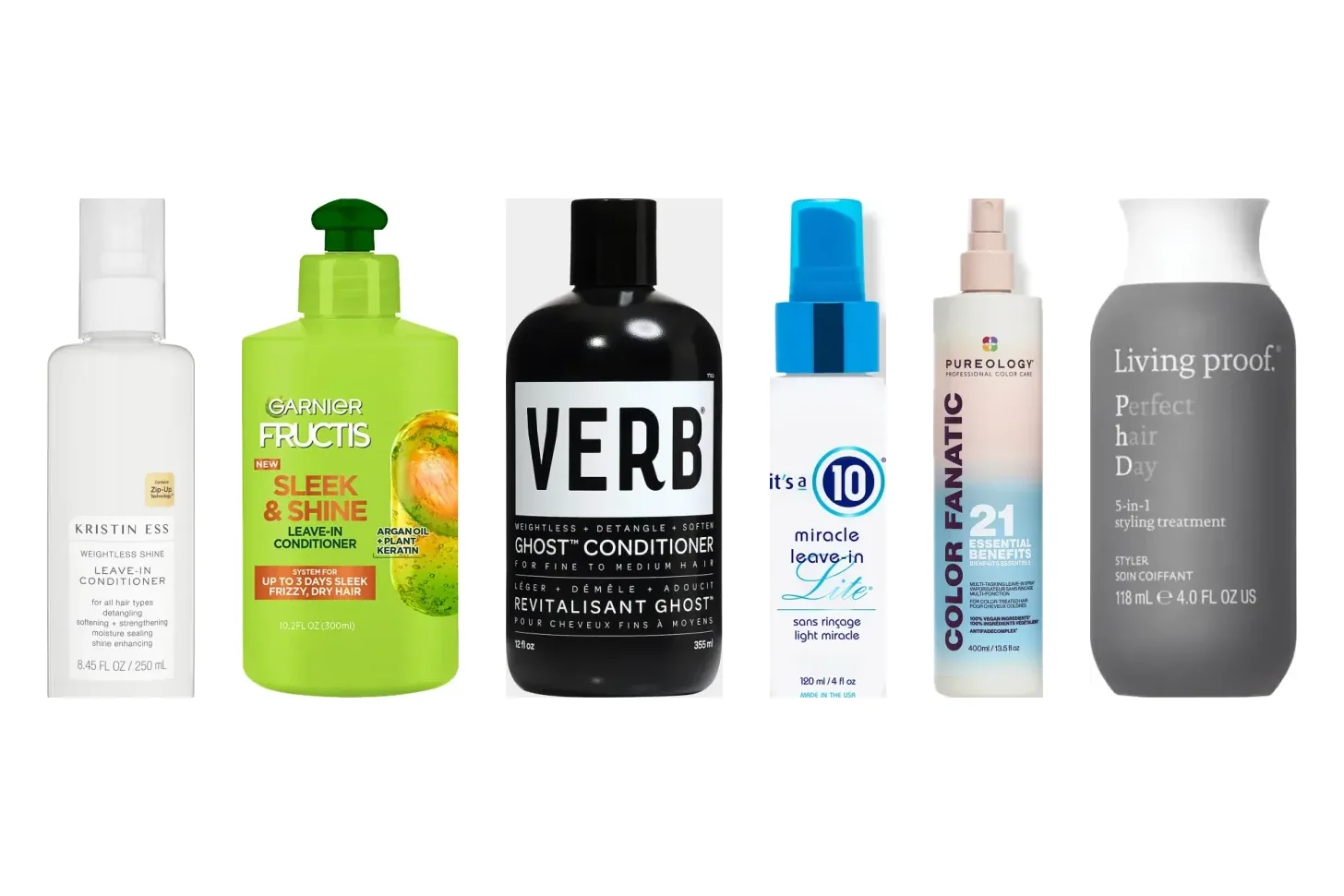
Our six picks, one per job. Product images courtesy of the brands.
Chair-side note
The most common thing I hear from fine-haired wavies is "curl products don't work on me," and it is almost never the product being wrong so much as the amount. Curl-styling technique was developed and is still demonstrated on dense hair, where a palmful of cream vanishes into the sections.
I put the same palmful on a fine head and it has nowhere to go — it coats every strand, the waves look beautiful and heavy while wet, and forty minutes later the hair is flat and slightly tacky. Now I start clients at a dime, applied below the ears only, and tell them they can always add. Nobody has ever come back and said it wasn't enough.
MH
— Megan Holloway, Editor-in-Chief
Why standard curl creams flatten fine waves
A hair strand resists bending like any other cylinder, and that resistance scales with the fourth power of its radius. Halve the diameter and the strand becomes roughly sixteen times easier to bend — which is the whole story of fine hair in one sentence.
It is why fine hair holds a curl badly, collapses under product, and goes flat at the roots by lunchtime. It is also why the weight tolerance of a fine wave is so much lower than most product instructions assume.
Curl creams are formulated against the opposite problem. Coarse, dense curls are stiff enough to hold their pattern but prone to frizz and dryness, so the job of the cream is to soften, weigh down slightly, and glue neighbouring strands into a defined clump. Shea butter, heavy oils, and rich conditioning agents do that beautifully. Put that formula on a strand sixteen times more flexible and it simply loses the fight with gravity.
What works instead is a cream that does its defining with polymers and light proteins rather than with fats. Those form a thin film that groups strands without adding much mass — the same principle that makes gel the one styler fine hair can wear generously, covered in the best gels for fine hair. Read the first five ingredients: if a butter or a heavy oil appears there, the product was designed for someone else's hair.
Cream, leave-in, gel, or mousse — which does what
These four overlap enough that most fine-haired people own three of them and use the wrong one.
The sequence that works on fine waves is cream then gel, both in small amounts, on hair that is genuinely soaking. Cream alone looks perfect wet and drops within the hour, because nothing is holding the shape once the water leaves.
Whether your waves are fine, low in density, or both changes how much of any of it you can carry — the distinction is in fine hair versus thin hair, and the cut that makes a fine wave behave is in haircuts for fine, wavy hair.
The best curl creams for fine hair, by job
One honest pick per job. Match it to what your waves are actually doing — dropping, frizzing, drying out, or refusing to form at all.
1
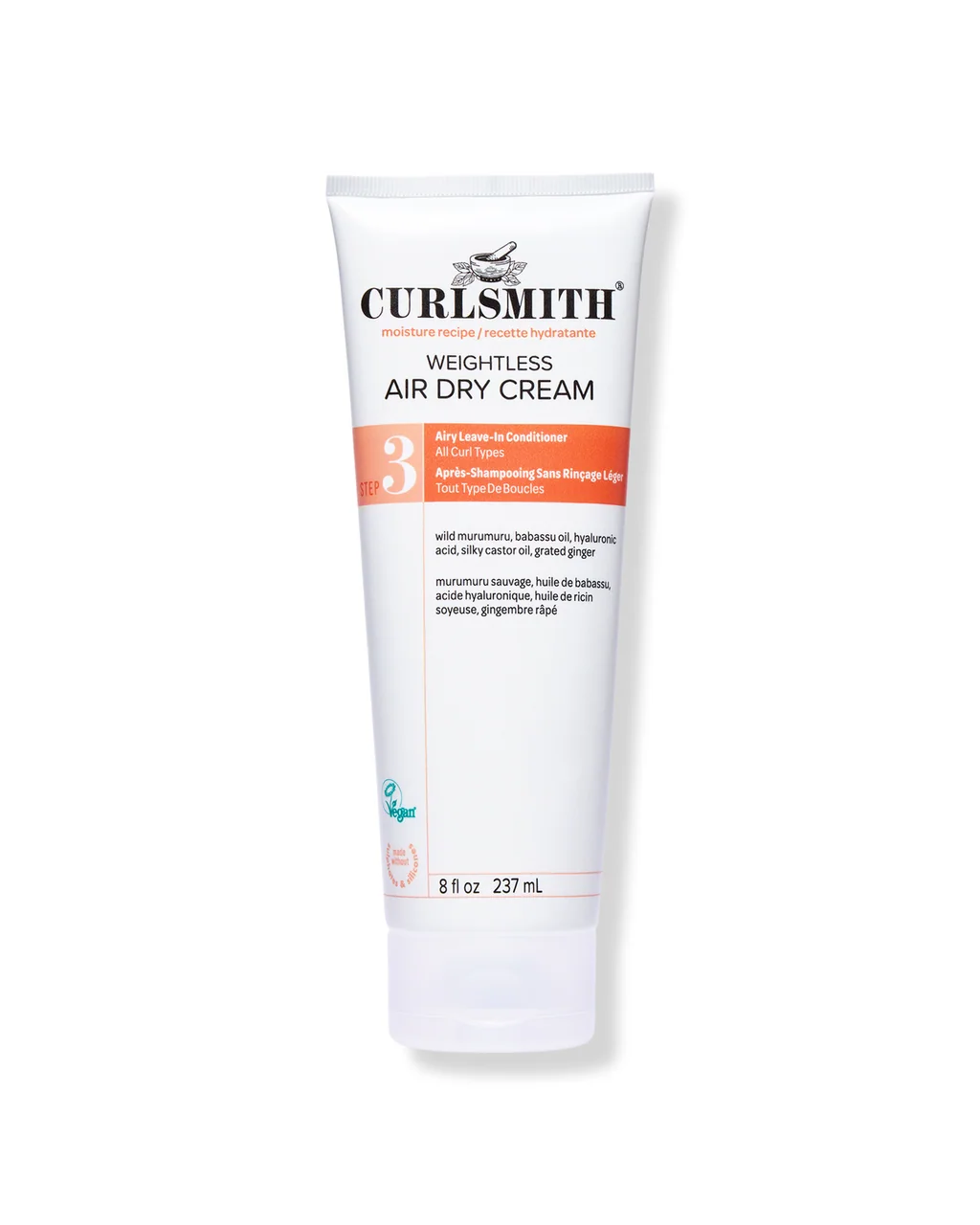
Best overall: Curlsmith Weightless Air-Dry Cream
The name is the specification, and in this category that's rarer than it should be — it's built as a light leave-in styler that defines without the weight that flattens a fine wave, and it's the brand's bestseller for good reason. It gives fine waves enough grouping to read as a pattern rather than as bendy straight hair, and it air-dries without the tackiness that makes people rinse a style out and start again. Best for: fine 2A–2C waves that go limp under everything else, and anyone who air-dries rather than diffuses. Honest limitation: weightless means the hold is genuinely light — in humidity or on hair that drops fast, it wants a light gel scrunched over the top.
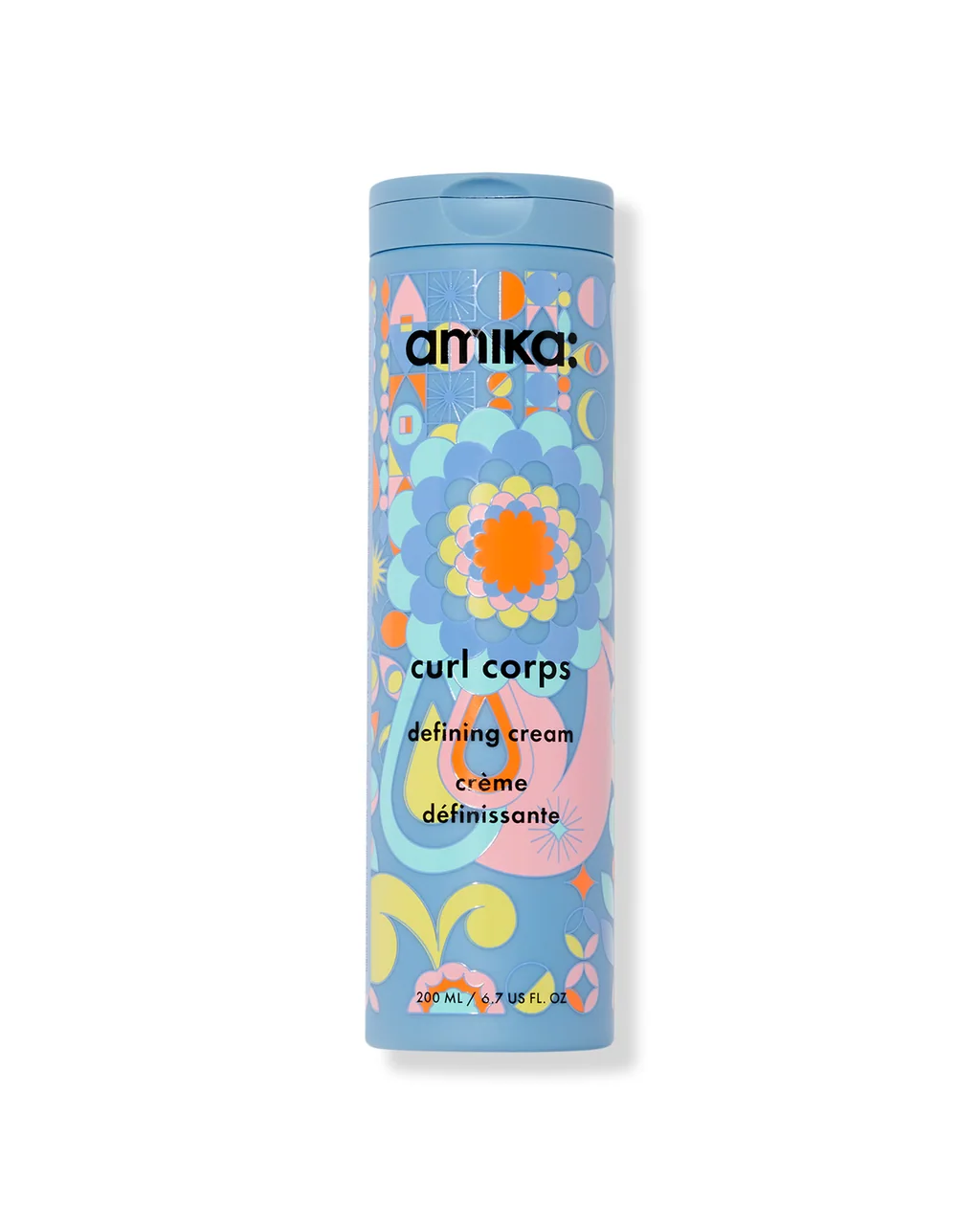
Best definition without crunch: amika curl corps defining cream
A lightweight cream that does its defining with tapioca starch and oat peptide rather than with butters — starch is a genuinely clever choice here, because it gives soft hold and structure at almost no weight cost. The result is defined but touchable, which matters on fine hair, where a hard cast is very visible against a sparse surface. Best for: fine waves and loose curls that need a visible pattern for a full day, and for layering under a gel. Honest limitation: starch-based formulas can go slightly stiff if you over-apply, and the brand's own routine pairs it with their gel — used alone on very fine hair it may need the second step to survive humidity.
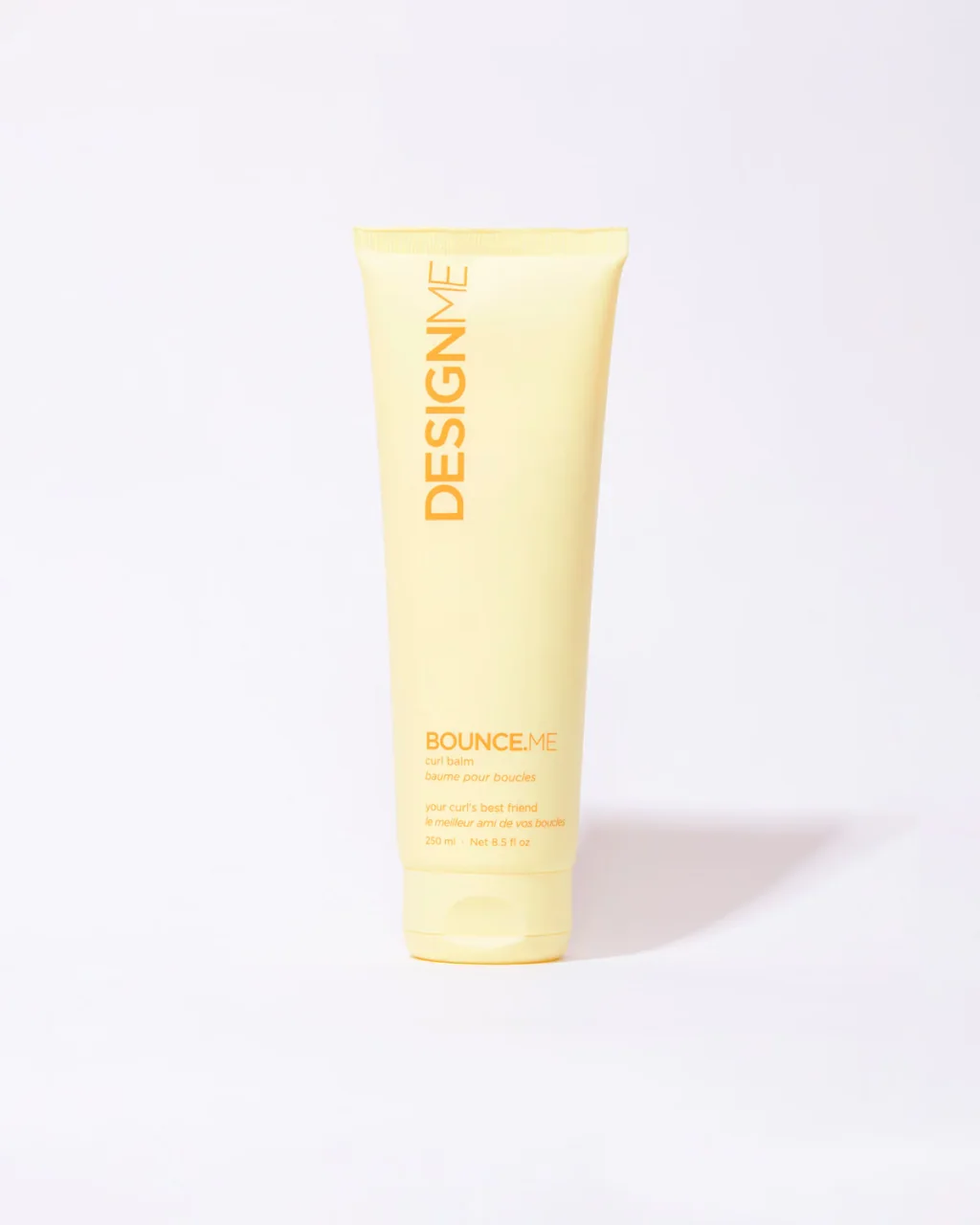
Marketed on soft curl definition plus frizz control, and the balm texture is the useful part — it's denser in the jar than a lotion but spreads to almost nothing between wet palms, so you get surface smoothing without a coating. Fine waves frizz for a different reason than coarse curls do: fewer, lighter strands escape the group more easily, so smoothing the surface matters more than sealing it. Best for: fine waves that define fine but halo with flyaways by mid-morning. Honest limitation: balms are unforgiving of a heavy hand — emulsify properly or you'll find one section noticeably weighed down.
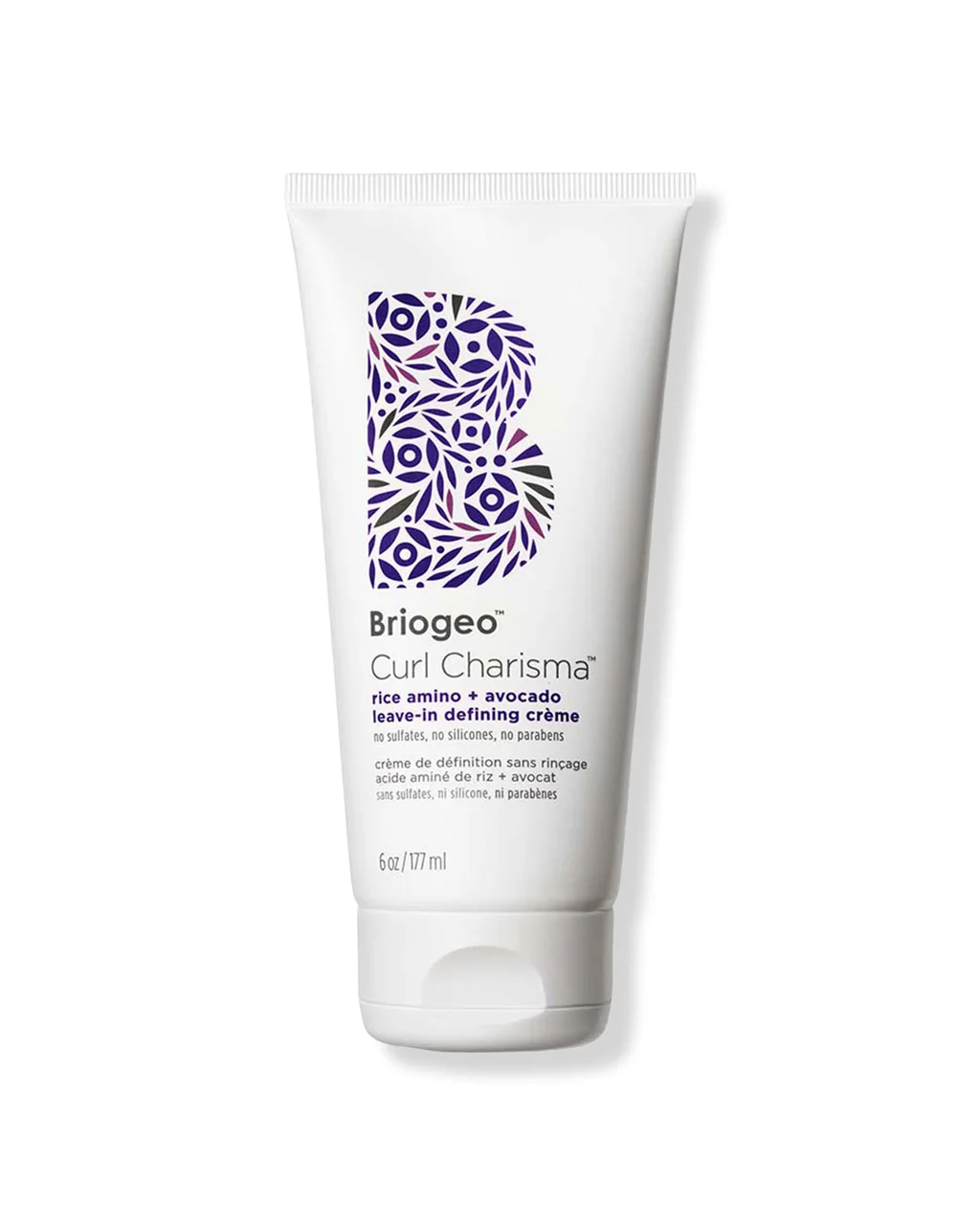
Best for drier fine curls: Briogeo Curl Charisma Leave-In Defining Crème
Rice amino acids and avocado oil, formulated across the 2A–4C range, with flexible hold and no crunch — a genuinely well-made cream and the right call when fine hair is also dry, which is a specific and awkward combination. Fine, dry curls need moisture that the usual moisture products are too heavy to deliver; this one manages more hydration per unit of weight than most. Best for: fine curls that are coarse-feeling, color-treated, or genuinely dry rather than just flat. Honest limitation: it's the richest cream on this list, so on the finest 2A waves it will weigh — halve the dose again, or start with one of the lighter picks above.
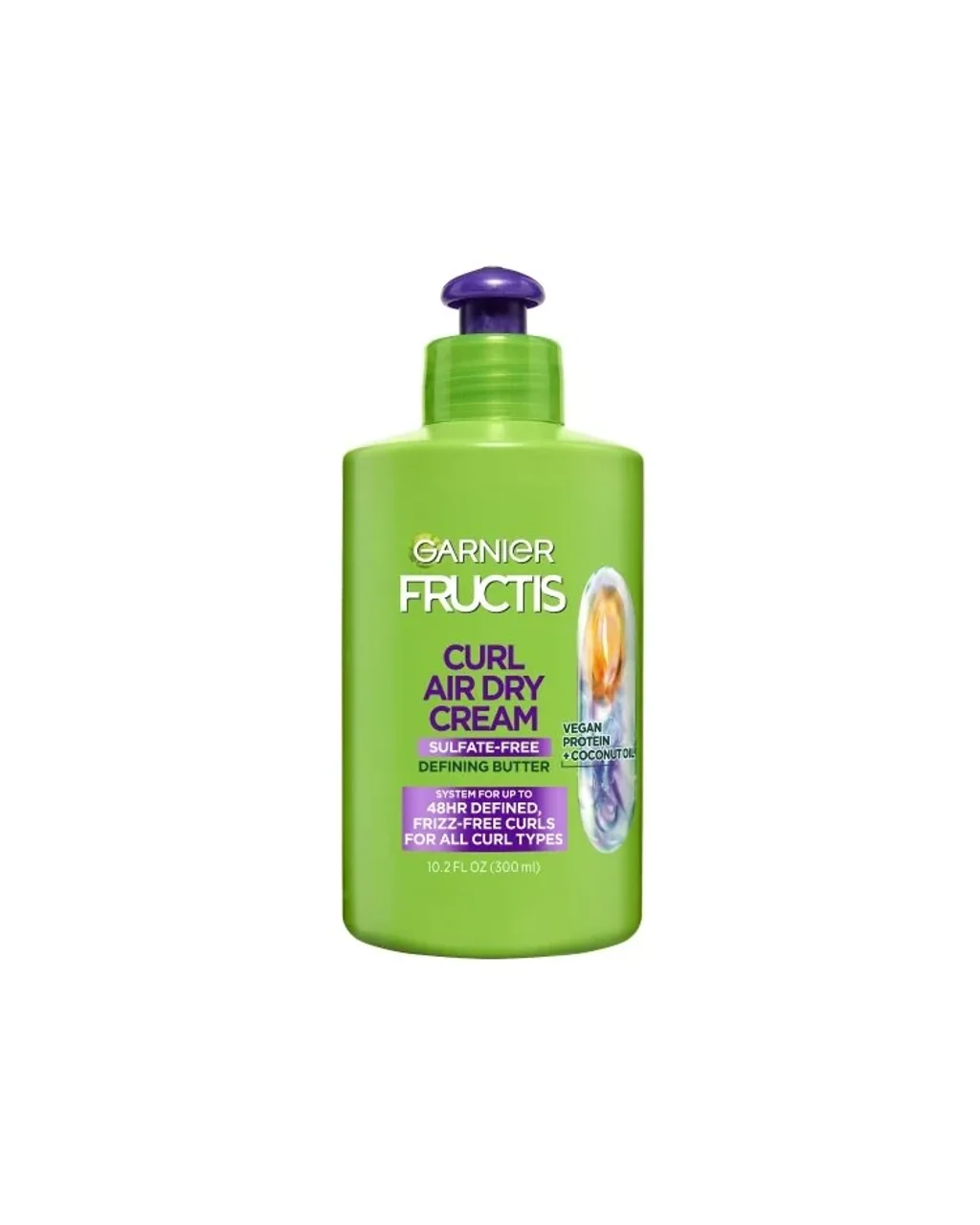
A sulfate-free leave-in styler built for air-drying waves and curls at a price that makes experimenting painless, which matters in a category where the expensive mistakes pile up fast. If you've never used a curl cream and don't know whether your waves will take one, find out here rather than with a salon tube. Best for: first-time curl-cream users, and as a cheap second bottle for the gym bag. Honest limitation: it's a butter cream, and butter is the ingredient family fine hair struggles with most — use half of what you'd use of anything else on this list, strictly below the ears, and skip it entirely if your waves are very fine.
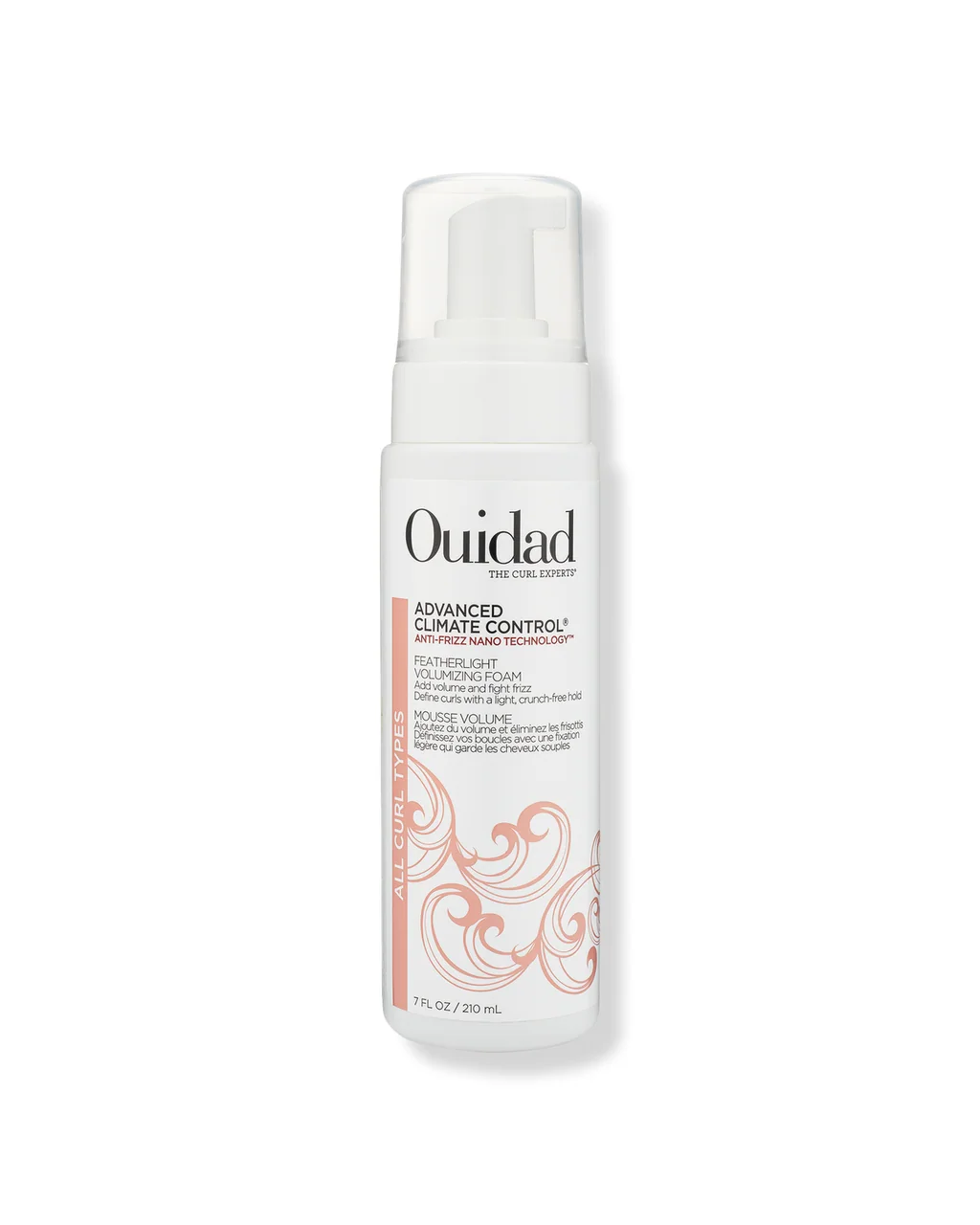
When a cream is still too heavy: Ouidad Advanced Climate Control Featherlight Volumizing Foam
Included honestly as the not-a-cream option, because for a meaningful number of fine-haired readers the answer to "which curl cream" is "none of them." A featherlight foam delivers the same defining polymers suspended in air instead of in an emollient base, so you get pattern and humidity resistance with almost no mass — and it builds volume rather than costing you some. Best for: very fine, low-density waves that go flat under every cream you've tried. Honest limitation: it's a foam, so it delivers less moisture than a cream — if your hair is dry as well as fine you'll want a light leave-in underneath it.
Six steps. The first and the last are the ones that decide the result.
Apply to soaking-wet hair, not damp. Water is what lets a tiny amount of product spread across a whole head, and it's what holds the wave in its pattern while the cream sets around it. Product on damp hair lands unevenly and gets used in far larger quantities.
Measure small. A dime for shoulder length, a nickel for longer, emulsified between wet palms until your hands look slick rather than white.
Keep it below the ears. Roots are where fine hair collapses first, and no curl pattern forms in the top two inches anyway. Nothing goes above the ears — ever.
Scrunch upward, never rake down. Raking pulls the wave straight while you're applying the product meant to define it. Cup handfuls of hair and press up toward the scalp.
Add a light gel over the top if you want it to last. Cream groups, gel holds. Scrunch a pea of gel over the cream while the hair is still wet.
Don't touch it until it's bone dry, then break the cast. Handling a drying wave is what turns definition into frizz. Once it's completely dry, scrunch the crispness out with dry hands.
If your waves define beautifully and then drop within the hour, the problem is almost always dose or hold rather than the product itself — and if they frizz rather than drop, start with how to tame frizz on fine hair.
Your hair is fine and genuinely straight. A cream defines a pattern; it can't create one. Texture spray, light mousse, or a heatless set — start with how to style fine hair.
Your roots go greasy by lunchtime. That's product placement, not your scalp. Everything below the ears, and clarify roughly monthly.
You want volume more than definition. Cream costs you volume by design. A mousse or a root lifter is the right tool — see how to add volume to fine hair.
You already use a rich leave-in. Stacking two conditioning layers is the most common reason fine waves go flat. Pick one, and make it the lighter one.
Your waves have stopped forming altogether. That's usually buildup rather than lost curl — a clarifying wash resets it faster than any new cream will, and our shampoo picks for fine wavy hair name the gentle reset to use.
FAQ
A light one is, and a standard one usually isn't. Most curl creams are built around butters and oils, because dense coarse curls need weight to clump together into defined pieces. A fine strand has almost no bending stiffness, so the same weight simply pulls the wave out of it — you get soft, shiny, straighter hair rather than definition. What works on fine waves is a cream that leans on humectants, light proteins, and film-forming polymers rather than emollients, used in roughly a quarter of the dose the bottle suggests, and applied to soaking-wet hair.
Start with a dime-sized amount for shoulder-length hair and a nickel for anything longer, emulsified between wet palms until your hands look slick rather than white. That's a fraction of what curl-product tutorials show, because those are filmed on dense hair where the same amount disappears. Apply it only to the mid-lengths and ends, never the roots, and add a second tiny amount to the underneath section if the ends still look undefined. If your waves look defined while wet and limp within an hour of drying, the dose was too high, not too low.
Both, in that order, if you want definition that lasts past mid-morning. A cream conditions and groups the wave into a pattern; a gel sets a film around that pattern so it survives movement and humidity. Cream alone on fine hair usually looks lovely wet and drops within the hour, because there's nothing holding the shape once the water leaves. Gel alone can look stringy on a fine head. The reliable sequence is a small amount of light cream on soaking-wet hair, then a light gel scrunched over the top, then no touching until it's bone dry.
A leave-in is a care product — it detangles, softens, and adds slip, and it's designed to be undetectable once it dries. A curl cream is a styling product: it carries polymers and film-formers meant to group strands into a defined pattern and hold that grouping while the hair dries. They overlap enough that some products are marketed as both, which is where fine-haired people go wrong, because using a rich leave-in as a styler adds weight with no structural payoff. On fine hair, use a light leave-in only if you genuinely need slip, then a separate light cream for definition.
Because the oils and butters that give a cream its texture stay in the hair all day, and a fine strand has very little surface area to distribute them over. On coarse hair the same quantity absorbs and disappears; on fine hair it sits on the surface and reads as grease by lunchtime, particularly near the roots. Three fixes, in order of impact: use a quarter of the dose, keep every bit of it below the ears, and switch to a formula whose ingredient list starts with water and humectants rather than shea butter or heavy oils.
There's little point. Curl creams are formulated to group and define an existing pattern, not to create one, so on genuinely straight fine hair you get the weight without the payoff. If you want texture in straight fine hair, a texture spray, a light mousse, or a heatless set will do far more. Curl creams start earning their place at a loose 2A wave — hair that bends on its own but drops within an hour — where a light cream plus a light gel can hold the bend that was already trying to happen.
Fourteen years in hair — eight behind the chair, six in editorial — with a focus on scalp health and the science of fine, flat-prone hair. Megan measures styling products in coins, not palmfuls.
Results vary with hair type, density, and growth patterns. This guide is educational and not a substitute for an in-person consultation with a licensed stylist.
Get the good hair intel
One honest, stylist-written guide in your inbox each week. No hype.

 MH
MH