Reviewed by Tara Sullivan · Updated August 2026 · 9 min read
This is the aisle where fine hair gets ruined fastest, and the reason is one line on the ingredient list. Classic pomade is built on wax, petrolatum or oil, which coats a fine strand, adds shine and weighs it flat — while clay is built on kaolin or bentonite, which absorbs oil, leaves a matte surface and holds strands apart.
Same shelf, opposite results. Below are six picks by job — best overall paste, best clay, best for pixies and short cuts, best featherweight texture, best matte pomade, and best budget — each with an honest limitation, plus how these differ from gel and texture spray so you buy one product instead of three.
Every product here is chosen independently, on the merits — what genuinely suits fine, thin hair. Links go to each brand's official page, and we don't take payment for placement. Price tiers are rough guides because prices change.
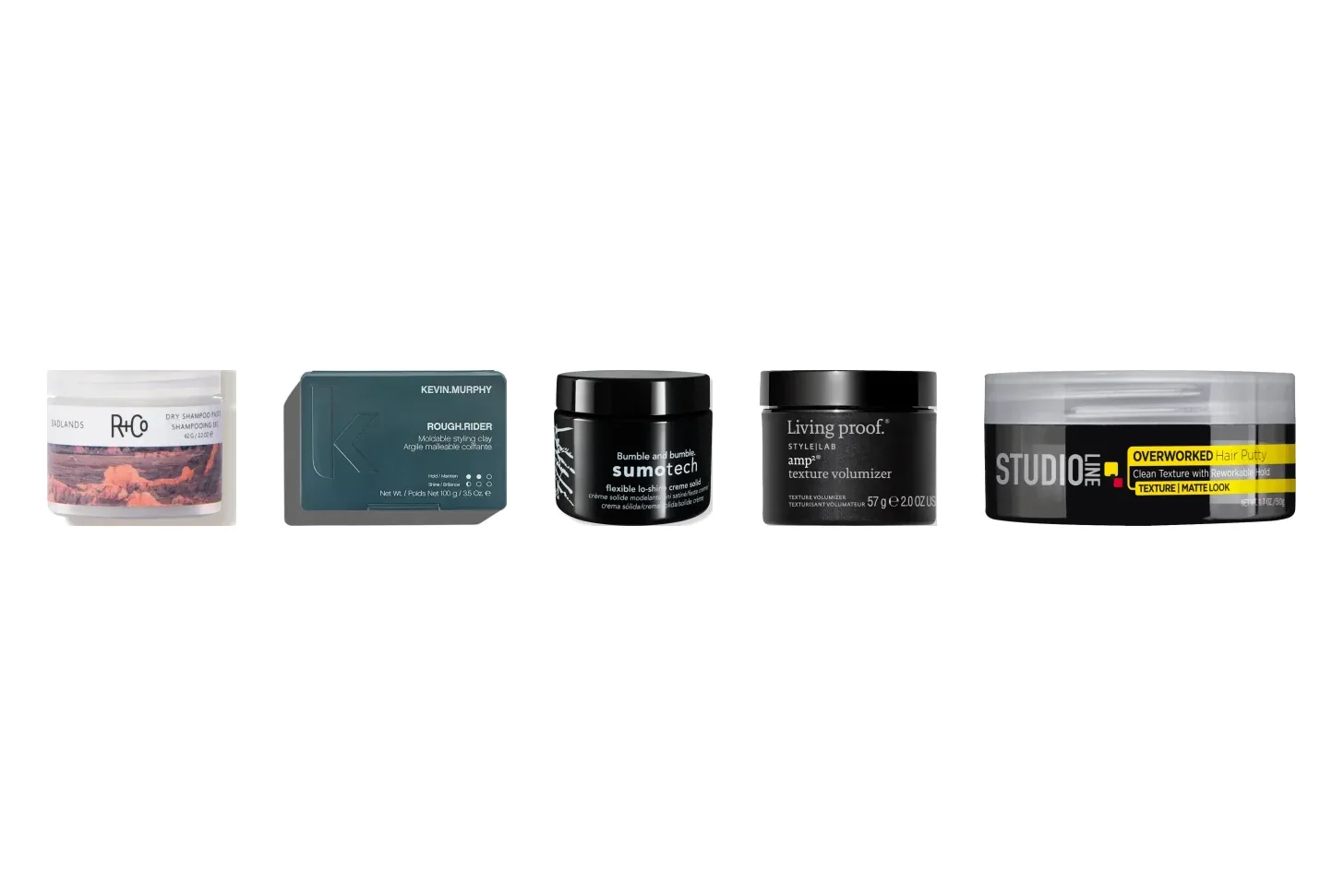
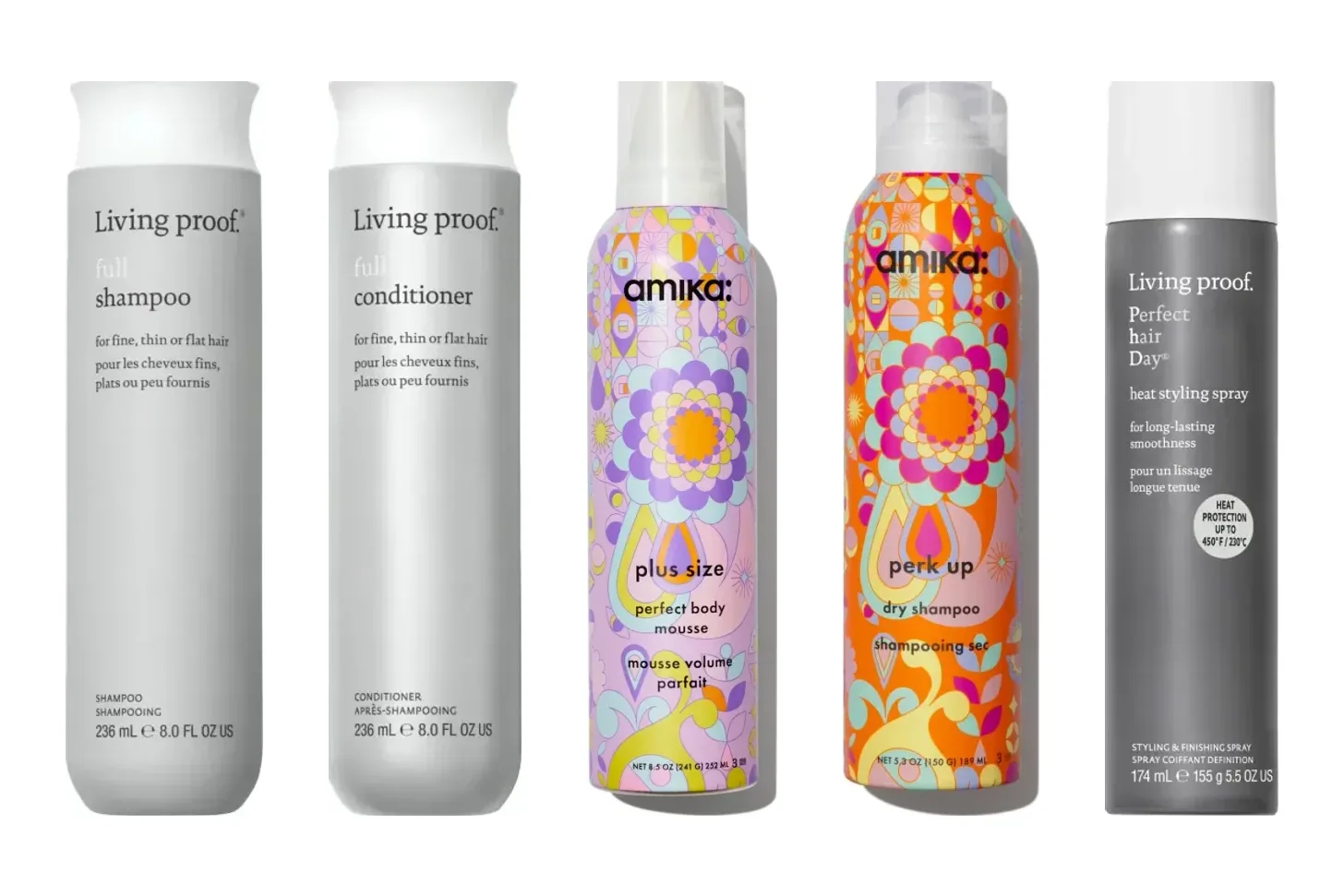
Our six picks, one per job. Product images courtesy of the brands.
Chair-side note
I keep a jar of clay on my station and I have never once opened it fully. What I take is smaller than a grain of rice, and I warm it between my palms until my hands look clean again before I touch anyone's hair.
That step is the whole difference between clay and a greasy patch at the crown. It is the same rule I give every man with fine hair, and it anchors our styling routine for fine hair on men.
When a client tells me a styling product made her fine hair look dirty, I ask her to show me how much she used — and it's almost always a fingertip-sized scoop, straight onto the roots, which is roughly ten times the working dose.
MH
— Megan Holloway, Editor-in-Chief
The base ingredient decides everything
Three product families share this shelf and the words on the labels are used almost interchangeably, which is why so many people with fine hair buy the wrong one. What separates them is what the formula is built on.
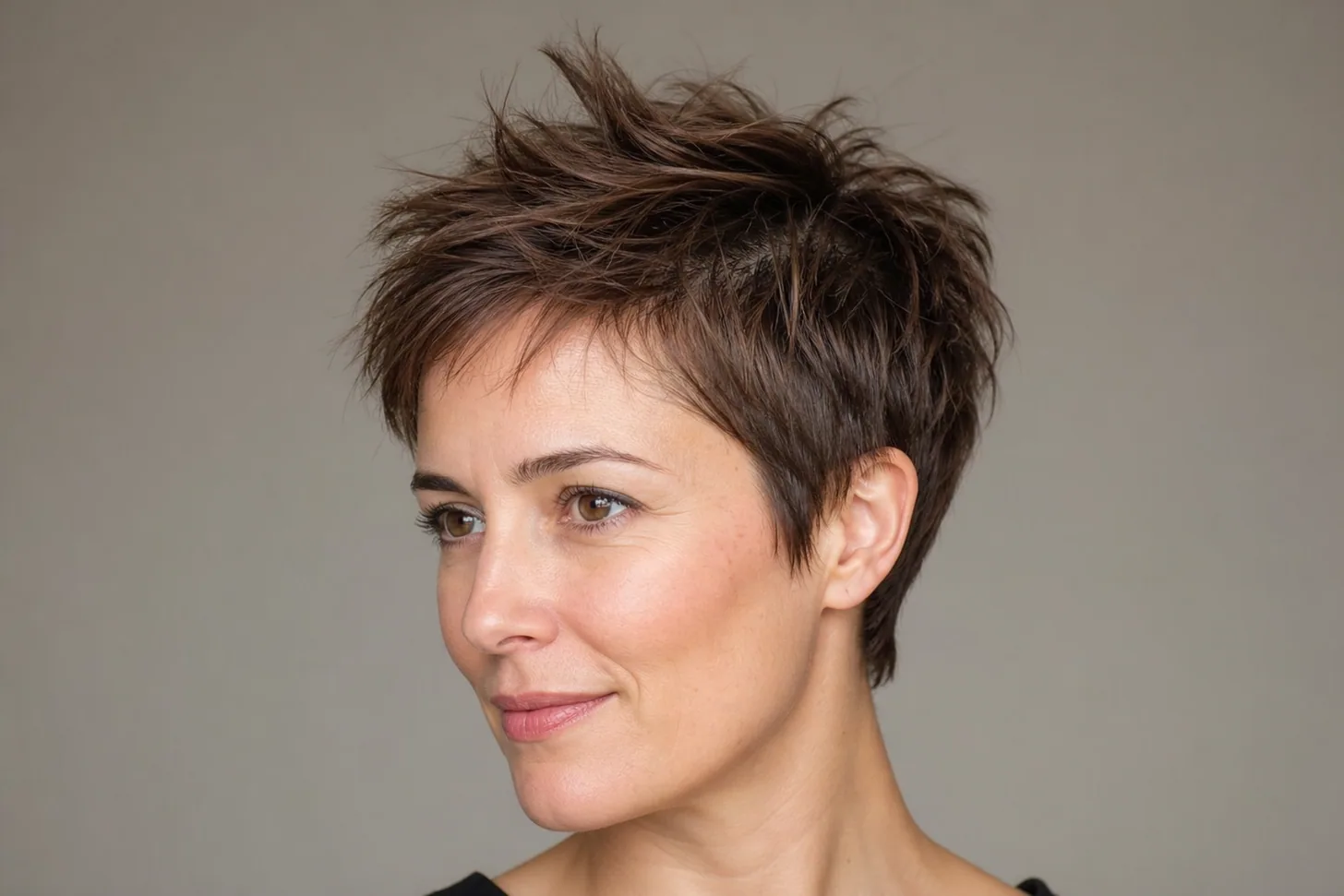
Clay is kaolin or bentonite suspended in a light base. Clay absorbs oil, dries to a matte finish, and leaves microscopic particles on the surface of the hair that increase friction between strands — so hairs hold each other apart rather than sliding into a flat sheet. That is the single most useful thing any styling product can do for fine hair.
Paste and putty are water-based, with polymers doing the holding and a small amount of wax for pliability. They give reworkable hold and a natural finish, and because water is the carrier they rinse out cleanly. This is the most versatile category for fine hair and the safest place to start.
Pomade, in the original sense, is an oil, petrolatum or beeswax base. It delivers shine and slick control, it clings, and it is the hardest of the three to wash out. On fine hair it does exactly what heavy conditioner does — coats, weighs, flattens. The modern "matte pomade" is usually a water-and-clay hybrid wearing the old name, and behaves like a paste.
There's a second, purely optical reason matte wins here: a shiny surface reflects light in a single direction, which makes any gap between strands read as scalp. A matte surface scatters it. This is the same principle behind choosing a matte dry shampoo over a glossy finishing spray, and it's why clay flatters fine hair even before the hold is factored in.
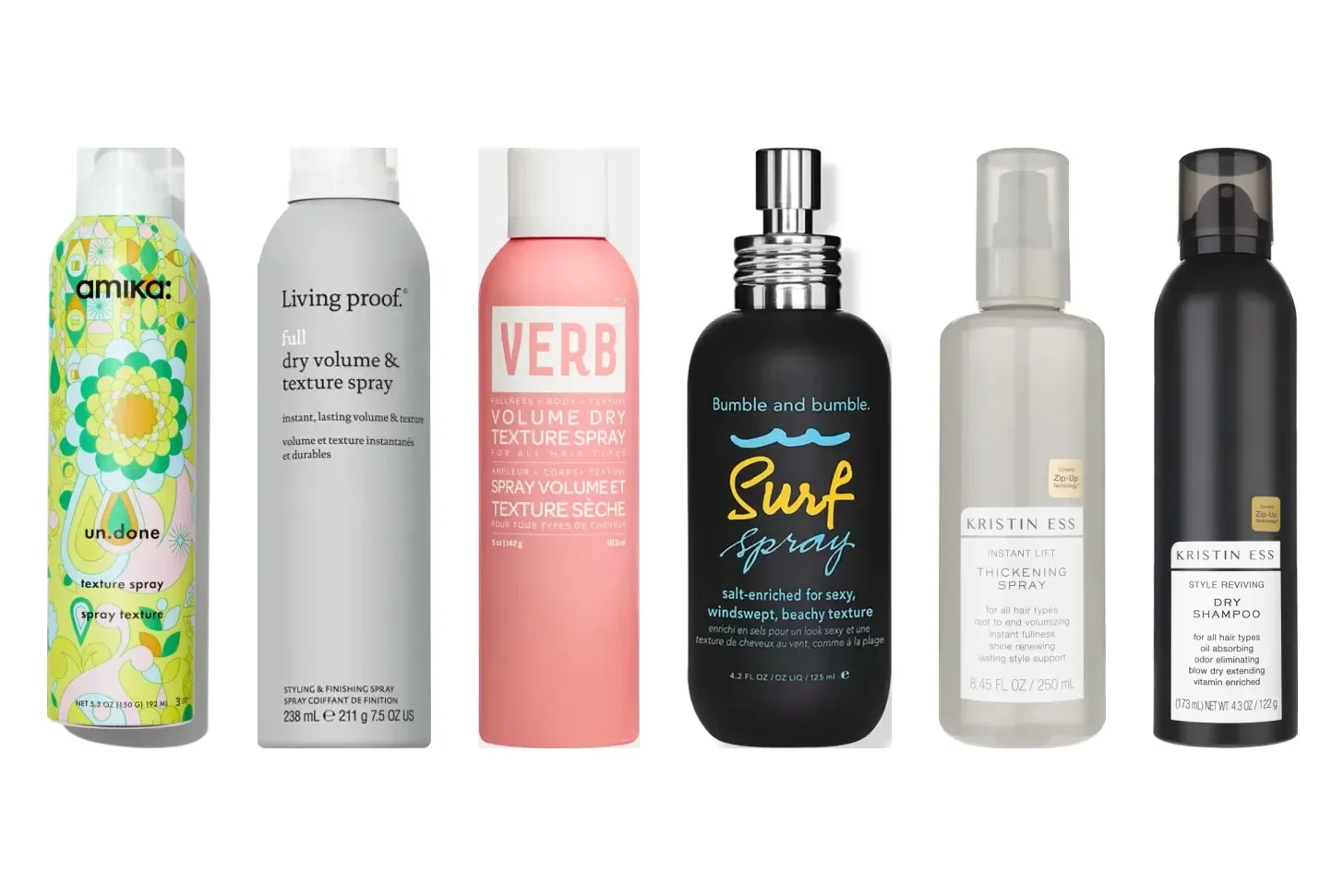
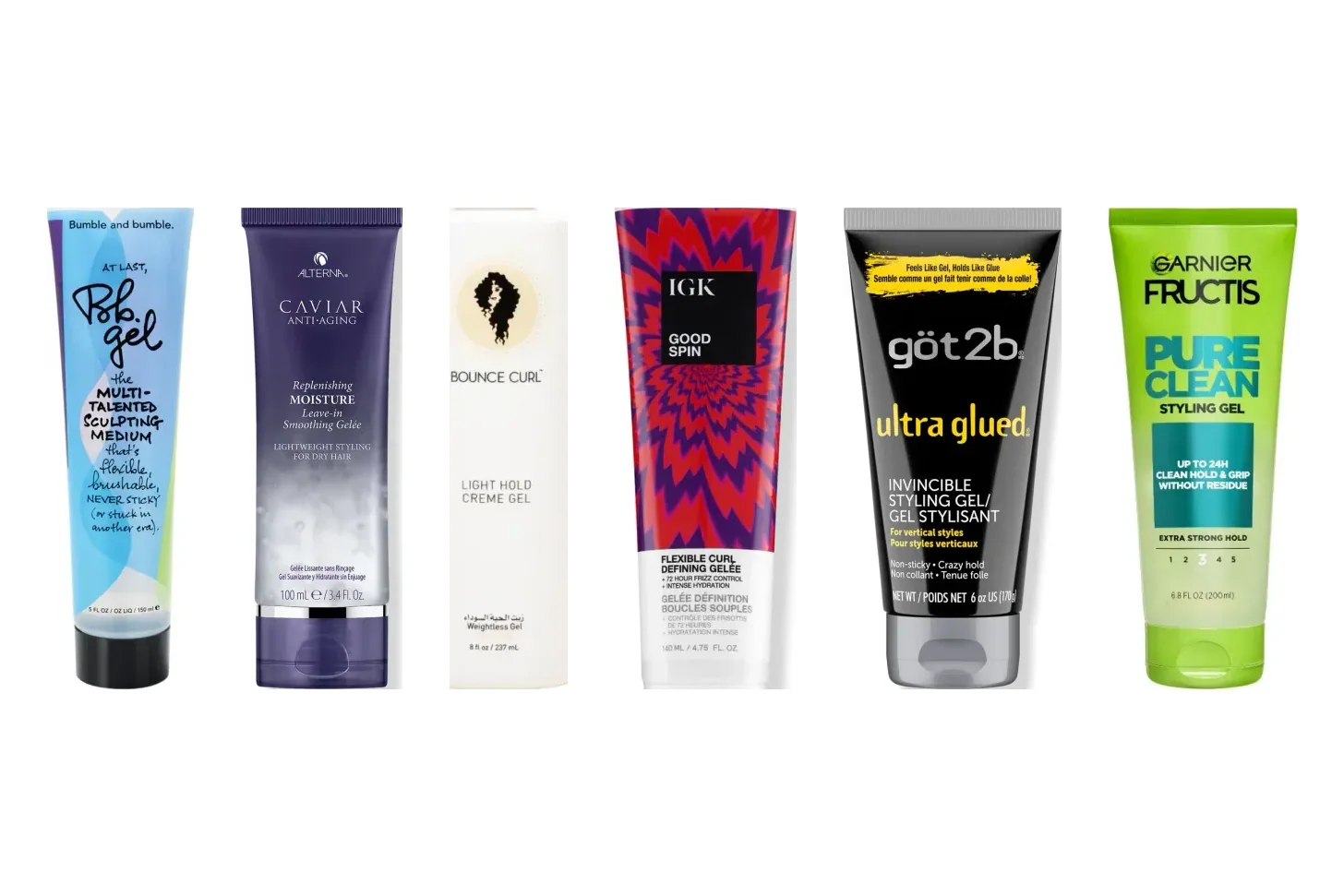
How these differ from gel, mousse and texture spray
The short version: sprays are for coverage, pastes and clays are for placement. If you want your whole head to feel gritty, reach for a texture spray. If you want to define the ends of a bob, lift a section at the crown, or make a pixie sit in pieces rather than a helmet, that's a job only a paste or clay can do.
The best pastes, clays and pomades for fine hair
One honest pick per job. Every one of these is either water-based or clay-based; nothing on this list is a traditional wax pomade, because none of them belong on fine hair.
1
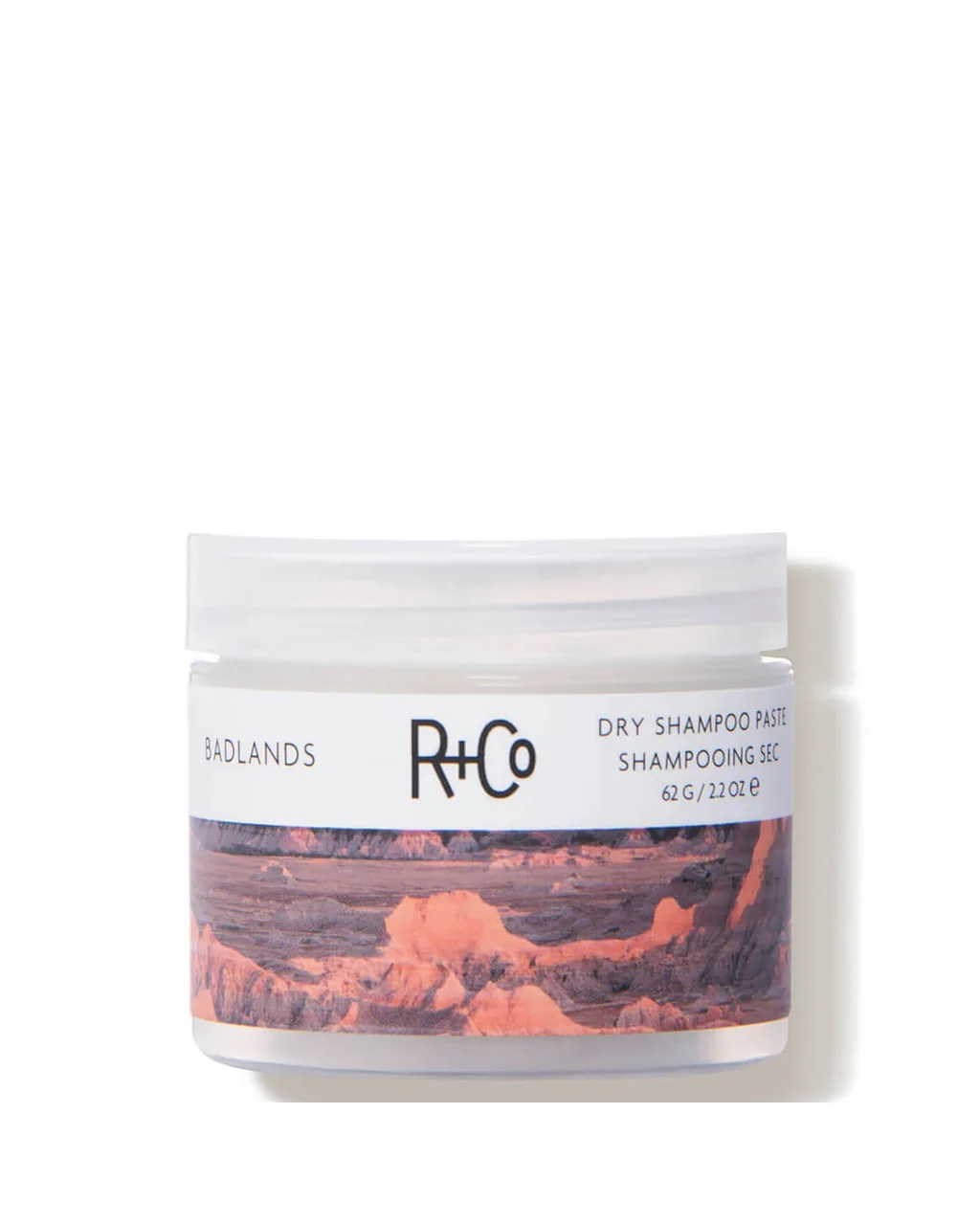
Best overall: R+Co Badlands Dry Shampoo Paste
A paste that also absorbs oil, which on fine hair is close to an ideal combination — you get texture and hold from the polymers and a matte, de-greased root from the volcanic ash, so the product isn't fighting the problem it's meant to solve. It reworks cleanly through the day, which matters because fine hair is usually restyled rather than set once. Best for: second-day fine hair, extending a blowout, and anyone who currently uses a dry shampoo and a paste separately. Honest limitation: the oil-absorbing side means it can read chalky if you over-apply on very light blonde or grey hair, and the price is firmly premium for a 2.2 oz jar.
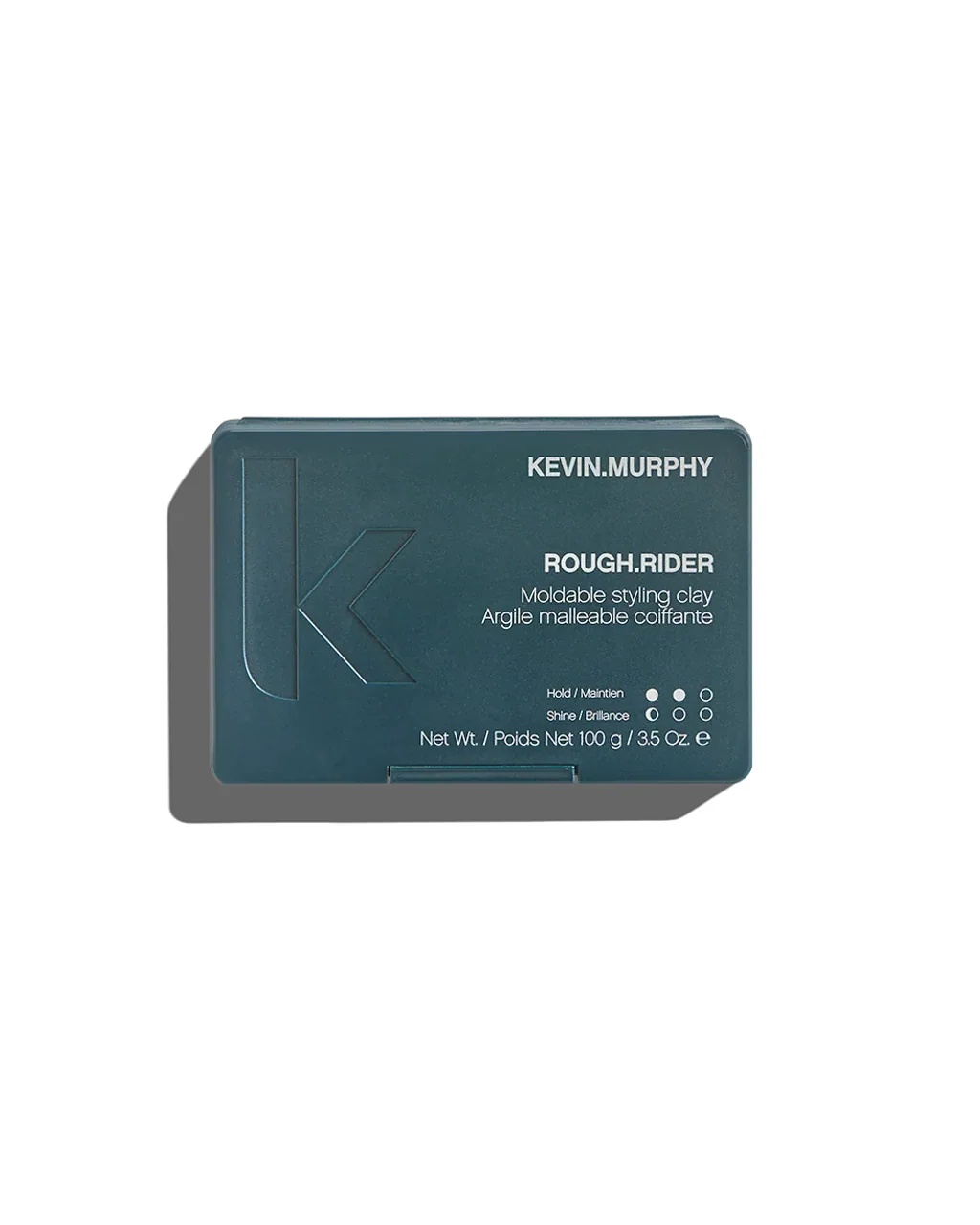
The strongest matte hold on this list, and the one that most convincingly fakes thickness — the gritty clay texture separates fine strands and keeps them separated, so a short cut reads as pieces rather than as a flat cap. It's built for structure rather than softness, which makes it the pick when your cut has an actual shape you want to hold all day. Best for: pixies, crops and short bobs with a defined silhouette; fine hair that goes limp by mid-morning. Honest limitation: it's the heaviest and most stubborn product here, so the rice-grain rule is not optional — over-apply it on fine hair and you'll be washing rather than reworking.
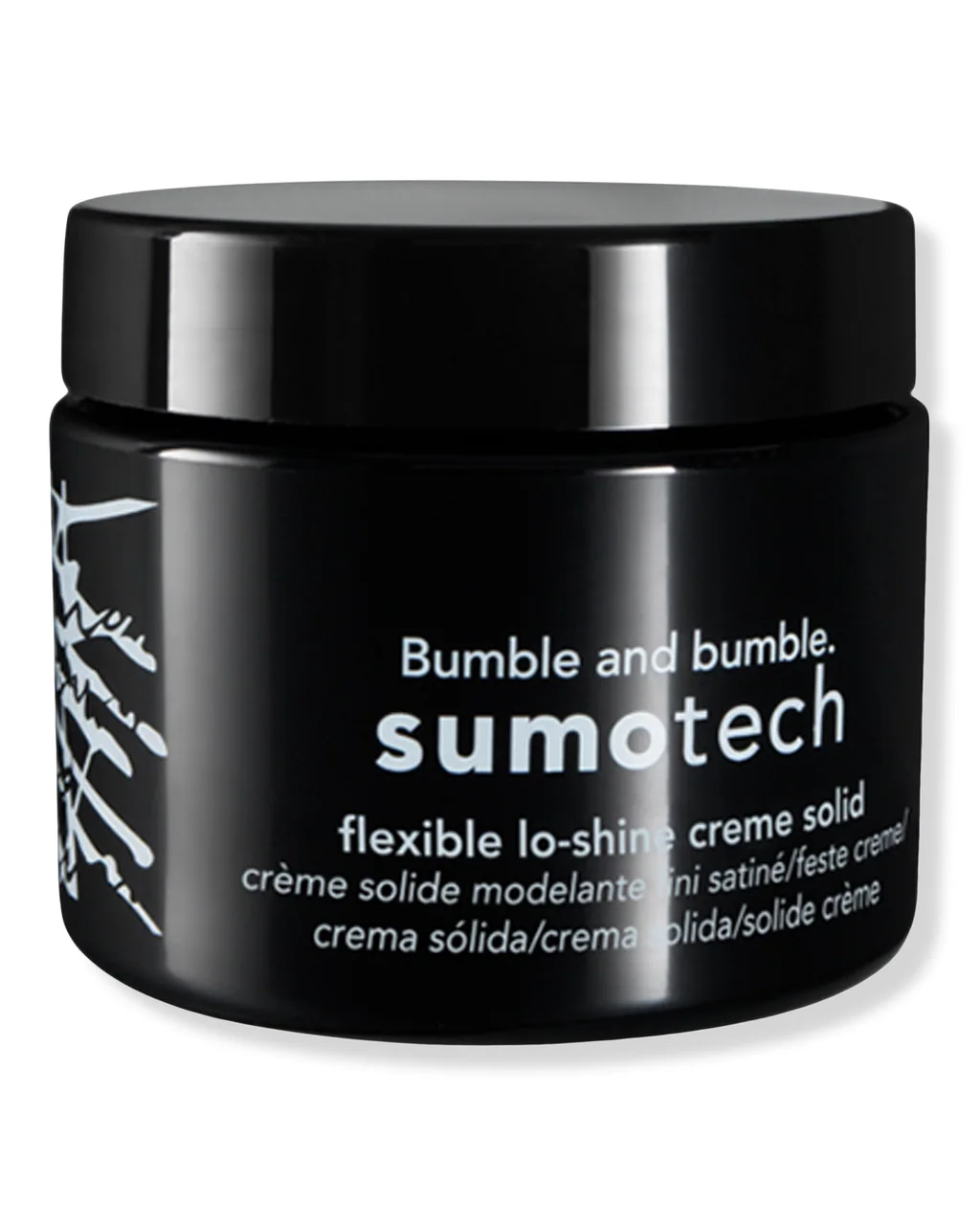
Best for pixies and short cuts: Bumble and bumble Sumotech
A cream-solid that sits between a wax, a paste and a cream, with a low-shine finish and enough pliability to be pushed around after it's set — the texture short fine hair actually needs, where clay can be too rigid and paste too soft. It melts down to almost nothing between warm palms, which is the behaviour you want when the margin between "styled" and "greasy" is a few milligrams. Best for: pixies, bixies and grown-out crops; shaping a fringe. Honest limitation: it does contain wax, so it's the one product here that needs a proper shampoo rather than a rinse, and it's genuinely too heavy for anything past the chin.
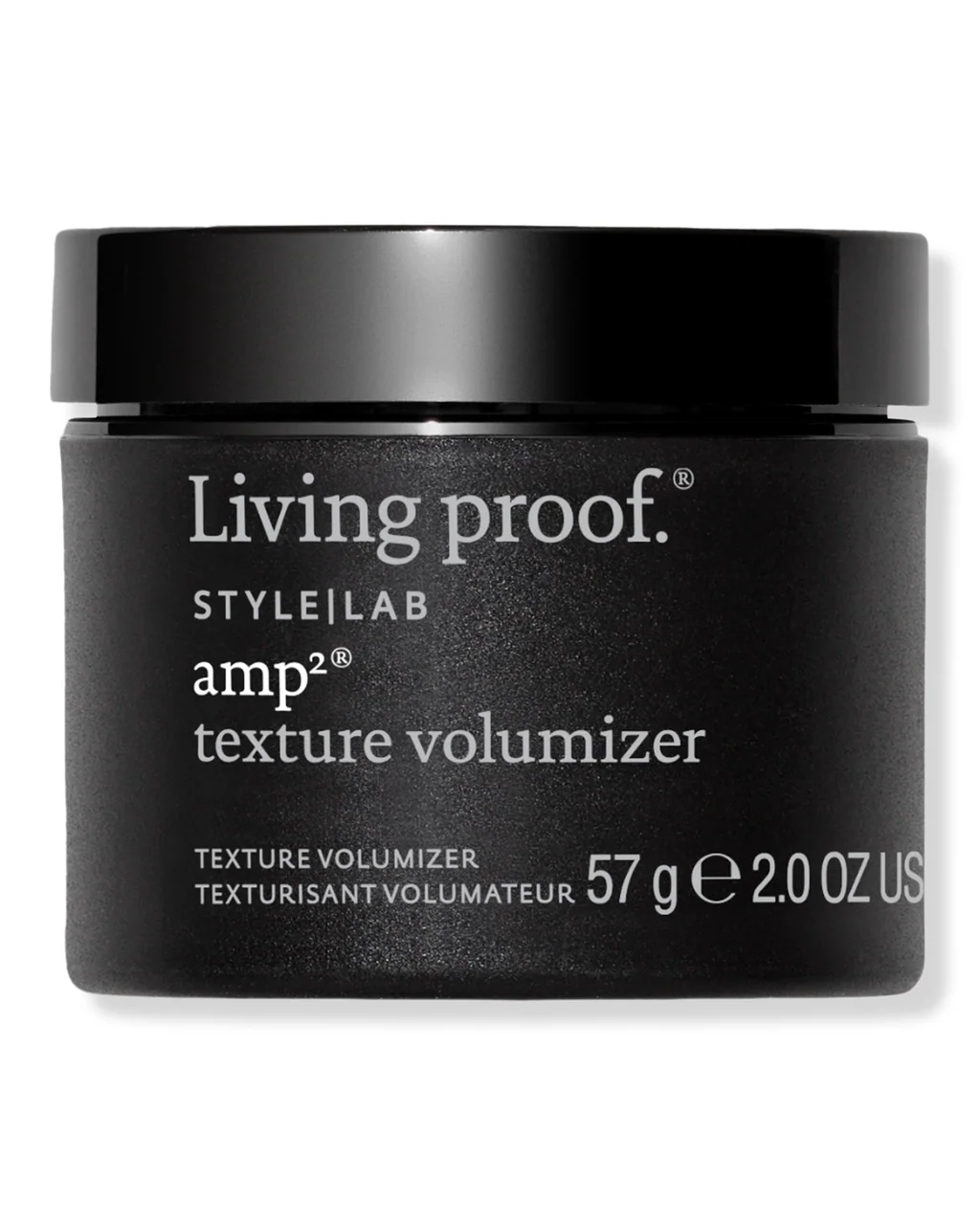
Best featherweight: Living Proof Style Lab Amp² Texture Volumizer
The lightest thing in this category by a distance, and the one to buy if every paste you've tried has flattened you. It's a cream-textured volumizer built on Living Proof's thickening polymer rather than on wax or clay, so it adds diameter and light hold to dry hair without the mass that makes fine hair give up. Best for: mid-length fine hair, first-timers, and anyone whose hair has historically punished them for using a styling product at all. Honest limitation: the hold is genuinely light — it will texturize and lift, but it won't make a short cut stand up or hold a hard shape through a windy day.
Proof that the word on the jar tells you nothing — this is a kaolin-clay formula behaving like a soft molding paste, with a matte finish and the separation fine hair wants. It's the most forgiving product here for lived-in, piece-y styling: enough grip to hold a shape, soft enough to run your fingers through afterwards without the style seizing. Best for: undone texture on a bob or lob, taming a fringe, defining ends. Honest limitation: beeswax is in the formula, so it isn't the featherweight option — and the hold sits in the middle, which means it shapes well but won't hold a structured style all day.
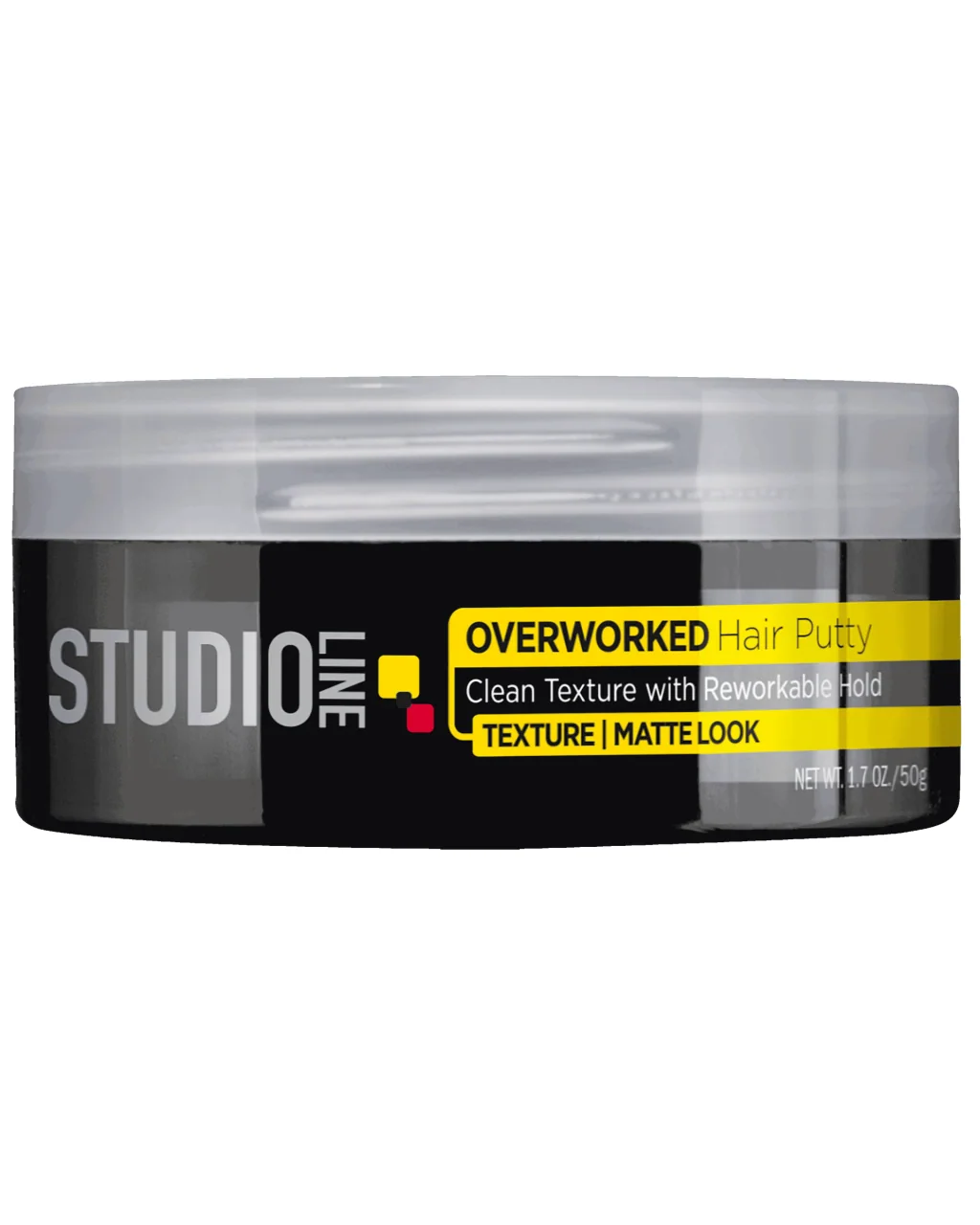
Best budget: L'Oréal Paris Studio Line Overworked Hair Putty
A water-based putty with reworkable hold at drugstore money, and the sensible way to find out whether this category suits you before spending forty dollars on a jar you might use twice. It's designed for short styles and texture, and because water leads the formula it rinses out without a clarifying wash. Best for: trying paste for the first time, short fine hair on a budget, keeping one at the office. Honest limitation: the finish is less refined than the premium picks — it can look slightly stiff if you use too much, and there's no oil-absorbing benefit, so it does nothing for a greasy root.
Five steps. The second one is where nearly everyone goes wrong.
Start with dry, finished hair. These are shaping products, not styling bases. Blow-dry or air-dry first and build your volume with a mousse or root lifter at the damp stage; the paste comes last.
Take a rice grain and emulsify it to nothing. Rub it between your palms until your hands look clean and feel only slightly tacky. If you can see product on your hands, there's too much for fine hair. You can always add a second rice grain; you cannot take one away.
Apply from the ends upward. Skim the mid-lengths and ends first, then work back toward the roots with whatever residue is left. Going root-first is what makes fine hair look unwashed.
Place, don't rake. Pinch and twist individual pieces, or press sections at the crown upward and hold for a second. Dragging your fingers through the whole head just distributes weight evenly, which is the opposite of texture.
Rework rather than reapply. Because these are reworkable, an afternoon flatness is usually fixed by rubbing your hands together and re-pinching the same pieces — not by adding more product. If it genuinely needs a top-up, use a texture spray instead.
Used this way, one jar lasts most people a year. If yours runs out in three months on fine hair, the dose is the problem — and the buildup is probably part of why your hair keeps falling flat. Frequent users should run a clarifying wash every couple of weeks; the American Academy of Dermatology's guidance on healthy hair habits is worth reading alongside any product you leave in all day.
When paste or clay isn't your best move
Your hair is past your shoulders. Working a paste through length is impractical and heavy — a texture spray does the same job in three seconds.
The problem is flat roots rather than shapeless ends. Nothing applied to dry hair lifts a root properly. That's a root lifter at the damp stage, or the method in how to get root volume in fine hair.
You want a sleek, slicked-back bun or ponytail. A gel gives that hold without the coating — see the gel picks for fine hair.
Your scalp is oily by the end of day one. Clay near the root will hold that oil against the skin. Use the paste on the ends only, and rebalance the routine first — fine, oily hair.
You've been told to use "pomade for thinning hair." Product can add texture and matte the surface, which genuinely helps coverage, but nothing in a jar changes density. If that's the underlying worry, start with coverage for thinning on top.
FAQ
Traditional pomade is, because the traditional base is oil, petrolatum or beeswax. Those ingredients coat the strand, add shine and add weight — three things fine hair can't afford — and they're difficult to wash out, so the residue accumulates over several days. What's sold under the word pomade today is often a water-based or clay-based formula, which behaves nothing like the original. Read the first three ingredients: if water is at the top, it will suit fine hair; if wax, petrolatum or an oil is, it won't.
The base ingredient. Clay is built on kaolin or bentonite, which absorbs oil and leaves a matte, gritty surface — it adds apparent thickness and holds hair apart. Paste and putty are water-based with polymers and a small amount of wax, giving flexible, reworkable hold with a natural finish. Pomade in the classic sense is oil or wax based and creates shine and slick control. For fine hair the order of preference is clay, then paste, then pomade — and a matte pomade sits closer to paste than to the classic version.
It does, by two separate mechanisms. Clay particles sit on the surface and increase friction between strands, so hairs hold each other apart instead of collapsing into a flat sheet — the same reason a matte texture reads as fuller. And a matte finish scatters light rather than reflecting it, which stops the scalp reading through the way it does under a shiny finish. Neither effect adds hair, but both change what the eye registers as density.
Start with an amount the size of a grain of rice and warm it between your palms until you can't see it. If you can still see product on your hands, there's far too much on them for fine hair. Apply to the mid-lengths and ends first with whatever is left on your fingertips going near the roots — never the reverse. Almost every complaint about paste making fine hair greasy is a dosing problem rather than a product problem.
Dry, in nearly every case. Paste, clay and pomade are finishing products designed to shape hair that's already styled, and applying them to wet fine hair drags the strands into a flat, sticky sheet as it dries. The wet-hair products are mousse, gel and leave-in. The one exception is a very small amount of a light texture cream worked through damp hair before a blow-dry, which behaves more like a styling cream than a paste.
They do different jobs and many people use both. Texture spray is applied all over for diffuse grit and lift, and it's the better choice for long hair, where working a paste through the length is impractical and heavy. Clay is applied to specific pieces for definition, separation and shape, which makes it the right tool for pixies, bobs and any cut where the outline matters. On long fine hair, spray. On short fine hair, clay.
Not if you keep them off the scalp and wash them out properly. Clay is absorbent, which means it holds oil against the skin if you work it into the roots, and wax-based products are the hardest of all styling products to remove with a gentle shampoo. Apply above the root, and if you use these regularly, run a clarifying wash every couple of weeks — buildup at the root is one of the most common causes of fine hair going flat by midday.
Fourteen years across the chair and the page, specialising in fine-hair care. Megan reads the first three ingredients on every styling jar before she reads the claims on the front, and thinks everyone with fine hair should do the same.
Results vary with hair type, density, and growth patterns. This guide is educational and not a substitute for an in-person consultation with a licensed stylist.
Get the good hair intel
One honest, stylist-written guide in your inbox each week. No hype.

 MH
MH