Reviewed by Tara Sullivan · Updated August 2026 · 8 min read
Sea salt spray is one of the very few products that gives fine hair grip without giving it weight — and it's also the product most likely to leave it feeling like straw. Salt creates texture by drawing water out of the strand and leaving crystals on the surface, and a fine strand runs out of water to give up long before a coarse one does.
That single fact is the whole buying rule: you want salt low on the ingredient list, paired with something that puts moisture back. Below are six picks by job — best overall, best salt-free alternative, best budget, best lightweight everyday, best on damp hair, and best matte finish — each with an honest limitation, plus how salt spray differs from texture spray so you don't buy both by accident.
Every product here is chosen independently, on the merits — what genuinely suits fine, thin hair. Links go to each brand's official page, and we don't take payment for placement. Price tiers are rough guides because prices change.
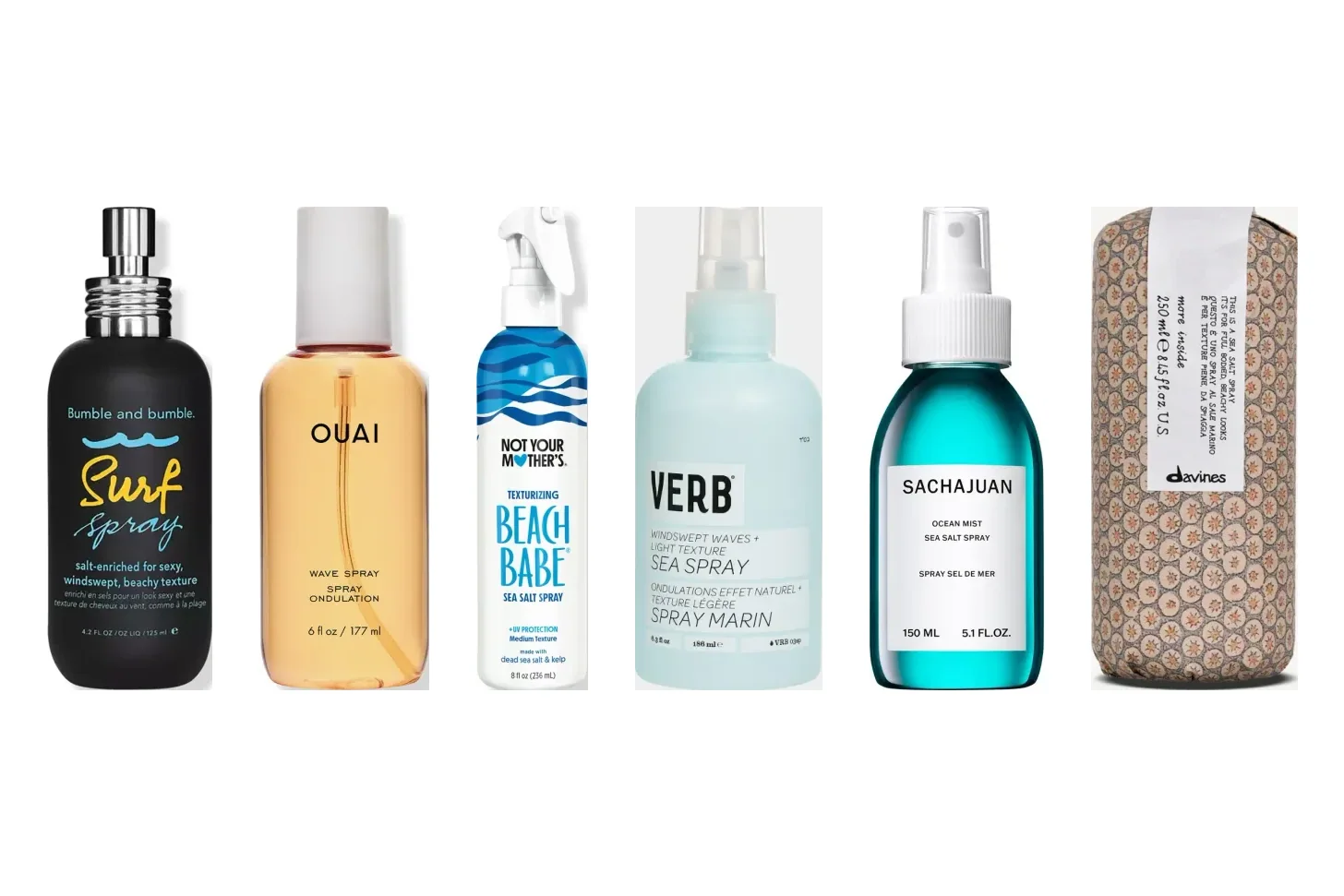
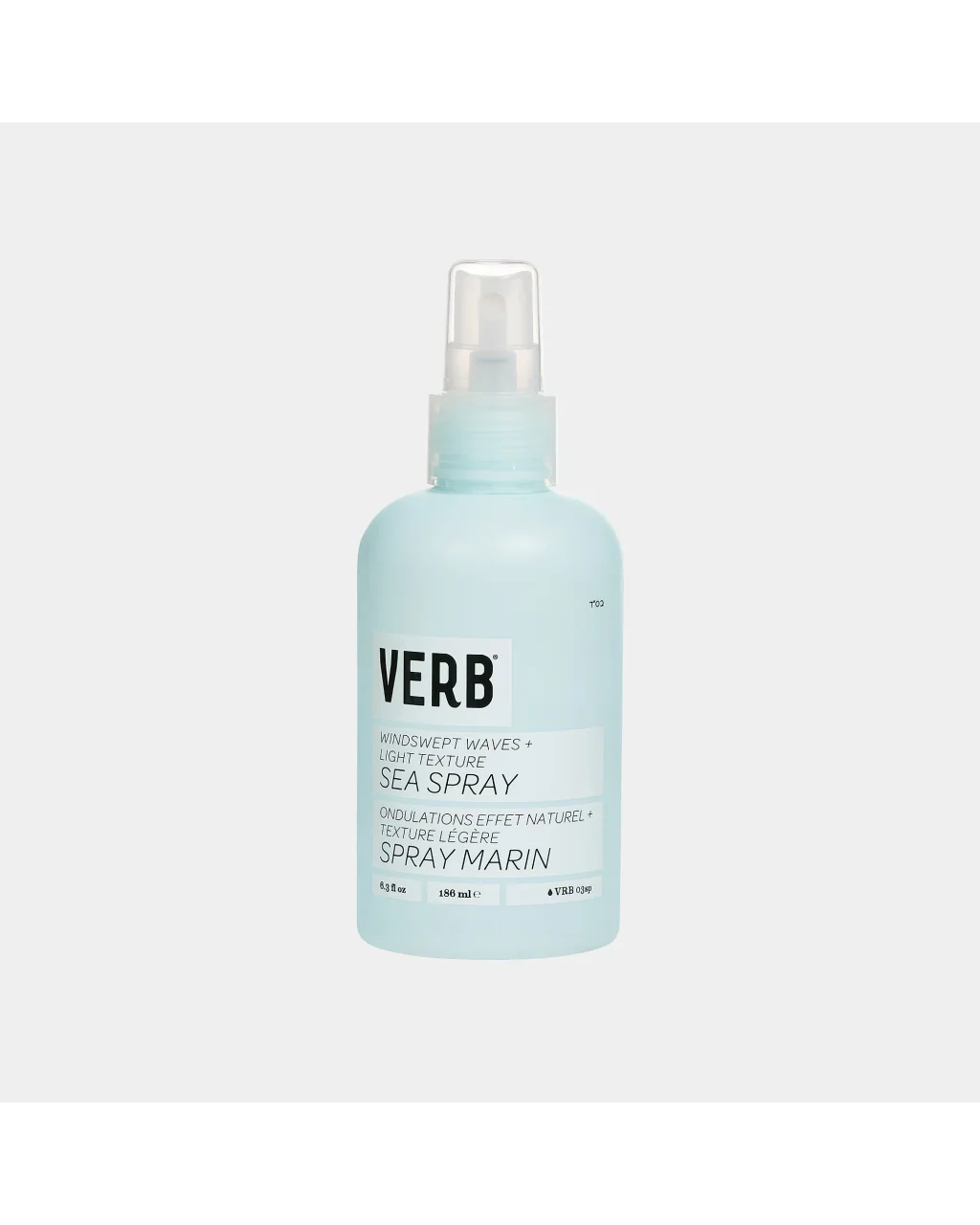
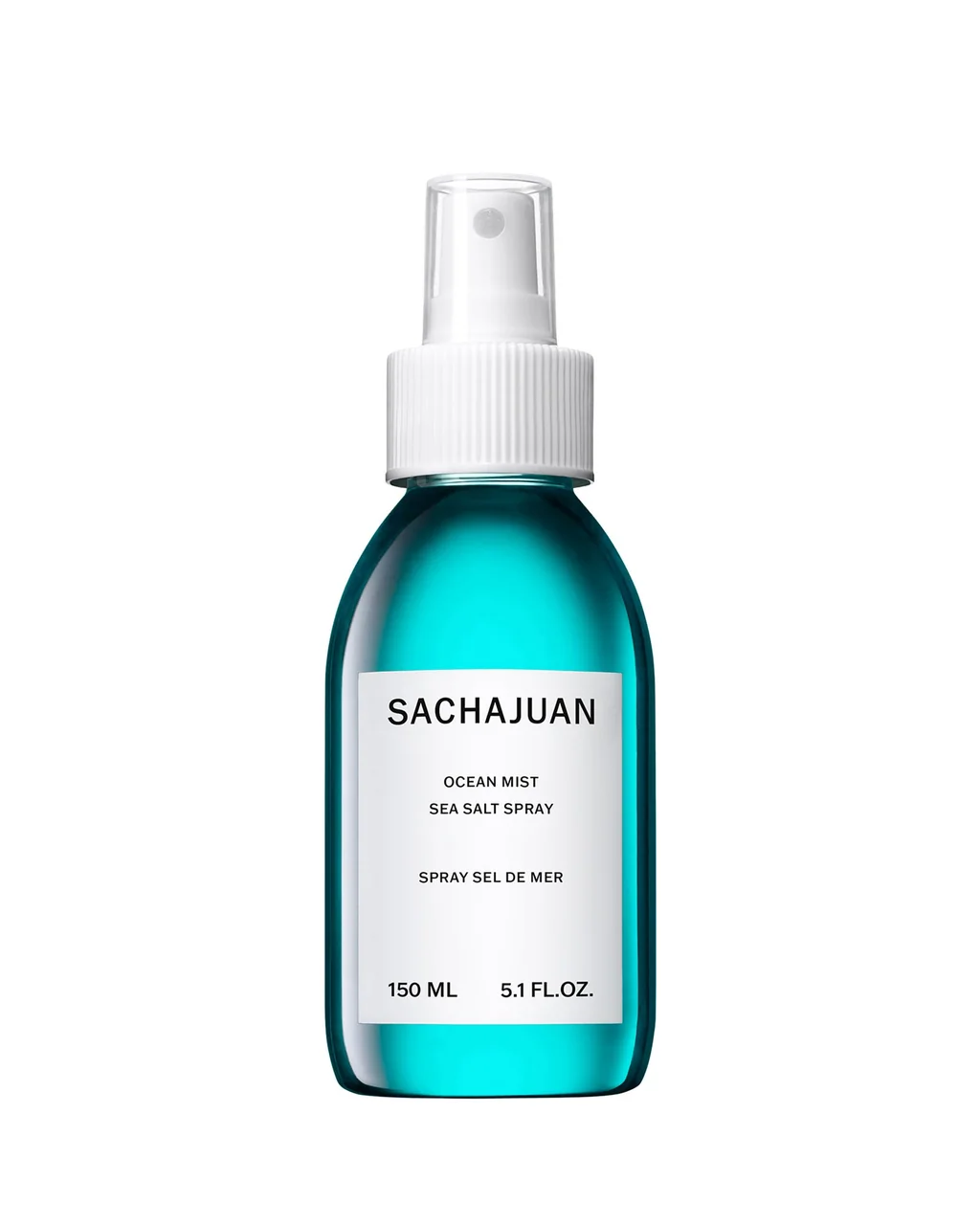
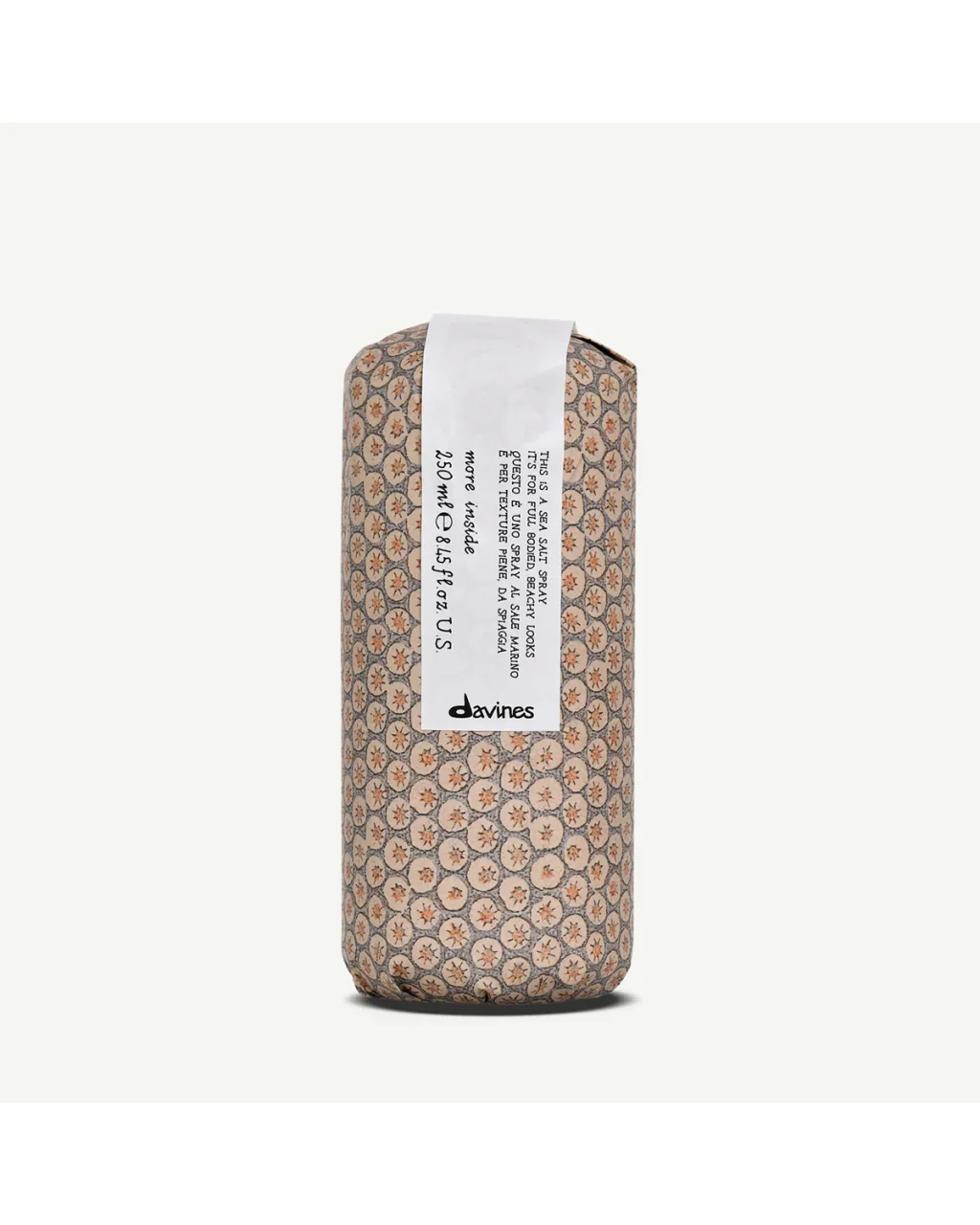
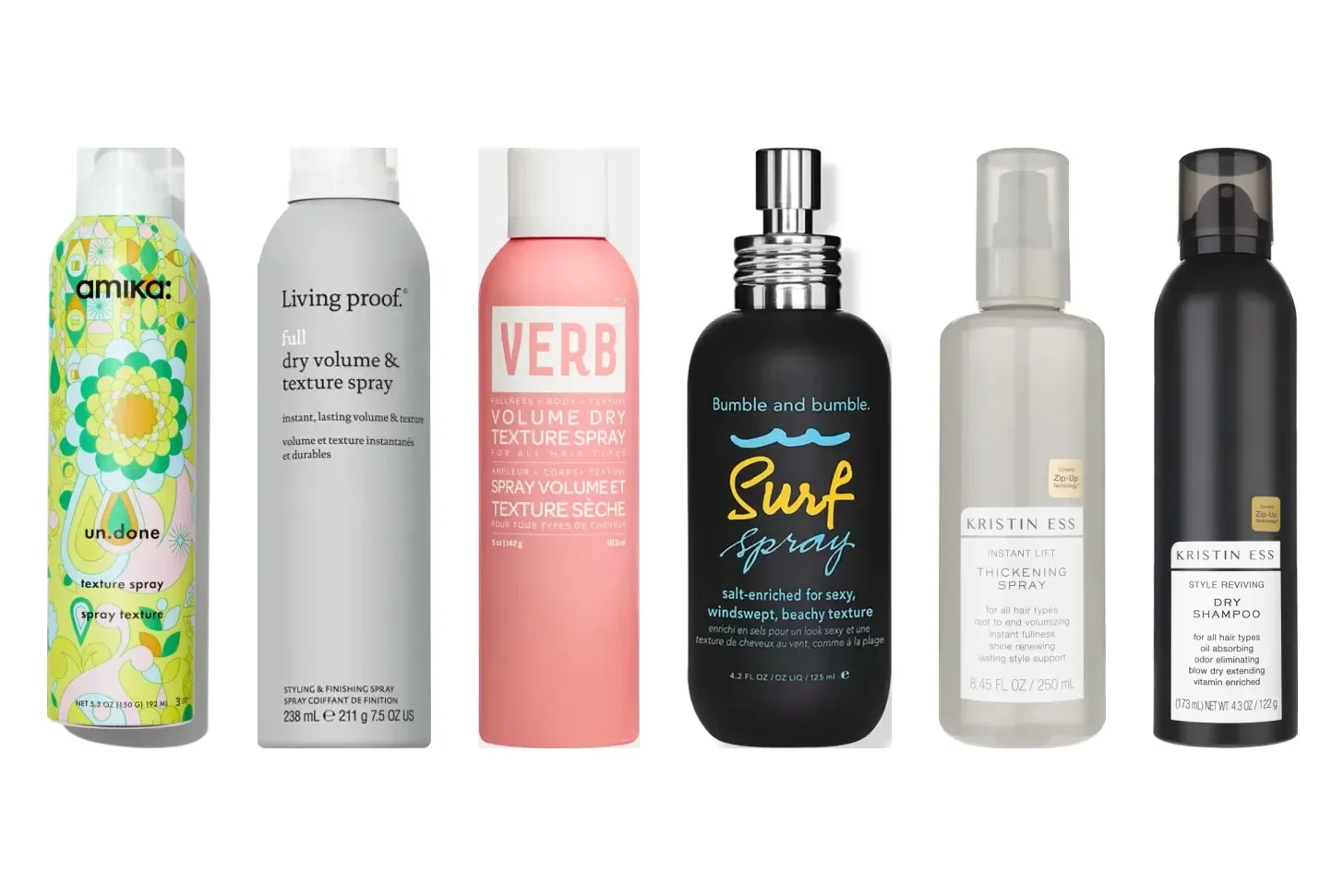
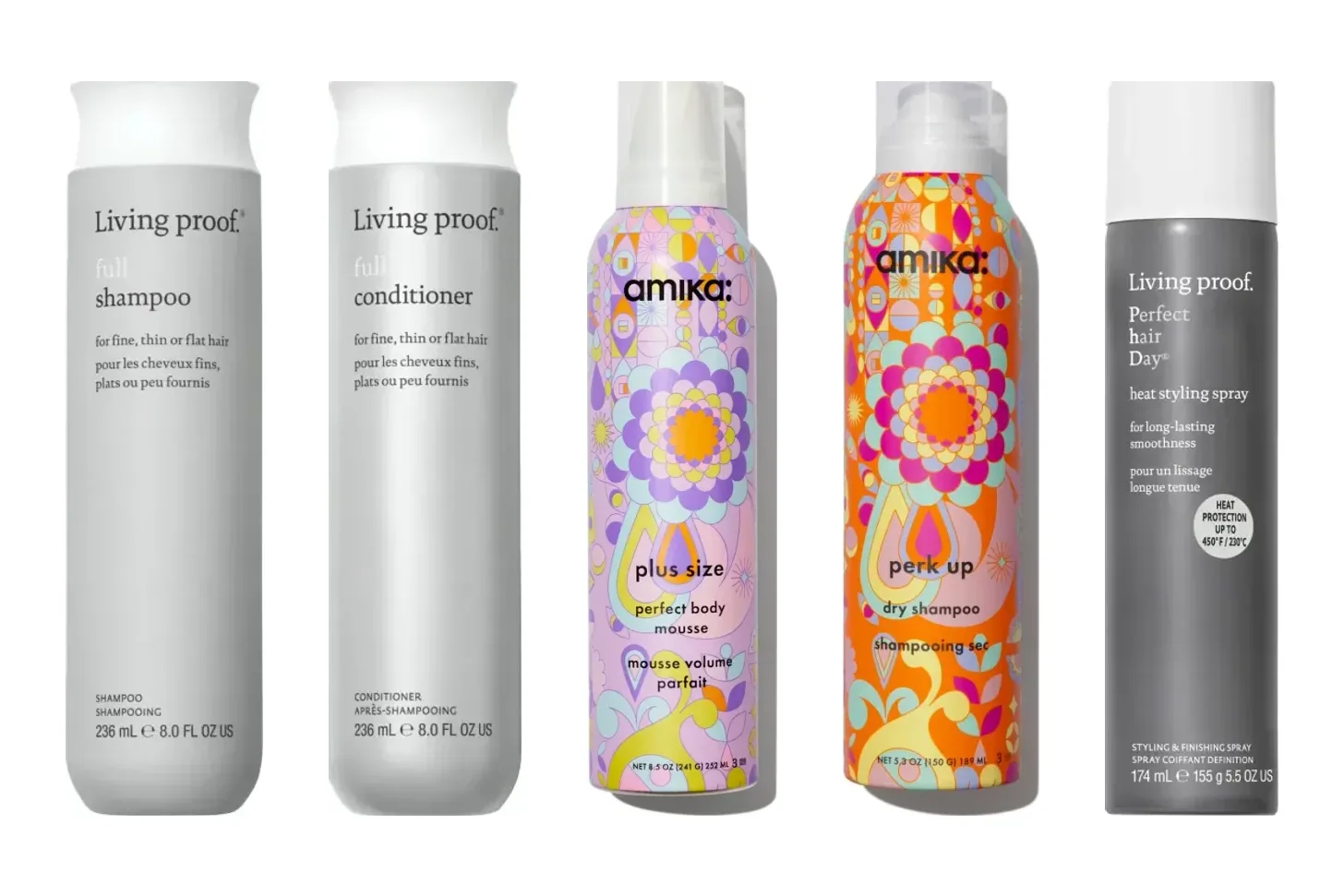
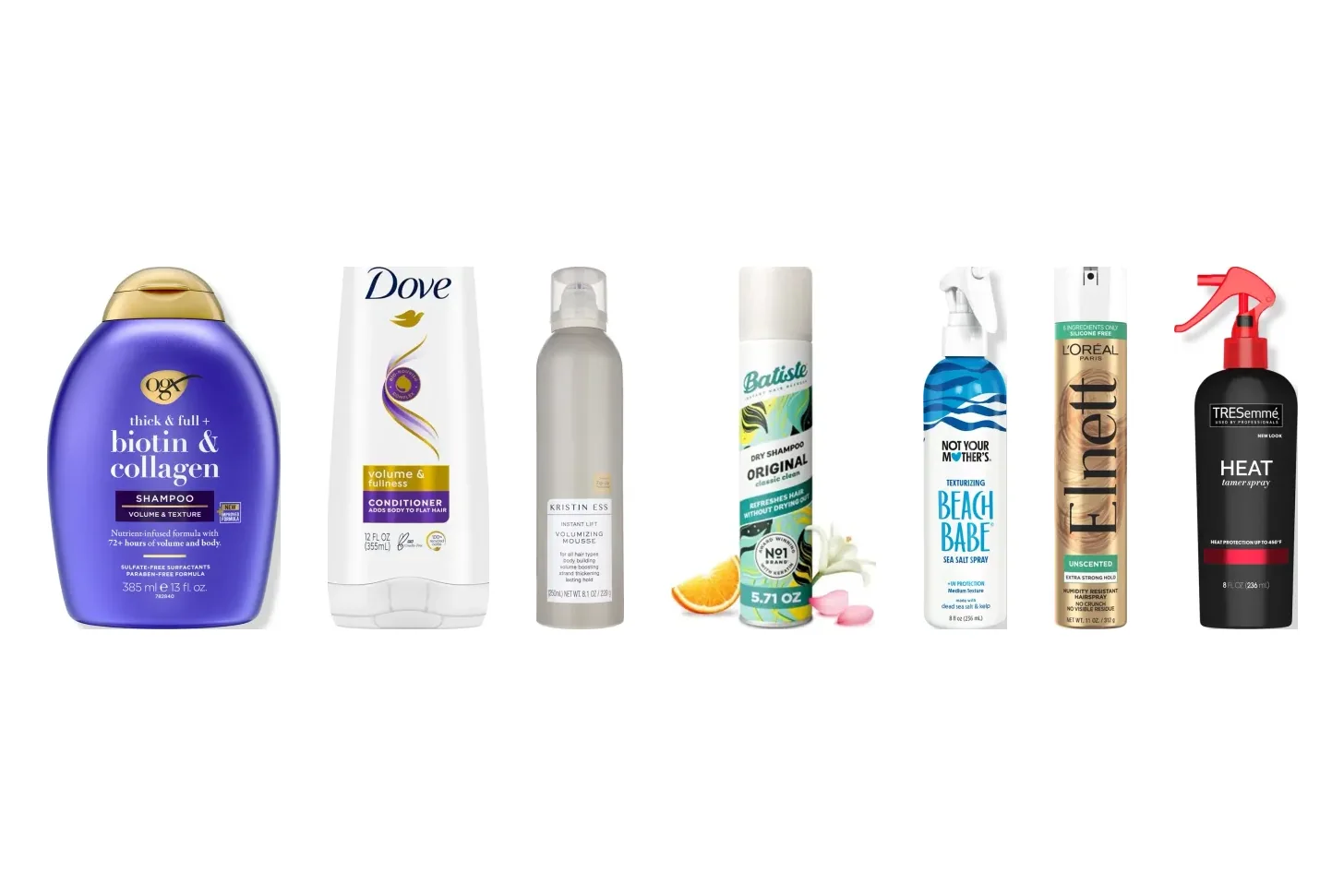
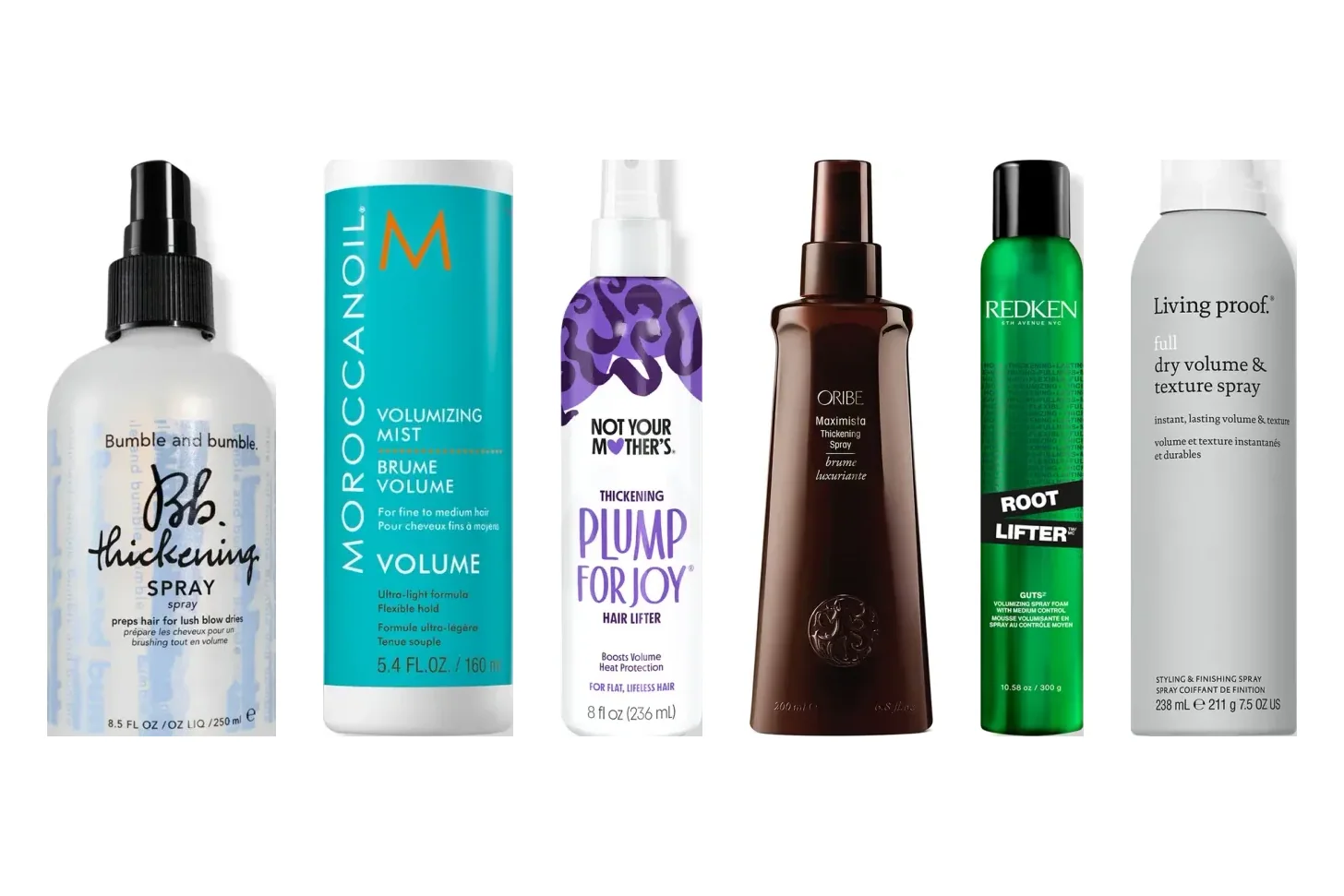
Our six picks, one per job. Product images courtesy of the brands.
Chair-side note
Salt spray is the product I have to teach people to use less of, not more. Fine hair gives you an unusually short window — four spritzes reads as beachy, eight reads as unwashed, and by twelve you've spent your Saturday morning rewashing.
I tell clients to spray it into their hands first for the first few weeks, the way you would a fragrance, until they've calibrated. And I tell everyone the same thing about the roots: nothing good has ever happened from spraying salt at a fine scalp.
MH
— Megan Holloway, Editor-in-Chief
How salt makes texture, and why fine hair hits the limit first
Salt does two things to a strand of hair at once. It draws moisture out of the cortex, which makes the hair swell and then contract slightly and lifts the cuticle scales — a rougher surface with more friction against its neighbours.
And as the water evaporates, salt crystals are left sitting on that surface, physically holding strands apart. The combination is why hair straight out of the ocean feels thick and gritty and holds a shape it wouldn't hold otherwise.
On fine hair that grip is genuinely valuable, because grip without weight is the hardest thing to buy. The problem is the first half of the mechanism. A fine strand has a smaller cortex, so the same amount of salt represents a much larger proportion of its total moisture — it reaches the dry, crunchy, breakage-prone end of the scale at a dose that leaves coarse hair looking perfect.
Dryness isn't cosmetic here: brittle hair breaks more easily when you brush it, and the American Academy of Dermatology's list of habits that damage hair is largely a list of things that make hair drier before they make it break.
So the practical buying rule for fine hair: salt should appear well down the ingredient list, ideally alongside a humectant such as glycerin or panthenol or a conditioning extract — or be absent altogether, in one of the newer salt-free "wave sprays" that use polymers to create the same separation without the dehydration. And the practical usage rule is that this is a two-or-three-days-a-week product, not a daily one, unless it's salt-free.
Sea salt spray is not the same as texture spray
These get shelved together and bought interchangeably, and they aren't. It's worth knowing which one your hair actually needs before you spend anything.
Product
Applied to
How it works
Result on fine hair
Sea salt spray
Damp hair
Salt dehydrates and roughens the strand; crystals hold hairs apart
A wave with matte, gritty texture
Salt-free wave spray
Damp hair
Polymers and film-formers separate strands without moisture loss
The short version: if you want your hair to bend differently, that's a salt or wave spray, on damp hair. If you want the style you already have to stop sliding apart, that's a texture spray, on dry hair. Fine hair with a natural bend gets the most out of salt spray — see cuts and care for fine, wavy hair — while poker-straight fine hair will get grit from it but no wave.
The best sea salt sprays for fine hair, by job
One honest pick per job, including two that aren't strictly salt sprays at all — because for a lot of fine hair, that's the correct answer.
1
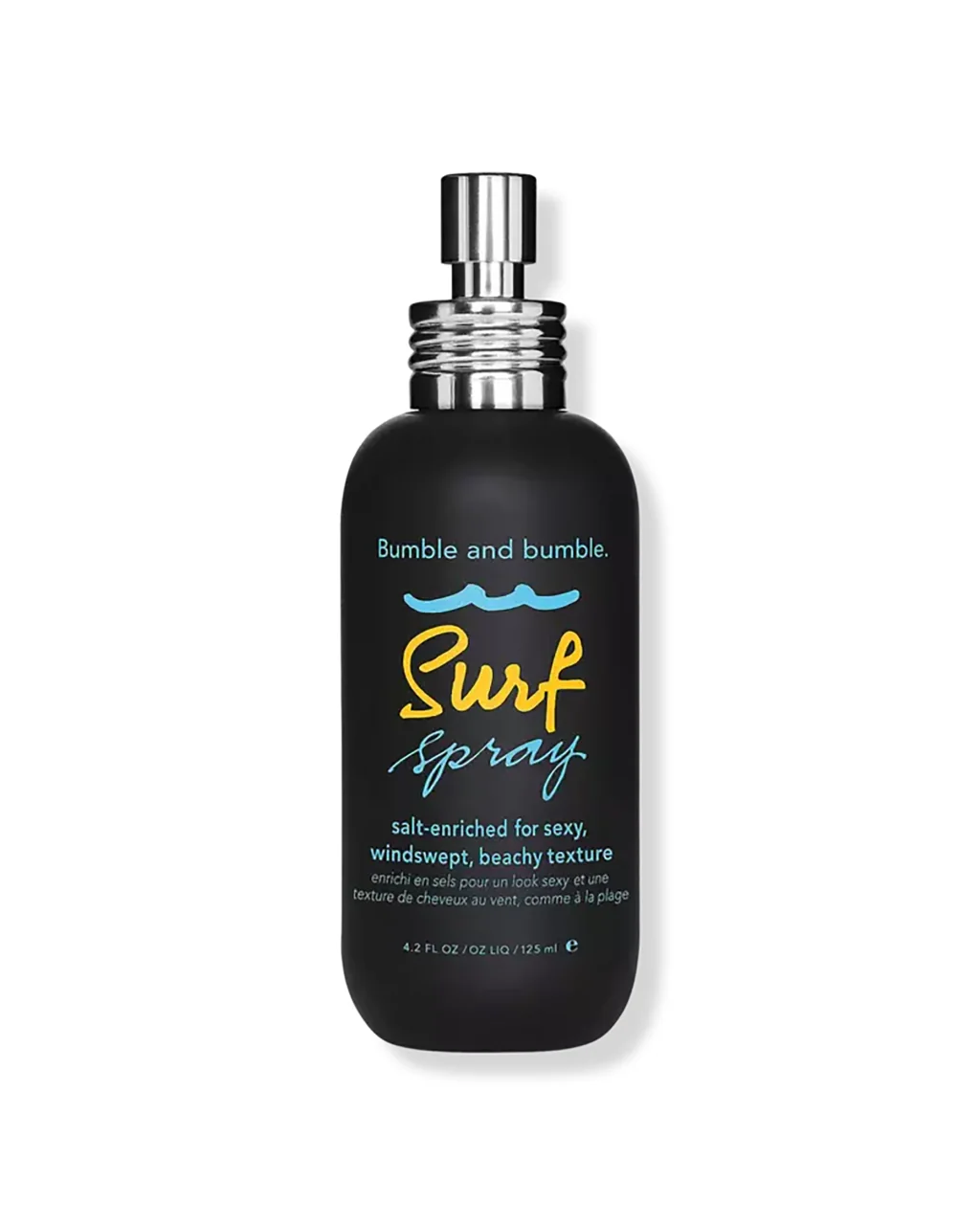
Best overall: Bumble and bumble Surf Spray
The product that created the category, and — unusually — one that's explicitly formulated for fine to medium hair rather than being a general-purpose spray you have to adapt. It gives a proper matte, undone beach texture with seaweed and kelp extracts alongside the salt, and the mist is fine enough to distribute without soaking one side of your head. Best for: fine hair with a natural bend, second-day styling, and anyone who wants the original rather than an interpretation of it. Honest limitation: it is a genuine salt formula and it behaves like one — used more than a few times a week on fine hair it will dry the mid-lengths out, and Bumble makes a separate version for thick hair for a reason.
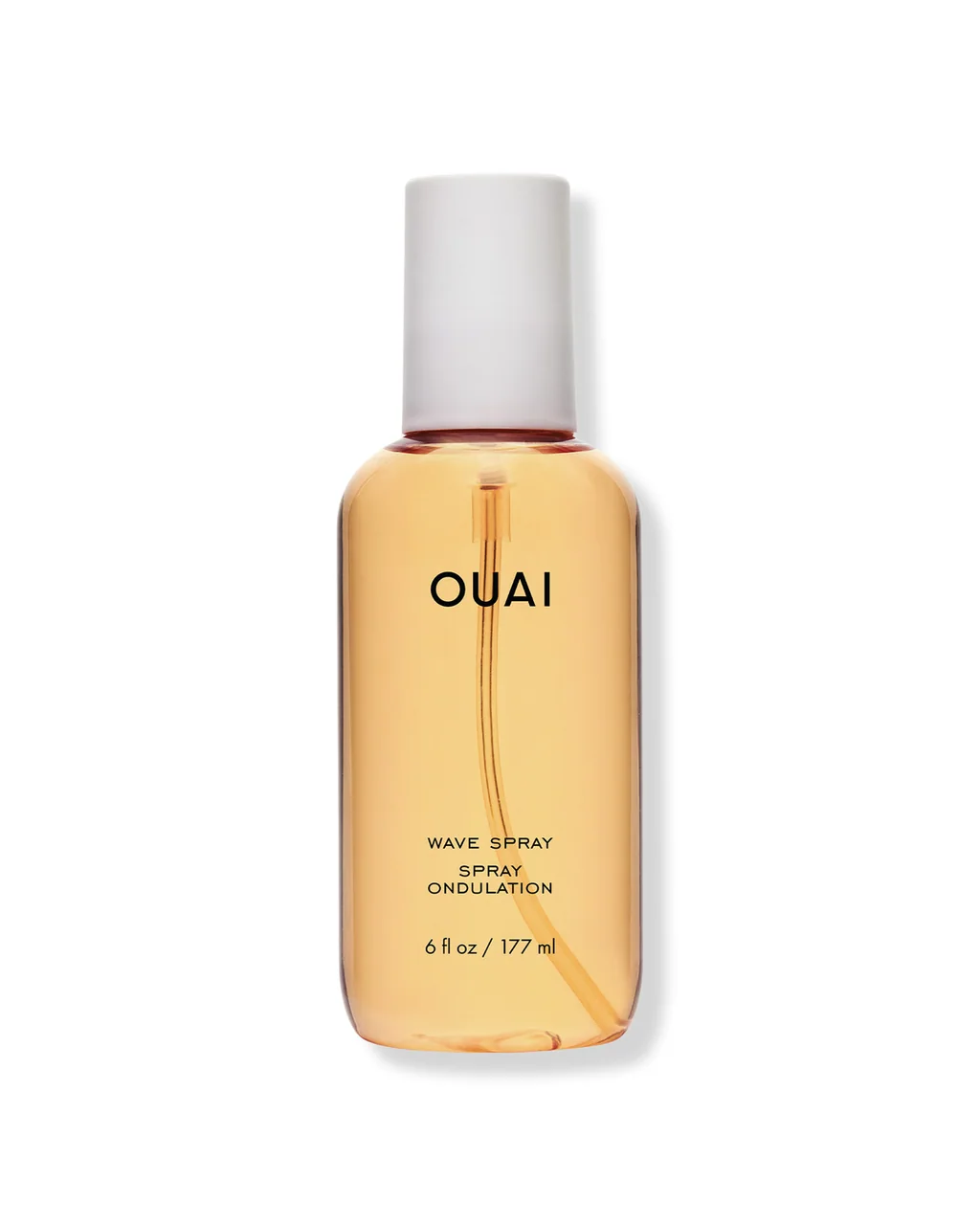
The one to buy if every salt spray you've tried has left your hair feeling like rope. It's built on rice protein and film-formers rather than salt, so it separates and shapes without pulling water out of the strand — the texture is noticeably softer and more brushable, and you can use it several days running without the cumulative dryness. Best for: colour-treated fine hair, fragile ends, and daily use. Honest limitation: less grit than a true salt spray, so if what you actually want is that stiff, matte, straight-out-of-the-ocean feel, this will read as too polished — and it's priced like a salon product.
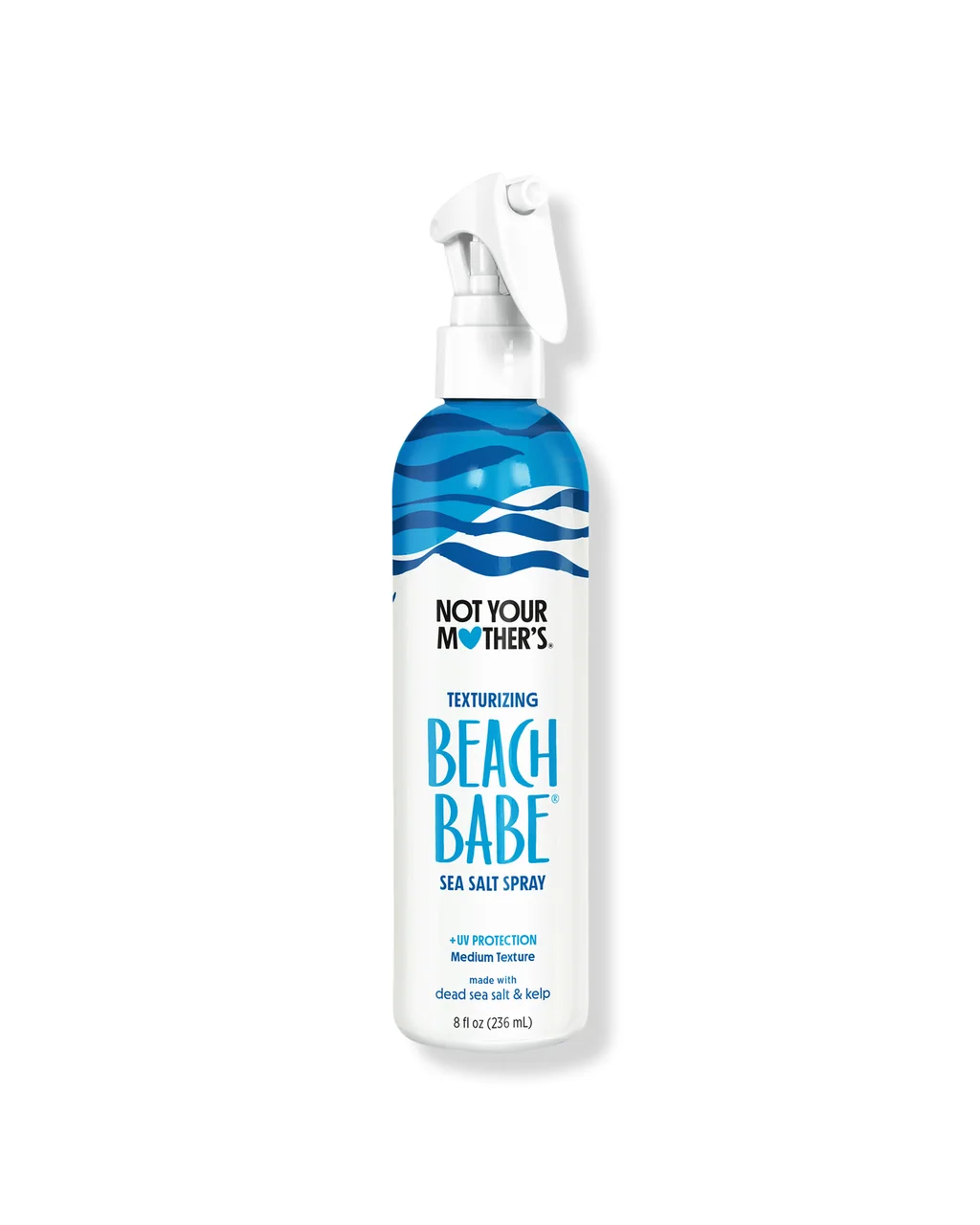
Best budget: Not Your Mother's Beach Babe Texturizing Sea Salt Spray
Dead Sea salt with kelp and sunflower seed extract at drugstore money, and a properly matte finish rather than the slightly tacky one budget salt sprays often deliver. It works on wet or dry hair, which makes it the sensible first purchase in this category — you can find out whether salt suits your fine hair for the price of a sandwich rather than a salon appointment. Best for: trying salt spray, holidays, keeping one in a gym bag. Honest limitation: the fragrance is strong and unmistakably a beach fragrance, and the salt concentration is generous, so it's the pick that most rewards a light hand on fine hair.
A deliberately restrained salt spray — enough salt for grit and separation, with coconut water carrying some moisture back in, and a mist light enough that it doesn't flatten fine hair on contact the way a heavier spray can. This is the middle of the road done well, and the option that most often ends up as somebody's permanent bottle. Best for: fine hair that wants texture most days without committing to a hard salt formula; mid-length cuts. Honest limitation: the hold is light and the texture is subtle, so on very fine, very straight hair the effect can disappear within a few hours unless you follow it with something that holds.
The pick for people who air-dry or diffuse rather than blow-dry, because it's formulated to work as the hair dries rather than as a finishing mist — sprayed on damp mid-lengths and scrunched, it delivers grip, structure and a surprising amount of body without the sticky film that many salt sprays leave behind. Best for: air-drying fine hair, wash-and-wear routines, and building texture into a low-maintenance cut. Honest limitation: it's a salon-priced bottle that you'll go through faster than a finishing spray, since damp application uses more product, and on dry hair it's noticeably less effective.
Best matte finish: Davines This Is A Sea Salt Spray
The most convincingly matte, full-bodied result on this list, and the one to reach for when the goal is deliberate texture rather than a soft wave — it produces the roughed-up, lived-in finish that makes fine hair look like there's more of it, particularly on shorter cuts where the shape carries the style. Best for: bobs and lobs, undone updos that need grip to hold, fine hair that slides out of every style. Honest limitation: matte and full-bodied is the same thing as dry to the touch — it's the least forgiving pick here on bleached or already-dry hair, and it needs conditioning support in the routine around it.
Five steps. The third is the one that separates beachy from unwashed.
Towel-dry to about 70 percent. Not soaking — the product pools and goes tacky — and not bone dry, or the salt has no water to travel in. Squeeze with a cotton T-shirt rather than rubbing with a towel; fine hair roughs up quickly.
Condition the ends first. A pea of lightweight leave-in on the last two inches before the salt goes anywhere near them. This is the single habit that lets fine hair use salt spray without paying for it in split ends.
Four to five spritzes, from eight inches away, mid-lengths down. Lift sections and mist underneath rather than spraying the outer surface. Nothing at the roots — salt at a fine root gives you a crisp flat root, not lift.
Scrunch upward and leave it alone. Cup handfuls and press toward the scalp two or three times, then stop touching it. Air-dry, or diffuse on low. Every time you handle drying hair you break up the wave you're forming.
Finish, don't reapply. If it drops later in the day, a texture spray or a light flexible hairspray revives it. A second round of salt just doubles the dryness.
For the wider method — how salt spray fits alongside mousse, drying technique and root support — see how to style fine and thin hair. And if what you're really chasing is lift rather than texture, the honest answer is root volume technique, not a bottle.
When a salt spray isn't your best move
Your hair is bleached, highlighted to a very light level, or feels spongy when wet. Salt on already-porous hair is a fast route to breakage. Use a salt-free wave spray, and read porosity for fine hair first.
Your hair is completely straight with no natural bend. Salt can't create a wave that isn't there — it will just add grit. You want a curling method that actually holds, then a texture spray to keep it.
The complaint is flat roots. Wrong end of the hair. That's a root lifter or mousse at the damp stage.
Your hair is dry and tangly already. Fix the moisture side first — the moisture routine for dry, fine hair — then add texture back once the ends feel smooth.
You want texture that survives being brushed. Salt texture is fragile by design and one pass with a brush erases it. A roller set gives a shape that lasts into a second day.
FAQ
It's one of the few products that adds grip to fine hair without adding weight, which makes it genuinely useful — but it's also the product most likely to leave fine hair dry and crunchy, because salt works by drawing water out of the strand. Fine hair reaches that point at a lower dose than coarse hair does, so the answer is yes with a caveat: use a formula where salt sits well down the ingredient list alongside a humectant, keep it to two or three days a week, and apply to the mid-lengths rather than the roots.
Sea salt spray is a wet product that changes the shape of the hair as it dries — it swells and roughens the strand and leaves salt on the surface, producing a beachy wave with a matte, gritty feel. Texture spray is usually a dry, polymer or starch-based mist applied to finished hair for grip and lift without altering the wave pattern. On fine hair, salt spray is the tool for creating a wave; texture spray is the tool for holding a style that already exists.
Salt itself doesn't break hair, but the dryness it causes makes breakage more likely, and a fine strand has less mass to buffer moisture loss than a coarse one. The practical risks are cumulative rather than immediate: brittle, tangly mid-lengths after a few weeks of daily use, and more breakage when you brush it out. Alternating with a salt-free wave spray, conditioning the ends properly, and not sleeping in it are the three habits that keep it safe.
Damp is where salt spray does its best work, because the salt needs water to redistribute along the strand and the wave forms as the hair dries. Towel-dry to about 70 percent, mist the mid-lengths, scrunch, and let it air-dry or rough-dry it. On dry hair it still adds grit and separation, but it won't create a wave that wasn't already there — and on fine hair it tends to sit on the surface and feel crisp rather than textured.
Not much, and it's the wrong tool for the job. Salt spray creates texture through the mid-lengths, which reads as fullness overall, but root lift comes from supporting the hair at the scalp while it dries — a mousse, a root lifter, or drying the roots in the opposite direction. Spraying salt at the root of fine hair tends to produce a crisp, slightly gritty flat root rather than lift, and it puts the driest product closest to your scalp.
Two or three days a week is a sensible ceiling for a true salt formula, and daily use is realistic only with a salt-free wave spray. The reason is that the drying effect is cumulative — hair doesn't repair itself between applications, so a strand that's slightly dehydrated on Monday is more so by Thursday. If you want the beachy texture most days, alternate a salt formula with a salt-free one and keep a conditioning treatment in the weekly routine.
Almost always over-application, and usually onto hair that was too wet. Salt spray needs to dry down to work; if the hair is soaking, the product pools rather than distributing, and what should be grit becomes a tacky film. Mist from at least eight inches away, aim at the mid-lengths and ends, and use four or five spritzes rather than saturating the head. If it still feels sticky, the formula is too heavy in glycerin or polymers for fine hair.
Fourteen years across the chair and the page, specialising in fine-hair care. Megan's position on salt spray is that it's one of the best things you can do for fine hair twice a week and one of the worst things you can do to it seven days a week.
Results vary with hair type, density, and growth patterns. This guide is educational and not a substitute for an in-person consultation with a licensed stylist.
Get the good hair intel
One honest, stylist-written guide in your inbox each week. No hype.

 MH
MH