Reviewed by Tara Sullivan · Updated July 2026 · 8 min read
When your crown falls flat by noon, a root lifter is the fix — it targets lift right at the scalp, exactly where fine hair collapses, with almost no weight. It's one of the most fine-hair-friendly products there is, and it comes in more forms than most people realize: sprays, powders, mousses, and even clips.
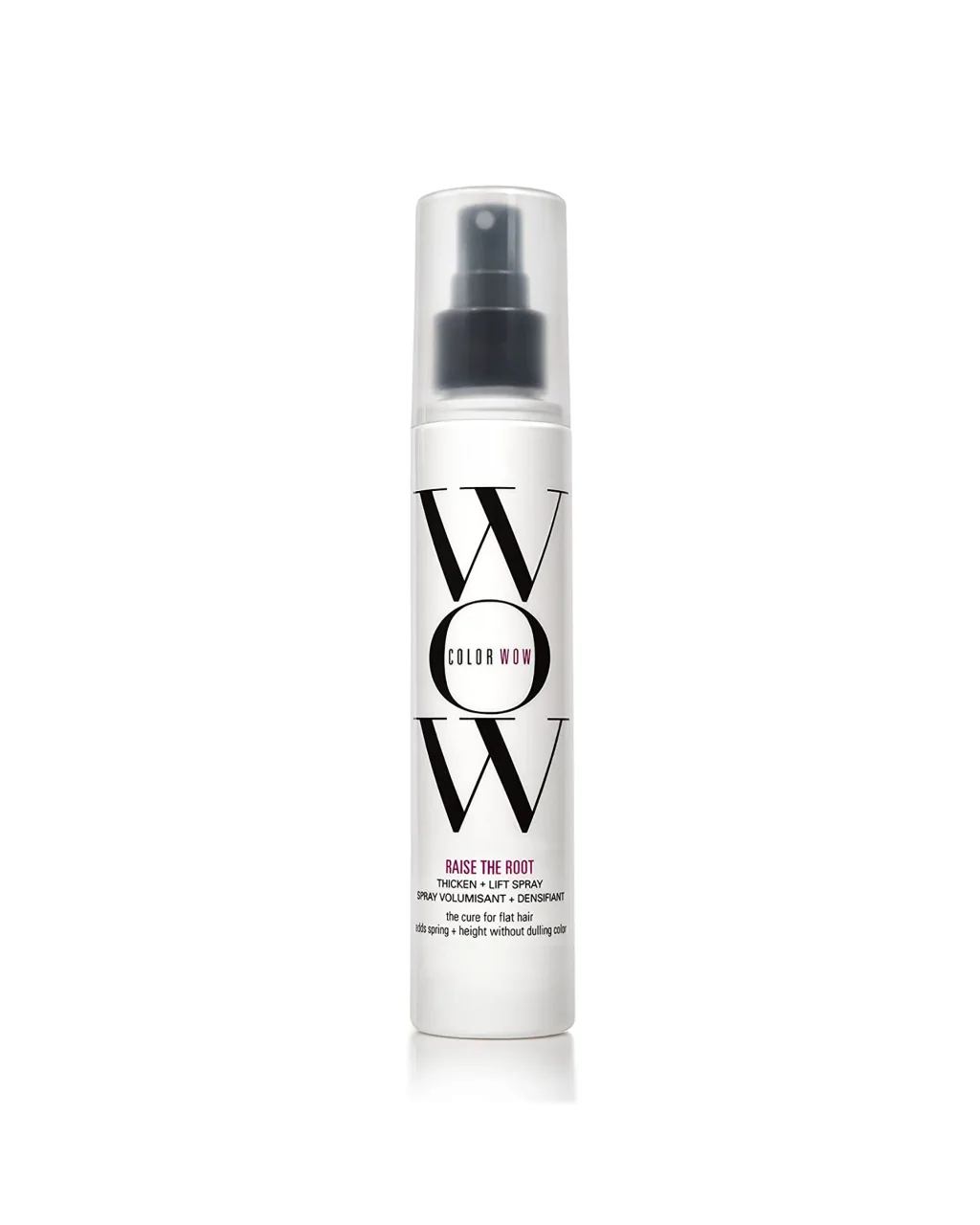
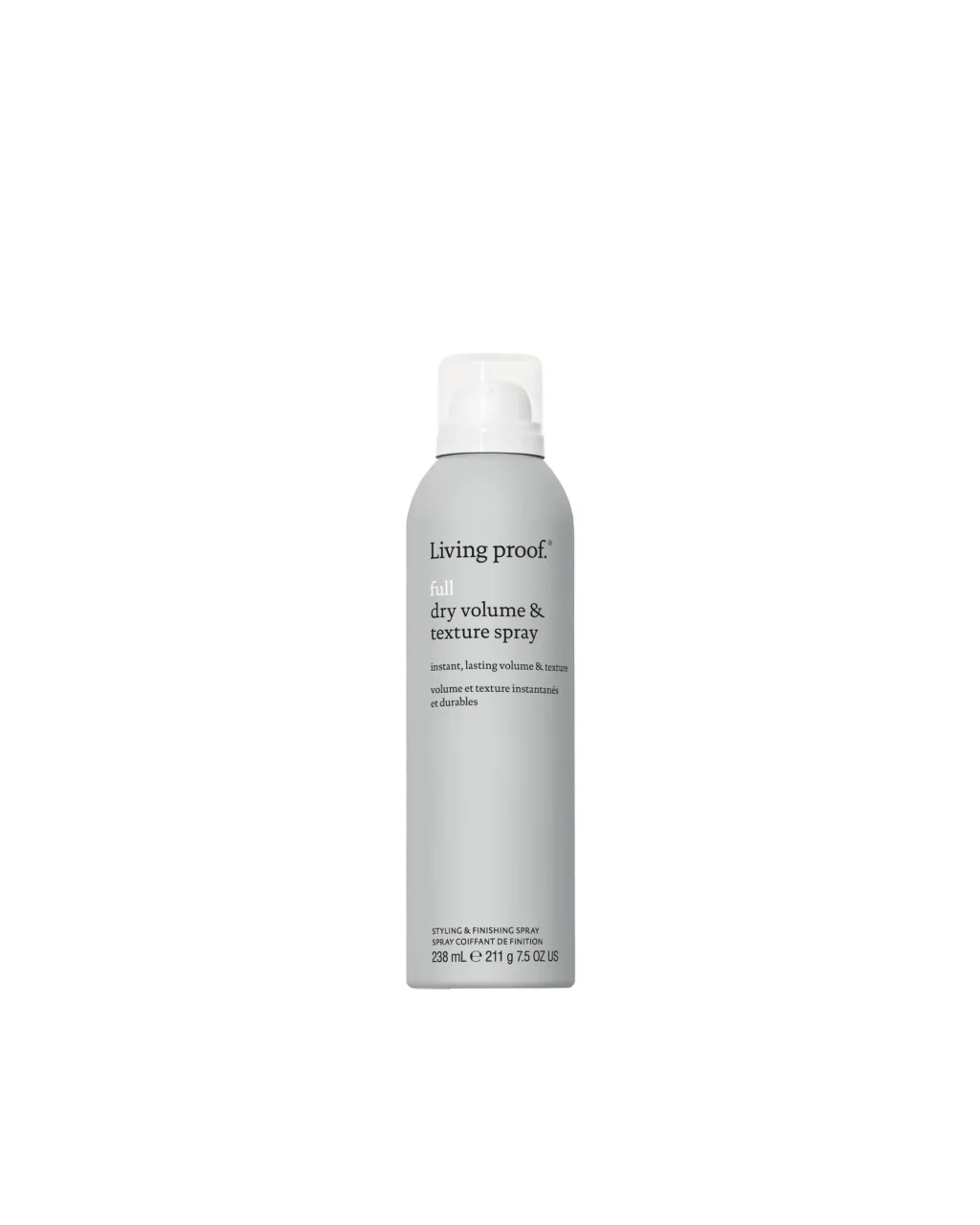
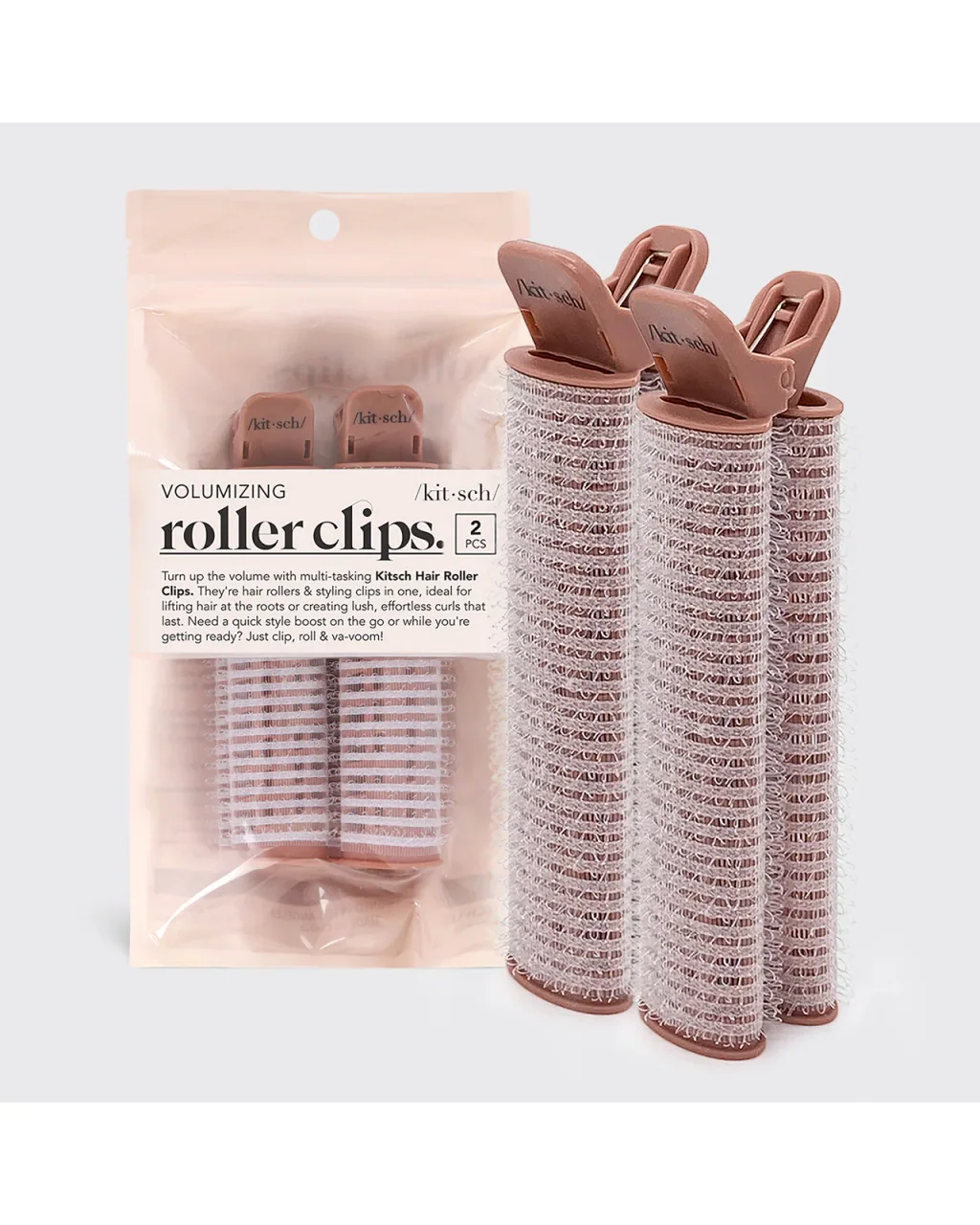
Below are our stylist picks by type — everyday root-lift spray, volumizing powder, root-lift mousse, heat-activated spray, dry-texture hybrid, and root-lift clips — each with who it suits and one honest limitation.
Every product here is chosen independently, on the merits — what genuinely suits fine, thin hair. Links go to each brand's official page, and we don't take payment for placement. Price tiers are rough guides because prices change.
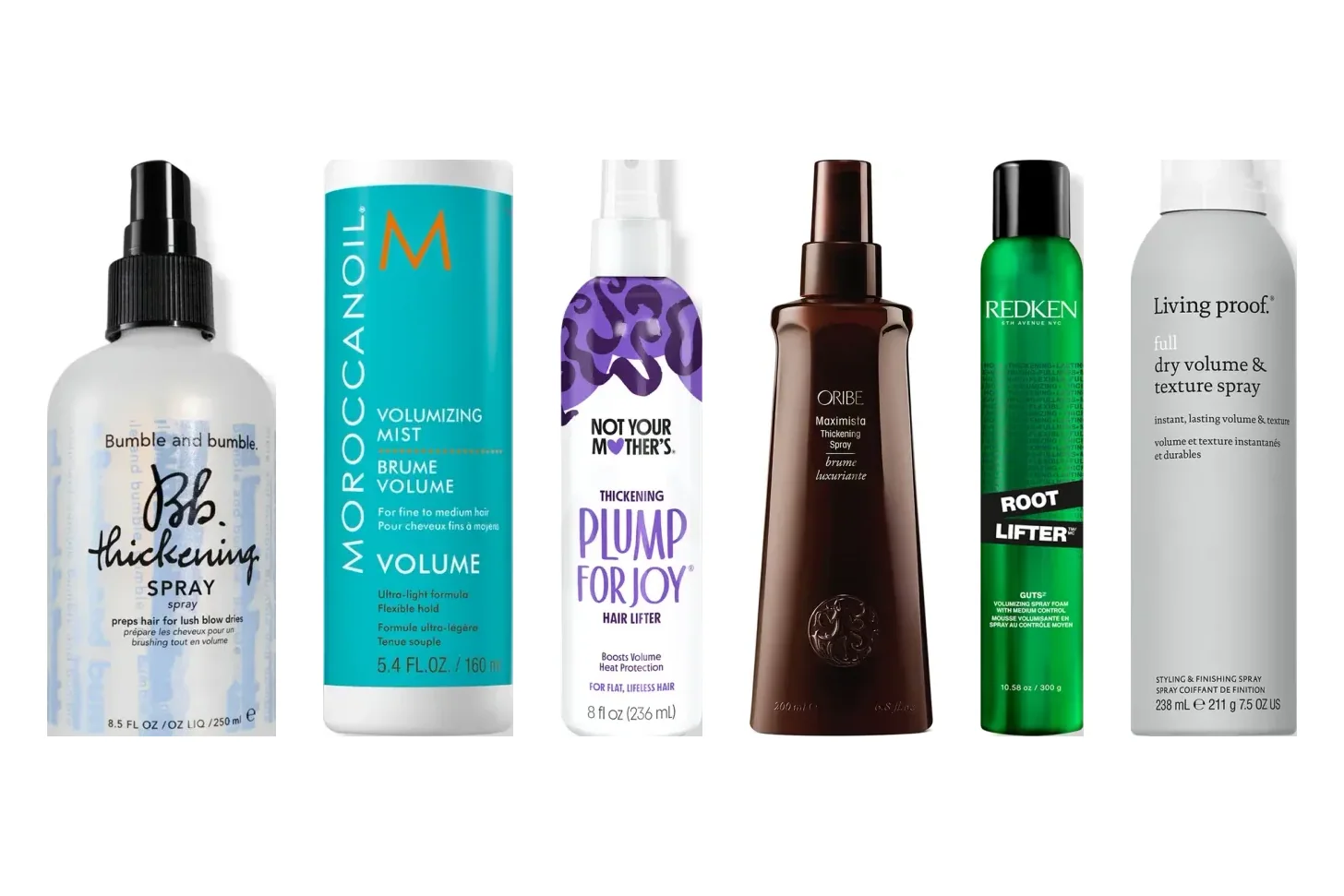
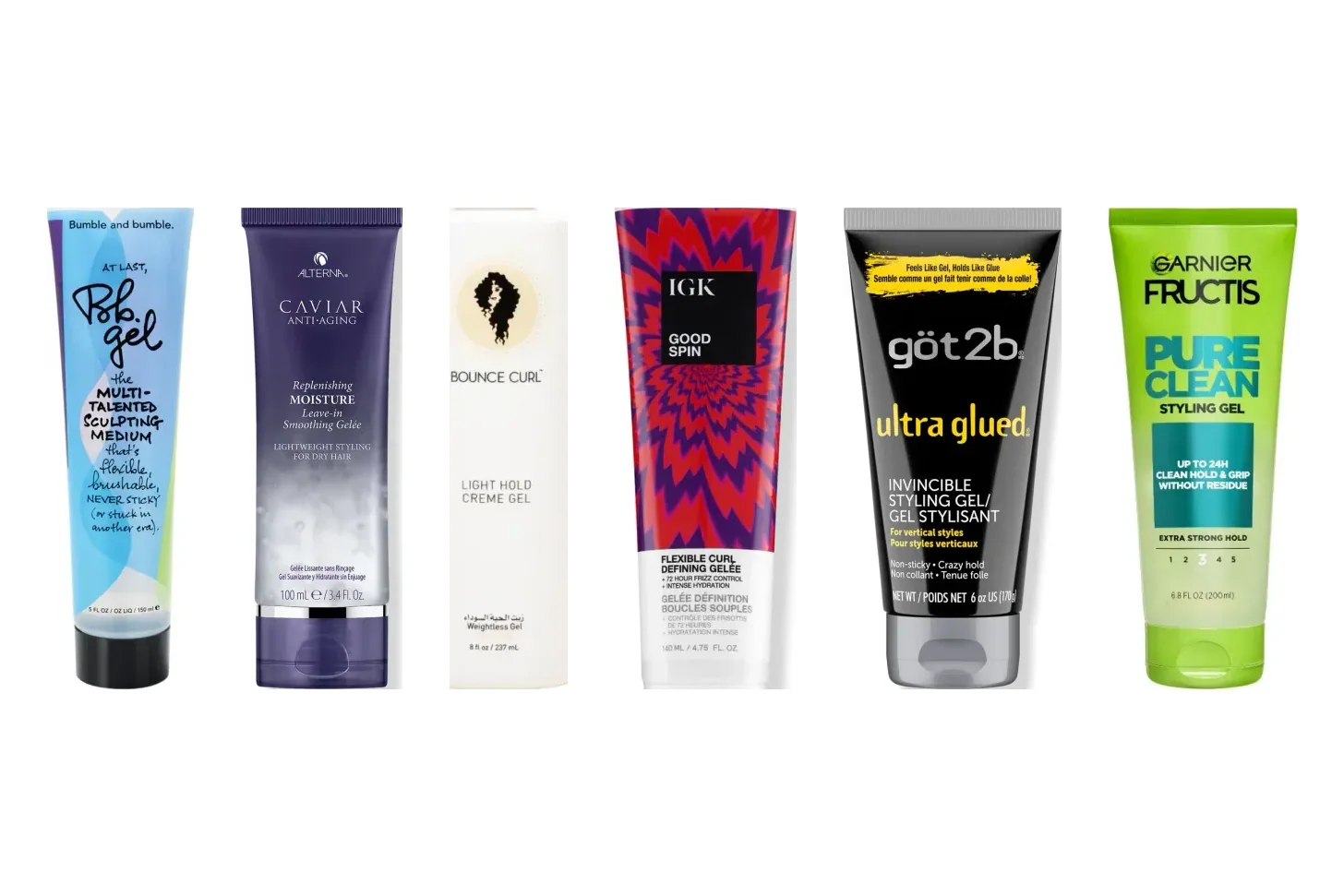
Our six picks. Product images courtesy of the brands.
Chair-side note
A root lifter is the product I add last, not first — and only where it's needed. Most fine-haired clients get their volume from a good cut, a light mousse, and a proper blow-dry; the root lifter is the finishing touch for the one or two spots that still won't stand up, usually the crown and the flat bit behind the fringe.
Blitzing the whole head with it is how you end up with gritty, product-heavy roots. Target it: a mist or a pinch of powder exactly where you're flat, massaged in, and nowhere else.
MH
— Megan Holloway, Editor-in-Chief
What a root lifter is (and the types)
A product adds grip; it does not hold the root up while it dries. That is a separate job, and the cheapest tool for it is a set of root clips — the two work considerably better together than either does alone.
A root lifter does one job — lift at the scalp — where a mousse builds all-over body. It's the targeted specialist for a flat crown. The main types:
Root-lift spray: misted onto damp roots and set with a blow-dry. The most versatile and beginner-friendly.
Volumizing powder: sprinkled on dry roots and massaged in; adds grip between strands for instant, heat-free lift.
Root-lift mousse: a foam concentrated at the roots — between a spray and a classic mousse in feel.
Root-lift clips / tools: not a product but a technique — clips or rollers that hold the roots up while hair cools or dries.
Volume powder vs root-lift spray: which one your hair wants
These two dominate the category and they lift by completely different mechanisms, which is why swapping one for the other rarely works. A volume powder adds friction. Silica or starch particles sit between strands at the root and stop them lying flat against each other — no heat, no drying time, and the lift arrives the second you massage it in.
A root-lift spray adds structure. Polymers dry into a light cast that holds the root in whatever position the airflow put it, which means it needs a dryer to work at all.
Volume powder
Root-lift spray
How it lifts
Grip between strands
A dried polymer cast
Applied to
Dry roots, any time of day
Damp roots, before drying
Needs heat?
No
Yes — it does very little air-dried
Best moment
Day two, or a 4pm revival
Wash day, built into the blow-dry
The cost
Grit and build-up; can read chalky on dark hair
Nothing until you skip the dryer
A Volume Powder Is the Only Heat-Free Lift in the Category
This is the powder's real advantage and it is worth buying it for. If you air-dry — and plenty of fine hair should, because it is the cheapest damage saving available — a spray gives you almost nothing, because there is no airflow to set the cast against.
Powder does not care. It works on dry hair, at the roots, at any point in the day, which also makes it the only product here you can use to rescue an afternoon rather than plan a morning.
The Powder Trade-off Is Build-up, and It Is Worse on Fine Hair
Powder works by staying put, so it accumulates. On fine hair that shows up faster than on coarse hair, for the same surface-area reason silicones build up faster on fine strands: less hair carrying the same deposit.
Two consequences worth planning for. Keep it to the crown and the parting rather than dusting it everywhere, because the roots you cannot see do not need it. And clarify every two to four weeks if you use it most days — the tell is hair that feels dry and heavy at once, which is residue rather than dryness.
If you want both effects, they layer in one order only: spray on damp roots, dry, then powder on the finished root area if it still needs grip. Powder first gets wet and turns to paste.
What to look for
Choose by how you style. If you blow-dry, a heat-activated root-lift spray gives the longest-lasting lift. If you want a fast, no-heat fix, a volumizing powder is unbeatable for grip. Look for "lightweight," "flexible hold," and "no residue"; be wary of very high-hold formulas that can feel crunchy on fine hair, and heavily fragranced powders that irritate sensitive scalps.
Whichever you choose, it belongs at the roots only — a root lifter on the lengths is just weight. It works best as one piece of the bigger picture in how to add volume to fine hair.
The best root lifters for fine hair, by type
One honest pick per job. Match the type to how you style — daily blow-dry, dry midday refresh, or no-heat lift.
1
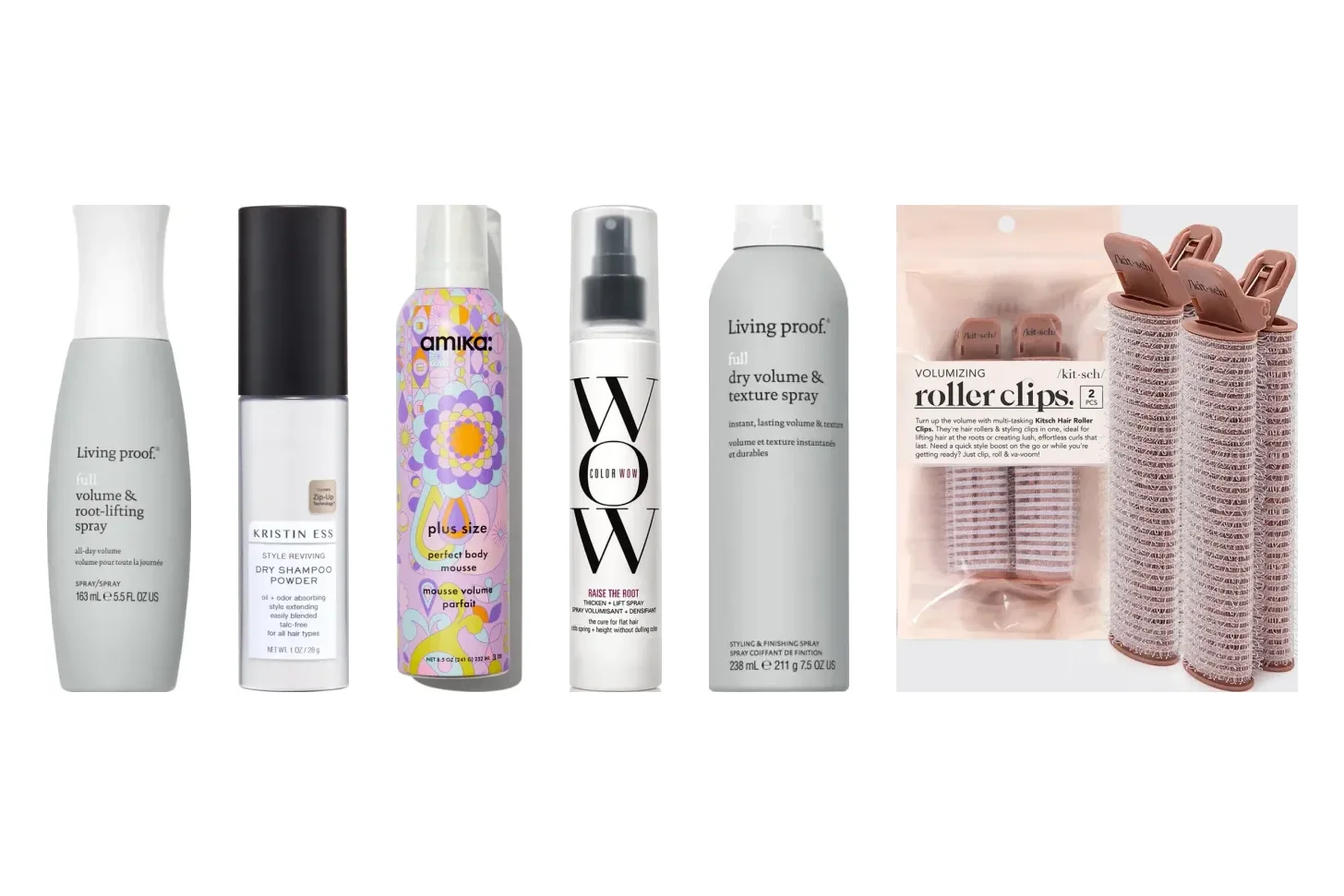
Best overall: Living Proof Full Volume & Root-Lifting Spray
A lightweight, silicone-free spray (with heat protection to 450°F) misted onto damp roots and set with a blow-dry — the most versatile root lifter and the easiest to get right. Best for: anyone who blow-dries and wants reliable, all-day crown lift. Honest limitation: it needs heat to fully activate, so on air-dried hair it gives far less lift than it does with a dryer.
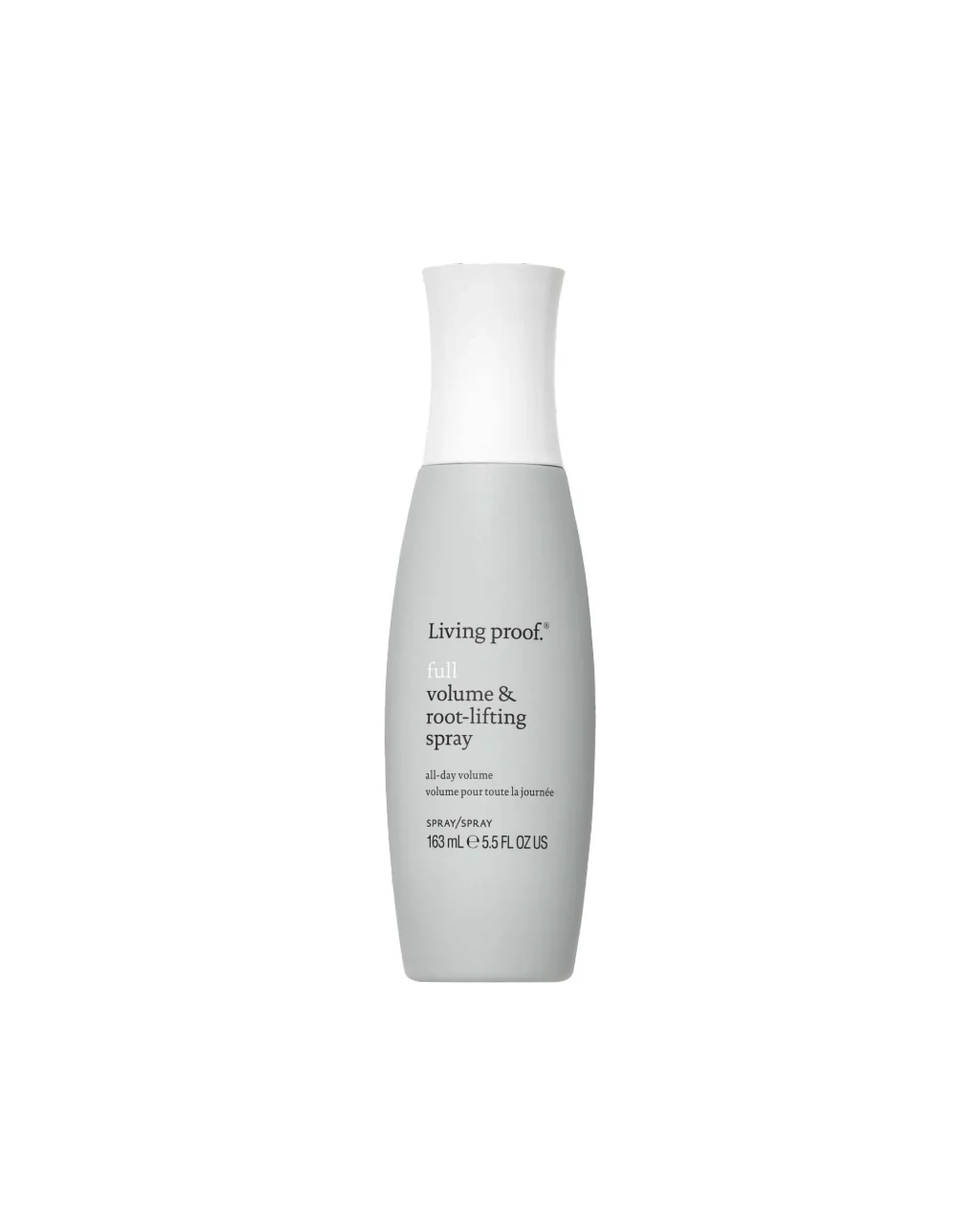
Best volume powder: Kristin Ess Dry Shampoo Powder
A talc-free powder sprinkled onto dry roots and massaged in — it adds friction between strands so the crown stands up immediately, no heat, no wait, and it doubles as a dry shampoo. Best for: fast midday refreshes and anyone who wants lift without restyling. Honest limitation: a little goes a very long way — too much feels gritty and can look chalky, so build up gradually and wash it out regularly.
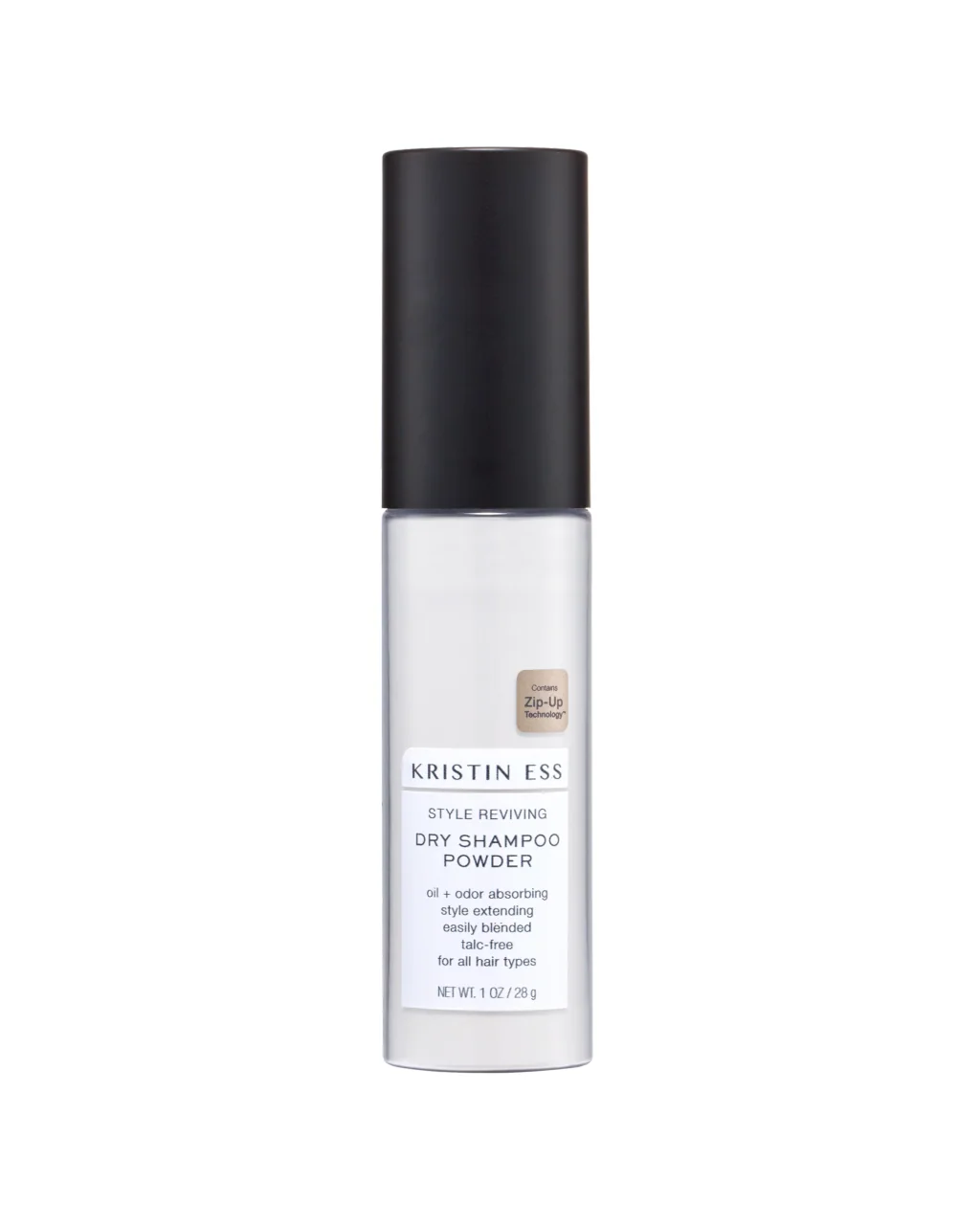
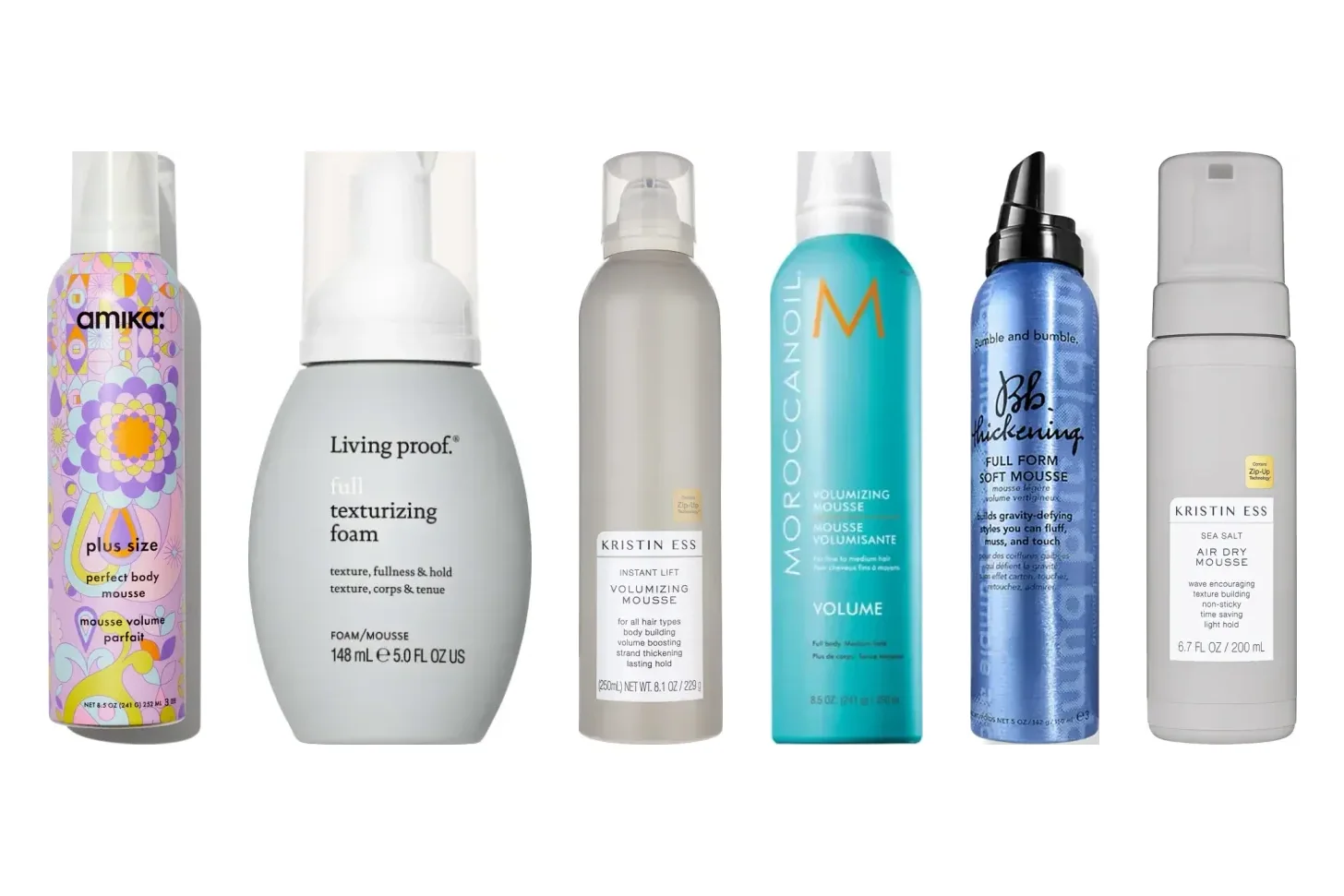
A foam concentrated at the roots — the middle ground between a spray's ease and a classic mousse's body, worked into damp roots before drying. Best for: fine hair that wants both crown lift and a touch of all-over body from one product. Honest limitation: because it's foam, it's easy to overapply; a small puff at the roots only, or it drifts into weight.
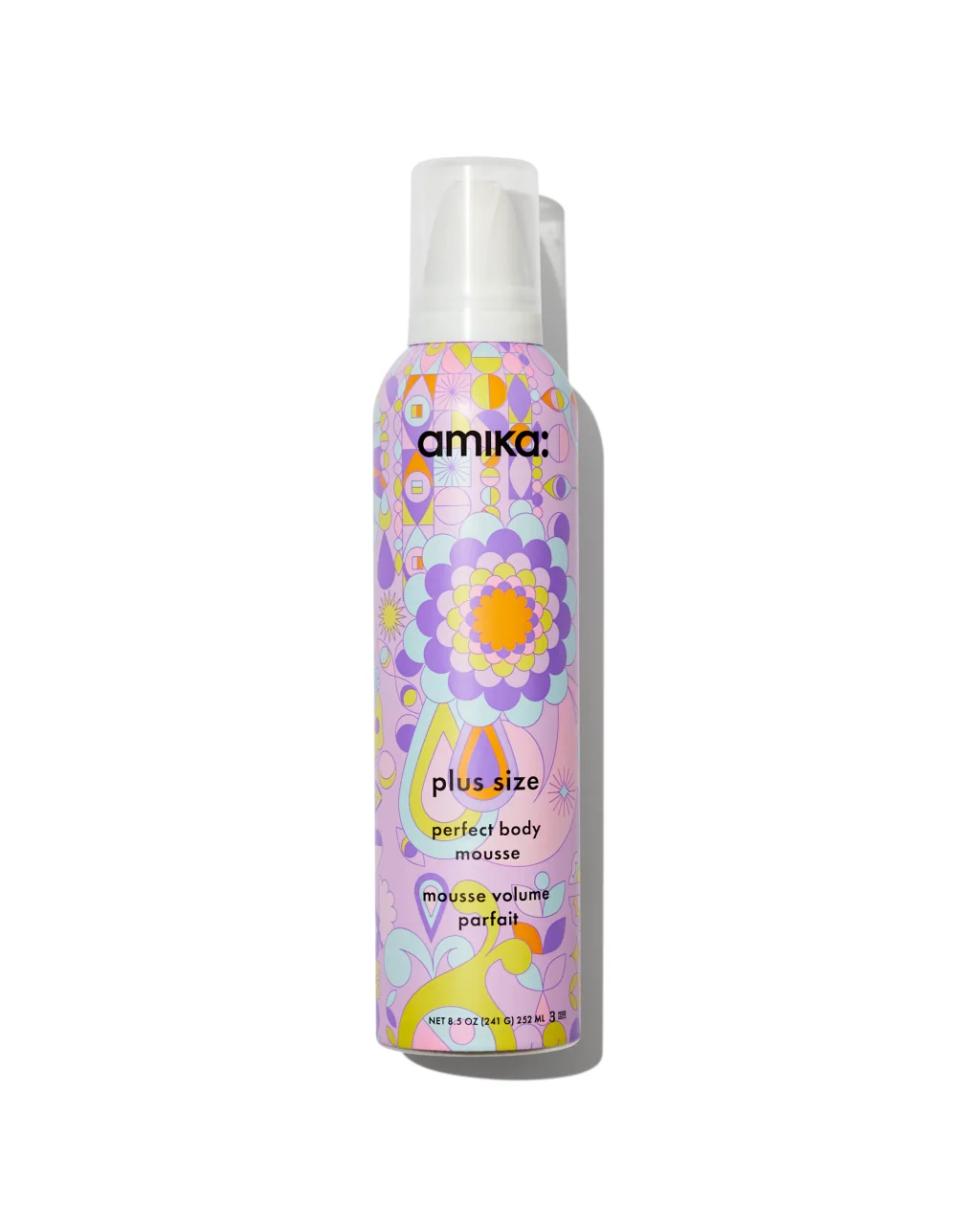
A step up in hold — flexible polymers that act like a "spring" at the root and set under the dryer for lift that survives a long day or a humid one, without stiffness. Best for: flat crowns that drop by lunch, and events where the volume has to last. Honest limitation: higher hold means it can build up faster; clarify regularly, or the residue starts to flatten what it was lifting.
Best hybrid: Living Proof Full Dry Volume & Texture Spray
A dry spray that combines texture-spray grip with root lift, so it freshens and lifts dry hair in one step — part styler, part reviver. Best for: second-day fine hair that needs both a grease refresh and a crown boost. Honest limitation: it's a finisher, not a foundation — on truly flat, freshly washed hair it can't replace a proper root-first blow-dry.
Best no-product option: Kitsch Volumizing Roller Clips
Not a bottle at all — self-grip velcro rollers with a built-in clip that hold the crown roots up while hair cools or dries, setting lift with zero product and zero weight. Best for: anyone avoiding buildup, or who wants free volume that never flattens over the day. Honest limitation: it takes ten minutes of wear to set, so it's a getting-ready step, not an instant fix.
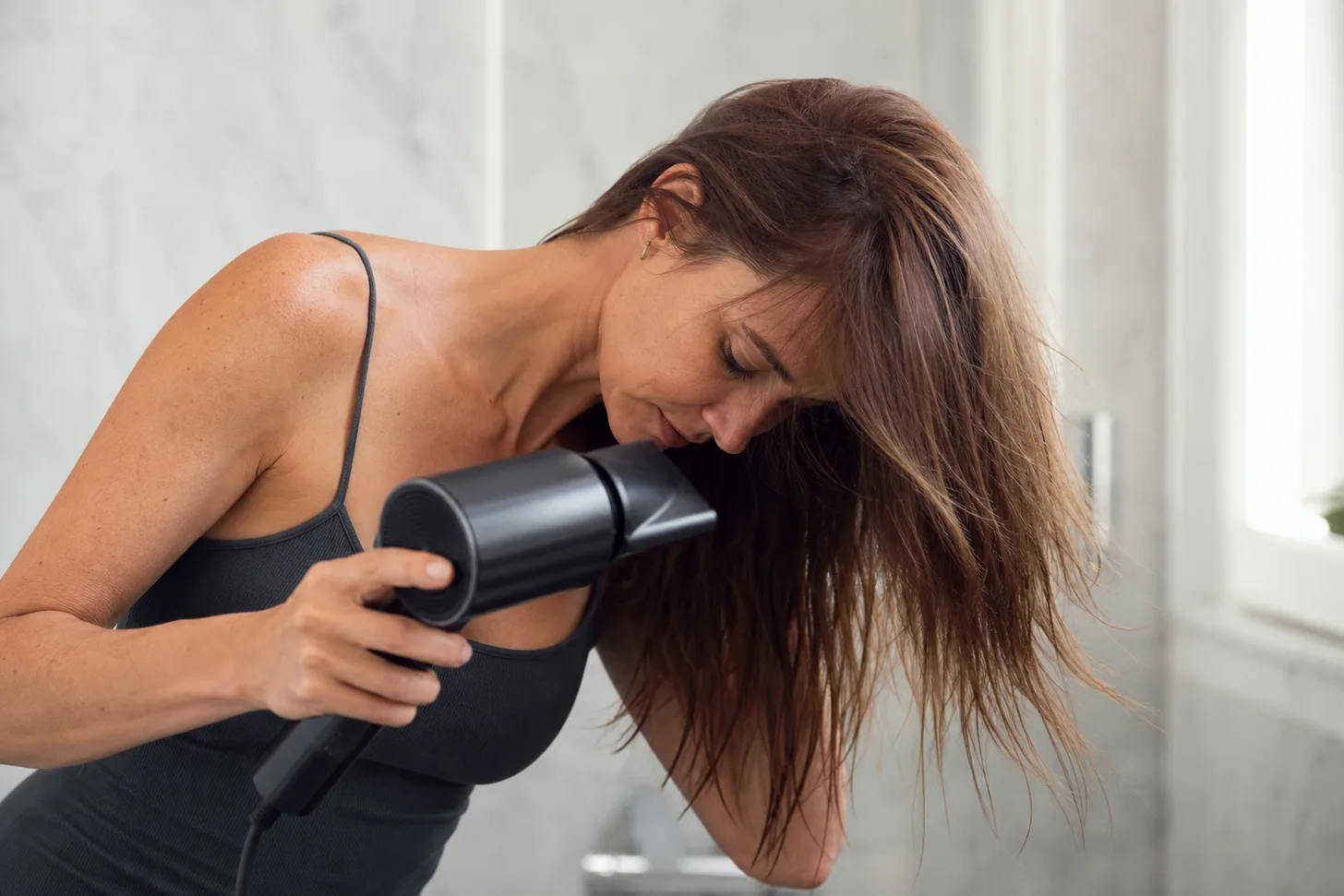
For sprays and foams: on towel-damp hair, lift a crown section, mist or dab the product at the roots only, then blow-dry that section up and against its natural fall and finish with a cool shot — the heat sets the lift and the cool locks it. For powder: on dry hair, tap a small amount onto the roots at the crown and massage in with fingertips.
Whatever you use, target the flat spots — usually the crown and behind the fringe — rather than the whole head, and keep it off the lengths. It's the finishing move in the full routine in how to style fine & thin hair; the cut and the blow-dry do the heavy lifting first.
When a root lifter isn't the answer
Your whole head is flat, not just the crown. That's a cut-and-blow-dry problem — a root lifter is a spot treatment, not a foundation. See how to add volume to fine hair.
Your roots are already greasy or coated. Product on buildup just adds weight — refresh with dry shampoo or wash first.
You're layering powder day after day without washing. Buildup eventually flattens fine hair; clarify regularly to reset.
You air-dry and never use heat. Most sprays need a dryer — choose a powder or clips instead for heat-free lift.
One neighboring category worth separating, because the formats look nearly identical on a shelf: a volumizing powder lifts by adding grit and friction at the base, while a tinted root powder does something else entirely — it darkens the scalp so the gap between strands stops showing.
If visible scalp along your part is the actual complaint rather than flatness, that's the other aisle: best scalp concealers and root powders for fine hair. Plenty of people want both, and the two layer happily.
FAQ
A root lifter is a targeted product that creates lift right at the scalp, where mousse is an all-over body builder worked through the roots and mid-lengths. Root lifters come as sprays, powders, and mousses, and they're concentrated on giving the crown height rather than adding overall body. Many fine-haired people use both — mousse as the base, a root lifter only where the crown still falls flat.
Yes — root lifters are one of the most fine-hair-friendly products there is, because they add lift with almost no weight and target exactly where fine hair falls flattest. The key is application: they go on the roots, in small amounts, and most work best on damp hair set with a blow-dry, or as a dry powder massaged into the crown. Used on the lengths or overapplied, they can leave residue, so keep them at the scalp.
Sprinkle a tiny amount directly onto the roots at the crown — less than you think — then massage it in with your fingertips. The powder adds grip and friction between strands, so the roots stand up and stay lifted. It works on dry hair, which makes it a fast midday fix. The one caution is restraint: too much powder can feel gritty or look chalky, so build up gradually.
Sprays are the most versatile and beginner-friendly — you mist the roots of damp hair and blow-dry for lift that lasts. Powders give the strongest instant grip and are great for dry, midday touch-ups but take a lighter hand. Mousse-style root lifters sit in between. For most fine hair, a root-lift spray is the everyday choice, with a powder kept on hand for quick refreshes.
Not the product itself in normal use — but two habits can cause trouble. Powders and high-hold sprays can build up if you don't wash them out regularly, which then flattens fine hair, so clarify periodically. And aggressive teasing to boost a root lifter can roughen fragile fine strands. Used at the roots, in small amounts, and washed out normally, root lifters are gentle and effective on fine hair.
It depends on the type. Root-lift sprays and mousses go on damp roots and set with a blow-dry — the heat activates the lift and locks it in. Volumizing powders go on dry hair, massaged into the crown, which makes them ideal for reviving lift midday without restyling. Check the product, but the rule of thumb is sprays and foams wet, powders dry.
Fourteen years in hair — eight behind the chair, six in editorial — with a focus on scalp health and the science of fine, flat-prone hair. Megan reviews product formulas the way she'd read a label for her own clients: weight first.
Results vary with hair type, density, and growth patterns. This guide is educational and not a substitute for an in-person consultation with a licensed stylist.
Get the good hair intel
One honest, stylist-written guide in your inbox each week. No hype.

 MH
MH