Reviewed by Tara Sullivan · Updated August 2026 · 9 min read
"Styling cream" isn't a formula — it's a texture. Every product in the category is an emulsion of oil and water held together by an emulsifier, and what decides whether it shapes fine hair or flattens it is which phase is doing the work: the oil, or the film-forming polymer suspended in the water. Emollient-led creams coat the strand and add weight, which is exactly what dense coarse hair wants and exactly what fine hair cannot afford.
Polymer-led creams leave a thin flexible film behind and almost nothing else. Both sit on the same shelf, under the same word, at the same price. Below: six that come down on the right side, by job — thickening, lightest, separation, air-dry, shine and budget — plus the label test that predicts the answer before you buy, and the one placement rule that matters more than the product.
Every product here is chosen independently, on the merits — what genuinely suits fine, thin hair. Links go to each brand's official page, and we don't take payment for placement. Price tiers are rough guides because prices change.
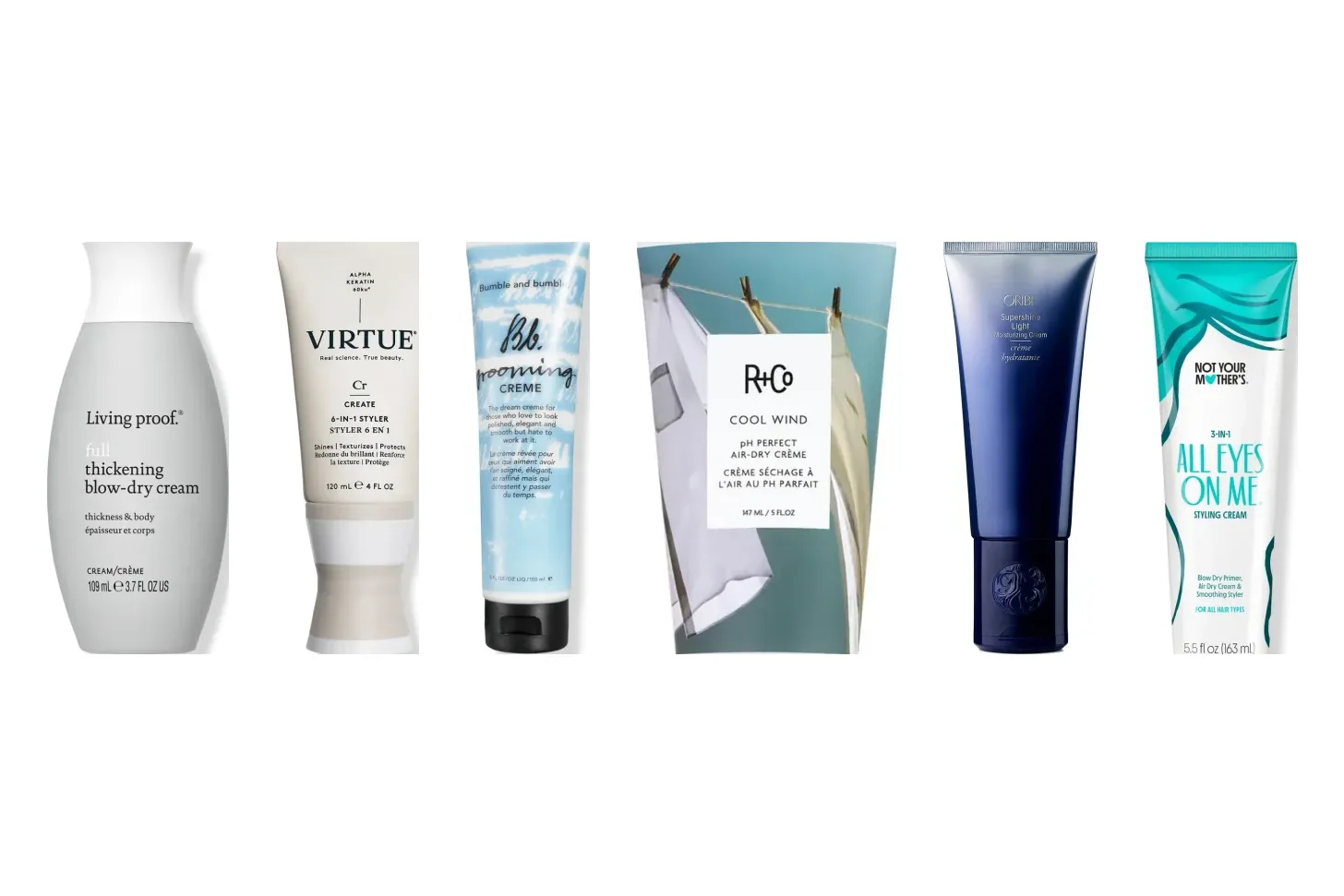
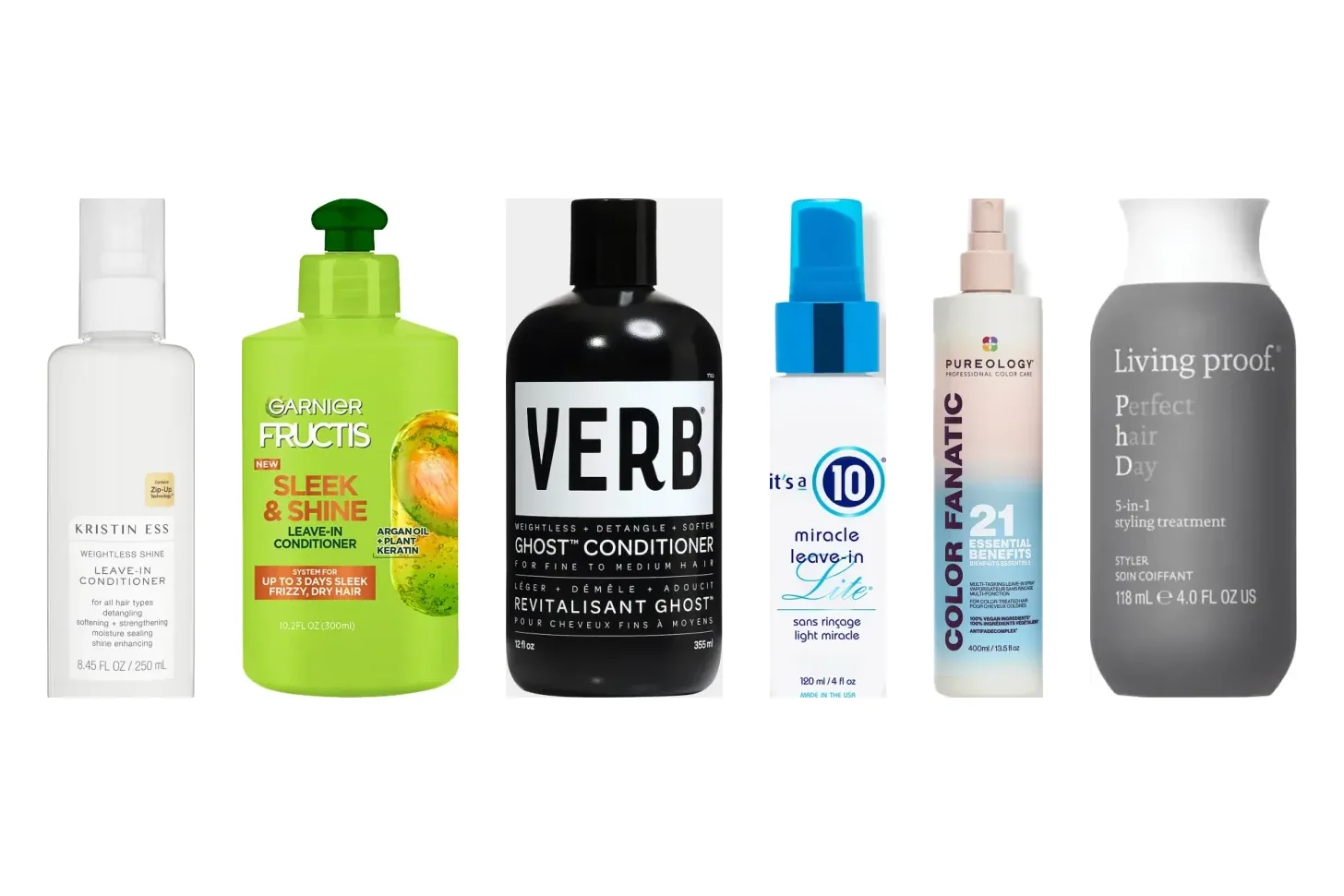
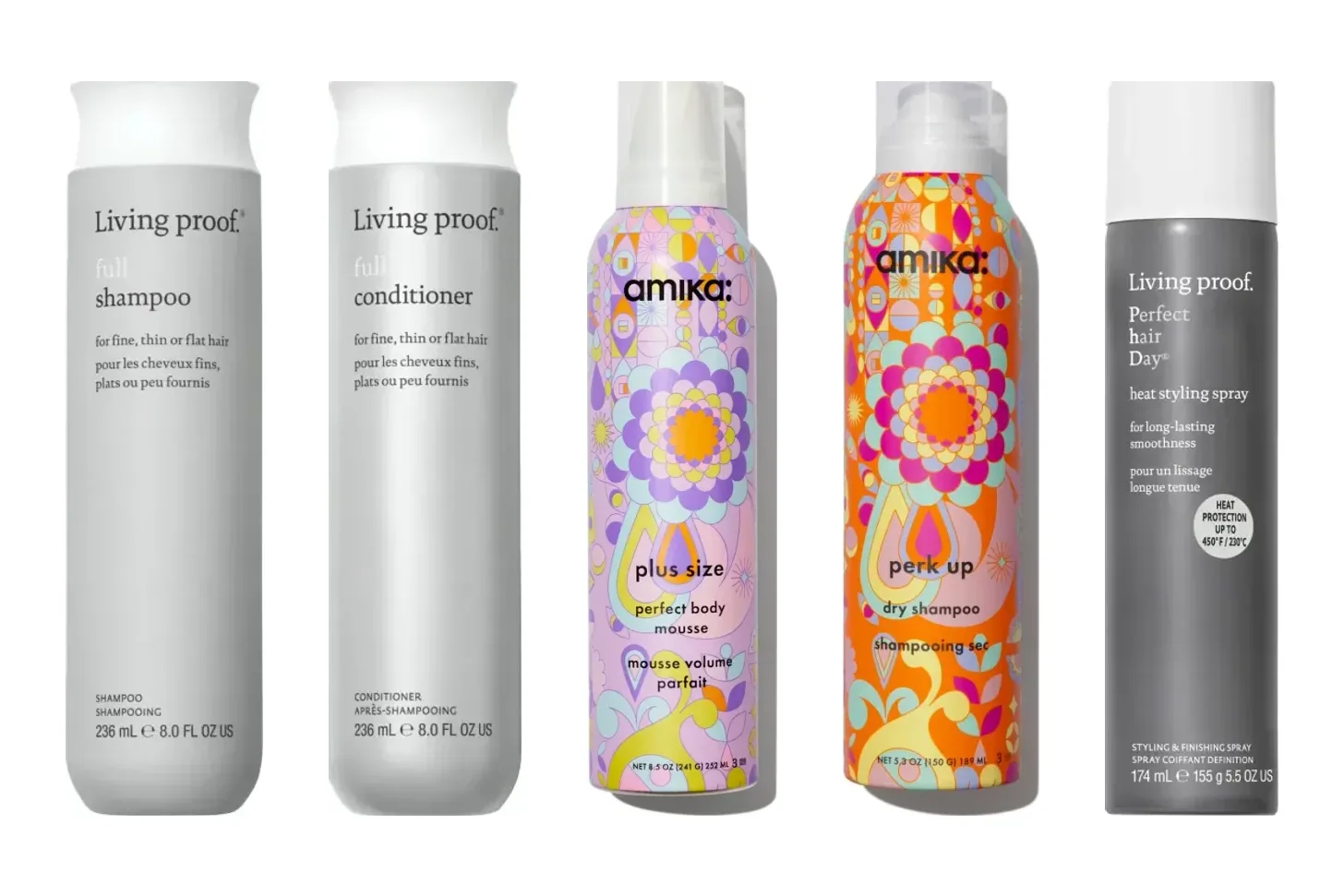
Our six picks, one per job. Product images courtesy of the brands.
Chair-side note
When somebody tells me a styling cream "did nothing," they have almost always put it in the wrong place. I watch them mime it and the hands go straight to the top of the head — because that's where the problem is, so that's where the product goes.
But cream at a fine root is a guaranteed flat afternoon; there is oil in there, and gravity is undefeated. I now say it as a rule rather than a suggestion: everything from your ears down, nothing above. Same product, same amount, completely different day.
MH
— Megan Holloway, Editor-in-Chief
What a styling cream actually is
Strip the marketing away and a styling cream is an emulsion: droplets of an oil phase dispersed through a water phase, kept from separating by an emulsifier. That's it. The reason the category feels so inconsistent — one cream gives you a soft, piecey blow-dry, the next turns your hair into a curtain by 2pm — is that the label doesn't tell you the ratio, and the ratio is the product.
The oil phase is where the softness, shine and slip come from: silicones, esters, butters, plant oils. It works by coating. Coating is weight, and weight is the one thing fine hair has no budget for.
The water phase is where film-forming polymers live — the same family of ingredients doing the work in gel and mousse. They spread while the hair is wet and dry down into a thin, flexible film that holds a shape without adding meaningful mass.
So a "styling cream" for fine hair is really a polymer product wearing a cream's texture. It should feel like a cream in the hand and behave like a light setting product on the head. When it doesn't — when it feels rich and stays rich — you have bought a conditioning cream that happens to be sold as a styler.
The label test that predicts whether it will flatten your hair
You don't need to decode a full INCI list. Read the first six or seven ingredients after water and ask which family appears first.
If you see these first
Family
What it does on fine hair
Shea butter, coconut/argan/castor oil, dimethicone, cyclopentasiloxane, cetearyl alcohol high up
Emollient-led
Softness and shine, but it coats — expect weight and a flat root by afternoon
PVP, VP/VA copolymer, polyquaternium-11 or -28, acrylates copolymer
Polymer-led
A flexible film, separation and hold with almost no added mass — what you want
Temporary body and a fuller feel; pairs well with polymers on fine hair
Glycerin, panthenol, sodium PCA near the top
Humectant-led
Fine in moderation; in humidity it can swell the strand and cost you your smooth finish
Two practical shortcuts. First, if the bottle says "nourishing," "rich" or "deeply moisturising," it is telling you the oil phase won — that's a care claim, not a styling claim. Second, rub a little between your fingers and rub your fingertips together as it dries: a polymer-led cream goes slightly tacky and then grippy, an emollient-led one stays slippery. The tacky one is the one that will hold a shape.
None of this makes emollient creams bad products. They're the right answer for coarse, dense, dry or curly hair, which needs the weight to behave. Fine hair is simply the wrong customer, and the shelf doesn't say so.
Styling cream versus everything else on the shelf
This category overlaps with about five others, and buying two products that do the same job is the most common way fine hair ends up overloaded. Here's the honest division of labour.
The short version: if the complaint is flat, you want mousse or a root lifter, not cream. If the complaint is shapeless, fluffy, or won't sit through the length, that's what a styling cream is for. Fine hair with both complaints uses both, in tiny amounts, in different places. Pomade sits at the firmer end of that same shelf and behaves quite differently on fine hair — pomade for fine hair covers when it is the right choice.
The best styling creams for fine hair, by job
One honest pick per job, each with the limitation the brand won't print.
1
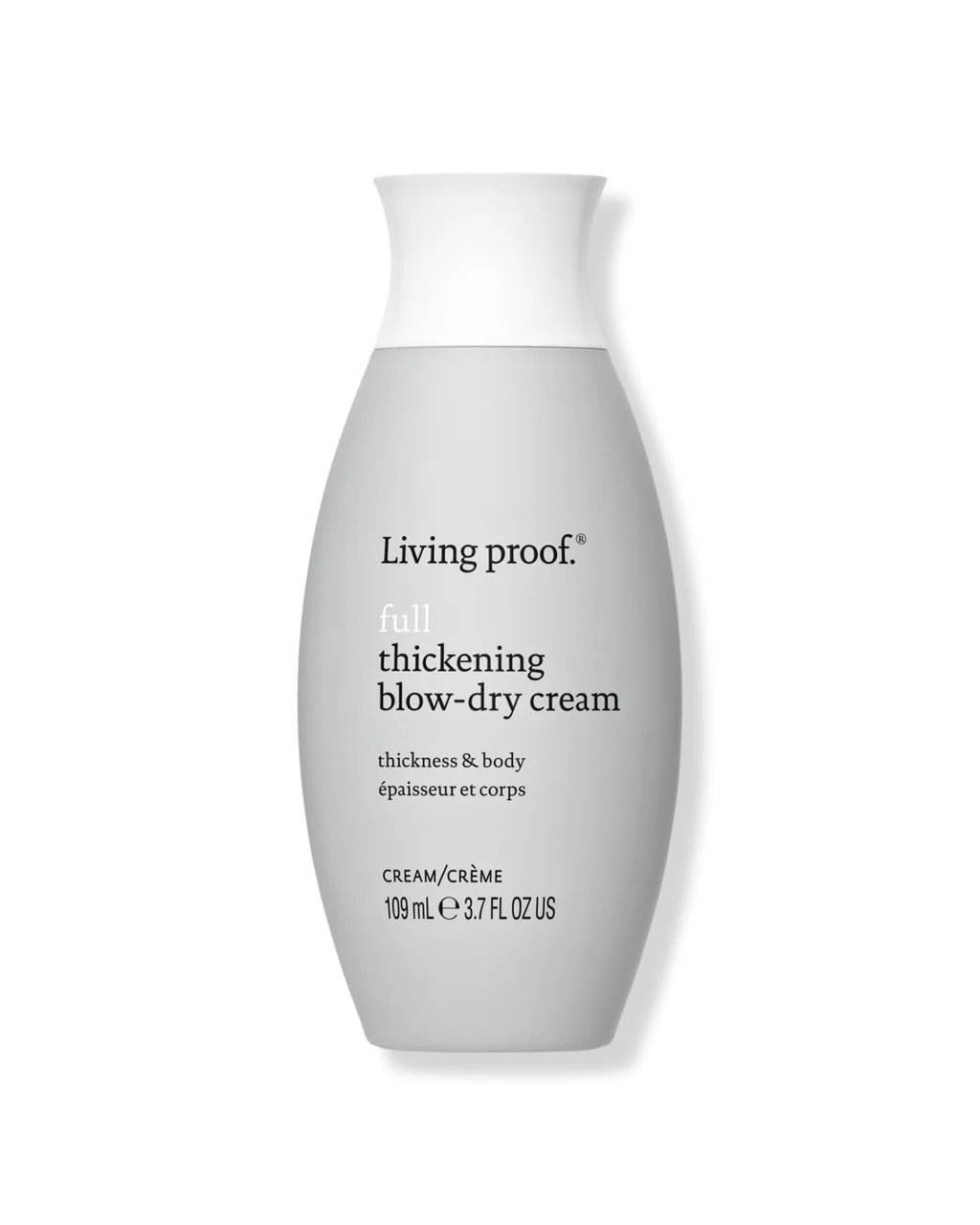
Best overall: Living Proof Full Thickening Blow-Dry Cream
One of the very few creams in this category formulated for fine, thin and low-density hair rather than adapted to it, and it shows in the texture — it's noticeably thinner in the hand than a conventional blow-dry cream and disappears into damp hair instead of sitting on it. It builds body while you dry rather than relying on weight for smoothness. Best for: a fuller-looking blow-dry, fine hair that goes fluffy rather than sleek, and anyone whose previous cream flattened them. Honest limitation: it's built around blow-drying — air-dry with it and you get smoothness but very little of the fullness you paid for.
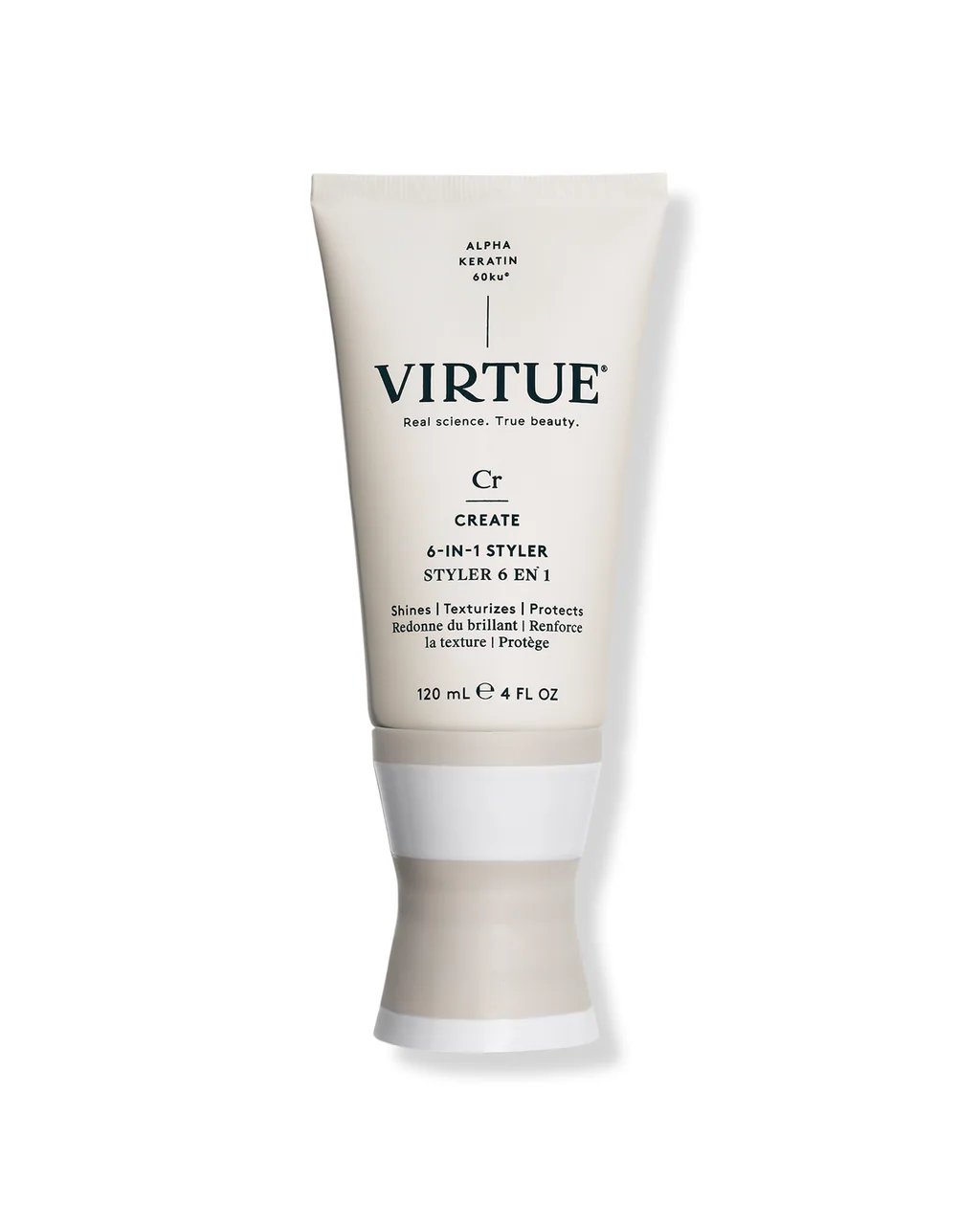
Lightest formula: Virtue One For All 6-in-1 Styler
A sheer styling cream in the most literal sense — it's closer to a lotion than a cream, built on the brand's keratin protein, and it vanishes into hair without leaving the film of residue that gives fine hair away. It smooths, adds light hydration and gives heat protection in one step, which keeps the number of products on your head down. Best for: very fine hair, second-day styling, and anyone who has never found a cream light enough. Honest limitation: light means light — there is almost no hold here, so if you want a shape to survive a windy commute you'll need something over the top of it.
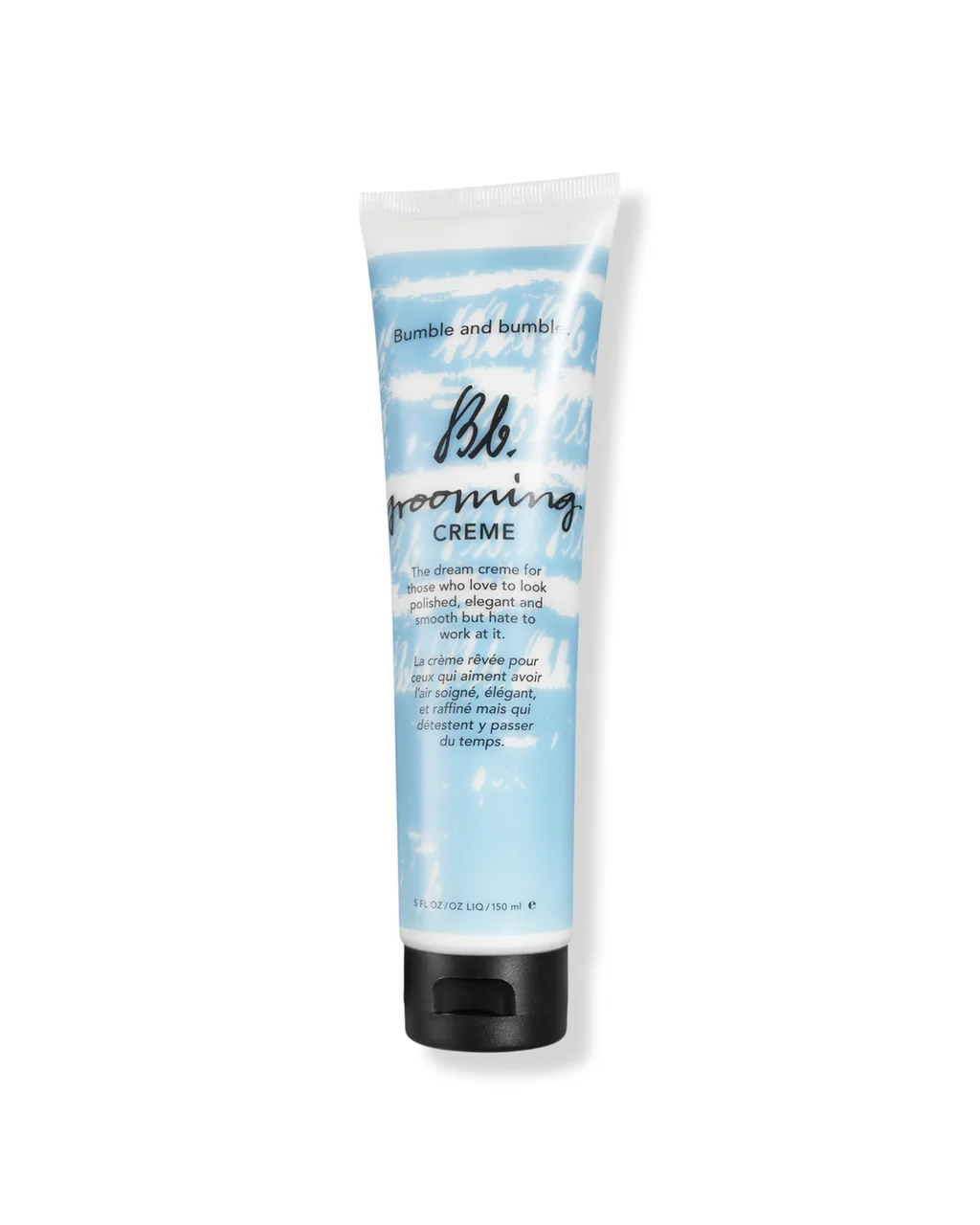
Best for separation: Bumble and bumble Grooming Creme
Formulated specifically for fine to medium hair, and the pick when the problem is that your hair reads as one flat sheet rather than as strands. It gives subtle hold and a satin — not shiny — finish, with just enough grip to keep pieces reading separately, which is the single most effective optical trick fine hair has for looking like there's more of it. Best for: bobs and lobs, air-dried texture, hair that goes limp and undefined. Honest limitation: there is an oil blend in here doing part of the work, so it is the least forgiving pick on this list if you overdose it or drift toward the roots.
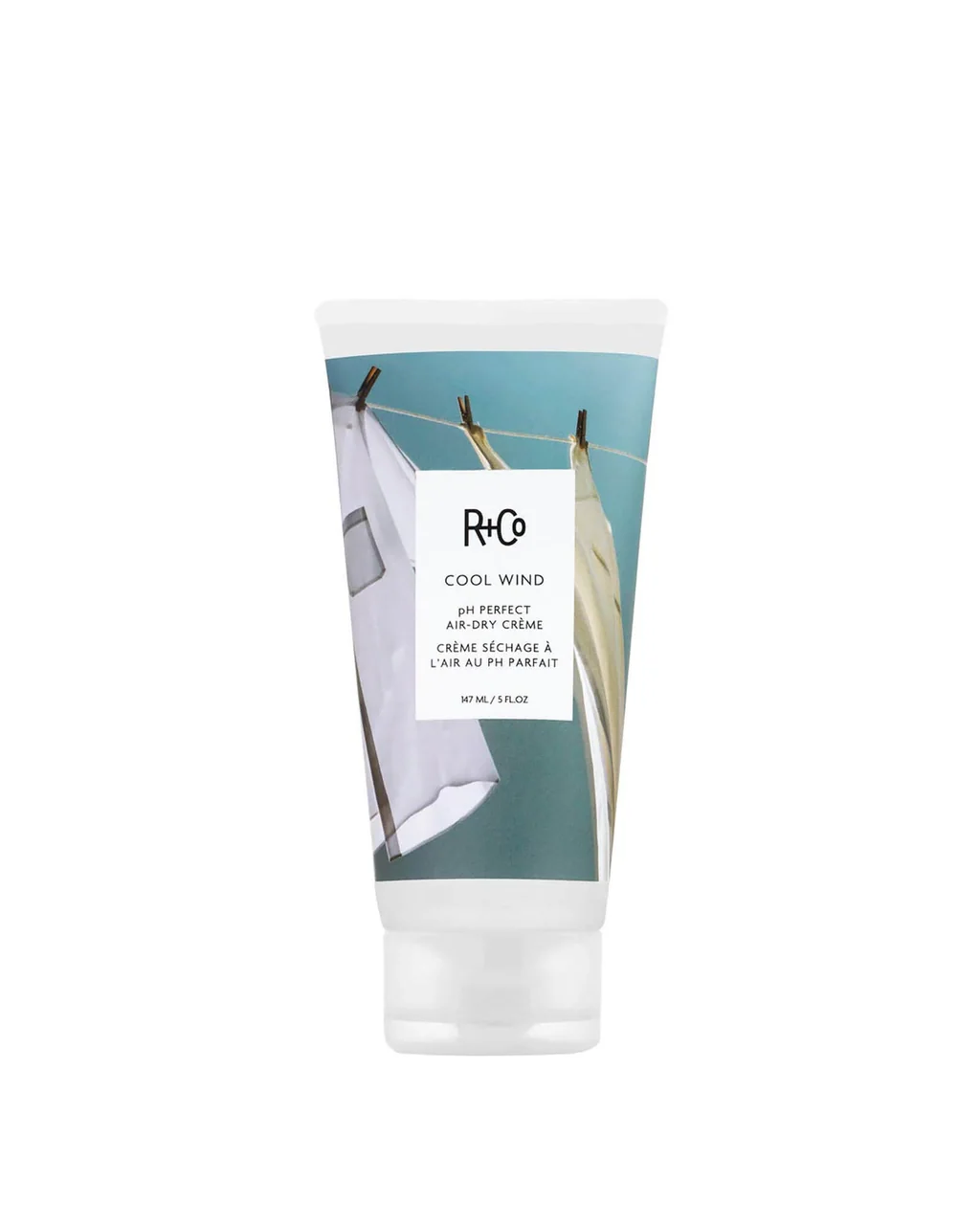
Best for air-drying: R+Co Cool Wind pH Perfect Air Dry Crème
Air-drying is where fine hair usually loses — no heat means no set, so it dries into whatever shape it fell into. This is a weightless crème designed to control and soften as the hair dries on its own, so the result is deliberate texture rather than an accident. Best for: wash-and-wear routines, fine hair with a natural bend, heat-free days. Honest limitation: air-dry products reward being left alone, and fine hair is the most tempting to fiddle with — touch it while it dries and you'll undo the effect. It's also a salon-priced bottle for a fairly specific job.
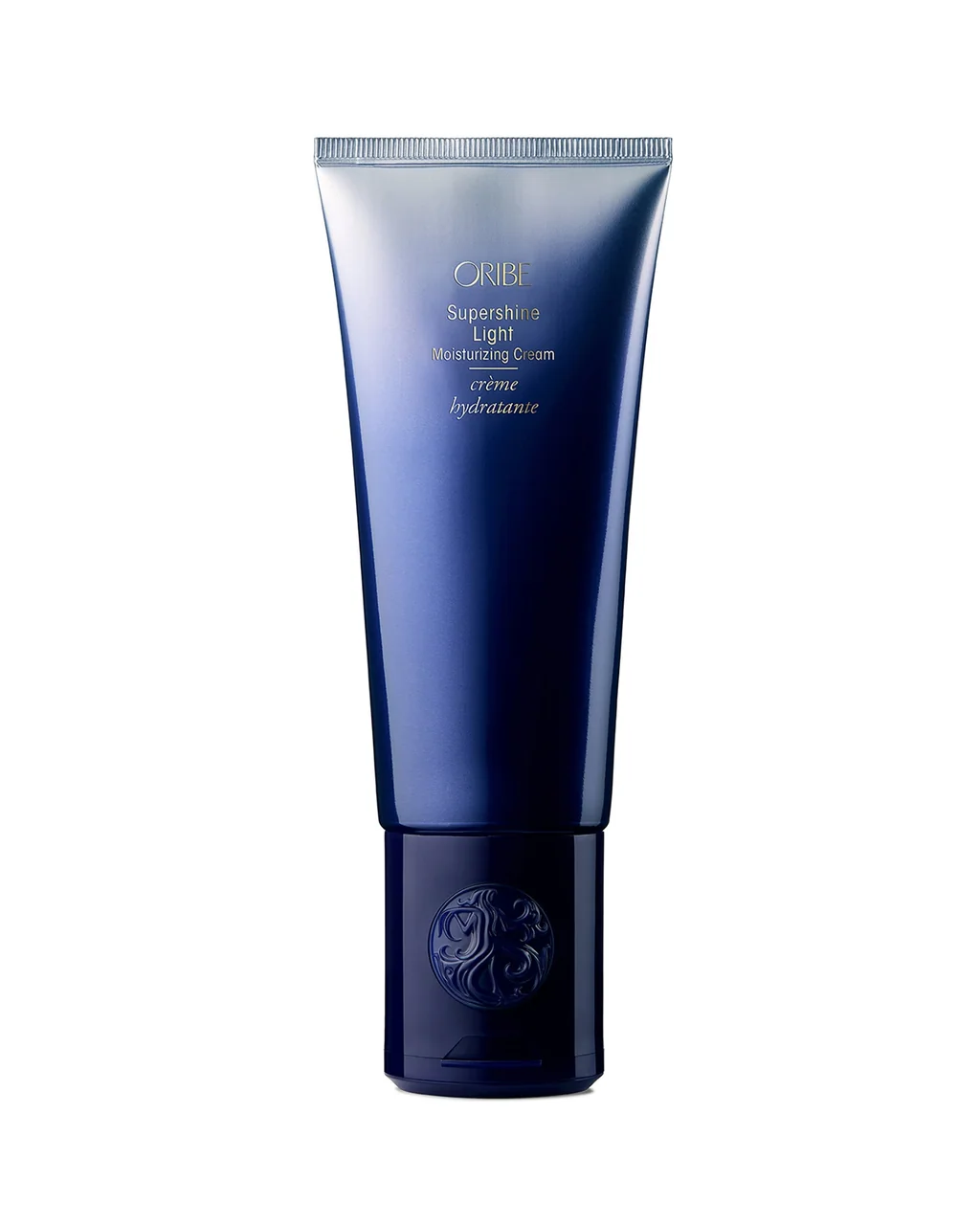
Best for shine on dry ends: Oribe Supershine Light Moisturizing Cream
The "Light" in the name is doing real work — this is the fine-to-medium version of a cream that also exists in a considerably richer form, and the difference between them is exactly the emollient ratio this page is about. Used sparingly on the last few inches it delivers gloss and calms frizz without the greasy cast a heavier cream leaves on fine hair. Best for: dry or colour-treated ends, long fine hair, shine without a serum. Honest limitation: it's a moisturising cream first and a styler second — there's no hold in it at all, and at this price you're paying largely for the finish.
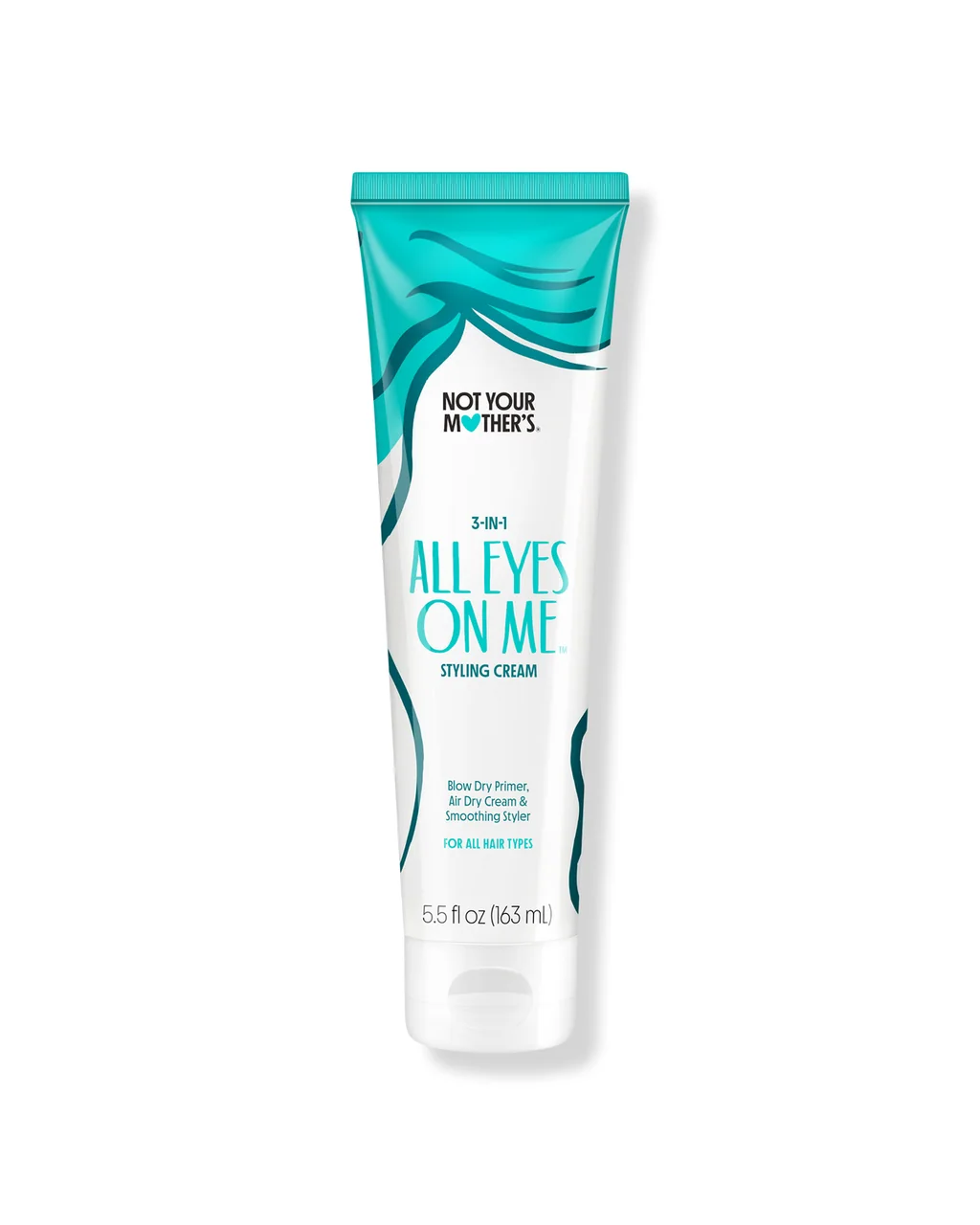
Best budget: Not Your Mother's All Eyes On Me 3-in-1 Styling Cream
A drugstore cream that does three jobs — blow-dry primer, air-dry cream and smoothing styler — with heat protection to 450°F and, usefully for fine hair, no silicones in the formula, so there's less to build up over a week of use. It's the sensible way to find out whether this category suits you at all before spending salon money. Best for: trying styling cream, heat protection on a budget, fine hair prone to product build-up. Honest limitation: the fragrance is strong, and "3-in-1" means it's competent at three things rather than excellent at one — it won't out-smooth a dedicated blow-dry cream.
Five steps. The dose and the placement are the whole thing; the rest is housekeeping.
Blot to about 70 percent damp. Squeeze with a cotton T-shirt rather than rubbing. Soaking hair dilutes the cream into a slick that never sets; bone-dry hair won't let it spread.
A pea. Emulsify it until your hands feel almost dry. Rub palm to palm for a good five seconds — you're breaking the emulsion down so it distributes as a film rather than landing as a blob. If your hands still feel slippery when you touch your hair, you used too much.
Ears down. Nothing above. Press it through the mid-lengths and ends with flat palms, then rake fingers through once. The roots get a separate product or nothing at all — this is the rule that decides whether the day goes well.
Root product second, if you want lift. A walnut of mousse or a few sprays of root lifter at the scalp only, after the cream is already in the length. Two products, two zones, no overlap.
Dry with the roots against the grain. Rough-dry the roots in the opposite direction to how the hair falls, then finish the length however you like. The technique is worth more than any bottle — the full root-volume method is here.
One more thing worth saying plainly: if you're blow-drying, heat protection is not optional. The American Academy of Dermatology's guidance on habits that damage hair puts frequent high heat near the top of the list, and fine hair has the least mass to absorb it.
Two of the picks above include protection; if yours doesn't, add a heat protectant and use the lowest setting that gets the job done. For where cream sits in the whole routine, see how to style fine and thin hair. If a hot-air brush is your tool of choice, apply this before it rather than after — blow-dry brushes for fine hair covers the heat settings.
When a styling cream isn't your best move
Your only complaint is flat roots. Wrong product entirely — a cream can't lift, and putting it where the problem is will make it worse. Start with mousse or a root lifter.
Your hair goes greasy by the second day. Adding an emulsion to hair that's already struggling with oil is a hard sell. Read fine, oily hair first, and consider a gel instead.
You want defined curls or waves. Styling cream separates; curl cream clumps. Those are opposite goals — see the best curl cream for fine hair.
You already use a leave-in and a serum. That's your emollient budget spent. Adding a cream on top is the classic route to hair that looks clean but hangs like a curtain.
You have very short fine hair and want texture, not smoothness. A cream will make a crop lie down. You want clay or paste, on dry hair.
FAQ
It depends entirely on what the cream is built from. A styling cream is an emulsion of oil and water, and the ratio inside decides the result: creams led by butters, heavy silicones and oils will coat and flatten fine hair, while creams led by film-forming polymers and hydrolysed proteins give shape and separation with very little weight. Both sit on the same shelf under the same name. Read the first six ingredients after water, apply from the ears down rather than at the roots, and a styling cream becomes one of the more useful products fine hair owns.
A leave-in conditioner is a care product with a styling side effect; a styling cream is a styling product with a conditioning side effect. Leave-ins are built to soften, detangle and reduce friction, so they lean emollient. Styling creams contain film-formers that set as the hair dries, which is where the hold, separation and shape come from. On fine hair the practical difference is that a leave-in goes on the ends and stays soft, while a styling cream goes through the mid-lengths and gives the style something to hold onto.
From the ears down, and never at the roots. Styling cream is the one styler that should be deliberately kept off the scalp area — it's an emulsion, and any oil phase sitting at a fine root will collapse the lift you're trying to build within a couple of hours. Emulsify a pea-sized amount between your palms until it disappears, press it through the mid-lengths and ends, and then use a separate root product at the roots if you want volume. Two products, two zones.
About a pea, and roughly a quarter of what the bottle suggests. Product instructions are written for average hair, and fine hair isn't average — it has more surface area per gram of hair, so the same dose spreads further and coats more heavily. Start with a pea, rub it between your palms until your hands feel almost dry rather than slippery, and apply. If the hair looks flat two hours later, the answer is nearly always less product rather than a different product.
Yes, and it's the most common complaint about the category on fine hair. Two causes: too much product, and product applied too close to the scalp, where it mixes with your own sebum. Fine hair also carries oil down the length less efficiently than coarse hair, so more of it stays near the root to begin with. If a cream reads greasy by lunchtime, halve the dose, move the application line down to your ears, and check whether the formula is emollient-led — heavy silicones and butters high on the ingredient list are the usual culprits.
Damp, for almost every use. Film-forming polymers need to spread while the hair is wet and then set as it dries — that's where the structure comes from, and applying to dry hair skips the useful half of the mechanism. Towel-blot to about 70 percent, apply, then air-dry or blow-dry. The exception is a very small amount smoothed over dry ends to control flyaways or revive second-day hair, which is a finishing use rather than a styling one.
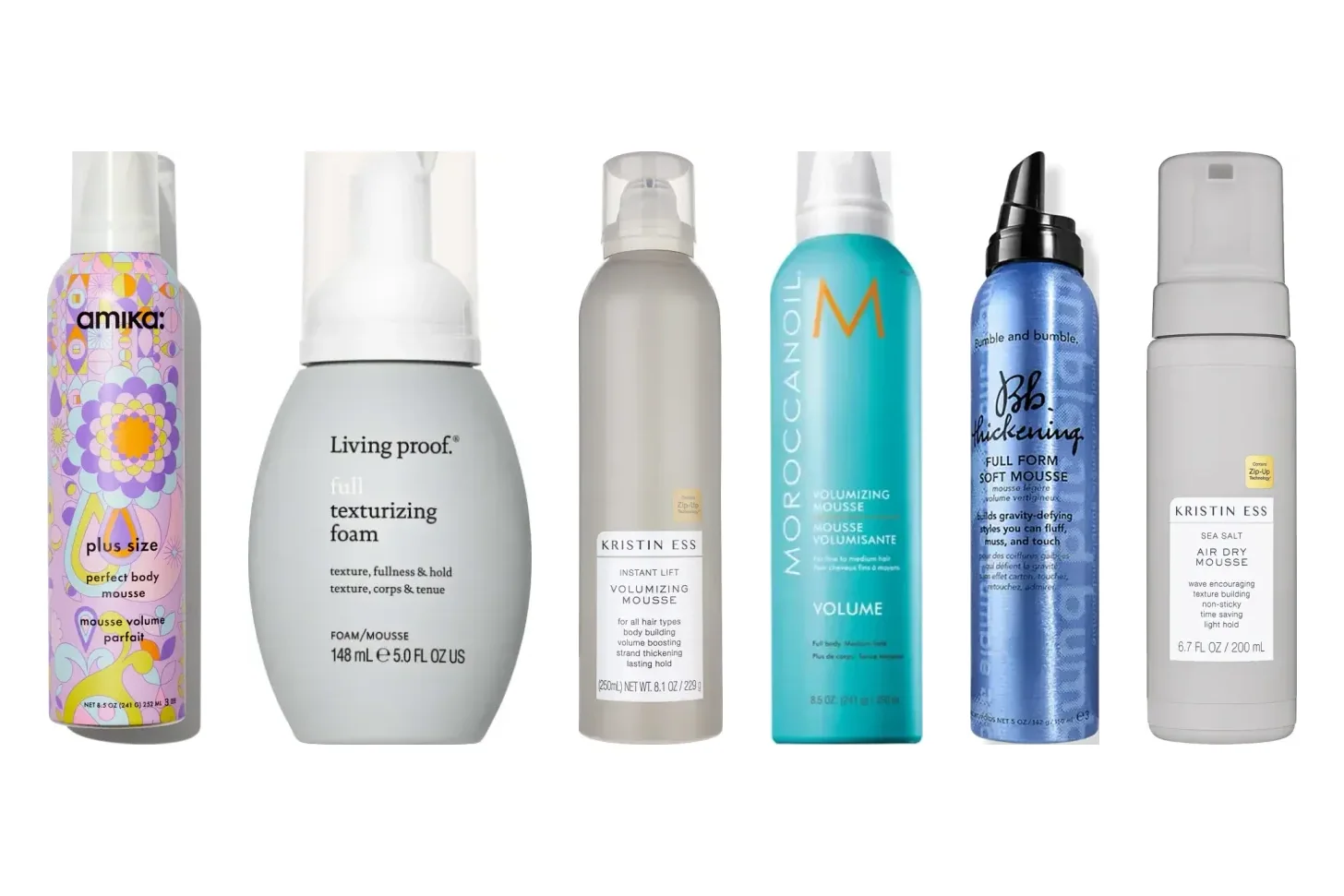
Probably not both in the same wash, but they solve different problems. Mousse is a root product — it sets a resin around the strand at the scalp and holds the hair up off the head. Styling cream is a mid-length product — it smooths, separates and gives the ends something to hold. Fine hair that's flat at the root but frizzy or shapeless through the length can genuinely use both, in that order and in tiny amounts. Fine hair that's only flat needs the mousse and not the cream.
Fourteen years across the chair and the page, specialising in fine-hair care. Megan's position on styling cream is that it's the most mis-sold category in the aisle — the word describes a texture, not a job, and fine hair pays for the confusion.
Results vary with hair type, density, and growth patterns. This guide is educational and not a substitute for an in-person consultation with a licensed stylist.
Get the good hair intel
One honest, stylist-written guide in your inbox each week. No hype.

 MH
MH