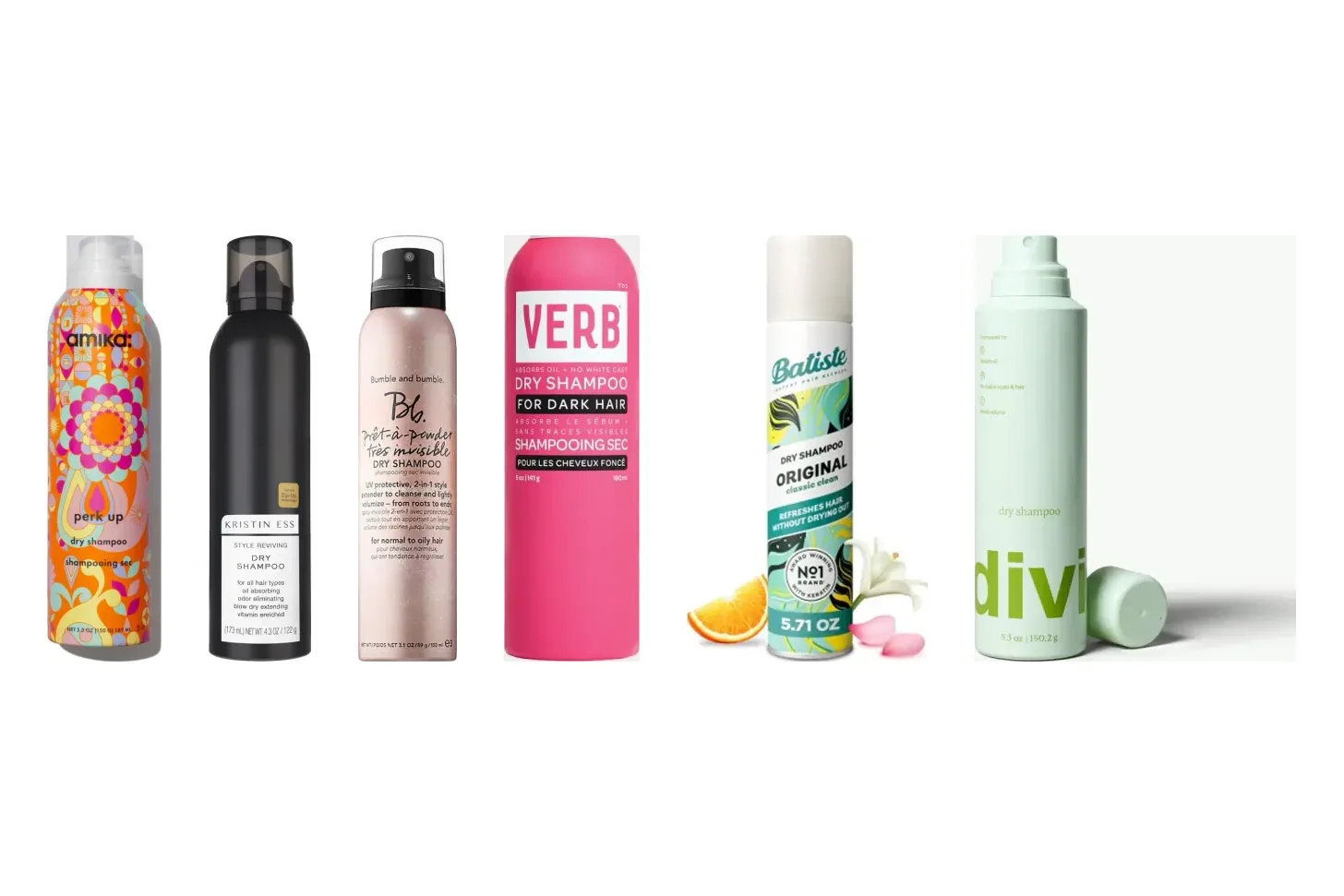
"Fine" and "oily" are two labels that ask for opposite shampoos
This is not a marketing problem. It is written into the clinical guidance. A dermatology review of shampoo formulation in the Indian Journal of Dermatology describes oily-hair shampoo as being for people who produce abundant sebum, containing lauryl sulfates or sulfosuccinates as detergents and no conditioners. A few paragraphs later, the mild amphoteric detergents are named as the ones used in baby shampoo and for those with fine hair.
So the literature hands you two prescriptions and they contradict each other on the only decision that matters — how aggressively to clean. Follow the oily instruction and your fine lengths go rough, static and straw-like within a fortnight. Follow the fine instruction and your roots are flat by lunchtime. Most people alternate between the two for years, blaming each new bottle in turn.
The resolution is that the two instructions are for two different parts of your head. Sebum is produced at the scalp. The roughness that mild detergents protect against happens on the lengths. Those are separate surfaces, they can have separate treatments, and the only thing standing between you and treating them separately is the habit of piling shampoo on top of your head and dragging it down.
| The instruction | Who it was written for | Where it actually applies on you |
|---|
| Lauryl sulfates, no conditioning agents | Scalps producing abundant sebum | Your scalp, and only your scalp. |
| Mild amphoteric detergents, gentle everything | Fine and fragile hair | Your lengths — which the run-off cleans adequately anyway. |
| Wash less often to calm the oil down | Nobody, really — see below | Nowhere. It is the one instruction here with no mechanism behind it. |
Everything else on this page follows from that split. It is also why the picks below divide into two groups rather than ranking one to six: three are built to control sebum at the scalp, and three are built to leave a fine strand weightless. Which group you want depends on a question most product pages never ask.
Which of the two problems you actually have
"My hair gets oily fast" describes at least three different situations, and they do not take the same bottle. Work out which one you are in before you spend anything — it takes one wash to establish and saves a shelf of half-used shampoo.
| What you notice | What it probably is | What to buy |
|---|
| Roots visibly greasy within 12–18 hours of a wash; scalp feels slick to a fingertip; sometimes itchy or flaky too | Genuine sebum overproduction. A scalp problem, not a hair problem. | A sebum-regulating or sulfate-based cleanser — picks 2, 3 and 4. |
| Scalp does not feel slick, but hair looks separated, flat and "dirty" by day two; ends feel fine | Not enough hair mass to hide a normal amount of sebum. An arithmetic problem — the same oil output spread across fewer, thinner strands. | A weightless, clean-rinsing volumizer — picks 1, 5 and 6. |
| Everything feels coated whatever you buy; hair goes limp faster than it used to; you use dry shampoo most days | Residue, not oil. Styling polymers, silicones, starch and hard-water minerals. | A reset first — see clarifying shampoo for fine hair — then re-test. |
The middle row is the one that gets misdiagnosed most, and it is the one where the wrong purchase does real harm. If your hair looks greasy because there is not much of it, a stripping shampoo makes things worse: it roughens the lengths, you compensate with conditioner or oil, and that lands at the roots by the next morning.
Density and diameter are separate measurements with separate consequences, and if you are not sure which you have, telling fine hair from thin hair settles it in a couple of minutes.
Chair-side note
The fastest diagnostic I know takes no products at all. Wash as normal, skip conditioner entirely for one wash, air-dry, and the next morning touch your scalp — not your hair. If your fingertip comes away slick, you have an oily scalp. If it comes away dry but your hair still looks greasy, you have a hair-mass problem and you have been buying the wrong shampoo.
I have had clients spend two years and several hundred dollars in the second category, escalating to stronger and stronger formulas, when what they needed was a lighter one and a conditioner that never went above the ears. One wash tells you. Do the wash before you read the reviews.

MH
Washing more often does not make your scalp oilier
This is the most repeated instruction in the category and the one with the least behind it. Sebum output is governed by hormones: sebocytes are regulated to secrete sebum by androgens, as an updated review of sebaceous gland function sets out. Shampoo removes what has already reached the surface. It has no route to the gland and no way to instruct it to compensate.
Washing frequently is also not damaging in itself. The same dermatology review that separates the oily and fine prescriptions states plainly that frequent and regular cleaning with a well-formulated shampoo will not damage the hair, and Zoe Draelos in the International Journal of Trichology writes that it is not necessary to shampoo daily unless sebum production is high — which is a licence for exactly the reader this page is written for.
What is real is the sequence people mistake for rebound. A harsh shampoo leaves the lengths rough. Rough lengths get conditioner, a leave-in or an oil to fix the feel. That product migrates to the root area within a day, and the hair is flat and greasy-looking again by the following afternoon. It looks like the scalp retaliated. It was a placement problem, and it is fixed by changing where the conditioner goes rather than how often you wash.
There is a genuine cost to over-washing, and it is worth naming honestly, because it is the reason not to simply buy the strongest thing on the shelf: Draelos notes that hair stripped of all sebum is harsh, rough, dull and prone to static.
That is an argument for conditioning the lengths every single wash — not for leaving your scalp dirty. For the frequency question in general, how often to wash fine hair works through the trade-offs, and the full daily method lives in our balancing routine for fine, oily hair.
What to look for on the label
Good signs. A named detergent doing the work near the top — sodium laureth sulfate, sodium lauryl sulfate, sodium C14-16 olefin sulfonate or a sulfosuccinate if your scalp genuinely overproduces; cocamidopropyl betaine, sodium cocoyl isethionate or decyl glucoside if it does not.
The words volumizing, weightless, balancing, purifying or rebalancing. Astringent botanicals such as lemon, nettle, sage, tea tree or witch hazel, which are mild but real. And a short ingredient list, because in this category what is absent matters more than what is present.
Warning signs, in order of how often they cause trouble. A long-chain quat — behentrimonium chloride, cetrimonium chloride — inside the first six ingredients, which tells you the formula is built to deposit rather than rinse. Shea butter, coconut oil or castor oil high in the list.
Non-water-soluble silicones such as dimethicone, which accumulate faster on fine hair simply because there is less strand to spread them over; the arithmetic is worked through in silicones and fine hair. And the marketing vocabulary: two-in-one, moisturizing, smoothing, nourishing, for dry and damaged hair. Each of those describes a formula designed to leave something behind.
One phrase deserves its own sentence, because it is the most misleading word in fine-hair marketing: sulfate-free is not a synonym for light. Many sulfate-free formulas compensate for weaker cleansing with more conditioning agents, rinse less completely, and leave fine hair feeling coated after a fortnight. Two of the six picks below are deliberately sulfated.
The best shampoos for fine, oily hair, by job
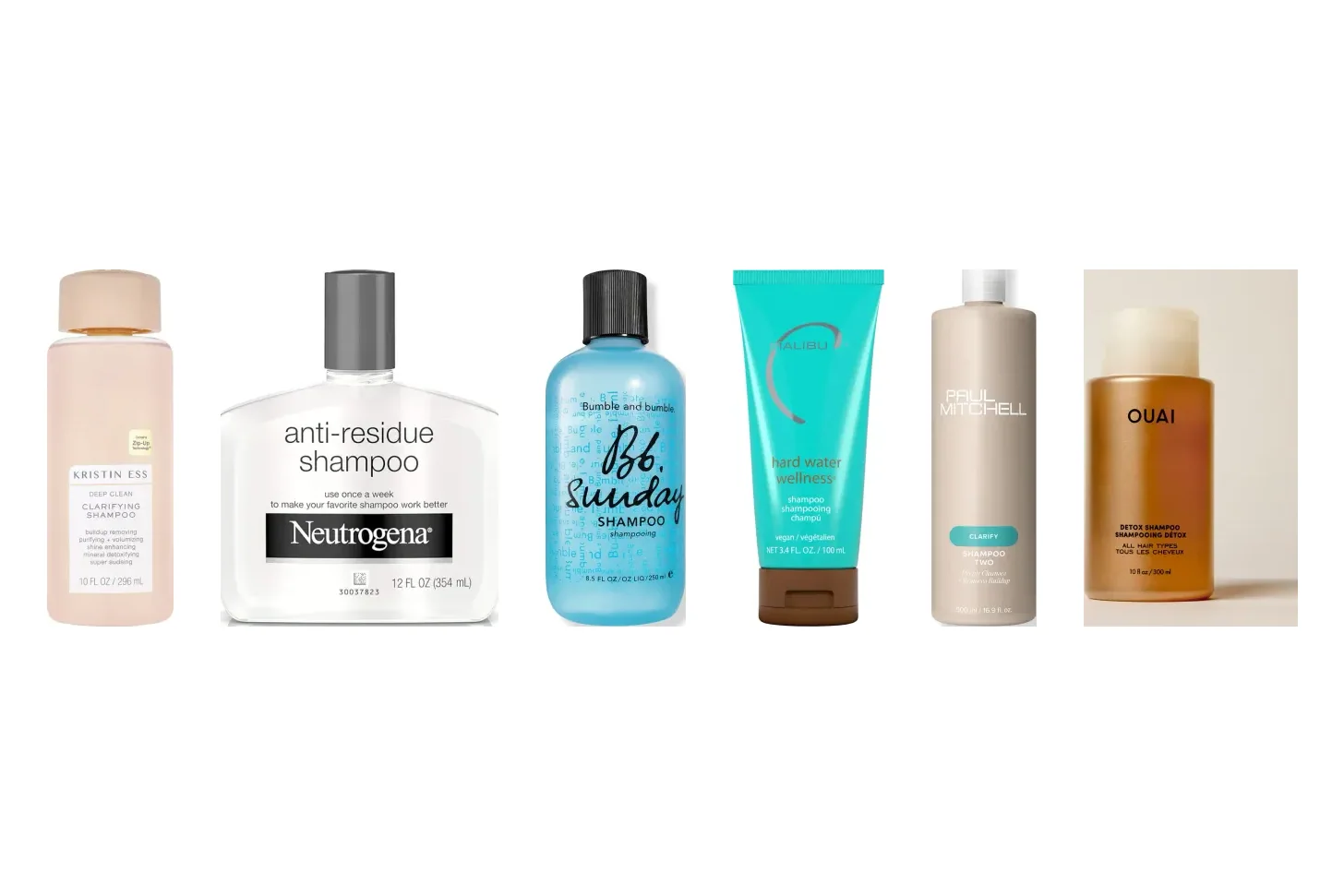
Six picks across six brands, chosen against the rule above: each one either controls sebum at the scalp or leaves a fine strand weightless, and none of them pretends to do both. Every pick has one real limitation named, because all six are a compromise somewhere.