Reviewed by Tara Sullivan · Updated July 2026 · 8 min read
Dry shampoo does two things fine hair badly needs: it absorbs the oil that flattens the roots fastest and adds grip that revives lift between washes. It's part oil-absorber, part volume tool. The only way it goes wrong on fine hair is chalky buildup from a heavy formula or a heavy hand.
Below are our stylist picks by category — everyday lightweight, volumizing, powder, color-safe (tinted), drugstore, and scalp-gentle — each with who it suits and one honest limitation. If you came here looking for a wash rather than a powder — the two products share a search term and solve opposite problems — you want shampoo for dry, fine hair instead.
Every product here is chosen independently, on the merits — what genuinely suits fine, thin hair. Links go to each brand's official page, and we don't take payment for placement. Price tiers are rough guides because prices change.
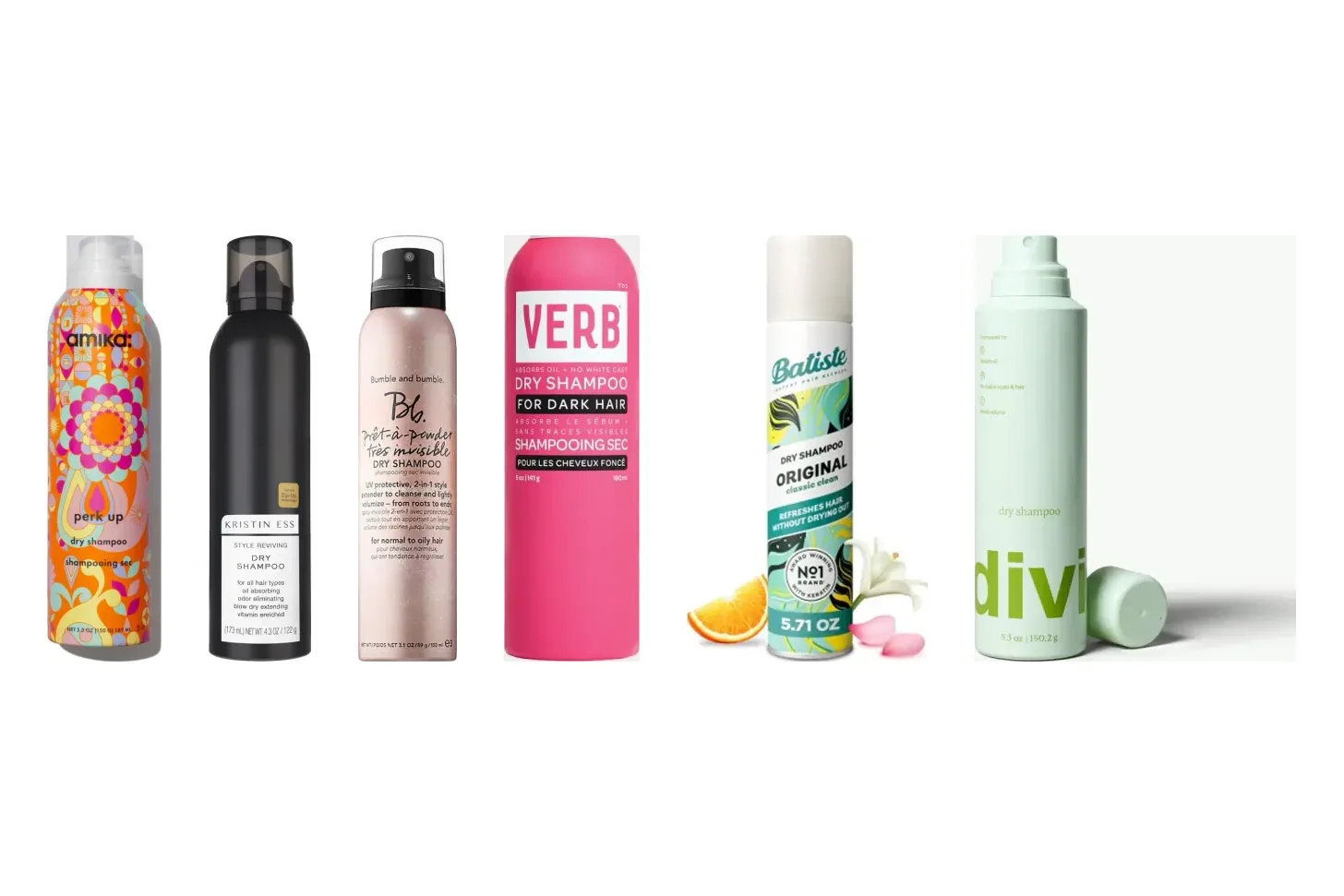
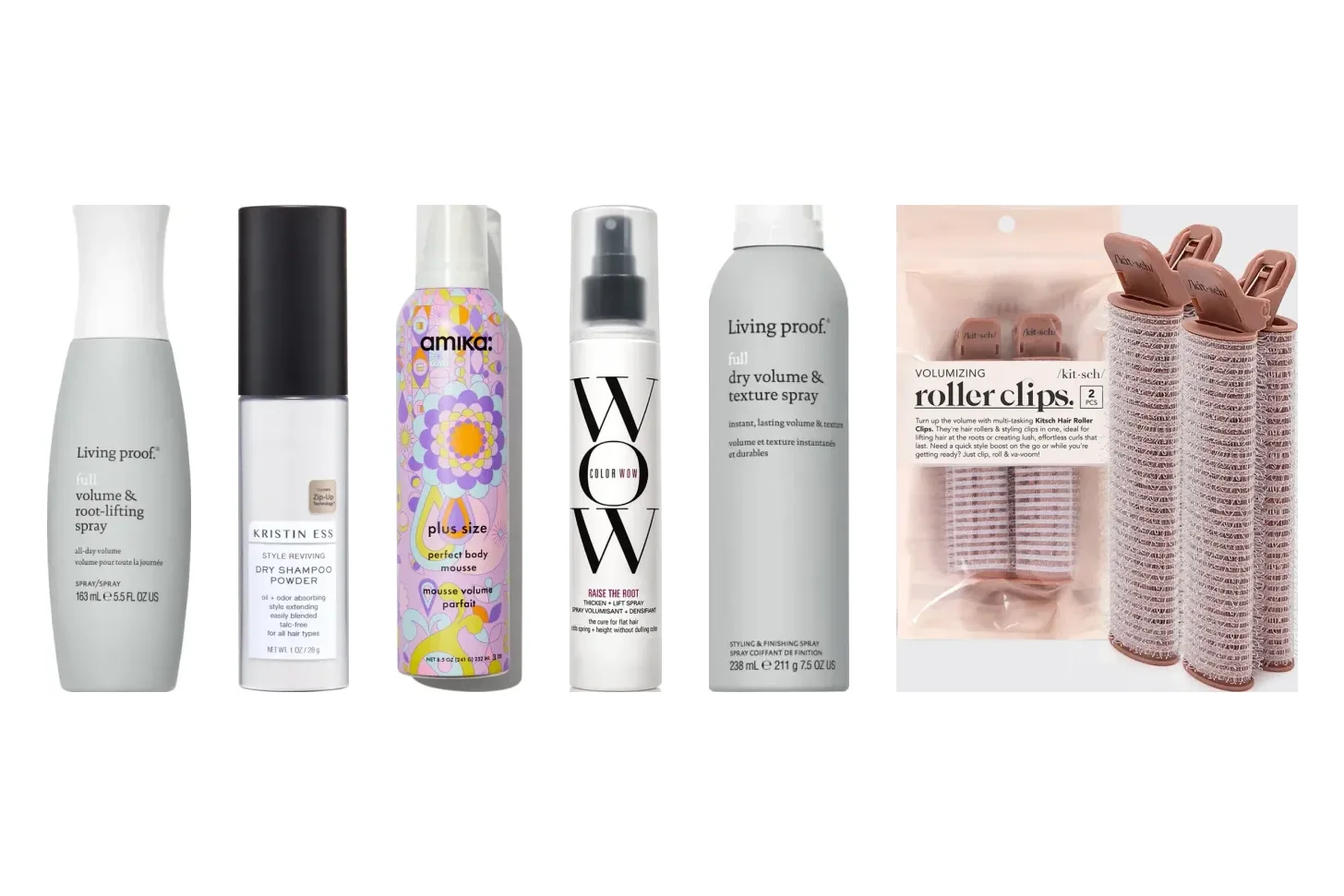
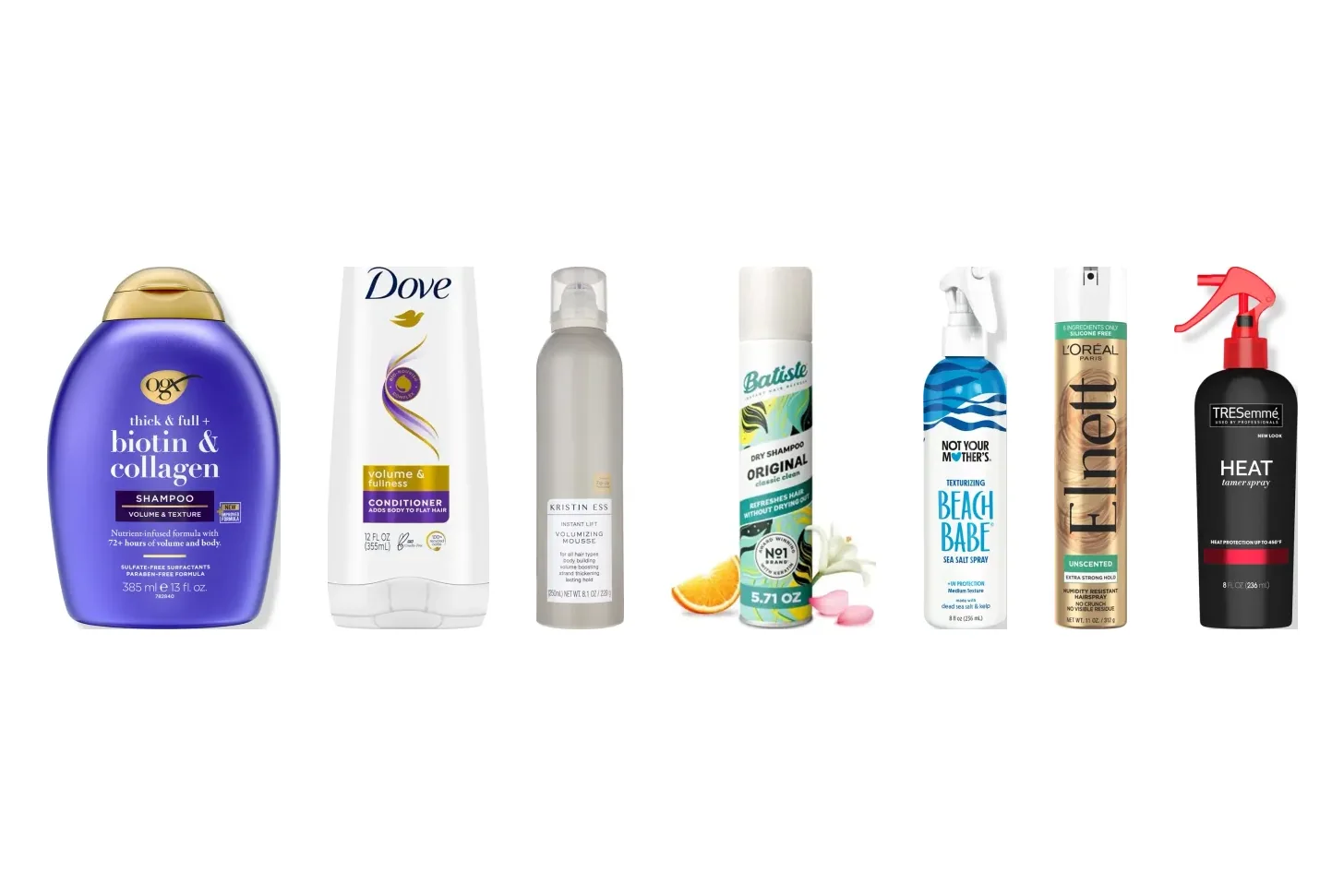
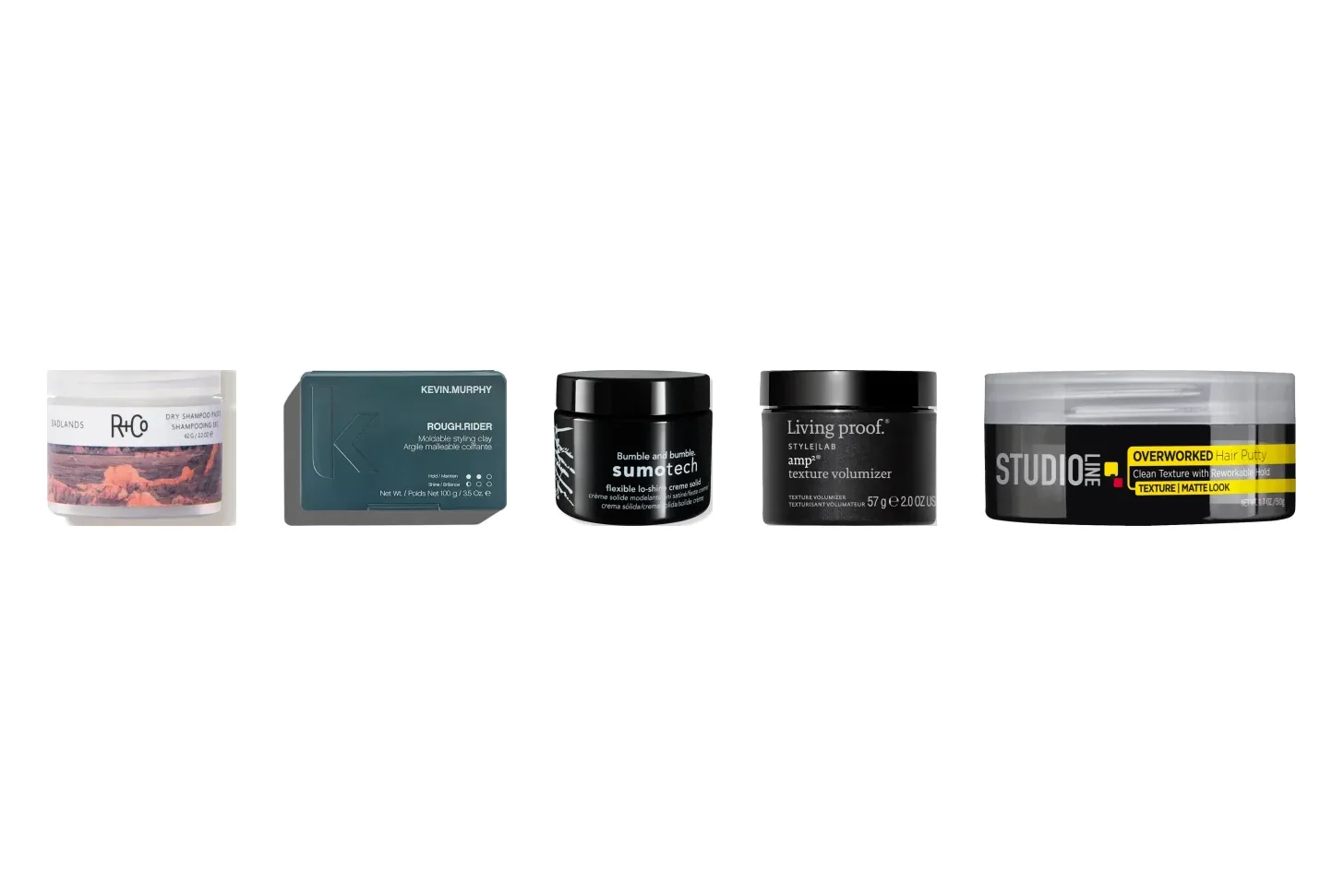
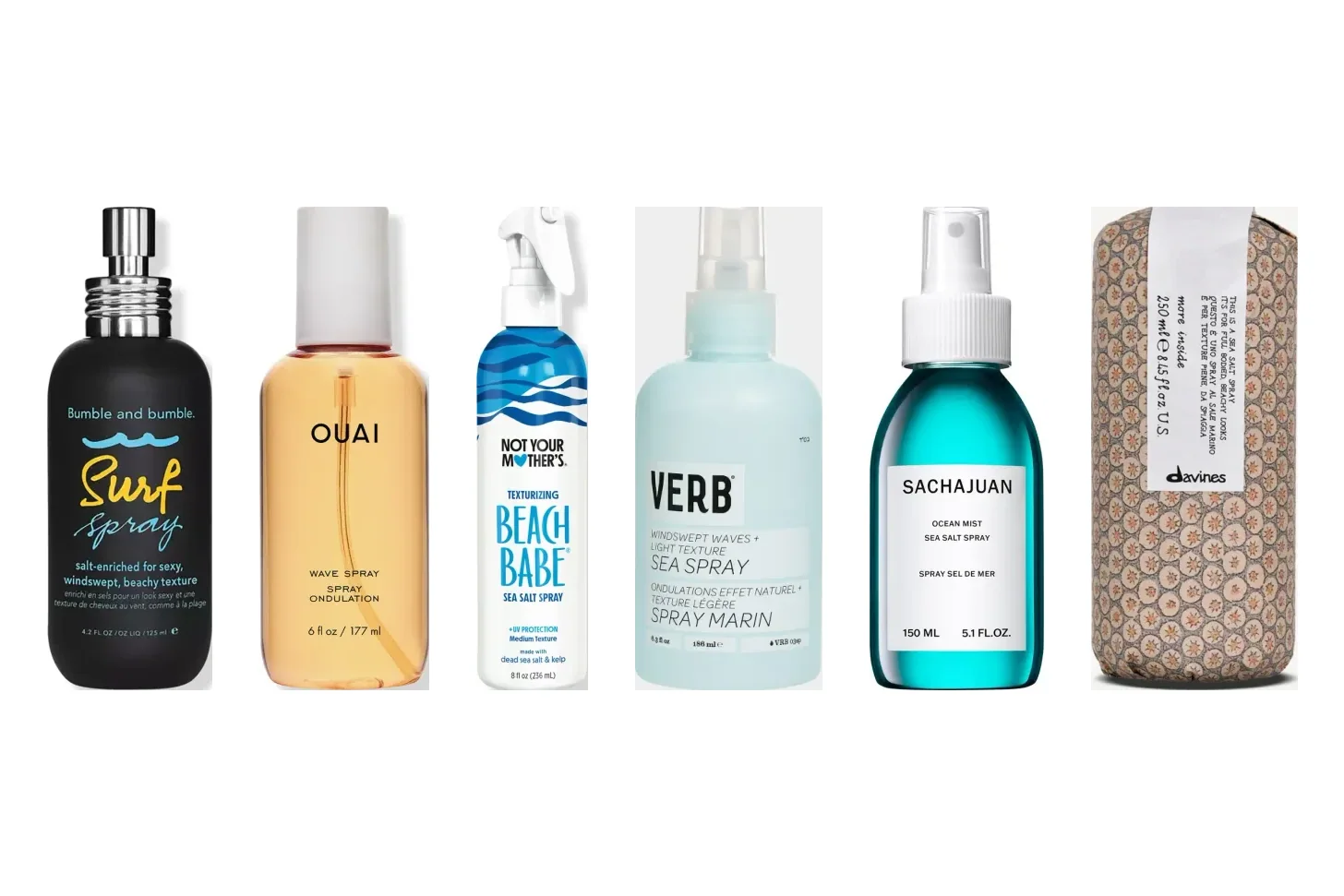
Our six picks. Product images courtesy of the brands.
Chair-side note
Nearly every "dry shampoo makes my hair look worse" complaint comes down to distance and patience. People spray a heavy cloud two inches from the scalp and brush immediately — so it sits on top, white and chalky, and never absorbs. Hold it a hand's width away, mist lightly in sections, then wait a full minute before you massage it in. That pause is when it actually soaks up the oil. Same can, completely different result.
MH
— Megan Holloway, Editor-in-Chief
Why dry shampoo matters more for fine hair
The highest-value use of it is not the morning after — it is before you train, which is the timing gym and workout hair for fine hair is built around.
Fine strands are narrow, so a small amount of scalp oil coats and flattens them fast — which is why fine hair looks greasy and limp by day two while thicker hair still looks fine (the physics is in our guide to how often to wash fine hair).
Dry shampoo buys you that extra day by absorbing the oil and, crucially, adding texture that helps the roots stand back up. Used well, it's both a between-wash refresher and a genuine volume tool — one reason it appears in nearly every routine we recommend, from daily styling to adding volume — and it anchors the five-minute second-day revival.
What to look for on the label
The helpful signals are lightweight, residue-free, volumizing, and a fine, dry mist. Rice, tapioca, and modern starch-based absorbers tend to feel lighter than old talc-heavy formulas. Match a tinted version to your color if white cast is a problem on dark hair.
Be wary of heavily fragranced or oil-infused "nourishing" dry shampoos — added oils defeat the purpose on fine hair — and anything that dispenses wet or sticky. If your scalp is sensitive, choose a gentle, low-fragrance formula and don't overuse it.
The best dry shampoos for fine hair, by category
One honest pick per job. Match the category to why you reach for it — daily oil control, extra lift, or a color-matched finish.
1
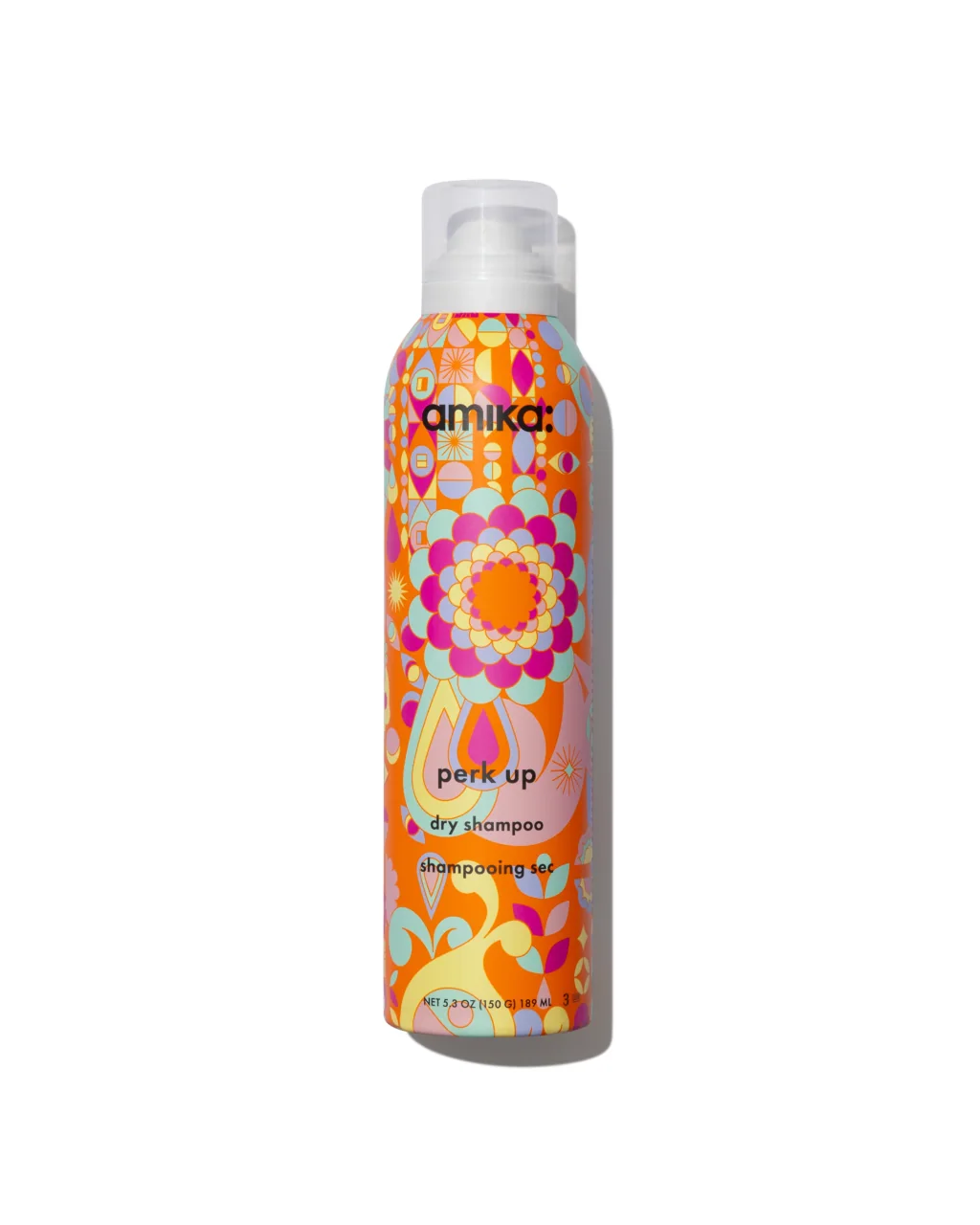
Best overall: amika Perk Up Dry Shampoo
amika's cult bestseller — a fine, quick-absorbing mist (rice starch) that soaks up oil without chalk or heaviness, the daily workhorse for stretching a wash by a day. Best for: fine hair that goes flat and greasy at the roots by day two. Honest limitation: it refreshes and lifts, but it can't deep-clean — a real wash is still needed when the scalp actually needs it.
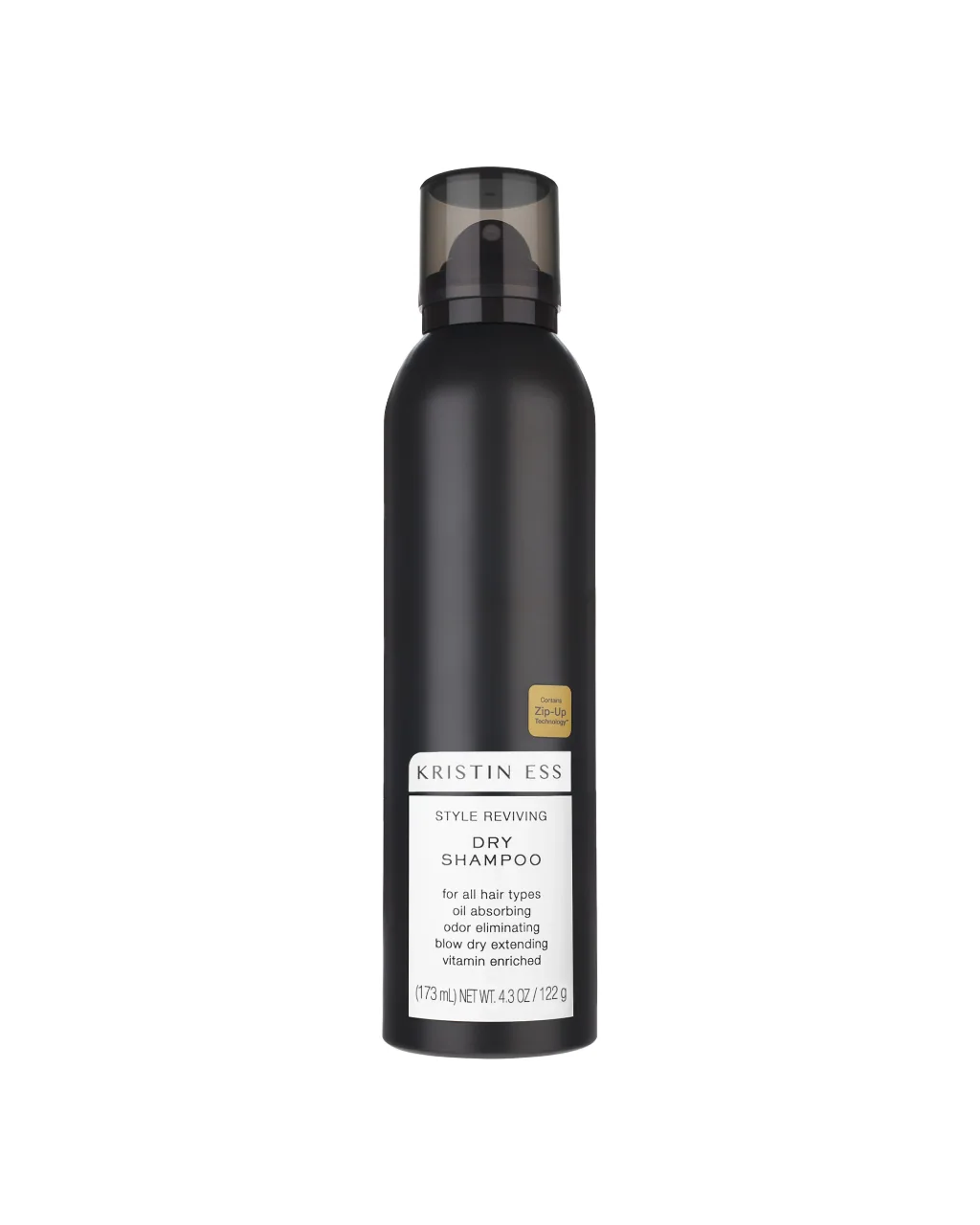
Best for volume: Kristin Ess Style Reviving Dry Shampoo
Double duty at a drugstore price — absorbs oil and adds grip and texture (vitamin C, minimal residue), so it revives root lift as well as freshness. Best for: day-two fine hair that's both oily and flat at the crown. Honest limitation: the extra texturizers mean a lighter hand is essential; overapply and it tips into gritty buildup fast.
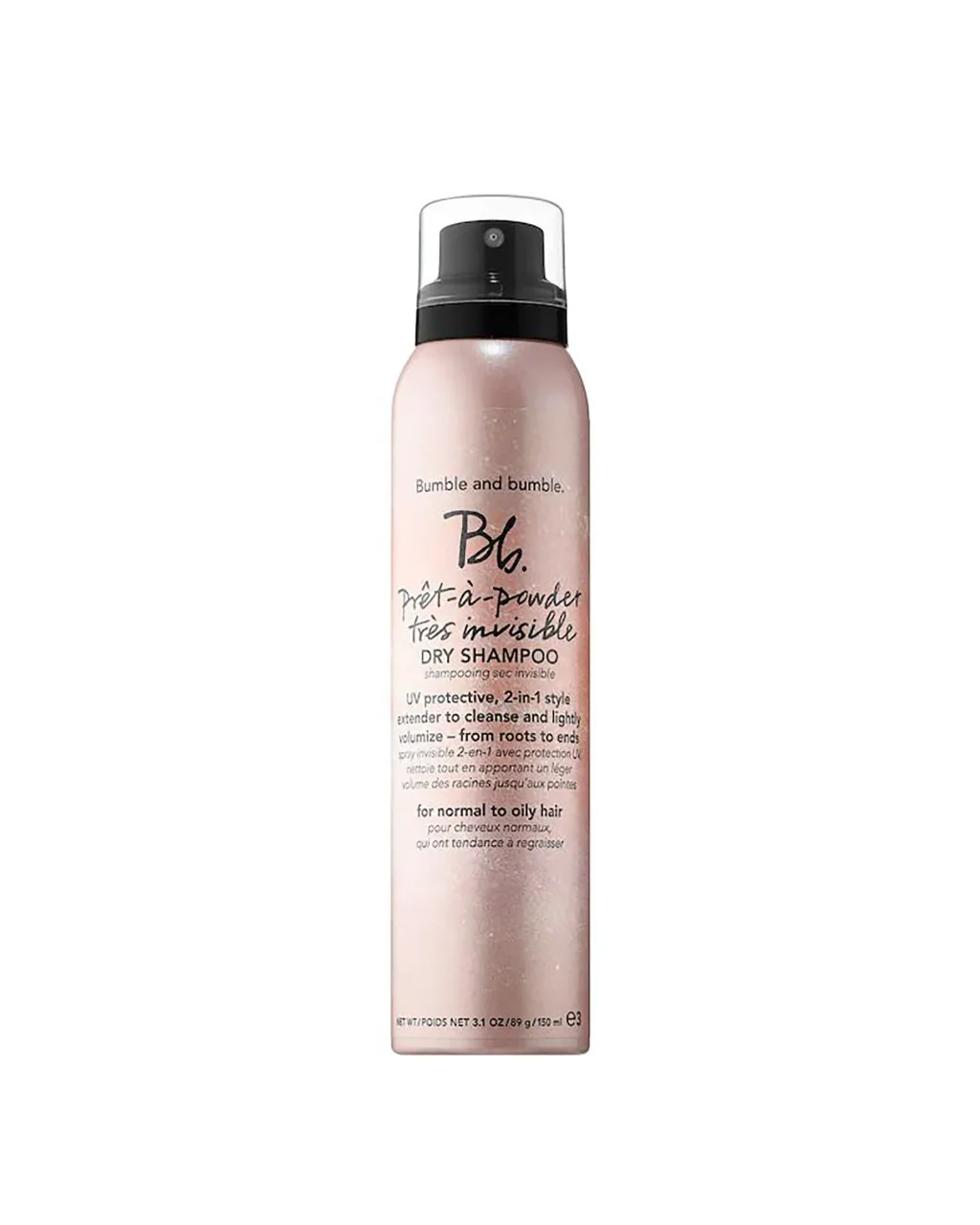
A non-aerosol powder you tap onto the roots and work in — no propellants, more control over placement, and a genuinely invisible finish. Best for: anyone avoiding aerosols or wanting precise, low-waste application. Honest limitation: it takes a careful, slow hand — dumped on too fast, powder clumps at the roots and looks chalky on fine hair.
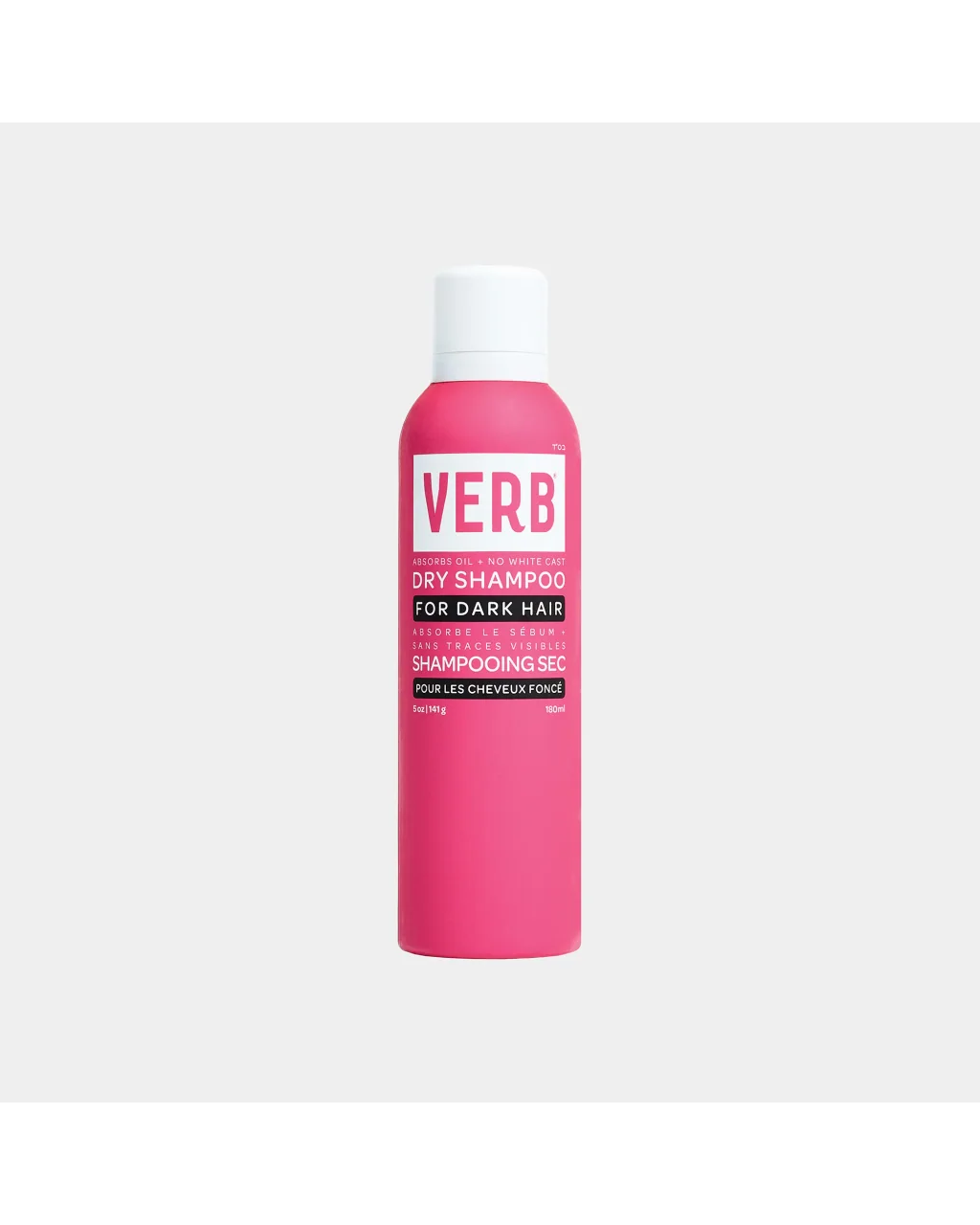
A shade-matched, tinted formula that skips the white cast which makes standard dry shampoo obvious on dark or colored fine hair. Best for: brunette, black, or dark-highlighted fine hair. Honest limitation: the tint can transfer to pillowcases or light collars if overapplied — keep it at the roots and brush through well.
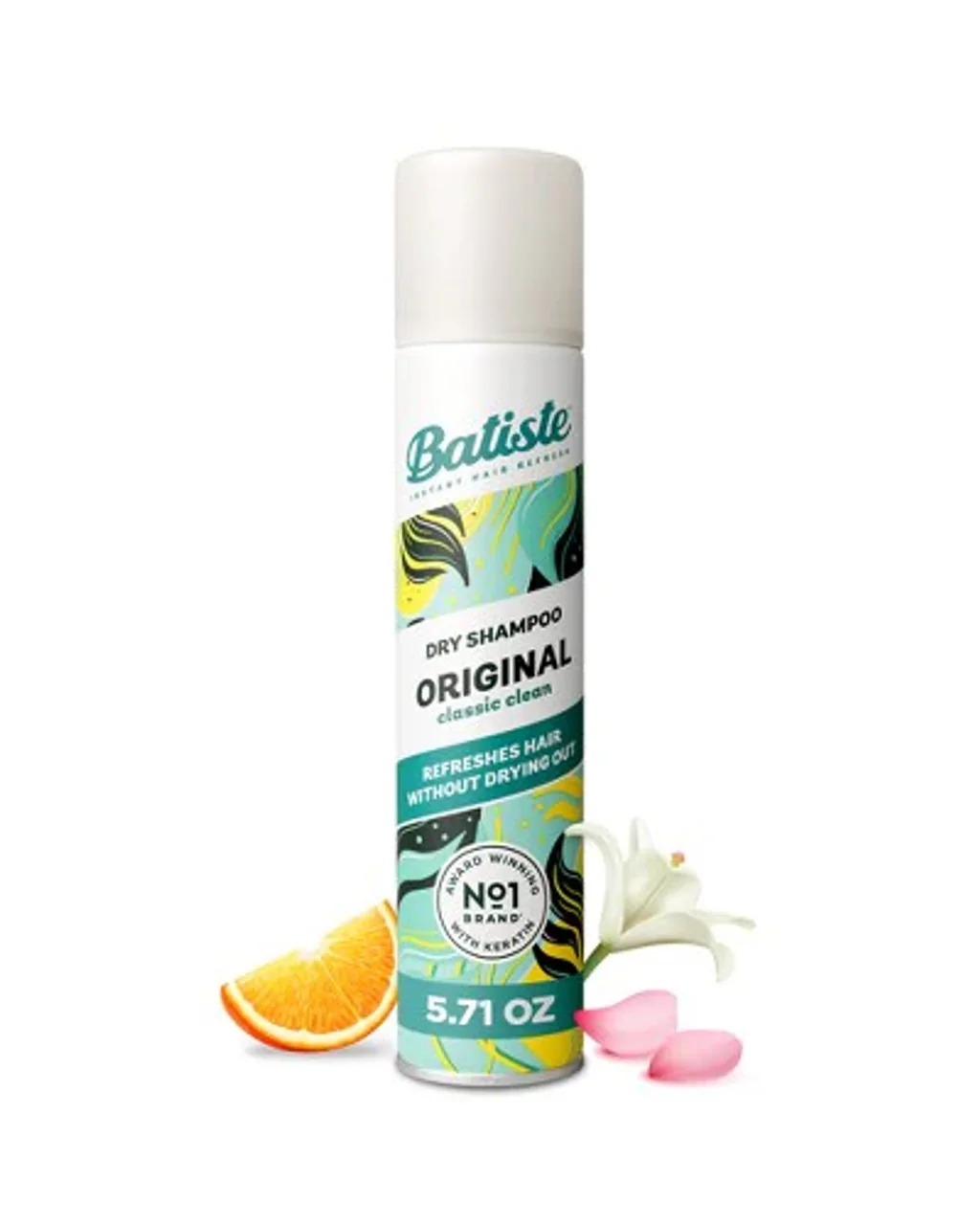
The drugstore icon (around $9) — light, effective oil absorption that stretches a wash for a fraction of the price. Best for: everyday use without a premium price, or testing the format. Honest limitation: it can lean powdery and its scent is strong, so apply sparingly and from a distance to avoid a white cast on darker hair.
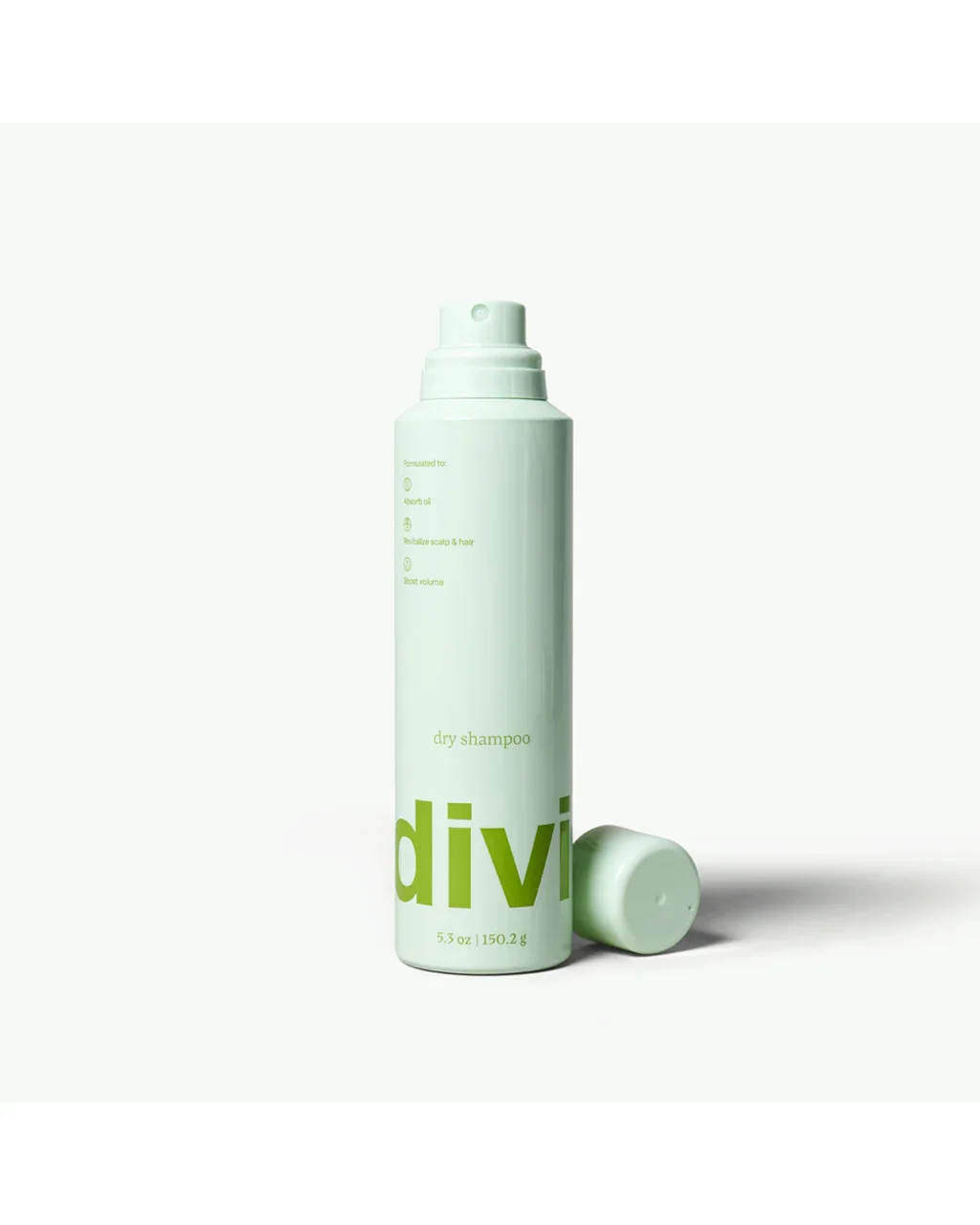
A scalp-first, low-fragrance dry shampoo from a brand built around scalp health — minimal and gentle for scalps that get itchy or irritated with heavier formulas. Best for: fine hair with a reactive or flake-prone scalp. Honest limitation: gentle formulas absorb a little less aggressively, so you may need a touch more — and even gentle dry shampoo shouldn't be layered for days without washing.
How to use dry shampoo so fine hair looks fresh, not chalky
Apply before your hair looks greasy, not after — it's far better at preventing oil buildup than rescuing a fully oily scalp. Part your hair in a few sections, hold the can a hand's width from the roots, and mist lightly along each part. Then wait a minute so it absorbs, massage it in with your fingertips, and brush through or blast the roots with cool air to clear any cast and lift the crown.
For maximum day-two volume, flip your head and cool-blast the roots after massaging. And when you do wash, rinse thoroughly — leftover dry shampoo is buildup, and buildup flattens fine hair, the same principle behind picking the right shampoo for fine hair.
When dry shampoo isn't the answer
Your scalp is itchy, flaky, or tender. That's a sign to wash, not to add more dry shampoo — buildup can worsen scalp irritation.
You're on day three or four without washing. Dry shampoo bridges a day, not a week; fine hair and scalps do best with regular cleansing.
Your roots are already coated with product. Dry shampoo on buildup compounds the weight — wash and reset instead.
You want lasting volume, not just a refresh. Dry shampoo revives lift briefly; real volume comes from the cut and blow-dry — see how to add volume to fine hair.
FAQ
Yes — dry shampoo is one of the most useful products for fine hair, because it absorbs the scalp oil that coats and flattens fine strands fastest, and adds grip that revives root lift between washes. The catch is formula and technique: heavy or over-applied dry shampoo leaves chalky buildup that flattens fine hair, so use a lightweight formula, spray from a distance, and let it absorb before massaging in.
Not in normal use, but overusing it as a wash replacement can. Layering dry shampoo day after day without washing builds up on the scalp and can lead to irritation and clogged follicles. Used as an occasional between-wash refresh — applied to the roots, absorbed, then brushed or massaged through, and washed out regularly — it's a safe and effective tool for fine hair.
Three rules: hold the can a hand's width from the scalp, use less than you think, and let it sit a minute before massaging it in so it absorbs rather than sits on top. Apply in thin sections at the roots only, and finish by brushing through or blasting with cool air. Chalkiness comes from too much product too close to the scalp — light and patient beats heavy and fast.
Yes, in two ways: it absorbs the oil weighing the roots down, and it adds texture and grip between strands so the roots stand up. That's why it doubles as a volume tool, not just an oil absorber. For the most lift, spray it at the roots, massage in, then flip your head and blast with cool air. It won't match a fresh root-first blow-dry, but it revives day-two volume in minutes.
Aerosol sprays are easier to distribute lightly and evenly, which suits fine hair and beginners — most people find them the most foolproof. Powder (non-aerosol) dry shampoos give more control and skip propellants, but take a lighter, more careful hand to avoid clumping at the roots. For fine hair, a lightweight aerosol is the everyday pick; a powder is a good low-waste alternative if you apply it slowly.
Treat it as a one-to-two-day bridge between washes, not a substitute for washing. Because fine hair gets oily fast and often needs washing every 1–2 days anyway, dry shampoo usually buys you a day. Using it more than a couple of days in a row invites buildup and scalp issues. When you do wash, rinse thoroughly to clear the residue so it doesn't flatten your next style.
Fourteen years in hair — eight behind the chair, six in editorial — with a focus on scalp health and the science of fine, flat-prone hair. Megan reviews product formulas the way she'd read a label for her own clients: weight first.
Results vary with hair type, density, and growth patterns. This guide is educational and not a substitute for an in-person consultation with a licensed stylist.
Get the good hair intel
One honest, stylist-written guide in your inbox each week. No hype.

 MH
MH