Reviewed by Tara Sullivan · Updated August 2026 · 9 min read
Rollers are the most underrated volume tool fine hair has, and the reason has nothing to do with how hot they get. Hair sets when the bonds inside it re-form as the strand cools, and a roller is the only tool that holds the hair in the shape you want for the whole cooling window — a curling iron lets go while the section is still hot, which is exactly why fine hair drops out of an iron curl by lunchtime.
Rollers also sit against the scalp and lift the root, which no iron can do. Below are six picks by job — best overall hot rollers, best budget, best full set, best self-grip for crown lift, best heatless, and the gentlest heat for fragile hair — each with an honest limitation, plus the roller size that produces volume rather than ringlets.
Every product here is chosen independently, on the merits — what genuinely suits fine, thin hair. Links go to each brand's official page, and we don't take payment for placement. Price tiers are rough guides because prices change.
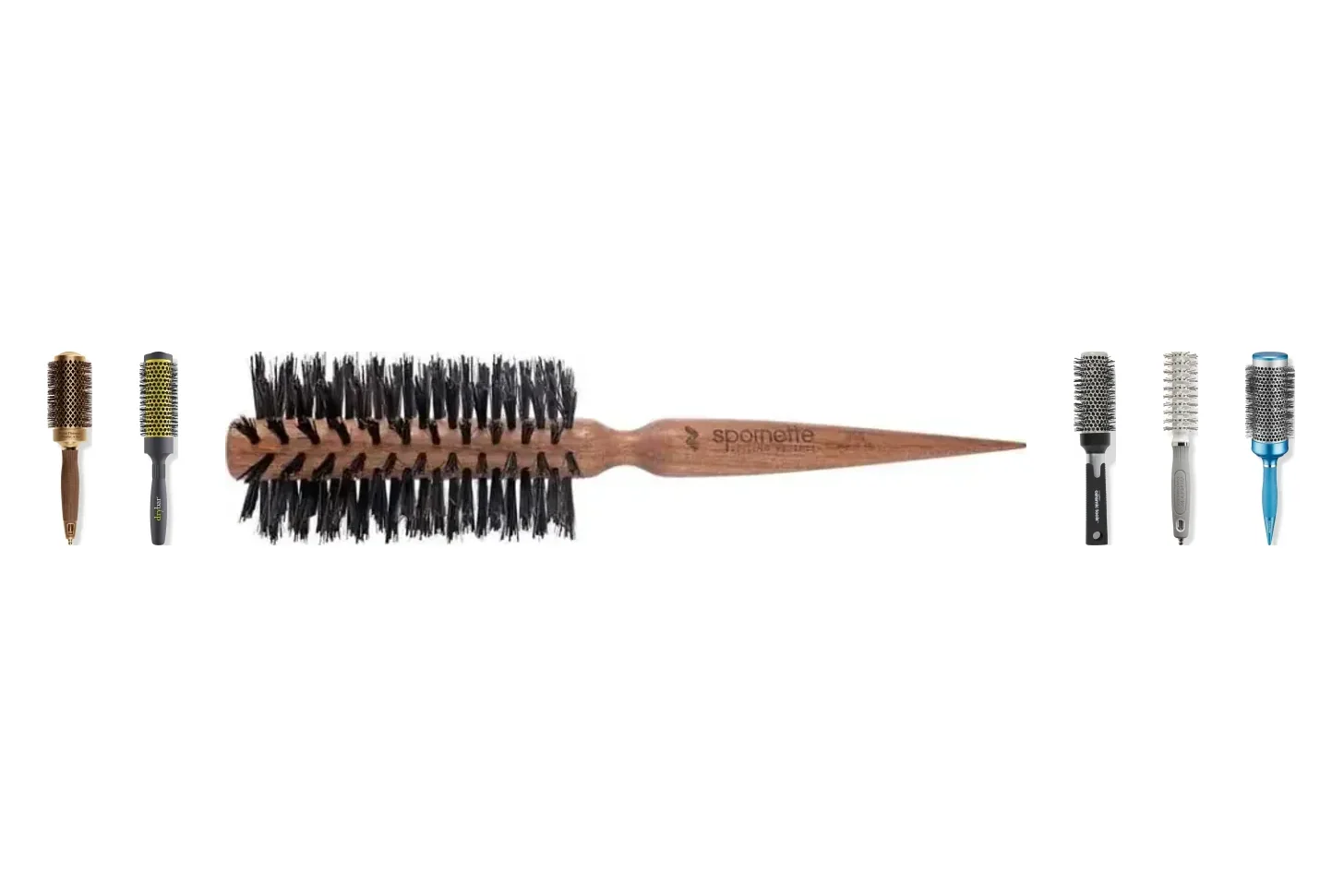
Our six picks, one per job. Product images courtesy of the brands.
Chair-side note
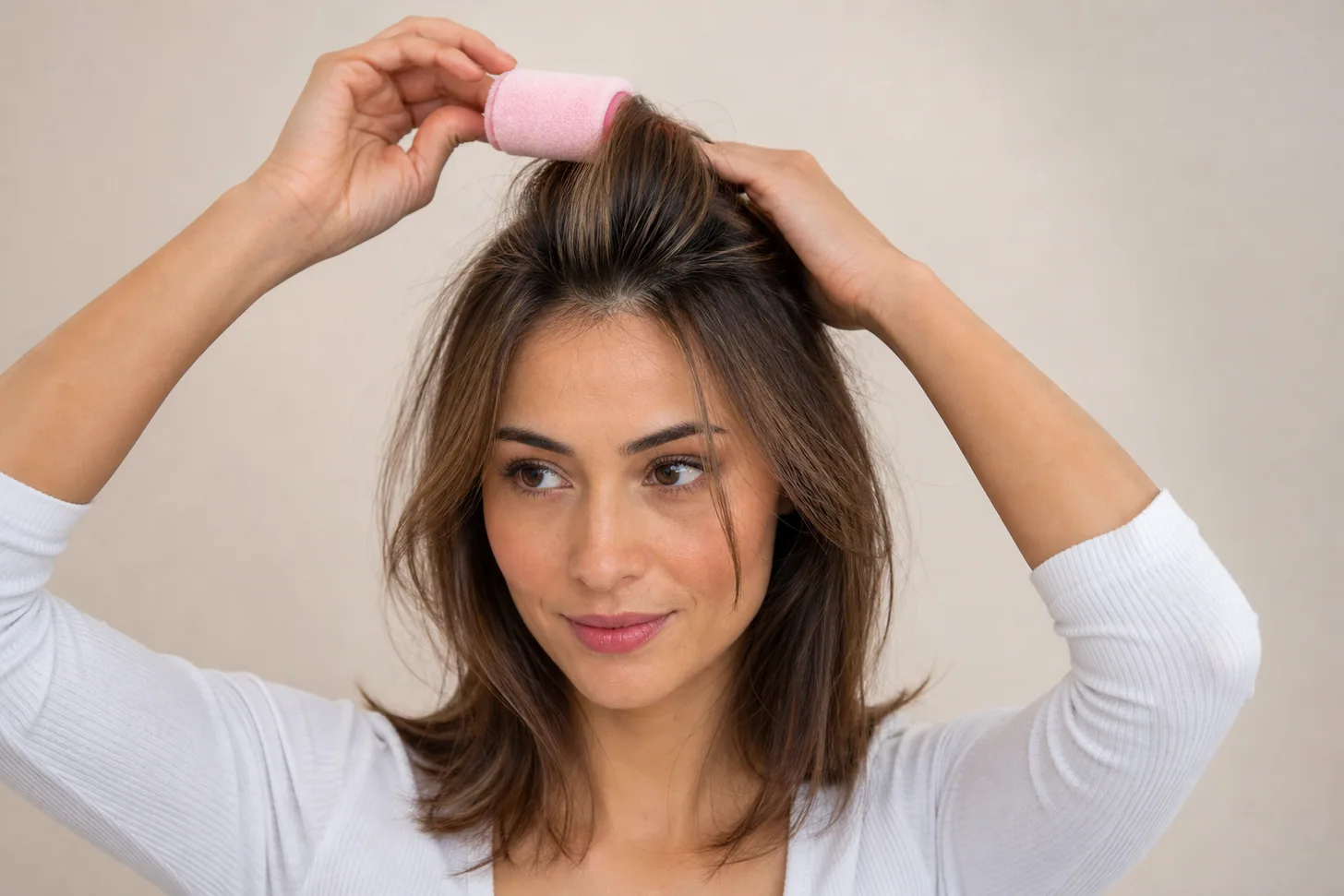
I put a set of large rollers in the top of a client's hair at the end of nearly every blow-dry, and I have never had one ask me to stop. They go in while the hair is still warm from the dryer, they stay in while I do her ends and her hairline and she checks her phone, and they come out ten minutes later.
The difference in the mirror is bigger than anything I could have done with a product. Clients always ask what I used. Nothing — I just stopped the roots from collapsing while they cooled. That's the entire trick, and it's free, and almost nobody does it at home.
SB
— Simone Baptiste, Senior Stylist
Why rollers outperform an iron on fine hair
Heat styling works by temporarily breaking the hydrogen bonds that hold a strand in its shape, and those bonds re-form as the hair cools and dries. The shape the hair is in at the moment it cools is the shape you get.
This is the mechanism behind everything in how to curl fine hair so it actually holds, and rollers are its purest expression: the hair is wound, heated, and then left in that exact position for the entire cooling period.
A curling iron cannot do this. The section is released hot, and on fine hair a hot curl immediately starts dropping under its own weight before the bonds have reset. You can compensate by pinning each curl up to cool — which is genuinely effective and which almost nobody has the patience for — or you can simply use the tool that does it automatically.
The second advantage is root lift. A roller sits flush against the scalp and holds the section vertically while it cools, so the hair dries standing up rather than lying down. No iron, no matter how it is angled, can lift a root.
On fine hair, where flatness at the crown is usually the actual complaint, that is worth more than the curl. Rollers are the least fashionable and often the most useful thing in a fine-hair kit — the rest of it is in styling tools for fine hair.
Size is the setting that decides volume vs curl
Roller size
What it produces
Where to use it on fine hair
1.5–1.75"
Lift and a soft bend, almost no curl
Top, crown, and front — the volume zone
1–1.25"
Soft waves with body
Sides and mid-lengths, for shape
0.75" and under
Defined curl that collapses as it falls
Rarely — only for a deliberate vintage set
The instinct with fine hair is to reach for smaller rollers, on the theory that a tighter curl will hold better. It does the opposite: a tight curl on fine hair reads as sparse ringlets, and as it relaxes over the day it drops into limp waves with no root height left. Big rollers on the top of the head and medium ones through the sides is the configuration that makes fine hair look like there is more of it.
Direction matters too. Roll the top and crown sections straight back and up, so the hair dries standing away from the scalp, and roll the sides away from the face. Rolling the crown down toward the head produces a neat set with no height, which defeats the point.
The best rollers for fine hair, by job
One honest pick per job. Hot rollers for a proper set, velcro for ten-minute lift, heatless for hair you would rather not heat at all.
1
Best overall: T3 Volumizing Hot Rollers Luxe
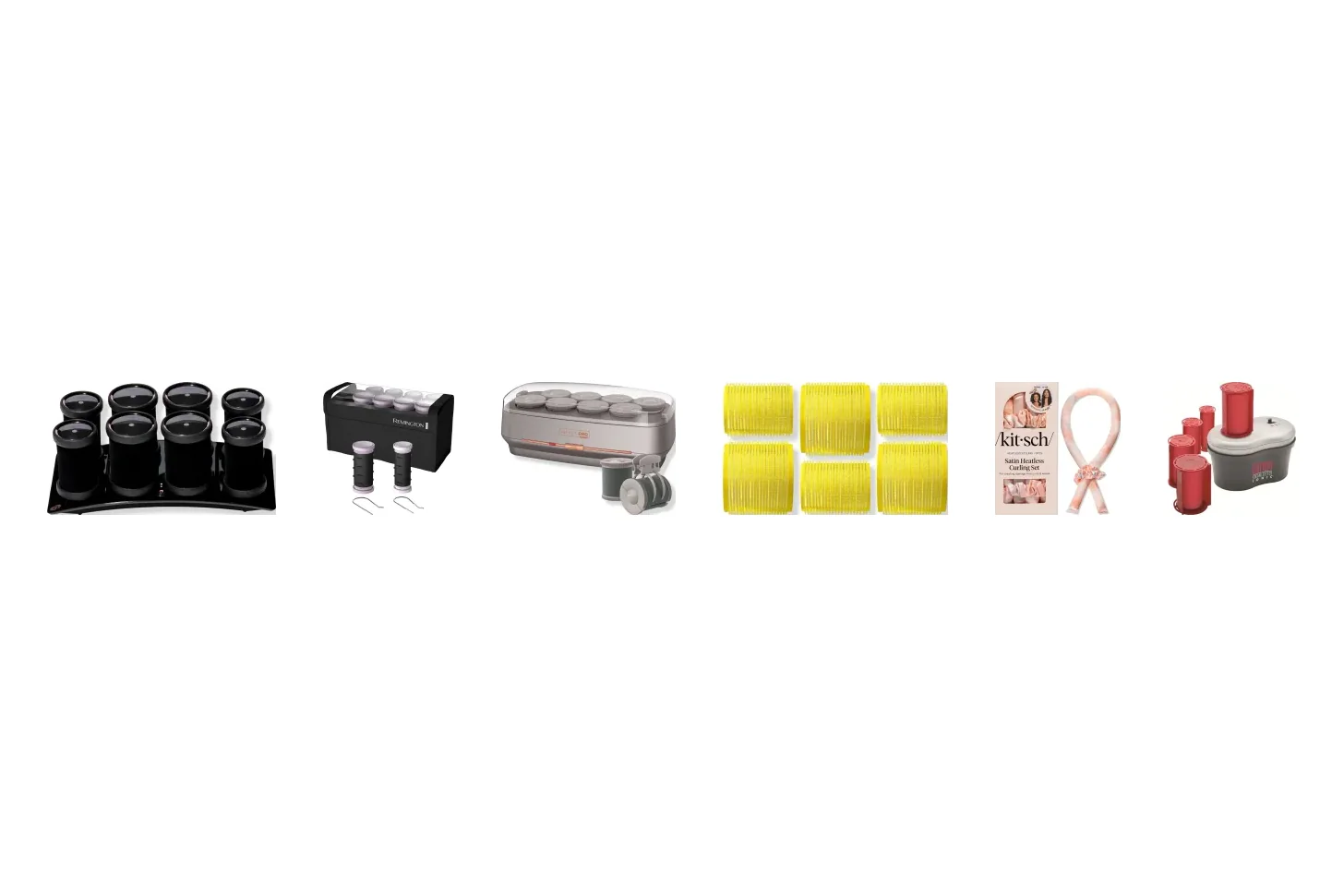
Eight rollers in two large sizes, velvet-flocked so they grip a fine section without the tearing you get from bare plastic, and — the specification that actually matters here — dual temperature settings. Most hot roller sets have one heat level, calibrated for average hair, which is more than a fine strand needs; being able to run the lower setting is what makes this a fine-hair tool rather than a compromise. Best for: a proper volume set on fine hair, and for anyone who wants a blowout-like result without a round brush. Honest limitation: it is the most expensive way to buy rollers by a wide margin, and eight rollers covers the top and crown rather than a full head of long hair.
Best budget: Remington Compact Ionic + Ceramic Hot Rollers
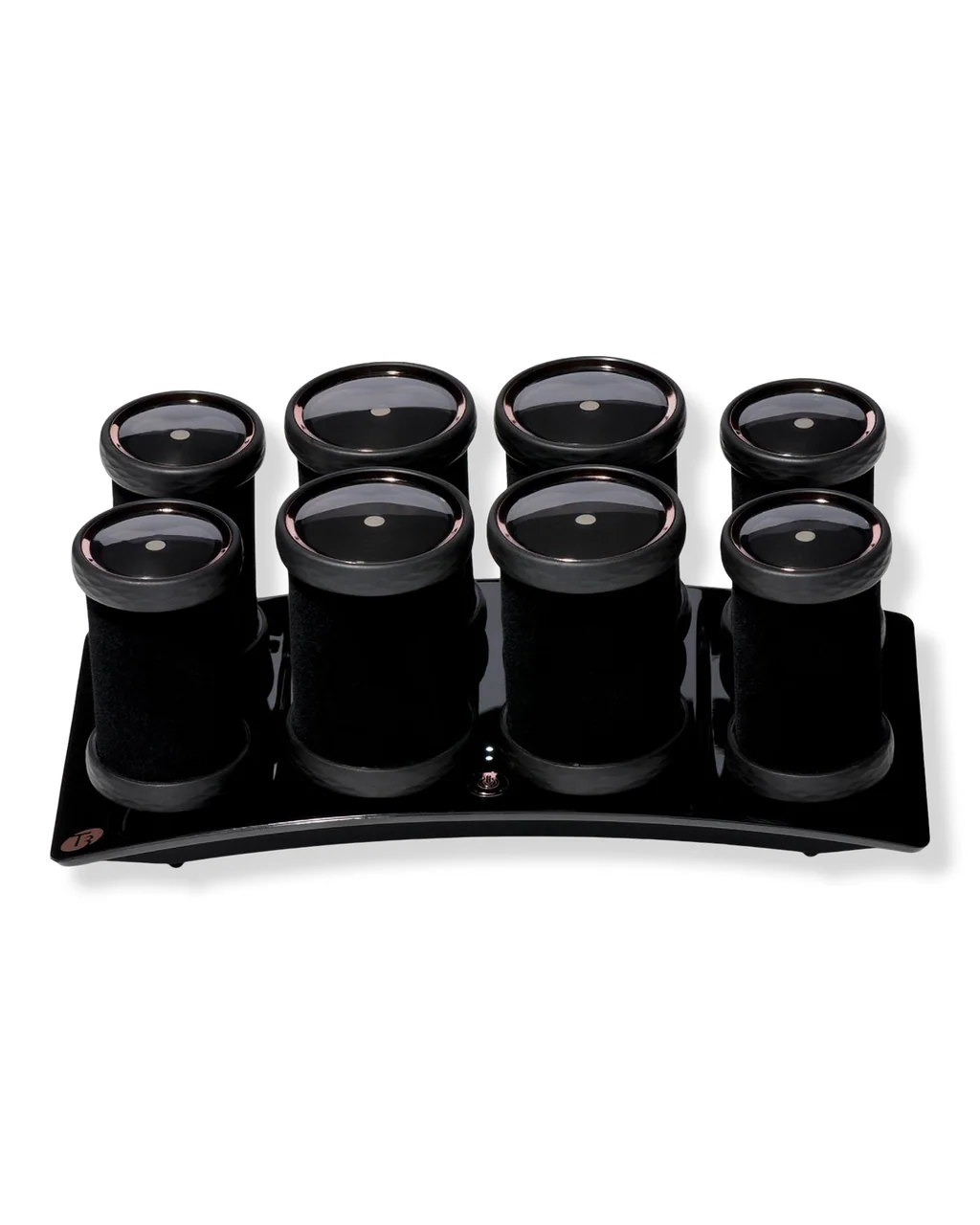
Ten rollers in two useful sizes — large and medium, exactly the two a fine head wants — heating in about 90 seconds, at a price that makes this an easy thing to try rather than a commitment. Ceramic gives more even heat transfer than bare metal, which on fine hair means fewer hot spots and less need to hold a section against the roller for long. Best for: finding out whether rollers suit you, travel, and anyone who wants crown volume twice a week without a premium tool. Honest limitation: a single heat setting, so you manage the exposure by winding quickly and not over-holding rather than by turning it down.
Best full-head set: INFINITI PRO by Conair Ceramic Flocked Hot Rollers
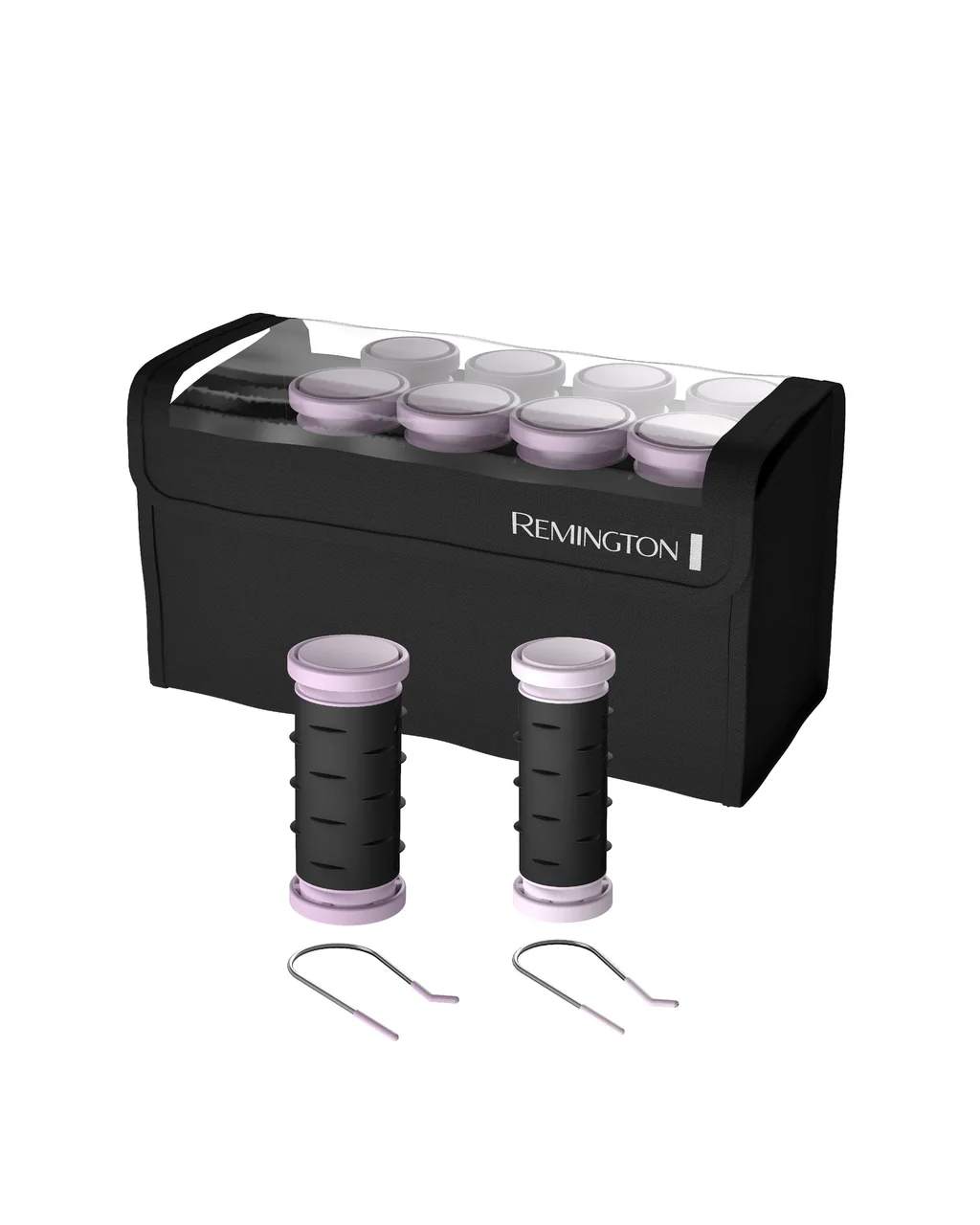
Twenty flocked ceramic rollers, ready in around 85 seconds — the set to buy if your fine hair is long and eight rollers leaves two-thirds of your head untouched. The flocking is the part worth paying attention to: a soft-surfaced roller lets a fine section wind smoothly and unwind without snagging, where hard plastic tends to catch and drag. Best for: long fine hair, full sets, and occasion styling where you want the whole head done. Honest limitation: twenty rollers is a lot of winding and a genuine 20-minute commitment, and the set includes small sizes that fine hair should mostly leave in the case.
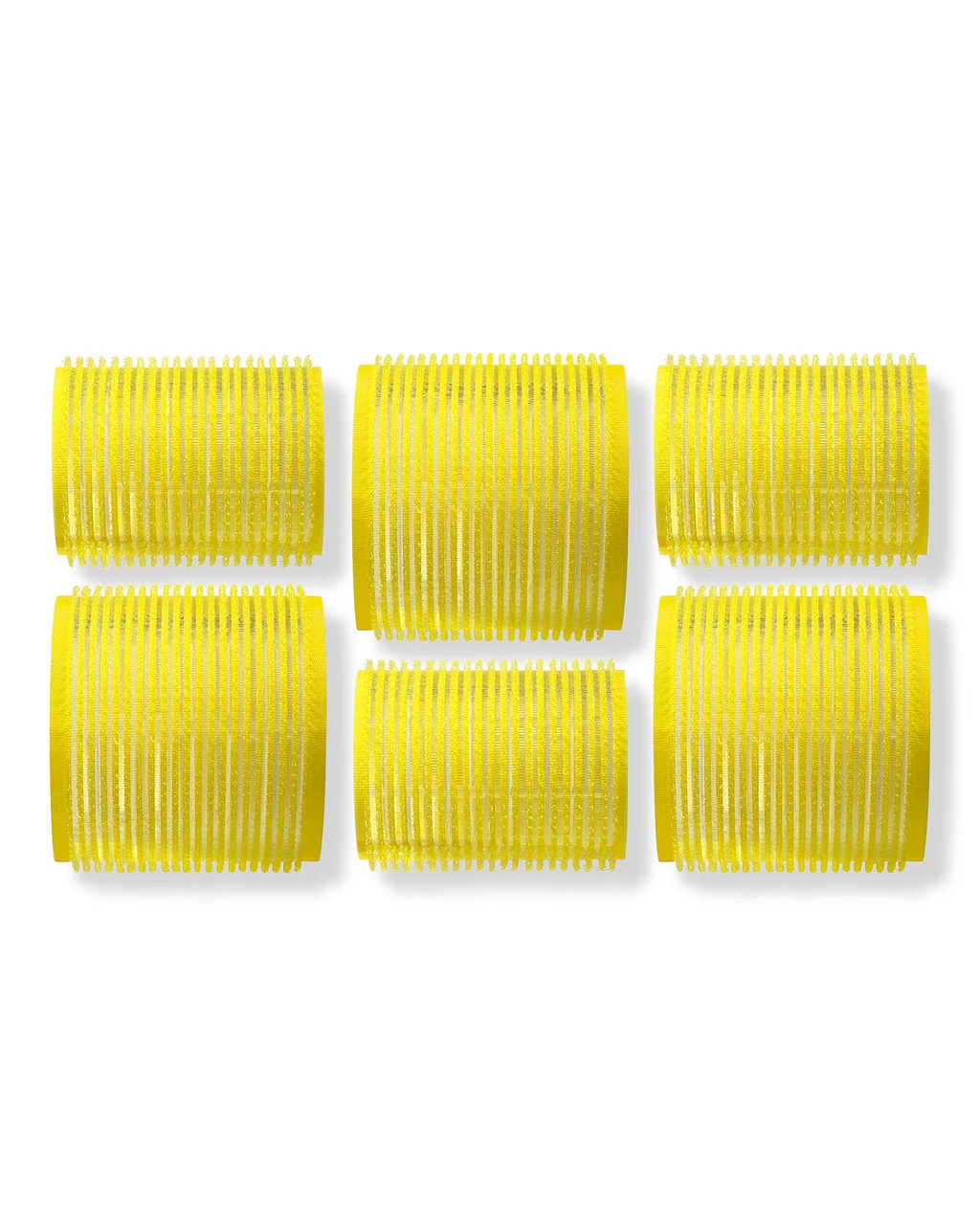
Best for ten-minute crown lift: Drybar High Tops Self-Grip Rollers
Three medium and three large self-grip rollers that stay put without pins or clips, designed to be rolled into hair that is still warm from a blow-dry and left for 10 to 15 minutes. This is the salon trick that produces the biggest visible difference for the least effort on fine hair, and it costs nothing in extra heat because it uses the warmth already in the hair. Best for: crown volume after your usual blow-dry, and for anyone who wants one habit rather than one more appliance. Honest limitation: self-grip hooks can catch fine hair — unwind slowly in the direction of the wrap, and don't leave them in until the hair is bone dry and static.
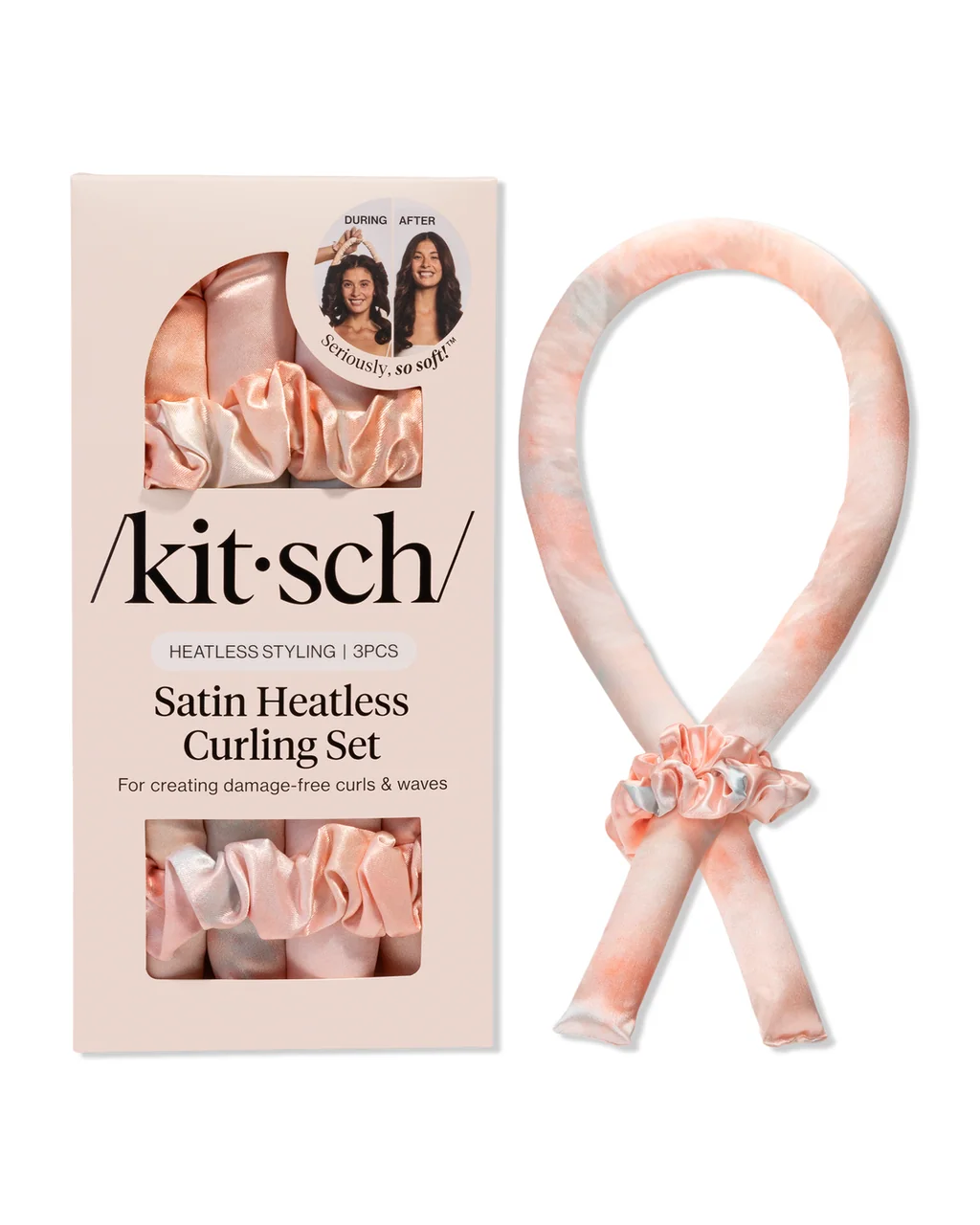
A satin-wrapped foam rod you wind damp hair around and secure with scrunchies overnight — no heat, no breakage, and satin rather than cotton so the surface glides instead of gripping and roughing up the cuticle. Fine hair takes a damp-to-dry set unusually easily, which is why heatless methods punch above their weight here and why this is the right tool if your hair is also colored or fragile. Best for: soft overnight waves with real root lift, and anyone cutting back on heat. Honest limitation: hair must be barely damp rather than wet or it won't be dry by morning, and the result is softer and less predictable than a hot set — see heatless volume for fine hair for the technique.
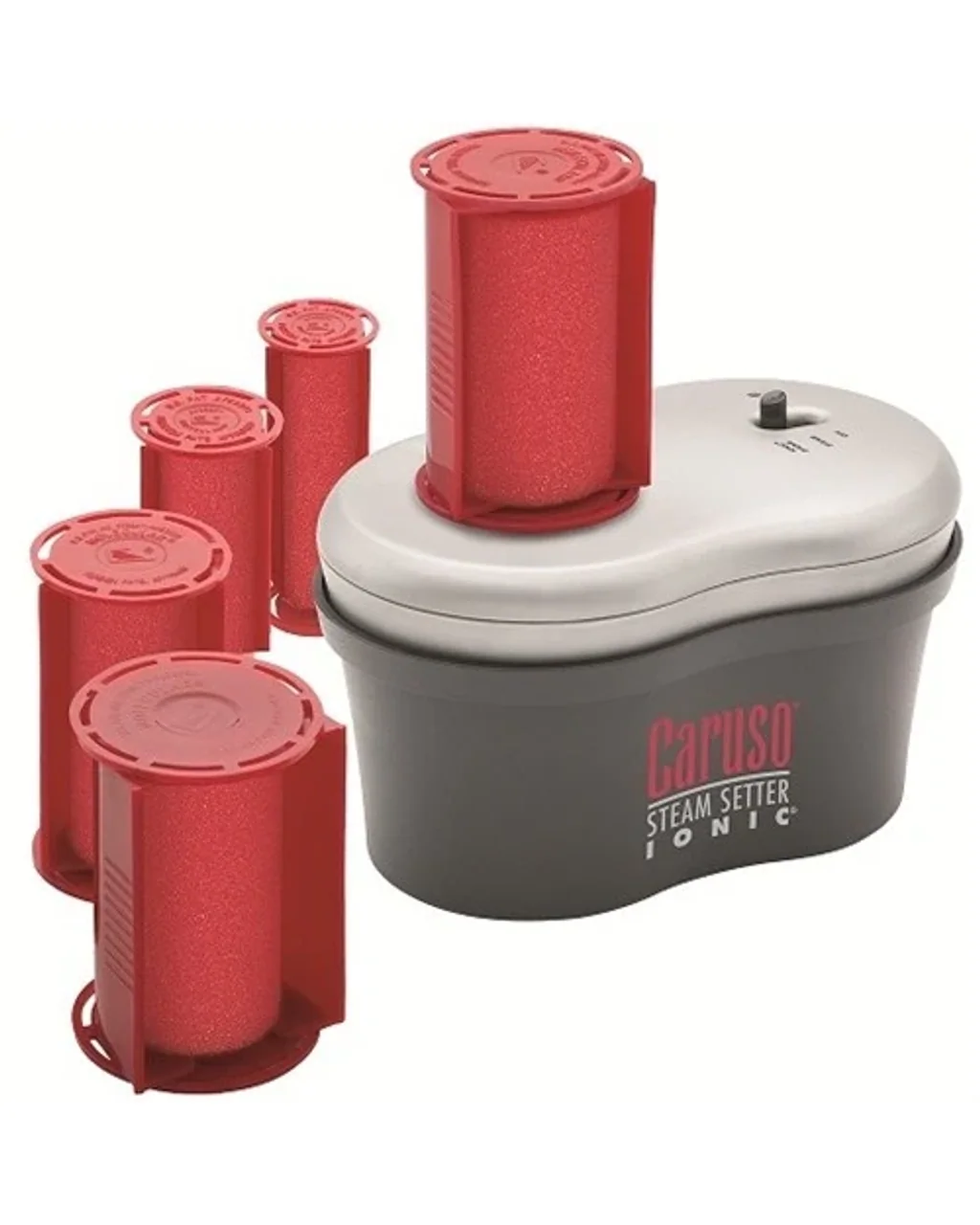
A different approach worth knowing about: instead of dry heat, the rollers are steamed, so the set is created with moist heat at a lower temperature. On fine hair — which reaches its heat limit sooner than coarse hair because there is less mass to absorb the energy — that trade is genuinely attractive, and the sets tend to last well because the hair is properly damp when it takes the shape. Best for: fine hair that's colored, dry, or has had enough of hot tools, and for anyone who sets their hair often. Honest limitation: it's a bulkier, slower system with a steam base to fill and heat, the 30-roller set includes sizes fine hair won't use, and steam adds moisture you'll want to let settle before brushing out.
Hot rollers or heatless curlers? The honest split on fine hair
Most people arrive at this page calling all of them curlers, and then have to pick between three things that work in genuinely different ways. The decision comes down to what you are willing to spend — in heat, or in time.
One thing worth knowing before you choose, because almost no hot roller set says it on the box: the great majority of hot roller sets run at a single fixed temperature with no control at all. That matters more on fine hair than on any other type, because a fine strand has less mass to absorb the same amount of heat, so it reaches the temperature at which keratin starts to change sooner.
You cannot turn a standard set down. What you can control is contact time and repetition — wind once, let it cool completely, take it out, and resist re-rolling a section that did not take. A second pass through hot rollers is the part that does the damage, and it almost never fixes the set anyway; the problem was nearly always that the first pass came out warm.
Steam and ionic sets are the exception worth paying for if you set your hair often — they work at a lower dry-heat temperature because the moisture does part of the shaping, which is why one is on the list above as the gentlest heat option.
Type
What it costs you
What it's best at on fine hair
Time
Hot rollers
Cumulative heat, at a temperature you usually can't adjust
The strongest set and the most root lift, from dry hair, fast
20–30 min
Velcro rollers
Nothing on their own — they borrow the dryer's heat
Ten-minute crown lift while you finish getting ready
10–15 min
Heatless curlers
Time, and going to bed on damp hair
A softer, fuller-looking bend with no thermal cost at all
2 hr–overnight
The short version: if you set your hair once or twice a week, hot rollers are the better tool and the heat cost is manageable.
If you are setting it most days, alternate — heatless overnight two or three times a week, hot rollers when you need the set to be reliable. And if your hair is already fragile at the ends, start with heatless volume for fine hair and treat the hot set as the occasional option rather than the default.
How to set fine hair in rollers
The same drying-and-cooling rule governs the no-heat version of this — root clips for fine hair — and the difference between the two is what the length is doing while the root sets.
Seven steps. The fifth is the one everybody rushes, and it is the one that decides whether the set lasts.
Start on dry, cool hair. Hot rollers on damp hair steam the strand and set nothing. The exception is velcro rollers, which go into hair that's still warm from the dryer.
Prep with a light mousse or root lifter at the roots and a heat protectant through the lengths. Fine hair has very little grip of its own; a trace of product gives the set something to hold onto. Heat protection isn't optional — heat damage is cumulative and irreversible (American Academy of Dermatology).
Take sections no wider than the roller. A section wider than the roller can't wrap evenly and the middle never sets. On fine hair the sections should also be thin — you'll get more lift from six thin sections than three thick ones.
Roll the top back and up. Hold each crown section straight out from the scalp, or slightly forward of vertical, before winding. Rolling it down against the head produces a tidy set with no height.
Wait until completely cool. Fifteen to twenty-five minutes, and touch a roller to check — if there's any warmth left, the bonds haven't reset. This is the whole mechanism, and taking rollers out early is the single reason people believe rollers don't work on fine hair.
Unwind, don't pull. Release each roller in the direction it was wound. Dragging a roller out stretches a fine strand and undoes the set at the root.
Break the set with your fingers, then spray. Tip your head forward and shake the roots out with your fingertips rather than a brush; finish with a flexible hairspray after the shape is where you want it — see our hairspray picks for fine hair.
A roller set on fine hair usually looks best on day two, once the initial bounce has relaxed into body. If yours drops overnight, the fix is upstream — the wider method is in how to add volume to thin hair, and for a smoother, blow-dry-led finish see how to blow-dry fine hair for volume.
When rollers aren't your best move
You have ten minutes total. A set needs its cooling time. If you're rushing, a round-brush blow-dry gets you further — see our round brush picks.
Your hair is mid-way through a color correction or feels spongy when wet. Skip dry heat entirely for now. Heatless rods or nothing.
You want a defined, modern curl rather than body. Rollers give soft bend and lift by nature. A defined curl is a different technique — how to curl fine hair so it holds.
You're setting hair that's shorter than about three inches. There isn't enough length to wrap a large roller, and small rollers on short fine hair read as tight curl. Velcro rollers at the crown only.
The flatness is at the root and comes back within an hour. That's usually product buildup rather than a styling failure — a clarifying wash resets it.
FAQ
They're arguably the best volume tool fine hair has, and the reason is timing rather than heat. Hair holds a shape when the hydrogen bonds inside it re-form while the strand is cooling, and a roller is the only tool that keeps the hair in the shape you want for the entire cooling window — a curling iron releases the section while it's still hot, which is why fine hair drops out of an iron curl within the hour. Rollers also sit at the root and lift it, something no iron can do. The one rule is to use the lowest heat setting that works.
Large ones — roughly 1.25 to 1.75 inches. Big rollers produce a soft bend and lift rather than a defined curl, and lift is what fine hair is usually after. Small rollers make tight curls that look like ringlets on fine hair and collapse into limp waves as they fall. A practical setup is large rollers on the top and crown for height, medium through the sides for shape, and nothing smaller than an inch anywhere unless you specifically want curl rather than body.
Until the hair is completely cool to the touch, which is usually 15 to 25 minutes for hot rollers and rarely less than 10 even on a fine head. Cool isn't a suggestion — it's the mechanism. Take a roller out while the section is even slightly warm and the shape hasn't set, so it drops within minutes and you conclude that rollers don't work on your hair. If you're short of time, a blast of cool air over the rollers before you unwind them finishes the job faster.
Rollers, for volume and longevity; an iron, for a specific defined curl in a hurry. The iron's weakness on fine hair is that the curl is released hot and unsupported, so it begins collapsing under its own weight before the bonds have set. Rollers hold every section in shape while it cools, which is why a roller set on fine hair routinely lasts into a second day when an iron curl has gone by lunchtime. Rollers are also hands-free while they cool, so the total time is often less than it looks.
Very well for root lift, with one caveat. Self-grip rollers put in while the hair is still warm from a blow-dry hold the roots up while they cool, which is the cheapest volume in hair — no extra heat, no product, about ten minutes. The caveat is that the hooks can catch and tear fine hair if you unwind them carelessly or leave them in until the hair is bone dry and static. Unroll them slowly in the direction of the wrap, and choose larger, softer-hooked rollers over small aggressive ones.
They're gentler, and on fine hair they work better than they have any right to, because a fine strand takes a set from damp-to-dry easily without needing heat at all. Satin rods and soft rollers worn overnight give a soft bend and noticeable root lift with zero thermal cost, which matters if your hair is also colored or fragile. The trade-offs are honest: the result is softer and less predictable than a hot set, sleeping in them takes some getting used to, and hair must be barely damp rather than wet or it won't be dry by morning.
Yes, a small amount, and it should go in before drying rather than onto the finished set. A light mousse or root lifter through damp roots gives a fine strand something to grip with, and a heat protectant is non-negotiable before any hot roller touches the hair. What doesn't work is spraying hairspray onto the rollers or onto a warm set — it fixes the hair in a shape that hasn't finished cooling, and it leaves a crisp surface that reveals rather than disguises fine hair. Spray after the set is cool and brushed out.
Hot rollers give the stronger set and far more root lift, and they do it from dry hair in about half an hour — so if you set your hair once or twice a week, they are the better tool. The cost is heat you mostly cannot adjust, because the great majority of hot roller sets run at one fixed temperature, and a fine strand reaches damaging temperatures sooner than a coarse one because it has less mass to absorb the same heat. Heatless curlers cost you time instead: they need damp hair and two hours or a night, and the result is a softer bend rather than a defined curl, which on fine hair is often the more flattering finish anyway. If you set your hair most days, alternate between the two rather than picking one. And whichever you use, the rule that decides the result is the same — the hair has to be completely cool and dry before you unwind, because the shape sets as it cools, not as it heats.
Eleven years behind the chair, specializing in short shapes and fine-hair texture. Simone finishes almost every blow-dry with rollers in the crown, because cooling in shape is the only volume that lasts.
Results vary with hair type, density, and growth patterns. This guide is educational and not a substitute for an in-person consultation with a licensed stylist.
Get the good hair intel
One honest, stylist-written guide in your inbox each week. No hype.

 SB
SB