Reviewed by Tara Sullivan · Updated July 2026 · 8 min read
Texture spray is the finisher fine hair leans on hardest: it adds grip and separation with almost no weight, which is exactly what makes fine hair hold a style, keeps waves from dropping, and gives a shag or an updo something to grab.
The only way it goes wrong is grit — from a heavy, high-salt formula or an over-enthusiastic hand. Below are our stylist picks by category — everyday lightweight, matte volumizing, salt-free, sea-salt (low-salt), drugstore, and dry-texture hybrid — each with who it suits and one honest limitation.
Every product here is chosen independently, on the merits — what genuinely suits fine, thin hair. Links go to each brand's official page, and we don't take payment for placement. Price tiers are rough guides because prices change.
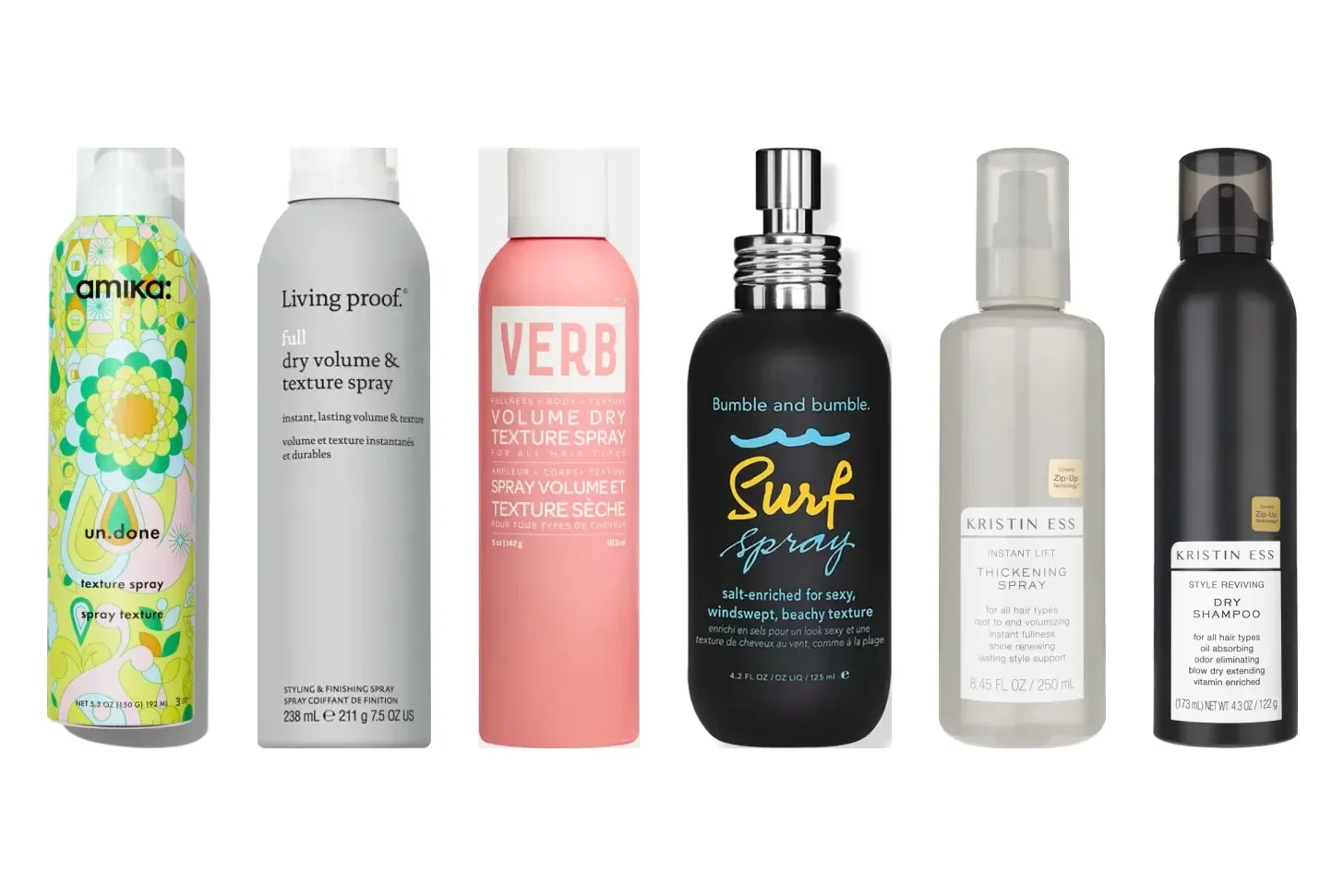
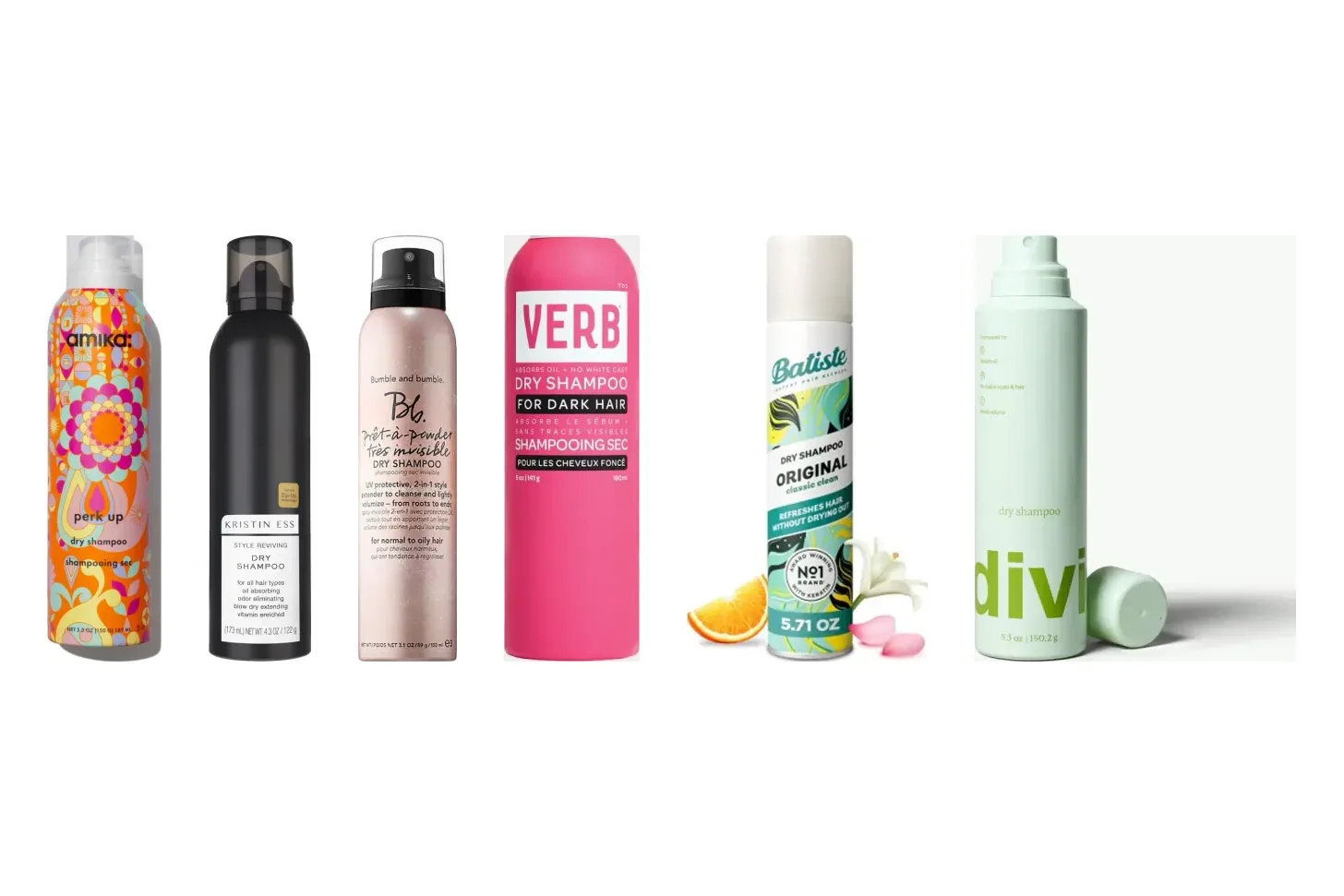
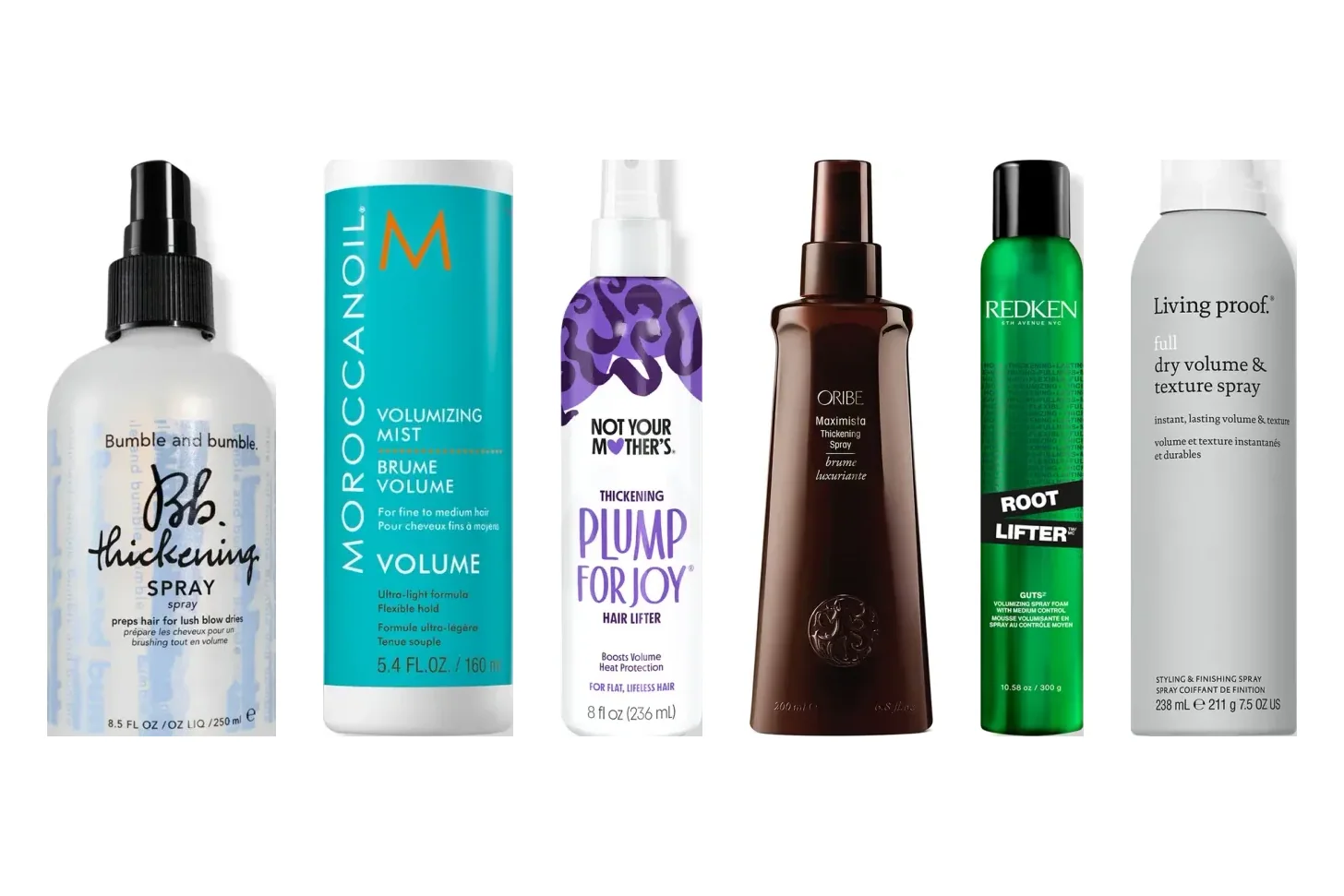
Our six picks. Product images courtesy of the brands.
Chair-side note
Texture spray is the product I most often see fine-haired clients under-use out of fear and over-use out of hope — rarely in between. Two light passes, scrunched in, is the whole trick: enough to give the hair grip so your style holds, not so much that it feels like straw.
It's a finisher, always on dry hair, always after the shape is built. If your waves fall out by noon or your updo slides, this — not more hairspray — is usually the missing step.
MH
— Megan Holloway, Editor-in-Chief
Why texture spray earns its place in a fine-hair routine
Texture spray and texturizing spray are the same product — brands use both names for it, and some label it "texturising mist" or "dry texture spray". Everything below applies whichever word is on the can. The one it is genuinely worth separating from is sea salt spray, which is covered further down.
Fine hair is slippery — the strands are smooth and light, so styles slide out and waves drop. Texture spray fixes that by very slightly roughening the surface and depositing lightweight grip, so strands hold onto each other and onto a shape.
That's why it shows up as the finisher in nearly everything we recommend, from daily styling to the modern shag (whose layers only look intentional with a little grip) and updos that hold. It's the difference between a blow-dry that lasts and one that falls by lunch — and it does it with far less weight than a cream or pomade.
What to look for on the label
Look for lightweight, flexible, matte, and a fine mist. Salt-free or low-salt formulas suit fine hair best — salt builds beachy texture but is drying, and dry fine hair is fragile. A workable, brushable finish beats a stiff one. If beachy texture is specifically what you're after, that's a different product with a different mechanism — we cover it in the best sea salt sprays for fine hair.
Be wary of heavy, high-salt sea sprays (drying and gritty on fine strands), sticky or sugar-heavy formulas, and anything that dispenses wet. If your hair also needs oil control, a dry-texture hybrid doubles as a light refresher — but for pure hold-and-separation, a dedicated lightweight texture spray wins.
If you want the gritty, beachy version of this rather than the dry-texture version, that is a different product with a different risk profile on fine hair — our picks for sea salt spray on fine hair cover the low-salt formulas worth using.
The best texture sprays for fine hair, by category
One honest pick per job. Match the category to what you want it to do — everyday hold, matte lift, beachy waves, or a two-in-one refresh.
1
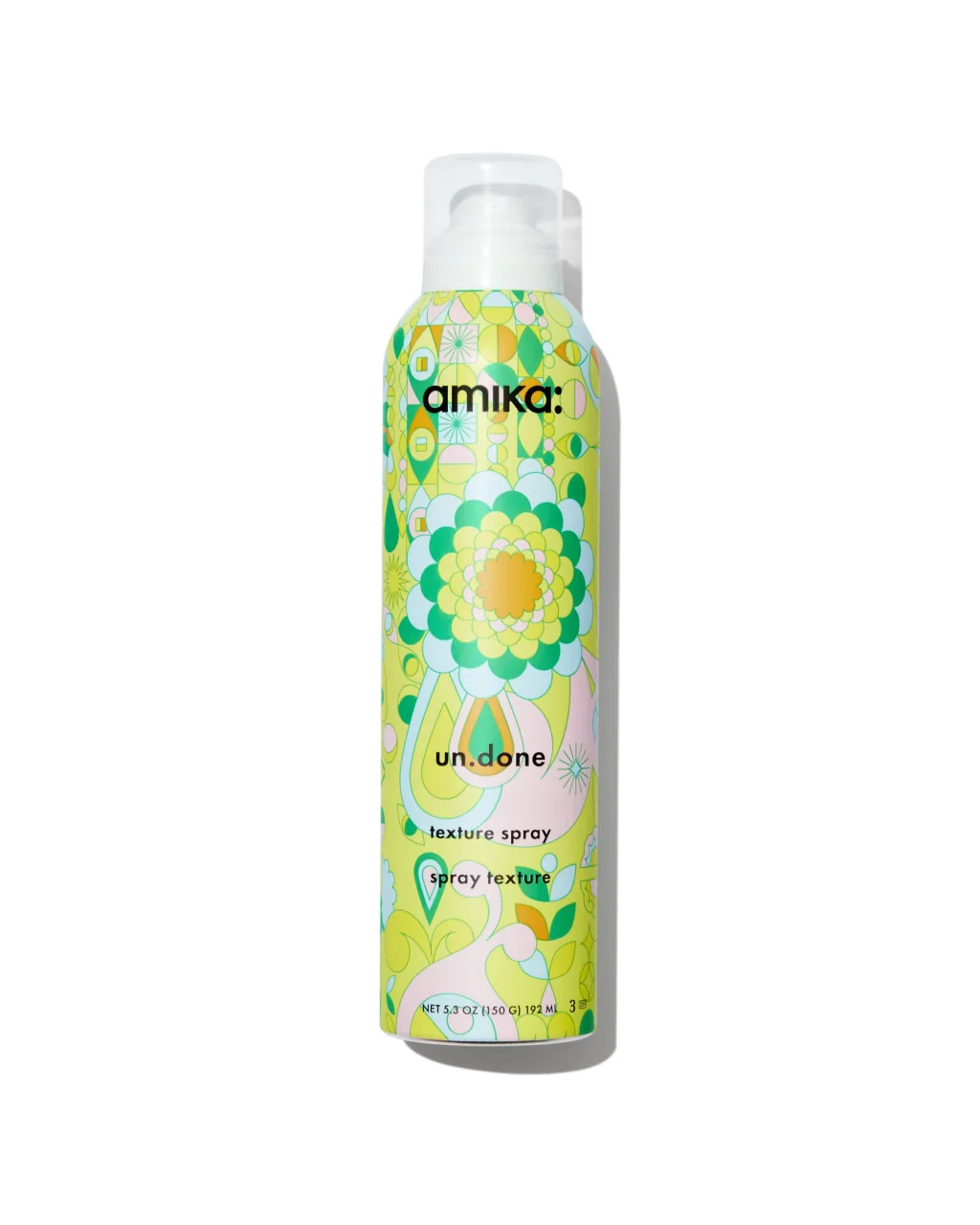
Best overall: amika Un.Done Volume & Matte Texture Spray
amika's cult, salt-free matte mist (rice starch + zeolite) that adds grip and separation while staying brushable — the daily finisher that makes fine-hair styles last. Best for: anyone who wants a blow-dry or waves to hold without stiffness. Honest limitation: it's a finisher, not a base — sprayed on flat, unstyled hair it adds grip but can't create volume that isn't there.
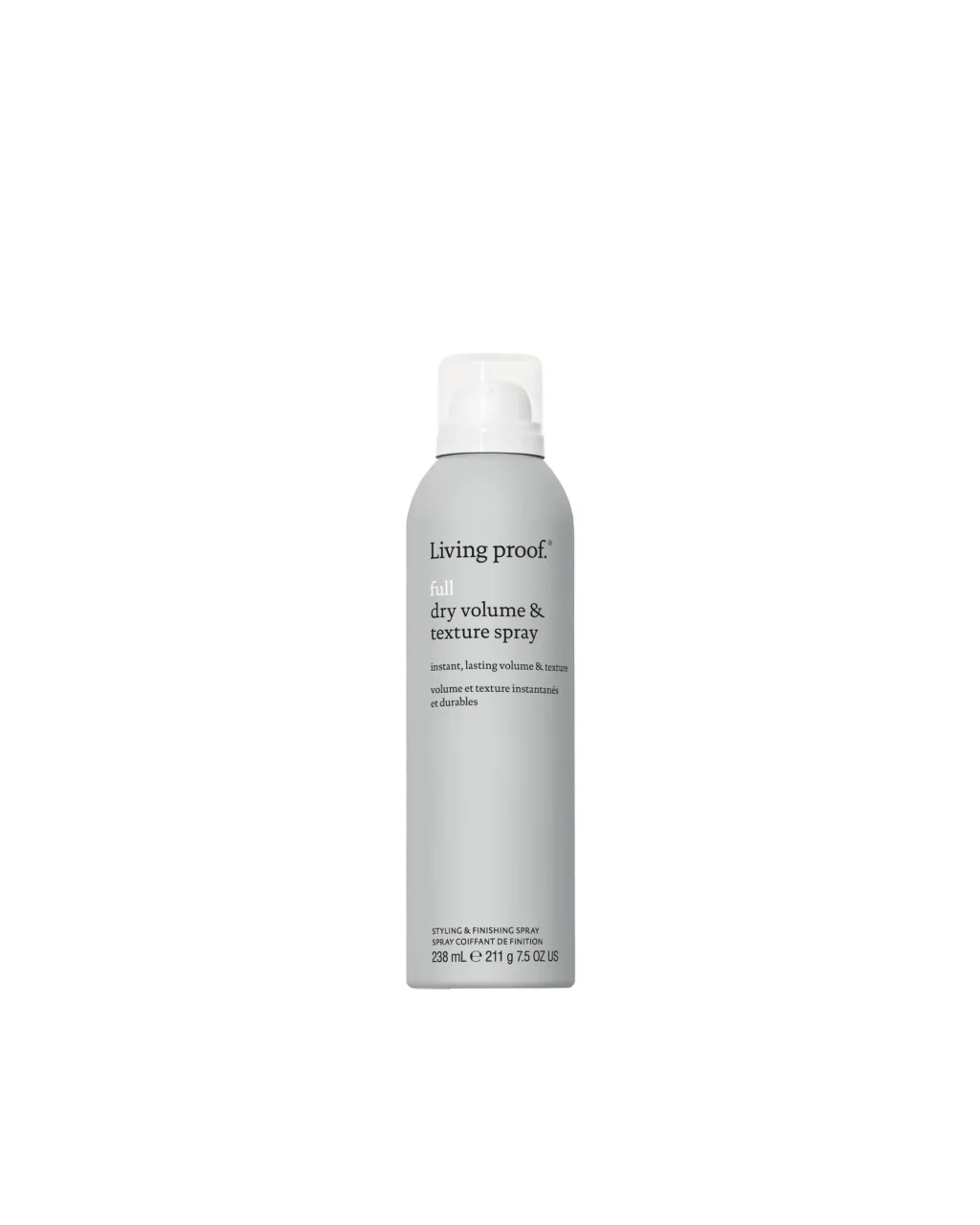
Best for lift: Living Proof Full Dry Volume & Texture Spray
A matte-finish formula that mimics the grip of clean, second-day hair, boosting root lift and piecey fullness. Best for: fine hair that wants both texture and a little more crown height at the finish. Honest limitation: matte formulas can build up faster; keep passes light and clarify occasionally so grip doesn't turn to grit.
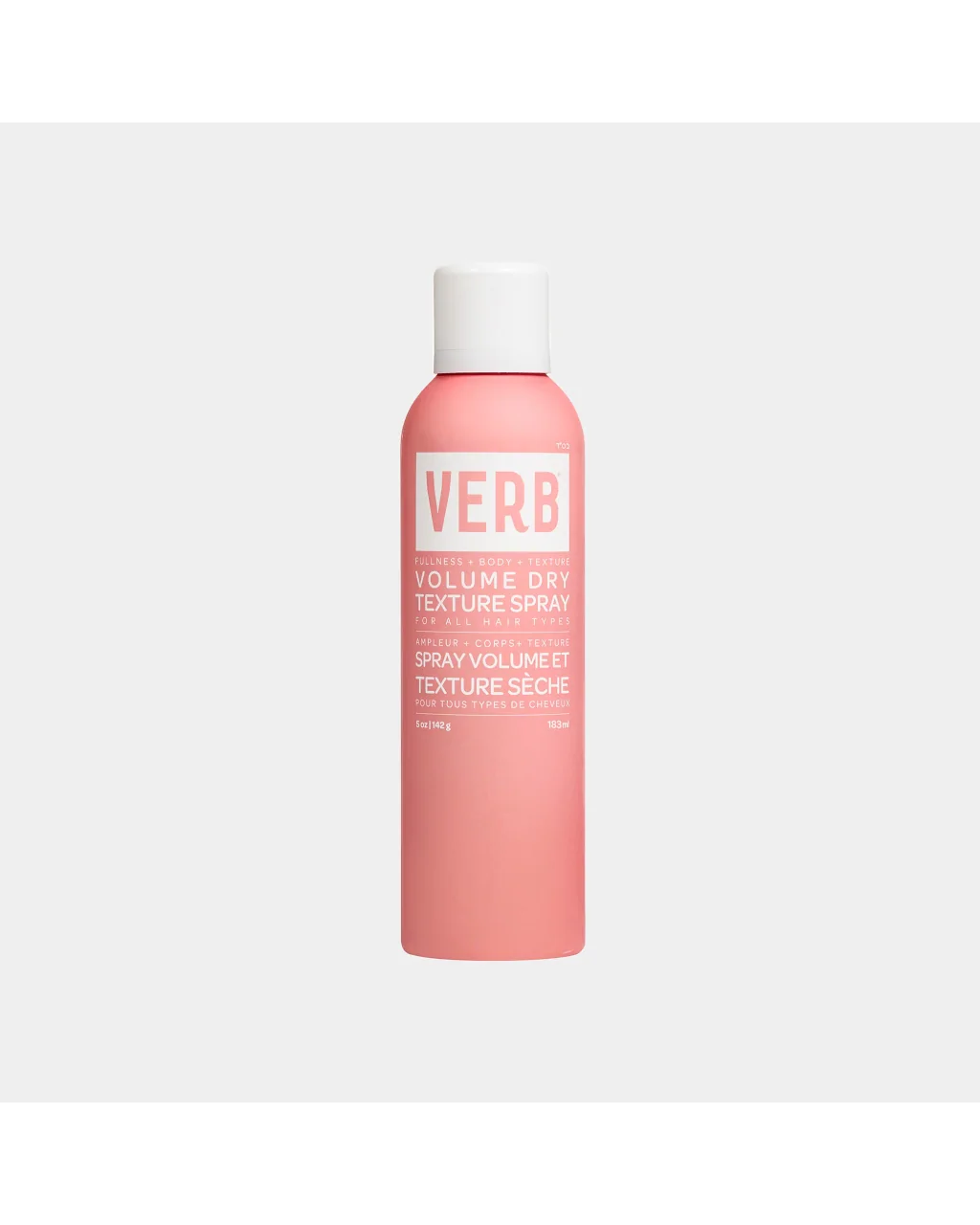
A dry texture spray built around volume rather than grit, with no salt in the formula — amaranth and hibiscus extracts plus biotin, which is the gentlest thing in this roundup to use every day. Verb rates the volume at up to 72 hours, and on fine hair the more useful claim is that it doesn't leave residue you have to wash out early. Best for: daily use on fine hair that's colored, dry or fragile. Honest limitation: without salt the tousled, beachy effect is much subtler — this builds fullness and separation, not waves.
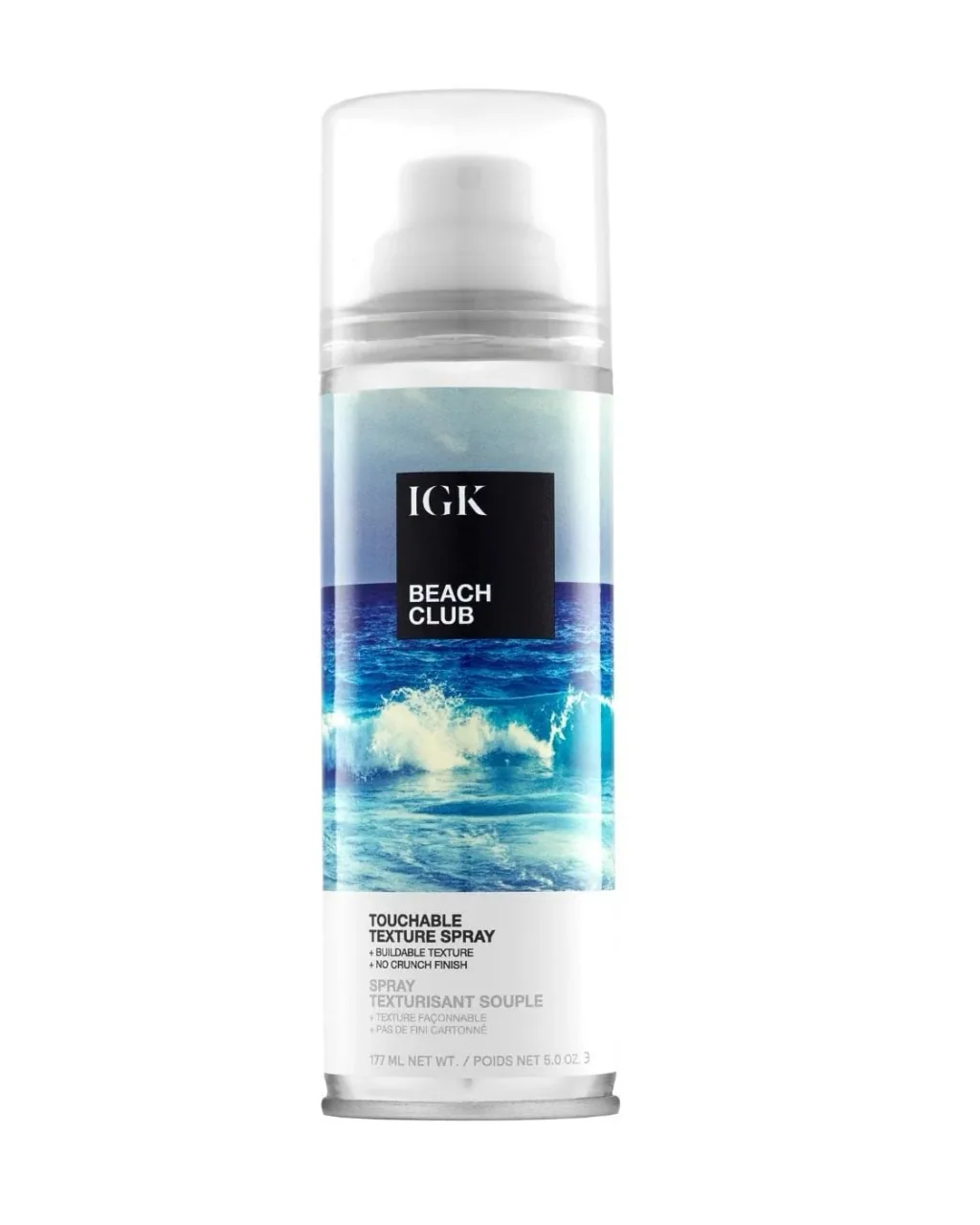
Best for beachy waves without salt: IGK Beach Club Texture Spray
The rare spray that delivers actual beach texture — grit, wave, hold — from a formula IGK states is salt-free, with glycerin and hydrolyzed wheat protein doing the work instead. That combination is unusual, and it's the reason this is the beach pick here rather than a conventional surf spray: fine hair gets the tousled finish without the drying agent that makes the finish expensive. Best for: fine wavy hair that wants beachy separation and can't afford the dryness. Honest limitation: it's the priciest spray on this list, and it's still a buildable grit product — two passes is plenty on fine hair, and a third turns it crunchy.
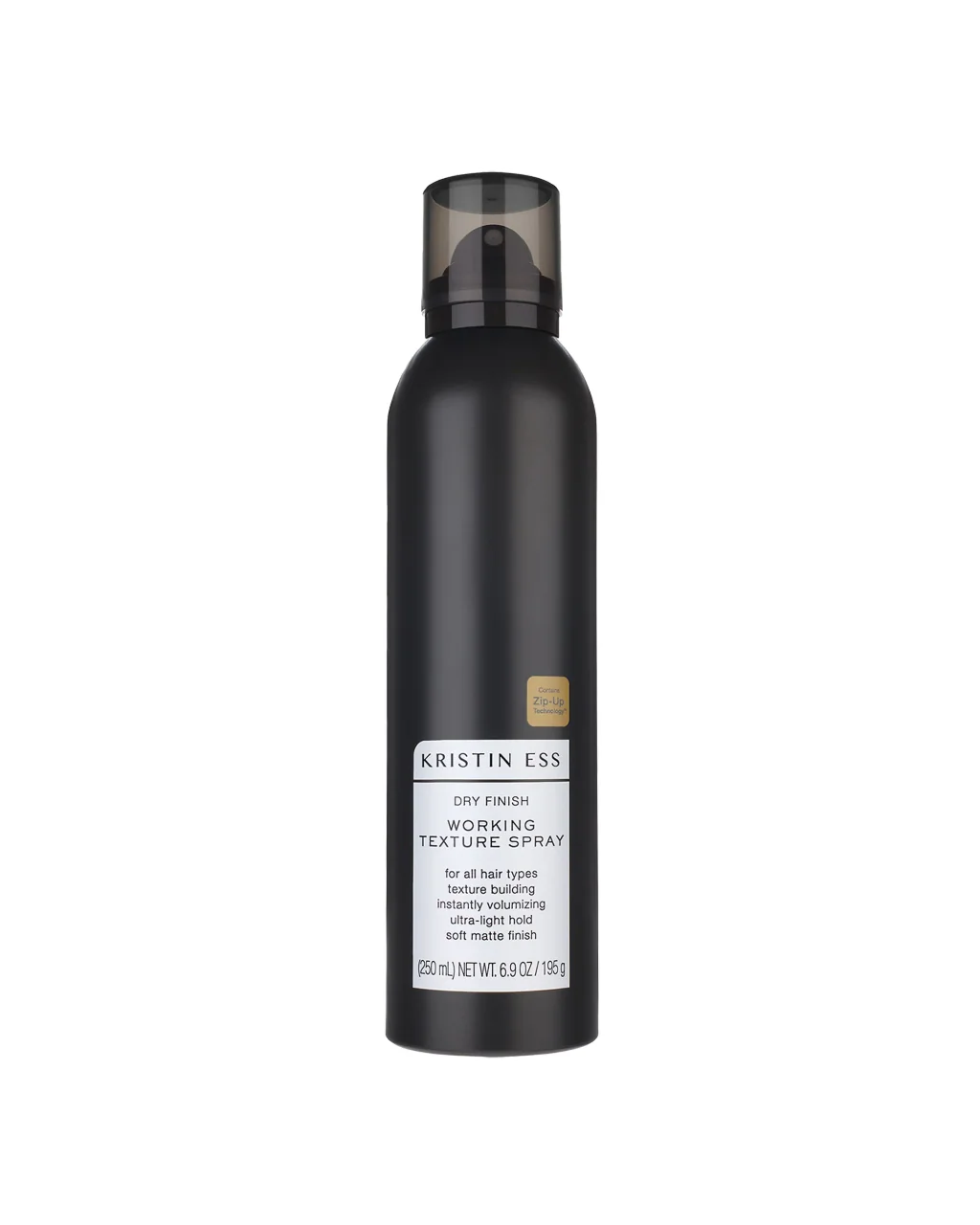
Best budget: Kristin Ess Dry Finish Working Texture Spray
A soft matte dry texture spray at a drugstore price, with no salt in the ingredient list and an ultra-light hold that suits fine hair better than most sprays twice its cost. The brand's own application note is the right one and worth repeating: apply a light veil, wait thirty seconds to judge it, and only then decide whether to add more. Best for: everyday texture without a premium price, and for anyone still working out how much they need. Honest limitation: the hold is genuinely light, so a style that has to survive a long day will want a hairspray over the top.
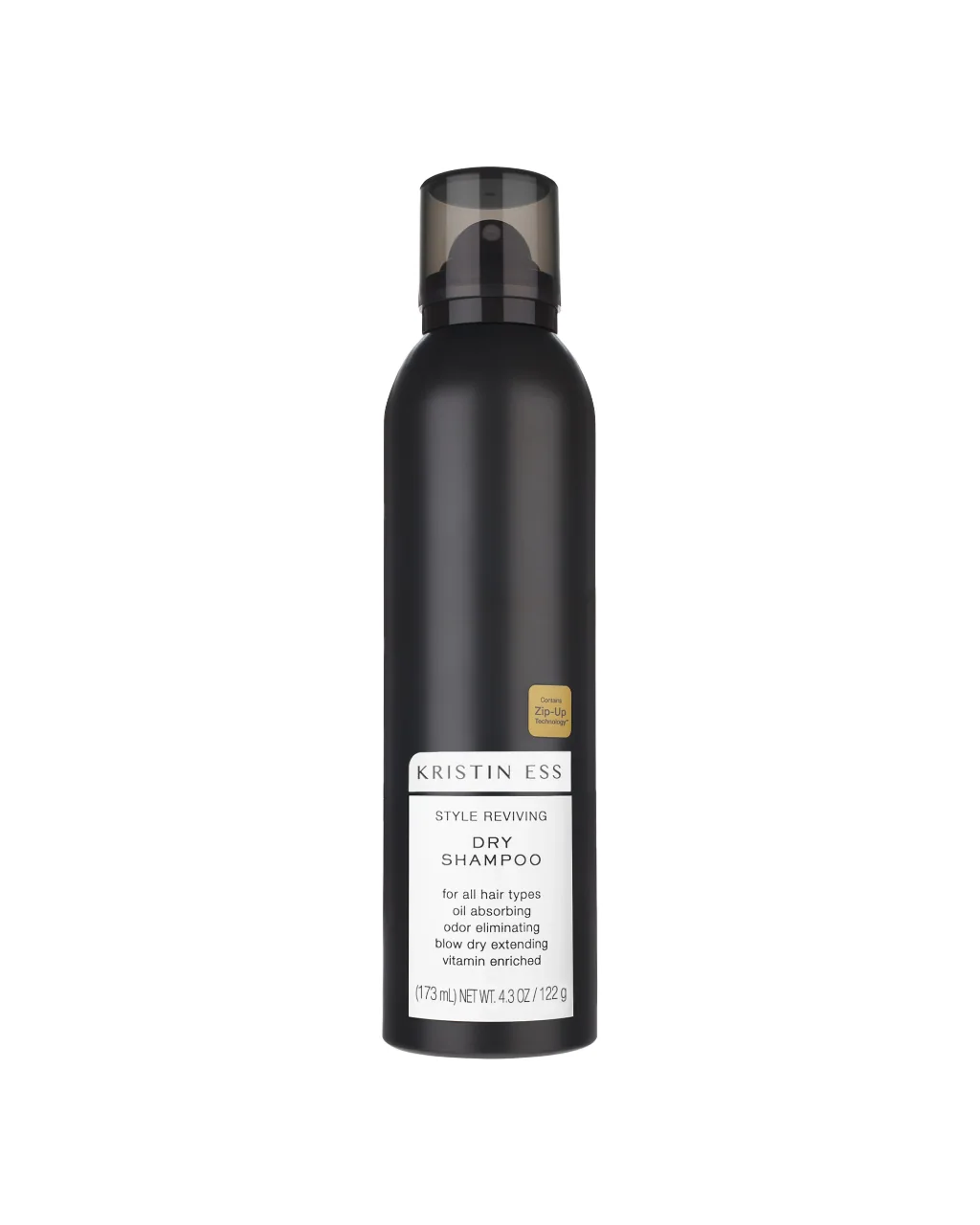
Best two-in-one: Kristin Ess Style Reviving Dry Shampoo
The hybrid that earns its place on a fine-hair shelf: a talc-free powder spray that absorbs oil at the root while leaving behind the grip a texture spray would have given you, without the white cast fine light hair shows so readily. One product covering the two things second-day fine hair needs is a real saving in weight, which is the currency that matters here. Best for: second-day hair that needs a refresh and a texture boost in one step. Honest limitation: it's a jack-of-two-trades — for a full grease reset you'll still want a dedicated dry shampoo, and stacking it over a texture spray is one grip product too many.
How to use texture spray so fine hair holds, not grits
Always on dry, already-styled hair — texture spray finishes a look, it doesn't build one. Hold the bottle a few inches away and mist two light passes: one at the roots for lift and hold, one through the mid-lengths and ends for separation.
Then scrunch or tousle with your fingers to work it in. For waves, spray and scrunch after they've cooled so they hold; for a shag or piecey cut, mist and rake through with fingertips to define the layers; for an updo, spritz sections before pinning so they grip.
Stop before it feels tacky — if it does, you've overdone it. It's the last step after the volume work in how to add volume to fine hair. For hard separation on short shapes rather than diffuse texture, a pinhead of pomade made for fine hair does what a spray cannot.
When texture spray isn't the answer
Your hair is flat and unstyled. Texture spray adds grip, not root volume — build the shape first with a blow-dry or root lifter.
Your hair is dry or damaged. Salt-based sprays worsen dryness; choose a salt-free formula and treat the damage.
You want a sleek, polished finish. Texture spray is matte and lived-in by design — for shine and smoothness, a light shine spray suits better.
Your roots are greasy. Grip on oily roots reads grimy — refresh with dry shampoo first, then add texture.
FAQ
A lightweight, salt-free one in a fine mist — and texturizing spray and texture spray are the same product, so the picks above are the answer to both. The specification that matters on fine hair is not the marketing word on the can but how much material the spray puts down per pass. Fine strands have very little weight budget, so a heavy or wet-spraying formula lands as grit and drag rather than grip, and the effect reads as dirty hair by the afternoon. Look for "lightweight", "flexible" and "matte" on the label, avoid the salt-led formulas unless you specifically want a beachy set, and hold the can further back than feels right — around ten inches — so the mist breaks up before it reaches the hair. Two light passes at the roots and mid-lengths beat one heavy one.
Yes — texture spray is one of the best finishers for fine hair because it adds grip, separation, and a matte, worked-in look with very little weight. That grip is what makes fine hair hold a style, keeps waves from falling flat, and gives updos something to grab. The key is a lightweight formula applied to dry hair in small amounts; heavy or over-sprayed texture products can feel gritty or crunchy on fine strands.
Texture spray adds grip and separation to dry, finished hair with a soft matte finish. Sea salt spray is a type of texture spray that uses salt to create beachy, wavy texture — but salt can be drying, so fine hair usually wants a low-salt or salt-free version. Dry shampoo's main job is absorbing oil, though it adds some grip too. For fine hair: dry shampoo to refresh, texture spray to finish and hold.
On dry, styled hair, mist it lightly through the roots and mid-lengths from a distance, then scrunch or tousle with your fingers. Less is more — a couple of light passes add grip and separation without grit. Use it at the roots for lift and hold, and through the lengths to define waves or a shag's layers. Avoid soaking the hair; texture spray is a finisher, not a base.
It adds the appearance of fullness by roughening the surface slightly and creating separation and grip, so hair looks piecey and holds lift rather than lying flat. It's especially good at making a blow-dry last and keeping waves from dropping. It won't build root volume the way a blow-dry or root lifter does — think of it as the finisher that locks in and enhances volume you've already created.
A good lightweight one won't. Grit and crunch come from over-application or heavy, high-salt formulas. Use two or three light passes of a soft, flexible texture spray, and scrunch it in rather than saturating. If your hair feels sticky or looks grimy, you've used too much or the formula is too heavy for fine strands — switch to a lighter, low-salt version.
They do different jobs. Texture spray adds grip, separation, and a lived-in, movable finish; hairspray locks a style in place with firmer, less flexible hold. For fine hair that needs body and hold you can still run your fingers through, texture spray usually wins. Use hairspray when a style genuinely needs to stay put — an updo or a special occasion — and keep it light so it doesn't stiffen.
Fourteen years in hair — eight behind the chair, six in editorial — with a focus on scalp health and the science of fine, flat-prone hair. Megan reviews product formulas the way she'd read a label for her own clients: weight first.
Results vary with hair type, density, and growth patterns. This guide is educational and not a substitute for an in-person consultation with a licensed stylist.
Get the good hair intel
One honest, stylist-written guide in your inbox each week. No hype.

 MH
MH