Reviewed by Tara Sullivan · Updated July 2026 · 9 min read
You don't need a salon budget to fix flat, fine hair — you need the right lightweight products, and most of them cost under $20 at any drugstore. Fine hair responds to weight and formula, not price, so a well-chosen $10 volumizing shampoo or mousse can outperform a luxury one that's too rich for it.
Below is one honest pick per category — volumizing shampoo, lightweight conditioner, mousse, dry shampoo, texture spray, flexible hairspray, and heat protectant — each with who it suits and one real limitation.
Every product here is chosen independently, on the merits — what genuinely suits fine, thin hair. Links go to each brand's official page, and we don't take payment for placement. Price tiers are rough guides because prices change.
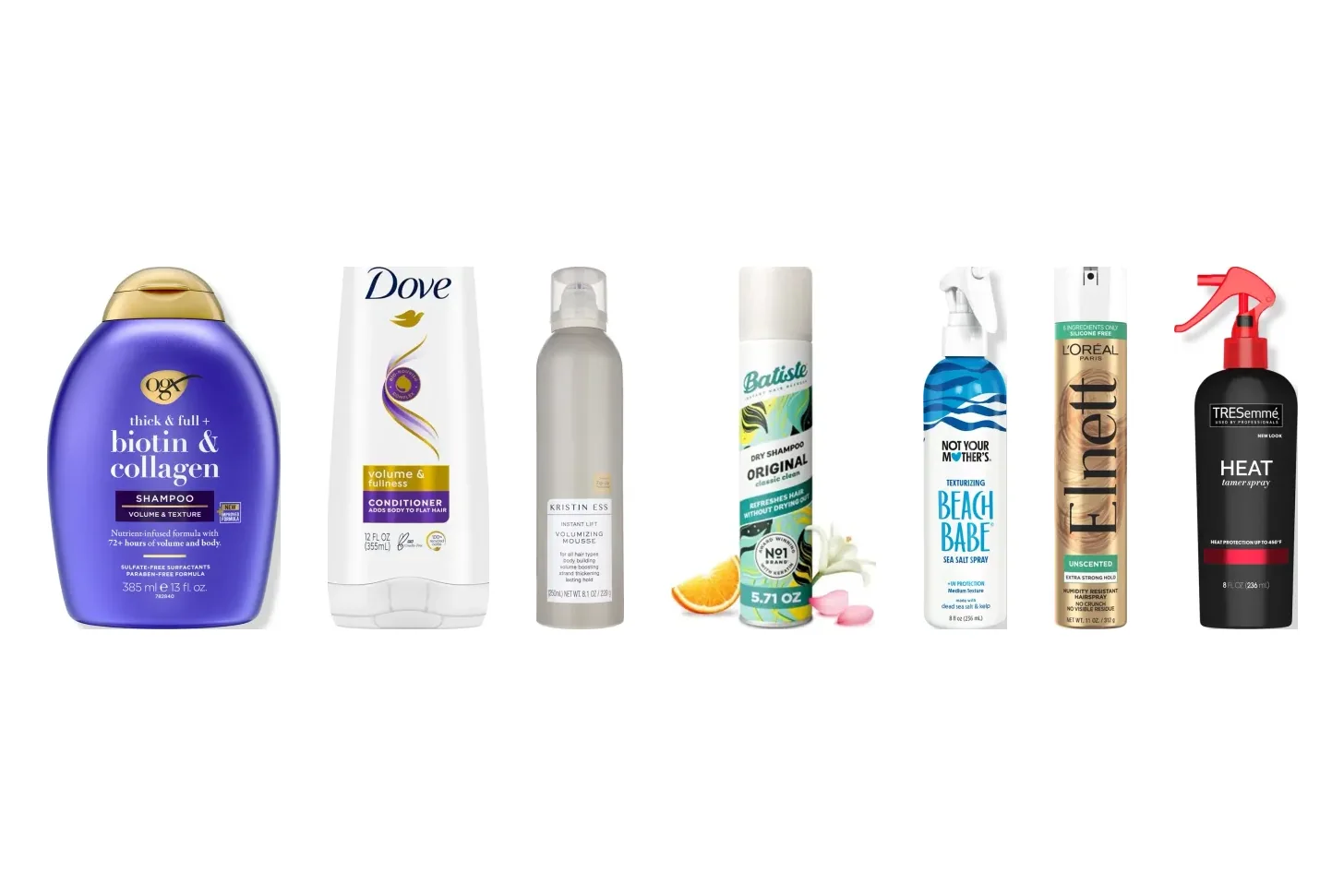
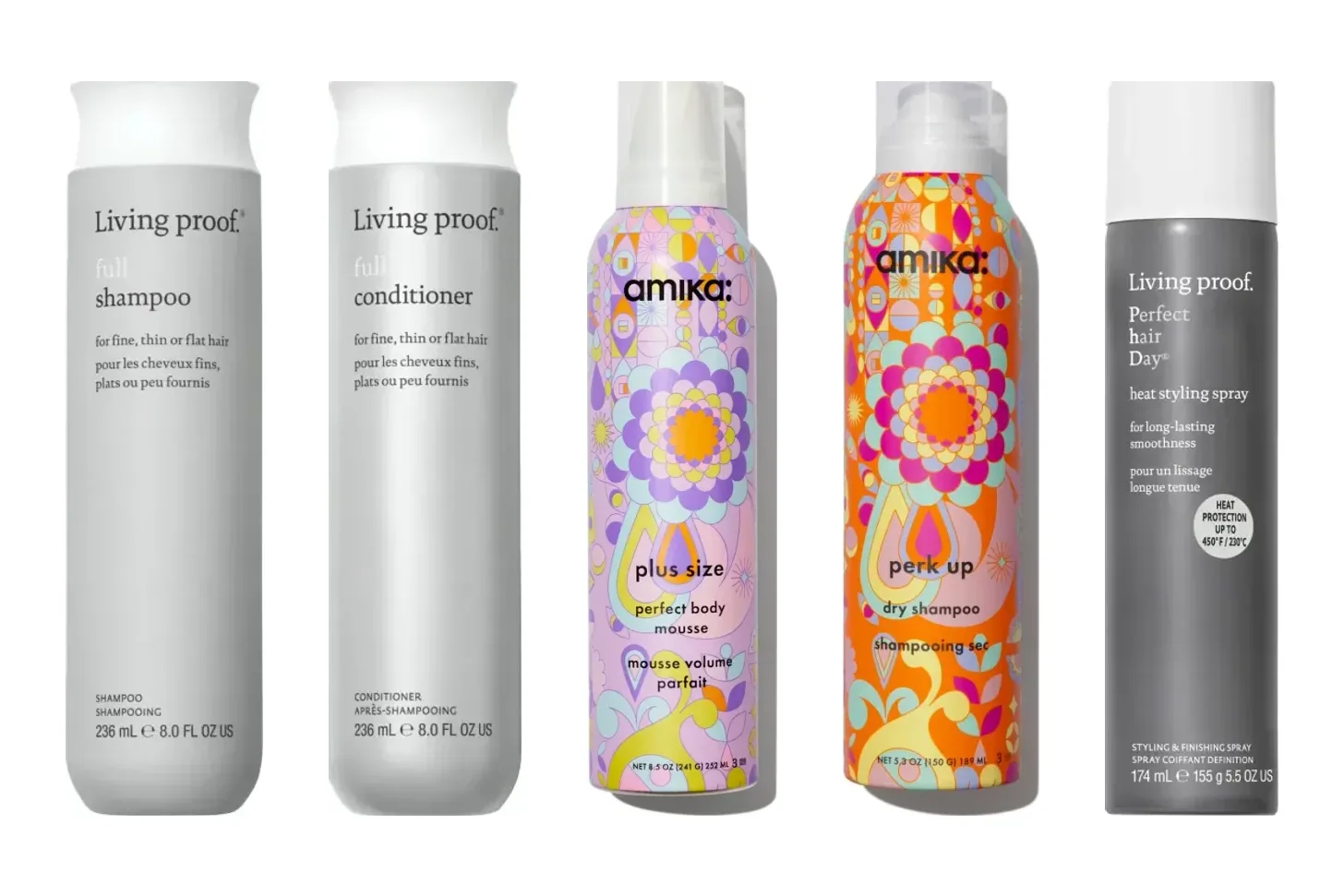
Our seven drugstore picks, one per category. Product images courtesy of the brands.
Chair-side note
Clients tell me all the time that "drugstore stuff doesn't work on my hair" — and then I look at what's in their cart. It's almost always a rich moisturizing shampoo, a 2-in-1, or a smoothing serum: products built to tame frizz and add shine, which is the opposite of what fine, flat hair needs. Swap those for volumizing versions of the same aisle and the flatness usually lifts. The price was never the problem; the formula was.
MH
— Megan Holloway, Editor-in-Chief
Why drugstore products can genuinely work for fine hair
What fine hair needs is simple and cheap to make well: lightweight formulas that add grip and body without coating the strand. None of that lives behind a luxury price tag. A mousse is mostly aerated foam carrying light hold polymers; a volumizing shampoo is a clean-rinsing surfactant base without heavy conditioning agents — neither is expensive to formulate. What you pay extra for upstairs is usually fragrance, packaging, and brand, not performance on fine hair.
Price also isn't the variable that flattens fine hair — weight is. Whether your hair is fine, low-density, or both changes which formulas help, and the difference takes two minutes to check in our guide to telling fine hair from thin hair. Fine-but-plentiful hair mainly wants lift and hold; genuinely thin hair also wants ingredients that plump the strand itself. Either way, the winning products share one trait — they disappear into the hair instead of sitting on it.
What to look for on a budget label
The helpful words are the same in the drugstore aisle as at the salon counter: volumizing, thickening, bodifying, and lightweight. Panthenol and light humectants add softness without grease.
What to leave on the shelf is more important on a budget, where "value" formulas lean rich: skip 2-in-1s (they deposit conditioner every wash and flatten roots), rich oils and butters high in the ingredient list, anything labeled smoothing, moisture-rich, or curl-defining, and heavy leave-in creams. If a product promises to tame, nourish, or deeply moisturize, it's built to add weight — exactly what fine hair can't carry.
The best drugstore products for fine, flat hair, by category
One honest pick per job, all realistically under $15–20. Build the routine from the top — a lightweight wash sets up everything after it — and add only the finishers you actually use.
1
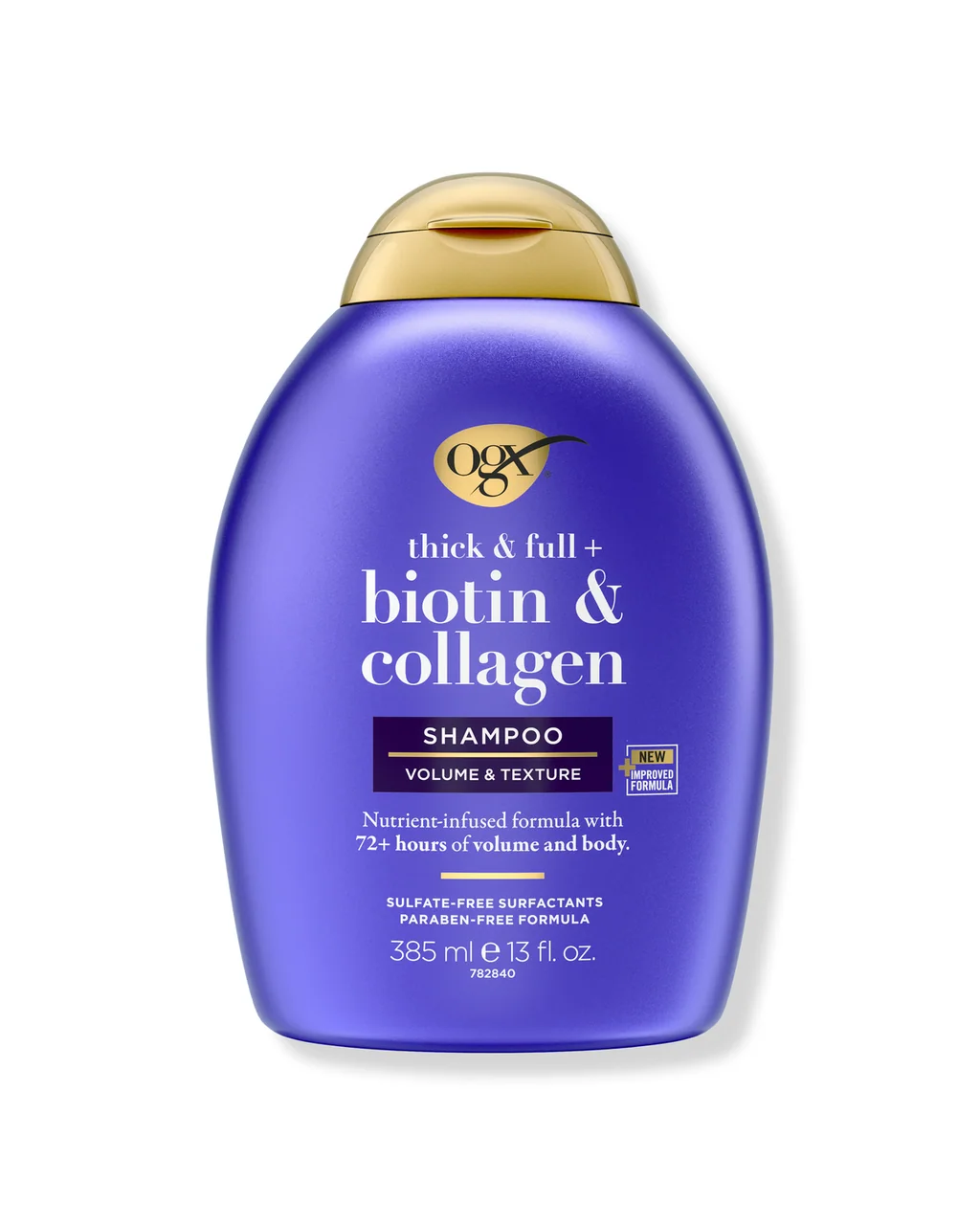
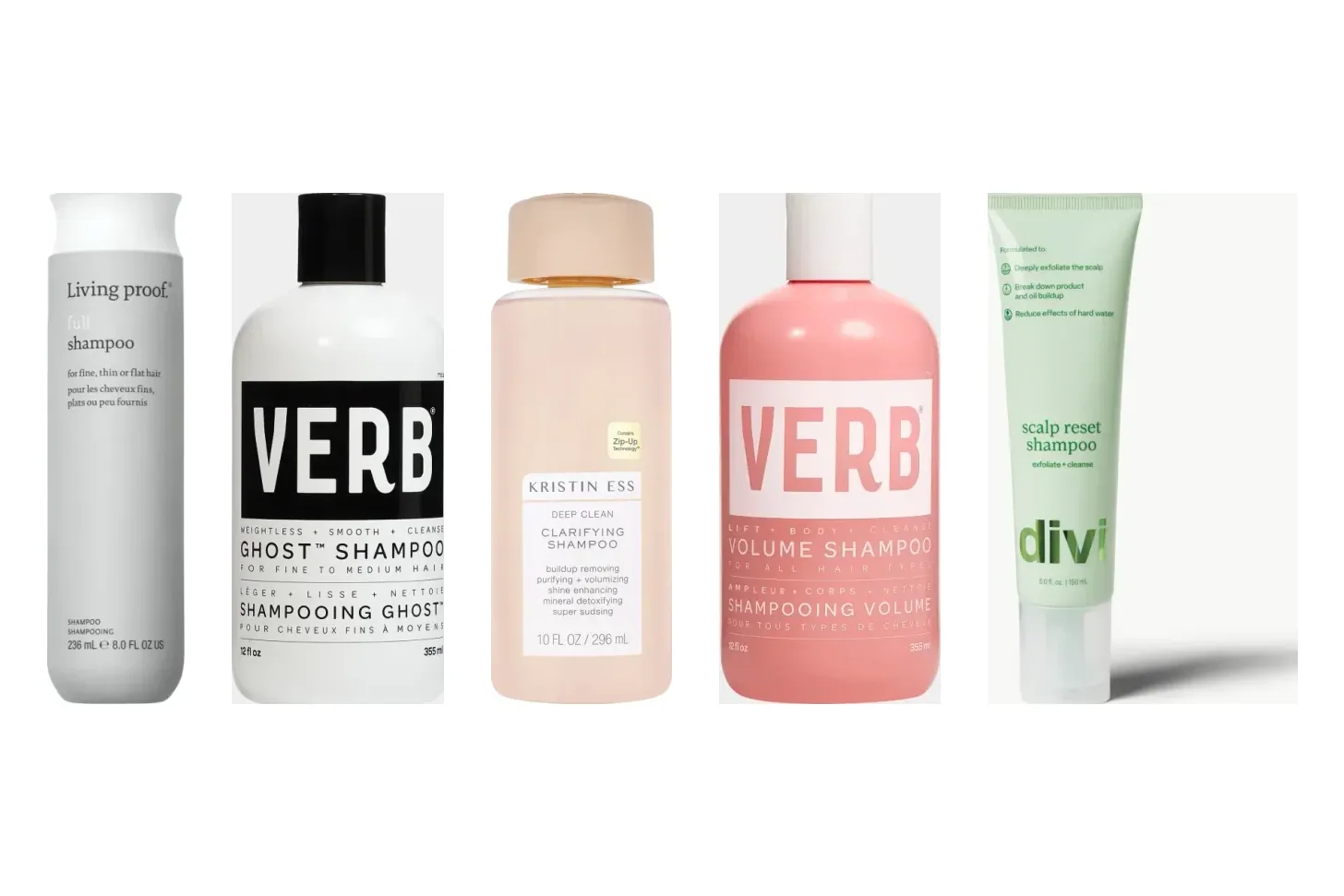
Best volumizing shampoo: OGX Thick & Full Biotin & Collagen Shampoo
A lather that cleans roots without the conditioning residue that dulls lift, plus a hydrolyzed-protein blend that gives fine strands a little grip and body. Best for: fine hair that goes limp and coated by afternoon and needs a genuine reset at the scalp. Honest limitation: it's clarifying-leaning, so pair it with a light conditioner on the ends or lengths can feel dry. For the full field, see our shampoo picks for fine hair.
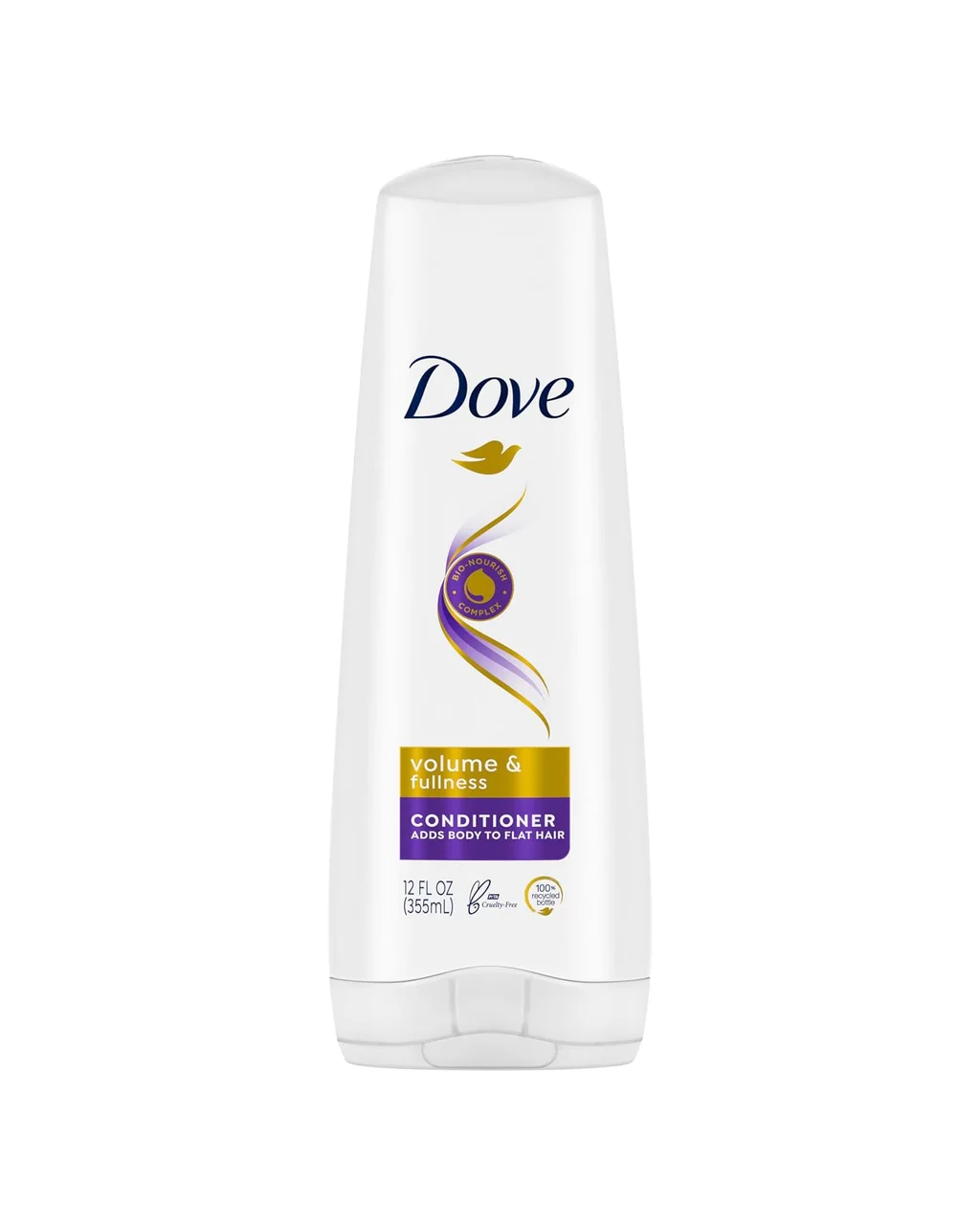
Best lightweight conditioner: Dove Volume & Fullness Conditioner
A thin, quick-rinsing conditioner that softens the mid-lengths and ends without the rich after-slip that drags fine hair flat. Best for: fine hair that needs detangling and manageability but loses all its lift to standard "moisture" conditioners. Honest limitation: keep it strictly on the lengths, never the scalp — even a light conditioner at the roots reads as weight. How much to use is its own question, covered in our conditioner guide for fine hair.
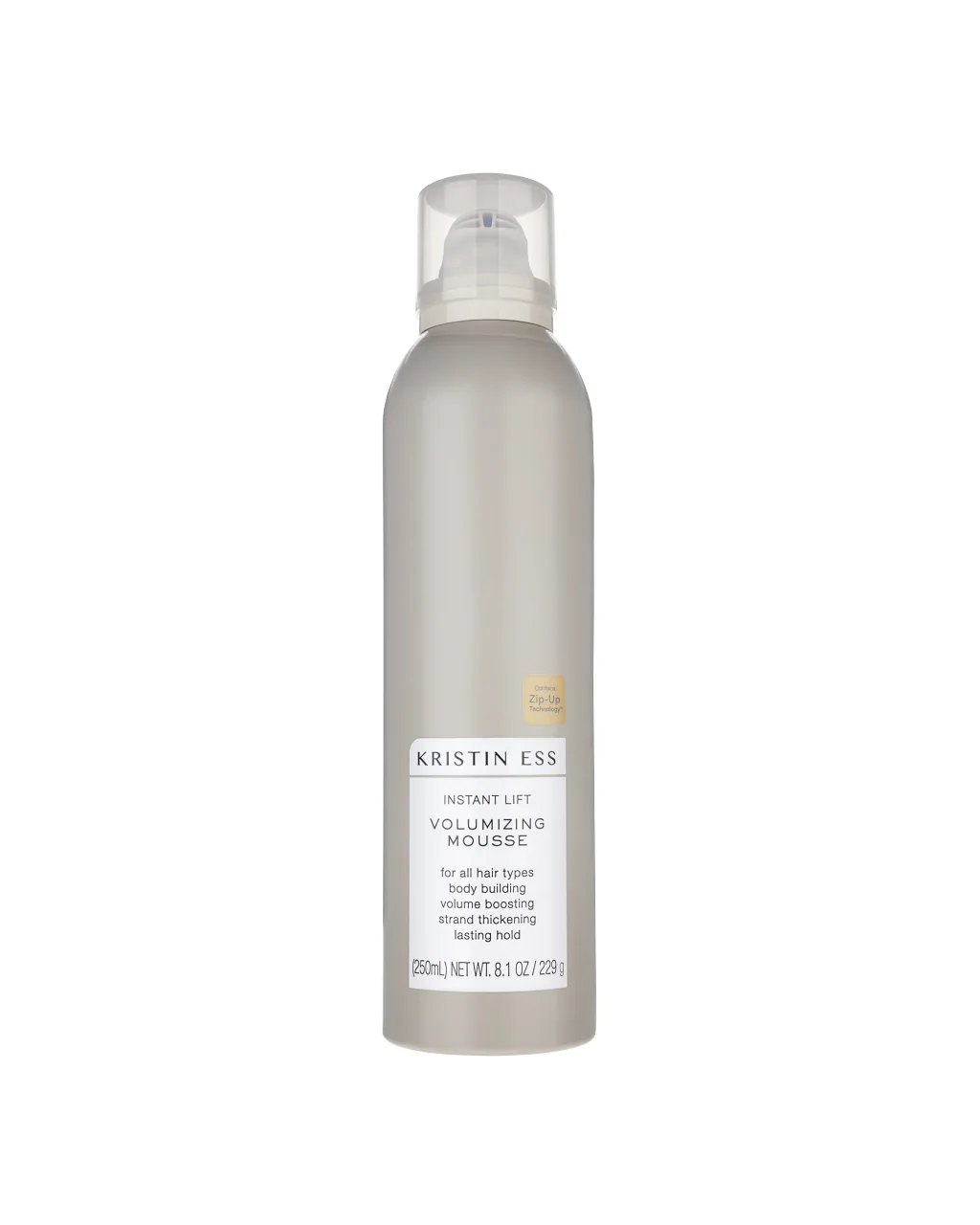
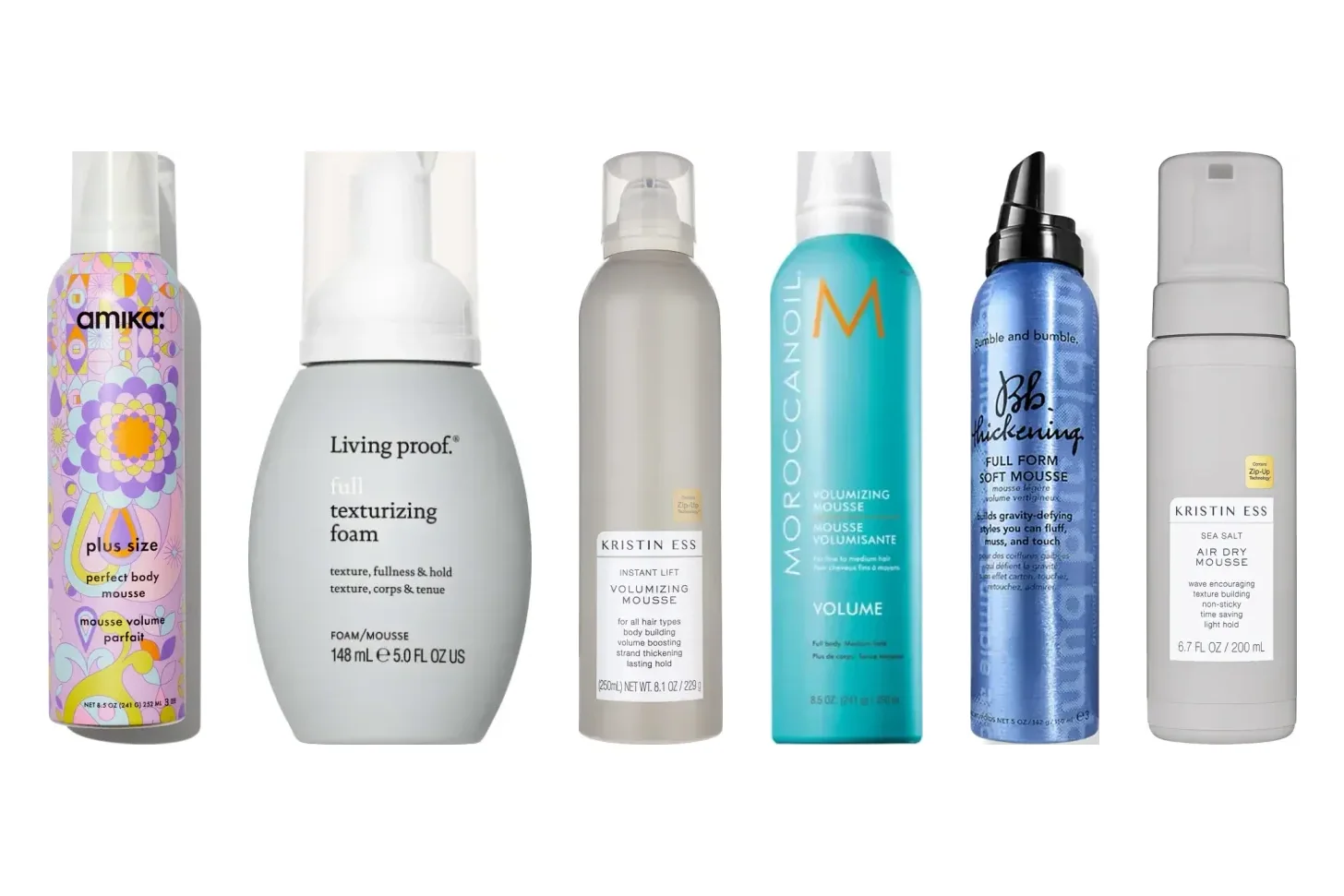
Best volumizing mousse: Kristin Ess Instant Lift Volumizing Mousse
Proof the drugstore foam competes — aerated, light, and effective at the roots, giving real lift without the stiff film older cheap mousses left behind. Best for: anyone building a fine-hair routine on a budget, or testing whether mousse is their product before spending more. Honest limitation: hold is light-to-medium, so keep it at the roots and let a blow-dry set it. It's the standout in our mousse roundup for fine hair too.
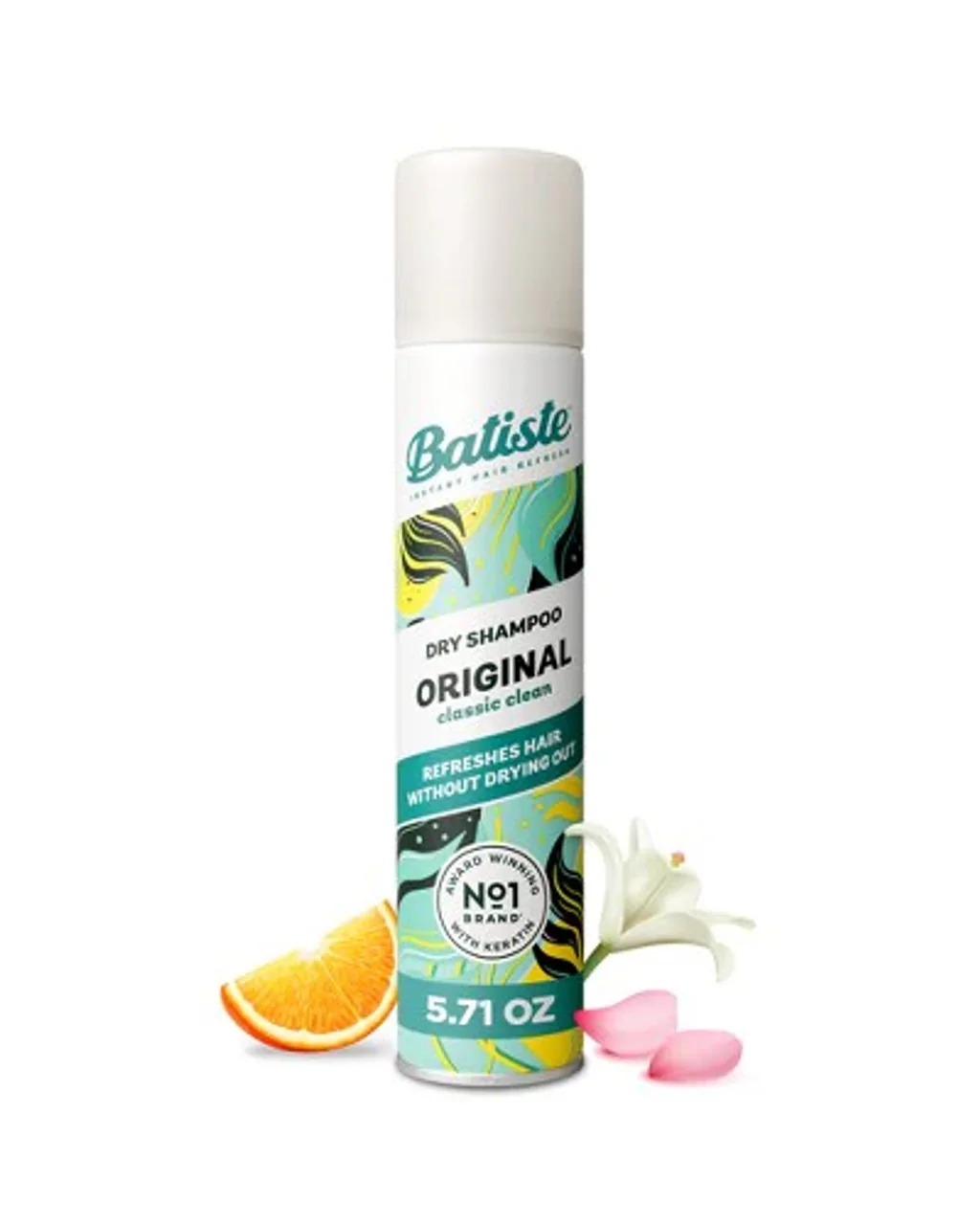
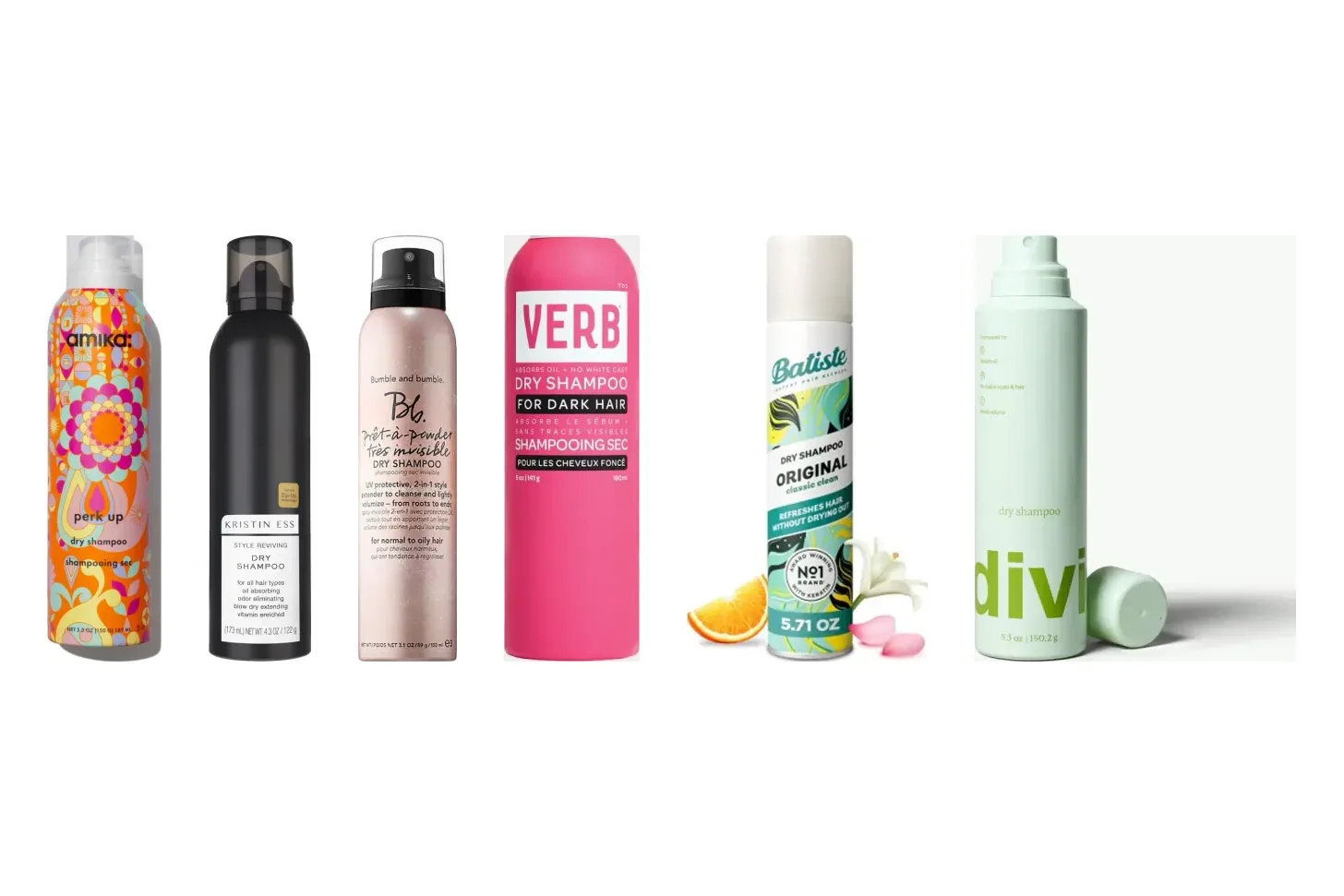
The drugstore benchmark — a light, fast-absorbing mist that soaks up root oil and buys a second or third day between washes while adding grip and a little lift. Best for: fine hair that greases up fast at the crown and needs a quick midday revive. Honest limitation: it can leave a faint white cast on darker hair, so mist from farther away and massage it in fully. More options are in our dry shampoo picks for fine hair.
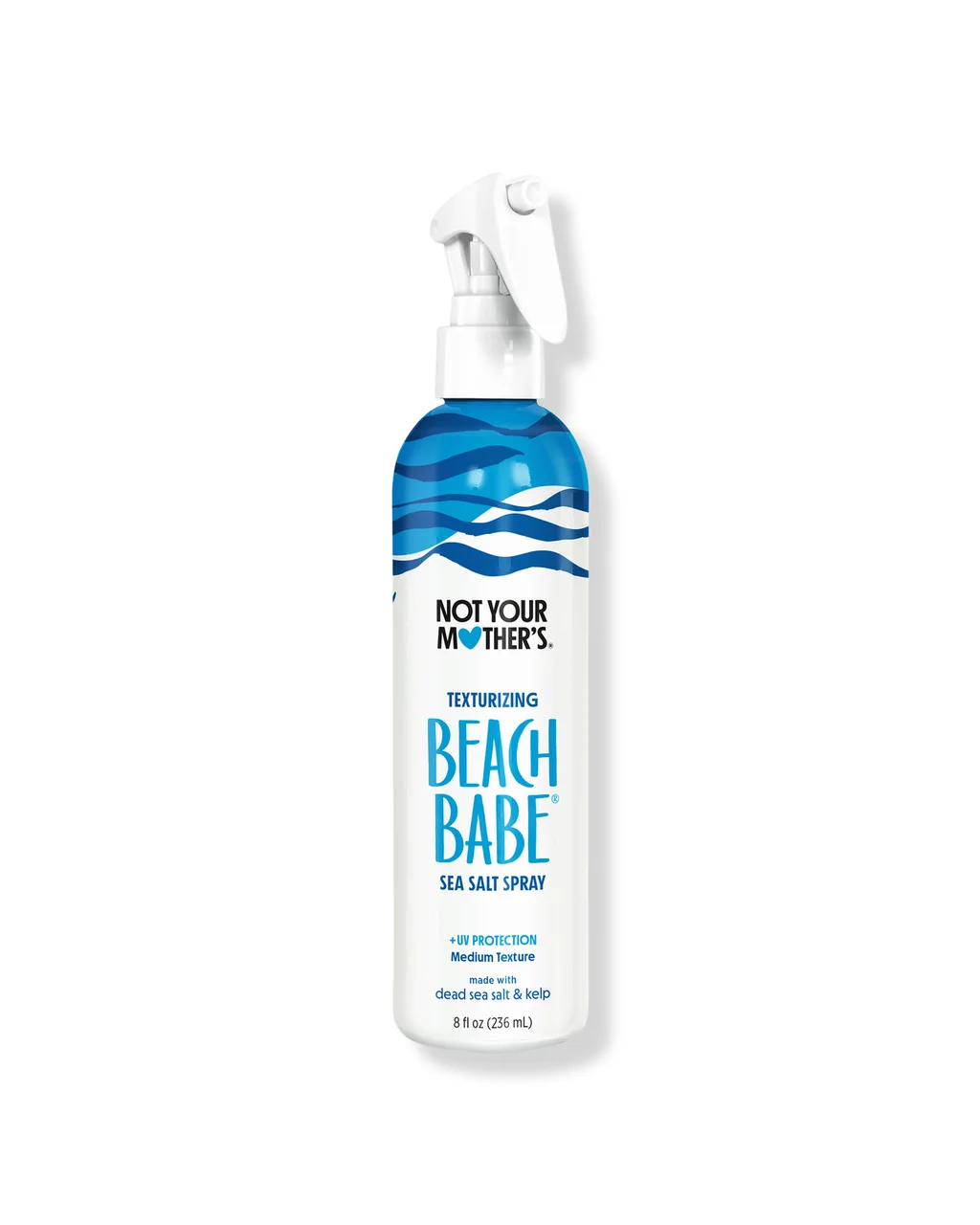
Best texture / volume spray: Not Your Mother's Beach Babe Texturizing Sea Salt Spray
A light sea-salt mist that adds grip and separation to finished hair, so fine, slippery strands hold a tousled shape instead of falling flat by noon. Best for: second-day styling and adding piecey volume to a blow-dry without a heavy product. Honest limitation: salt sprays can feel drying with daily use — spray the mid-lengths, not the scalp, and go easy if your ends are fragile.
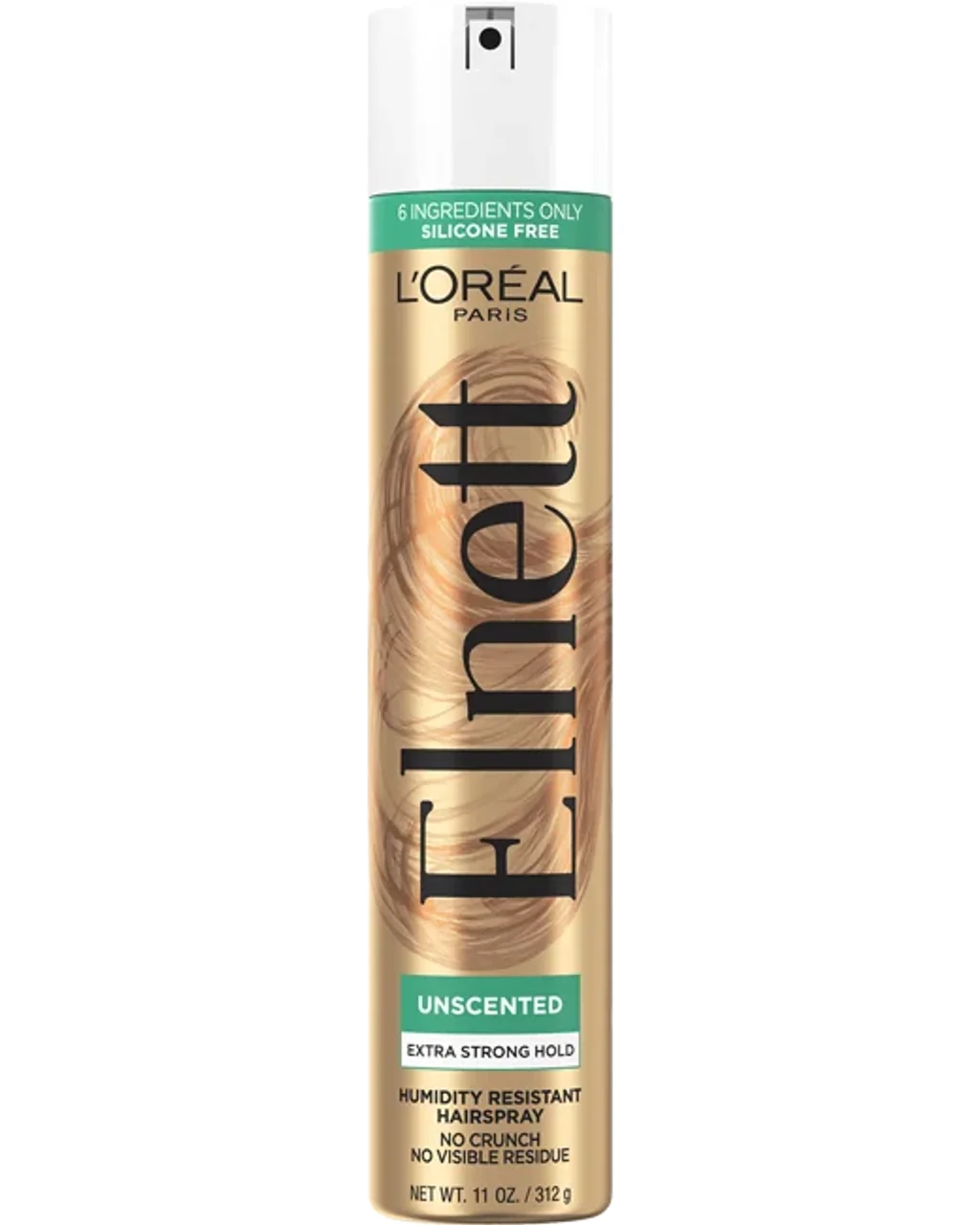
Best flexible hairspray: L'Oréal Paris Elnett Satin Hairspray
A fine, brushable mist that sets a style without the shellac stiffness that makes fine hair look sparse — it holds, then brushes out clean. Best for: locking in volume and flyaways while keeping movement, especially over a mousse-and-blow-dry base. Honest limitation: the hold is flexible by design, so on a humid day or a demanding updo you may need a second light pass rather than one heavy one.
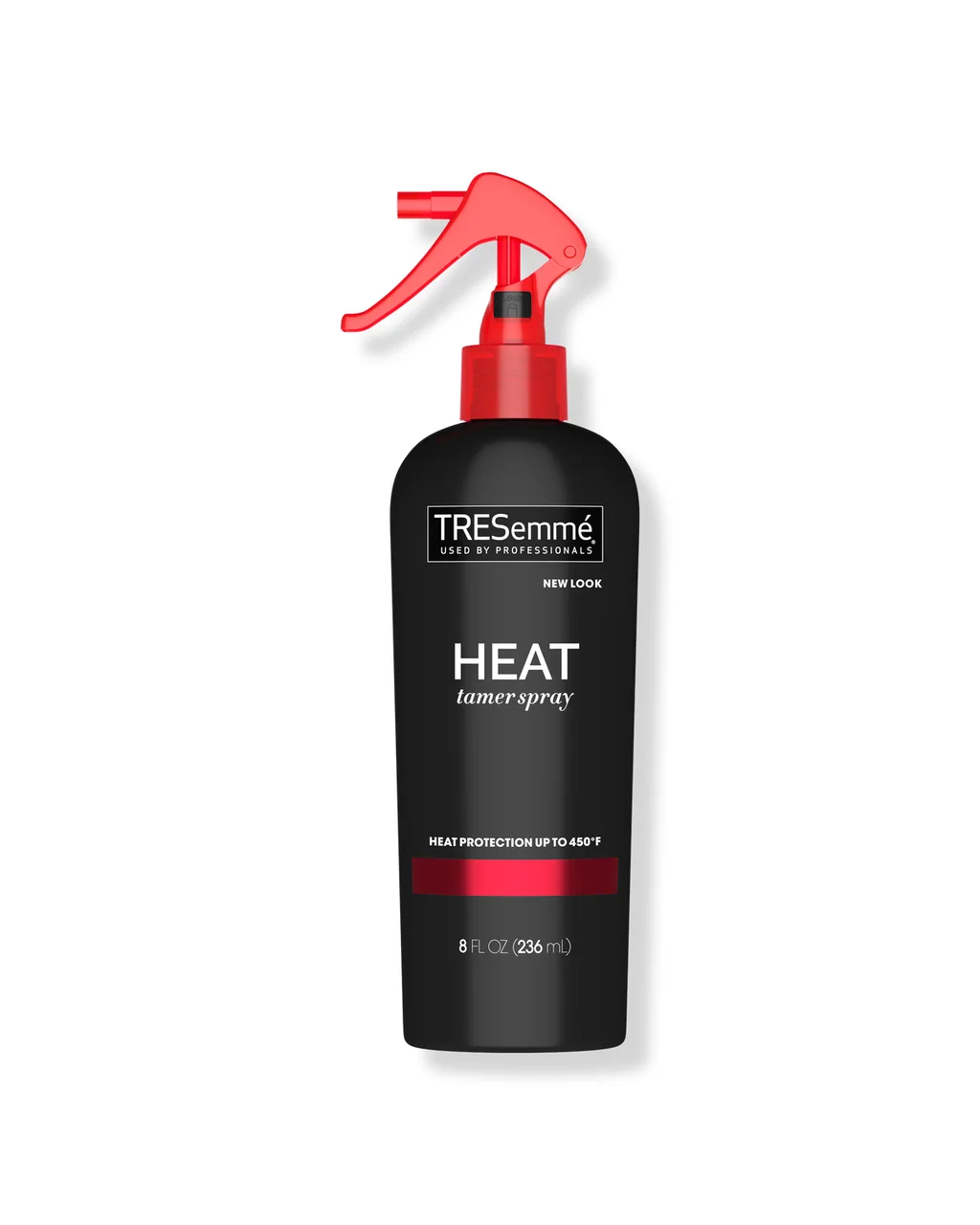
Best heat protectant: TRESemmé Thermal Creations Heat Tamer Spray
A watery, non-greasy spray that shields fine strands from blow-dryer and iron heat without the coating a cream protectant leaves behind. Best for: anyone heat-styling fine hair daily who needs protection that won't flatten the lift they just built. Honest limitation: a spray gives lighter protection than a serum, so mist evenly on damp hair and don't skip sections if you run your iron hot.
How to build a fine-hair routine from the drugstore shelf
You don't need all seven. Start with the wash — a lightweight volumizing shampoo and a conditioner kept to the ends do more than any styler, because a coated strand can't hold volume no matter what you layer on top. Add the mousse next as your body base, worked into towel-damp roots and blown dry to activate. Keep the dry shampoo, texture spray, and hairspray as finishers you reach for only when a style needs them.
Your hair is limp and feels coated. That's buildup, and no new product lifts through it — do a clarifying wash first, then start the routine fresh.
You keep reaching for rich, "nourishing" formulas at any price. A heavy conditioner or oil flattens fine hair whether it cost $6 or $60. The fix is a lighter formula, not a pricier one.
Your hair falls flat the moment it grows past a certain length. That's usually the cut, not the products. The right layered shape builds body that no shampoo can — see our product hub only after the cut is right.
FAQ
Yes. What fine hair needs — lightweight formulas that add body without coating the strand — has nothing to do with price. Plenty of drugstore volumizing shampoos, mousses, and dry shampoos are as light as their salon counterparts; you're mostly paying more upstairs for fragrance, packaging, and brand. The trick is reading the label, not the price tag: choose volumizing or bodifying formulas and skip the heavy oils and creams, and a $10 shelf can outperform a $40 one on fine, flat hair.
A volumizing or bodifying formula that cleans without leaving conditioning residue behind — OGX Thick & Full Biotin & Collagen Shampoo is our drugstore pick because it lathers clean and gives roots grip without a heavy after-feel. Whatever you choose, look for the words volumizing, thickening, or bodifying, avoid anything labeled smoothing or moisture-rich, and keep the lather at your scalp rather than dragging it through the ends.
Sometimes, but rarely for the reason people assume. Fine hair responds to weight and formula, not price, so a lightweight drugstore mousse can match a luxury one. Where you may notice a real difference is in fragrance, finish, and how a product feels to use — pleasant, but cosmetic. If a salon product is genuinely lighter or solves a specific problem your drugstore version can't, it can be worth it; if it's just prettier packaging, save your money.
Anything built to weigh hair down. Skip 2-in-1 shampoo-conditioners, rich oils and butters (coconut, shea, argan high in the ingredient list), deep-moisture or smoothing formulas, and heavy leave-in creams — all of them coat fine strands and flatten the lift you're trying to build. Curl-defining products fall in the same trap, prioritizing clump and weight. Reach instead for volumizing, thickening, lightweight, and bodifying on the label.
Batiste is the reliable drugstore benchmark — a light, quick-absorbing spray that soaks up oil at the roots and buys a second or third day between washes while adding a little grip and lift. Hold the can farther from your scalp than feels natural, mist only the roots, and let it sit a minute before you massage it in so you don't end up with white cast. For more picks and the full technique, see our full dry shampoo roundup for fine hair.
For most fine hair, yes. Mousse is mostly aerated foam carrying lightweight hold polymers, and that basic formula isn't expensive to make well — Kristin Ess Instant Lift is proof the drugstore version can genuinely compete. The gap, when there is one, is in finish and hold nuance rather than volume. Apply any mousse to towel-damp roots, keep it off the ends, and blow-dry to activate it, and the drugstore foam will hold its own.
Fourteen years in hair — eight behind the chair, six in editorial — with a focus on scalp health and the science of fine, flat-prone hair. Megan reviews product formulas the way she'd read a label for her own clients: weight first.
Results vary with hair type, density, and growth patterns. This guide is educational and not a substitute for an in-person consultation with a licensed stylist.
Get the good hair intel
One honest, stylist-written guide in your inbox each week. No hype.

 MH
MH