
1
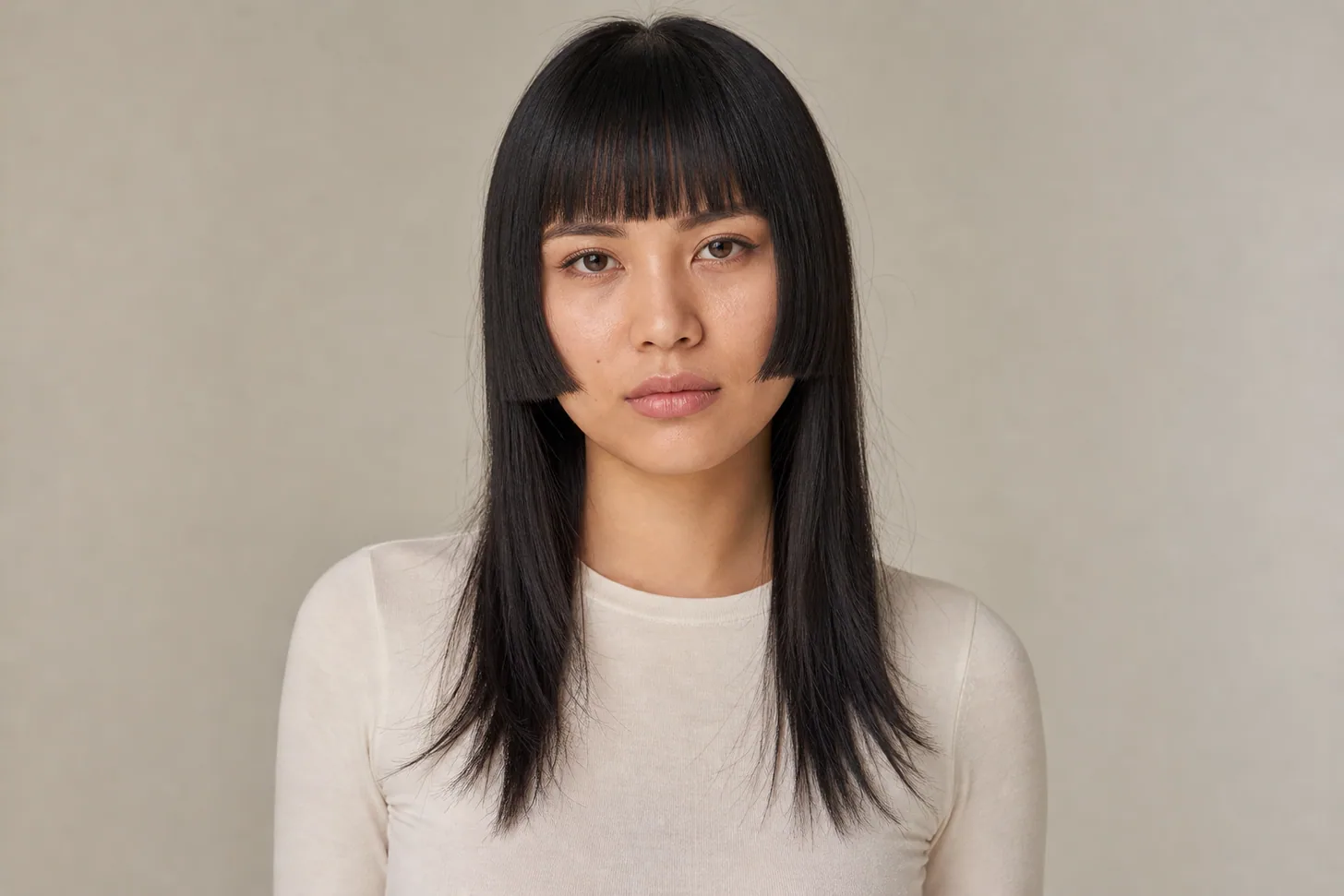
Classic hime cut with eyebrow bangs
The original shape: bangs at the brow, sides at the cheekbone, long hair cut to one length behind.
Ask for the back hemline blunt, not layered. That is where fine hair keeps its weight.
 SB
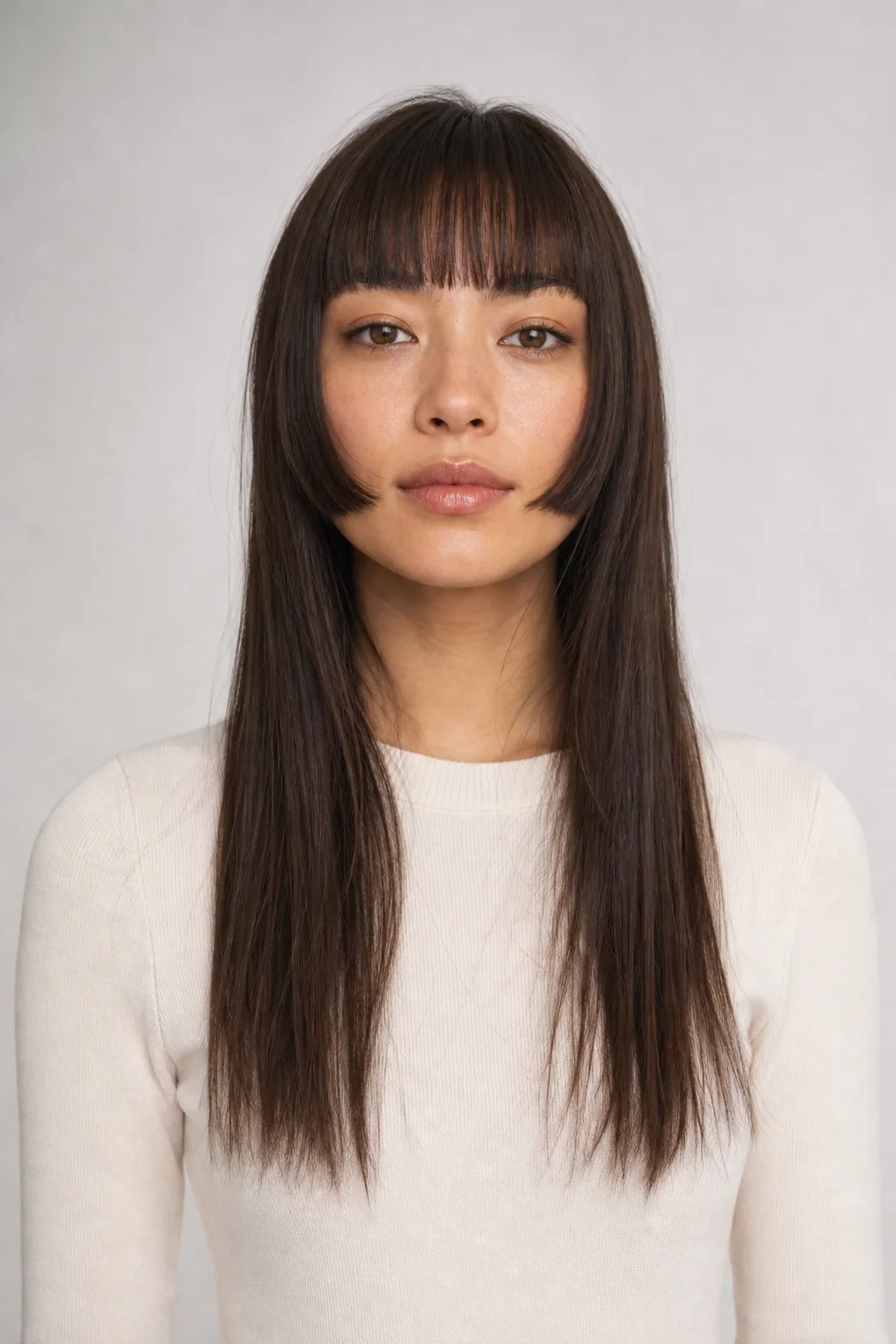
The hime cut is blunt bangs plus blunt side pieces cut to cheek or jaw length, worn over long, straight hair. The name means "princess" in Japanese, and the shape traces back to the Japanese court of the Heian period.
It suits fine hair better than most trend cuts, because every line in it is blunt and blunt ends look thicker. The one risk is the side pieces: cut too thin, they look like stray strands. Below are 10 hime cuts for fine hair and how much hair the sides need.
On fine hair I measure the side pieces by thickness, not length. Each one should take a section about two fingers wide from the hairline back. Take less and the piece separates into strands by lunch. Take more and the long hair behind starts to look sparse.
The good news is that a hime cut takes very little from the top of the head. If your hair is thinning at the crown but still full around the face, it is one of the kinder trend cuts you can choose.
SBIt has three parts: straight bangs, usually at the eyebrow; two blunt side pieces, usually at the cheekbone or jaw; and long, one-length hair behind. There is a clear step between the sides and the lengths, and that step is the look. It is the parent of the jellyfish haircut, which takes the short tier all the way around the head.
Yes, on most fine hair. Blunt lines look denser than layers, and long one-length hair is the shape that hides low density best (see blunt cuts for fine hair). It works less well on fine hair that is thin at the front hairline or temples, because the bangs and side pieces are cut from exactly that hair. If you are not sure which problem you have, read fine hair vs thin hair.
Sharp lines and a clear step. These look best on straight fine hair that lies flat.
The original shape: bangs at the brow, sides at the cheekbone, long hair cut to one length behind.
Ask for the back hemline blunt, not layered. That is where fine hair keeps its weight.
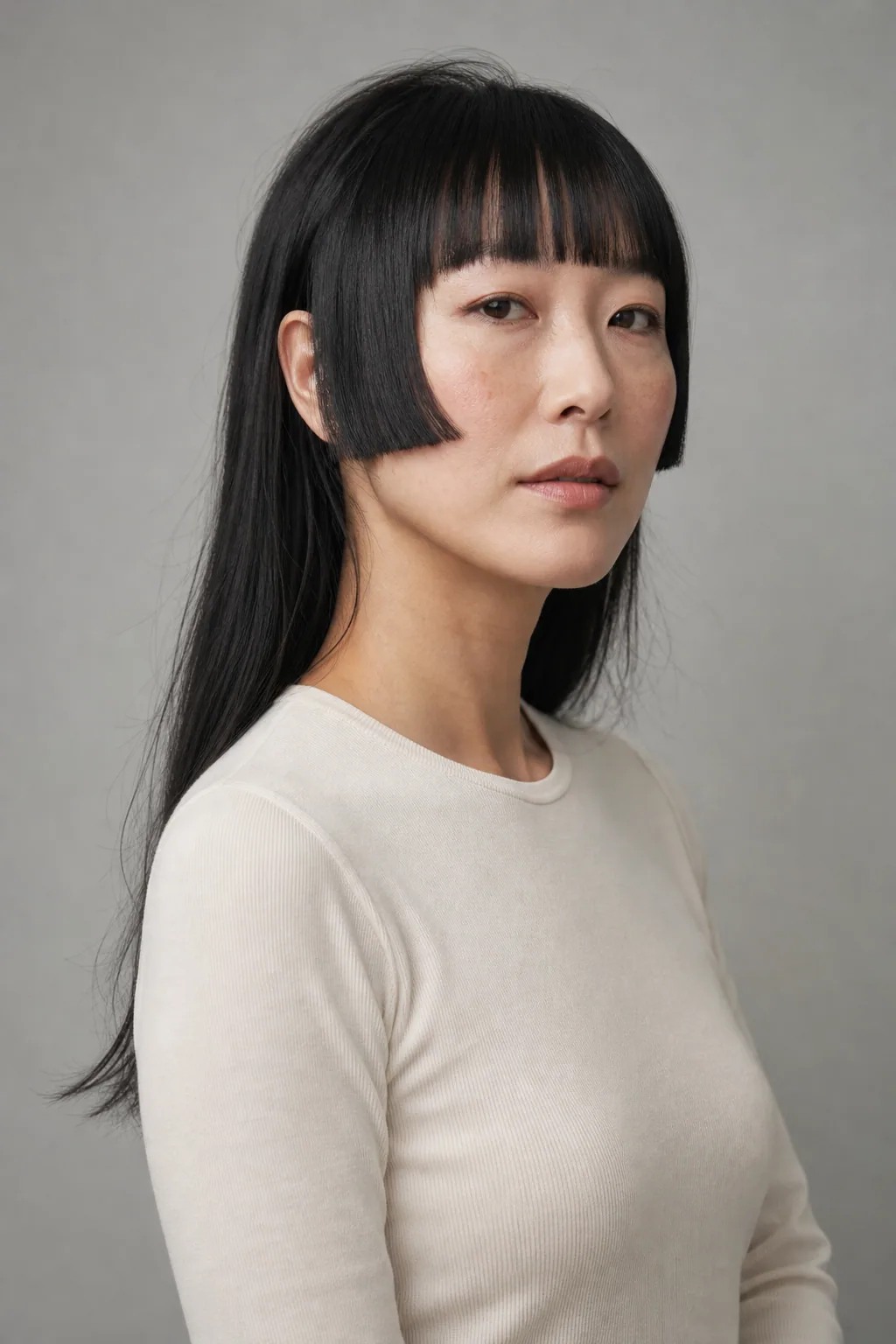
Longer side pieces are easier on fine hair: they hang straight instead of flicking out, and they grow out faster.
This is the version I suggest for a first hime cut.
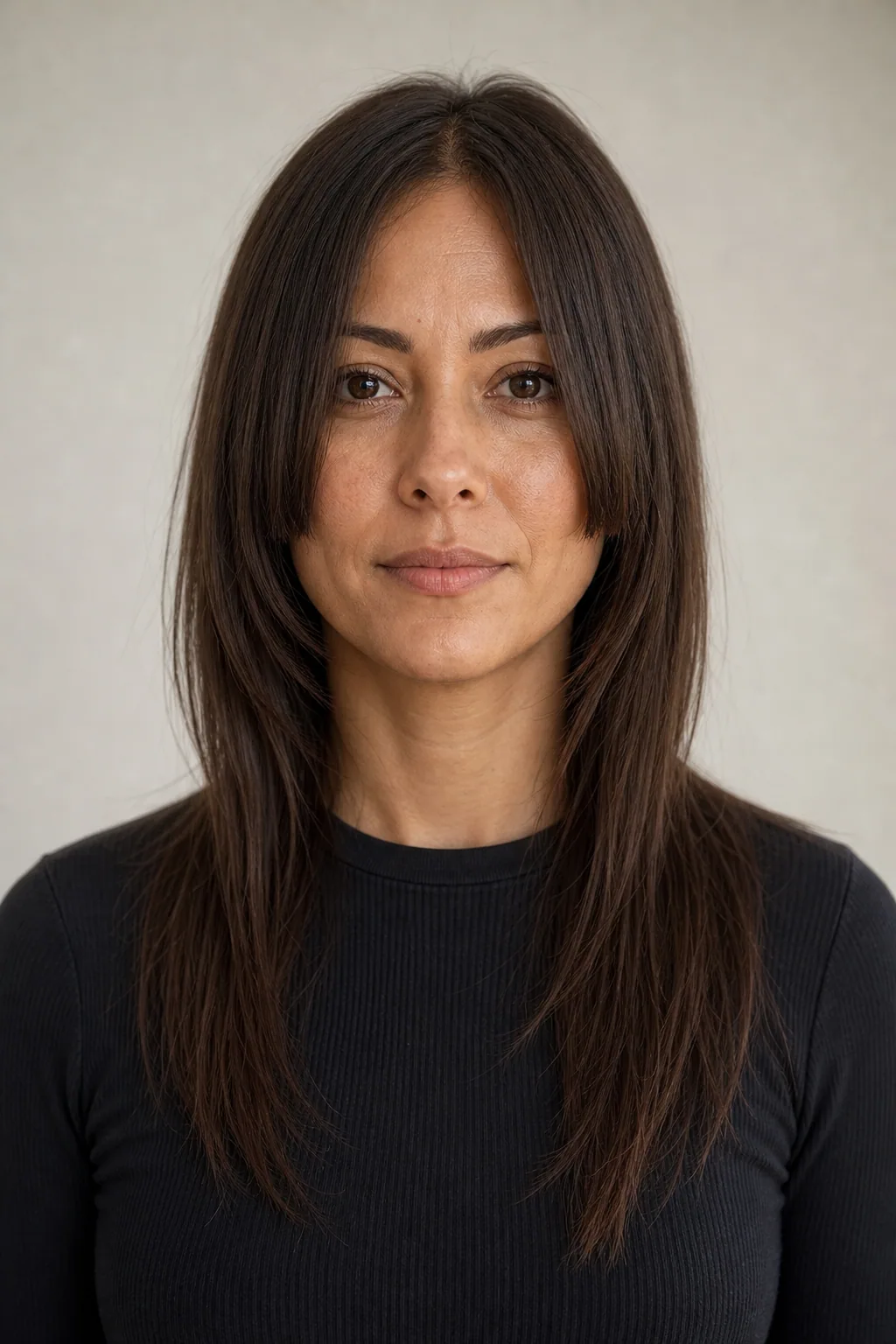
Keeps the side pieces and skips the bangs. Good if you have a cowlick at the front or don't want a fringe to manage.
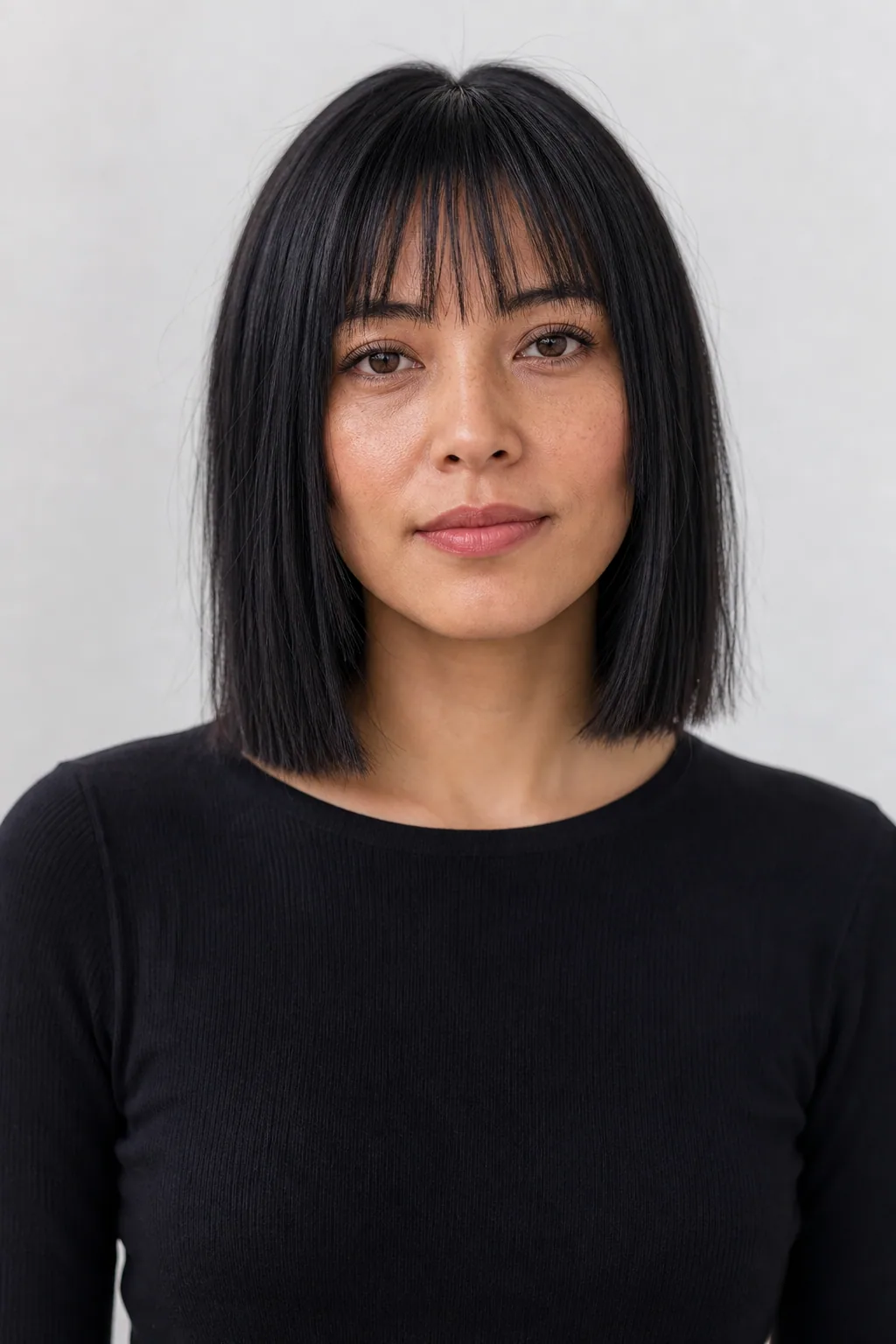
The short-hair version. With less length behind, the step between the sides and the lengths is smaller, and the whole cut looks thicker.
The same idea with blended edges. Choose these if your hair is thin at the front or has a wave that won't lie flat.
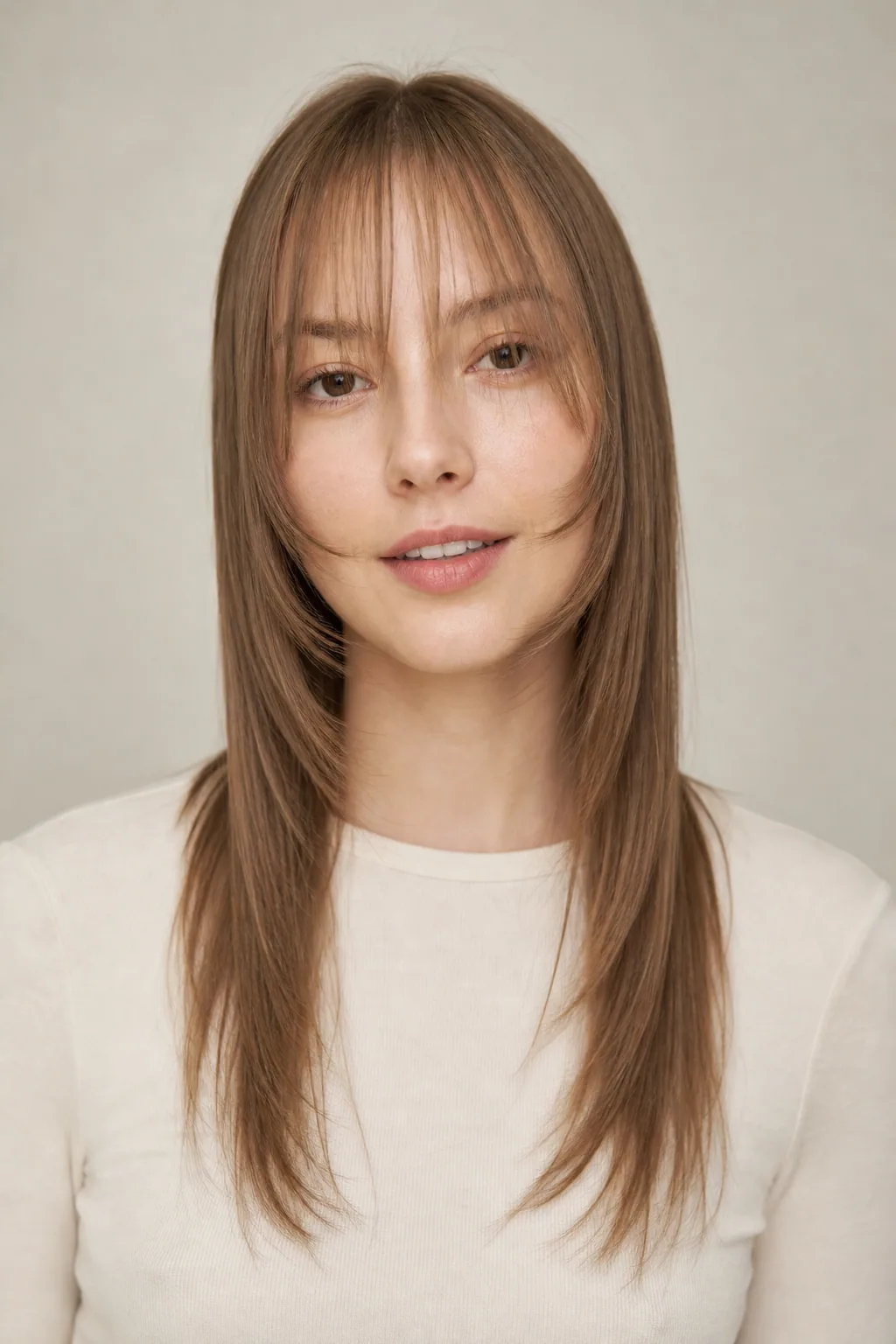
The bangs take a shallow section, so there is less hair to fill them. Good when the hairline is sparse.
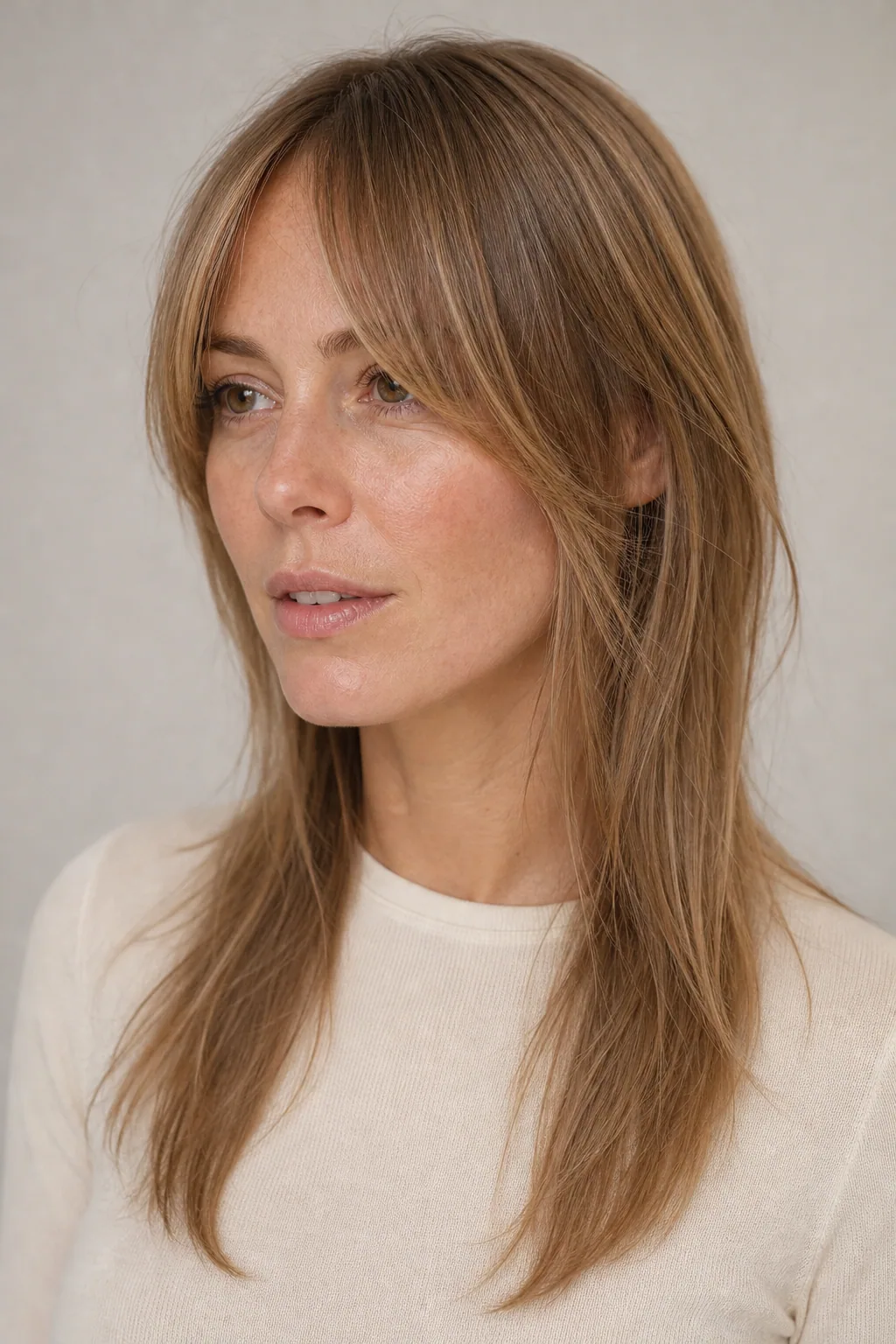
Curtain bangs blend into the side pieces, so the front looks softer and grows out without an awkward stage.
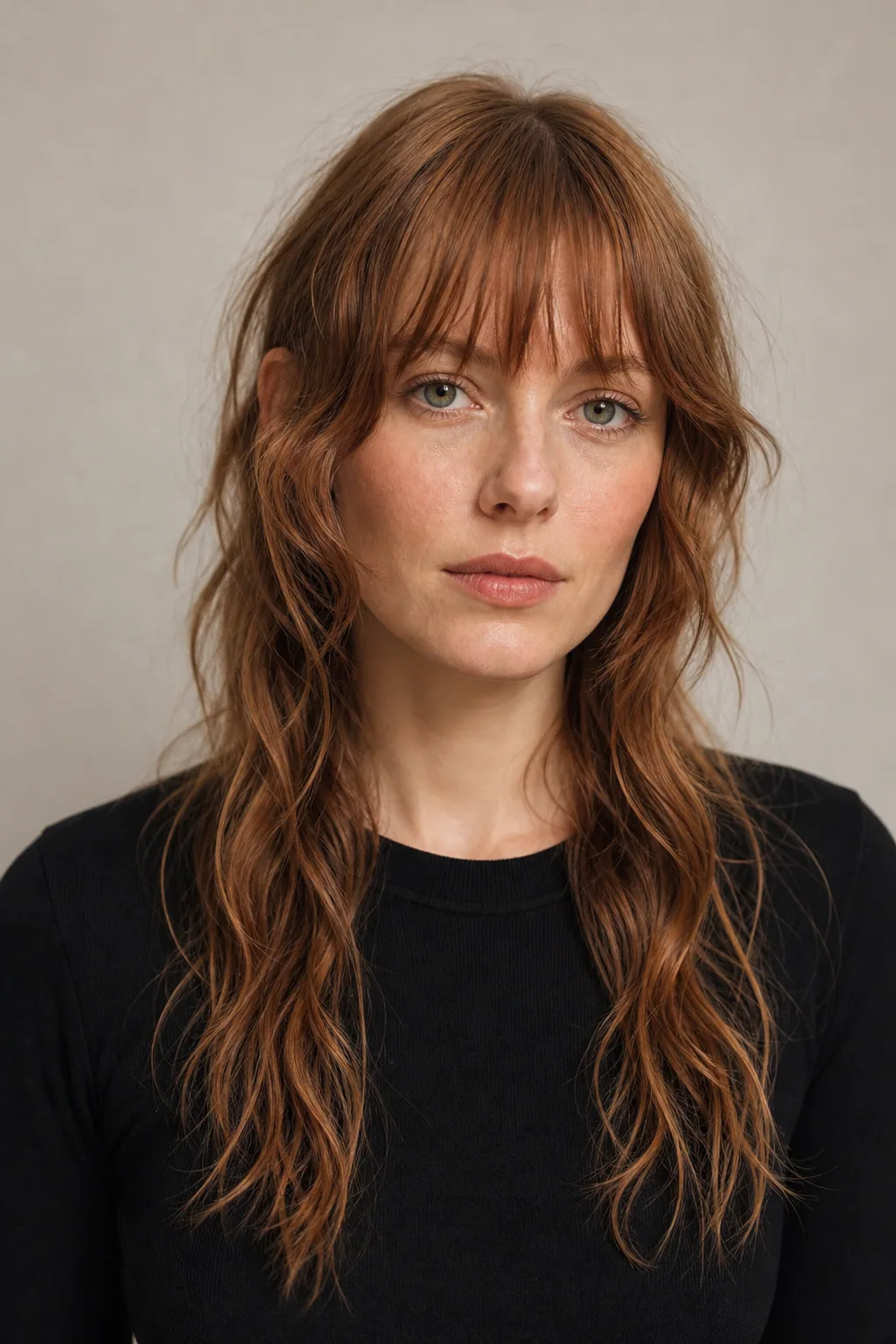
On wavy hair the side pieces bend rather than hang, so the step looks softer.
Dry the bangs and sides straight with a flat brush and let the lengths wave. See fine, wavy hair.
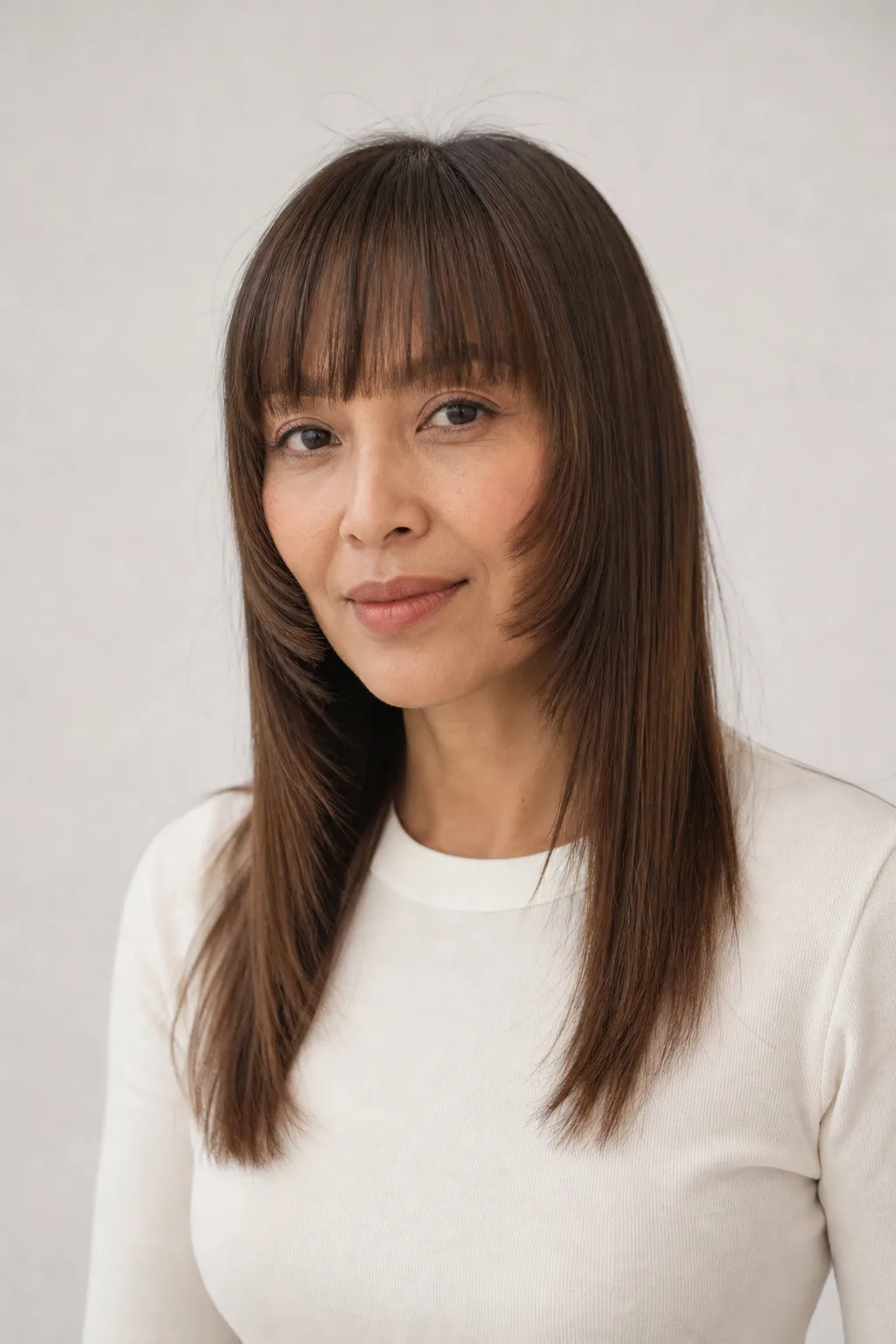
The side pieces are layered from cheek to chin instead of cut to one line. It reads as face-framing more than as a costume.
Softer bangs and longer sides keep it modern. The bangs also hide a forehead or a thinning front hairline.

Long bangs and chin-length sides over shoulder-length hair. Less contrast than the classic, so it looks polished rather than dramatic.
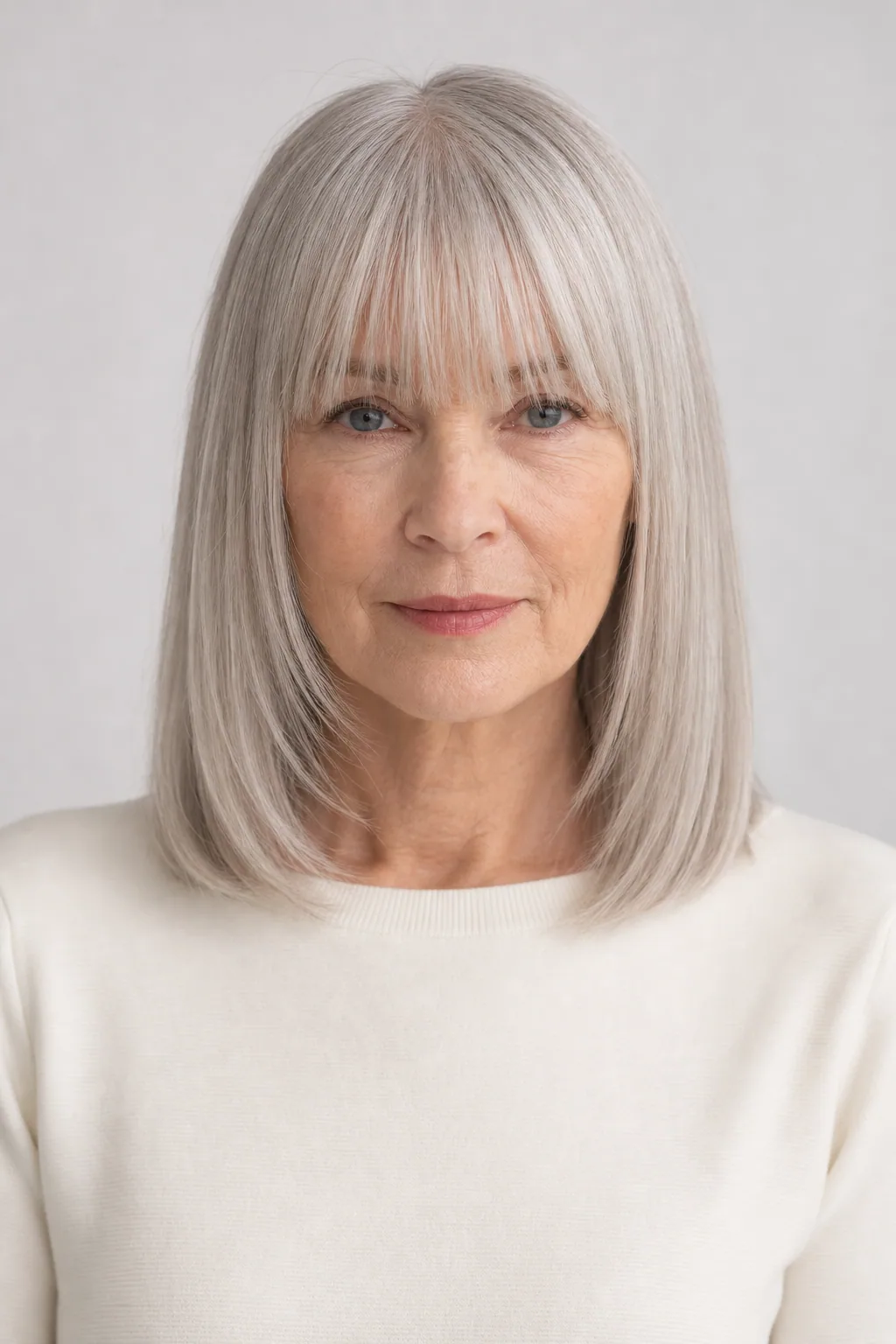
Blunt lines make silver hair look shinier. Keep the back at collarbone length so it stays full.
A hime cut has short pieces only at the front. A jellyfish cut takes the short tier all the way around, so it looks like a bob on top of long hair and takes more from the crown. Plain bangs with long hair drop the side pieces altogether. On fine hair, the order from gentlest to boldest is usually bangs, hime, then jellyfish. For other fringes, see bangs for fine hair.
Say: "I'd like a hime cut: blunt bangs at the brow, blunt side pieces at the cheekbone, and long hair cut to one length. Please make each side piece about two fingers deep so it stays solid, and don't thin or razor any of it." Ask to see the side sections before they are cut. If they look thin in the comb, they will look thinner dry.
Blow-dry the bangs and side pieces first while they are damp, using a flat brush pulled straight down. Then dry the lengths. A quick pass with a flat iron on the sides keeps the line sharp. Skip heavy serums, which split the side pieces into strands; a drop of light serum on the ends is enough. Trim the bangs every three to four weeks and the side pieces every six to eight.
A Japanese cut with blunt bangs, blunt side pieces at cheek or jaw length, and long, one-length hair behind. The name means "princess".
Yes, on most fine hair. Its blunt lines make fine hair look thicker. It works less well if your hair is thin at the temples or front hairline, because the bangs and side pieces are cut from that hair.
About two fingers deep from the hairline back. Thinner than that, they separate into strands. Much thicker, and the long hair behind can look sparse.
A hime cut has short pieces only at the front. A jellyfish cut takes the short tier all the way around the head.
Yes. Keep the blunt side pieces and skip the bangs. It is a good choice if you have a cowlick at the front.
Let the side pieces grow to the jaw, then ask your stylist to blend them into face-framing layers. It takes about four to six months.

 SB
Eleven years behind the chair, specializing in short shapes and fine-hair texture. Simone believes the best haircut is the one you can style yourself in ten minutes.
More from Simone →Results vary with hair type, density and growth patterns. Haircut guidance is not a substitute for an in-person consultation with a licensed stylist, and sudden or heavy hair loss is worth raising with a doctor.
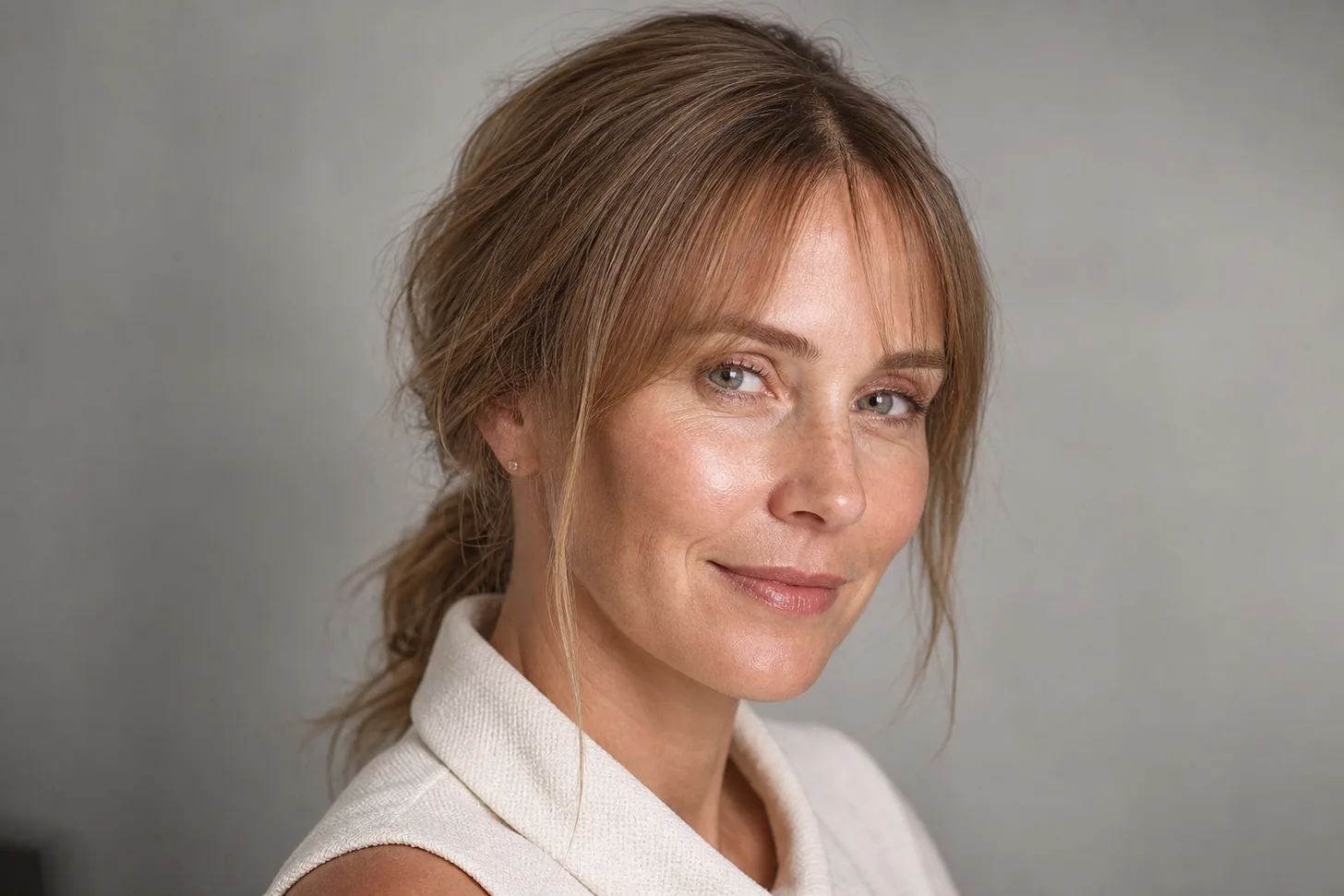
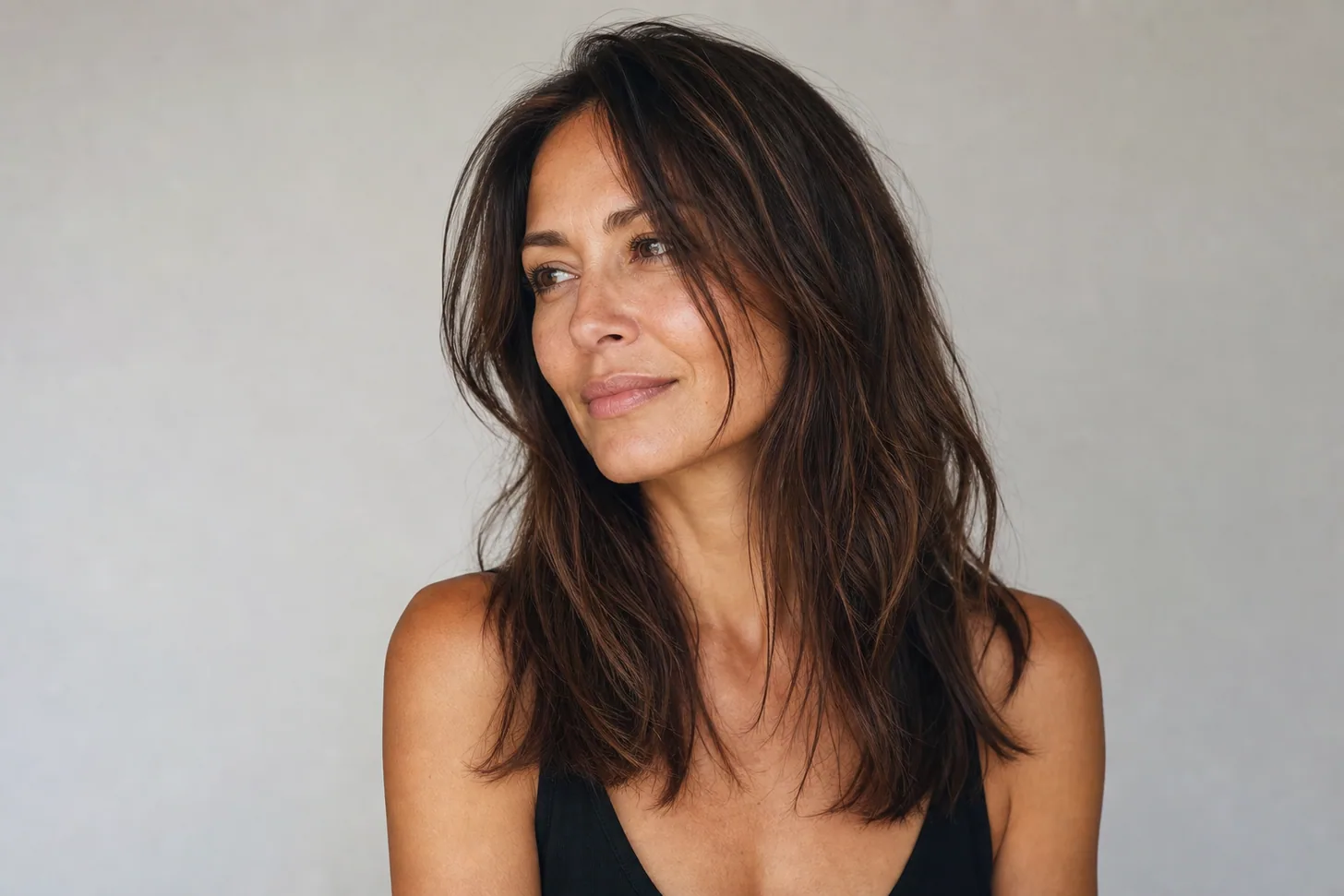
Hairstyle images in this guide are AI-generated illustrations, not photos of real clients or results. See our image policy.