Reviewed by Tara Sullivan · Updated August 2026 · 9 min read
"Hair oiling" describes three completely different practices that got collapsed into one word, and fine hair should be doing exactly one of them. The version with real evidence behind it is the pre-wash treatment — oil applied before shampoo and then washed out — and the reason it suits fine hair is precisely that the oil never has to live on your head. It does its work during the wash, when hair is at its most vulnerable, and then it leaves.
The leave-in version, which is what most people mean by oiling, is the one fine hair can barely afford; scalp oiling is a third thing again, and it's usually solving a problem fine hair doesn't have. Below: what the research actually found, why coconut oil is both the best-supported choice and the worst possible leave-in, how to do the treatment in half an hour, and the shampoo trick that stops it becoming an ordeal.
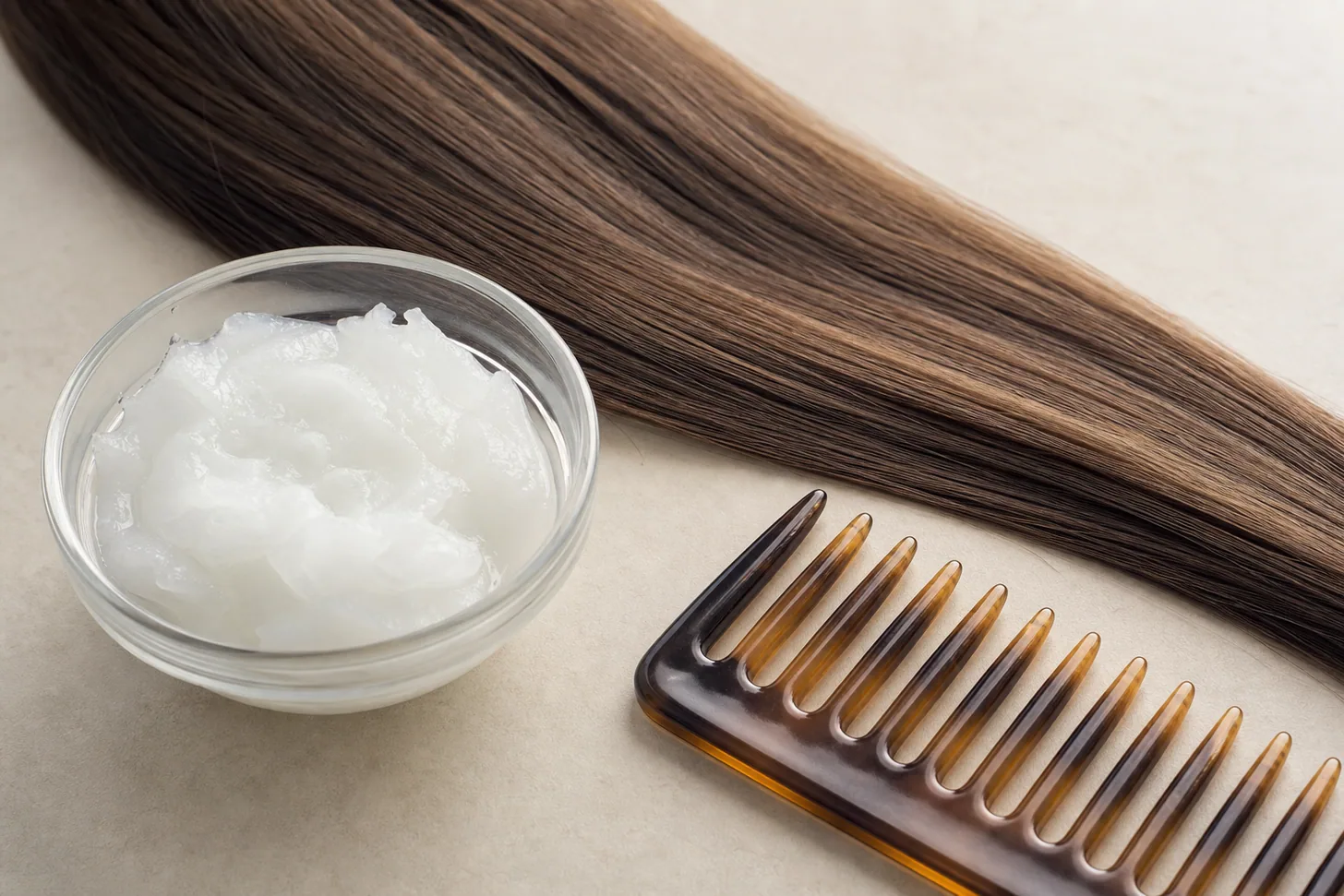
Half a teaspoon, mid-lengths and ends, thirty minutes. That's the whole treatment.
Chair-side note
The clients who tell me oiling ruined their hair almost all did the same two things: they used a lot, and they wet their hair before shampooing it. So they spent three washes getting it out, stripped everything in the process, and concluded that fine hair and oil don't mix.
Then I show them the dry-shampoo-first trick — shampoo straight onto the oiled hair, no water, until it goes milky — and the whole objection disappears in one wash. It is such a small thing to know, and I have never once seen it printed on a bottle.
MH
— Megan Holloway, Editor-in-Chief
Oiling is three practices, not one
They share an ingredient and nothing else. Separating them is most of the work.
Practice
What happens
On fine hair
Pre-wash treatment
Oil goes on before shampoo and is washed out
The one that works. The oil protects the fibre through the wash and then leaves — no weight budget spent
Rarely useful. Fine hair already keeps more of its own sebum near the root, and this buys flat roots and a harder wash
When someone says "oiling made my hair flat and greasy," they mean the second or third of those. When someone says "oiling transformed my ends," they usually mean the first. The word does not distinguish, which is why the advice is such a mess.
What the research actually found
The reason this practice keeps coming back is a single, unusually clean piece of cosmetic-science research. A 2003 study in the Journal of Cosmetic Science compared three oils — coconut, mineral and sunflower — on the prevention of hair damage, and found that coconut oil was the only one of the three that meaningfully reduced protein loss from hair.
That held for both damaged and undamaged hair, and it held whether the oil was used before or after washing. Mineral oil and sunflower oil did not help at all.
The proposed mechanism is about molecular shape rather than richness. Coconut oil's principal fatty acid is lauric acid, which has a low molecular weight and a straight, unbranched chain — so it has an affinity for hair protein and can move into the shaft rather than resting on the surface. Mineral oil is a hydrocarbon with no affinity for protein at all, and sunflower oil's molecules are too bulky to penetrate. "Natural" is not the variable. Shape is.
That matters for two reasons, and there's one thing it doesn't mean. It matters because protein loss is cumulative and permanent — hair is not alive and does not repair itself, so anything that reduces what washing costs you compounds over months. And it matters most on hair that has the least protein to lose in the first place, which is fine hair. It does not mean coconut oil moisturises, grows hair, or repairs damage that has already happened.
Why coconut oil is the odd one out
Here's the awkward part, and it's the reason this page exists separately from our oil roundup. Coconut oil is the best-supported oil for a pre-wash treatment and one of the worst possible leave-ins for fine hair. It's semi-solid at room temperature, it's heavy, and left on fine hair it does exactly what you'd expect — coats it, flattens it, and makes the roots look unwashed by lunchtime.
Both of those are true at once, and they resolve cleanly: use the heavy, penetrating oil in the application where you rinse it out, and use a light, non-penetrating oil in the application where it stays.
Oil
Behaviour
Use it as
Coconut
Penetrates the shaft; heavy and semi-solid
Pre-wash treatment only
Argan
Mostly surface; light, absorbs quickly
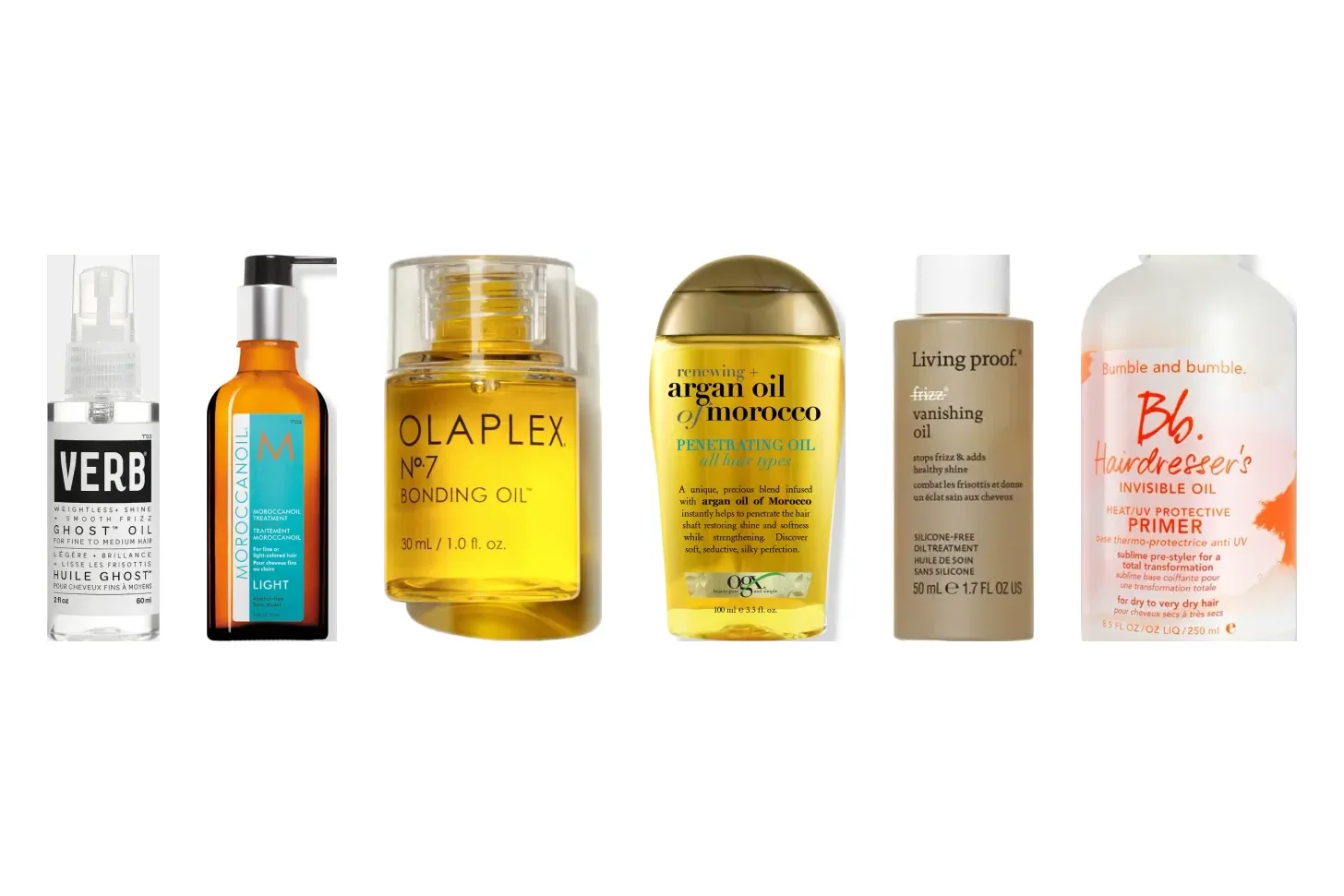
A few drops as a leave-in on the ends
Squalane
Very light, dry-feeling finish
The lightest leave-in option for fine hair
Sunflower / grapeseed
Sits on the surface; no measured protein benefit
Slip and shine, not protection
Mineral oil
No affinity for hair protein; purely occlusive
Skip for this purpose
Castor
Very thick and tacky
Skip on fine hair — it's the hardest of all of these to wash out
How to do a pre-wash oil treatment on fine hair
Six steps, about forty-five minutes, most of it unattended. The fifth step is the one nobody tells you.
Half a teaspoon to a teaspoon. That's it, for mid-length fine hair. Warm it between your palms until it liquefies and your hands feel coated rather than dripping. If it's running down your wrists, you have too much.
Mid-lengths and ends only — stop at ear level. Start at the ends and work upward. Nothing goes near the scalp; a fine strand carries oil poorly down its length, so your roots already have a larger share of your own sebum than a coarse-haired person's do.
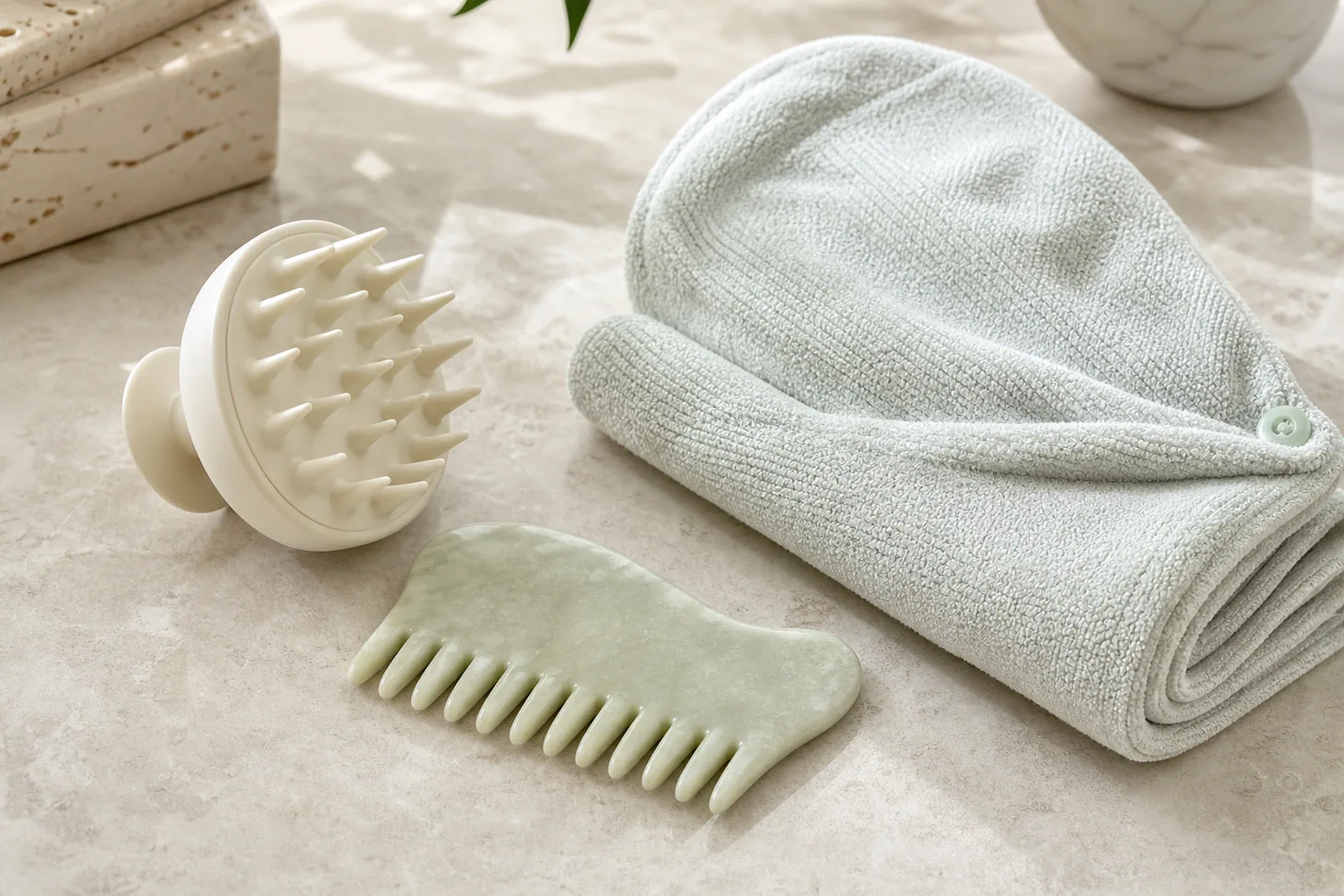
One gentle pass with a wide-tooth comb. Ends first, working up, holding above any tangle. This distributes the oil evenly instead of leaving it in patches — and patchy oil is what leads to patchy washing. A seamless comb is the right tool here.
Thirty minutes. Under a towel or a shower cap if you like the warmth. Overnight is not better on fine hair; most of the uptake happens early, and a full saturation means two shampoos in the morning.
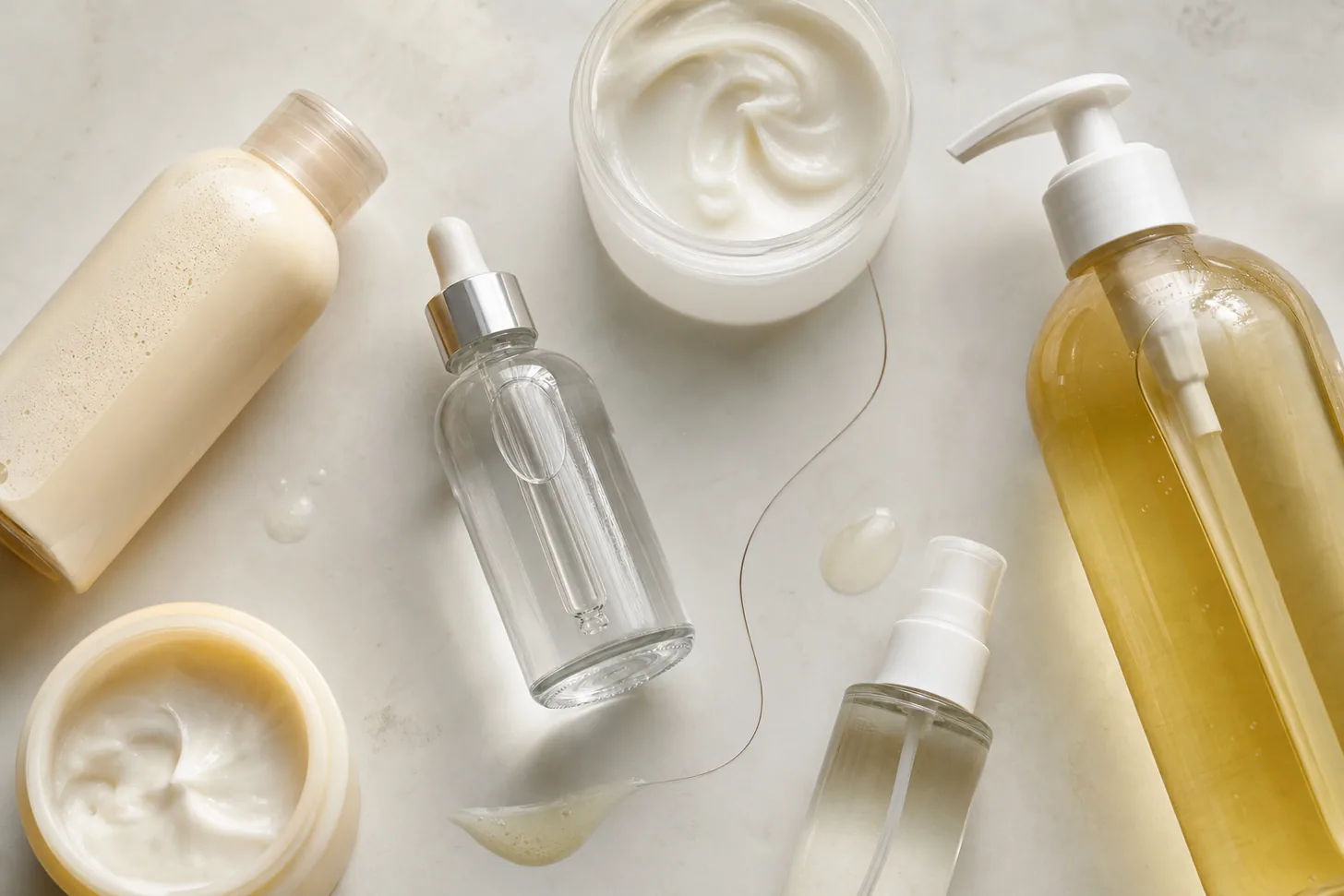
Shampoo onto dry hair, before any water. Work it straight into the oiled hair until it turns milky — that milkiness is the oil emulsifying and it's the whole trick. Wetting first makes the oil bead up and repel everything you do afterwards, which is why people conclude oil "won't come out."
Then add water, rinse, and repeat only if needed. A second short shampoo if it still feels coated. Condition the ends as normal, and dry as normal. If build-up is a recurring theme, a monthly clarifying shampoo is the reset.
Frequency: once a week at most, once a fortnight for many people, and always attached to a wash you were going to do anyway. The extra shampooing is the cost of this treatment — don't add washes to accommodate it. Where it fits in the wider routine is covered in fine hair care: the honest routine.
Scalp oiling, honestly
This is where oiling collides with hope, so it's worth being plain. Massaging oil into the scalp is pleasant, and if your scalp is genuinely dry and tight it can make it feel more comfortable. That's the honest extent of it — and the word genuinely is doing real work, because most flaking isn't dryness.
Dandruff runs on sebum and a lipid-dependent yeast, so oiling a flaking scalp adds fuel rather than comfort; dandruff on fine hair covers how to tell the two apart before you reach for a bottle.
What it does not do is grow hair or increase density. No oil has been shown to do that, and treating a scalp-oiling routine as a growth treatment mostly buys disappointment plus several months of flat roots. If growth is the actual question, we've written the realistic version — including what has and hasn't got evidence — in can you actually grow fine hair thicker?.
There's also a fine-hair-specific reason to be cautious. The complaint we hear most often on this hair type is dry ends and greasy roots at the same time, and that pattern exists because oil travels poorly along a fine strand — so it pools where it's produced.
Adding oil to the scalp adds it to the end of the hair that already has plenty. If your scalp itself is the problem, fine, oily hair and a properly chosen shampoo will get further than an oil will.
What oiling won't do
It won't moisturise. Oil isn't water. It can slow how fast water leaves the strand, which is useful, but the moisture itself has to come from water and humectants — that's the whole argument of the moisture routine for dry, fine hair.
It won't repair damage. Nothing does; hair is not alive. Reducing further protein loss is a real and worthwhile goal, but it's prevention, not repair. The realistic version is in the ingredients that actually repair fine hair.
It won't fix split ends. It makes them look better temporarily by sticking them down. Only scissors close a split.
It won't add volume. Every oil, used as a leave-in, costs you volume. That's not a formulation flaw, it's what weight does.
It won't replace protein. Reducing loss and adding protein are different interventions — if your hair is genuinely protein-hungry, see keratin and protein treatments for fine hair.
When oiling isn't your best move
Your roots go greasy within a day. A pre-wash treatment on the ends is still fine, but keep it well away from the scalp, and start with the balancing routine for fine, oily hair.
You wash your hair twice a week or less. The treatment adds shampooing, and infrequent washers feel that cost most. A lightweight mask in the shower gets you further for less disruption.
Your hair is fine and already limp by the afternoon. Look at build-up before adding a treatment — why fine hair goes flat covers the usual causes, and clarifying often does more than oiling.
You have a flaky, itchy or sore scalp. Oil can feed some scalp conditions rather than soothe them. That's a question for a board-certified dermatologist, not a kitchen cupboard.
You're hoping it will regrow hair. It won't. Read fine hair or thinning? first, so you're solving the problem you actually have.
FAQ
One version of it is, and the popular version isn't. Oiling splits into three separate practices: a pre-wash treatment that's rinsed out, a leave-in oil that stays on the hair, and scalp oiling. Fine hair does well with the first, needs only a few drops of the second on the ends, and rarely benefits from the third. The distinction matters because the whole case for oiling rests on evidence about pre-wash and post-wash treatments protecting the fibre — not on oil living permanently on hair that has no weight budget for it.
There's real evidence behind it, and it's specific to certain oils. A 2003 study in the Journal of Cosmetic Science compared coconut, mineral and sunflower oils and found coconut oil was the only one that meaningfully reduced protein loss from hair, in both damaged and undamaged hair, when used as a pre-wash or post-wash treatment. The proposed reason is that coconut oil's principal fatty acid is lauric acid, which has a low molecular weight and a straight chain, giving it affinity for hair protein and letting it penetrate the shaft rather than sit on top of it.
Coconut oil for a pre-wash treatment, and something much lighter for anything you leave in. That sounds contradictory and it isn't: coconut oil is one of the heaviest oils on the shelf, which makes it a poor leave-in for fine hair and irrelevant as a criticism when you're going to wash it out. For a leave-in, argan or squalane in a few drops on the ends is a better fit, because the goal there is surface shine rather than penetration.
Thirty minutes to an hour, and overnight isn't better. Most of the uptake happens early, and on fine hair the cost of a long soak is real — a head of fine hair saturated overnight generally needs two shampoos to get clean, and two shampoos strip more than the treatment gave you. Half an hour under a towel or a shower cap, before a wash you were going to do anyway, is the version that fits an actual week — and the same dosing logic applies to slugging and the other viral treatments.
No. Massaging the scalp feels good and may help a dry or flaky scalp feel more comfortable, but no oil has been shown to increase hair growth or density, and treating it as a growth treatment sets up disappointment. On fine hair there's a second issue: oil travels poorly down a fine strand, so more of your own sebum stays near the roots already, and adding more usually buys flat roots and a harder wash rather than a benefit.
Because water was added before the shampoo. Oil and water repel each other, so wetting oiled hair first makes the oil bead up and resist everything you do afterwards. Work the shampoo directly into dry, oiled hair until it turns milky — that's the oil emulsifying — and only then add water. It's the single change that turns a pre-wash treatment from an ordeal into a normal wash, and almost nobody is told it.
Once a week at most, and once a fortnight suits many people. Attach it to a wash you were already going to do rather than adding a wash, since the extra shampooing is the part that costs you. If your ends are dry and your roots go greasy quickly — a very common fine-hair combination — treat oiling as an ends-only intervention and keep the frequency low; the underlying routine matters more than the treatment does.
Fourteen years across the chair and the page, specialising in fine-hair care. Megan's position on oiling is that the evidence is better than the sceptics think and much narrower than the enthusiasts claim — and the narrow part is the useful part.
Results vary with hair type, density, and growth patterns. This guide is educational and not a substitute for an in-person consultation with a licensed stylist.
Hairstyle images in this guide are AI-generated illustrations, not photos of real clients or results. See our image policy.
Get the good hair intel
One honest, stylist-written guide in your inbox each week. No hype.

 MH
MH