Reviewed by Simone Baptiste · Updated September 2026 · 9 min read
The best hair products for men with thin hair are matte and light: a texture powder or a volumizing foam for lift, and a pinch of dry paste or clay for shape. Shine is the enemy. It clumps thin strands into lines, and the lines show scalp.
Most of the men's shelf is built for thick hair, which needs weight to control it. Thin hair needs the opposite. Below: what to look for on the label, how to use each type, and six picks across six brands, each with one honest limitation.
Every product here is chosen independently, on the merits. Links go to each brand's official page, and we don't take payment for placement. Price tiers are rough guides because prices change.
What works on thin hair, and what does not
Thin hair looks thin for two reasons: there are gaps between the strands, and the strands lie flat. A good product fixes the second and hides the first. It props the roots up and roughens each strand so the hairs sit apart and overlap.
That is why the finish matters more than the hold. Matte products scatter light and add grip. Shiny products reflect light off the scalp between the strands and add weight, so thin hair ends up flatter and more see-through.
Product type
What it does to thin hair
Verdict
Texture powder
Props up roots, adds grip, no weight
Best, on dry roots
Volumizing foam or mousse
Thickens strands as you blow-dry
Yes, on damp hair
Sea salt spray
Loose texture, very light
Yes, for waves and messy cuts
Matte paste or clay
Shape and separation
Yes, sparingly, on dry hair
Shiny pomade or wax
Weight and shine; strands clump
Skip
Wet-look gel
Glues hair into shiny lines
Skip, except light gel on curls
Heavy cream or hair oil
Softens and weighs down
Skip on short thin hair
How to read a men's styling label
Look at the first three ingredients. Products are listed by amount, so if petrolatum, beeswax, lanolin or an oil comes first, it will be heavy however "matte" the front of the tub says it is. Water, clay, silica or a polymer first usually means lighter.
Distrust "thickening" claims that mention DHT, biotin or saw palmetto. In a product you style with and wash out, they do nothing for hair growth. A styling product thickens hair by coating it, and that is fine, as long as it is what you are paying for. Our men's shampoo for thinning hair guide covers the actives that do have evidence.
Chair-side note
The man with thin hair who says "product never works for me" is nearly always using a shiny pomade, and nearly always a fingerful of it.
Switch to something matte, use a quarter of the amount, and put it on dry hair. That one change fixes more flat hair than any new haircut.
MH
— Megan Holloway, Editor-in-Chief
The best hair products for men with thin hair
Six picks across six brands, from the lightest to the heaviest. Each names who it suits and one real limitation.
1
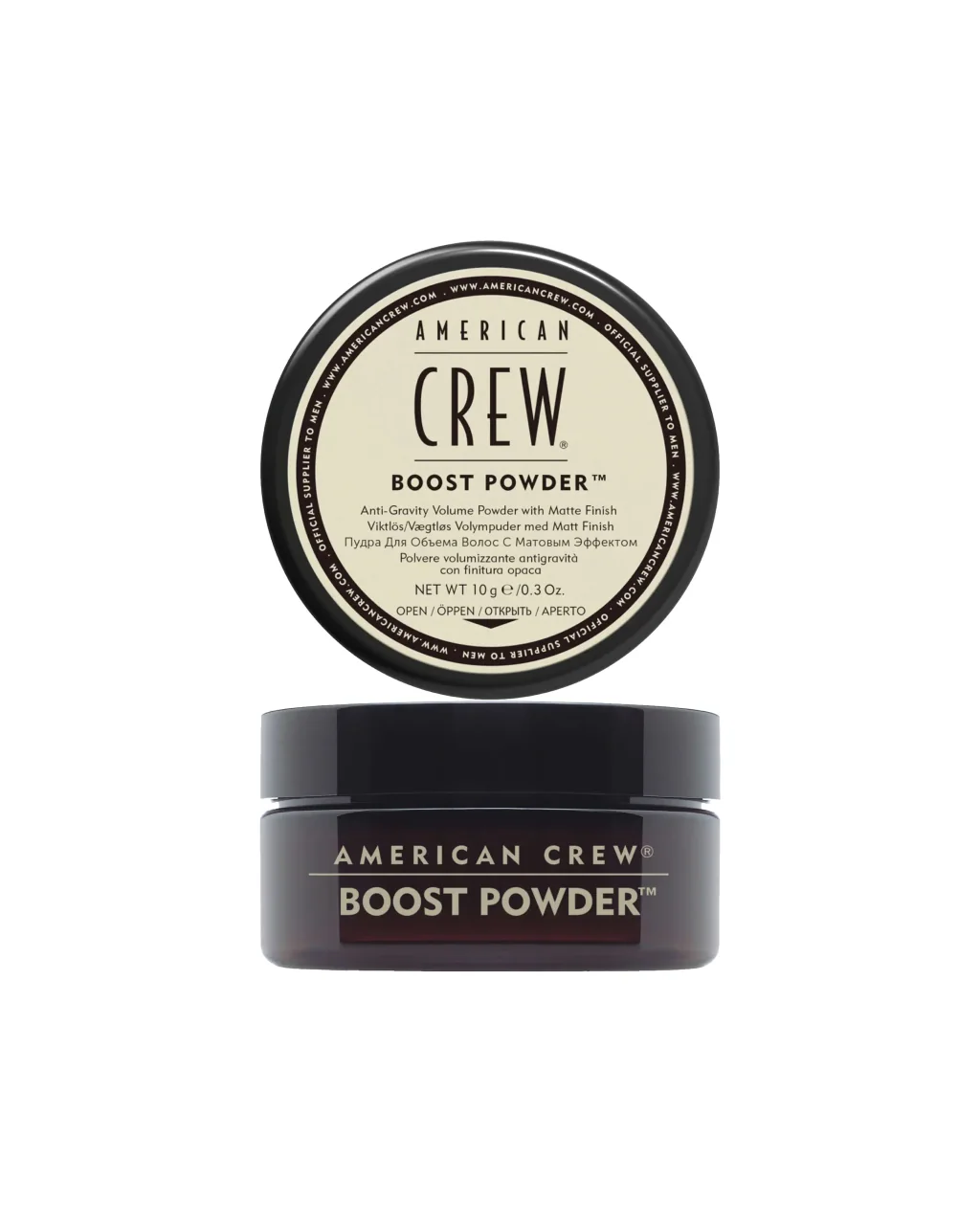
Best overall for thin hair: American Crew Boost Powder
The lightest product here, and the one that does most for thin hair. It is a powder you sprinkle into dry roots, and the full ingredient list is five items long with no oils or waxes: the working part is silica silylate, which American Crew says "thickens hair" and gives flexible hold. The brand calls it an "anti-gravity volume powder," and on fine hair that is fair: it props the roots up and adds grip.
Best for: short hair that goes flat by noon, and any man who wants lift without anything that looks like product. Honest limitation: powder feels gritty to the touch and can leave a faint dullness on dark hair if you overdo it. Tap a little into your palm, never straight onto your head.
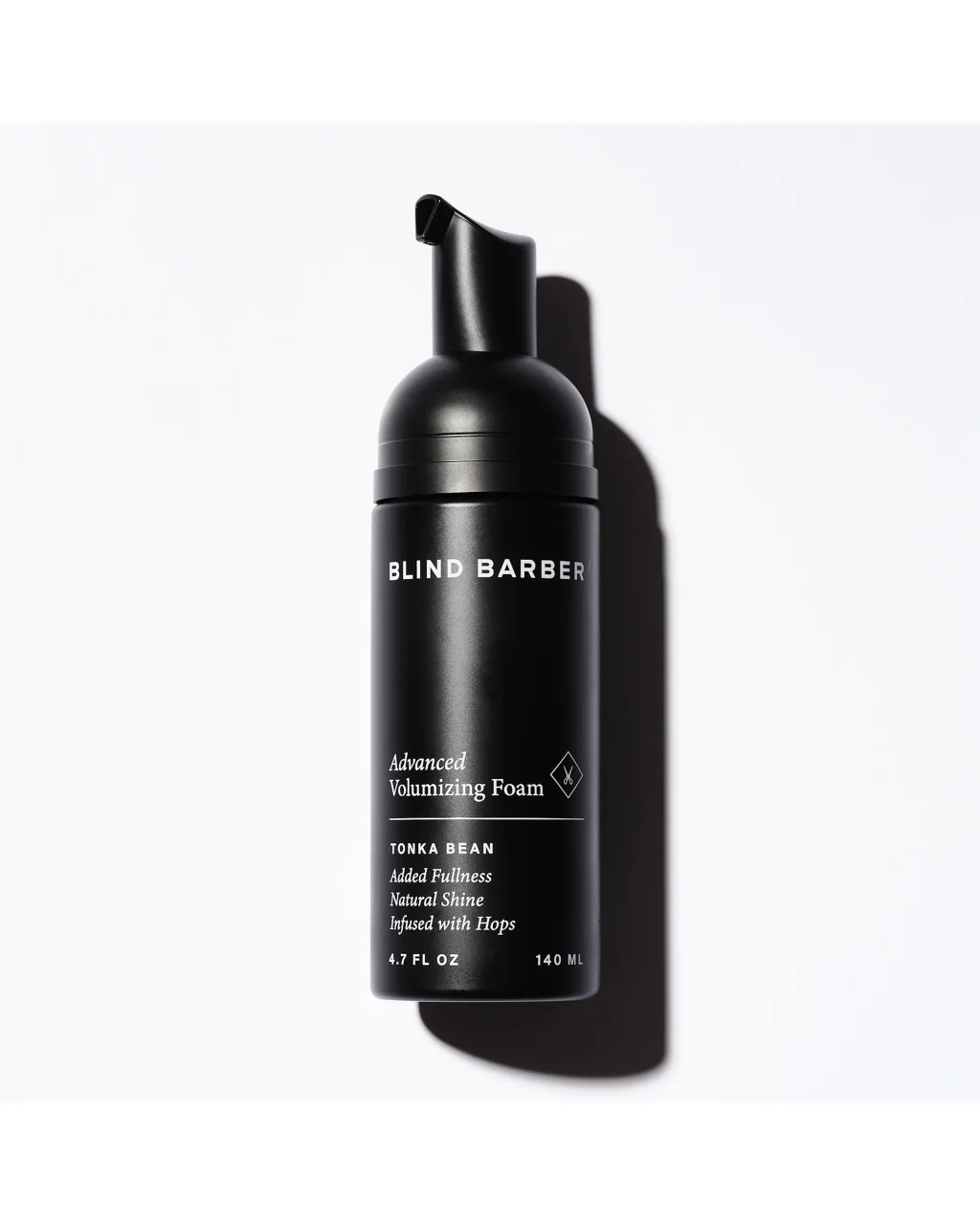
Best pre-styler: Blind Barber Advanced Volumizing Foam
A foam for damp hair before blow-drying, which is the step most men with thin hair skip and the one that makes the biggest difference. The ingredient list is water-based with film-forming polymers and no oils or waxes, and the brand promises "lasting volume without the weight." It also lists saw palmetto and hops extract.
Best for: men willing to spend two minutes with a hair dryer, on any length from a crop to a side part. Honest limitation: the page gives no directions, and on its own the foam does little. Use a golf-ball amount on damp roots and blow-dry in the direction you want the hair to go. Ignore the saw palmetto: in a styling foam it is there for the label, not for your hair count.
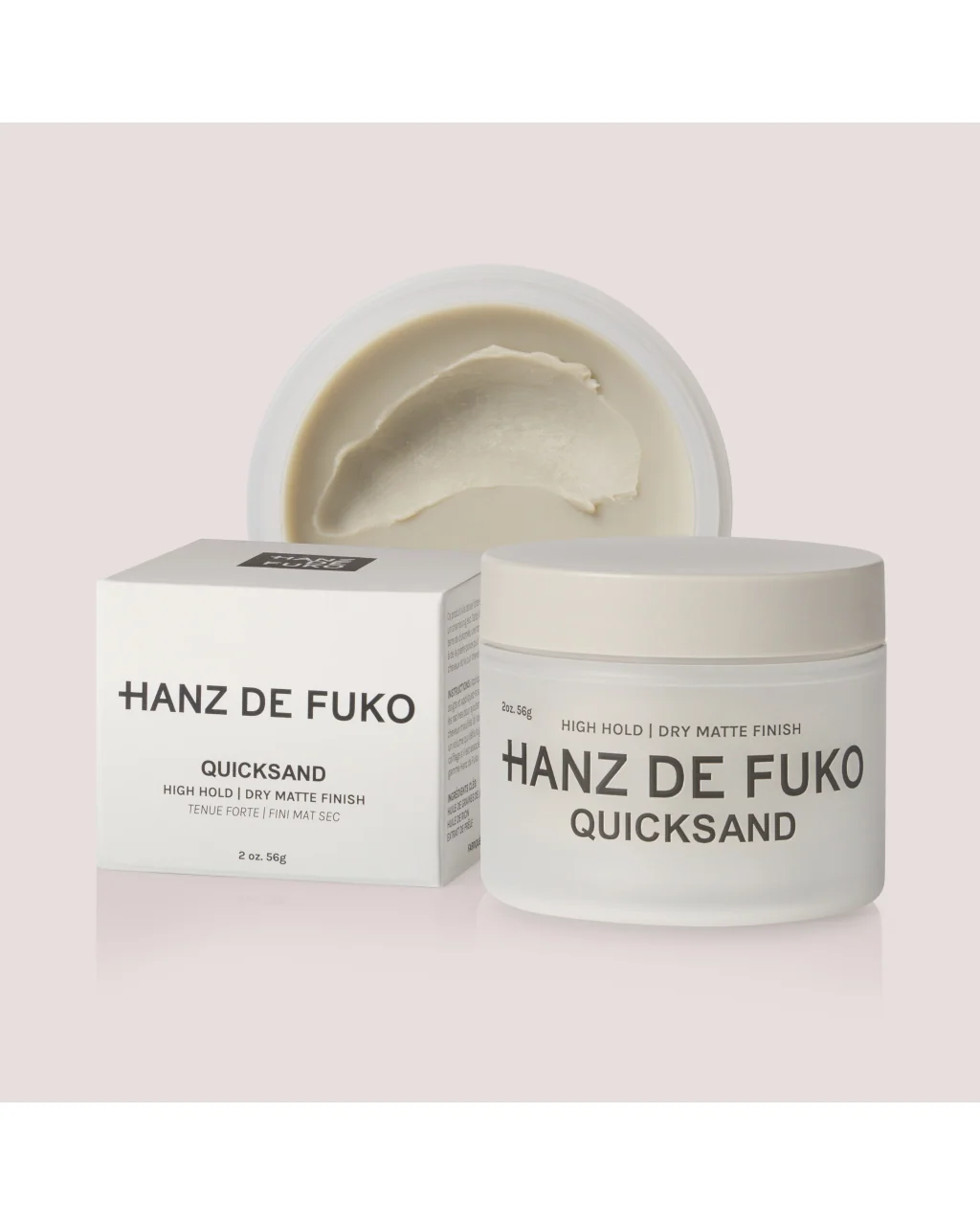
Best dry paste for second-day hair: Hanz de Fuko Quicksand
A hybrid of a paste and a dry shampoo: diatomaceous earth soaks up oil at the roots while the paste gives hold. Hanz de Fuko describes a "'sea salt', ultra-matte finish" and says it "adds great lift on second-day hair," which is exactly when thin hair needs help, because oily roots clump and show scalp.
Best for: the day after washing, on short textured cuts and crops. Honest limitation: the first ingredient is safflower seed oil, so it is heavier than it feels in the jar. Use a pinch rubbed between your fingertips, at the roots only. A fingerful will flatten fine hair.
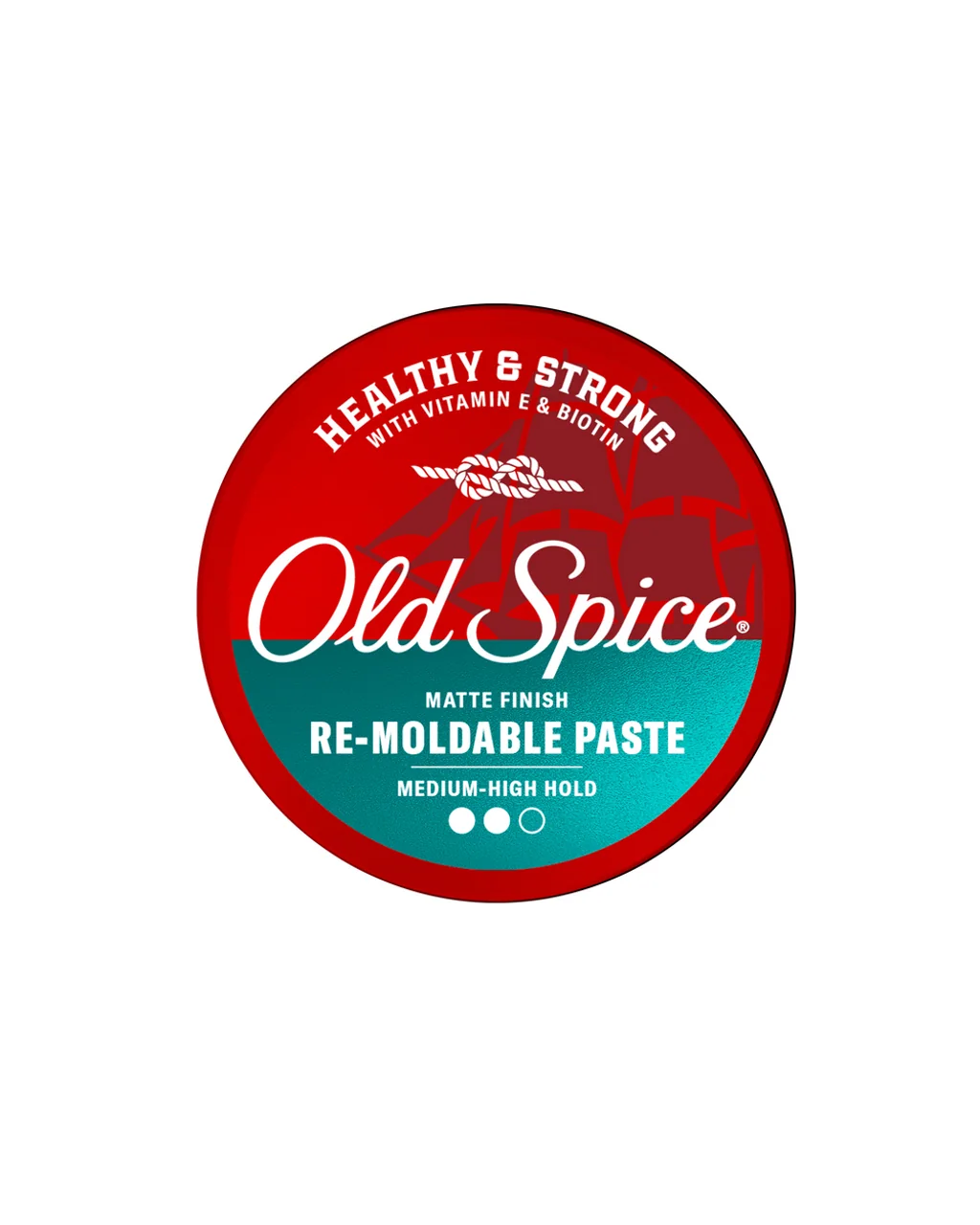
A matte, medium-high hold paste from the drugstore aisle. Old Spice promises hair that is "defined but not crunchy," and it can be restyled through the day, which suits short cuts that need a push back into shape by the afternoon.
Best for: men who want one cheap, easy tub for a short crop, crew or textured cut. Honest limitation: Old Spice publishes no full ingredient list on its product page, so we cannot tell you how heavy the base is. The biotin and vitamin E on the label will not make hair stronger from a styling paste. Start with a small amount on dry hair.
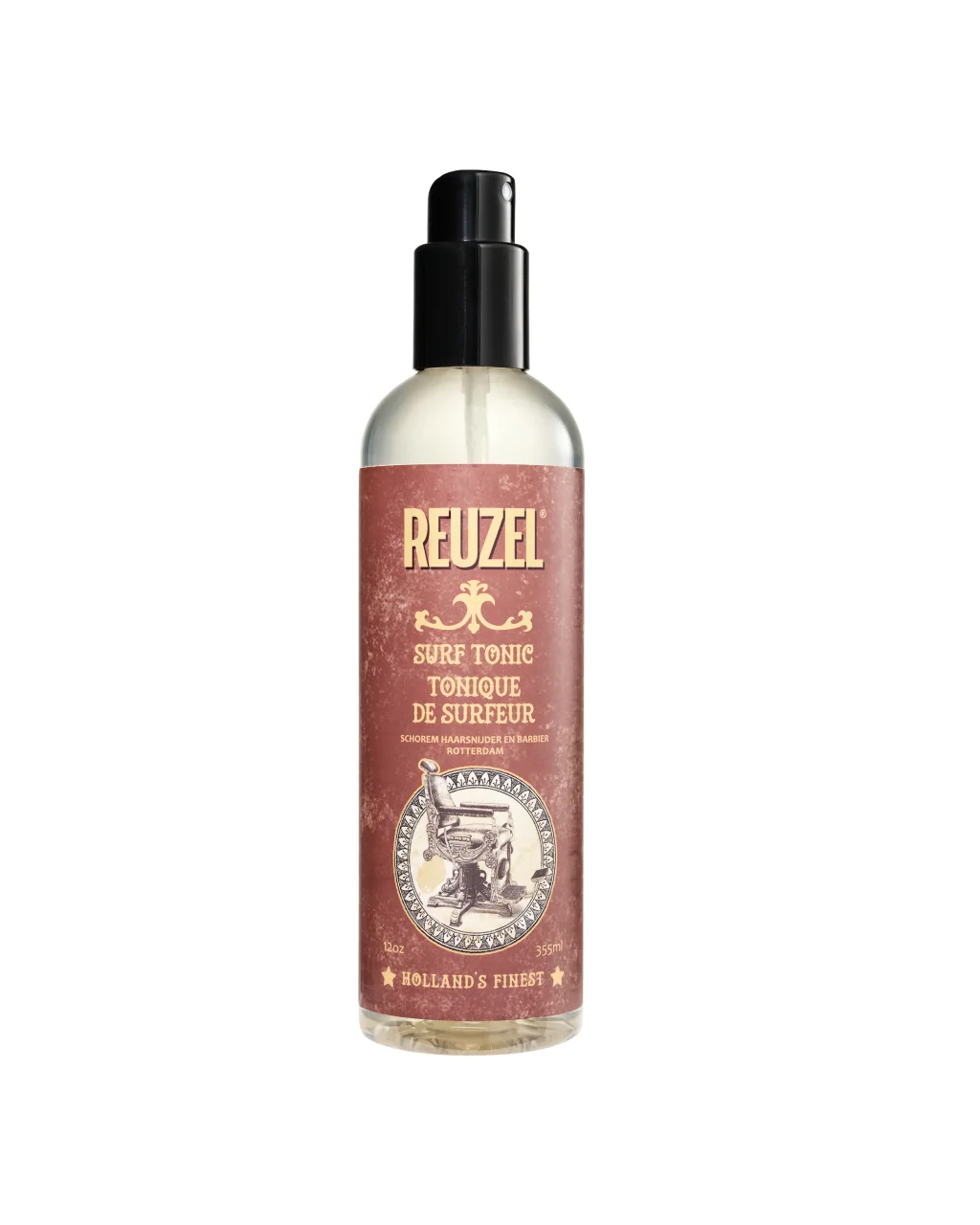
Best for waves and messy texture: Reuzel Surf Tonic
A sea salt spray with almost no hold and no shine: Reuzel rates it one out of ten for hold and zero for shine. It "adds texture and volume" by roughening each strand so the hair sits apart instead of lying flat, and it "encourages existing waves and curls."
Best for: thin wavy hair and messy, air-dried crops, sprayed into towel-dried hair and scrunched. Honest limitation: salt is drying, and on its own it will not hold a shape. Pair it with a pinch of paste if you need the style to last, and skip it if your scalp is dry or flaky.
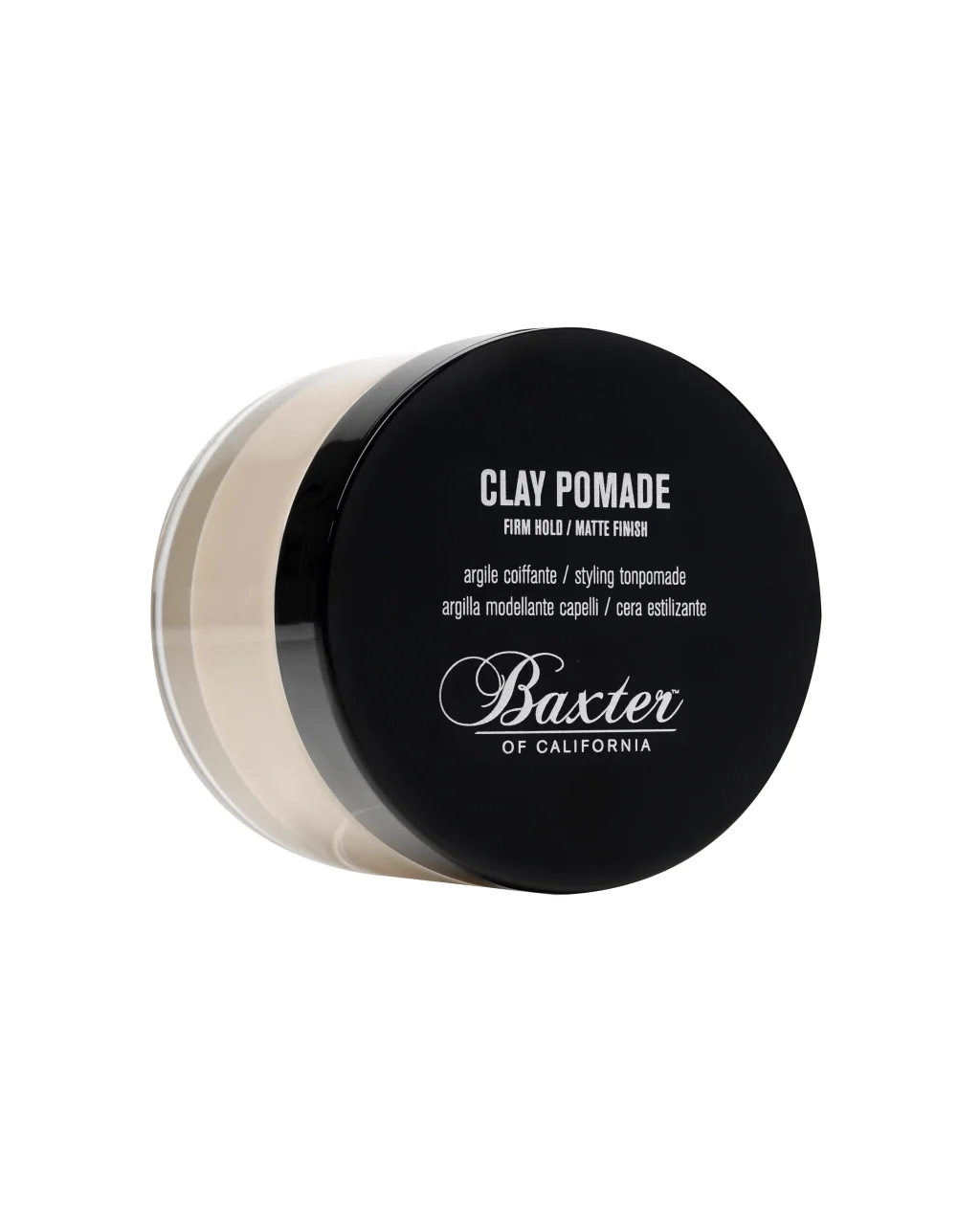
The strongest hold here, with a true matte finish: Baxter promises "matte, pliable hold so hair isn't stiff." Clay gives grip and separation, so a quiff or a side part stays where you put it.
Best for: men with thin but not thinning hair who want a structured shape, and who will use very little. Honest limitation: despite the name, the first ingredients are petrolatum and beeswax, with the clay third. That is a heavier base than the other picks. Use an amount smaller than a fingernail, on dry hair only, and never on damp hair, where Baxter says it gives a wet look.
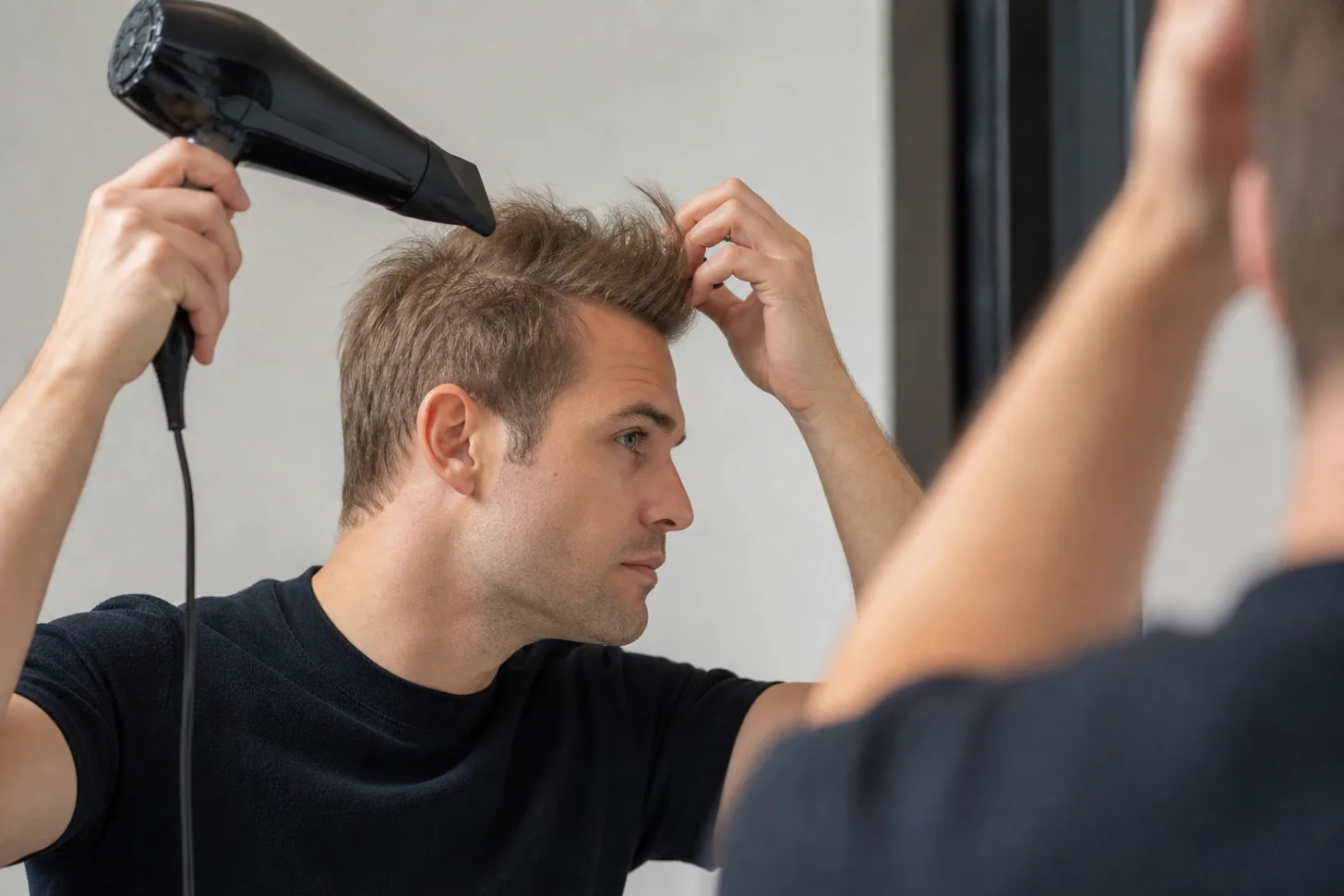
Damp hair: a golf-ball amount of foam at the roots, or a few sprays of sea salt spray if your hair is wavy.
Blow-dry: thirty seconds to a minute, lifting the front and top with your fingers in the direction you want them to go.
Dry hair: a pinch of powder at the roots for lift, or a pea-sized amount of paste or clay, rubbed into your palms until it almost disappears, then through the front and top.
Day two: dry paste or powder at the roots instead of more of yesterday's product.
Two products at most. Layering three or four is how thin hair ends up heavy and flat. The two-minute version of this routine, with the cut that suits it, is in our styling guide for fine hair on men. If your hair is curly, thin curly hair for men explains why a light gel on wet hair is the exception to the no-gel rule.
The cut does half the work. A short, textured shape gives any product more to hold on to; see men's haircuts for thin hair.
When a styling product isn't the answer
Your hairline or crown is receding year on year. Product changes what people see today, not what is happening to the follicles. See a dermatologist early; our overview of hair loss treatments explains the options.
The thin area is bare scalp. Styling products need hair to hold. Hair fibers or a shorter cut will do more.
Your scalp is itchy, flaky or sore. Treat the scalp first, and keep heavy products off it until it settles.
FAQ
Matte, lightweight ones. A texture powder or a volumizing foam adds lift without weight, and a small amount of dry paste or matte clay gives shape. Avoid anything shiny or wet-look, including high-shine pomade, wax and wet gel: shine clumps thin hair into lines that show scalp.
Wet-look gel is, because it glues strands into shiny, separate lines that show the scalp. A light gel used differently can work: on curly or wavy hair, a little gel raked through soaking wet hair holds the curl shape without weight. For straight thin hair, a foam before blow-drying does the same job better.
Clay, as long as it is used sparingly. Clay dries matte and adds grip, so thin hair separates and looks fuller. Traditional pomade is shiny and heavy, so it flattens and clumps fine strands. Check the ingredient list, though: some products sold as clay are mostly wax and petrolatum.
Styling products can make each hair and the style look thicker, but only while they are in. Powders and foams coat strands and prop up roots; that is real, and it washes out. No styling product regrows hair or blocks DHT, whatever the label says. For thinning that is progressing, see a dermatologist.
Less than you think: a pea-sized amount of paste or clay, a pinch of powder, or a golf-ball amount of foam for short hair. Rub paste between your palms until it is almost invisible, then work it into the front and top. Too much product is the most common reason thin hair looks flat and greasy by midday.
Foams and sea salt sprays go on damp hair before drying. Powders, pastes and clays go on dry hair. Clay or paste on wet hair tends to give a wet, clumped look, which is the opposite of what thin hair needs. For the full routine, see our styling guide for fine hair on men.
Licensed cosmetologist and certified trichology practitioner with fourteen years in hair — eight behind the chair, six in editorial. Megan writes the care and product guides, and tests everything against the same question: what does this actually do to fine hair?
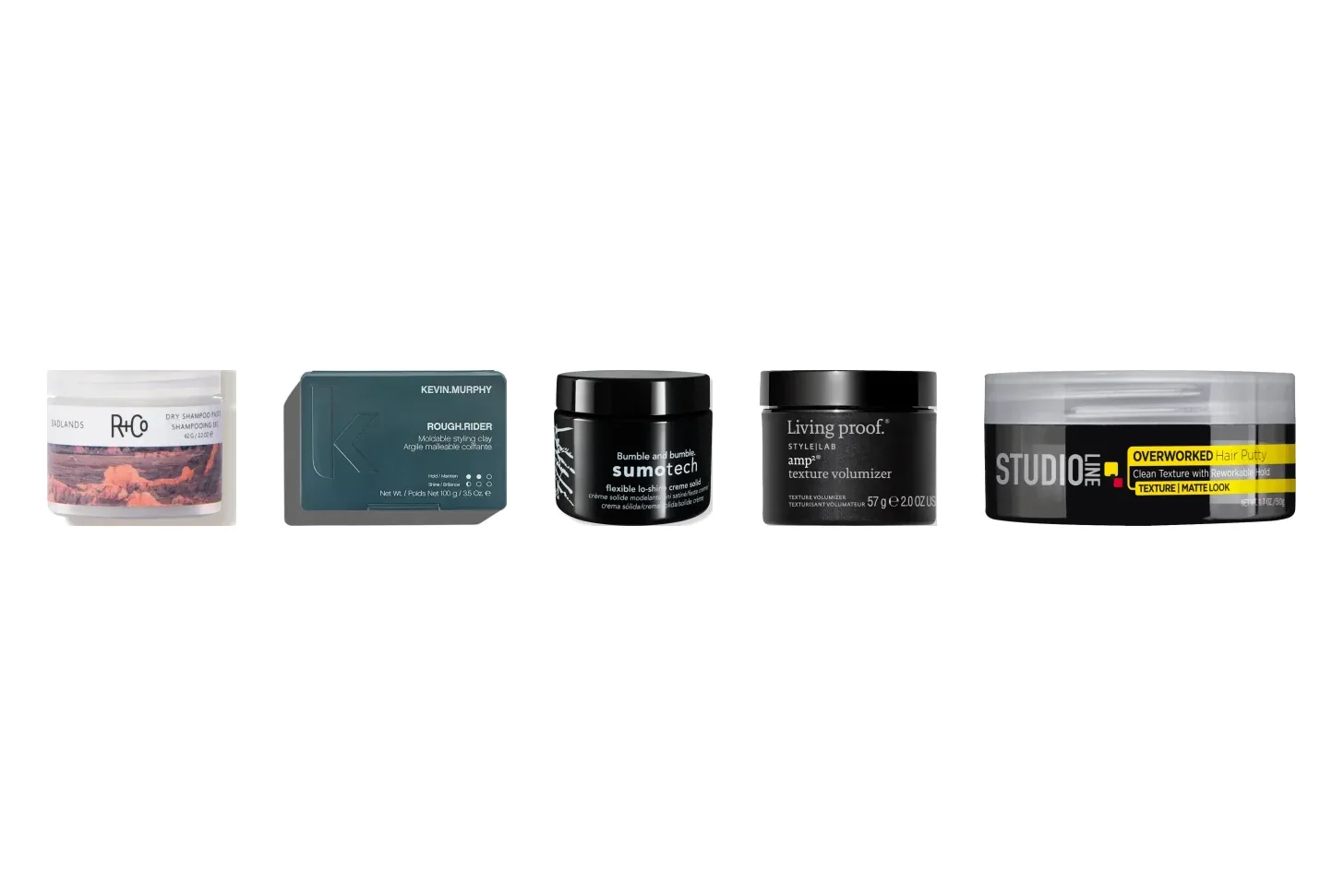
Product images are the brands' own packshots. Formulas, sizes and prices change; check the brand's page before buying.
Results vary with hair type, density, and growth patterns. This guide is educational and not a substitute for an in-person consultation with a licensed stylist, barber or physician.
Get the good hair intel
One honest, stylist-written guide in your inbox each week. No hype.

 MH
MH