Reviewed by Tara Sullivan · Updated July 2026 · 10 min read
A wedding style on fine hair lives or dies on preparation, not on the style itself. The looks that hold all day are soft and textured rather than sleek, built on second-day or texture-sprayed hair, anchored to a hidden foundation of teasing or padding, and pinned into structure — not into loose, slippery strands.
Get that groundwork right and fine hair carries a chignon, a half-up, or soft waves through the ceremony, the photos, and the dancing. Below are 16 wedding and mother-of-the-bride styles that flatter and hold on fine, thin hair — updos, half-ups, and soft down looks — each with who it suits and how to make it last.
Whether you're the bride, the mother of the bride, or a guest, the fine-hair rules are the same — though if you’re in the bridal party the constraints are not, which is why bridesmaid hairstyles for fine hair is a separate guide. They start with the prep in the volume guide and the updo technique in updos for fine hair that hold.
Chair-side note
The single thing I tell every fine-haired bride and mother of the bride: do not wash your hair the morning of. Freshly washed fine hair is silky and slippery — it slides out of pins and collapses by the first dance. Wash the day before, or two days before, so there's a little natural grip in it.
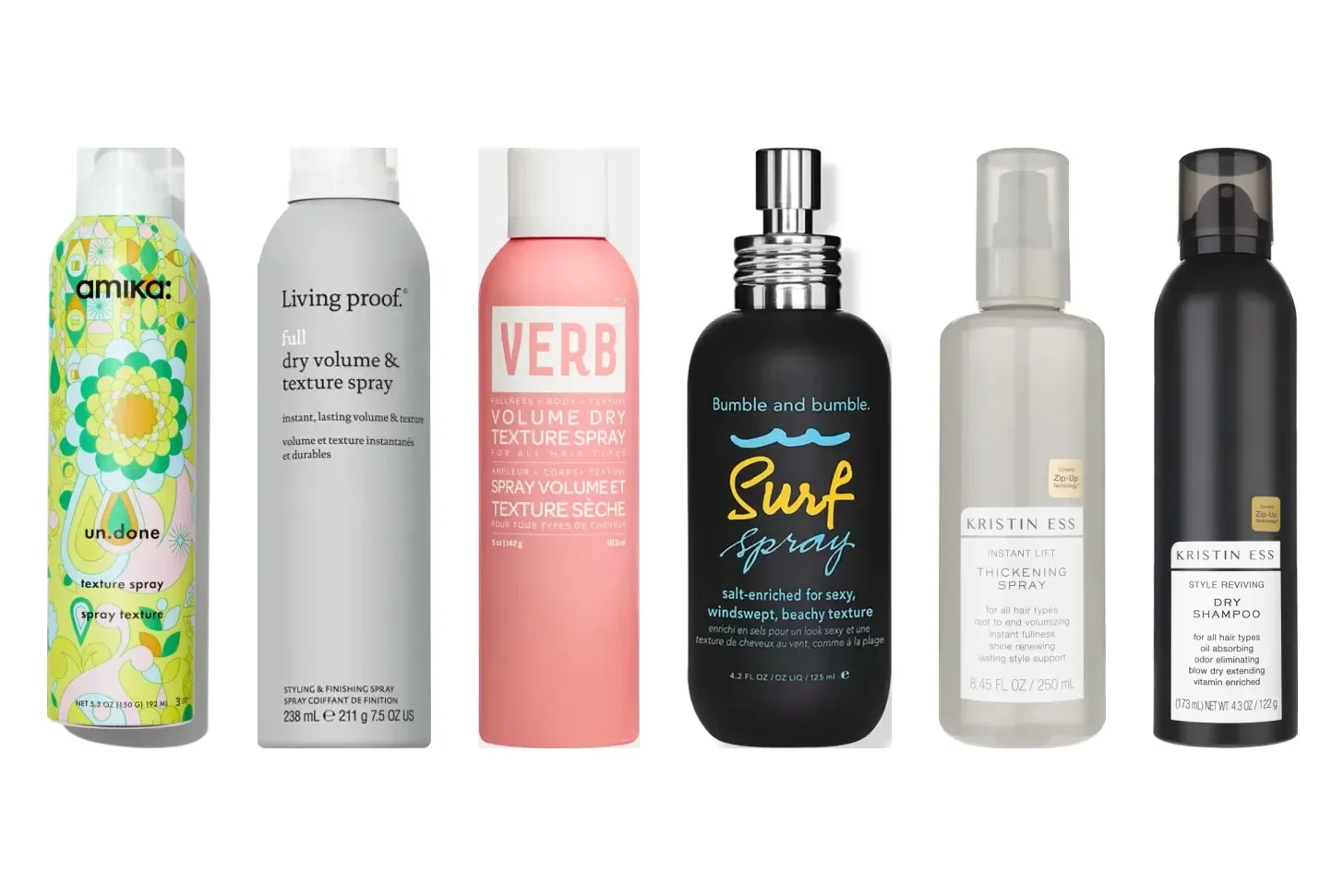
If you must wash the morning of, prep it back to life with a texture or volumizing spray and a rough blow-dry before I ever start pinning. I'd rather build a wedding updo on hair with a day of "lived-in" texture than on glass-smooth clean hair every single time. This one habit does more for the hold than any product I could add on top.
SB
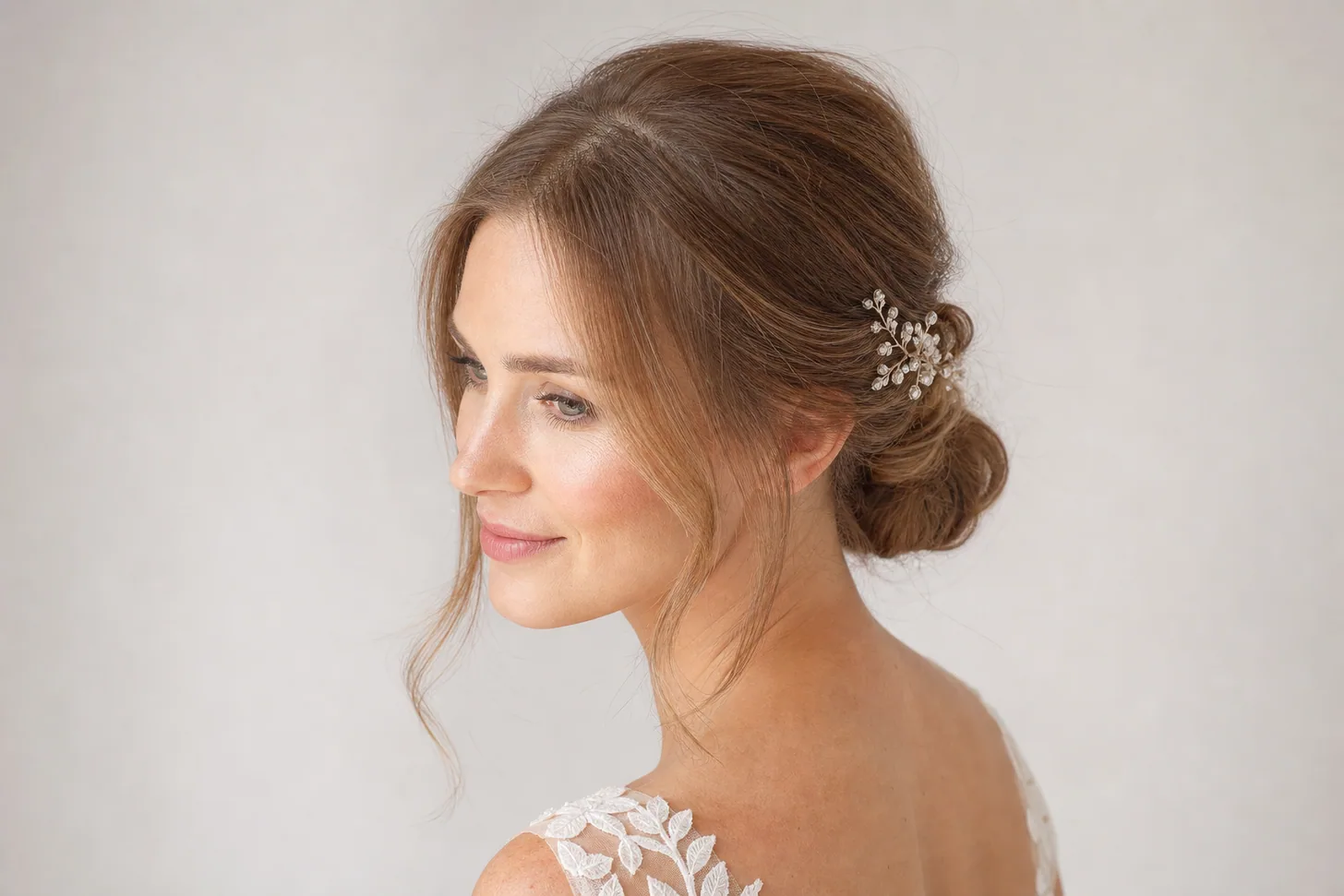
— Simone Baptiste, Certified Bridal Stylist
Why fine hair needs a different wedding-hair plan
Fine hair isn't harder to style for a wedding — it just needs a plan the styling photos never show you. Three things work against fine hair on the day: it's slippery when clean, so pins slide; it has less bulk, so a big updo can look sparse without help; and it falls flat under its own weight over a long event.
The fixes are all in the preparation. Grip comes from styling on second-day hair or prepping with a texture spray, which gives slick strands something to hold. Fullness comes from a hidden foundation — discreet teasing at the crown, or a small padding piece the style wraps around — so the shape reads full without borrowing density fine hair doesn't have. And staying power comes from pinning into that structure and finishing with a flexible-hold spray.
A soft, slightly undone finish is your friend here: texture makes fine hair look fuller, while a sleek, tight style exposes every thin spot and flat patch. If you're not sure whether your hair is fine, low-density, or both, our guide to telling fine hair from thin hair helps you brief your stylist accurately — and if the change has felt fast, read fine hair or thinning first.
Updos that hold on fine hair
A full updo is the classic wedding choice, and fine hair can carry one beautifully — the trick is soft and low, built on texture and a hidden anchor. Low styles are easier to volumize than sleek high ones, and a tousled finish reads fuller. These four are the updos that last. The everyday versions of these, built around the three ways an updo fails on fine hair, are in easy updos for fine and thin hair.
soft textured low chignon at the nape with loose face-framing pieces on fine wavy blonde hair, woman dressed for a wedding
1
The soft textured low chignon
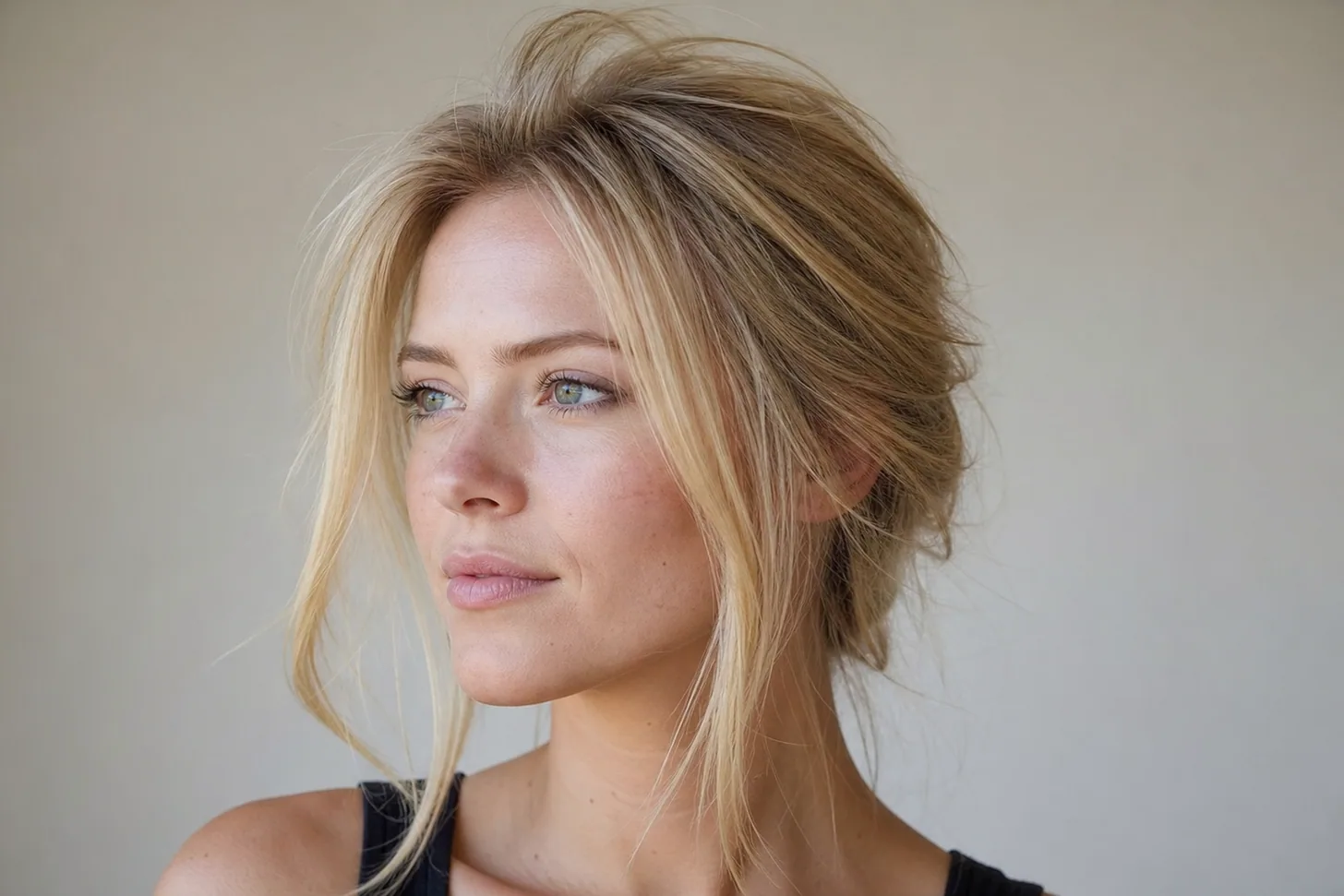
The most forgiving wedding updo for fine hair: a loose, low knot at the nape with a little texture pulled through so it looks full rather than scraped-back. The undone finish disguises fine density, and the low placement is easy to build volume above. Prep on second-day hair, tease lightly at the crown for lift, and leave a few face-framing pieces out. It's elegant, timeless, and holds for hours.
classic French twist with crown volume on fine straight brown hair, woman dressed for a wedding
2
The volumized French twist
A French twist is structure fine hair loves, because the roll itself builds shape and hides the ends. Add height at the crown before you twist — a little teasing or a padding piece underneath — so the top reads full, not flat. It's a polished, sophisticated choice that suits mothers of the bride especially, and the vertical line is quietly slimming. Pin the roll into the teased foundation, not into loose hair, so it holds.
tousled low bun with twisted sections and a few loose tendrils on fine light-brown hair, woman dressed for a wedding
3
The twisted-and-pinned low bun
Built from several small twisted sections pinned into a soft cluster, this bun creates the look of far more hair than fine strands actually have — the twists add width and dimension. It's the same principle as our twisted bun for fine hair, dressed up for a wedding with a pearl pin or two. Set each twist with a mist of hairspray as you go so the shape locks in section by section.
romantic loose updo with braided detail and pinned curls on fine wavy hair, woman dressed for a wedding
4
The braided romantic updo
Woven braid detail is a fine-hair secret weapon for weddings: a loose braid, gently pulled wider (a technique stylists call "pancaking"), makes thin hair look abundant and holds its own structure. Pin it into a soft updo with a few curls escaping. Ideal for a bride who wants a romantic, full look without extensions. Ask your stylist to pancake the braids for width and set them before pinning.
Half-up styles that fake fullness
Half-up looks are the most flattering fine-hair option there is for a wedding — they build the illusion of thickness at the crown while leaving length flowing, and they're more forgiving than a full updo.
These four give you volume up top and softness below; for the everyday versions and the sectioning that makes them hold, see our full guide to half-up hairstyles for fine hair. If you'd like a plait worked in, the width tricks in braids for fine hair apply to bridal braids too.
half-up style with a voluminous teased crown and soft waves left down on fine honey-blonde hair, woman dressed for a wedding
5
The voluminous half-up
The classic for a reason: hair swept up and back from the crown with soft height, the rest left in waves. The teased-and-smoothed crown gives fine hair the fullness it lacks exactly where photos catch it, and the flowing length keeps the look youthful. Secure the top section into a small hidden base so it holds the volume all night. Beautiful on brides and guests alike.
half-up top knot with a soft twisted crown on fine straight brown hair, woman dressed for a wedding
6
The half-up twisted crown
Two twists drawn back from the temples and joined at the crown create a soft, romantic frame and a little built-in height — no heavy teasing required. It's a lighter, more modern half-up that suits fine hair because the twists themselves add dimension. Leave soft pieces around the face and finish with a flexible spray. A pretty, low-effort choice for a guest or a relaxed bride.
half-up style with a delicate braid across the back of the crown on fine wavy hair, woman dressed for a wedding
7
The half-up with a braided band
A slim braid taken across the back of the head and pinned gives a half-up delicate detail and holds the crown section in place without a hard elastic line. The braid reads as intricate and full — a lovely trick on fine hair. Pancake the braid gently for width. It's an elegant middle ground between a plain half-up and a full braided style.
half-up style secured with a decorative pearl hair comb, soft waves below, on fine light-brown hair, woman dressed for a wedding
8
The half-up with a statement comb
Let an accessory do the heavy lifting: a decorative comb or a cluster of pins secures a half-up while adding the sparkle and interest that fine hair can't create with density alone. The hardware hides the join and gives the eye somewhere to land. Ideal for a mother of the bride who wants polish with minimal fuss — and it doubles as your "something special" for photos.
Soft waves & down styles with staying power
If you'd rather wear your hair down, fine hair can do soft, romantic waves for a wedding — as long as the crown has height and a texture product keeps the wave from dropping. These four are the down looks built to survive a long day. Heat-set and set again with product.
soft romantic waves worn down with crown volume and a deep side part on fine blonde hair, woman dressed for a wedding
9
The soft Hollywood waves
Glamorous down waves work on fine hair when the wave is soft rather than tight and the crown is lifted so the length has somewhere to fall from. Set with a curling iron on second-day hair, brush out gently for that smooth vintage bend, and lock with flexible spray. A deep side part adds crown height for free. Timeless for a bride who wants to wear her hair down.
tousled beachy waves with volume at the roots and face-framing pieces on fine wavy brown hair, woman dressed for a wedding
10
The tousled undone waves
A more relaxed, textured wave suits fine hair beautifully because the tousled finish reads as fullness. Prep with a texture spray, wave loosely, and rough it up with your fingers rather than brushing smooth. Perfect for an outdoor or relaxed wedding, and far more forgiving over a long day than a sleek set. The messier finish also hides the drop as the wave softens through the night.
down style with the front pieces pinned back and soft curtain bangs framing the face on fine straight hair, woman dressed for a wedding
11
The pinned-back-front down style
The easiest down look to keep tidy: soft waves with just the front pieces pinned back off the face, so it stays neat through hugs and wind without committing to an updo. Soft curtain bangs frame the face and add front fullness. A great choice for a guest, or a bride who wants her hair down but out of her face for the ceremony. Discreet pins keep it in place.
down style with a floral crown or delicate hairband over soft waves on fine light hair, woman dressed for a wedding
12
The waves with a delicate hairpiece
A fine hairband, a floral vine, or a thin sparkle piece worn over soft down waves adds the interest fine hair can't make on its own and quietly holds the crown shape. The accessory carries the look so your hair doesn't have to work as hard. Lovely for a boho or garden wedding, and forgiving if your waves soften as the day goes on.
Elegant mother-of-the-bride options
The mother of the bride wants polish that lasts through a long, emotional, photo-heavy day — and often on shorter or finer hair. These four lean refined and secure, with the volume and softness that flatter fine, mature hair. Age-appropriate, elegant, and built to hold.
elegant polished low bun with soft volume at the crown on fine silver-blonde hair, older woman dressed as mother of the bride
13
The polished low bun
Refined without being severe: a smooth-but-soft low bun with gentle height at the crown. It photographs beautifully, stays put through the ceremony and dancing, and suits fine, mature hair because the crown lift keeps it from reading flat. Ask for a little volume built in at the top and a few soft pieces at the front — polished, not scraped. A mother-of-the-bride classic.
soft voluminous blowout on medium-length fine hair with rounded crown volume, older woman dressed as mother of the bride
14
The soft voluminous blowout
For medium-length fine hair, a rounded, full blowout is elegant and low-commitment — no updo required. The volume comes from a round-brush blow-dry over a volumizing product, with the crown lifted and the ends turned softly under. It suits a mother of the bride who wears her hair down day to day and wants an elevated version. Set it the morning of and refresh the roots with dry shampoo before the reception.
short fine hair styled with soft volume and a decorative fascinator or comb for a wedding, older woman as mother of the bride
15
The short style with an accessory
Short fine hair doesn't need an updo to feel occasion-ready — soft volume plus a fascinator, a decorative comb, or a sparkle pin turns an everyday cut into a wedding look. The accessory adds the fullness and formality, while your hair stays comfortable and secure all day. Build crown height with a root lifter first so the style has lift under the hardware. Elegant and completely fuss-free.
half-up chignon with soft face-framing on medium fine hair, refined and age-appropriate, older woman as mother of the bride
16
The half-up chignon
The best of both worlds for a mother of the bride: the top swept into a small soft chignon for height and polish, the length below left in a soft wave. It keeps hair off the face for photos while flattering fine hair with crown volume and movement. Refined and comfortable for a long day, and it holds far better than fully-down hair. A quiet, elegant favorite.
The prep that makes a fine-hair style last
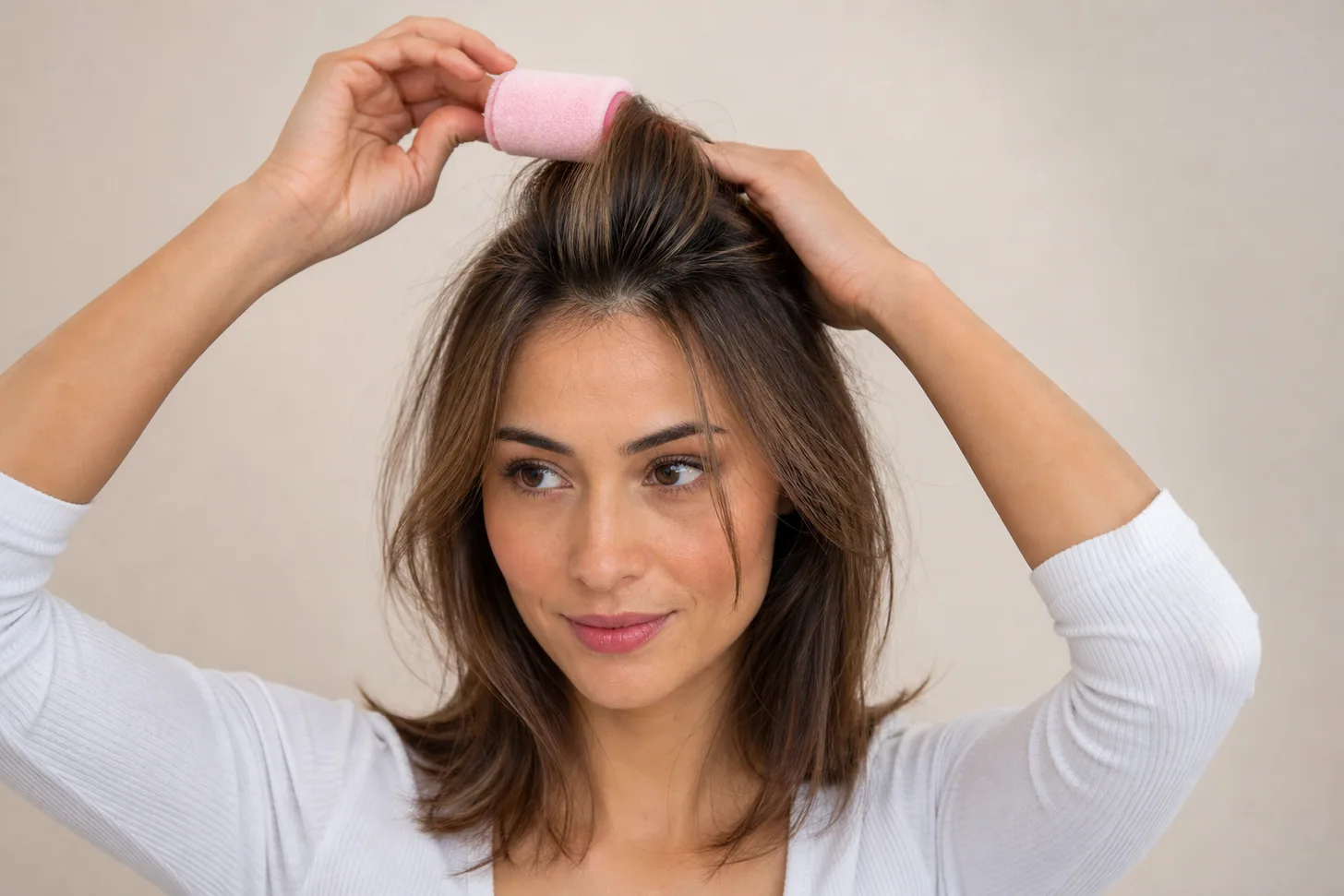
Everything hinges on the groundwork. Start with day-old hair — wash the day before, not the morning of, so there's natural grip; if you must wash, revive it with a volumizing spray and a rough blow-dry first. Build volume before you style, not after: root lifter or mousse at the crown, set with heat, gives an updo something to sit on.
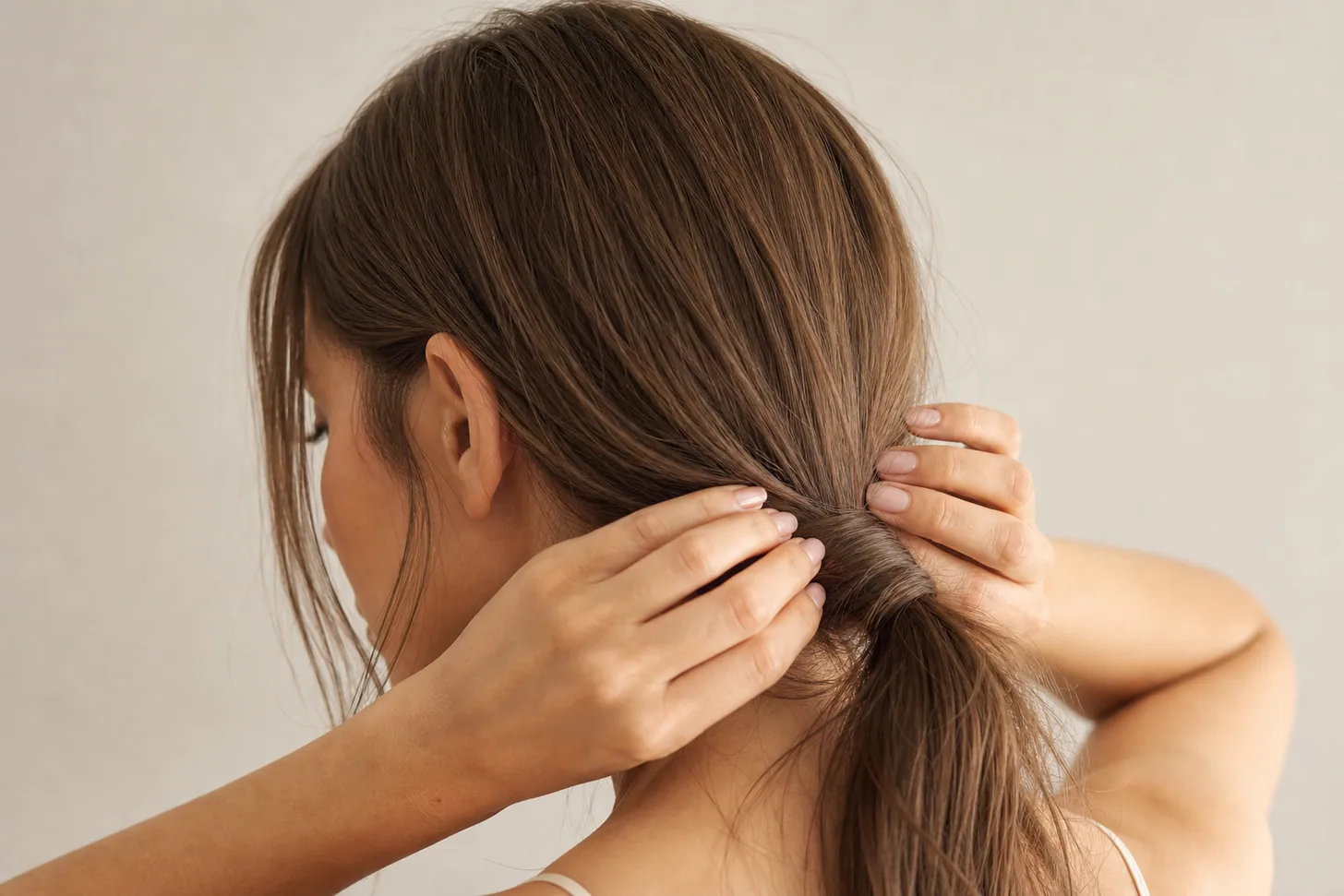
Create a hidden foundation — light teasing at the crown or a small padding piece — so the shape reads full without borrowing density fine hair doesn't have. Pin into structure: cross matte bobby pins in an X against the scalp or into the teased base, never slide them flat through loose strands.
Finish with a flexible-hold hairspray, not a stiff freeze that snaps and shows on fine hair. And above all, book a trial a few weeks before — it's the only way to know your style survives a few hours of movement, and it lets you and your stylist adjust before the day. The step-by-step volume work behind all of this lives in our guides to root volume for fine hair and heatless overnight volume, handy if you're prepping the night before.
Chair-side note
Bridal clients always ask me whether they need extensions to get a full wedding updo on fine hair, and the honest answer is: usually not, but sometimes a little padding helps. For most fine hair, teasing a hidden foundation and pancaking a braid or two creates all the fullness the style needs — the volume is an illusion built from structure, not from added hair.
Where I do reach for a discreet padding piece or a few wefts is when someone wants a genuinely large, sculptural updo, or has very short fine hair and not much to pin. The key is it's blended and hidden, matched to your color, and it should never be the whole plan — it supports your own hair, it doesn't replace it.
If you're weighing a semi-permanent set in the run-up rather than pieces on the day, read how extensions behave on fine hair first — the coverage problem is the one that catches people out. Bring inspiration photos to your trial and I'll tell you straight whether your hair can do it alone. For something smaller than a comb or a clip, barrettes that hold in fine hair covers the ones that will still be in place at the reception.
SB
— Simone Baptiste, Certified Bridal Stylist
What to ask your stylist (and your trial)
Book a trial and come prepared. Say: "My hair is fine and I need this to hold from the ceremony through the reception. I'd like a soft, textured style rather than sleek, with volume built at the crown and a hidden foundation so it looks full. Please prep it on second-day hair or with texture spray, pin into structure, and finish with a flexible-hold spray — and show me how to refresh it if it drops."
Bring your outfit's neckline and any hairpiece or accessory to the trial, take photos of the finished style from every angle, and then live in it for a few hours to see how it wears. If you're the mother of the bride, ask specifically for something age-appropriate and comfortable for a long day. A good bridal stylist will tell you honestly what your hair can and can't do — and build the prep around fine hair from the start.
When a wedding style won't hold on fine hair
You washed your hair the morning of. Clean fine hair is too slippery to grip pins — wash the day before, or revive freshly-washed hair with texture spray and a blow-dry before styling.
The style is sleek and tight. Slicked-back looks expose thin spots and flatten fine hair; choose a soft, textured finish that reads fuller and forgives movement.
There's no hidden foundation. A big updo pinned straight into loose fine hair will sag — it needs teasing or a padding piece underneath to anchor to.
You skipped the trial. Fine-hair styles depend on prep and pinning; a trial is the only way to confirm it survives hours of hugs, heat, and dancing before the day itself.
FAQ
The secret is grip and structure, not more pins. Style fine hair on second-day (or lightly texture-sprayed) hair so it has grit to hold, build a hidden foundation of teased hair or a small padding piece for the style to anchor to, and set each section as you go. Use matte bobby pins crossed in an X against the scalp rather than sliding them in flat, and lock the finished style with a flexible-hold hairspray, not a stiff one that snaps. Done that way, a fine-hair updo can hold through a whole wedding — it just needs the prep a thicker head of hair doesn't.
A soft, textured low updo — a loose chignon or a tousled low bun — is usually the most flattering and forgiving choice for fine hair. The gentle texture and slightly undone finish make fine hair read as fuller, and a low style is easier to build volume into than a sleek high one that shows every sparse spot. Half-up styles are the other strong option: they give the illusion of thickness at the crown while leaving length flowing. Avoid tight, slicked-back looks, which expose the scalp and flatten fine hair; go for volume and softness instead.
Either is elegant — choose by your hair's length and how long the day is. An updo or half-up keeps fine hair off your face and holds its shape through a long event, which many mothers of the bride prefer for photos and dancing. Soft waves worn down look beautiful too but need crown volume and a texture product to keep from falling flat by the reception. If your hair is on the finer or shorter side, a half-up or a soft low chignon tends to photograph fuller and last longer than hair left completely down.
Yes, with the right preparation. Fine hair holds best when it is not freshly washed — second-day hair, or clean hair prepped with a texture or volumizing spray, grips far better than slippery just-washed strands. A good stylist builds a hidden anchor (teased sections or a discreet padding piece), pins into structure rather than into loose hair, and finishes with flexible hairspray. Booking a trial before the day lets you test that the style survives a few hours of movement. The style holds; it just relies on prep and pinning technique more than thick hair does.
Medium length — collarbone to a few inches past the shoulders — is the sweet spot for updos on fine hair. There is enough length to twist, pin, and build shape, but not so much weight that the style drags itself down. Shorter fine hair does beautifully in half-up styles and pinned-back looks with accessories rather than full updos, while longer fine hair can do any updo as long as the weight is managed with pins. If you are growing your hair for a wedding, medium length gives your stylist the most to work with.
Not necessarily — many fine-hair updos look full without them thanks to teasing, padding pieces, and a textured finish. Extensions or a small hair padding can help if you want a large, voluminous style or have very little length to work with, and a bridal stylist can match and blend them. But a soft, tousled updo styled with good technique reads full on its own. Discuss it at your trial: bring photos of the volume you want, and your stylist will tell you honestly whether your own hair can achieve it or whether a discreet piece would help.
Eleven years behind the chair, with a specialty in bridal work and fine-hair texture. Simone has styled hundreds of weddings and believes a fine-hair updo that lasts is built in the prep, not the pins.
Results vary with hair type, density, and growth patterns. This guide is educational and not a substitute for an in-person consultation with a licensed stylist.
Hairstyle images in this guide are AI-generated illustrations, not photos of real clients or results. See our image policy.
Get the good hair intel
One honest, stylist-written guide in your inbox each week. No hype.

 SB
SB