Reviewed by Tara Sullivan · Updated August 2026 · 8 min read
Root clips are sold as a no-heat volume fix for everyone, and they came from somewhere much more specific: they are a curly-hair technique. A clip holds the root standing up while the hair dries, so the bonds re-form in the lifted position — and on a curl, the curl pattern then holds that shape all day. Fine straight hair has nothing to lock it, so the same clips, used the same way, give you real lift for a few hours rather than until bedtime.
That is not a reason to skip them. It is a reason to use them for the right window and to stop expecting an all-day result. Below: what a root clip actually does, why the brands are more honest about the hair types than the internet is, the six-step method with the timing that decides everything, and where clips beat rollers and where they lose.
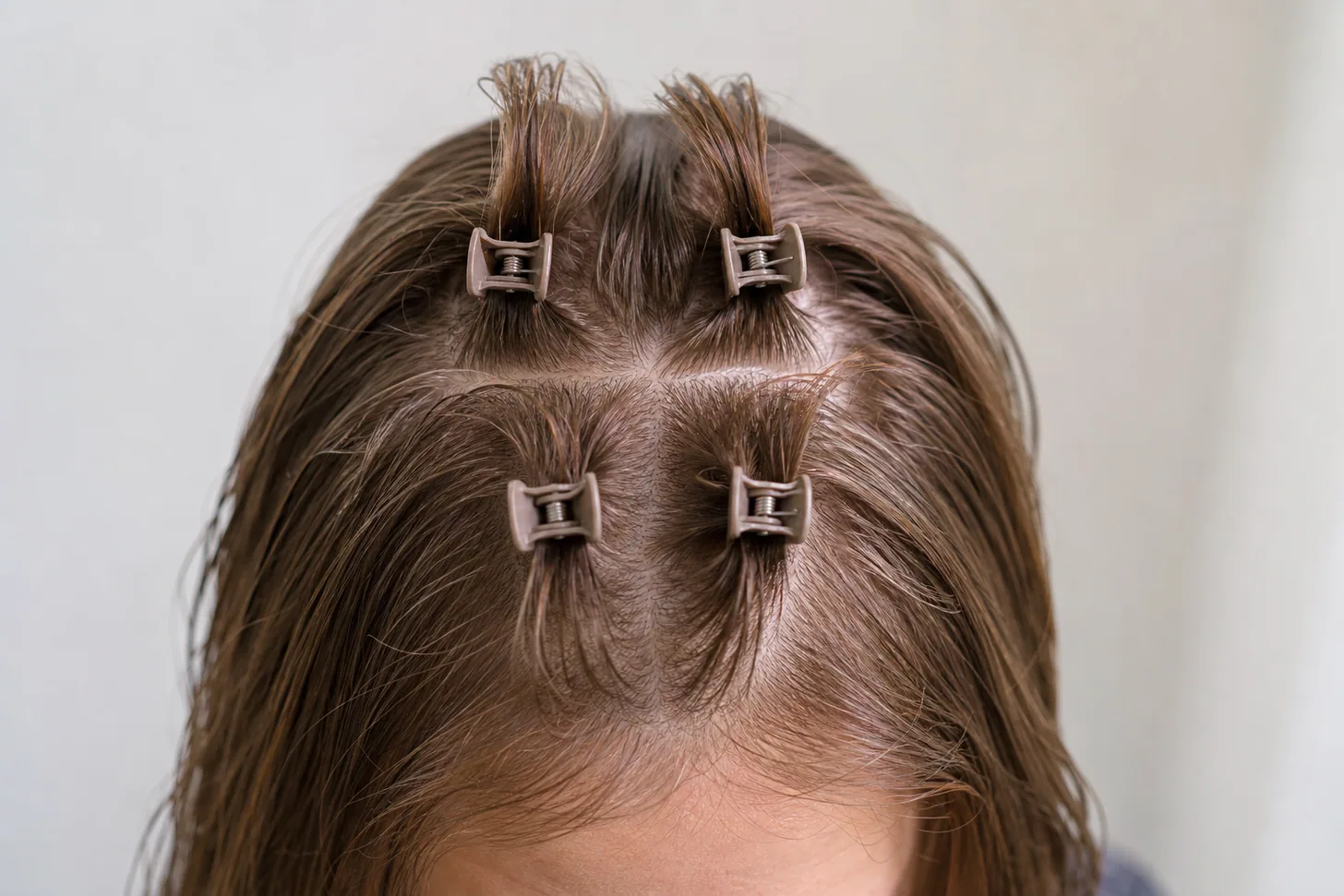
Four to six clips, all on the crown — everywhere else is effort spent where nobody looks.
What a root clip actually does
Nothing exotic, and knowing the mechanism tells you exactly when it will and won't work.
Hair holds its shape because of hydrogen bonds inside the strand. Water breaks them; they re-form as the hair dries. Whatever position the hair is in at the moment it finishes drying is the position it holds. That single fact is behind every set there is — rollers, a blow-dry, a braid left in overnight, and a root clip.
A clip is the smallest possible version of it. Instead of setting a shape through the length, it holds one thing in one place: the first inch of hair, standing away from the scalp, while it dries. When you take it out, the root has dried standing up rather than lying down, and you have lift at the only place lift actually shows on fine hair.
What it does not do is put any shape into the length. That's the whole difference between a clip and a roller, and it's the source of most of the disappointment — the root is up, the hair an inch below it is exactly as flat as it was, and gravity starts closing the gap immediately.
Chair-side note
Clients bring me root clips they've bought and abandoned, and the reason is nearly always the same: they took them out too early. Damp-to-the-touch at the root is not dry, and hair that is still finishing its drying after the clip comes out will finish it lying flat — you've just held it up during the part that didn't count.
I tell people to set a timer for ten minutes after they think it's done. It feels absurd and it roughly doubles what you get.
SB
— Simone Baptiste, Senior Stylist
It's a curly-hair technique, and the brands say so more clearly than the internet does
Root clipping was developed for curls, for a specific reason: a wet curl is heavy, and its own weight drags the root flat as it dries, so the hair ends up with a limp band at the scalp under a defined curl. Clipping the root holds it up through the drying window and the problem disappears.
Look at who publishes actual specifications and the scoping is plain. Bounce Curl — one of the few brands in this category serving proper product information rather than a marketplace listing — lists its volume root clips for hair textures fine, medium and coarse, and hair patterns wavy, curly and coily. Straight isn't on the list. That's not a criticism of the product; it's the brand being accurate while everything written about the category generalises.
Fine straight hair has a flat-root problem too, so the technique does transfer. It just transfers with the holding mechanism missing:
Your hair
What holds the lift after the clip comes out
Realistic hold
Verdict
Fine and curly or coily
The curl pattern itself — the hair is mechanically propped up by its own shape
All day
What the technique was built for
Fine and wavy
A partial bend through the mid-lengths does some of the propping
Most of a day
Genuinely worth doing
Fine and straight
Nothing but the set itself, plus whatever grip your product gives
Three to five hours
Works — as a get-ready-window method
Fine, straight and oily at the roots
Nothing, and sebum actively re-weights the root through the morning
An hour or two
Fix the wash schedule first
If you're in the bottom row, the clips aren't the problem. Oily roots with dry ends is the pattern most fine-haired readers actually have, and no set survives oil — weight is weight, and it arrives from the scalp whatever you clipped it into.
How to root clip fine hair, step by step
Six steps. The fifth is the one everybody rushes, and it decides whether you get anything at all.
Start damp, not wet. Rough-dry or towel-dry until the hair is damp rather than dripping. Soaking hair is too heavy to hold a lifted root, and a clip slides straight down a wet strand.
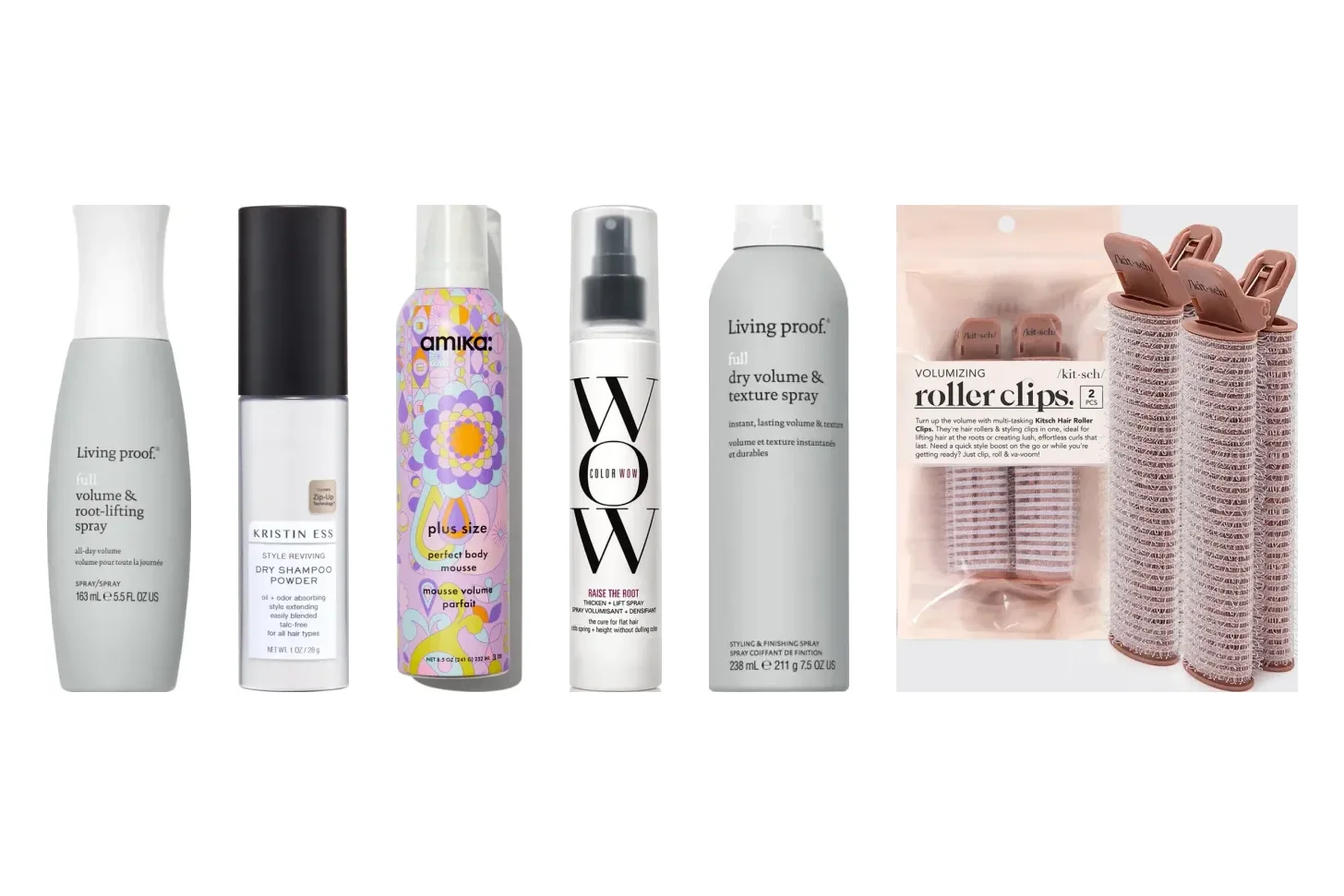
Product at the root only. A light mist of root-lift spray or a small amount of mousse, worked into the crown roots with fingertips. Fine hair has almost no grip of its own and a bare damp strand falls back the moment the clip leaves.
Take small sections across the crown. Two or three horizontal sections from ear to ear along the top of the head. That's it — the crown and the part are the only places root lift reads on fine hair, and it's where the scalp shows.
Lift straight up, then clip at the base. Hold the section vertically or slightly forward of vertical, and slide the clip in at the scalp so it holds the base standing away from the head. The clip grips the root, not the length — a clip sitting an inch down the strand is a crease waiting to happen.
Dry completely, then wait. Air-dry or diffuse on low until the roots are fully dry, then leave the clips in another five to ten minutes. Hair sets in the shape it dries and cools in. Taking clips out of a faintly damp root is the single reason people conclude these don't work.
Remove, then break the set. Slide each clip out the way it went in rather than dragging it down. Tip your head forward, shake the roots out with your fingertips, and mist a flexible hairspray at the roots only.
Timing, honestly: air-drying to properly-dry roots takes about thirty to forty-five minutes on fine hair. A diffuser on low heat brings it to ten or fifteen. Either way the clips stay in for the whole of it plus the extra ten.
The three things that decide whether you get any lift
Grip, before anything else. Clean, freshly washed fine hair is the slipperiest it will ever be and holds a set worst. A root-lift product isn't optional here the way it is with a roller — the roller has the length to hold onto, the clip has nothing. If you want more lift than any clip will give you, backcombing the crown is the technique that outperforms all of this, done properly. This is also why second-day fine hair root clips better than first-day hair.
Dryness, all the way through. Covered above, and worth repeating because it's the difference between a result and no result. Feel the root itself between two fingers, not the length.
Direction, and specifically not straight back. Lift each section slightly forward of vertical before you clip. Clipped straight back, the root dries pointing backward and lies down along the head the moment it's released. Clipped slightly forward, it has to travel further to lie flat, and it never quite gets there. It's the same principle as flipping your part to the opposite side, which lifts roots for exactly the same reason.
Root clips vs everything else that lifts a root
Clips are one option among five, and on fine straight hair they're rarely the best one. Here's the honest placement.
Adds grip rather than shape — pairs with all of the above
Read across that and the case for clips is narrow but real: they are the quickest thing to put in, they add no heat, and they don't snag. If your hair is fragile enough that velcro is a problem, or you want lift for a specific afternoon rather than a whole day, they're a sensible tool.
If you want root volume that survives to the evening, the blow-dry method is still the thing that does it, and heatless volume for fine hair covers the overnight options that outperform clips without heat.
One buying note, since this is a category almost entirely made of unbranded marketplace listings: you probably don't need to buy anything. Small smooth-jawed flat clips work. What doesn't work is gator or crocodile sectioning clips — they're built to bite hard under tension for cutting and coloring, and they'll crease fine hair inside half an hour. The clips that suit fine hair covers jaw shapes in full.
When root clips aren't the answer
Your roots are oily by midday. Oil is weight, and it re-flattens the crown whatever you set it into. Wash timing and dry shampoo move this further than any clip — see oily roots and dry ends.
Lift won't take even on clean, dry hair. Product buildup coats the strand, and a coated strand can't hold a set. Clarify first — clarifying shampoo for fine hair.
You want volume through the lengths, not just at the scalp. Clips only ever touch the root. That's a cut-and-styling question: how to add volume to fine hair.
You want it to last all day. On fine straight hair it won't. Use rollers or a proper root blow-dry and treat clips as the quick option.
Yes, but for less time than the marketing implies, and the reason is worth understanding before you buy. A root clip works by holding the root standing up while the hair dries, so the hydrogen bonds re-form in the lifted position — the same mechanism as a roller. On curly and wavy hair the curl pattern then holds that shape mechanically for the rest of the day. Fine straight hair has nothing to lock the shape, so it holds for a few hours rather than until bedtime, and it falls faster if the hair is heavy, oily or product-coated. It's a genuine technique on fine hair, not a gimmick, but it's a get-ready-window method rather than an all-day one.
That's where the technique comes from, and the brands are more honest about it than the internet is — Bounce Curl, one of the few makers publishing proper specifications, lists its volume root clips for wavy, curly and coily hair patterns and doesn't list straight. Root clipping was developed to stop the weight of a wet curl pulling the root flat as it dries. Straight and fine hair has the same problem for a different reason, so the technique transfers, but the results are smaller and shorter-lived. Read any root-clip tutorial with that in mind: almost all of them are demonstrated on curls.
Until the roots are completely dry, and then five to ten minutes longer. This is the part people get wrong and it's the whole technique. Hair sets in the shape it dries and cools in, so a clip removed from a root that's still faintly damp has done nothing at all — the strand simply relaxes back down as it finishes drying. On fine hair, air-drying to that point takes roughly thirty to forty-five minutes at the roots; a diffuser on low heat brings it down to ten or fifteen, and the same rule applies at the end of it.
They can, and fine hair is the type most likely to show it, because a fine strand takes a set faster than a coarse one. Two things prevent it. Place the clip at the base of the section so it grips the root rather than clamping a length of hair partway down — a dent is a bend held at one point, and a clip sitting an inch down the strand is exactly that. And choose clips with smooth, rounded jaws over sharply toothed sectioning clips, which are designed to bite hard for cutting and coloring and will mark fine hair in twenty minutes.
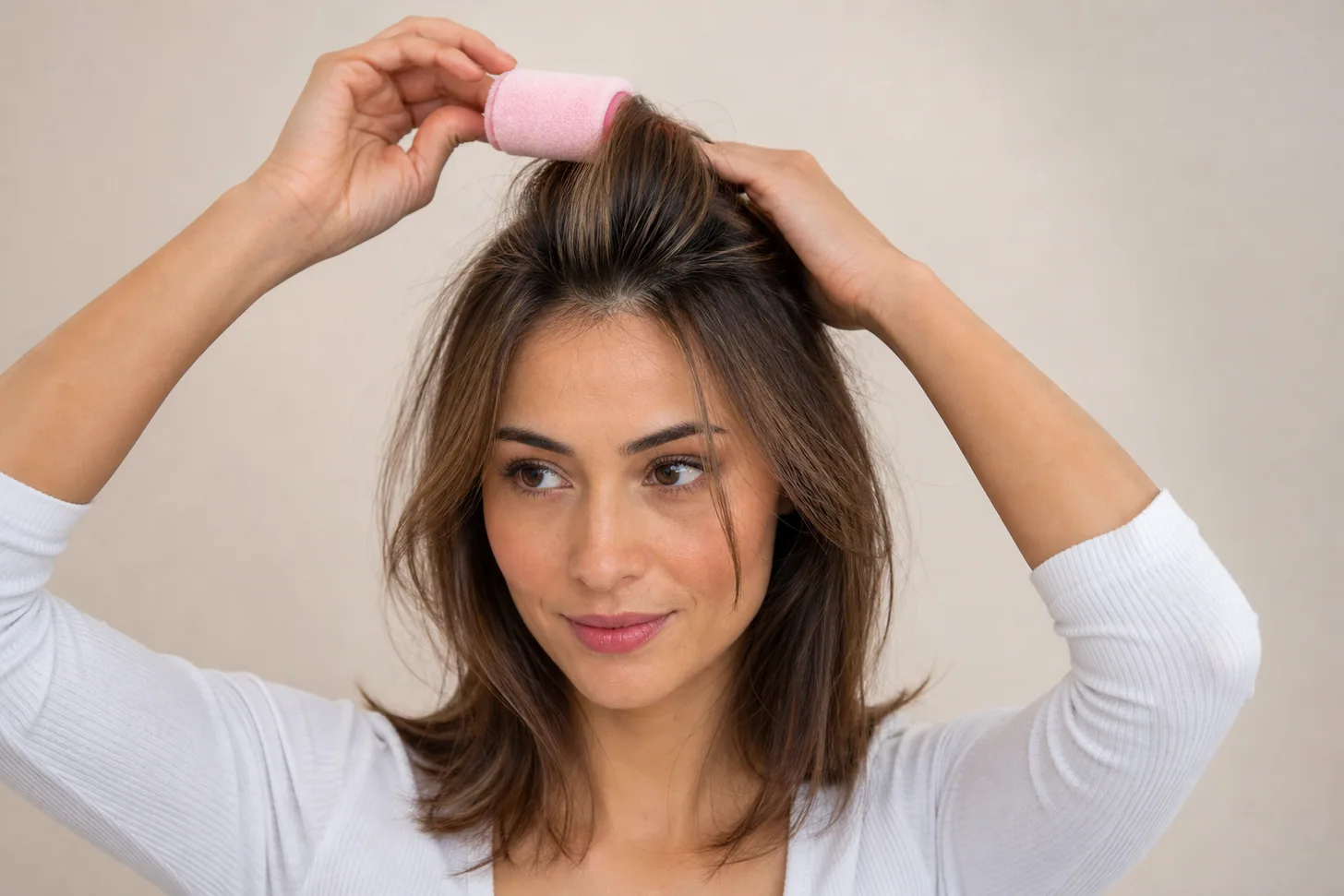
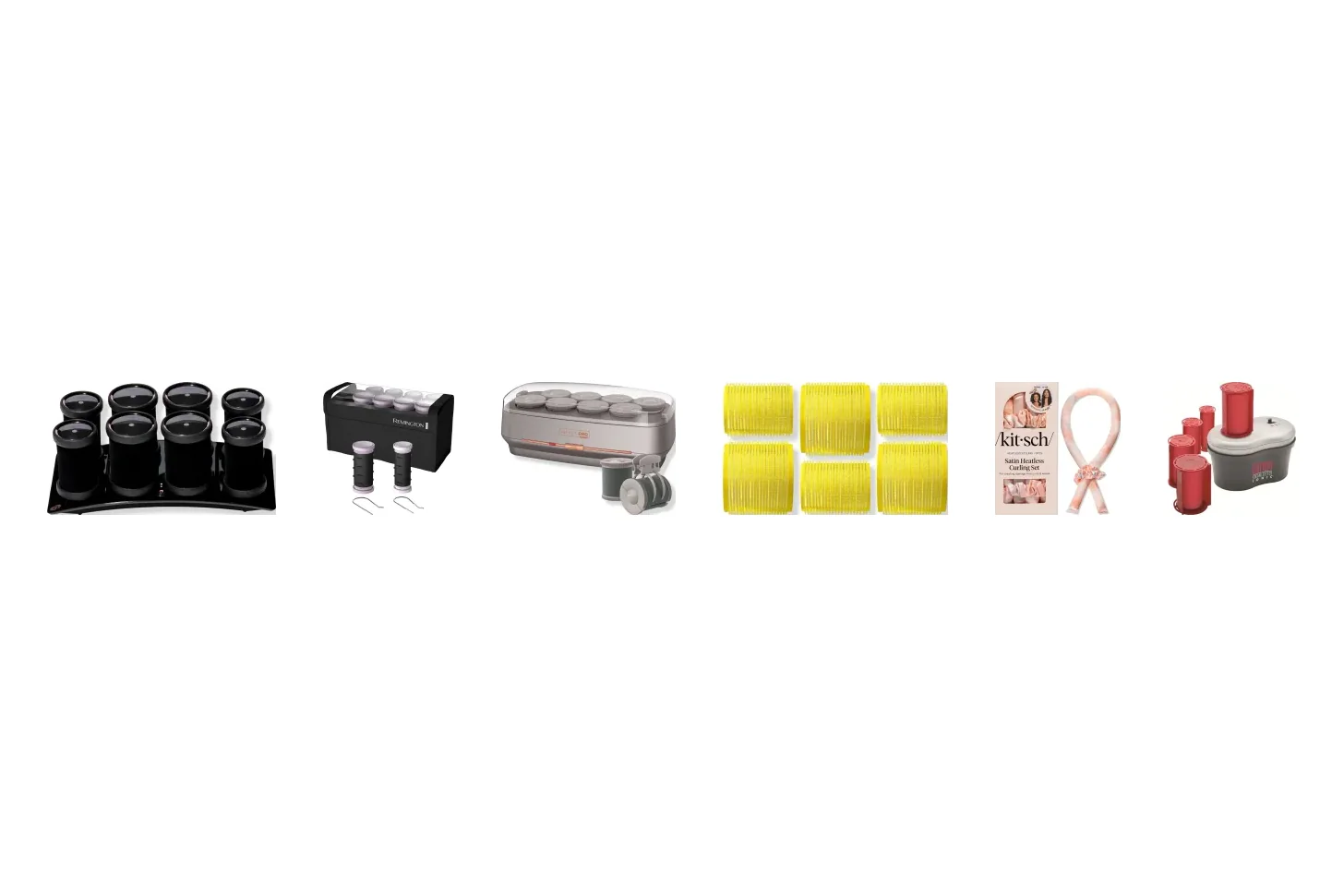
Velcro rollers are better for most fine hair, and it's worth saying so on a page about clips. A roller lifts the root and puts a soft bend through the first few inches of the strand, so the lift is supported by the shape of the hair above it. A clip lifts the root and does nothing to the length, so the hair goes straight back to lying flat an inch above the scalp and the lift has less to hold it. Clips win on two things only: they're far quicker to put in, and they don't tangle or snag, which matters if your hair is fragile.
You can, and it usually costs more than it gives. Hours of pressure at one point on the scalp is uncomfortable, the clips move as you turn and mark the hair where they end up, and fine hair going to bed damp is the single most reliable way to cause breakage — a hair fiber is swollen and at its weakest while wet, and you're about to rub it against a pillow for eight hours. If you want overnight volume on fine hair, use a method built for it rather than clips left in past bedtime.
Four to six, and all of them on the crown. There's a temptation to clip the whole head, and on fine hair it's wasted effort — root lift only reads visually along the top of the head and at the part, which is also where fine hair collapses first and where the scalp shows. Two or three horizontal sections from ear to ear across the top, with two clips each, covers everything that will actually be seen. Clipping the sides mostly produces width at the ears, which is not the effect anyone is after.
Sectioning clips are built to hold hair out of the way under tension while a stylist cuts or colors, so they have long metal jaws with aggressive teeth and a strong spring. Root clips are built to sit at the scalp holding a small amount of hair upright, so they're shorter, lighter and usually smooth-jawed. You can root clip with small flat clips you already own and it works fine — but don't use gator or crocodile sectioning clips for it, because the teeth and the spring pressure will crease fine hair within half an hour.
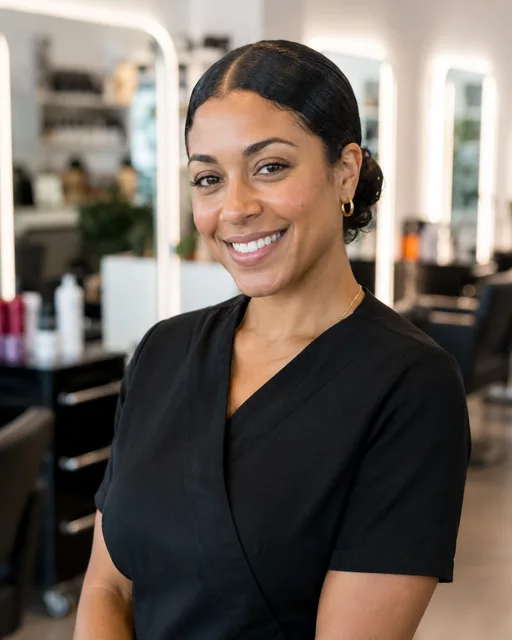
Eleven years behind the chair, getting fine hair to stand up and stay there. Simone's rule on any set, clips included, is that the timer starts when you think you're finished — hair holds the shape it dries in, and almost nobody waits long enough.
Images in this article are AI-generated illustrations, not photographs of real clients or results. See our image policy.
Results vary with hair type, density, and growth patterns. This guide is educational and not a substitute for an in-person consultation with a licensed stylist.
Get the good hair intel
One honest, stylist-written guide in your inbox each week. No hype.

 SB
SB