Reviewed by Tara Sullivan · Updated July 2026 · 8 min read
The best round brush for fine hair is chosen on grip and barrel size, not shine claims — a fine strand is slick, so the brush has to actually catch the root to build lift, and the barrel has to match your length or it slides right out.
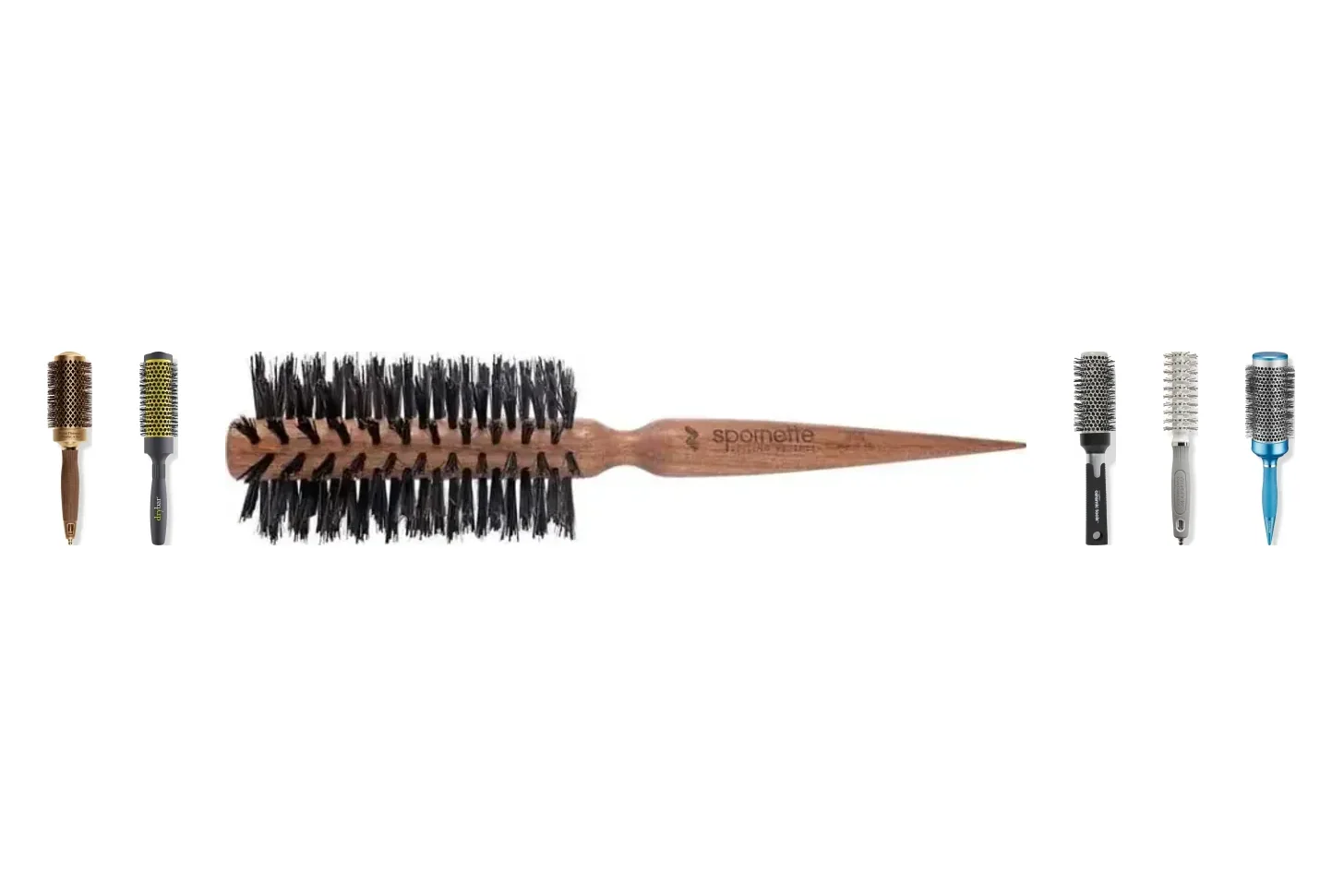
That points to a ceramic-ionic thermal barrel for volume, a boar-and-nylon mix for a smooth finish, and a barrel a size smaller than you'd pick for thick hair. Below are six picks by category — best overall, best for short hair, best boar bristle, budget, vented, and premium — each with who it suits and one honest limitation.
Every brush here is chosen independently, on the merits — what genuinely suits fine, thin hair. Links go to a trusted retailer or the brand, and we don't take payment for placement. Price tiers are rough guides because prices change.
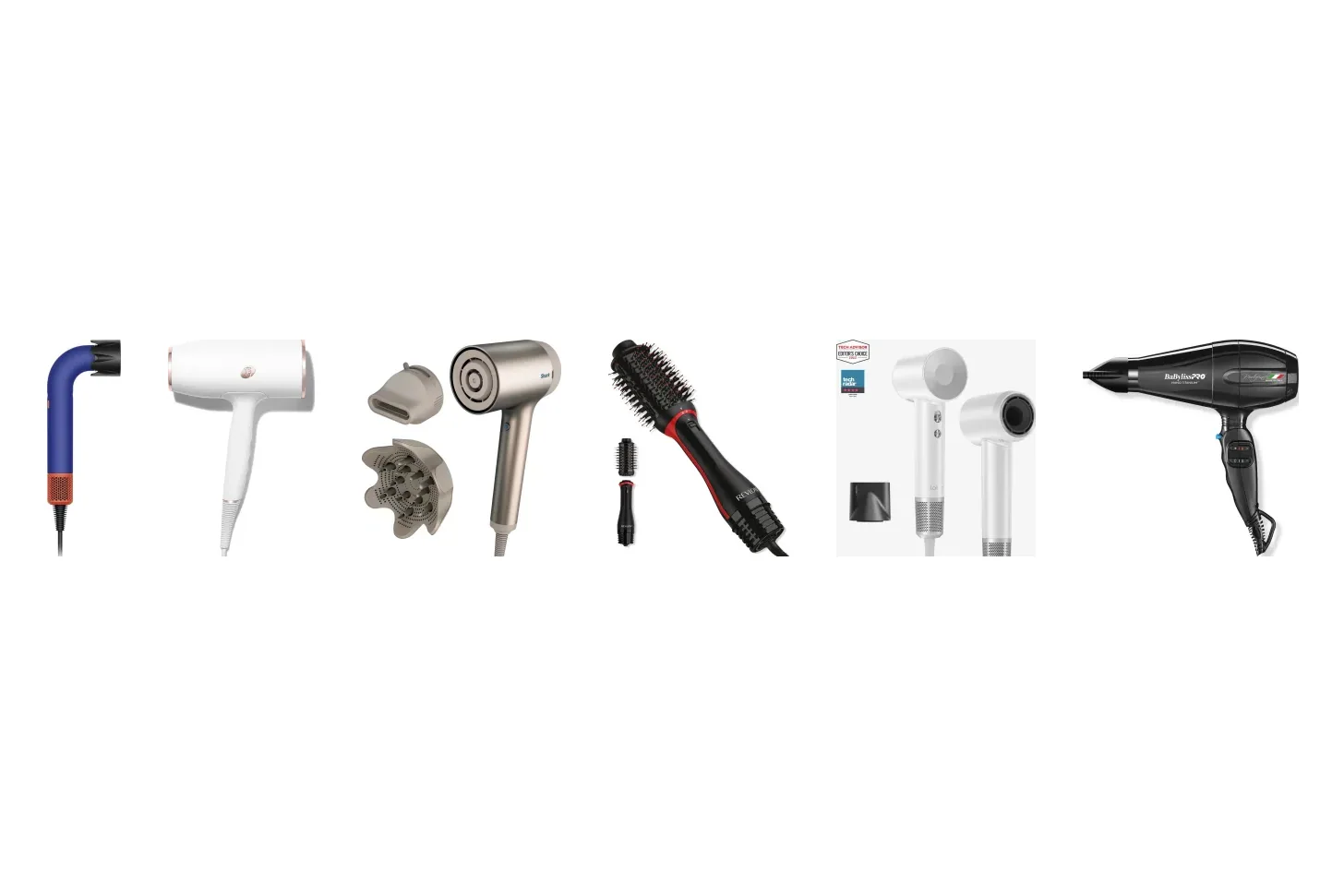
Our six picks. Product images courtesy of the brands and retailers.
Chair-side note
The round brush is where fine-haired clients waste the most money, because they buy the brush a magazine loved without checking the barrel against their own length. A gorgeous 2.5-inch brush on a chin-length bob is useless — it can't grab enough hair to bend it.
The brush is a lever, not a comb: its whole job is to hold the root at an angle while the dryer sets it there. Size it to your length first, worry about bristles second.
MH
— Megan Holloway, Editor-in-Chief
Why the round brush matters so much on fine hair
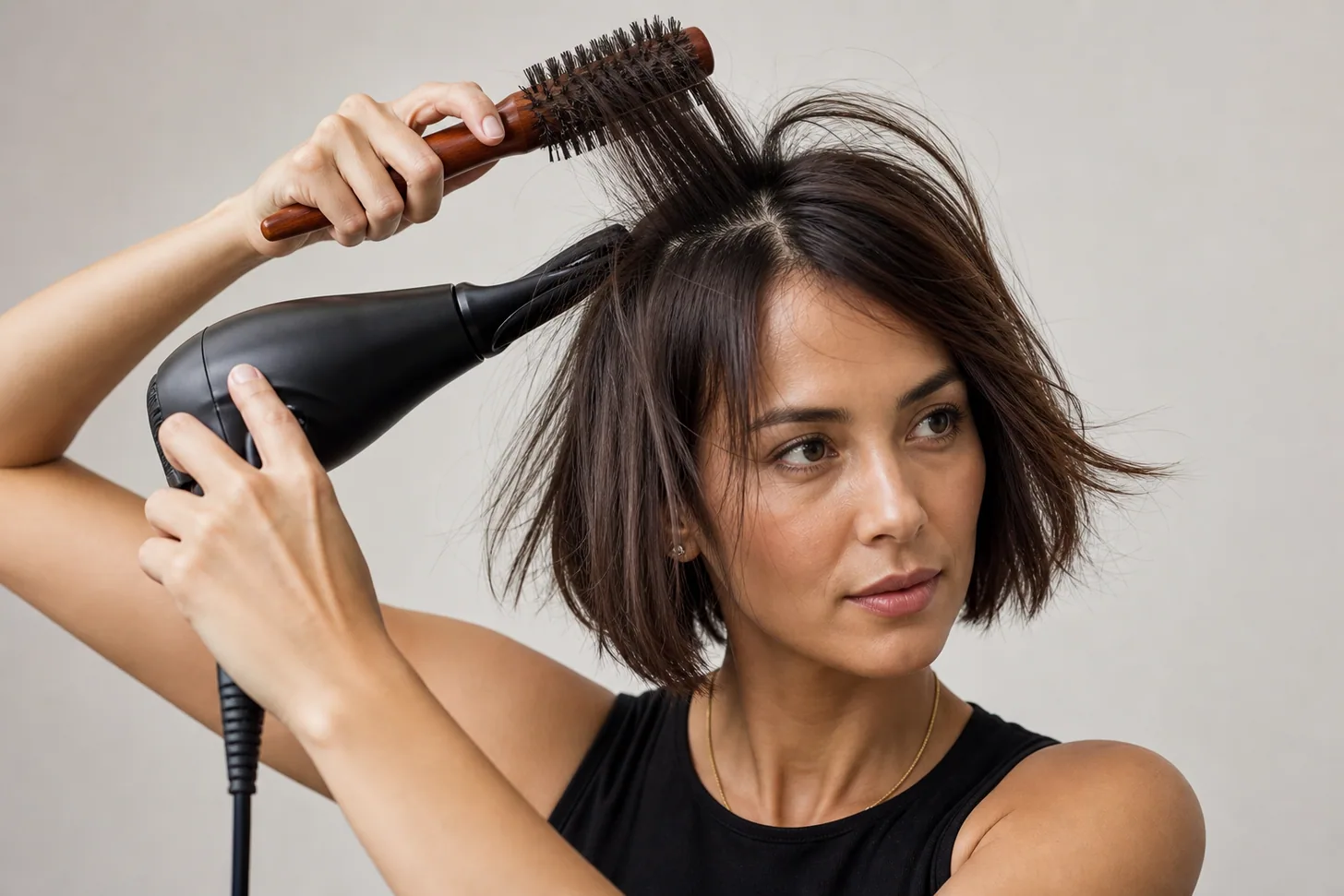
Fine hair has almost no bend of its own, so nearly all its volume and shape are built during the blow-dry — and the round brush is the tool that builds them. It does two things a paddle brush can't: it grips the slick root so you can lift it away from the scalp, and it curves the ends so they don't hang flat.
Get the wrong brush and the root never catches, which is why so many fine-haired women conclude they "can't blow-dry" when really the barrel was too big or too smooth. The brush pairs with technique — the method is in how to get root volume in fine hair — and with the right dryer, covered in our best hair dryer for fine hair roundup. The one-tool alternative is a hot-air brush, which trades some control for a great deal less coordination — blow-dry brushes for fine hair covers that trade.
What actually matters when you're choosing
Barrel size, matched to your length: the most important spec. Roughly 1 inch for pixies, bangs, and very short layers; 1 to 1.75 inches for bobs and lobs; 1.5 to 2 inches for shoulder-length and longer. Go a size smaller than you would for thick hair. Bristle type, matched to your goal: a ceramic-ionic thermal barrel with nylon bristles grips and lifts for volume; a boar-and-nylon mix smooths and shines with gentle tension.
Ceramic or ionic material: it distributes heat evenly so you can drop the dryer setting — genuine heat protection on strands with none to spare. Vented or solid: vented dries faster with less heat for an airy finish; solid grips harder for a firmer set. Bristle density and tips: ball-tipped nylon is gentler on the scalp; very stiff, dense tufts grip best but can tug slick fine hair if you rush.
The best round brushes for fine hair, by category
One honest pick per job. Match the category to your length and what you're trying to fix.
1
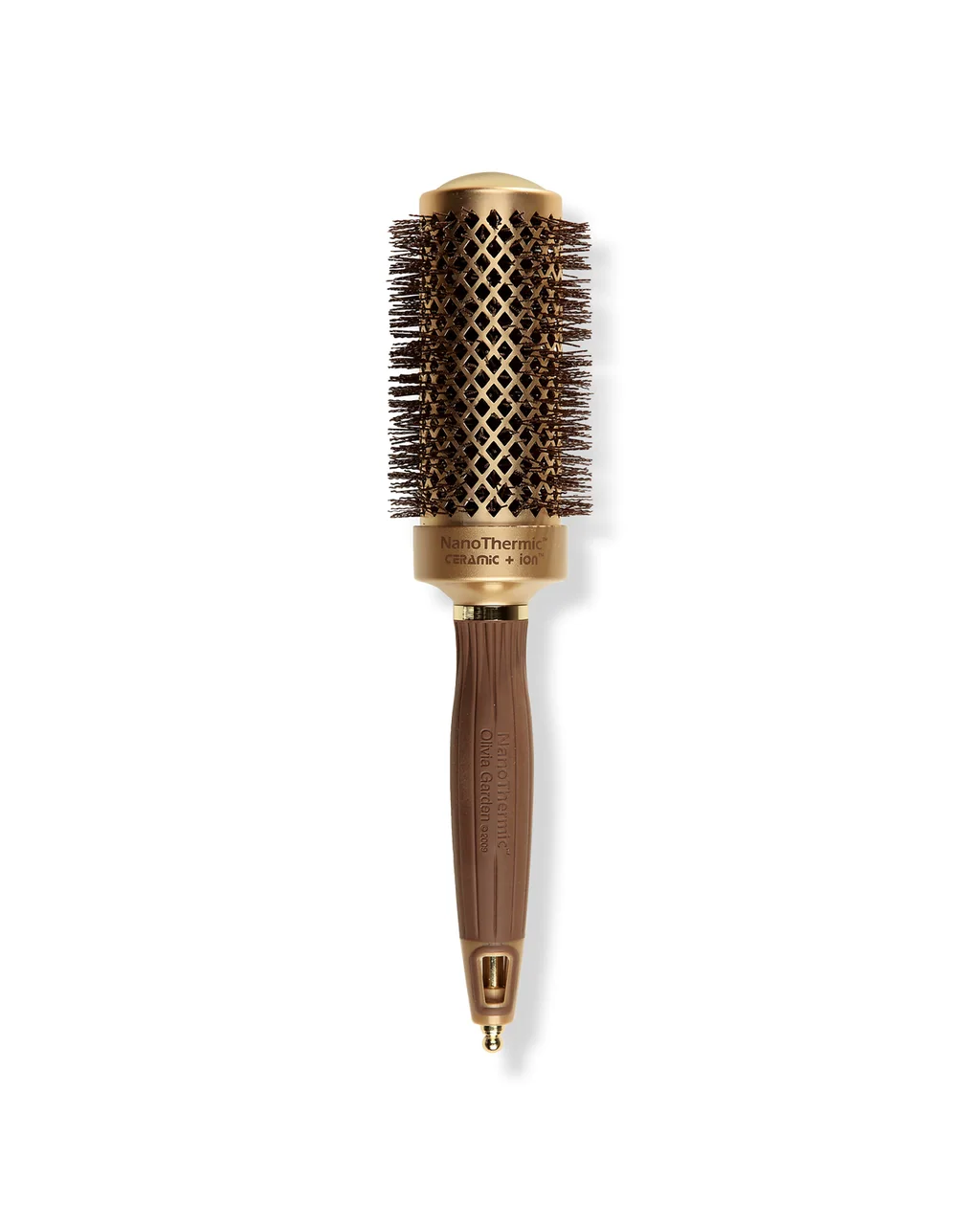
Best overall: Olivia Garden NanoThermic Ceramic + Ion (1¾")
The long-standing stylist default for fine hair, and the one solid-barrel thermal brush here — which matters, because a non-vented barrel actually grips slick strands for root lift where a vented one slides. The ceramic-and-ion barrel holds even heat so you can style on a lower dryer setting, and it comes in five barrel sizes if your length is unusual. Best for: most fine hair, most lengths, when volume is the goal. Honest limitation: the dense tufted bristles can catch if hair is tangled or too wet — detangle and rough-dry first.
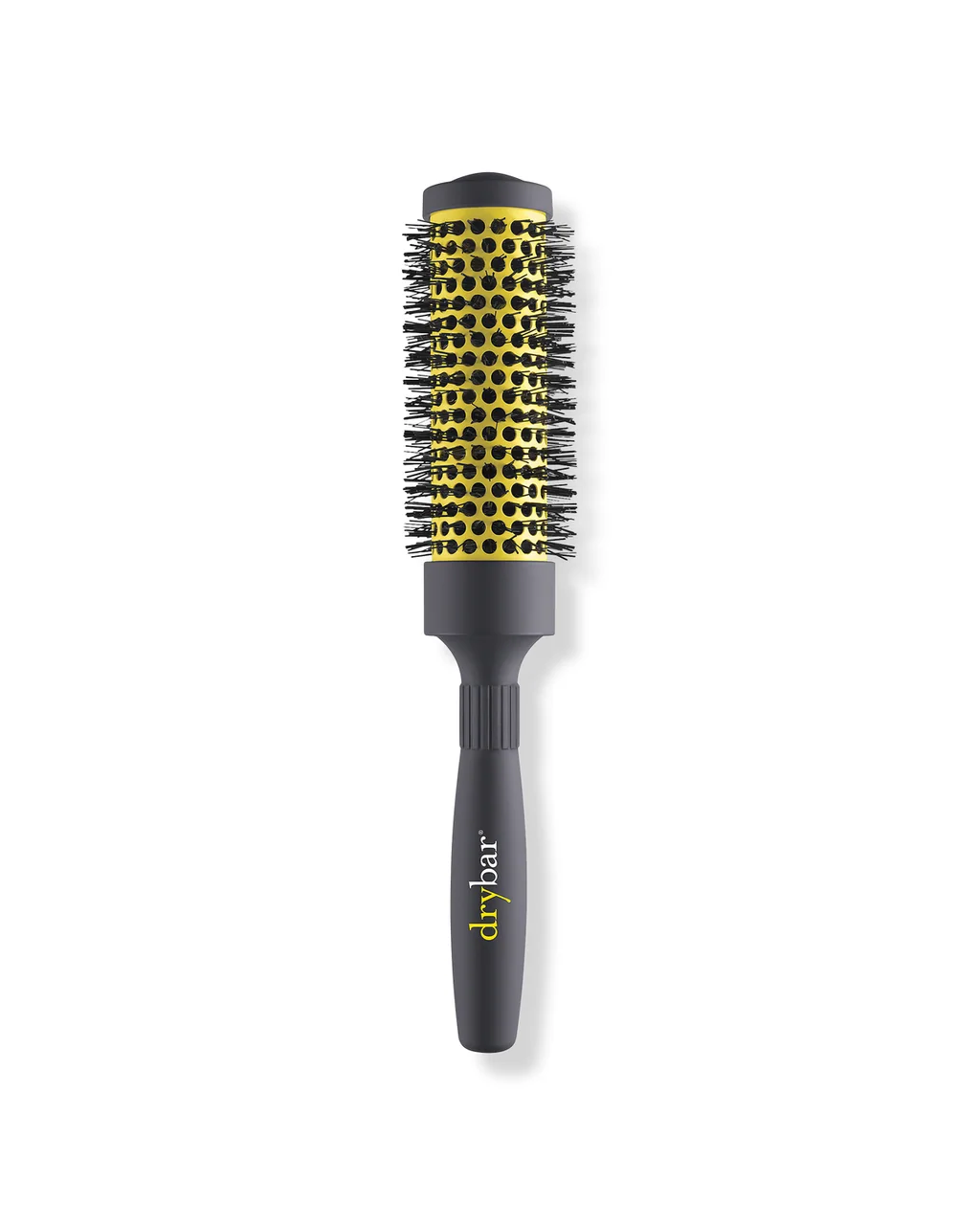
Best for short hair & bobs: Drybar 1¾" Round Ceramic Brush
A compact, maneuverable ceramic-ionic brush that curls under and adds bend at chin-to-collarbone lengths, where a big barrel just slips out of fine hair. It's the natural partner to a bob blow-dry, tight enough to shape the ends and lift the crown on a short cut. Best for: fine bobs, lobs, and shorter layered cuts. Honest limitation: at 1¾" it isn't a true mini — for a pixie or bangs you'll want a roughly 1-inch barrel instead.
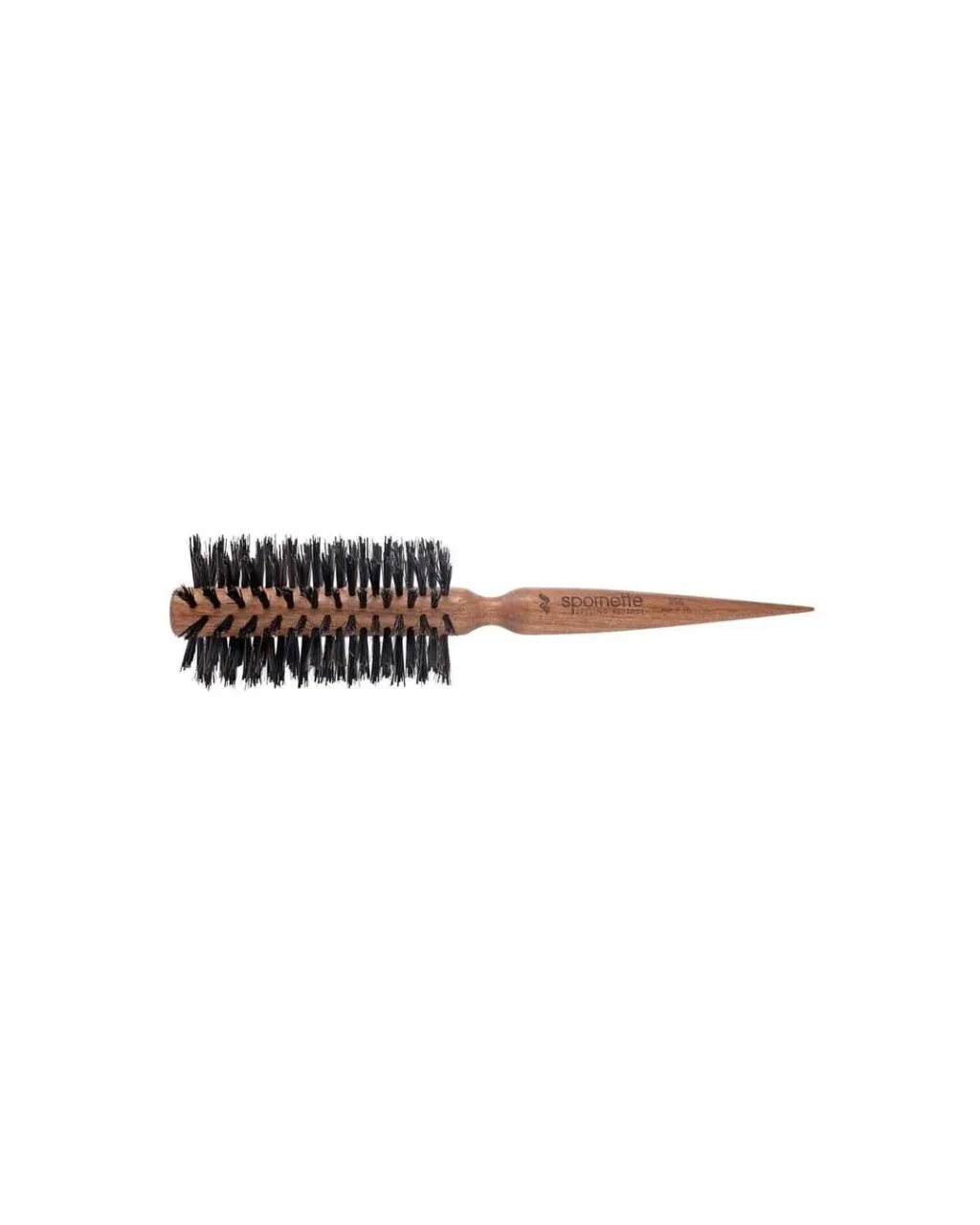
When your goal is a smooth, glossy finish rather than a bouncy set, natural boar bristles are the gentlest way to get it — they distribute oil and polish the cuticle with light tension instead of the tug a stiff all-nylon brush gives fine hair. The wooden barrel stays cool, so it's the low-heat-anxiety pick. Best for: sleek, shiny finishes and anyone nervous about heat. Honest limitation: the wooden barrel doesn't conduct dryer heat, so it sets a smooth surface more than a firm curl — and boar can feel grabby on very fine hair until you find the right tension.
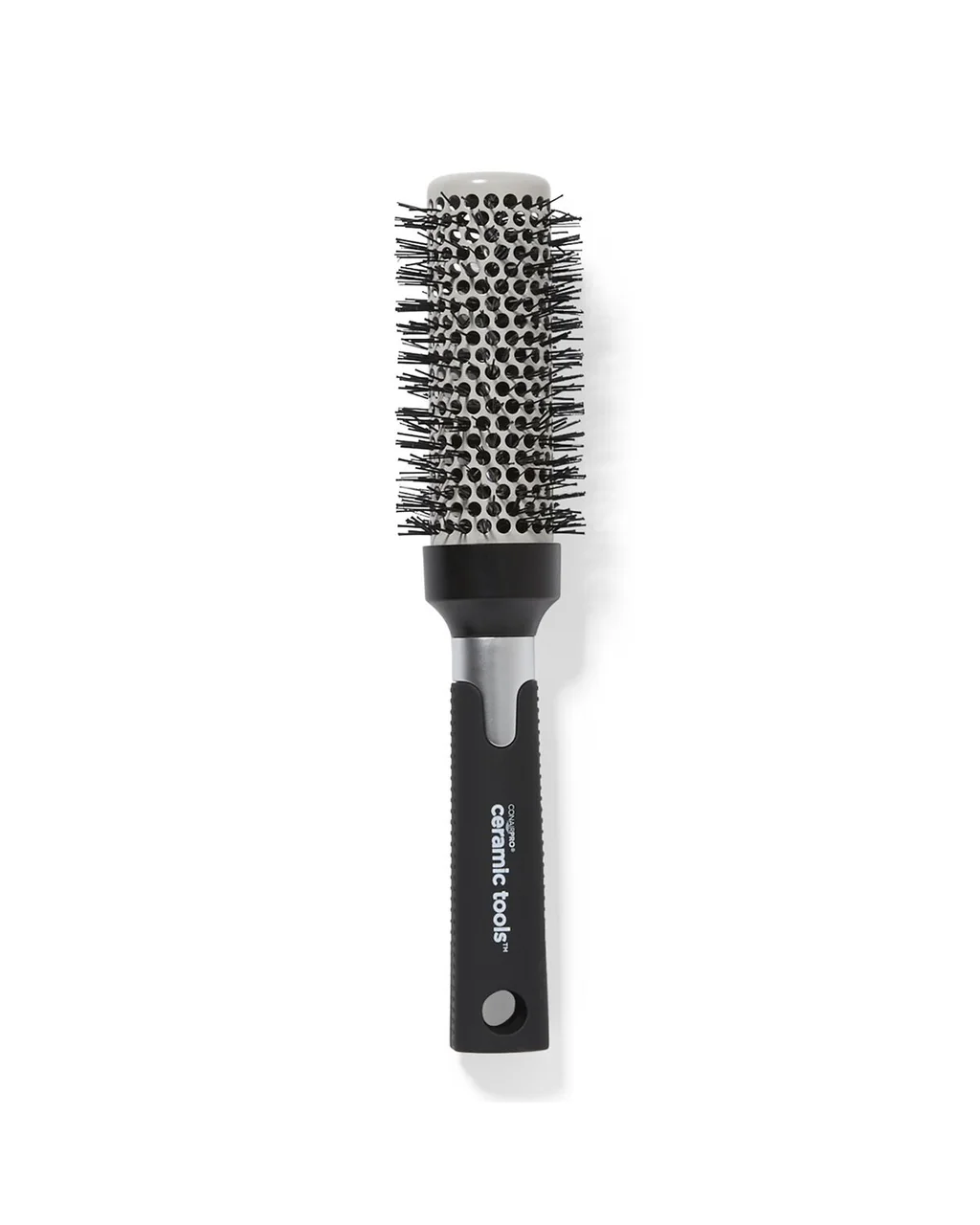
Best budget: ConairPRO Ceramic Tools Round Brush (2")
The cheapest sensible way into a ceramic-coated round brush: the vented barrel dries fine hair fast, so it spends less time under heat, and it's widely stocked at beauty-supply stores. A fine choice to learn the technique on before committing to a premium brush. Best for: first-timers and anyone testing round-brushing without spending much. Honest limitation: the bristle quality and finish aren't on the level of the Olivia Garden or Drybar picks, so expect a shorter lifespan.
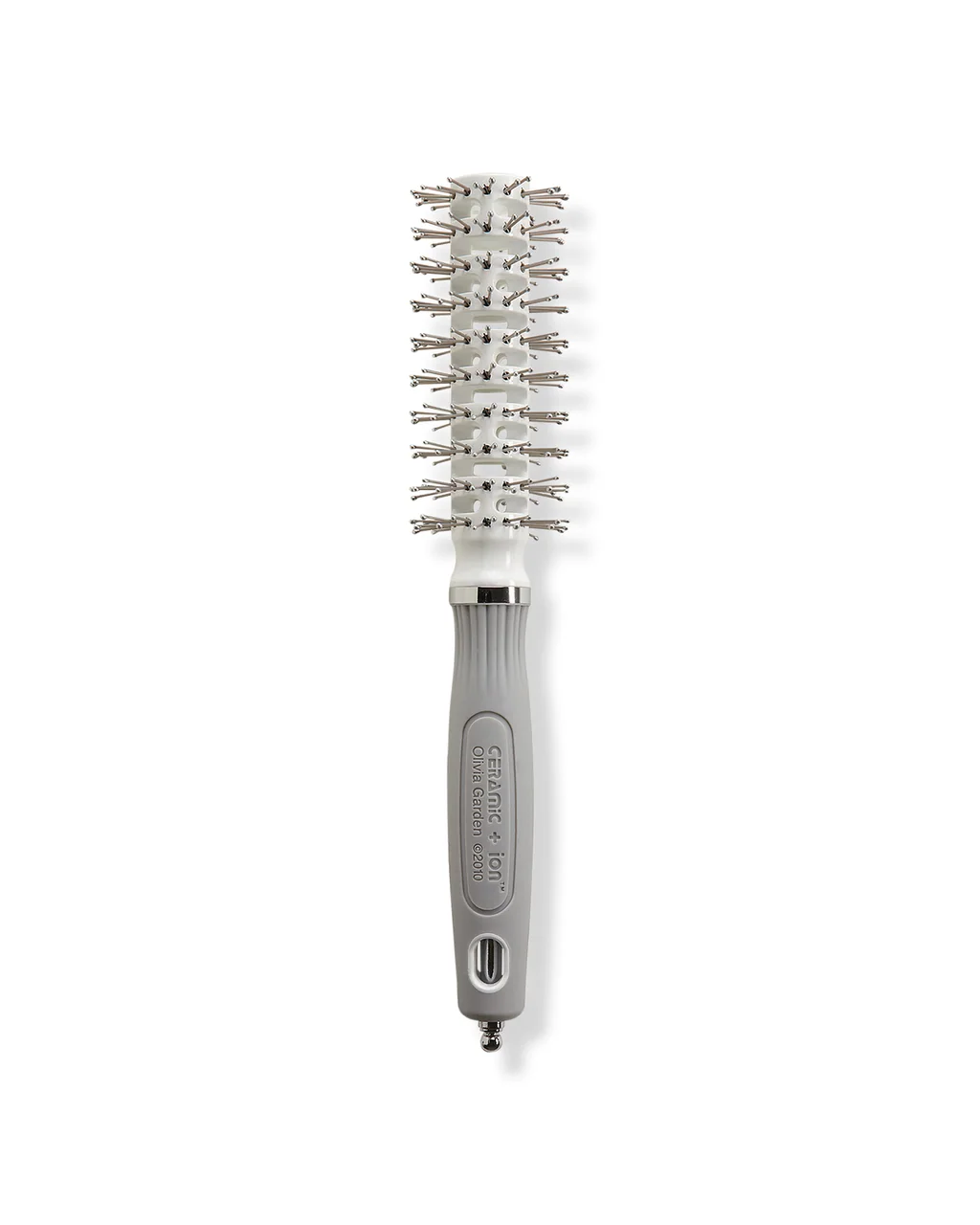
Best vented: Olivia Garden Ceramic + Ion Turbo Vent Pro (2")
Large vents let dryer air pass straight through the barrel, so fine hair dries noticeably faster with far less direct heat exposure — the pick if minimizing heat is your priority. The ball-tipped nylon bristles are gentle on the scalp, and the ceramic-ion barrel still smooths as it dries. Best for: heat-conscious fine hair and quick everyday dries. Honest limitation: a vented brush gives an airy, smooth finish with less firm tension, so it's not the one for a tight, bouncy set.
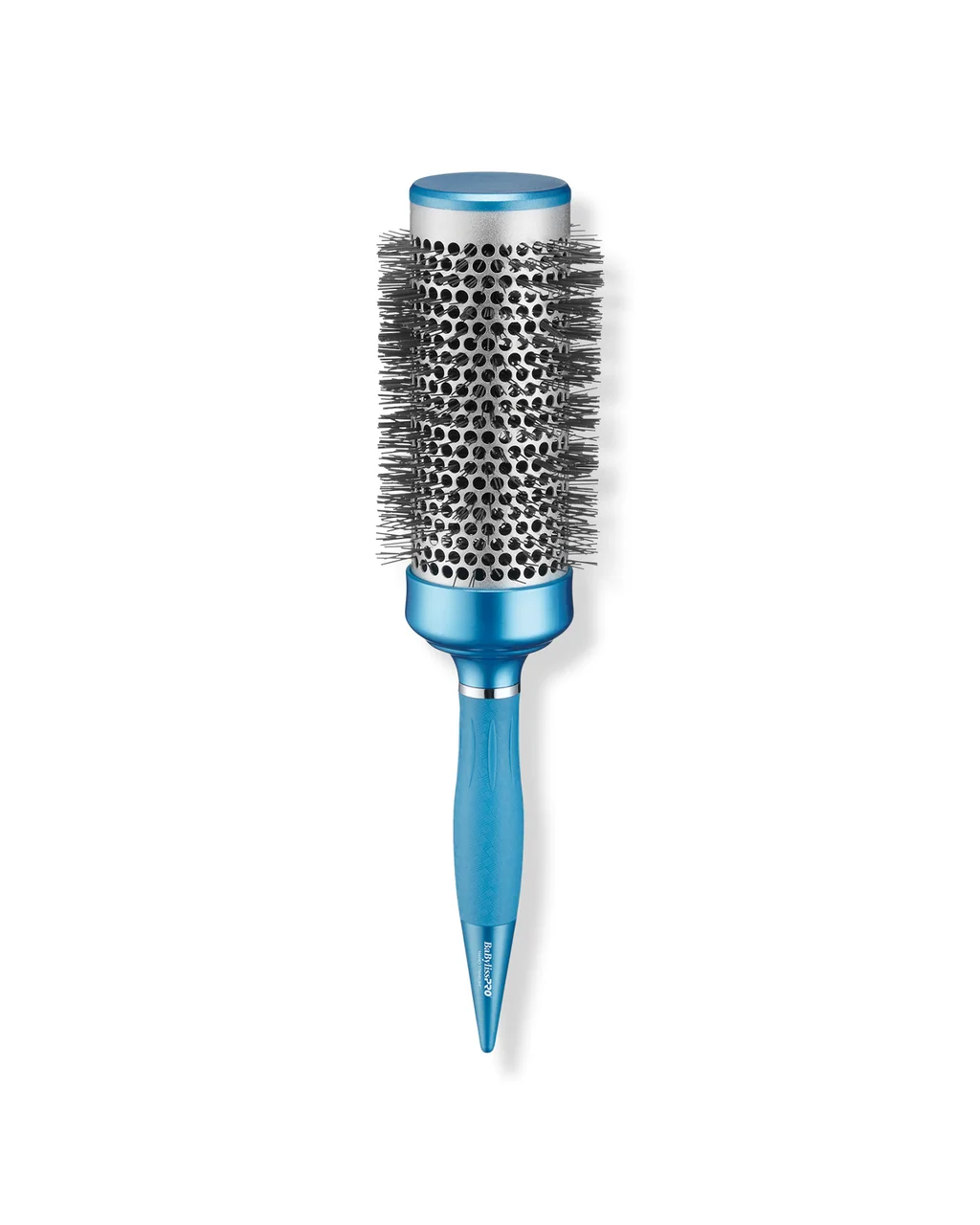
Best premium: BaBylissPRO Nano Titanium Thermal Round Brush (2")
A durable, pro-grade brush: the nano-titanium-and-ceramic barrel heats evenly and fast, and the extra-long vented barrel lets you style more hair per pass for a smooth, high-shine blowout that lasts. Built to survive years of daily use. Best for: fine hair at medium-to-long lengths, and anyone who wants one brush for a decade. Honest limitation: the extra-long 2" barrel is made for longer hair — it's awkward on a short bob or pixie, where a compact brush wins.
The brush is half the equation — technique is the other half
A hot air brush combines this tool and the dryer into one pass, which is less coordination and less total heat — but it applies tension to damper hair. Compared properly in blow-dry brushes for fine hair.
Whichever brush you choose, the fine-hair method is the same: rough-dry to about 80% first so you're never dragging the brush through soaking hair, mist a weightless heat protectant through the lengths, then work in sections — lift each root straight up, dry the base up and over the barrel against its fall, and finish every section with the cool shot held until the hair is cold. That cooling step is what sets the lift; skip it and the bounce drops by lunch.
Your barrel already matches your length and your hair is healthy. Technique upgrades are free — a new brush buys a nicer finish, not a transformation.
Your blowouts collapse within an hour. That's a cooling, product, or cut problem, not a brush problem — see why hair falls flat.
You dread the two-handed coordination. A hot-air brush or volumizing styler does the lifting for you — several are in the dryer roundup.
Your ends are dry and snapping. No brush fixes damage, and tension makes it worse. Trim, lower your heat, and treat the ends first.
What you actually need is a brush for detangling and everyday smoothing. That's a different tool with different bristle spacing — see the best hair brushes for fine hair.
FAQ
Match the barrel to your length. For short bobs and lobs, a 1 to 1.75-inch barrel gives a bend that actually holds; for shoulder-to-mid-back hair, a 1.5 to 2-inch barrel is the sweet spot; for a pixie, bangs, or very short layers, drop to about 1 inch. A barrel that's too big for your length just slides out of fine hair without ever gripping the root, which is where the volume comes from — so if in doubt, go a size smaller than you would for thick hair.
A mix, or a ceramic thermal barrel, depending on the job. Natural boar bristles smooth the cuticle and add shine with gentle tension, which polishes fine hair without the ripping a stiff all-nylon brush can cause — great for a sleek finish. A ceramic or ceramic-ionic thermal barrel with nylon bristles grips slick strands and heats evenly for root lift. Avoid cheap all-metal barrels, which overheat and can scorch a fine strand.
Yes. A ceramic barrel holds and distributes heat evenly, so you can style fine hair on a lower dryer setting and cut the total heat it takes — a real benefit on strands with little to spare. The ionic coating cuts static and smooths frizz. The one trade-off is that a very smoothing brush can de-fluff fine hair a little, so use it for lift at the roots and a smooth finish on the lengths, rather than flattening every pass.
Vented for speed and gentleness, thermal (solid barrel) for grip and hold. A vented barrel lets dryer air pass straight through, so fine hair dries faster with less direct heat — ideal if heat exposure is your concern, though the finish is airier and less structured. A solid thermal barrel grips slick strands and holds a firmer curl or root lift, which is why it's the better pick when your main goal is volume. Many fine-haired women own one of each.
Work at the roots and set them cold. Rough-dry to about 80% first, then take horizontal sections at the crown, lift each straight up past 90 degrees, set the brush underneath at the root, and dry the base up and over the brush against its natural fall. Then hit the section with the cool shot while it's still on the brush, holding until it's cold — that's what locks the lift in. The full step-by-step is in our guide to getting root volume in fine hair.
Only if you use too much heat or too much tension. The damage risk comes from yanking a brush through wet, tangled hair or parking a hot barrel on one section — both of which stress a fragile strand. Rough-dry first so hair is only damp, detangle before you start, always mist a heat protectant, keep the dryer on medium, and never force the brush. Used gently, a round brush is no harder on fine hair than a blow-dry alone.
Fourteen years in hair — eight behind the chair, six in editorial — with a focus on scalp health and the science of fine, flat-prone hair. Megan reviews tools the way she'd pick them for her own kit: does it earn its place, and does it suit fine hair.
Results vary with hair type, density, and growth patterns. This guide is educational and not a substitute for an in-person consultation with a licensed stylist.
Get the good hair intel
One honest, stylist-written guide in your inbox each week. No hype.

 MH
MH