
1
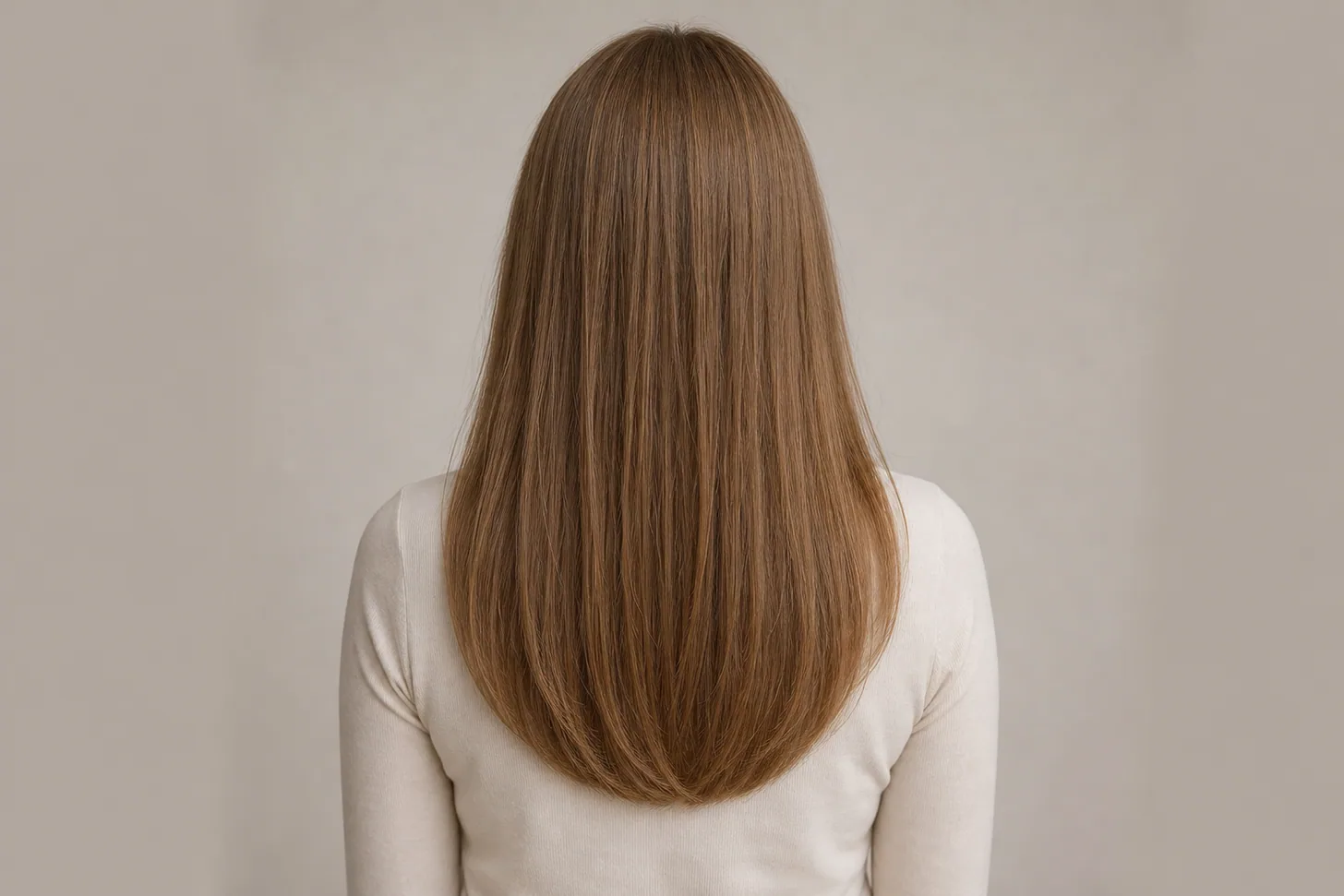
Shallow U-cut with no layers
A one-length cut with the hemline curved by about an inch. It looks nearly blunt and keeps all the weight.
This is the best shape for thin ends.
 SB
V-cut and U-cut describe the shape of the back hemline on long hair. A U-cut curves gently, so the back is slightly longer than the sides. A V-cut tapers to a point at the center of the back. On fine hair, the U-cut usually looks thicker, because the curve keeps more strands at the bottom.
A V-cut can still work on fine hair with enough density, if the point is kept shallow. Below are 10 hemline shapes for fine hair, from a nearly straight U to a deeper V, and how to tell how deep yours can go.
The letter matters less than the depth. I measure the difference between the shortest point at the sides and the longest point at the back. On fine hair I keep it under about two inches. Past that, the back point is carrying only a few strands and looks wispy from across the room.
The same rule protects a U-cut. A deep U can look as thin as a V. If your ends are already sparse, start with a straight hemline and add the curve once they are full again.
SBBoth are long cuts named after the shape of the hemline when you look at the back. The U-cut follows a soft curve from the sides to the center. The V-cut angles from each side to a point. Either can be cut with no layers, with long layers or with face-framing pieces. The layers decide how much hair is taken from inside the cut; the letter decides what the bottom edge looks like.
For most fine hair, the U-cut. It keeps more hair at the hem, which is where fine hair looks thinnest. A shallow V-cut works on fine hair with medium or high density and suits a long, narrow look. A deep V on low-density fine hair leaves only a few strands at the point. If you are not sure which density you have, read fine hair vs thin hair. For a straight-across line, see blunt cuts for fine hair.
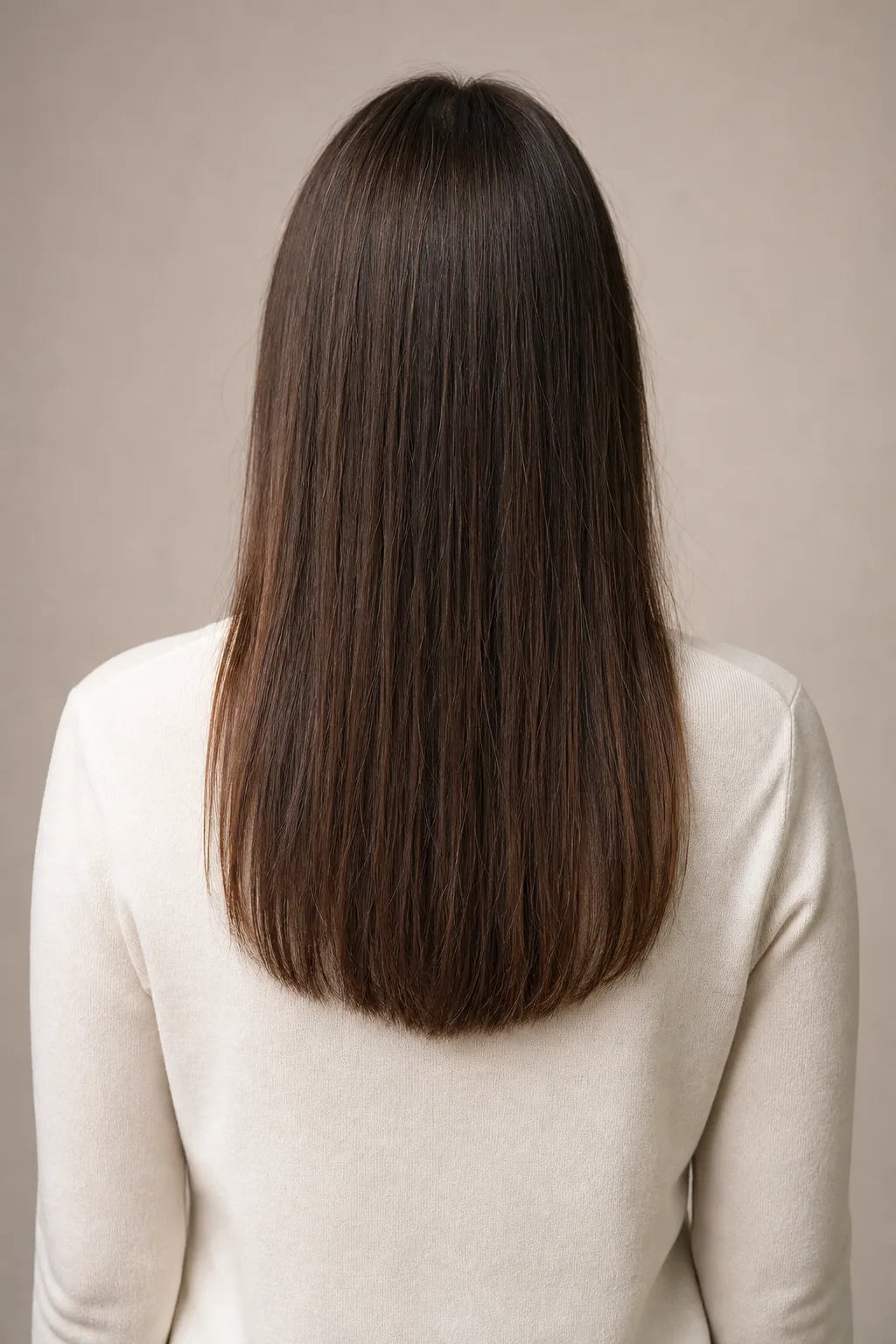
Soft curves that keep the bottom full. Start here if your ends look thin.
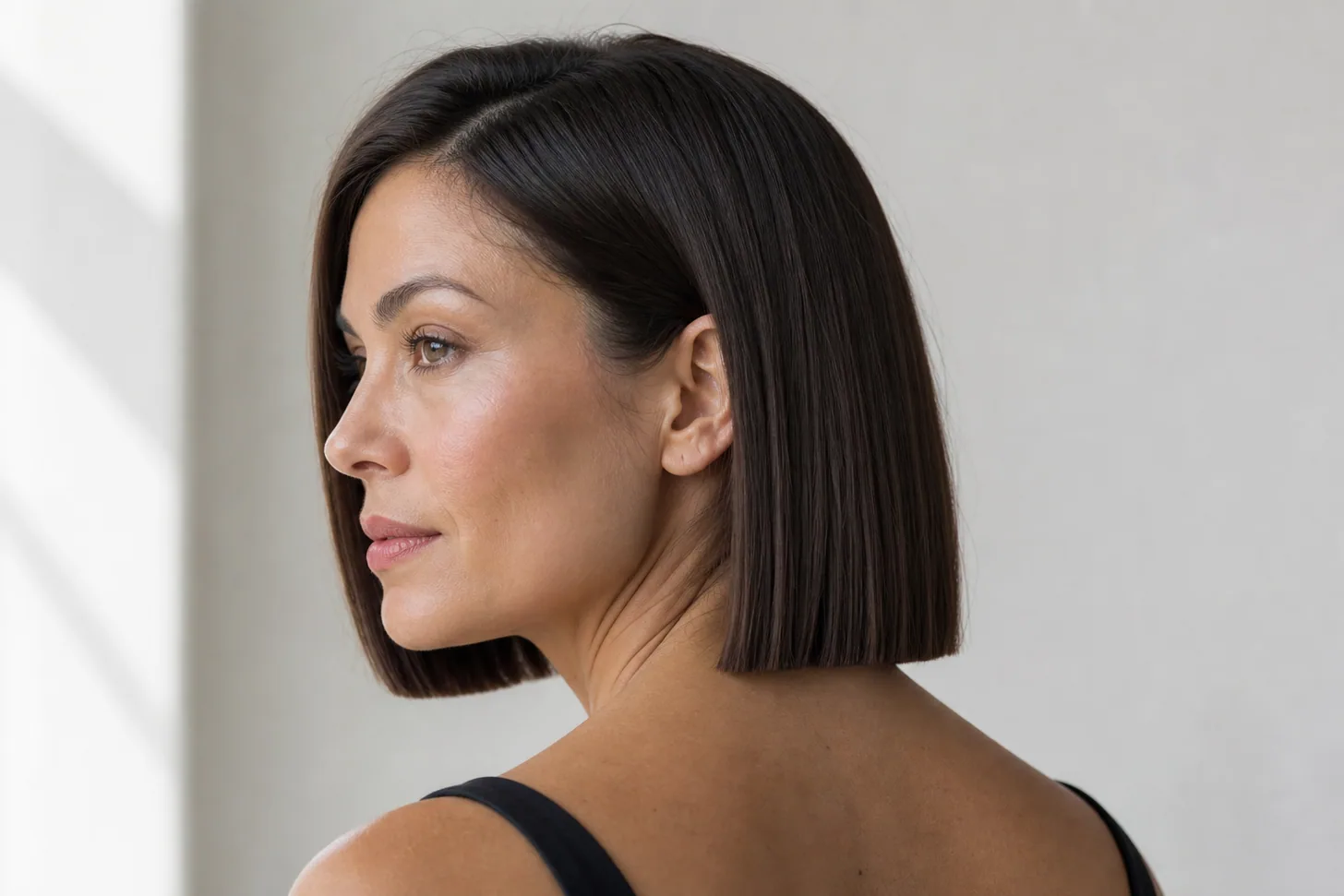
A one-length cut with the hemline curved by about an inch. It looks nearly blunt and keeps all the weight.
This is the best shape for thin ends.
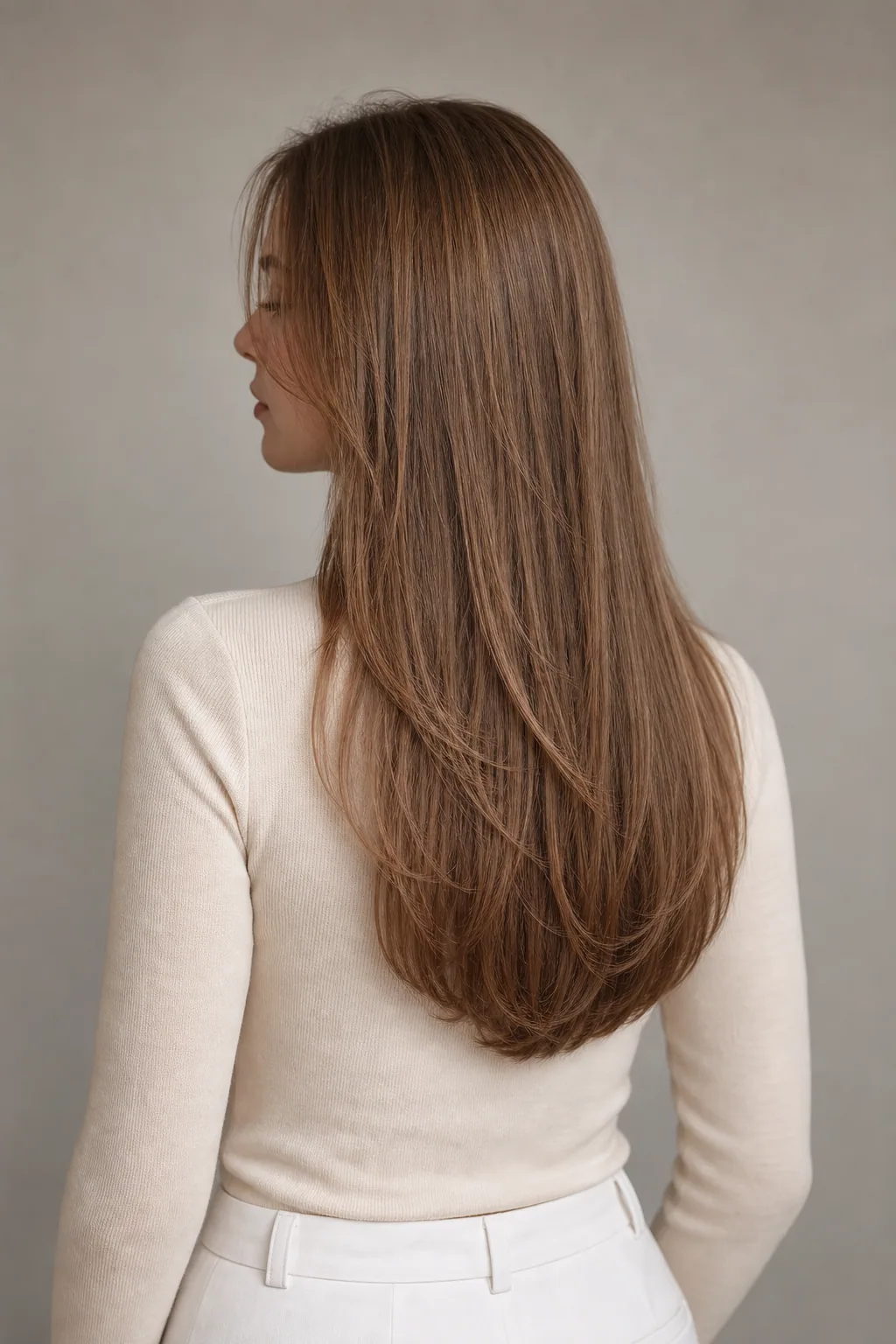
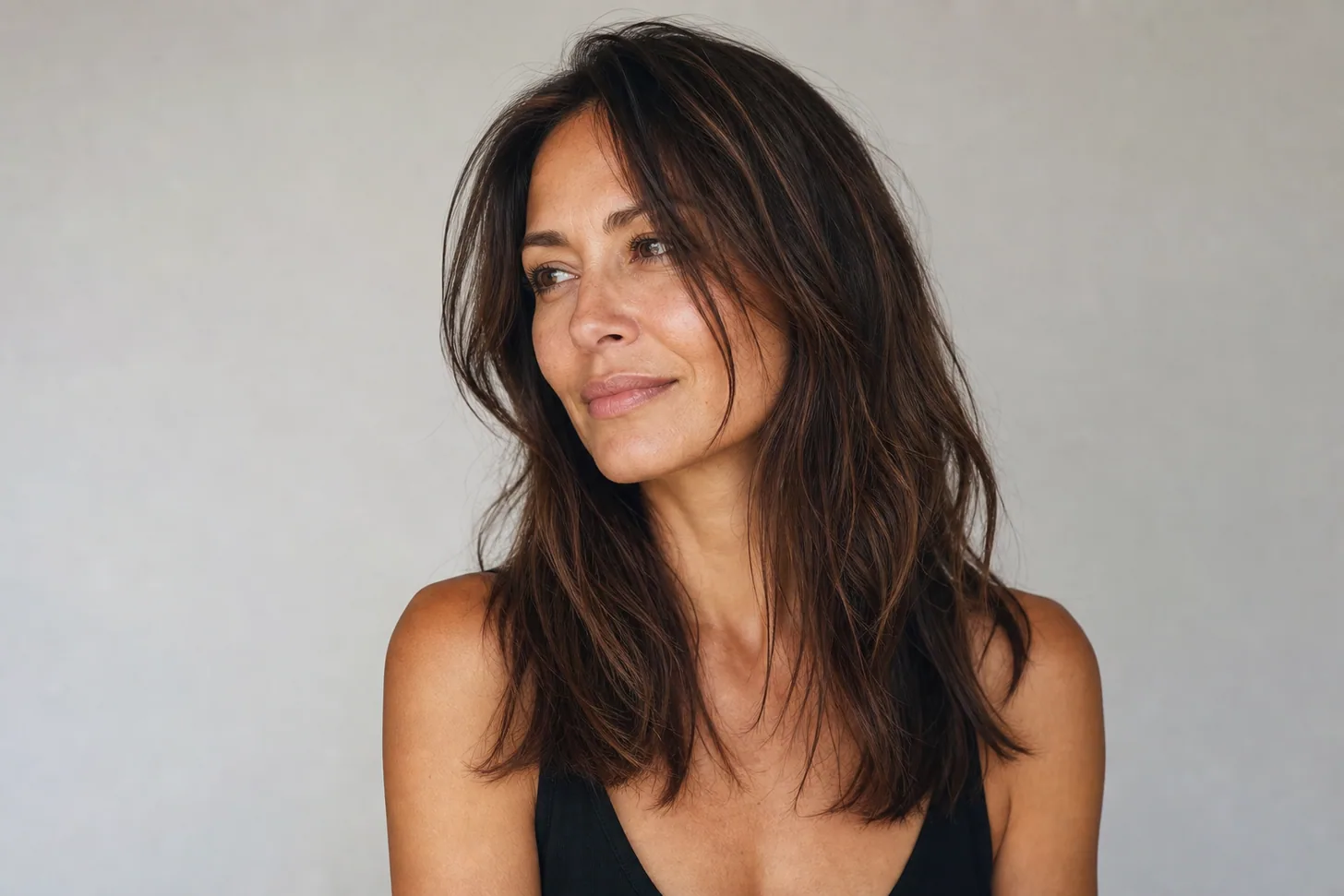
Long layers that start below the shoulders add movement without thinning the curve.
Ask for the layers point-cut, and keep the shortest layer longer than your shoulders.
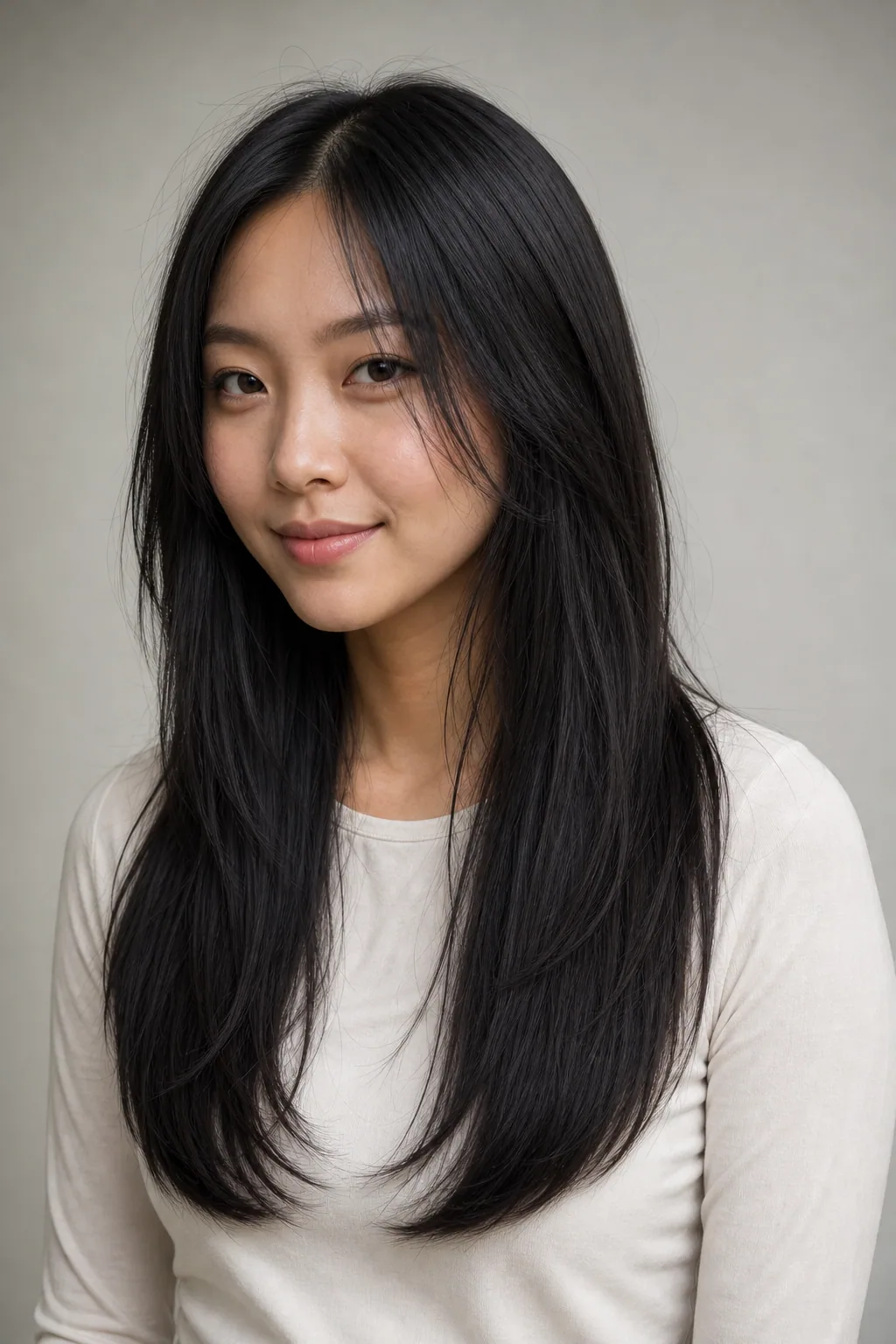
Layers only around the face, with a U at the back. The front gets shape and the back keeps all its weight.
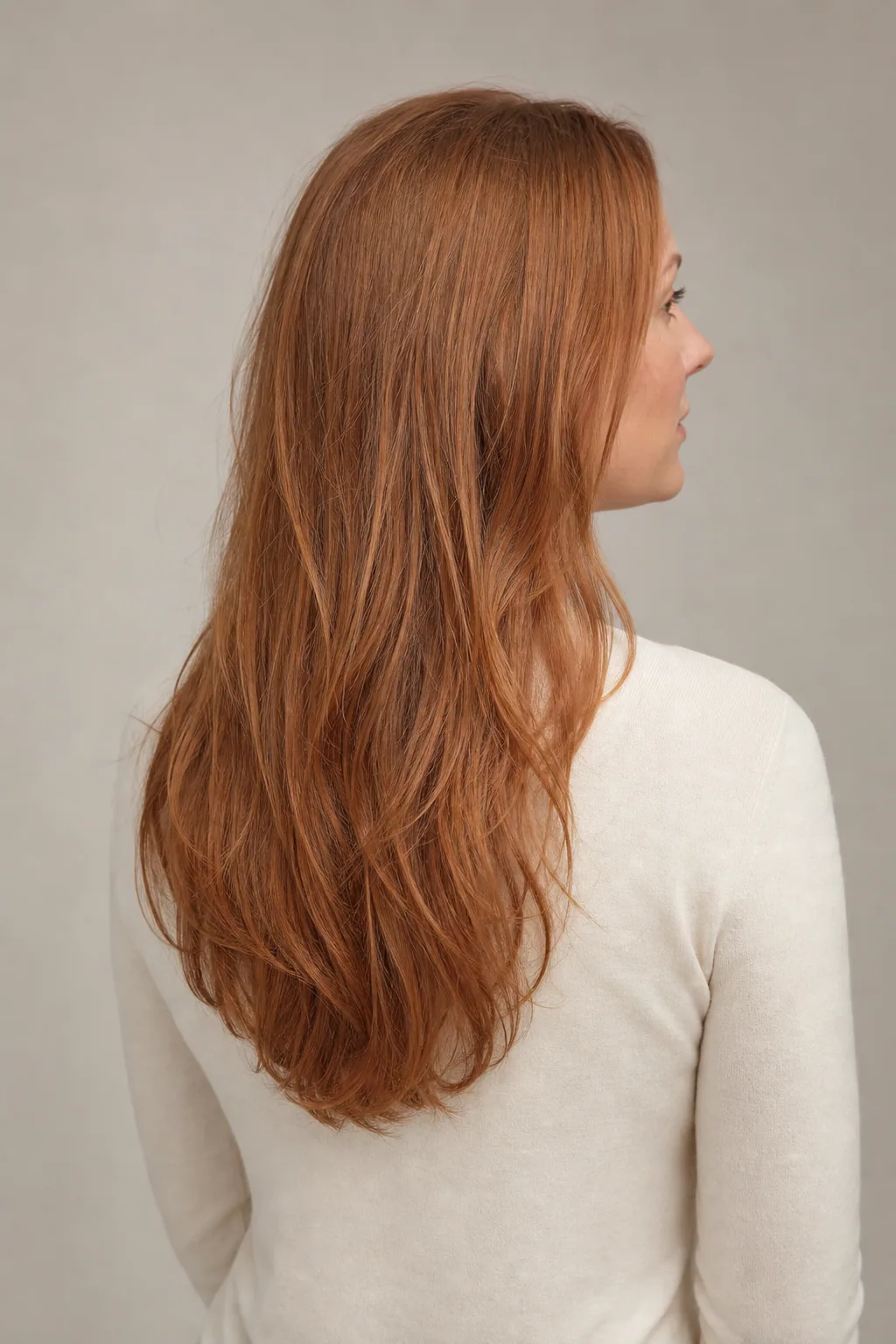
A wave lifts the ends, so the hem sits higher than it does when wet. Cut it dry.
Keep the point shallow. These need fine hair that is still full at the ends.
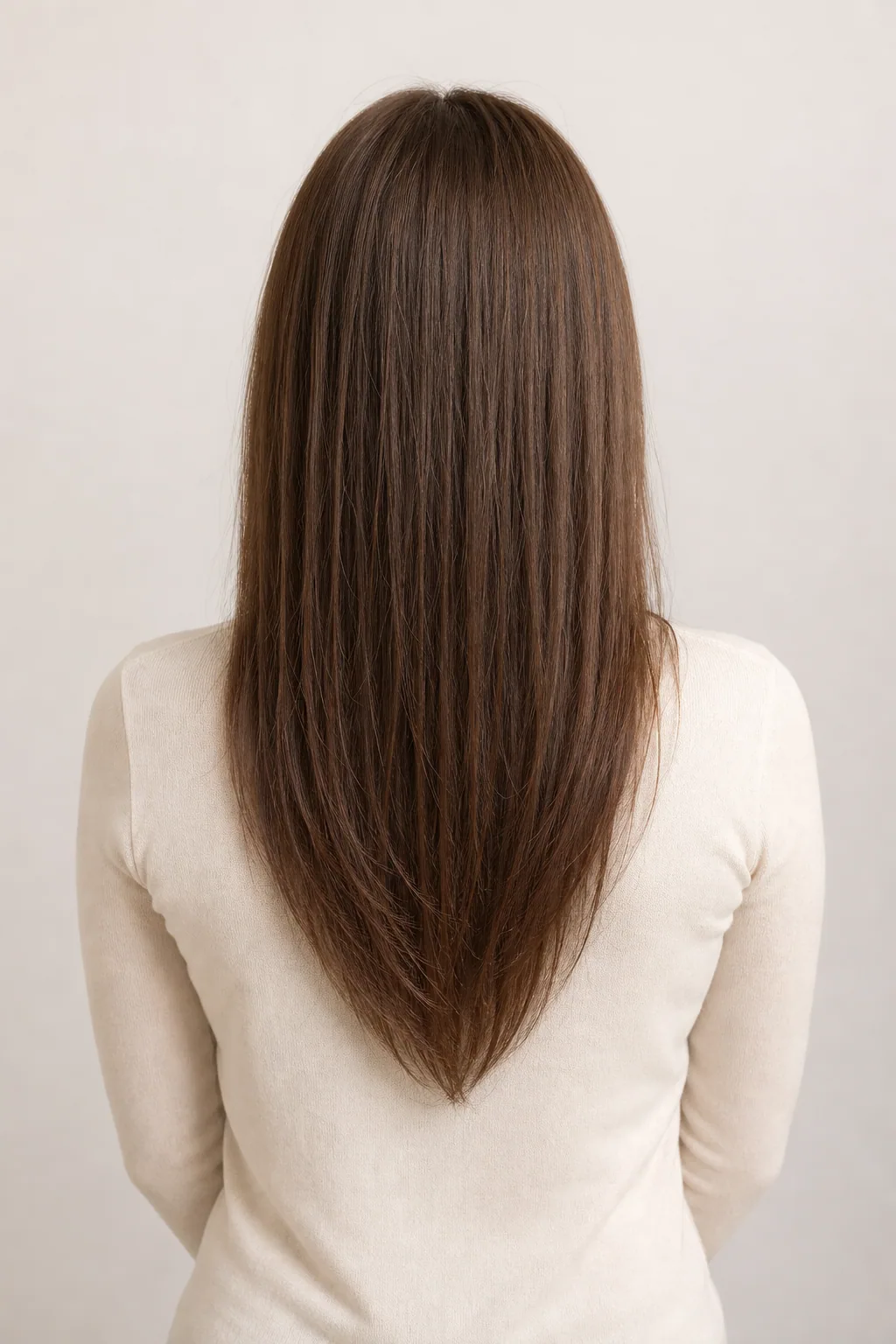
A gentle point, no more than about two inches longer than the sides.
It gives a long, narrow line without leaving the point thin.
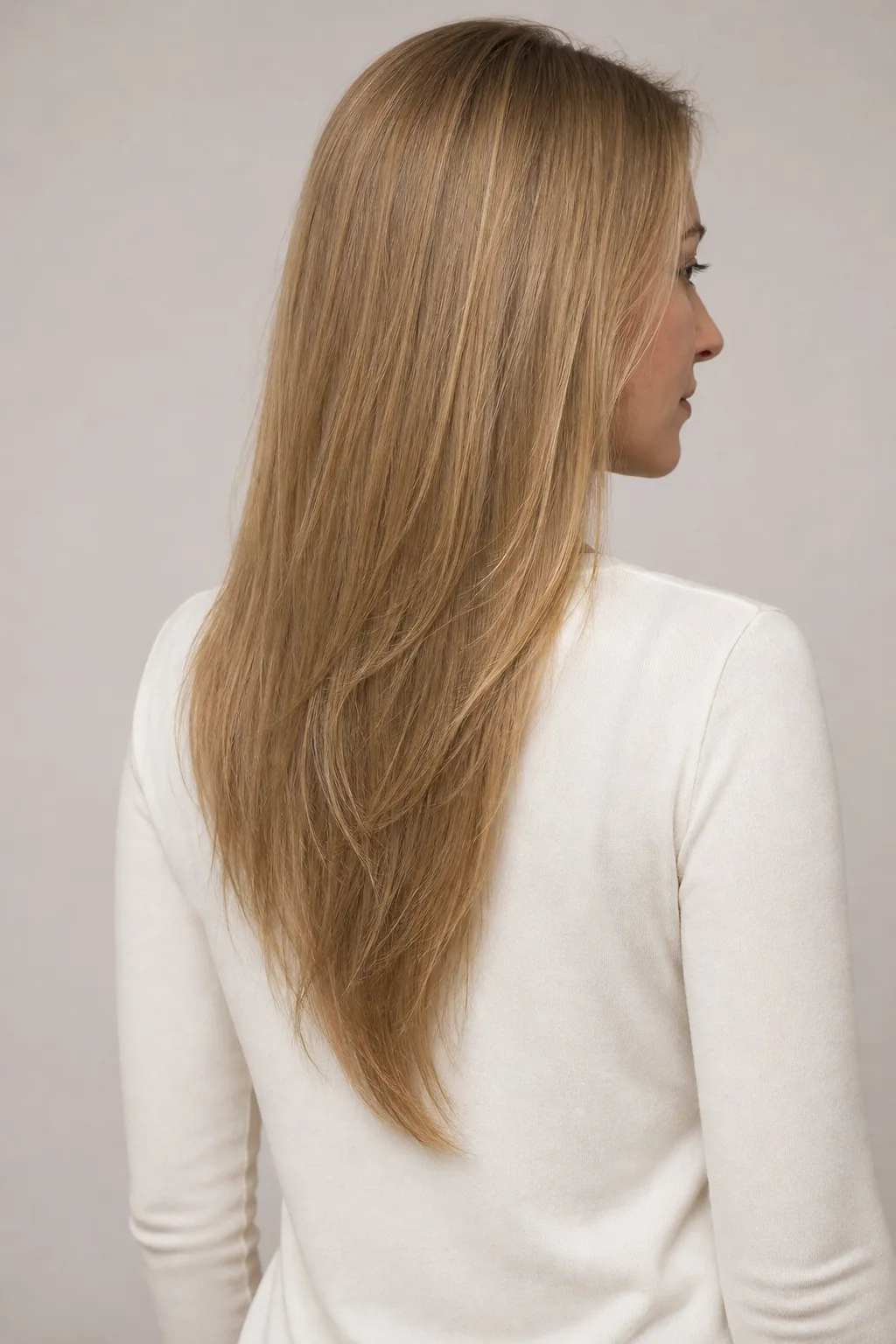
Layers and a V both take hair from the bottom, so this needs good density.
Ask for fewer layers than you would with a U-cut.
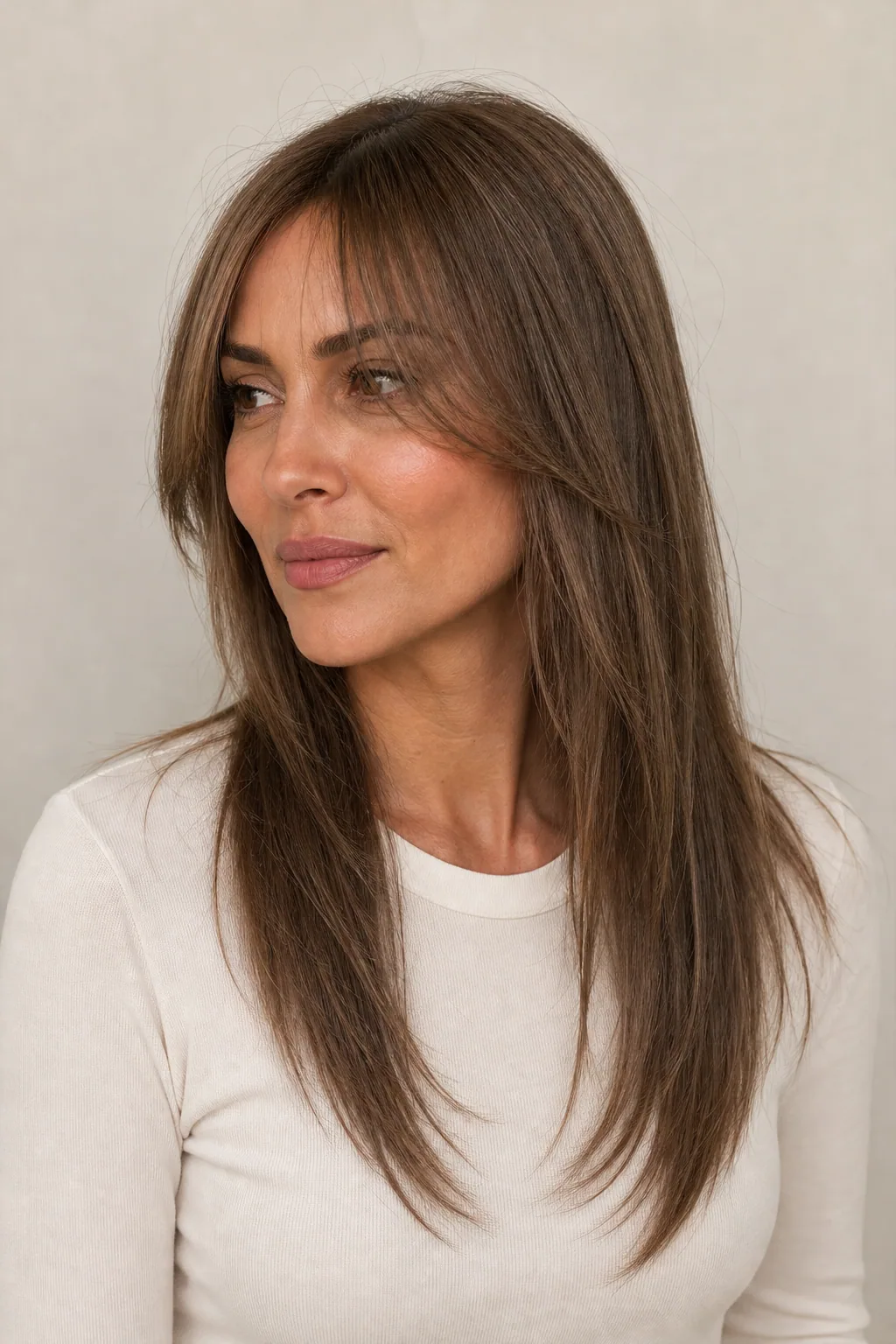
The curtain bangs add fullness at the front to balance the narrow back.
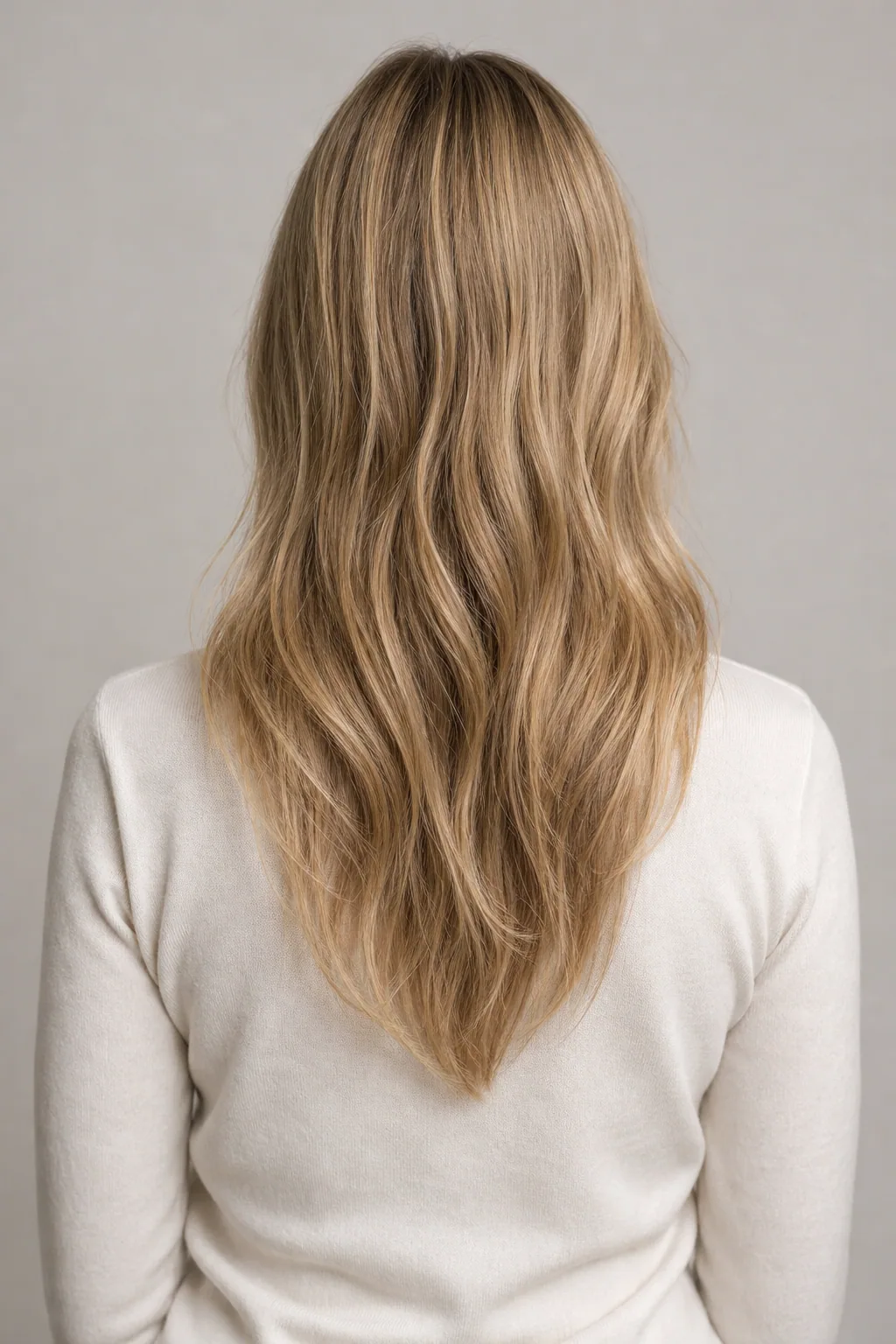
Waves blur the point, so a V looks softer and fuller on wavy hair than on straight.
Ask for it cut dry, because the point rises as the wave springs up.
Both shapes work above the shoulder blades too, and they look fuller there.
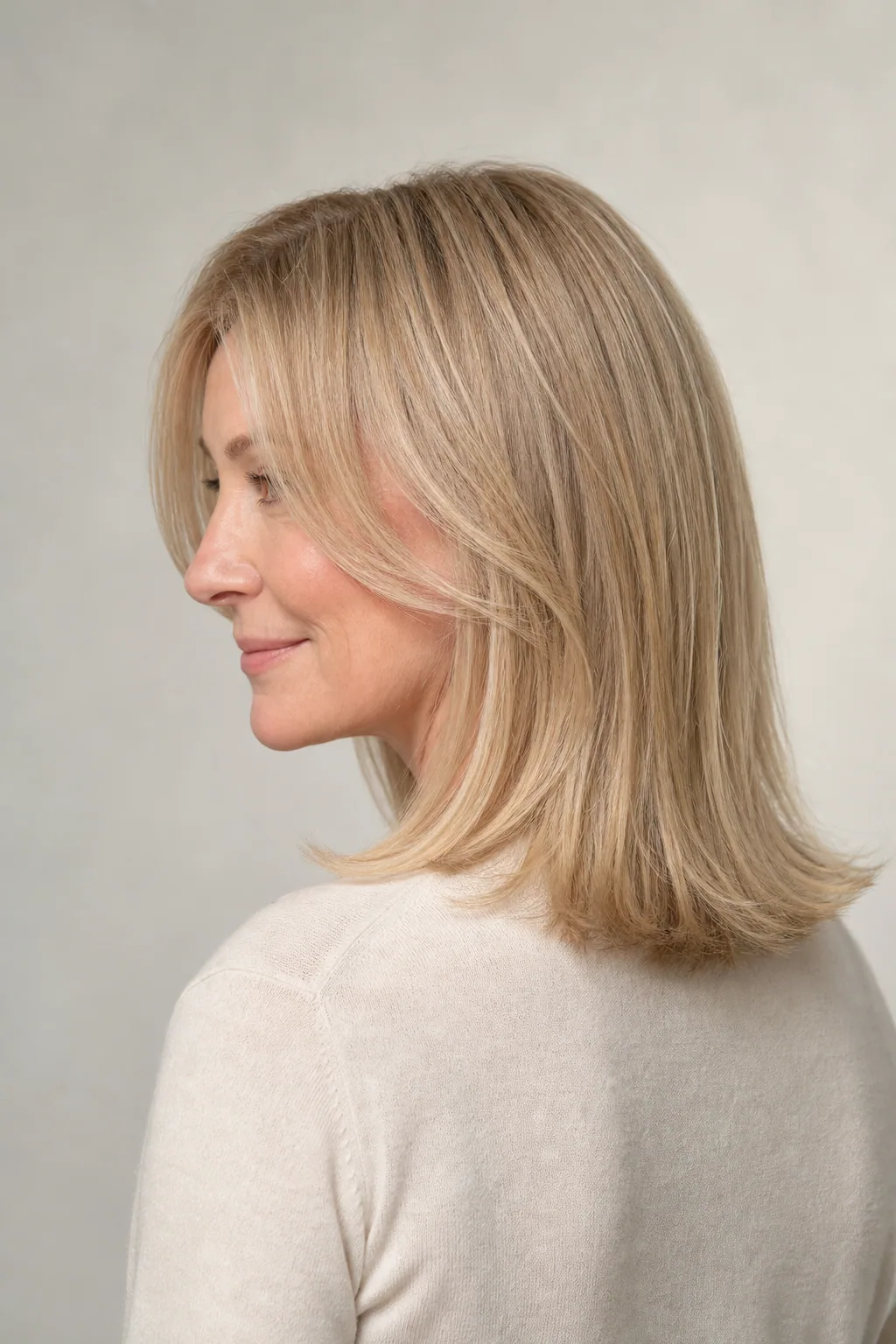
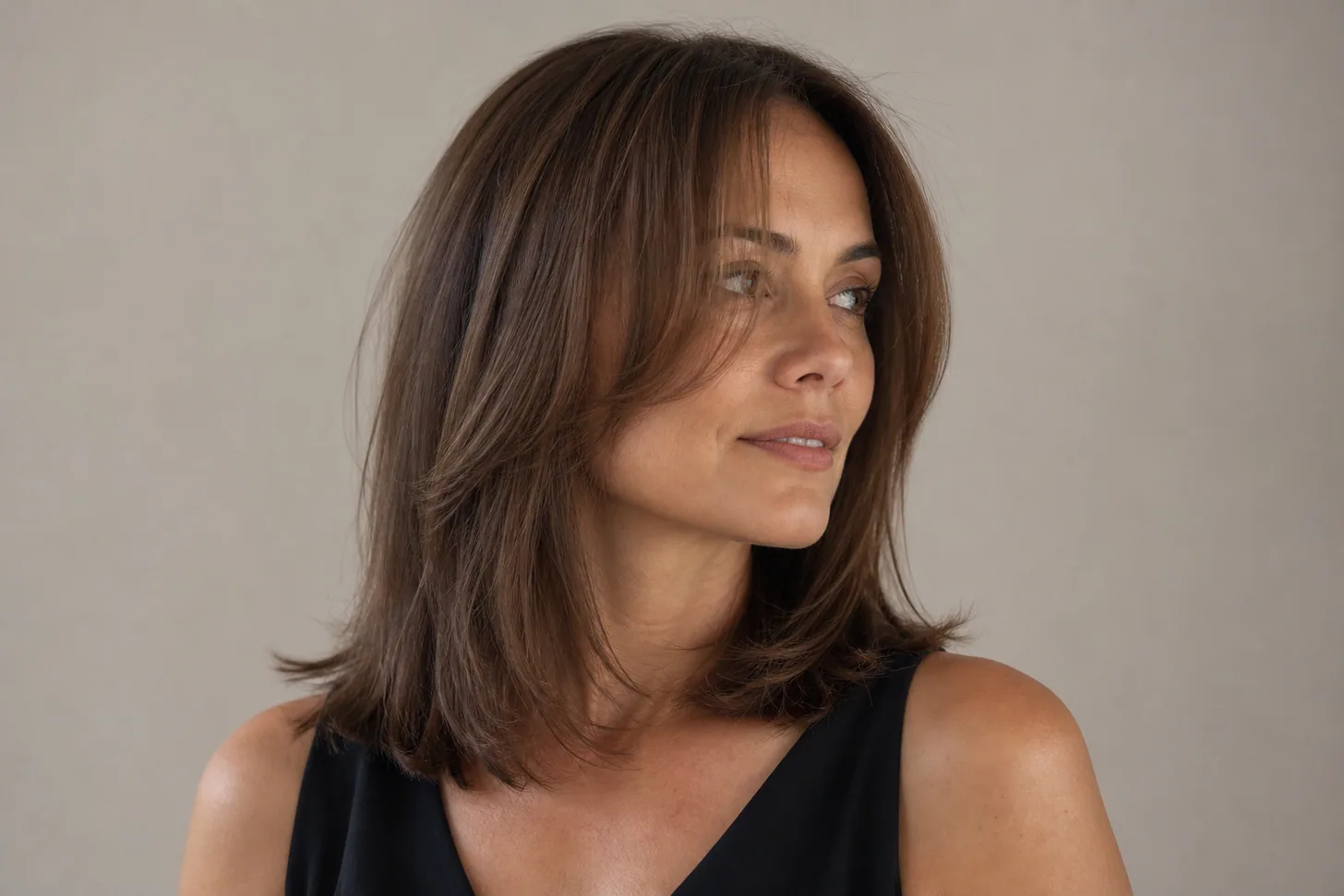
At shoulder length, the curve softens the line without costing much fullness.
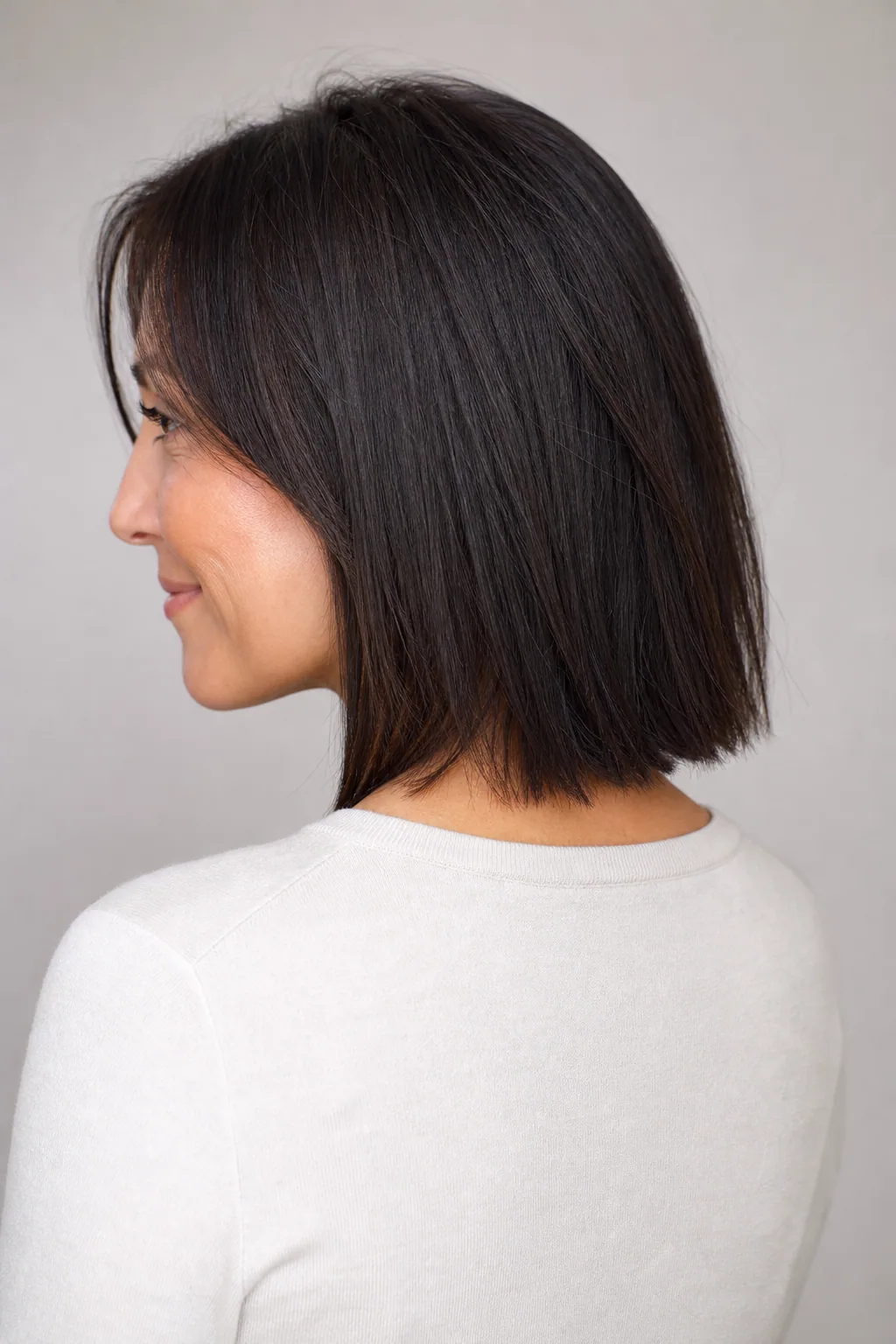
A shallow V on a lob makes the back look longer without losing weight.
A straight hemline keeps the most weight and looks thickest, but can look heavy at long lengths. A U-cut keeps nearly as much weight and softens the edge. A V-cut looks longest and narrowest, and takes the most hair from the ends. On fine hair the order from fullest to thinnest-looking is straight, U, then V. That's why long hairstyles for fine hair usually start with the first two.
For a U-cut, say: "I'd like a soft U-shaped hemline, about an inch or two longer at the center back, with point-cut layers that start below my shoulders." For a V-cut: "A shallow V, no more than two inches longer at the point, with fewer layers so the ends stay full." Ask your stylist to show you the back in a mirror before cutting the layers.
Both shapes soften as they grow, and the V loses its point first. Trim every eight to twelve weeks. Between cuts, keep the ends smooth with a light leave-in and a heat protectant. Split ends show most at the point of a V. See how often to trim fine hair.
Both describe the back hemline. A U-cut curves gently, so the back is a little longer than the sides. A V-cut tapers to a point at the center of the back.
A U-cut, for most thin or fine hair. It keeps more hair at the bottom, so the ends look fuller. A V-cut works on fine hair with more density if the point is shallow.
No more than about two inches longer at the point than at the sides. Deeper than that, the point looks wispy.
No. Both can be cut one length. Layers add movement but take hair from inside the cut, so use fewer of them on fine hair.
Yes. The point draws the eye down, so the hair looks longer and narrower than it does with a straight or U hemline.
Every eight to twelve weeks. A V loses its point first, and split ends show most at the tip.
 SB
Eleven years behind the chair, specializing in short shapes and fine-hair texture. Simone believes the best haircut is the one you can style yourself in ten minutes.
More from Simone →Results vary with hair type, density and growth patterns. Haircut guidance is not a substitute for an in-person consultation with a licensed stylist, and sudden or heavy hair loss is worth raising with a doctor.
Hairstyle images in this guide are AI-generated illustrations, not photos of real clients or results. See our image policy.