Reviewed by Tara Sullivan · Updated July 2026 · 6 min read
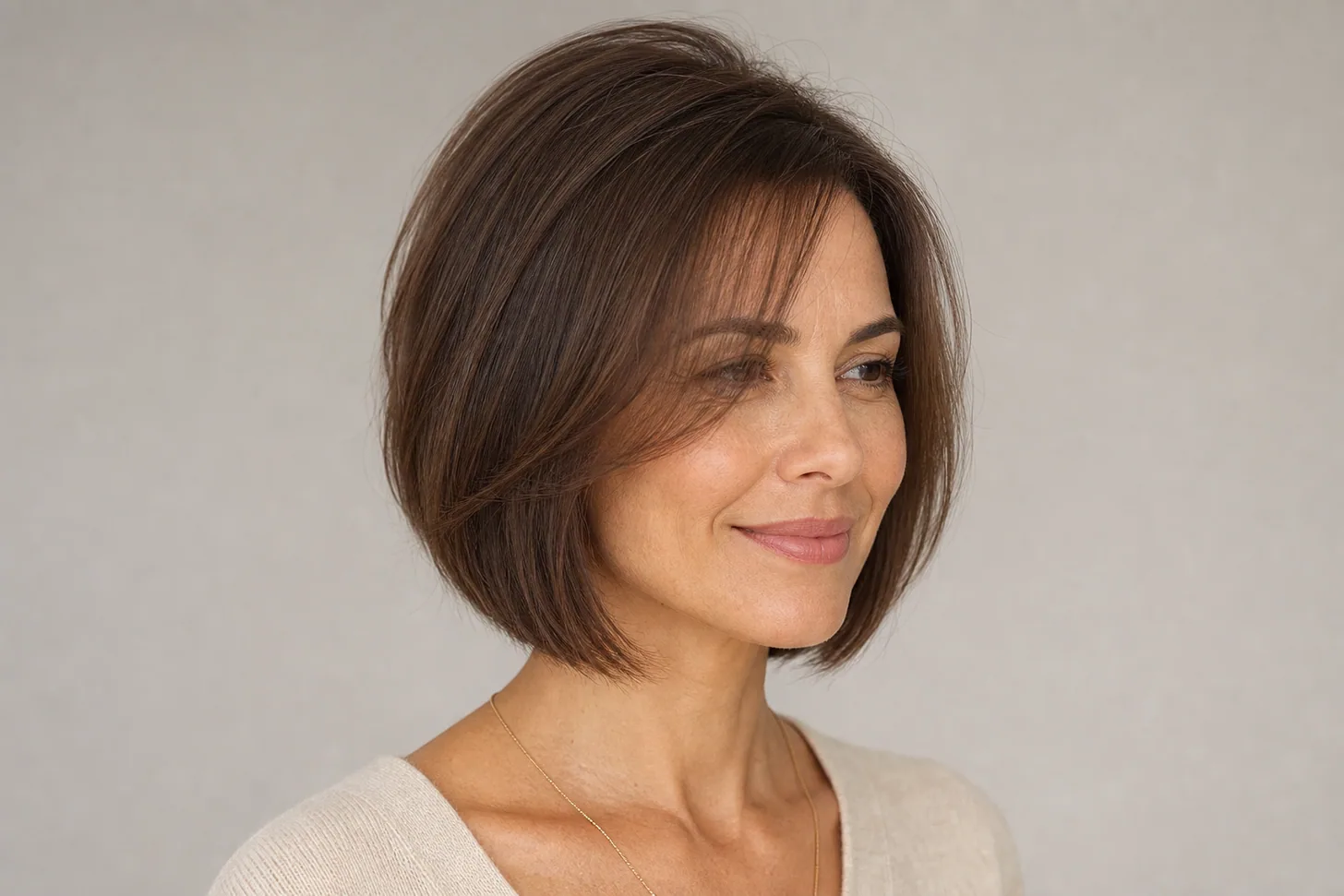
A bob blow-dries best root-first, bottom-sections-first, with a round brush — and the cut does half the work for you. The whole game on fine hair is building lift at the roots while the hair is still damp, then setting it cool before you touch it. Below is the 10-minute at-home method I teach clients, the right brush and technique for a bob, and the mistakes that flatten it by lunch.
Why a bob is the easiest cut to blow-dry full
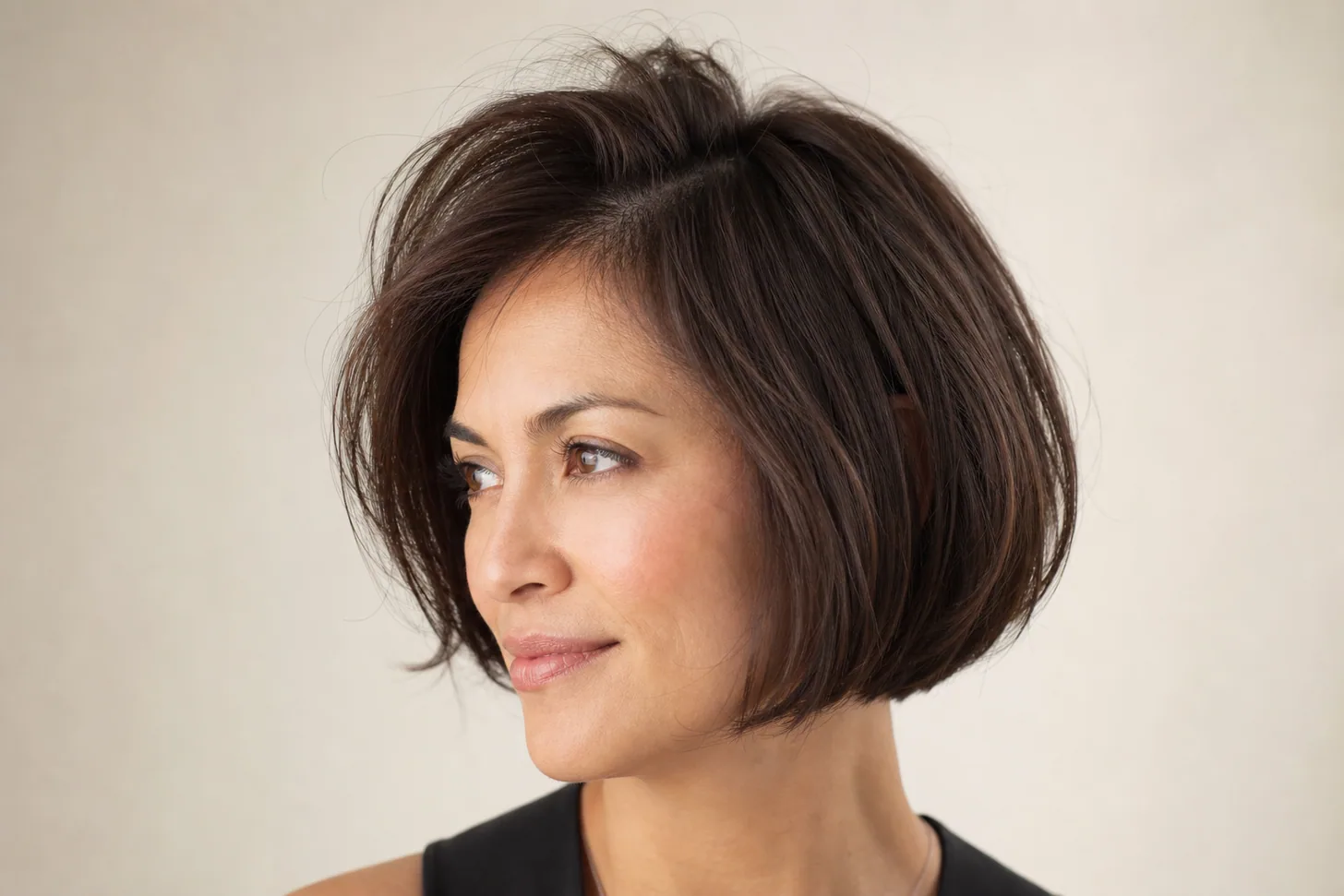
A bob has a built-in advantage on fine hair: it's short enough that the hair doesn't fight gravity the way long lengths do, so a round-brushed root stays lifted. The shape is doing structural work a longer cut can't — which is exactly why we recommend it so often in our guide to bob haircuts for fine hair.
Your job at the dryer is simply to lift the roots and shape the ends; you're enhancing the cut, not building volume from nothing. If you've got internal layering in your bob, even better — the technique below is the same, and our layered bob guide explains why those layers help the crown stand up.
Chair-side note
The single biggest home-blowout mistake I see is picking up the round brush on soaking-wet hair. You'll spend ten minutes fighting a section that's too wet to hold anything, and the lift falls the second it cools.
Rough-dry to about 80% first — hair should be damp, not dripping — then start brushing. That one change turns a frustrating half-hour into an eight-minute blowout, and the volume actually lasts because you're setting a shape into hair that's ready to hold it.
SB
— Simone Baptiste, Senior Stylist
What you need
A dryer with a nozzle and a cool-shot button. The nozzle concentrates air; the cool shot sets the shape — and if you're shopping for one, our best hair dryer for fine hair picks are chosen on heat control, not horsepower.
A round brush, roughly 1.5-inch barrel for a standard bob (smaller for a short/chin bob, slightly larger for a lob). A ceramic or ionic barrel dries fine hair faster with less heat.
Sectioning clips — two or three. Non-negotiable for building volume in the right order.
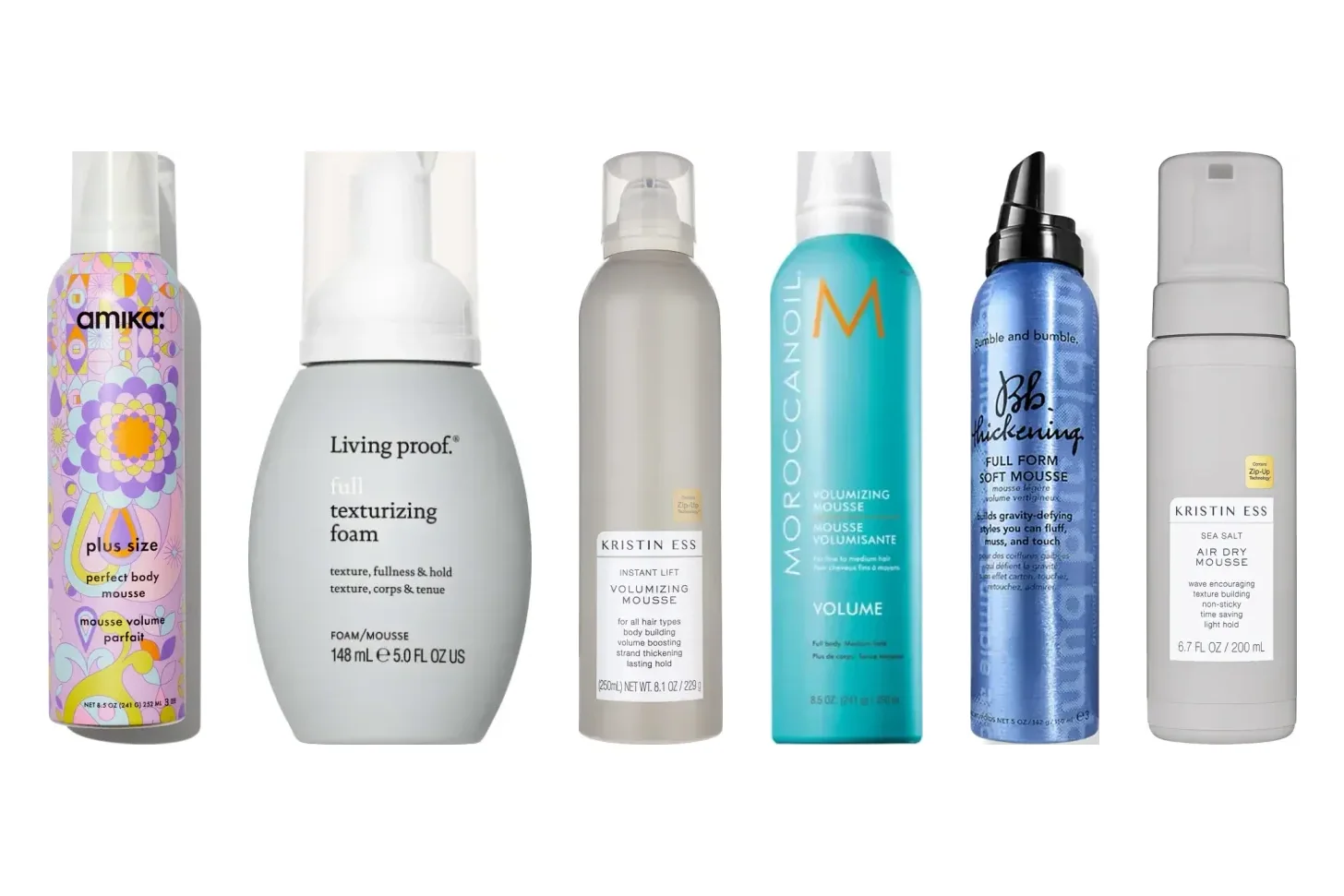
A lightweight volumizing mousse for damp roots — the picks in our best mousse for fine hair roundup are chosen to add hold without weight.
Work in the order below. The principle throughout: roots first, bottom sections first, cool to set.
Step 1: Prep damp — not wet — roots
Rough-dry with your hands, flipping your head, until hair is about 80% dry. Work a golf-ball puff of lightweight mousse into the roots and comb the residue through. Nothing heavy, and nothing on the ends near the root line.
Step 2: Clip up the top, dry the bottom first
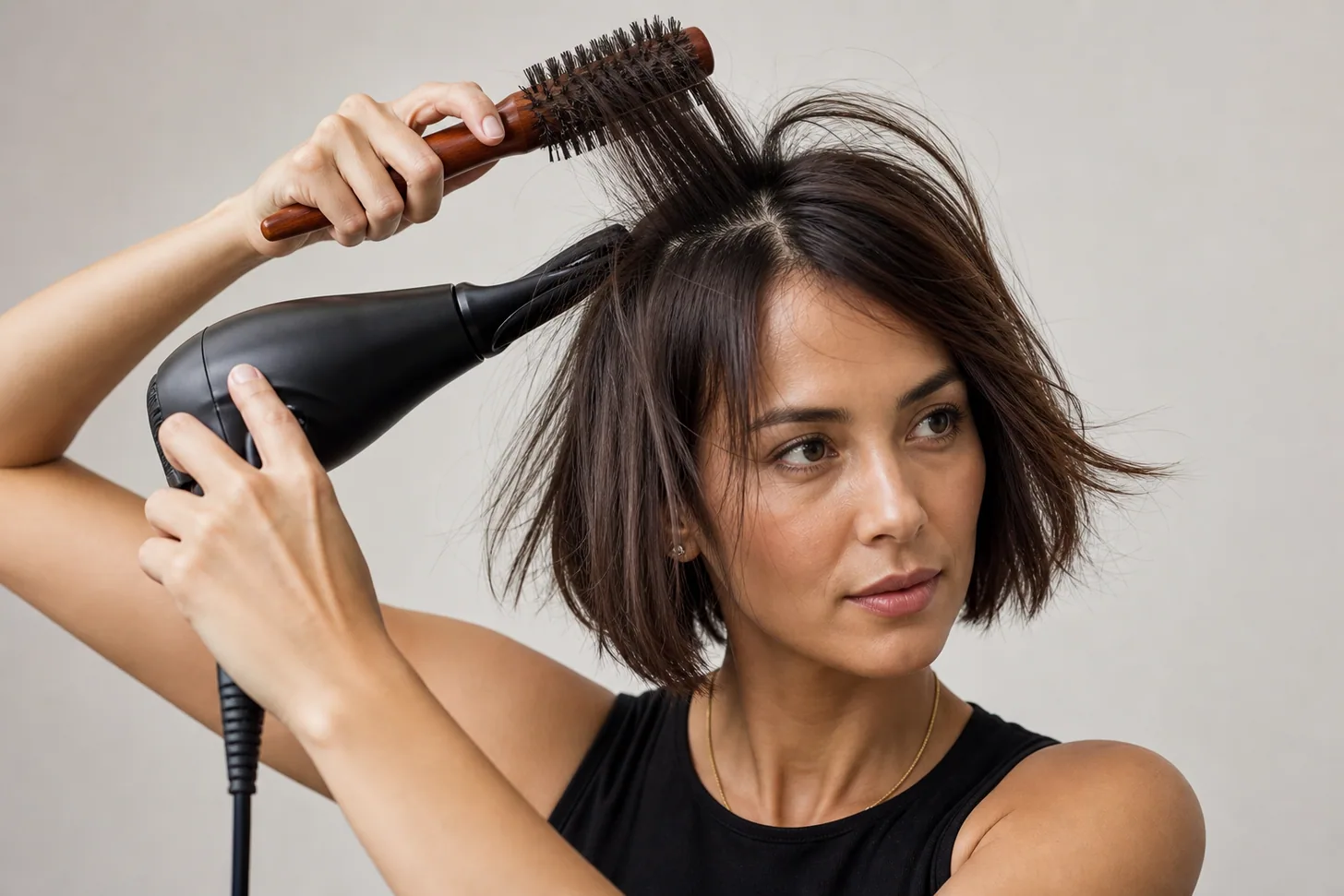
Clip the top and crown sections out of the way and start with the nape and under-layers. Slide the round brush under each section at the root, lift, and follow with the dryer. Drying the bottom first means the top layer lands smoothly over already-shaped hair — and it stacks fullness from underneath.
Step 3: Blow-dry the crown against its fall
Take down the top sections. This is where the volume is won or lost: place the brush at the root and dry the crown up and slightly against the direction it naturally falls, so the root sets standing rather than flat. Overdirecting a little — pulling the section forward or to the opposite side as you dry — banks extra lift.
Step 4: Shape the ends on the brush
Once the roots are dry and lifted, roll the ends under the brush (classic, rounded bob) or flick them out (retro bounce), following the barrel with the dryer. Hold the brush a beat at the ends with the heat on them, so the bend actually takes.
Step 5: Cool-shot to set, finish light
Hit each finished section — roots and ends — with the cool-shot button. Hair holds the shape it cools in, so this is the step that makes your blowout last past noon. Finish with a mist of texture spray or a whisper of shine spray on the ends.
Keep everything light and off the roots. If holding a dryer and a brush at once is the hard part, a hot-air brush combines them — see blow-dry brushes for fine hair.
Ends under vs. flicked out
The two classic bob finishes, and how to choose: rolled under gives a smooth, polished, rounded shape that reads neat and full — the safe, flattering default on most face shapes. Flicked out adds a playful, retro bounce and widens the hemline, which can help fake density on fine hair.
You can even mix them — under at the sides, a slight flick at the back. Whichever you pick, the cool shot and the beat-at-the-ends hold are what make it survive the day.
How to make it last
A fine-hair blowout falls for three fixable reasons — weight, no cool-down, and touching. Use the cool shot on every section, keep product light and away from the roots, and keep your hands out of your hair during the day.
If the crown still drops by afternoon, two velcro rollers set at the top for ten minutes rebuild the lift with no product at all. For the full lightweight-styling philosophy behind all of this, see how to style fine & thin hair.
The mistakes that flatten a bob blowout
Brushing soaking-wet hair. Rough-dry to 80% first; too-wet hair holds nothing and the lift falls as it cools.
Drying the top layer first. Start underneath — the top should land over already-shaped sections for fullness.
Skipping the cool shot. Hair sets as it cools; skip it and the volume you just built drops within the hour.
Finishing with a shine cream or oil at the roots. That's an eraser for your lift — keep anything rich to the ends only.
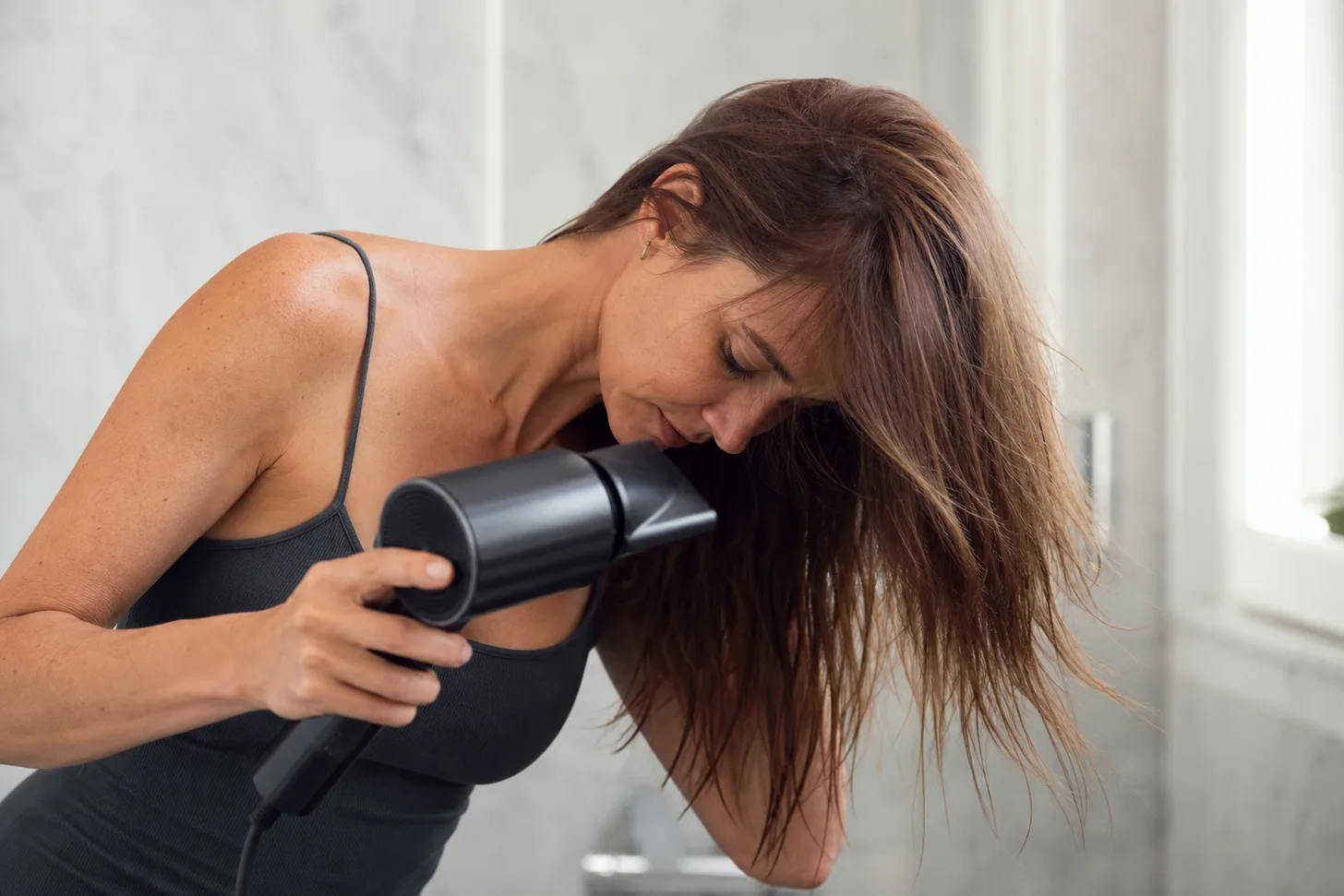
Holding the dryer still and close. Keep it moving and a few inches away to protect fine strands from unnecessary heat.
FAQ
For most bobs, a small-to-medium round brush — roughly a 1.5-inch (about 38mm) barrel — is the sweet spot. It's large enough to create a smooth bend at the ends but small enough to fit a shorter length and lift the roots. Go smaller (1 inch) for a chin-length or stacked bob, and slightly larger for a lob. A ceramic or ionic barrel helps fine hair dry faster with less heat.
Volume is built at the root, not the ends. Dry the roots first while the hair is still damp, lifting each section straight up with the brush and directing the dryer at the root against its natural fall. Finish with a cool shot on the lifted roots — hair holds the shape it cools in. A lightweight mousse on damp roots and drying the under-sections before the top also stack fullness.
Both work; it's a style choice. Rolling the ends under gives a classic, polished, rounded bob that reads full and neat — flattering on most face shapes. Flicking the ends out adds a retro, playful bounce and widens the hemline, which can fake density on fine hair. Whichever you choose, set the bend with a cool shot and hold the brush a beat at the ends so it lasts.
Three fixes: use a cool shot on the roots after drying each section, because hair sets as it cools; keep product light and off the roots, since weight collapses lift within the hour; and don't over-touch it during the day. If the crown still drops, set two velcro rollers at the top for ten minutes while you finish getting ready — it locks in root height with zero extra product.
Daily blow-drying is fine if you protect the hair: keep the dryer moving and a few inches away, use a moderate heat setting rather than the hottest, and finish sections with cool air. Continuous motion at a distance reduces heat stress on the strand. A heat protectant or a mousse with heat protection built in adds a buffer. The goal is controlled heat, not no heat.
Once it's habit, about 8 to 10 minutes for a bob on fine hair — less than longer lengths because there's less hair to dry. Rough-drying to 80% before you pick up the brush is the biggest time-saver; brushing soaking-wet hair wastes minutes and the volume falls anyway. Section, work root-first, and the whole thing is quicker than most people expect.
Eleven years behind the chair, specializing in short shapes and fine-hair texture. Simone believes the best haircut is the one you can style yourself in ten minutes.
Images in this article are AI-generated illustrations, not photographs of real clients or results. See our image policy.
Results vary with hair type, density, and growth patterns. This guide is educational and not a substitute for an in-person consultation with a licensed stylist.
Get the good hair intel
One honest, stylist-written guide in your inbox each week. No hype.

 SB
SB