Reviewed by Tara Sullivan · Updated July 2026 · 9 min read
The best hair dryer for fine hair is chosen on heat control, not horsepower — a narrow strand dries in a fraction of the time a thick one needs, and everything after "dry" is damage.
That reframes the whole category: what you're buying is temperature regulation, a real cool shot, and a weight you can hold overhead, in that order. Below are six picks by category — best overall, gentle precision, smart auto-adjust, budget blowout, lightweight, and the salon classic — each with who it suits and one honest limitation.
Every product here is chosen independently, on the merits — what genuinely suits fine, thin hair. Links go to each brand's official page, and we don't take payment for placement. Price tiers are rough guides because prices change.
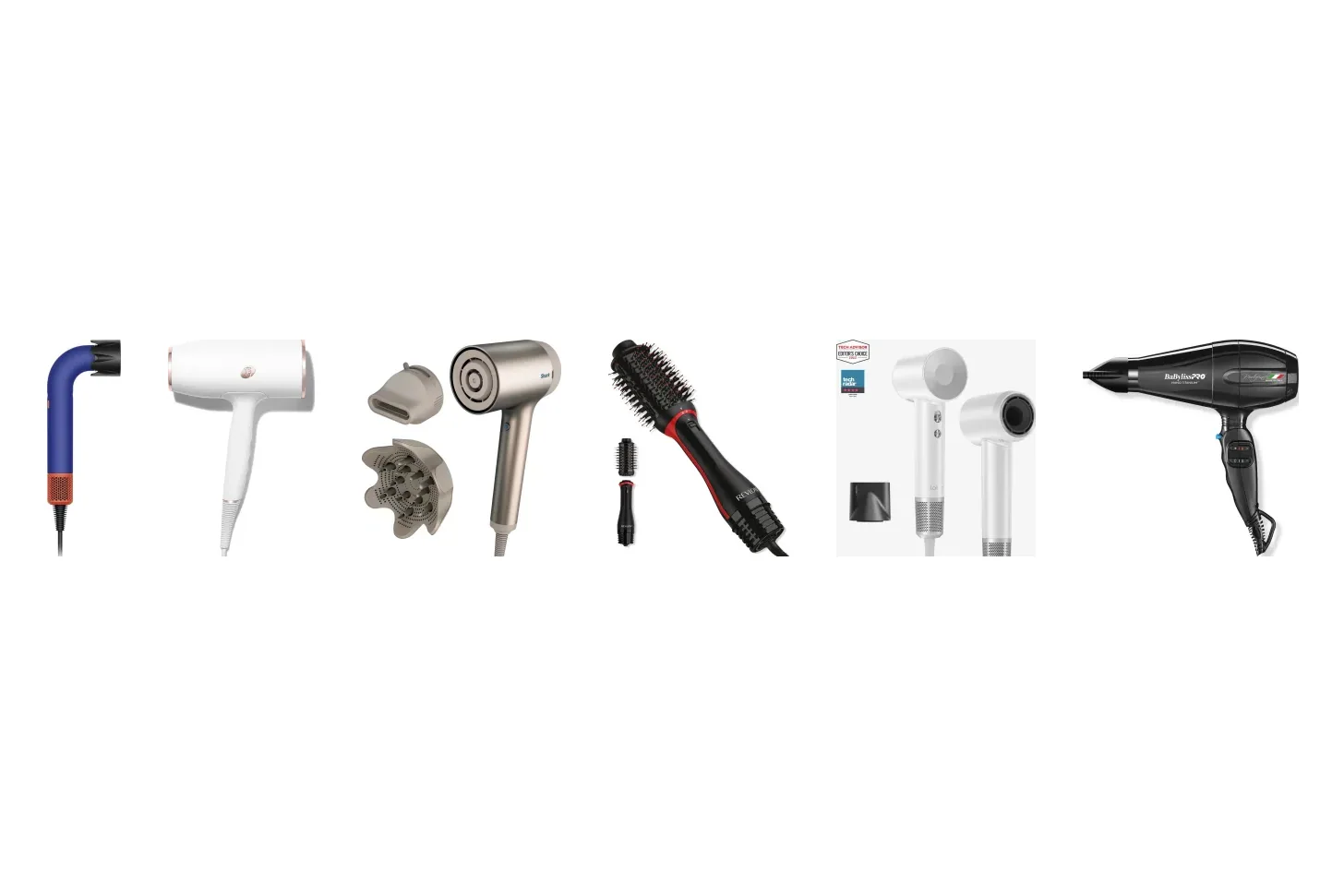
Our six picks. Product images courtesy of the brands.
Chair-side note
Clients assume the dryer matters less than the iron because it feels gentler — but the dryer touches fine hair almost every day, and the iron doesn't. Cumulative daily heat is what turns fine ends transparent by year's end.
That's why my dryer advice is always the same, whatever you buy: medium heat, keep it moving, and treat the cool-shot button as the most important button on the handle. It's not there for comfort — cooling in position is what actually sets root lift.
MH
— Megan Holloway, Editor-in-Chief
Why the dryer matters more on fine hair
Blow dryer, hair dryer, blowdryer — all one appliance, and no manufacturer separates them. "Blow dryer" is the more common phrasing in the US and "hair dryer" is what the box usually says. Nothing below changes depending on which word you use for it.
Two reasons. First, exposure: most fine-haired women blow-dry far more often than they iron, so the dryer delivers most of the year's total heat. Second, margin: a fine strand has less cortex to spare, so overheating costs it proportionally more — and the visible result, wispy broken ends, reads as thinness.
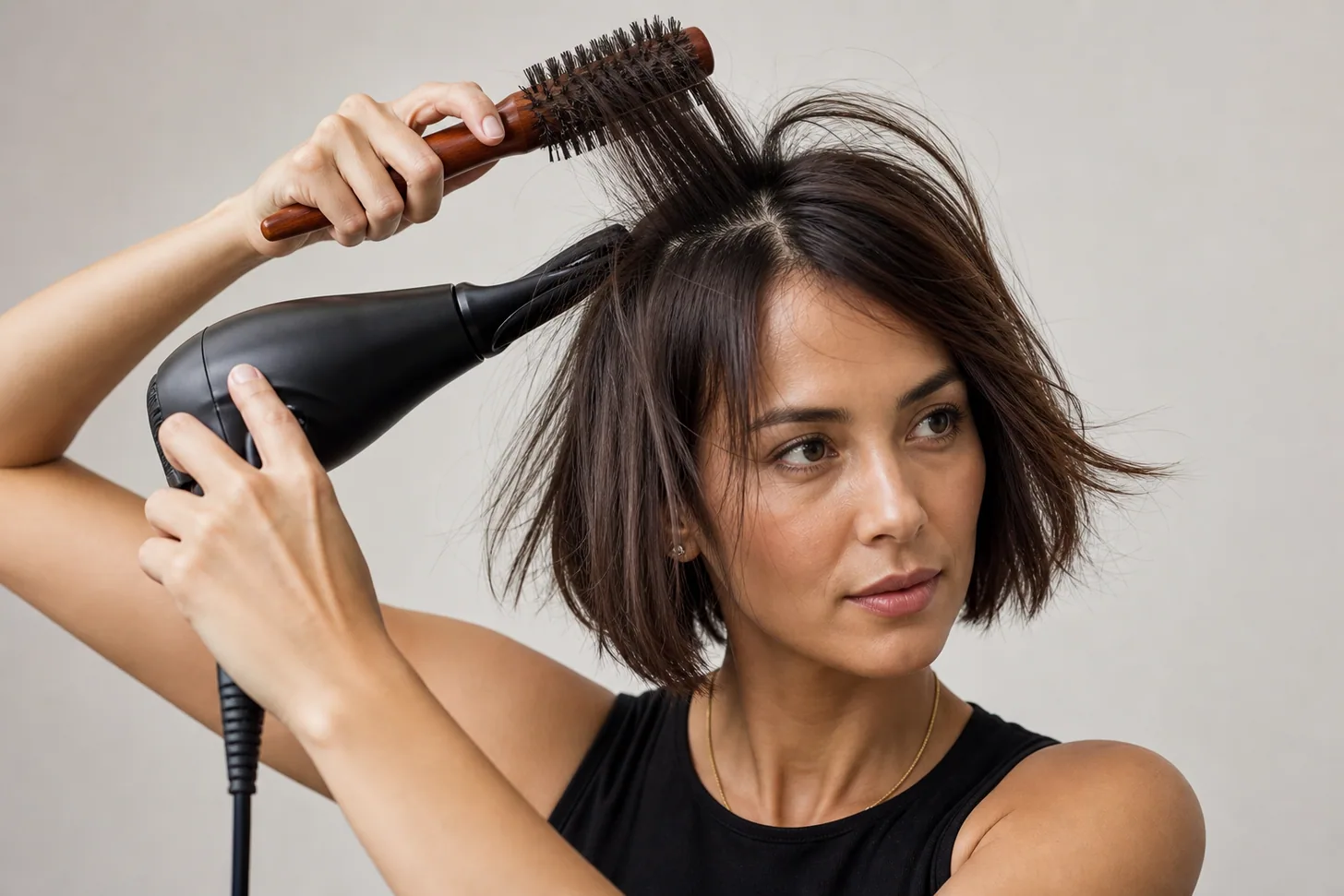
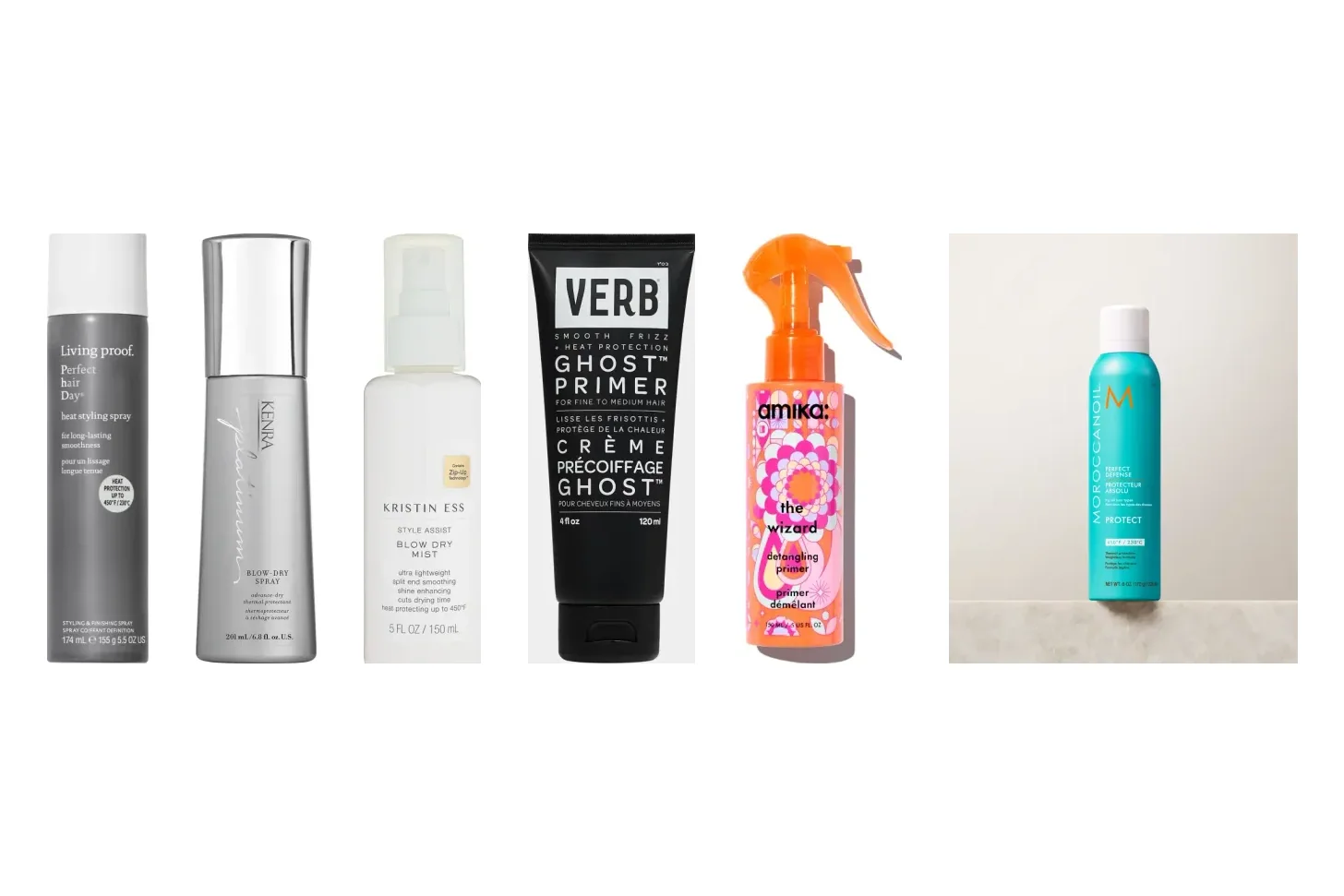
Technique carries real weight here: a controlled study found hair dried with a moving dryer held about six inches away showed less surface damage than hair dried close and static — distance and motion are free heat protection. The right dryer just makes good technique easier: honest low settings, even temperature, and a cool shot that works. (And whatever you buy, mist a weightless heat protectant through the lengths first.)
What actually matters on the spec sheet
Heat settings you'll really use: at least three true temperatures, because fine hair lives on the middle one. A cool shot with conviction: genuinely cold, easy to hold down — it's the set-the-style button. Weight: under about a pound and a half matters more than it sounds; root work happens with your arms up.
A concentrator nozzle: directed air is what lifts roots and smooths lengths; bare-barrel air just blows the style around. Ionic — with judgment: ions speed drying and kill static, but they also smooth away the natural fluff that fine hair sometimes needs; if a dryer lets you switch ions off, that's a fine-hair feature.
Raw wattage is the spec to care about least — fine hair isn't the bottleneck a 2,000-watt motor was built for. A dryer is one item in a small kit that matters more than most people expect — the styling tools worth owning for fine hair covers what else earns a place.
The best hair dryers for fine hair, by category
One honest pick per job. Match the category to how you actually dry your hair.
1
Best overall: Dyson Supersonic
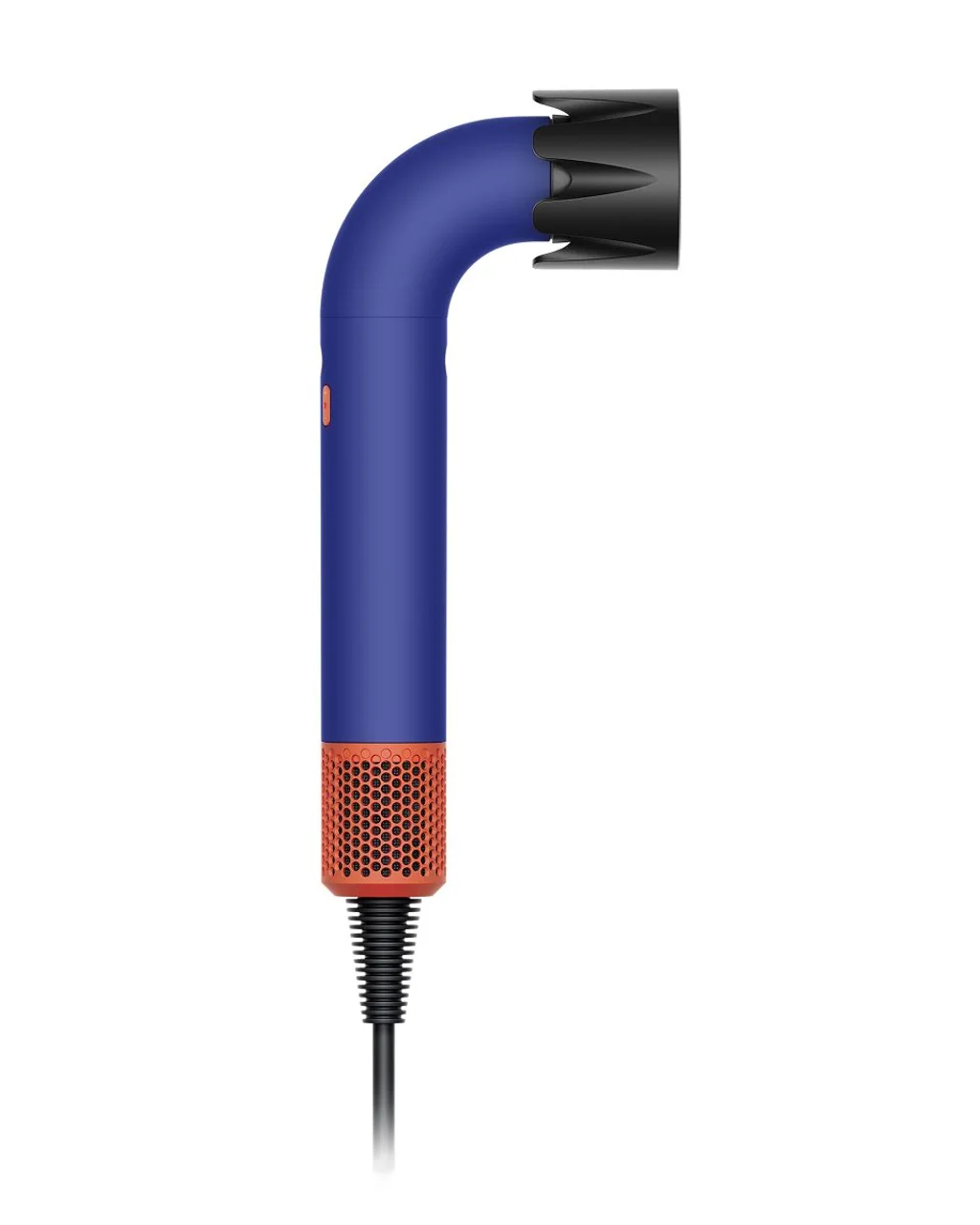
The dryer that made heat regulation the headline: it measures air temperature dozens of times per second and caps it, so a distracted moment can't scorch a section — the single most valuable feature for hair with no strands to spare. Fast, light in the hand thanks to its motor-in-handle balance, and the gentle-air attachment softens the flow for very fine or fragile hair. Best for: the daily blow-dryer who wants the largest possible margin for error. Honest limitation: the price is real, and if your routine is a five-minute rough-dry on medium, you're paying for precision you'll rarely use.
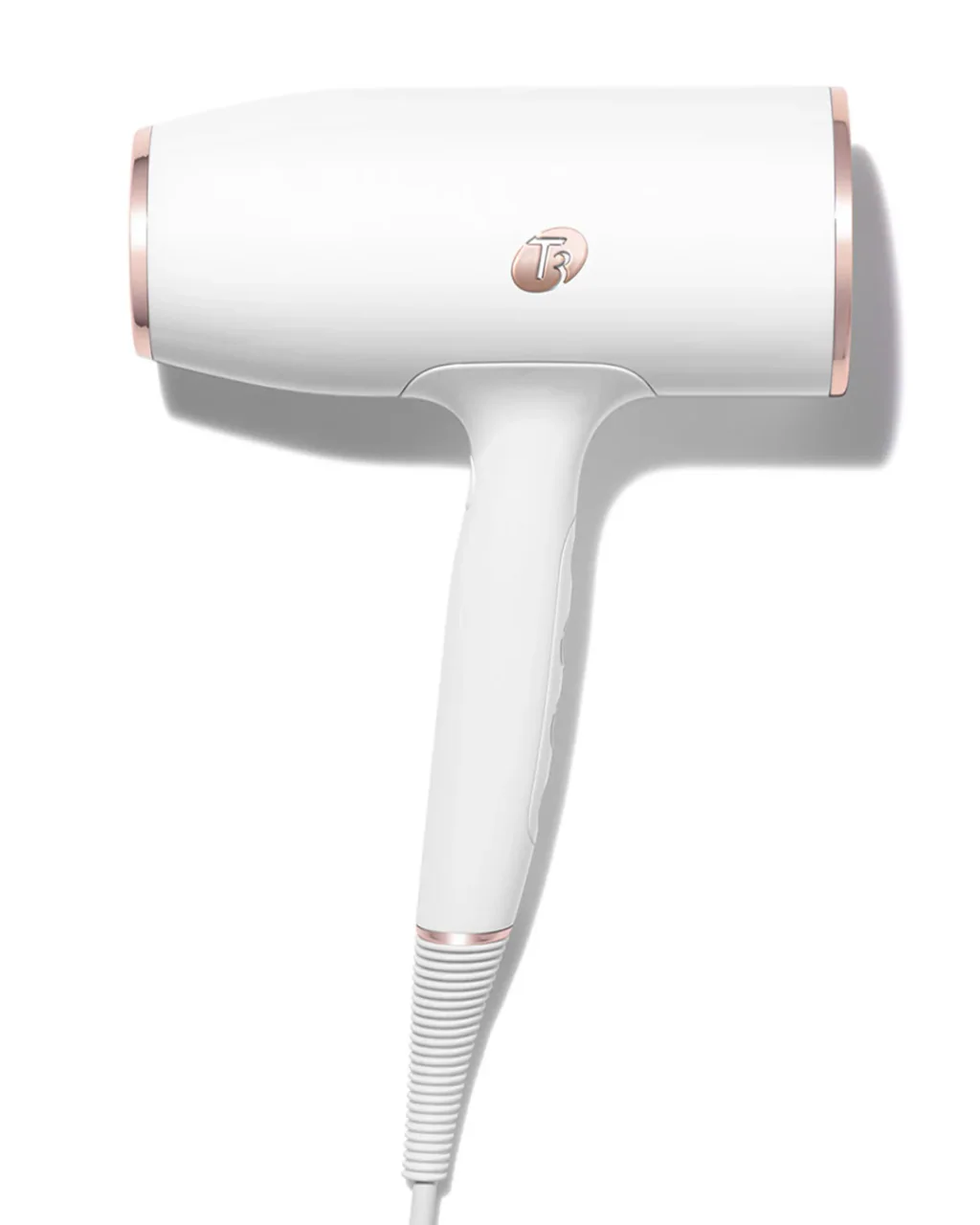
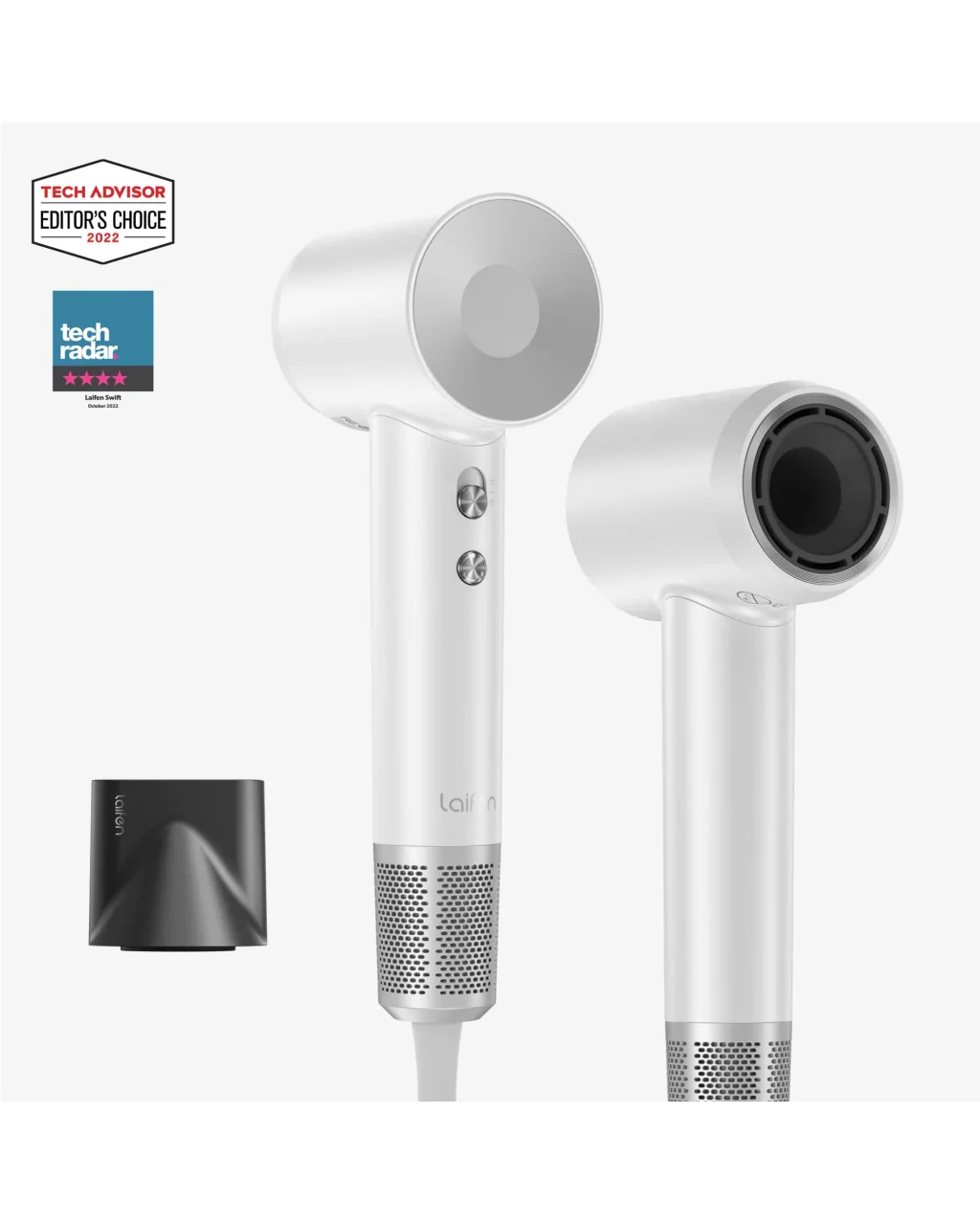
Fifteen heat-and-speed combinations sounds like marketing until you have fine hair — then it means you can find the exact low-heat, high-air setting your strands want instead of choosing between two extremes. The airstream is wide and gentle by design, and the ion generator smooths without a struggle. Best for: fine hair that's also color-treated or fragile, where "medium" on other dryers still feels like too much. Honest limitation: it's a premium spend that's calmer, not faster — if raw speed is your priority, the high-speed compacts beat it.
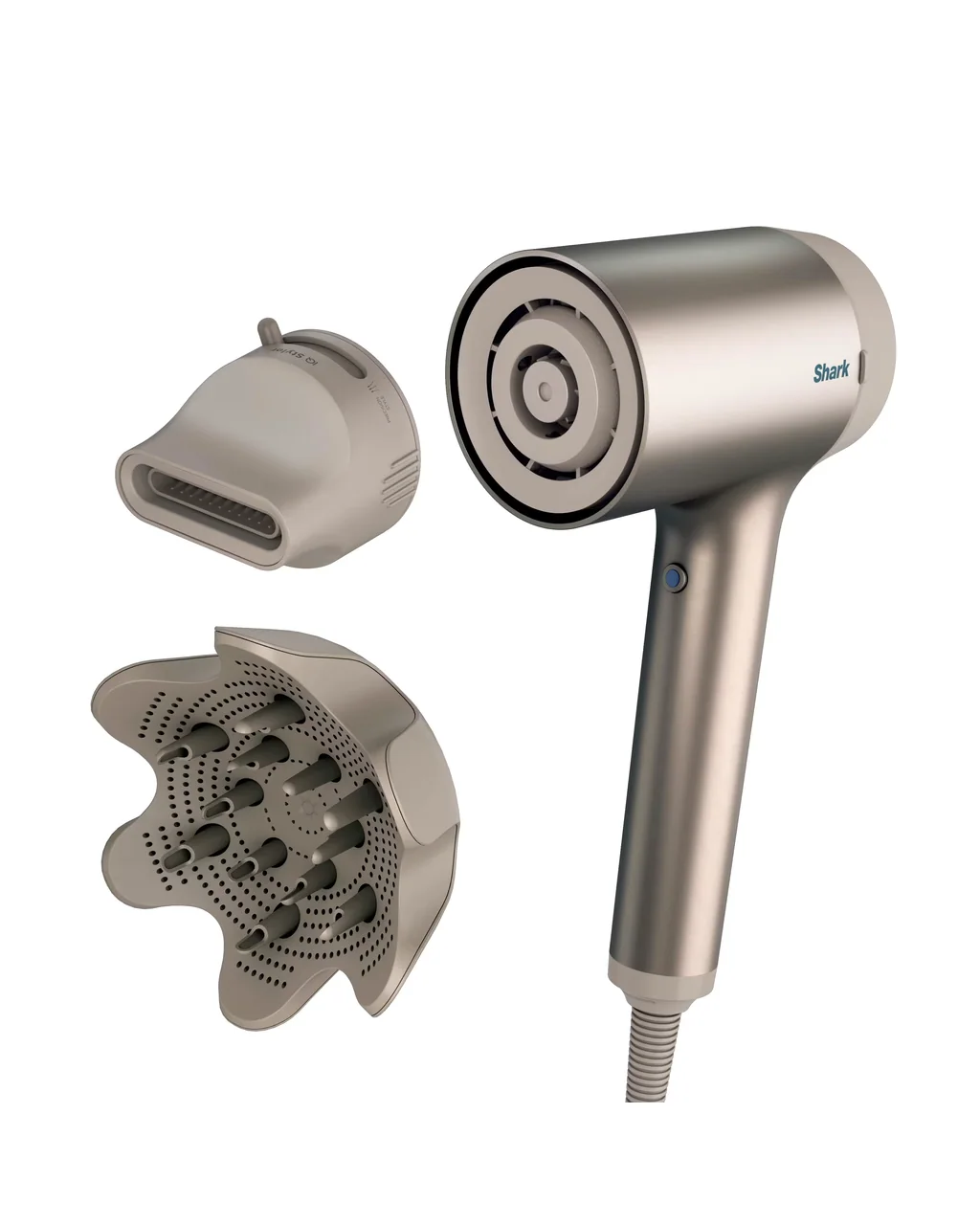
Shark's answer to the premium dryers at a friendlier price: intelligent heat control measures outlet temperature continuously, and the IQ attachments are recognized automatically, setting heat and airflow to match. That auto-guardrail is genuinely useful on fine hair, where the wrong manual setting costs the most. Best for: anyone who wants Dyson-style temperature safety at roughly half the spend. Honest limitation: the auto-presets assume the attachment knows best — check what it picked, and step the heat down a notch for very fine hair.
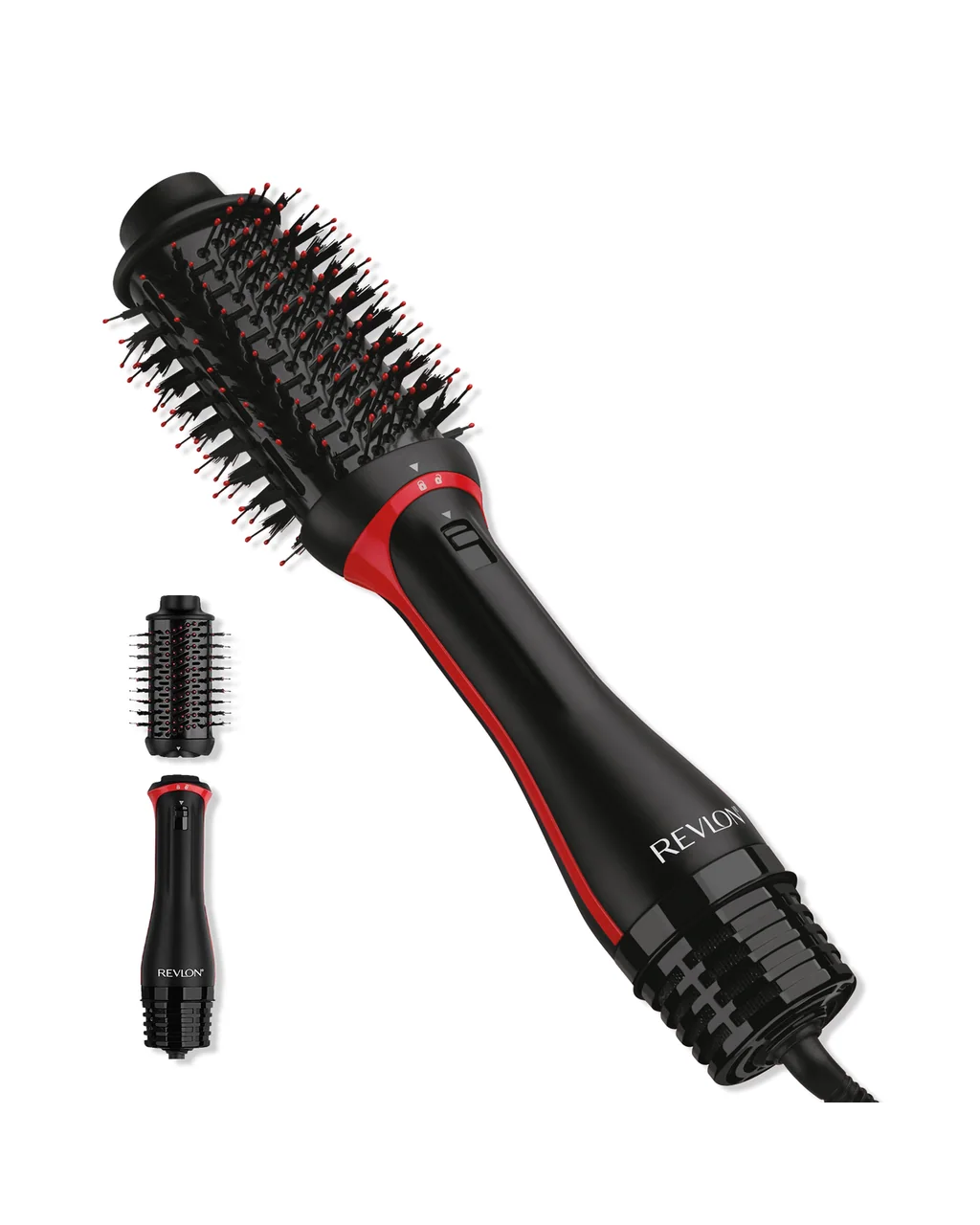
Best budget blowout: Revlon One-Step Volumizer PLUS 2.0
Not a traditional dryer — a hot-air brush that dries and lifts in the same stroke, which is why it's earned cult status with fine-haired women: the oval head tensions the root upward exactly the way a stylist's round brush does, no two-handed coordination required. Four settings including cool, and the head detaches for travel. Best for: turning wash day into a one-tool, fifteen-minute volumized blowout on a budget. Honest limitation: it's a styler, not a rough-dryer — towel-dry and rough-dry most of the water out first, and keep it moving so tension never sits on one fine section.
A high-speed brushless motor in a body that weighs under a pound — noticeably lighter than nearly everything else in the category, which your shoulder registers about ninety seconds into upside-down root drying. It's quiet, quick, and the magnetic nozzles snap on one-handed. Best for: anyone whose arm fatigue is the real reason the blow-dry gets skipped, and travelers. Honest limitation: the attachment ecosystem is small compared to Dyson and Shark, and its cycling heat mode (alternating warm and cool) is clever but takes a few sessions to trust.
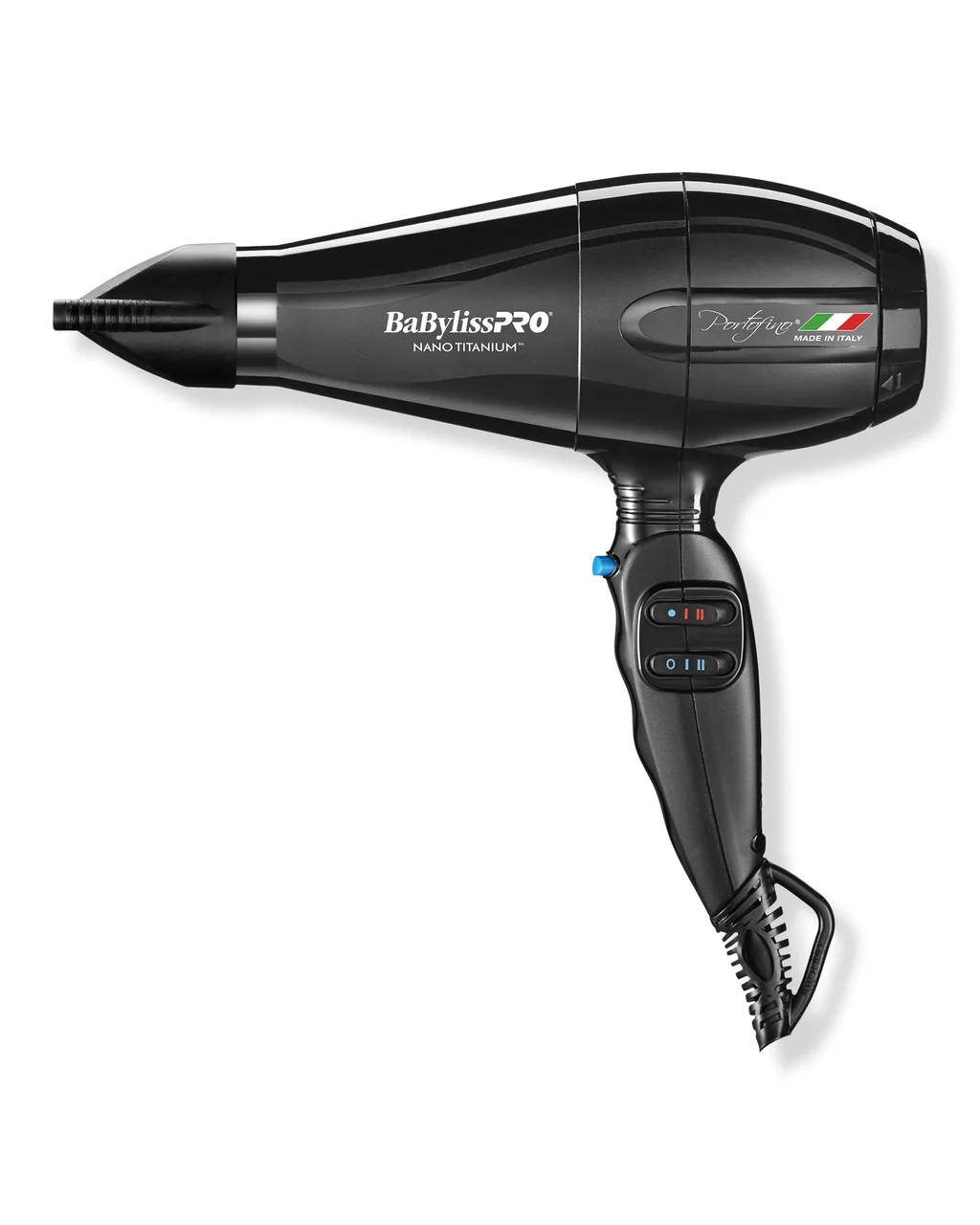
The salon classic: BaBylissPRO Nano Titanium Portofino
The workhorse behind a large share of American salon blowouts: a 2,000-watt Italian AC motor, six heat/speed combinations, an ionic generator, and a four-year warranty — pro equipment at a non-pro price. Best for: anyone who wants one durable dryer for a decade, or a household sharing between fine and thick heads of hair. Honest limitation: all that power was built with thick, coarse hair in mind — fine hair should live on its lower settings and never meet "high," and it's heavier than the new compacts.
The dryer is half the equation — technique is the other half
If holding a dryer and a round brush at the same time is the part that defeats you, the one-handed alternative is a hot air brush — the honest trade-offs, and the barrel size fine hair needs, are in blow-dry brushes for fine hair.
Whichever dryer you choose, the fine-hair method is the same: rough-dry on medium heat until the hair is about 80% dry, then spend the effort where it pays — at the roots, lifting them against their natural fall, and finish every section with the cool shot held until the hair is cold. That cooling step is what locks lift in place; skipping it is why blowouts collapse by lunch.
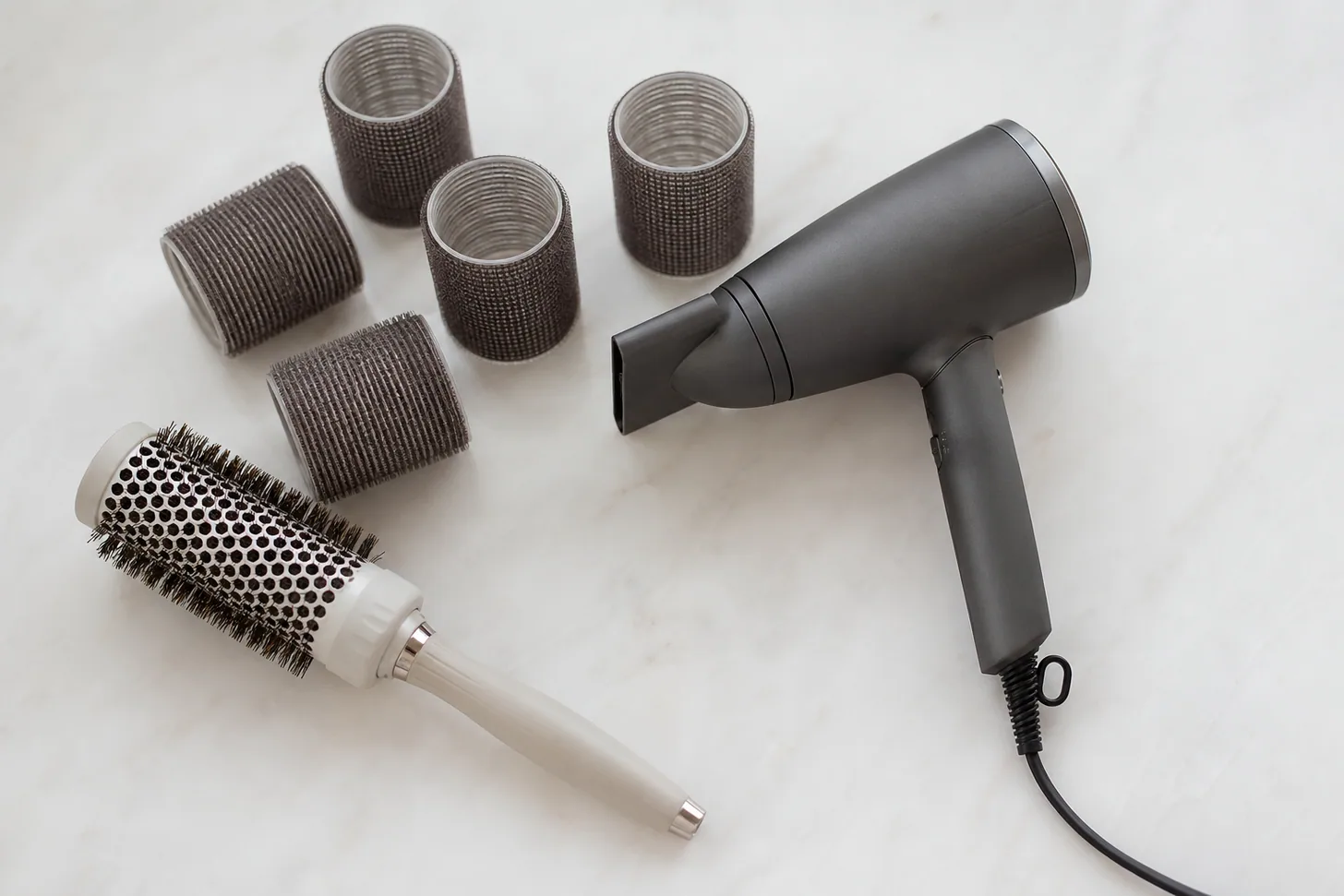
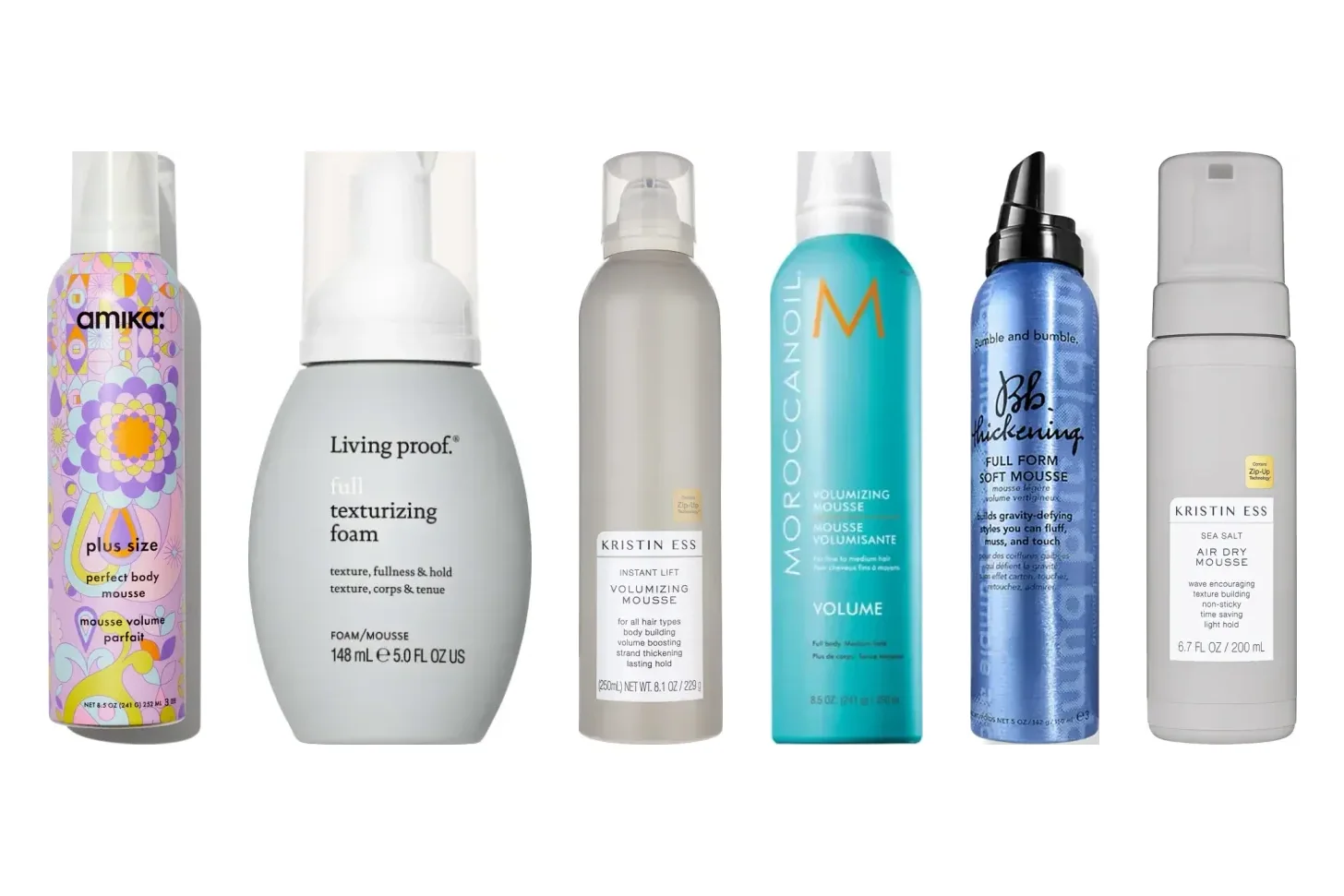
The full step-by-step lives in the bob blow-dry tutorial (the technique transfers to any length), and the bigger toolbox — products, rollers, part tricks — is in how to add volume to thin hair. If you want the styling products that make the blowout hold, start with a fine-hair mousse on damp roots. If that two-handed coordination is what keeps defeating you, a hot-air brush does both jobs in one — blow-dry brush picks for fine hair.
When a new dryer isn't the fix
Your current dryer has a medium setting and a cool shot, and your hair is fine but healthy. Technique upgrades are free — a new tool buys convenience, not transformation.
Your blowouts collapse within an hour. That's a cooling, product, or cut problem, not a wattage problem — see why hair falls flat before you spend.
Your ends are already fried and see-through. No dryer repairs damage. Trim, treat, and lower your total heat load first.
You air-dry 90% of the time. Put the budget toward a great cut or a better shampoo — they'll do more for your daily hair than a dryer you rarely hold.
FAQ
The one with the lowest genuinely usable heat setting, rather than the most powerful motor — and "blow dryer" and "hair dryer" are the same appliance, so nothing changes depending on which term you searched. Our overall pick is the one that measures and caps air temperature continuously, because the commonest way fine hair gets damaged is not a deliberate high-heat session but a distracted moment holding the nozzle too close. If budget is the constraint, a mid-price dryer with three true heat settings and a real cool shot will do most of the work; the expensive tier buys you a wider margin for error and a lighter arm, not a better result on a careful day. What matters far less than any spec: wattage. Fine hair rarely needs more than moderate airflow, and modern high-speed dryers get their speed from motor design rather than extra heat.
Heat control before power. Fine hair dries fast and scorches faster, so you want genuinely low heat settings (not just low airflow), a cool-shot button that locks in root lift, a concentrator nozzle for directed styling, and a weight your arm can hold upside down for two minutes. Wattage bragging rights matter least — fine hair rarely needs more than moderate airflow, and the newer high-speed dryers get their speed from motor design, not extra heat.
Sometimes — but for heat protection, not speed. What the premium dryers actually buy you is temperature regulation: sensors that measure and cap the air temperature many times a second, so you can't accidentally cook a section. On hair where every strand counts, that's real value. But a $40 dryer used at medium heat, kept moving, at a distance, with a cool-shot finish, will treat your hair better than a $400 dryer parked on high two inches from your roots.
Mostly yes, with one honest caveat. Negative ions break up water droplets so hair dries faster with less heat, and they cut static — both wins for fine hair. But ions also smooth and de-fluff, and a little natural fluff is volume fine hair may want to keep. If your hair is very fine and already slippery-smooth, an ionic dryer on every pass can leave it flatter; use the ion function (or the smoothing nozzle) on the lengths and skip it at the roots.
Medium heat with medium-to-high airflow for most of the dry, finishing with the cool shot. Fine hair doesn't need high heat to dry or to take a shape — high settings exist for thick, coarse, dense hair. The pattern that protects fine hair: rough-dry on medium until about 80% dry, do your root-lifting or brush work on medium, then hit the cool shot to set. Cooling is what locks the style in anyway.
It's better at one job: a fast, volumized everyday blowout with one hand. A hot-air brush like the Revlon One-Step tensions and lifts the root while it dries, which is exactly the motion fine hair needs and exactly the skill most of us lack with a barrel brush. A regular dryer is still more versatile — rough-drying, diffusing, precision work, and much faster on a full head. Many fine-haired women do best with a cheap reliable dryer plus a hot-air brush.
Keep the nozzle moving and several inches off the hair. A controlled study found hair surfaces showed less damage when dried with the dryer kept at about 15 cm (6 inches) and in continuous motion than when air-dried or dried close and static — heat spread over distance and time is gentler than concentrated heat. If any section feels hot to your fingertips, the dryer is too close or too slow.
Fourteen years in hair — eight behind the chair, six in editorial — with a focus on scalp health and the science of fine, flat-prone hair. Megan reviews product formulas the way she'd read a label for her own clients: weight first.
Results vary with hair type, density, and growth patterns. This guide is educational and not a substitute for an in-person consultation with a licensed stylist.
Get the good hair intel
One honest, stylist-written guide in your inbox each week. No hype.

 MH
MH