Medically reviewed by Dr. Rachel Kimura, MD · Updated July 2026 · 9 min read
The most useful thing to know before you open a box is that fine hair takes color faster and darker than the shade photograph on the front predicts — there is less strand for the same pigment load to spread through, and fine ends are frequently more porous than they look. That single fact explains most at-home color disappointments, and it changes what you should buy: a level lighter than your target, and a demi-permanent formula rather than a permanent one unless you genuinely need gray coverage.
Below are six picks by job — best overall, best gray coverage, best ammonia-free permanent, best gloss, best budget, and the root touch-up that buys weeks between appointments — each with who it suits and one honest limitation, plus how to apply color to fine hair without stacking it on the ends. If you have not yet decided whether to do this at home at all, read when at-home color is fine and when it is a mistake first.
Every product here is chosen independently, on the merits — what genuinely suits fine, thin hair. Links go to each brand's official page, and we don't take payment for placement. Price tiers are rough guides because prices change.
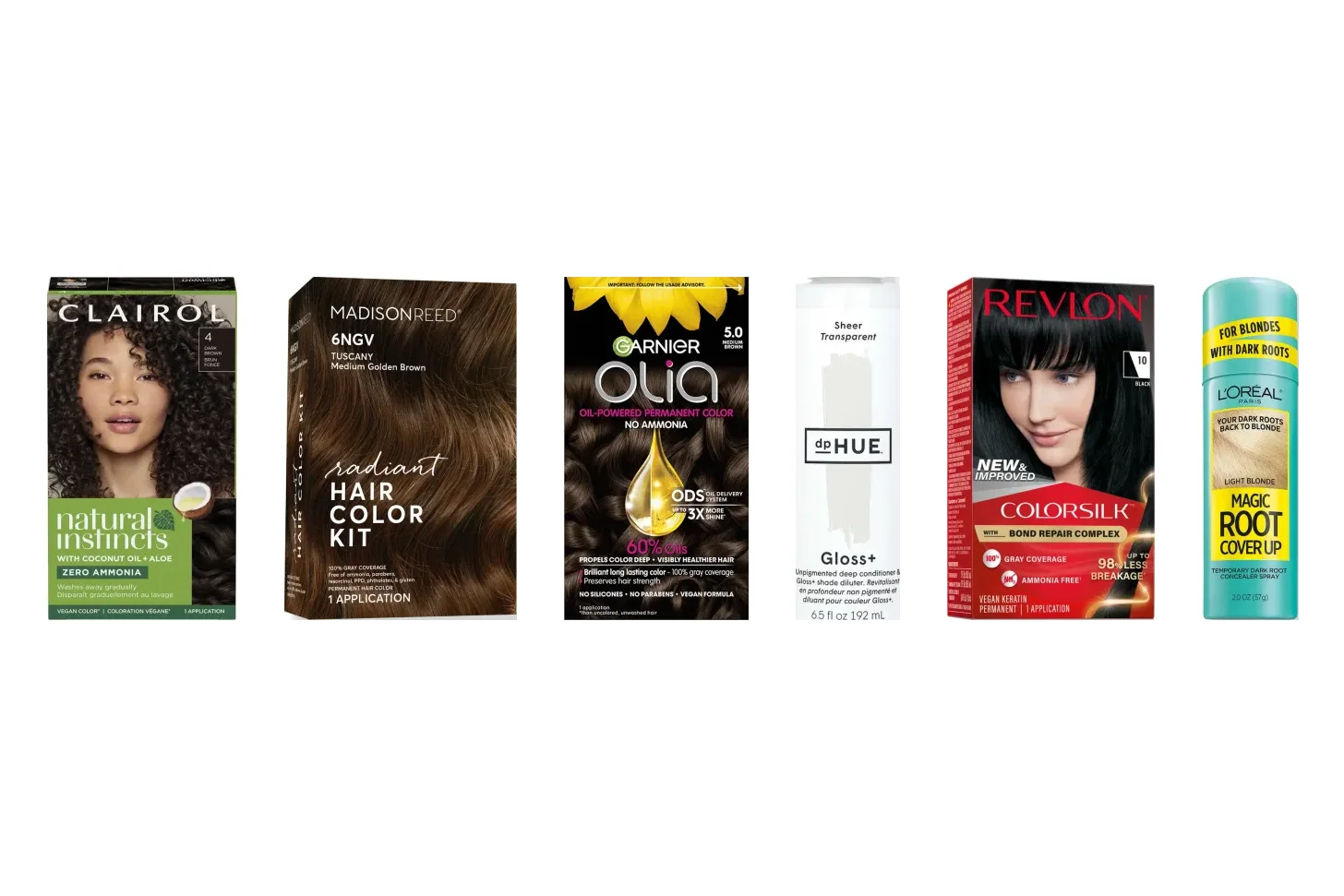
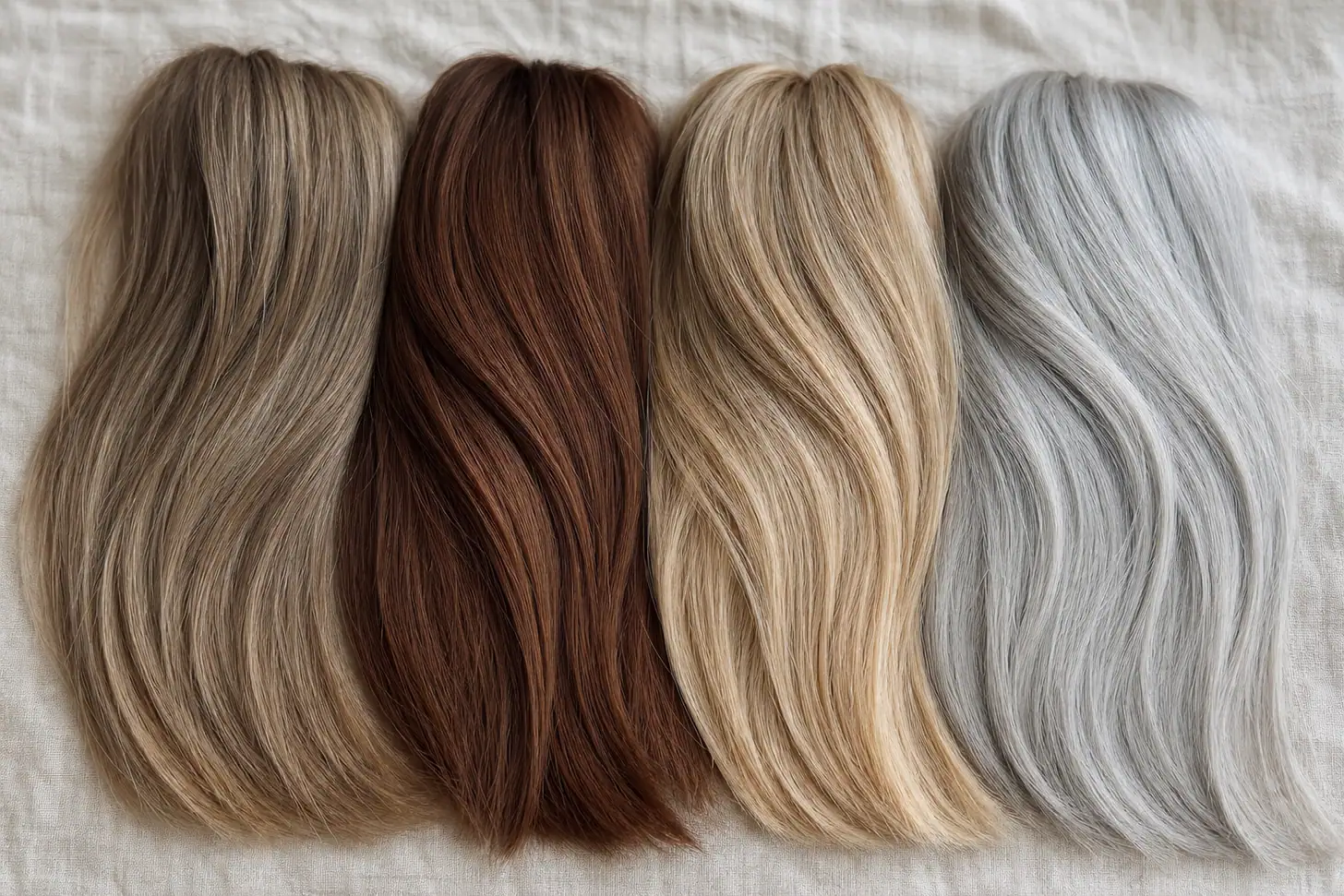
Our six picks, one per job. Product images courtesy of the brands.
Chair-side note
I do not tell clients never to color at home. I tell them the two things that would have prevented most of the corrections I have been paid to do. First: buy the shade one level lighter than the one you want, because on fine hair a box lands deeper than the model on the front. Second: put the color on your roots and leave the rest alone.
Nearly every "my hair went too dark and flat" conversation I have is with someone who has been re-coloring the full length every six weeks for years — the ends have absorbed six years of pigment and no amount of the same product will lift them back out. Roots only, then a demi or a gloss through the lengths a couple of times a year. That routine is genuinely fine on fine hair.
PN
— Priya Nair, Master Colorist
Why box color lands darker on fine hair
A box of color is formulated for the average head, and the average head is not yours. Two things about fine hair push the result deeper than the packaging suggests. The strand has a smaller cortex, so the same volume of pigment develops in less material and reads more saturated.
And fine hair is often more porous than it looks — particularly through the mid-lengths and ends, where years of heat and brushing have roughened the cuticle — so it drinks the color in faster and holds more of it.
The result is the classic at-home outcome: a shade that looked like a soft caramel on the box arrives as a flat, slightly heavy brown, and it looks even flatter because a single uniform shade has no variation for the eye to read as depth.
The fix costs nothing. Go one level lighter than the target, start checking at the shortest time on the instructions rather than the longest, and run a strand test on a snipped piece from underneath before you commit the whole head. Which shade families flatter fine hair in the first place is covered in hair color ideas for fine and thin hair.
Demi, permanent, or gloss — which you actually need
Most people reach for permanent color out of habit when a gentler formula would have done the job. The difference is chemical rather than promotional: demi-permanent colors contain no ammonia or ethanolamine, use roughly a third of the peroxide, and sit largely on the cuticle rather than penetrating the cortex, which is exactly why they fade rather than grow out (Hair Cosmetics: An Overview, International Journal of Trichology).
If shine and tone are all you're after and you don't need coverage, a gloss for fine hair is the lighter-touch version of the same chemistry — including how to work out how long one will actually last on your wash schedule.
Type
What it does
Lasts
Right for fine hair when…
Gloss / toner
Deposits tone and shine only, no lift
2–4 weeks
You want shine, or to fix brassiness, between anything else
Demi-permanent
Deposits color, blends gray, no lift
20–28 washes
Your default — tone, richness, gray blending
Permanent
Lifts and deposits inside the cortex
Until it grows out
You need full coverage of resistant grays, or a change of level
Root touch-up
Sits on the surface, washes out
Until you shampoo
You need three more weeks out of your last appointment
A useful pattern for fine hair: permanent color at the regrowth two or three times a year, a demi or gloss in between, and a root touch-up product in the drawer for the weeks in between those. Almost nobody needs permanent color on their full length more than a couple of times in a lifetime. Before choosing between them, it is worth knowing what each one actually costs the strand — does color thin fine hair.
Before anything: the patch test
Do it every time, including with a brand you have used for years. Sensitivity to hair dye ingredients builds with repeated exposure, and the dermatological literature is clear that a previous uneventful application is not evidence the next one will be uneventful — para-phenylenediamine is a common culprit, and reactions range from an itchy scalp to a rash that needs treating (American Academy of Dermatology).
Apply a small amount behind the ear or at the inner elbow 48 hours ahead, leave it alone, and do not use the product if anything appears there. If you have ever reacted to hair dye, a black temporary tattoo, or a textile dye, talk to a dermatologist before coloring at all.
The best at-home color for fine hair, by job
One honest pick per job. Match the job to what you are actually trying to do — refresh a tone, cover grays, change level, or simply get to your next salon appointment. What you wash it with afterwards matters nearly as much as which box you pick: shampoo for fine color-treated hair covers the aftercare, and why color fades fast on fine hair covers the first 72 hours.
1
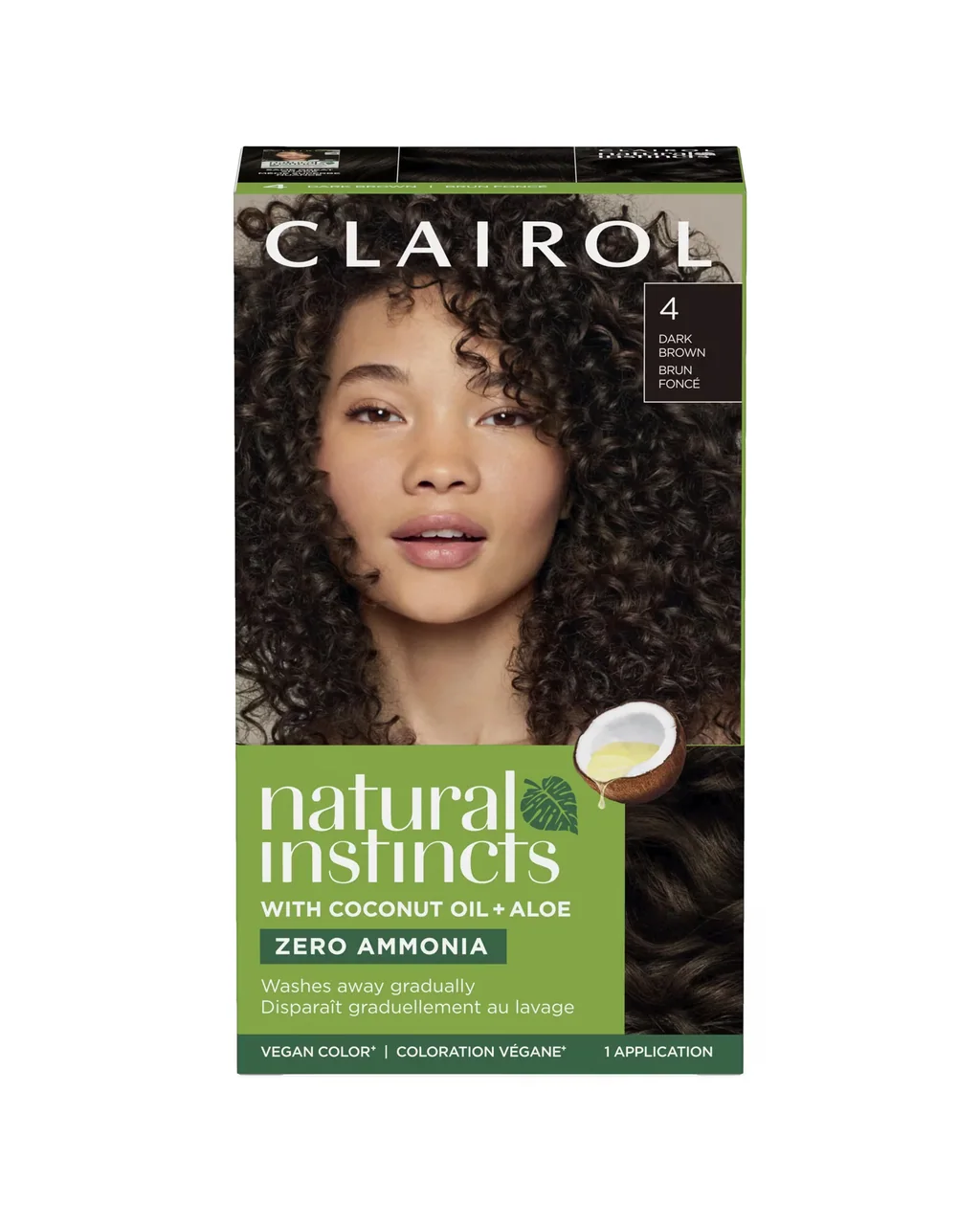
Best overall: Clairol Natural Instincts
The ammonia-free demi that has been the sensible drugstore answer for decades, and it suits fine hair for exactly the reason it is sometimes dismissed — it deposits rather than lifts, so it richens tone and blends gray without asking anything structural of the strand. It fades gradually instead of leaving a regrowth line, which means a missed touch-up is a non-event rather than an emergency. Best for: refreshing your natural shade, adding depth, or softening grays without committing to permanent color. Honest limitation: it cannot lighten and it will not fully cover resistant white hair, particularly around the hairline — if your gray is more than about half, this blends rather than covers.
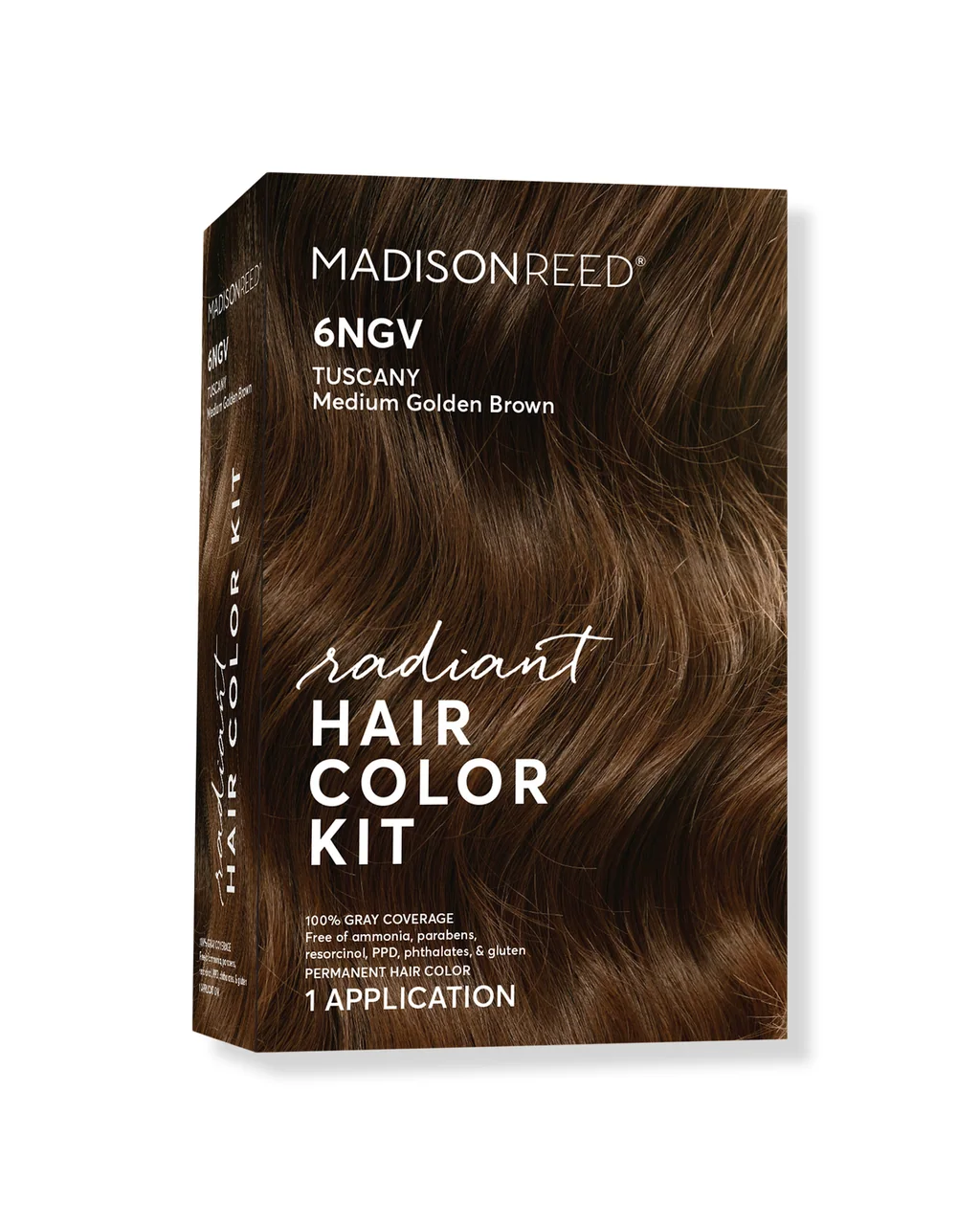
Best gray coverage: Madison Reed Radiant Hair Color Kit
A permanent color formulated without ammonia and built around a salon-style application — a proper brush, gloves that fit, and a shade-matching quiz that is more use than a photograph on a box. For fine hair that genuinely needs full coverage rather than blending, this is the version of permanent color I mind least, because the absence of ammonia takes some of the harshness out of the process without giving up coverage. Best for: more than 50% gray, and anyone whose grays are wiry and resistant at the temples. Honest limitation: it is permanent color, so the ends still need protecting from repeat application, and the per-kit cost is several times a drugstore box.
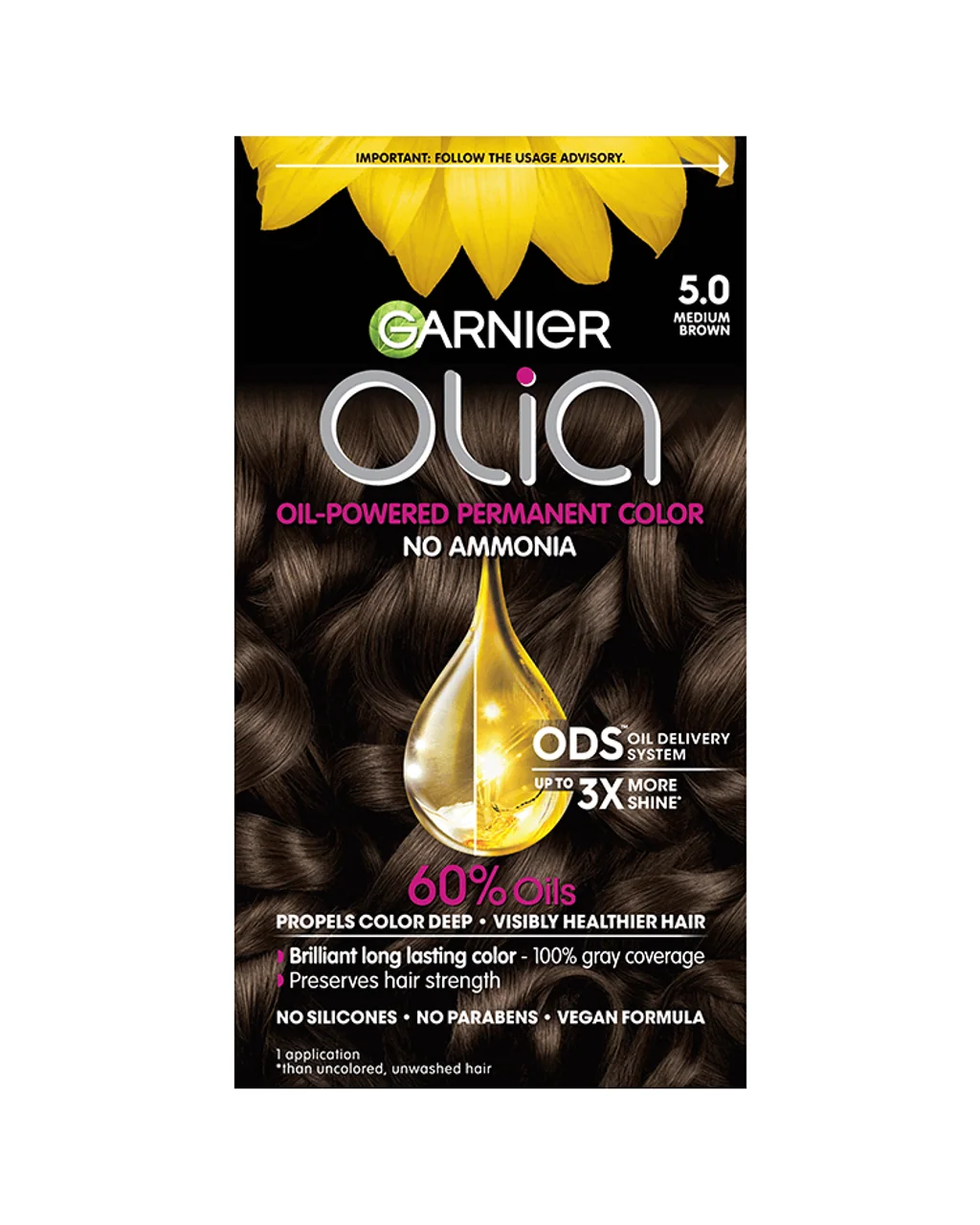
An oil-delivery permanent color that uses no ammonia, which matters practically as well as chemically: the smell is bearable and the scalp tingles less, and on a fine head the whole process feels less punishing. It still lifts, so it can take you a level lighter or cover grays properly, but it does so with a gentler carrier. Best for: anyone who needs permanent color at drugstore prices and finds standard boxes harsh on the scalp. Honest limitation: the oil base makes it slippery to apply precisely — section carefully or you will find it has crept onto the lengths you meant to leave alone.
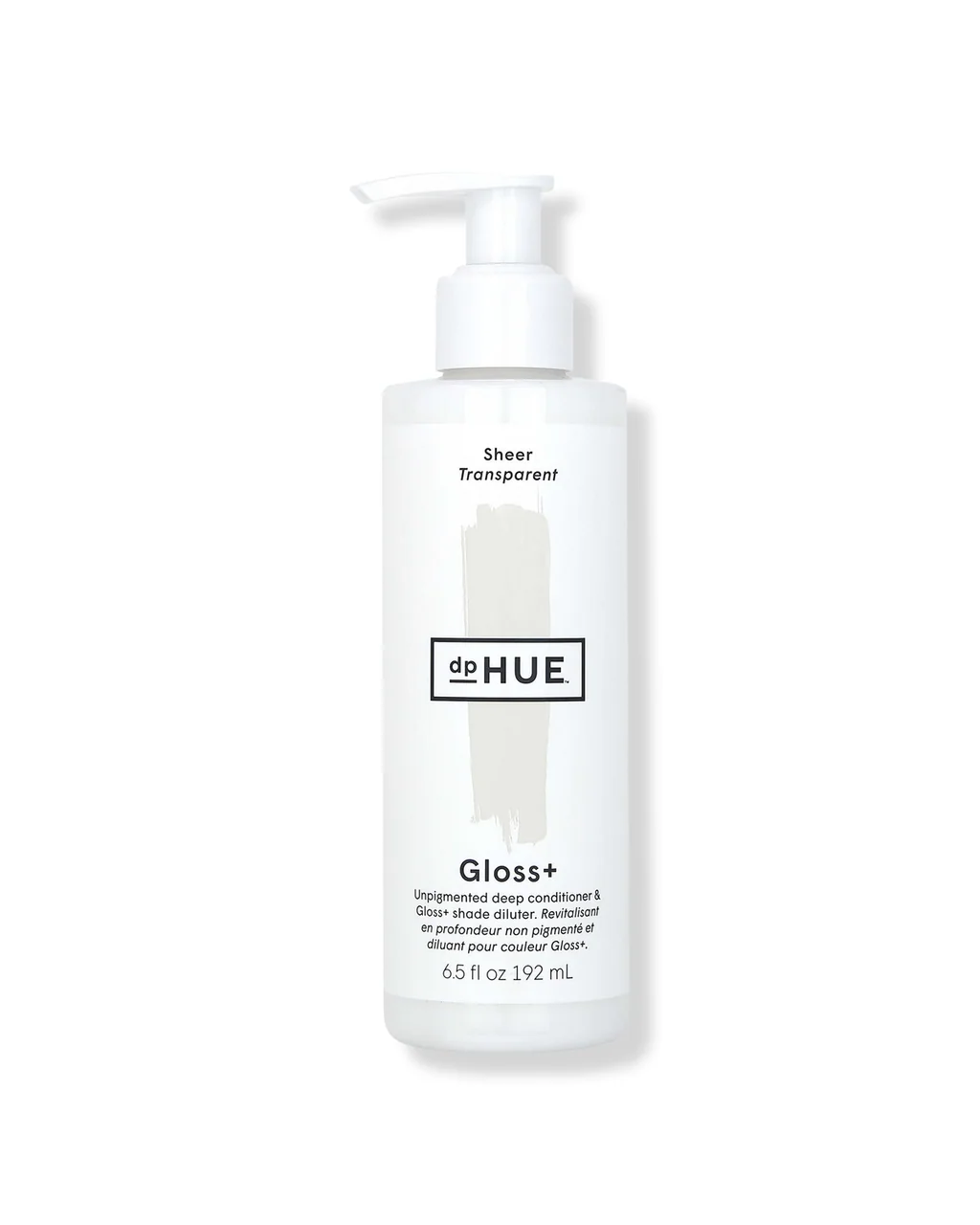
A color-depositing deep conditioner used in the shower for a few minutes, available in a range of tones plus a clear version that adds shine and nothing else. This is the product I would put in most fine-haired people's routines ahead of any box of dye: it refreshes a faded tone, kills brassiness, and closes the cuticle for shine, all at zero structural cost — and shine reads as density in a way flat color never does. Best for: stretching the time between real color appointments, and for anyone whose only complaint is dullness or a tone that has drifted. Honest limitation: it deposits, so it cannot cover gray or lighten anything, and the effect is genuinely temporary at two to four weeks.
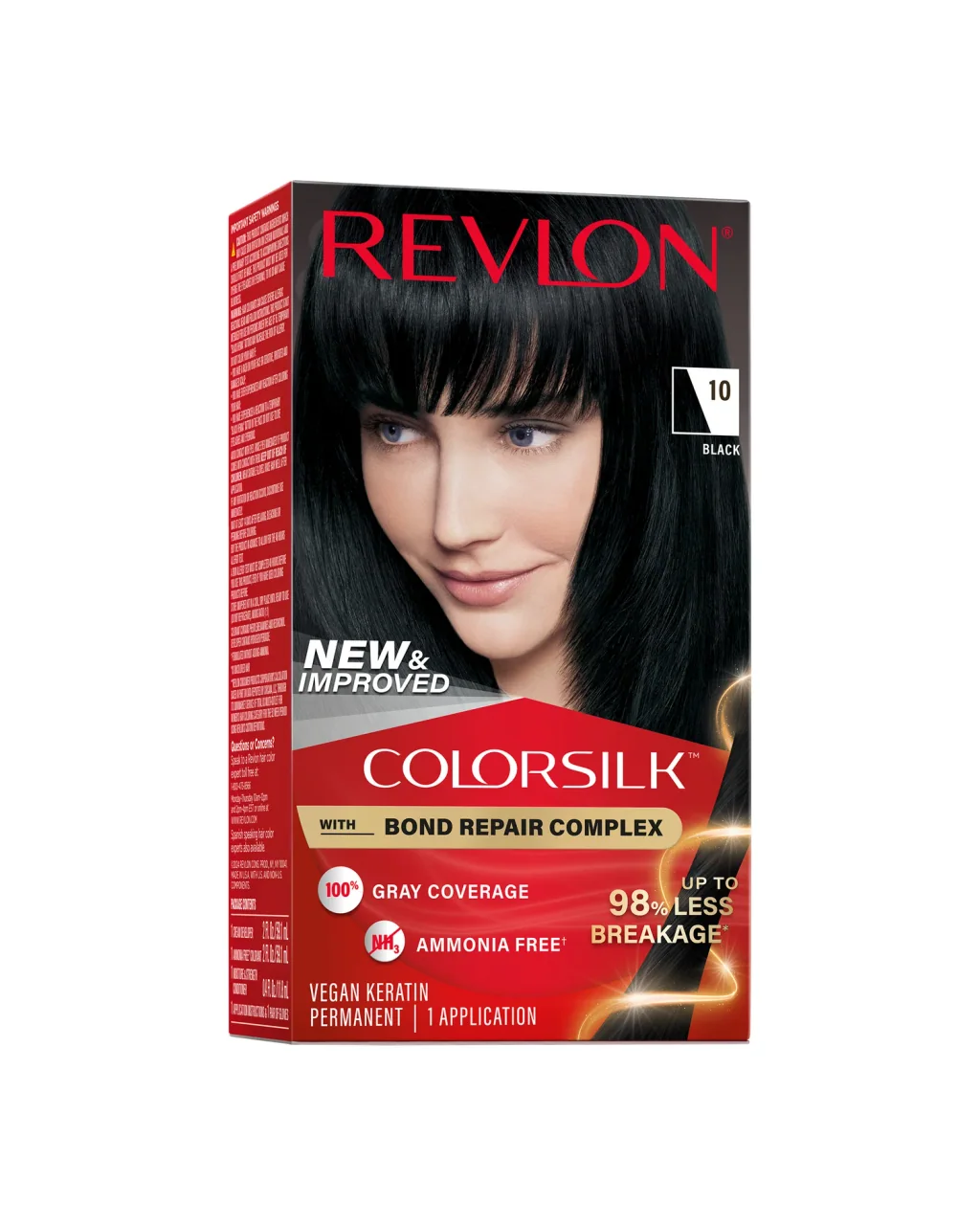
The cheapest thing on this list that I would actually put on fine hair — an ammonia-free permanent that covers grays reliably and, in my experience, tends to land closer to the shade on the box than most drugstore competitors. If you color your roots yourself every six weeks and the cost is the reason, this is where to spend. Best for: routine root maintenance on a budget, and for keeping a spare box in the cupboard. Honest limitation: the shade range is broad rather than nuanced, so a colorist's eye for a level lighter than your target matters more here than with the pricier kits — and take the timing seriously, because it develops quickly on fine hair.
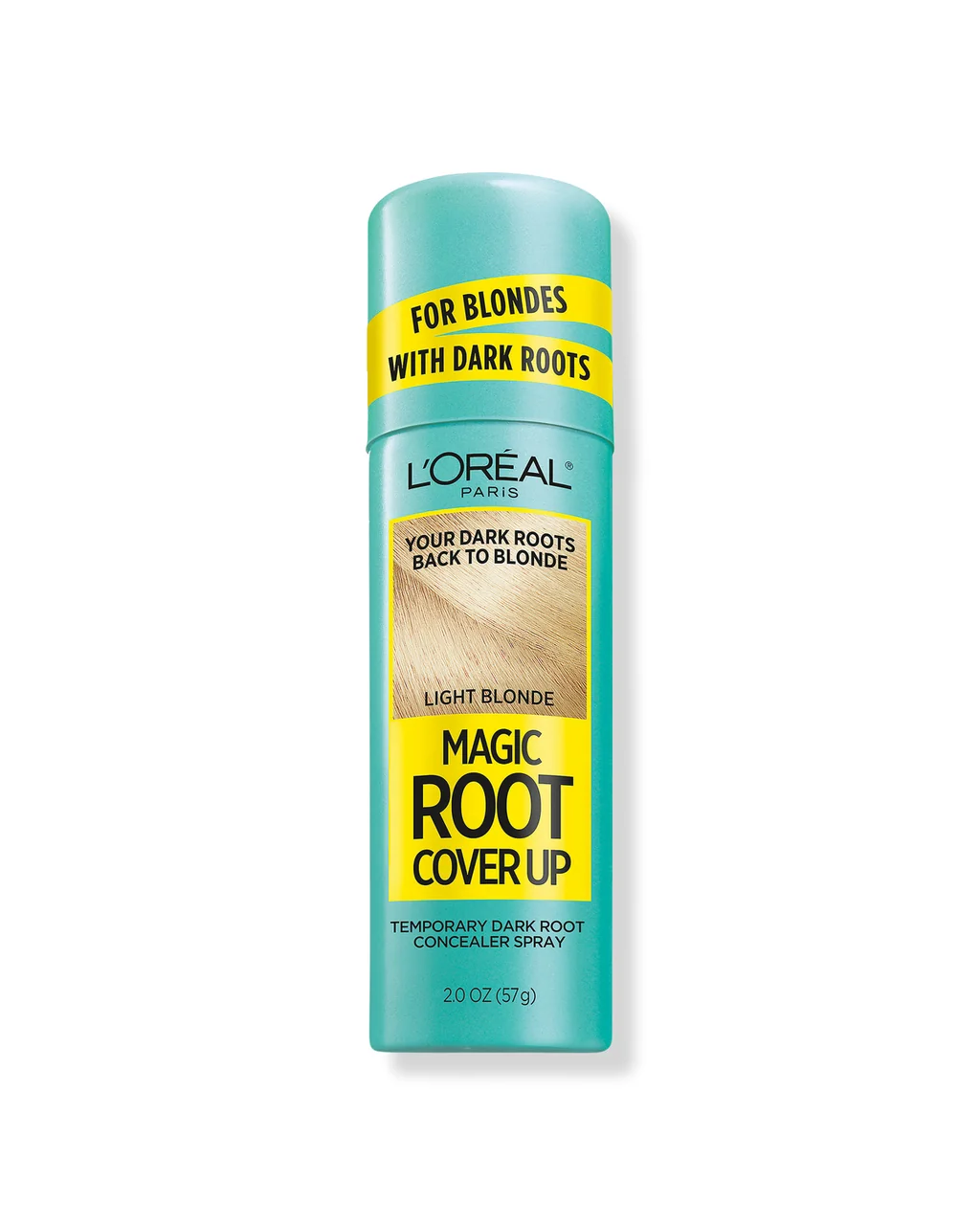
Best between colors: L'Oréal Paris Magic Root Cover Up
A temporary spray that covers regrowth until the next shampoo, and it does a second job that matters more on fine hair than the one it is sold for: the pigment lands on the scalp as well as the hair, so it tints the skin showing through a wide part and makes the part read narrower. Three weeks of extra life out of every color appointment is three weeks of chemistry your hair did not have to absorb. Best for: stretching appointments, and for anyone whose part is the thing they notice in photographs — see coverage for thinning-on-top fine hair for the full technique. Honest limitation: it is a surface product, so it can transfer onto collars and pillowcases, and it needs a proper shampoo rather than a rinse to remove.
Seven steps. The third and the sixth are the ones that separate a good result from a correction appointment.
Patch test 48 hours ahead, every time, even with a familiar product.
Strand test. Snip a small piece from underneath, color it, and time it. Five minutes of preparation tells you what an hour of guessing cannot.
Buy a level lighter than your target. Fine hair develops deeper than the box photograph. This is the single most useful adjustment on this page.
Start on dry, unwashed hair. A day or two of natural oil protects the scalp, and dry hair is not diluting the formula.
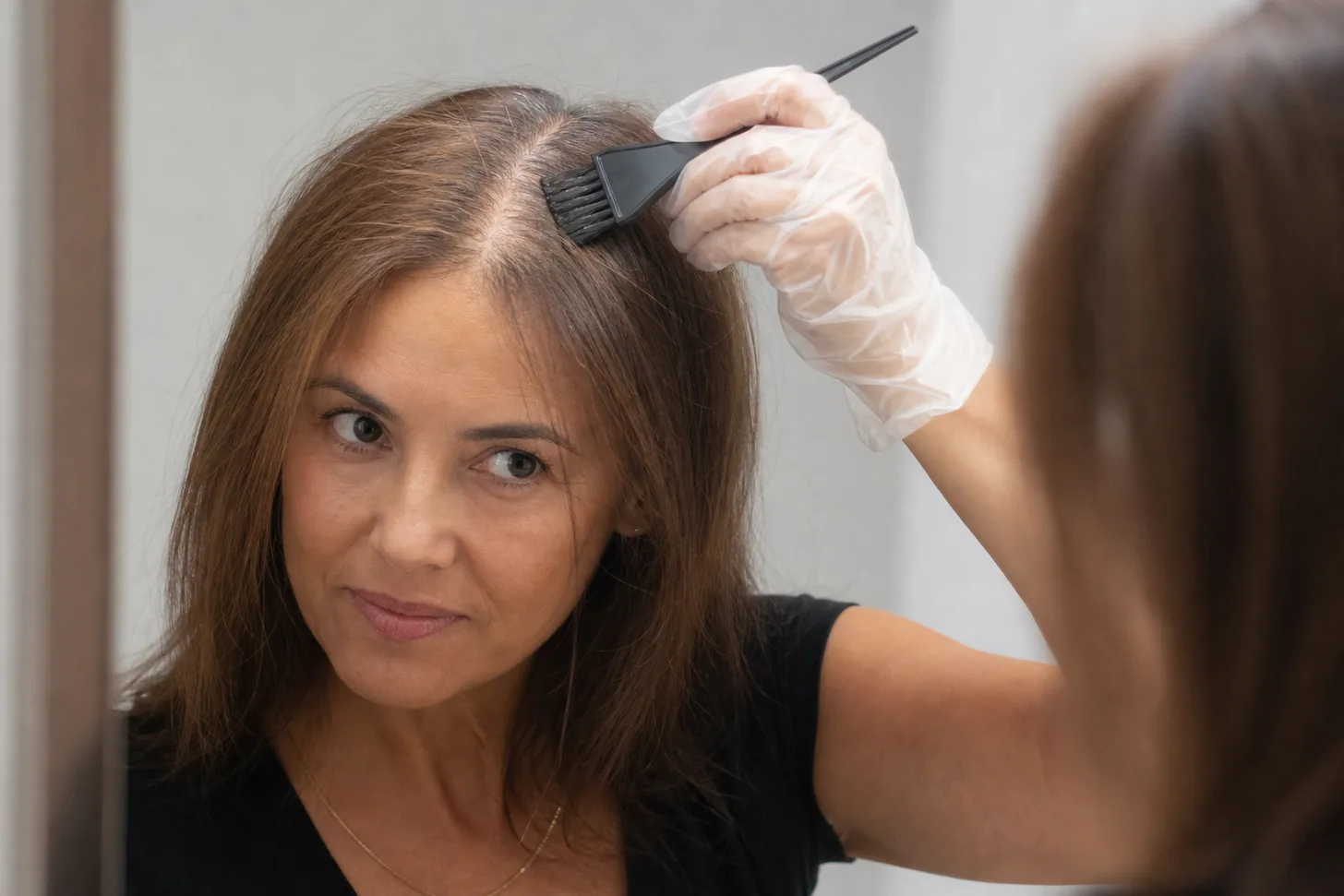
Four sections, roots only. Part down the middle and ear to ear, and apply to the regrowth alone — a centimetre or two, no more. Do the part line and hairline first, since they oxidize slowest and are what everyone sees.
Pull through only at the end, if at all. In the last five minutes, add a splash of water, emulsify, and comb the leftover color through the mid-lengths if the tone genuinely needs it. Skip this most times. Stacking pigment on fine ends is what makes long-term at-home color look flat and heavy.
Check early and rinse cool. Start checking at the shortest development time given, not the longest. Rinse until the water runs clear, condition the ends only, and leave any deep treatment for the following wash.
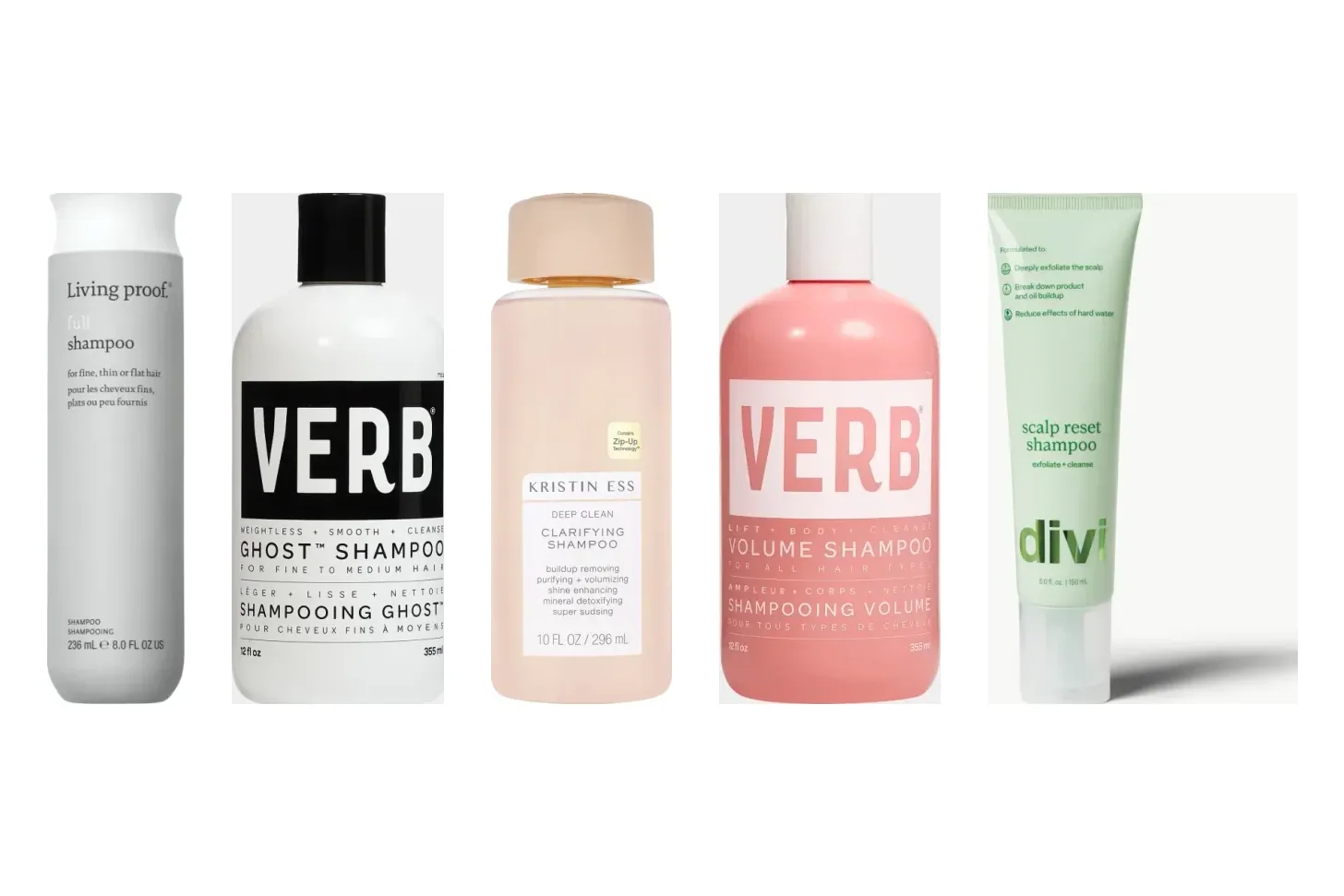
Afterwards, wash less often and gently — color fades faster on porous fine hair than on anything else, and the routine that keeps tone and volume at the same time is in the honest fine-hair care routine. A lightweight, color-safe shampoo is the one product worth matching to your color; our picks are in the best shampoos for fine and thin hair.
When to close the box and book a colorist
You want to go lighter than your current color. Box lightening on fine hair is the most common route to a correction. Lifting needs a formula chosen for your hair, not for everyone's.
Your hair is already highlighted or balayaged. Box color over lightened fine hair grabs unevenly and goes muddy. Ask for a gloss instead — or see why correction takes more than one visit for what fixing it involves.
You are trying to remove or lighten a dark color. Color does not lift color. This is a salon job, staged over appointments, and it is where fine hair breaks.
Your hair feels spongy or stretches when wet. That is a strand at its limit. Deposit-only products only, and repair first — start with the moisture routine for dry, fine hair.
You have had any reaction to hair dye before. Including a mildly itchy scalp. Speak to a dermatologist rather than trying a different brand.
FAQ
For most fine hair the best default is a demi-permanent color rather than a permanent one. Demi formulas carry no ammonia and a much lower peroxide concentration, deposit tone without lifting, and fade out gradually instead of leaving a hard regrowth line — all of which suits a strand that has little structure to spare. Reach for permanent color only when you genuinely need full gray coverage or a real change of level, and when you do, choose an ammonia-free formula. The other half of the answer is shade: pick one that's a level lighter than the result you want, because fine hair grabs color darker than the box photograph suggests.
Permanent box color costs a fine strand more than the same service in a salon usually does, and the reason is the formula rather than the brand. A box has to work on every hair type that might buy it, so the developer strength is fixed at a level that suits average-to-coarse hair — on fine hair that's more lift than necessary. It's also applied all over rather than only where new color is needed, so the lengths get re-processed at every touch-up. Demi-permanent boxes and glosses are far gentler, since they contain no ammonia, use less peroxide, and mostly stay on the cuticle.
Because there's less hair for the same amount of pigment to spread through. A fine strand has a smaller cortex, so an identical dye load produces a deeper, more saturated result than it would on a coarse strand — and fine hair is frequently more porous than it looks, especially at the ends, so it absorbs faster too. The practical fix is to choose one level lighter than your target shade, start checking the color at the earliest time on the instructions rather than the latest, and always do a strand test with a snipped-off piece before committing the whole head.
Demi-permanent for anything that's about tone, shine, blending grays, or refreshing a faded color — which is most reasons people color their hair. Permanent for full gray coverage or for changing your level, because a demi can't lighten and won't fully cover resistant white hair. The difference isn't marketing: demi formulas skip the ammonia, use roughly a third of the peroxide, and sit mainly on the cuticle rather than penetrating the cortex, so they cost the strand far less. Many fine-haired people are best served by a permanent formula at the roots two or three times a year and demis in between.
Yes, every time, including with a product you've used before. Allergy to hair dye ingredients — para-phenylenediamine in particular — develops with repeated exposure, so a history of using a product uneventfully is not evidence that the next application will be uneventful. Apply a small amount behind the ear or on the inner elbow 48 hours before you color and leave it undisturbed. If you get itching, redness, swelling, or blistering there, don't use the product; if you've had any reaction to hair dye, a temporary tattoo, or a textile dye in the past, speak to a dermatologist before coloring at all.
It usually makes it feel and behave thicker. Oxidative color raises the pH to open the cuticle, which leaves the surface rougher and removes part of the natural lipid layer, and rougher strands grip each other instead of collapsing into a flat sheet — so colored fine hair tends to hold a blow-dry longer. Dimensional color adds a second effect on top of that, because variation between lighter and deeper pieces gives the eye shadows to read as depth. Both are real. The first one is mild surface damage doing the work, which is the argument for using the gentlest formula that achieves your goal.
Root applications every four to six weeks are reasonable; pulling color through the lengths should happen far less often, perhaps two or three times a year. The most common at-home mistake on fine hair is re-coloring the whole head at every touch-up, which stacks pigment on the ends until they go flat, dark, and dull, and quietly weakens them. Apply to the regrowth only, then in the last five minutes emulsify the leftover color through the mid-lengths with a little water if the tone needs refreshing. A demi or a gloss in between does that job better than another permanent application.
Twelve years coloring at a high-end studio, now a Redken-certified educator who trains stylists in balayage, foilyage, and color correction. Priya's rule for fine hair: the goal is dimension, not maximum lift.
This article is for general education and is not medical advice. If you develop a rash, swelling, blistering, or scalp pain after coloring your hair, stop using the product and see a board-certified dermatologist.
Results vary with hair type, density, and growth patterns. This guide is educational and not a substitute for an in-person consultation with a licensed stylist or colorist.
Get the good hair intel
One honest, stylist-written guide in your inbox each week. No hype.

 PN
PN