Reviewed by Dr. Rachel Kimura, MD · Updated July 2026 · 8 min read
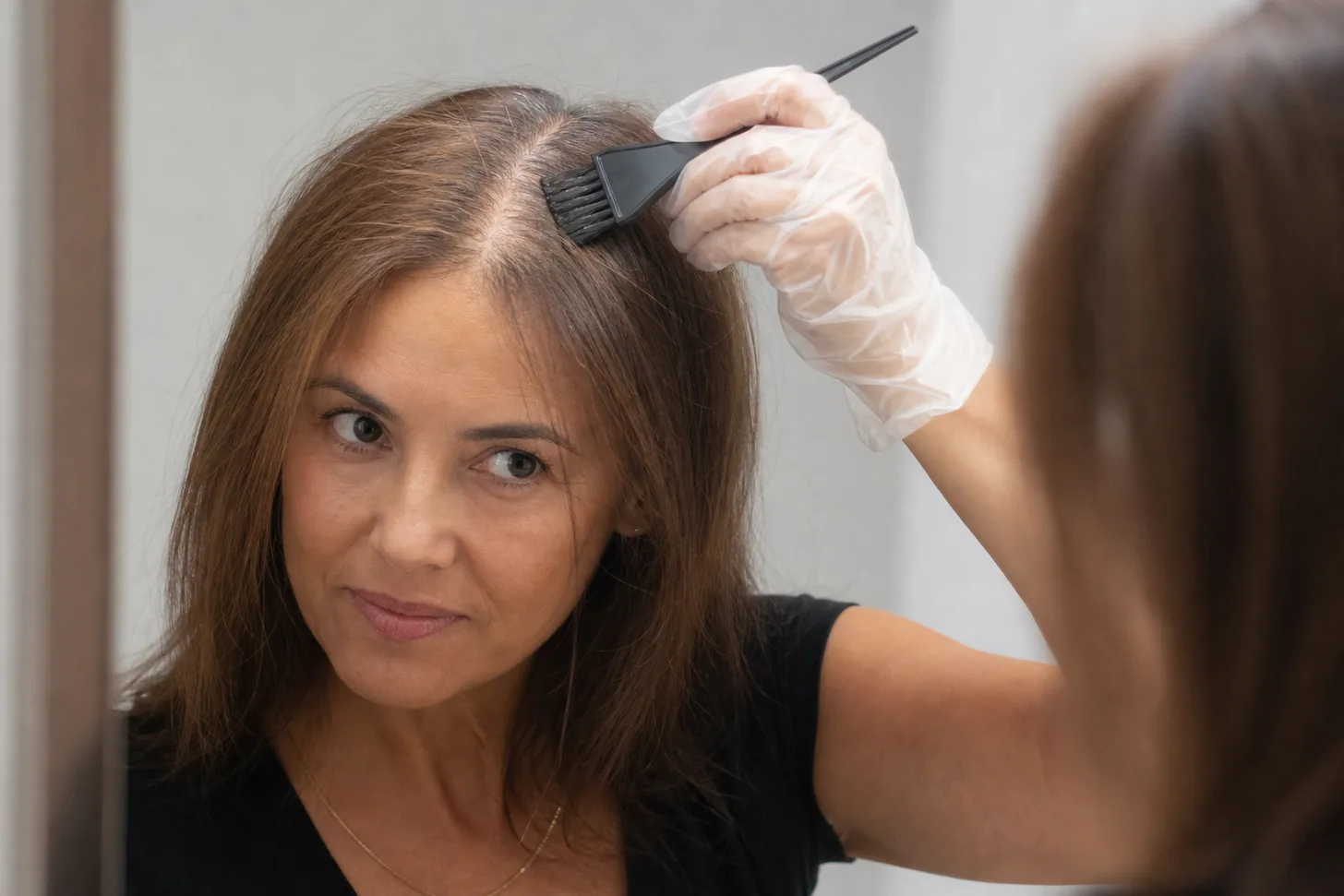
At-home color isn't all good or all bad — it's right for some jobs and genuinely risky for others. Touching up your roots in the same shade or refreshing tone with a gloss? Often perfectly fine. Lightening, going dramatically different, or fixing a color that already went wrong?
That's where box dye turns a small idea into an expensive correction, especially on fine hair that over-processes fast. Below is an honest green-light / red-light guide from the colorist's chair — plus the one safety step you should never skip: the patch test.
Safety first — the patch test
Before any at-home color, do the manufacturer's skin allergy test 48 hours ahead — every time, even with a brand you've used for years.
Permanent and many semi-permanent dyes contain PPD (para-phenylenediamine) and related aromatic amines, among the most common causes of allergic contact reactions to hair dye, and sensitivity can develop suddenly after years of uneventful use (peer-reviewed review of PPD hair-dye allergy). Reactions range from an itchy rash to serious facial swelling. If you've ever reacted to dye, don't re-test at home — see a dermatologist first.
When at-home color is fine
These jobs mostly deposit color rather than lift it, so they're gentle enough that a careful person gets salon-adjacent results at home — and low enough risk that a mistake is easy to live with or grow out. If you're in this column, the formulas worth buying are in our at-home color picks for fine hair.
Job
Why it's low-risk
Root touch-up in your existing shade
Matching what's already there; deposit-only, no lift
Semi-permanent / demi color & glosses
Gentle, fade gracefully, no harsh regrowth line
Going slightly darker
Adding pigment is far safer than removing it
Refreshing faded tone (toning gloss)
Adjusts tone without lifting; low commitment
Blending early greys in-shade
Deposit color close to your natural level
Even for these, fine hair rewards restraint: choose the gentlest formula that does the job, don't leave it on longer than directed (fine hair processes faster), and keep color off already-colored lengths when you're only touching up roots — overlapping builds up and bands.
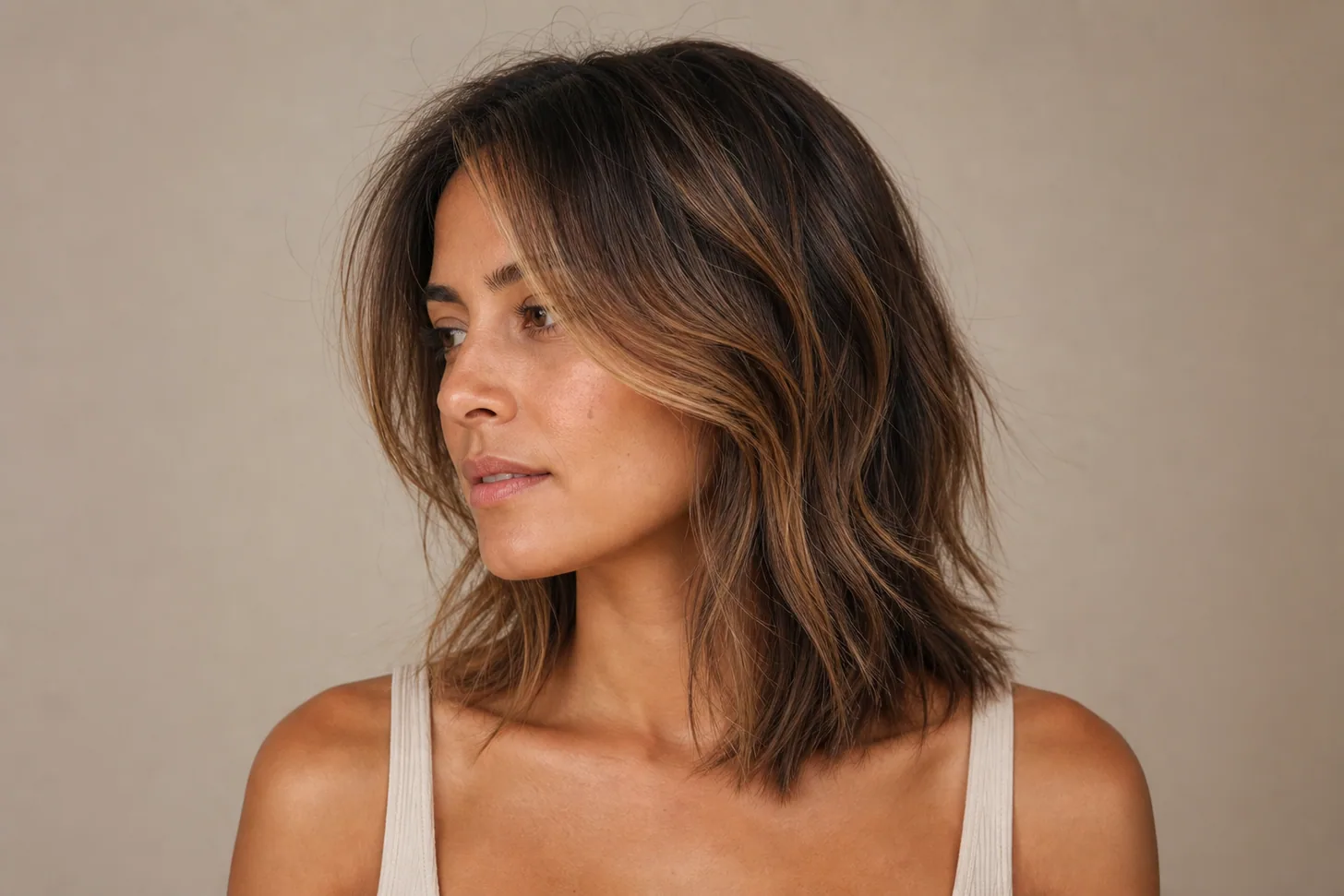
If what you want is dimension rather than a change of level, the salon answer is cheaper on the hair than the box one — balayage on fine hair puts far less of the head through a lightener.
Worth saying first that the box itself matters less than the job you are asking it to do — the at-home colors worth buying for fine hair are sorted by job for exactly that reason. These next ones are the jobs no box handles well.
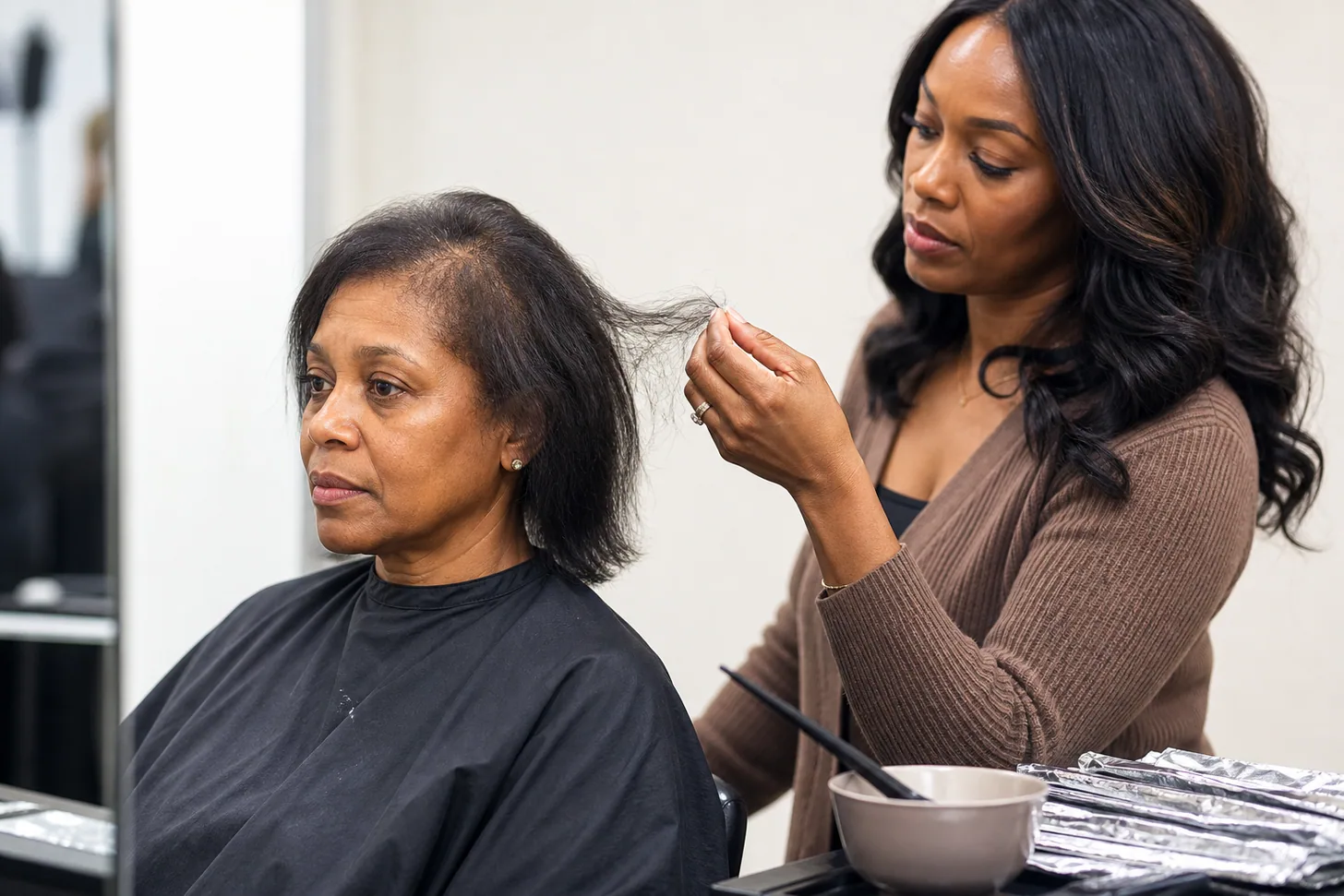
These jobs involve lifting or big changes — the territory where box dye's one-size formula can't account for your hair's history, and where fine hair over-processes before you notice. Almost every color correction I do started as one of these.
Job
Why it goes wrong at home
Going lighter / lifting color
Lightening breaks bonds; fine hair reaches breakage fast
Dark to blonde
Needs staged, professional lifting — not one box
Box bleach or "hi-lift" kits
Strong developer; uneven, damaging on fine hair
Correcting a previous color
Layering color on a problem deepens it
Dramatic shade change
Underlying warmth and banding need a colorist's eye
Full grey coverage with a big shift
Resistant greys + big change = patchy results
If your goal is on this list, the salon isn't the indulgent option — it's the cheaper one, once you factor in the multi-session correction a home attempt often triggers.
Why box dye is riskier on fine hair
Box dye is engineered to work across the widest possible range of hair, which usually means a developer stronger than fine hair needs. Fine strands are narrow, process color faster, and hit their limit sooner (the same fragility we cover in fine vs thin hair), so a formula calibrated for "average" can over-deposit, over-lift, or damage fine hair — and fine hair shows banding and unevenness more visibly than coarse hair.
How your hair takes color also depends on its porosity: porous, previously-colored ends grab pigment fast and can go darker or muddier than the box promises. The damage that follows is worth understanding before you open a box — does coloring or bleaching make hair thinner covers what a process changes and what it can't.
Chair-side note
The at-home jobs I never worry about are glosses and in-shade root touch-ups — I even recommend them to stretch time between salon visits. What breaks my heart is the "I'll just lighten it a little myself" that walks in three weeks later as a banded, brassy, breaking correction.
If you remember one line from me, make it this: at home, deposit color, don't remove it. Adding pigment is forgiving. Taking it out is the part that needs a trained eye and a strand test. For the broader question of whether coloring is thinning your hair or just breaking it, see does color thin fine hair.
PN
— Priya Nair, Master Colorist
Stop and get help if…
You have swelling of the face, lips, or eyes, blistering, trouble breathing, or a spreading rash after dyeing. Rinse immediately and seek medical care — severe dye reactions can be dangerous.
You've ever reacted to hair dye before. See a board-certified dermatologist before coloring again, and identify the ingredient to avoid.
Your hair feels gummy, stretchy, or is snapping after a home color. Stop all color and heat; this is damage that a colorist — or a haircut — needs to address.
A box color turned out wrong. Don't layer another box over it; book a professional correction before it gets worse.
FAQ
It can be, for the right jobs. Low-risk at-home color includes root touch-ups in your existing shade, semi-permanent color and glosses, and going slightly darker. These deposit color without much lifting, so they're gentle enough for fine hair. The mistakes happen when people try to lighten, go dramatically different, or correct a previous color at home — those need a professional. And regardless of the job, always patch test first for allergy safety.
Whenever it involves lifting or big changes: going lighter, bleaching, going from dark to blonde, covering lots of grey with a dramatic shift, or fixing a color that already went wrong. Box dye is a one-size formula that can't account for your hair's history, so on fine hair it easily over-processes, bands, or turns brassy — and correcting that costs far more than a salon visit would have. When in doubt, book the consultation.
Box dye is formulated to work on the widest range of hair, which means its developer is often stronger than fine hair needs. Fine strands process color faster and reach their limit sooner, so a formula calibrated for average hair can over-deposit, over-lift, or damage fine hair. Fine hair also shows banding and unevenness more visibly. If you color at home, choose gentle, deposit-only formulas and follow timing carefully.
Yes. Permanent and many semi-permanent dyes contain PPD (para-phenylenediamine) and related compounds, which are among the most common causes of allergic contact reactions to hair dye — and reactions can range from an itchy rash to serious facial swelling. Do the manufacturer's skin allergy test 48 hours before every application, even with a brand you've used before, because sensitivity can develop over time. If you've ever reacted to dye, see a dermatologist before coloring again.
Rinse the dye out immediately with cool water and a gentle shampoo. For mild itching or redness, an over-the-counter antihistamine may help, but if you have swelling of the face, lips, or eyes, difficulty breathing, blistering, or a spreading rash, seek medical care right away — severe reactions can be dangerous. Anyone who has reacted to hair dye should be evaluated by a board-certified dermatologist and avoid the triggering ingredient going forward.
Almost never successfully — home correction usually makes things worse and adds damage. Layering more color, box 'color removers,' or bleach onto already-processed fine hair is how a small problem becomes breakage. The safest move is to stop, keep the hair conditioned and off heat, and book a professional color correction. It costs more than you hoped, but far less than repeatedly re-damaging your hair trying to rescue it yourself.
Twelve years coloring at a high-end studio, now a Redken-certified educator. Priya's honest take on at-home color: deposit, don't lift — and never skip the patch test.
This article is for general education and is not medical advice. If you experience swelling, difficulty breathing, blistering, or a spreading rash after using hair dye, seek medical care promptly. Anyone with a history of hair-dye reactions should consult a board-certified dermatologist before coloring.
Images in this article are AI-generated illustrations, not photographs of real clients or results. See our image policy.
Results vary with hair type, density, and growth patterns. This guide is educational and not a substitute for an in-person consultation with a licensed stylist, colorist, or — for any reaction or scalp concern — a board-certified dermatologist.
Get the good hair intel
One honest, stylist-written guide in your inbox each week. No hype.

 PN
PN