Scalp exfoliation means loosening the dead skin, flakes and product film on your scalp so they rinse away. You can do it with an acid such as salicylic acid, which dissolves the "glue" between skin cells, or with a soft brush or scrub that lifts it physically. Once a week is enough for most people. Fine hair usually does best with the chemical route, because it's gentler on the strands.
It is a cleaning step, not a growth treatment. It helps with buildup, oily flakes and itch from residue, and it can make limp roots lift better. It does nothing for thinning, and an inflamed scalp should be left alone.
Who scalp exfoliation helps, and who should skip it
An oily scalp with flat roots by the end of day one. See fine, oily hair.
Mild, oily dandruff flakes that sit on the scalp after washing.
Itch that comes from residue rather than a skin condition.
Skip it if you have:
A red, sore, cracked or weeping scalp, open scratches, or a sunburned part.
Diagnosed psoriasis, eczema or seborrheic dermatitis. Use the treatment your dermatologist gave you, and ask before adding anything.
A small, white, powdery dry-scalp flake. Exfoliating dries it further. See dandruff vs dry scalp.
Patchy hair loss, or a scalp that burns or hurts. That needs a diagnosis first. See why does my hair hurt?
Chemical vs physical exfoliation
Chemical: salicylic acid and other acids
Keratolytic ingredients such as salicylic acid loosen the bonds between dead skin cells so they wash away (Ranganathan and Mukhopadhyay, 2010). Salicylic acid is oil-soluble, so it works into oily areas and around follicles, which suits an oily scalp (Arif, 2015). It is also one of the dandruff actives the AAD lists. The common side effects are dryness, stinging and irritation, so more is not better. Glycolic and lactic acid scalp serums exist too, but they are less studied on the scalp.
Chemical exfoliants come as pre-wash serums, shampoos and leave-on treatments. For fine hair, a pre-wash serum or shampoo you rinse out is the safest bet. A leave-on acid can leave the roots tacky.
Physical: brushes, scrubs and massage
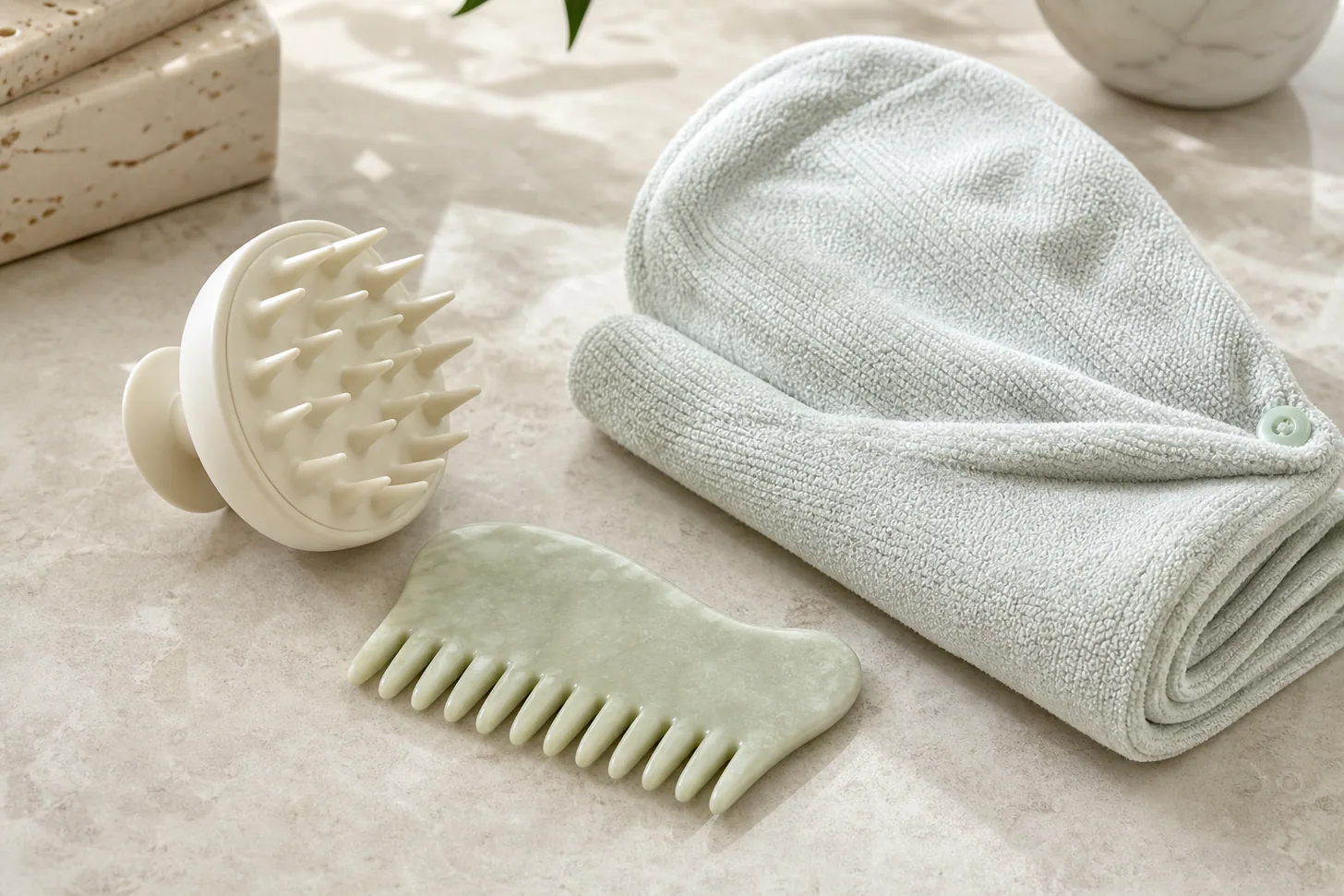
Soft silicone scalp brushes lift flakes and spread shampoo. They are the gentlest physical option and the easiest to control. Granular scrubs, especially sugar or salt mixed with oil, are harder on fine hair. The grains tangle in fine strands, the oil coats the roots, and rubbing hard enough to feel it "working" can scratch the skin and snap hair. See scalp brushes for fine hair.
Chair-side note
My rule for fine hair is one active, once a week, on wet skin, rinsed out. Don't stack a salicylic serum, a scrub and a clarifying shampoo on the same night. People who do that come in with a tight, stinging scalp and roots that are flatter, not lighter, because they then reach for heavy conditioner to calm it.
MH
— Megan Holloway, Editor-in-Chief
How to exfoliate your scalp: the fine-hair routine
Start on a scalp with nothing on it. Brush out styling product first, and don't exfoliate within a day of coloring or a chemical service.
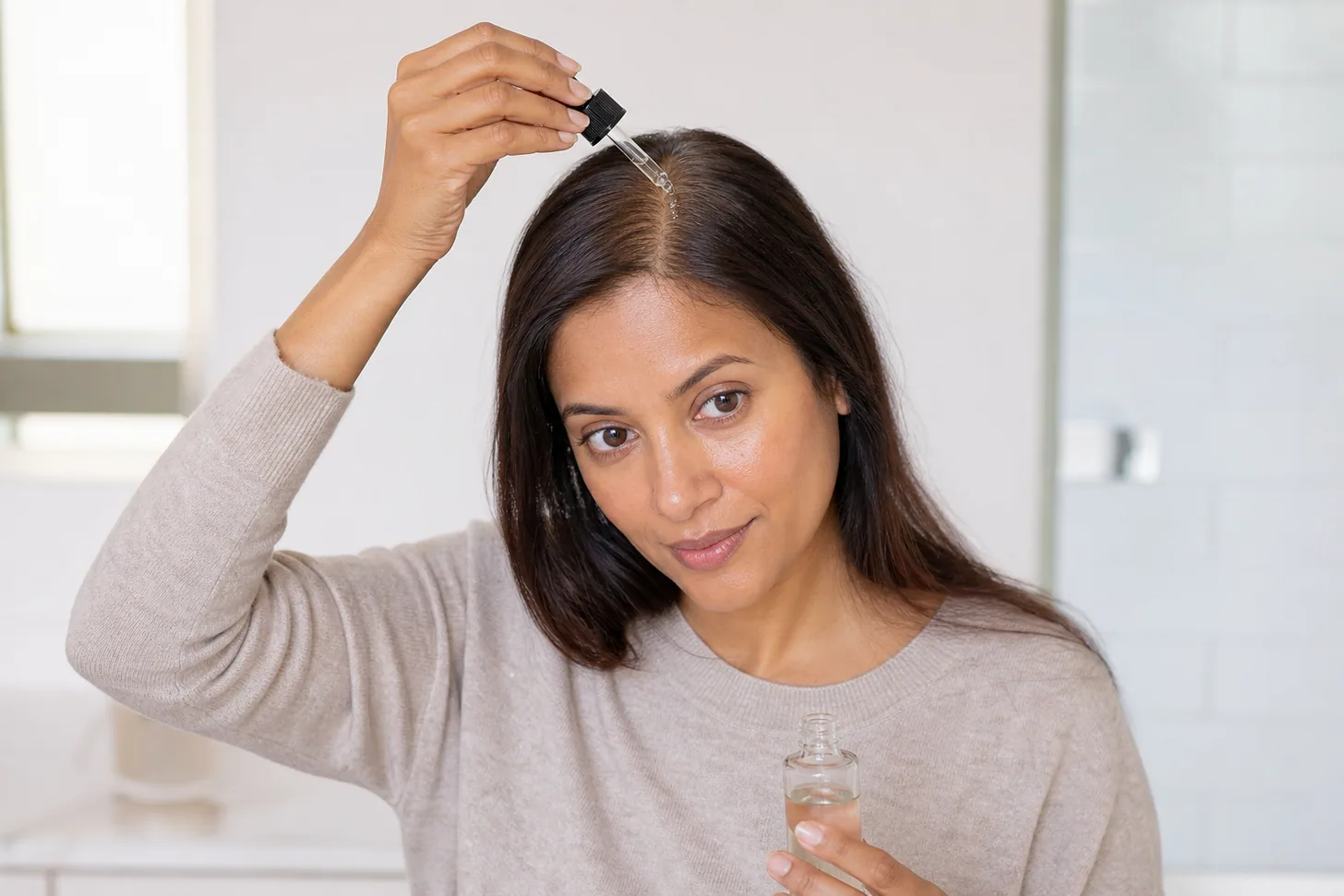
Section and apply to the scalp only. Use four or five partings and apply a pre-wash acid serum along each one, or use an exfoliating shampoo straight onto the scalp. Keep it off the lengths.
Massage with fingertips or a soft silicone brush for a minute or two, using small circles and light pressure. Never use your nails.
Leave it for the time on the label, usually five to ten minutes, then rinse thoroughly with lukewarm water.
Shampoo once more if the product says so, with a light volumizing shampoo.
Condition the mid-lengths and ends only. A light conditioner keeps fine roots lifted. See conditioner for fine hair.
How often to exfoliate your scalp
Oily scalp or heavy dry-shampoo use: once a week, and up to twice if your scalp tolerates it.
Normal scalp: every one to two weeks, or simply when roots stop lifting.
Sensitive or dry scalp: once or twice a month at most, with the gentlest product, or not at all.
Stop if you get stinging, tightness, redness or more flaking. Those are signs of over-exfoliation, and the scalp needs a week or two of a gentle shampoo only.
Exfoliating vs clarifying shampoo
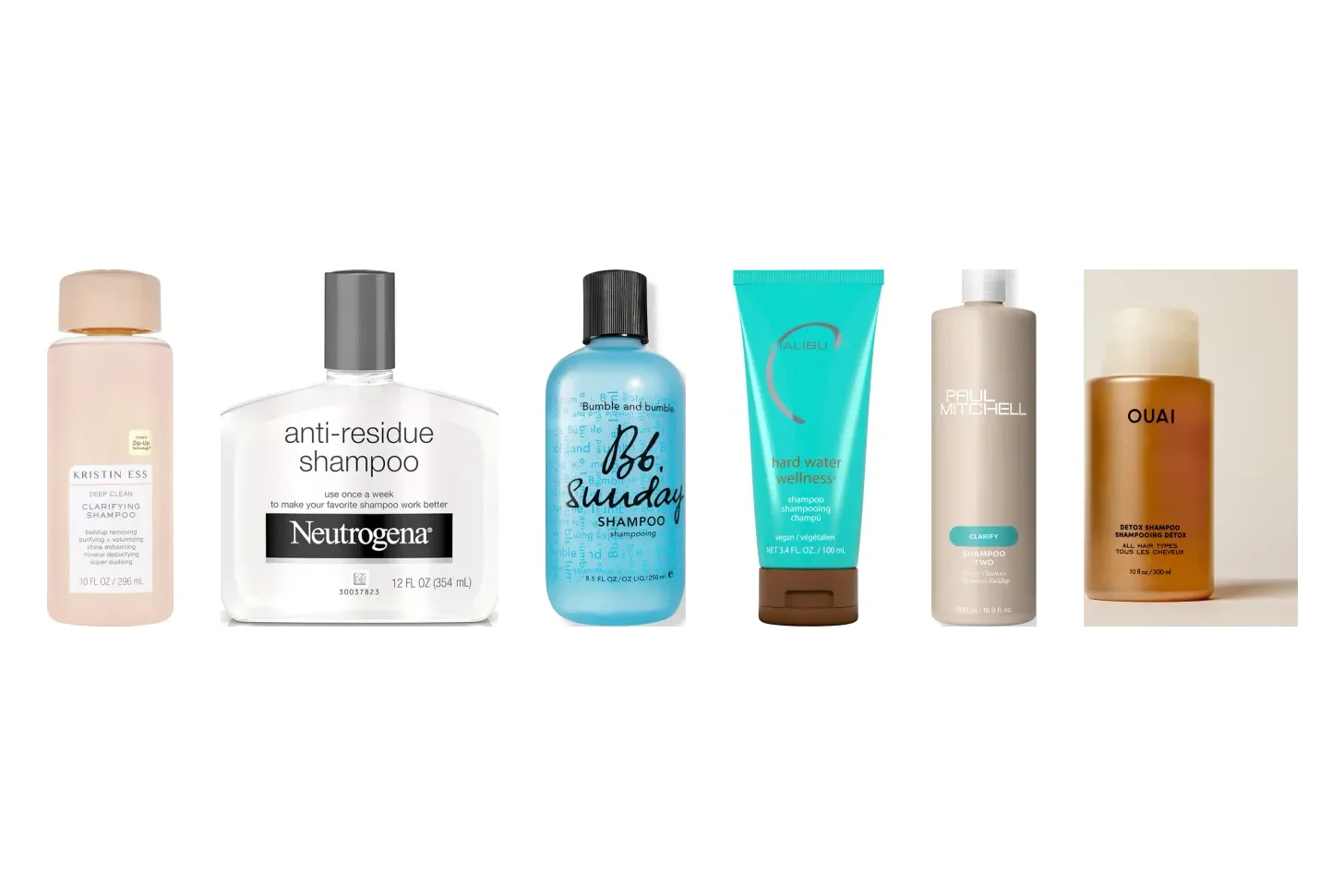
A clarifying shampoo removes residue from the hair and scalp surface. An exfoliant loosens dead skin. If your problem is flat, coated hair, start with a clarifying wash every week or two. See clarifying shampoo for fine hair. If flakes stay stuck to the scalp after a good wash, an exfoliant is the next step.
Does scalp exfoliation help hair growth?
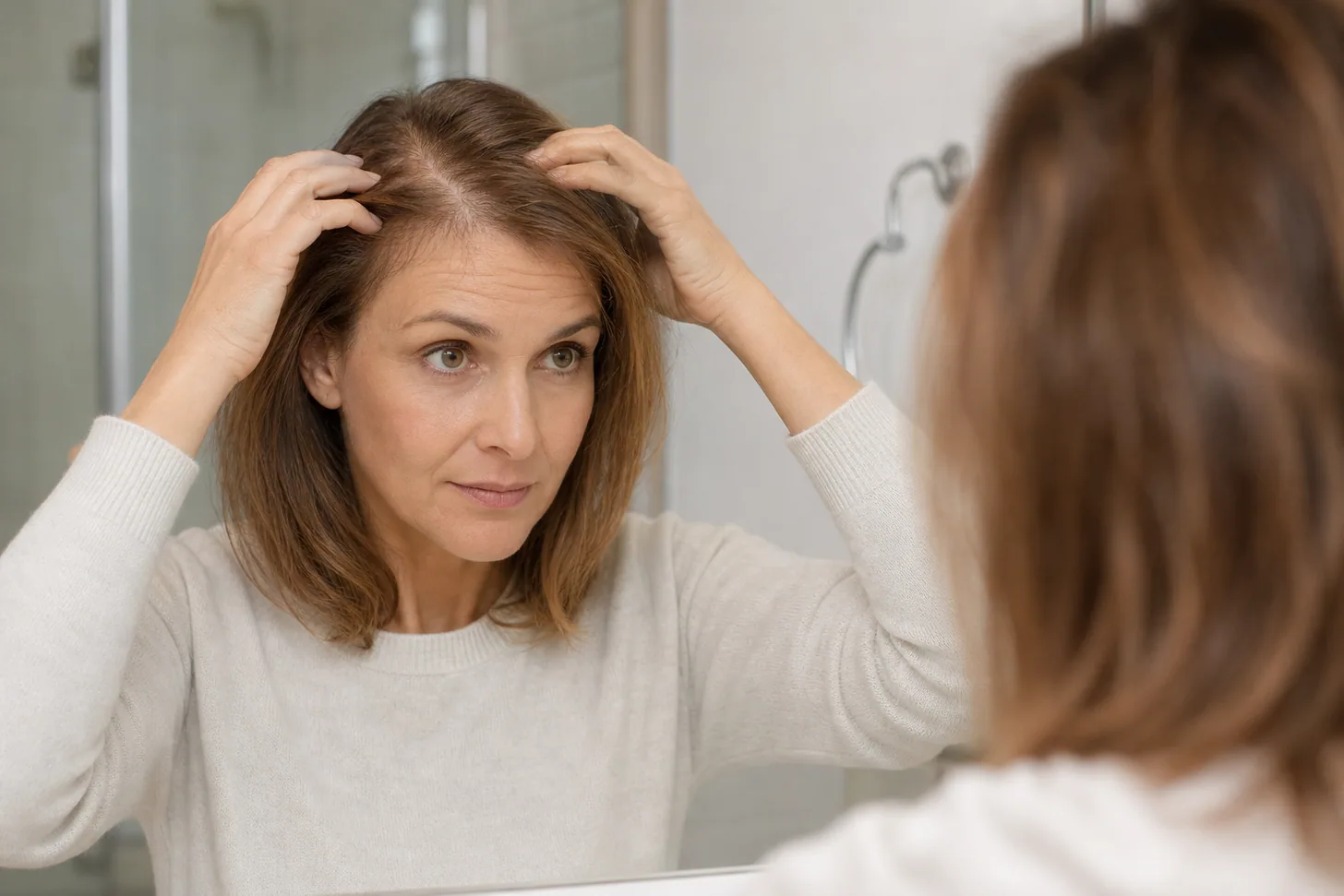
There is no good evidence that exfoliating makes hair grow faster or thicker. A clean scalp makes fine roots look fuller because they aren't weighed down, and that's the honest benefit. If your part is widening, see first signs of hair thinning and thinning hair treatment.
Stop and see a dermatologist if
Your scalp stays red, stings or burns after you stop exfoliating. It may be irritant or allergic contact dermatitis.
Flakes come back thicker, silvery or on raised patches. That can be scalp psoriasis, which needs its own treatment.
You notice patchy hair loss or scaly bald patches. That needs a diagnosis, not a scrub.
A medicated dandruff shampoo hasn't helped after a month. A prescription option may be needed.
FAQ
Once a week suits most oily or product-heavy scalps. Every one to two weeks is enough for a normal scalp. Sensitive or dry scalps should exfoliate once or twice a month at most.
It can help, because buildup flattens fine roots quickly. Use a rinse-out acid or a soft brush, and skip oily scrubs that coat the roots.
Most pre-wash serums go on before shampoo, on a damp or dry scalp, and are then rinsed out. Exfoliating shampoos replace your normal wash. Follow the product's directions.
You can, but it isn't ideal for fine hair. The grains tangle in fine strands and are hard to rinse, and the oil they are mixed with weighs the roots down.
There's no good evidence that it does. It removes buildup, which can help fine roots look fuller, but it doesn't treat thinning.
Mild oily dandruff often improves with salicylic acid, which is a recognised dandruff ingredient. If your scalp is red, inflamed or not improving, see a dermatologist.
Wait at least a few days. A freshly colored scalp can be sensitive, and acids can speed up fading at the root.
This article is for general education and is not medical advice. If your scalp is inflamed, painful or you are losing hair, see your doctor or a board-certified dermatologist.
Images in this guide are AI-generated illustrations, not photos of real clients or results. See our image policy.
Get the good hair intel
One honest, stylist-written guide in your inbox each week. No hype.

 MH