Why does my hair hurt when I move it?
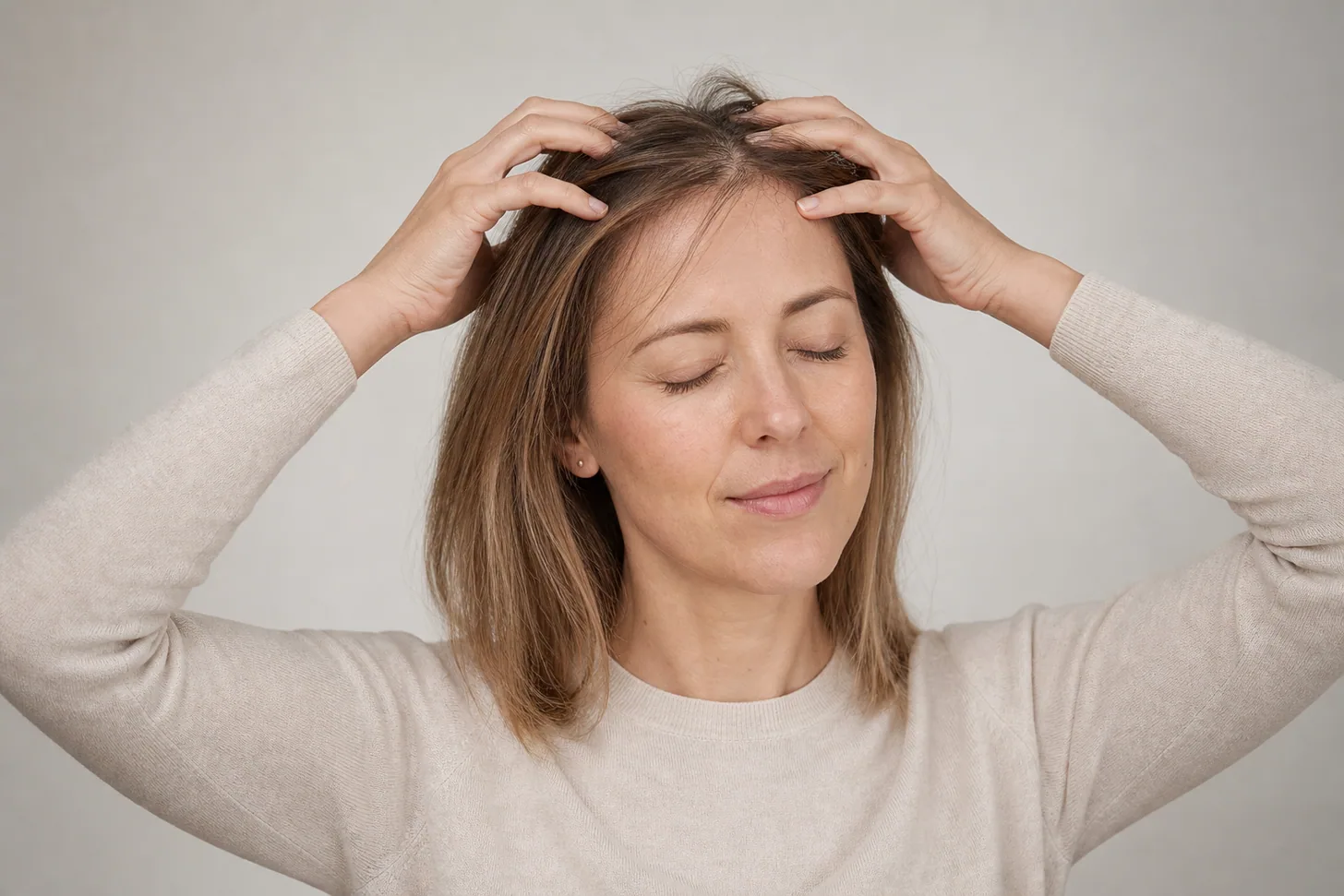
The ache is in the scalp, usually around the follicles, and moving the hair tugs on that skin. Dermatologists call it trichodynia: pain, burning or tingling of the scalp, often in people who are also losing hair. It was first linked to telogen effluvium (heavy shedding), but later studies found it just as often with pattern thinning, and they could not tie it to how fast hair was falling out (Trüeb et al., 2021).
Fine hair doesn't cause scalp pain, but it can make it worse. You may wear your hair up more often to hide flat roots, and clips have less hair to grip, so they get pushed tighter.
Common causes of a sore scalp
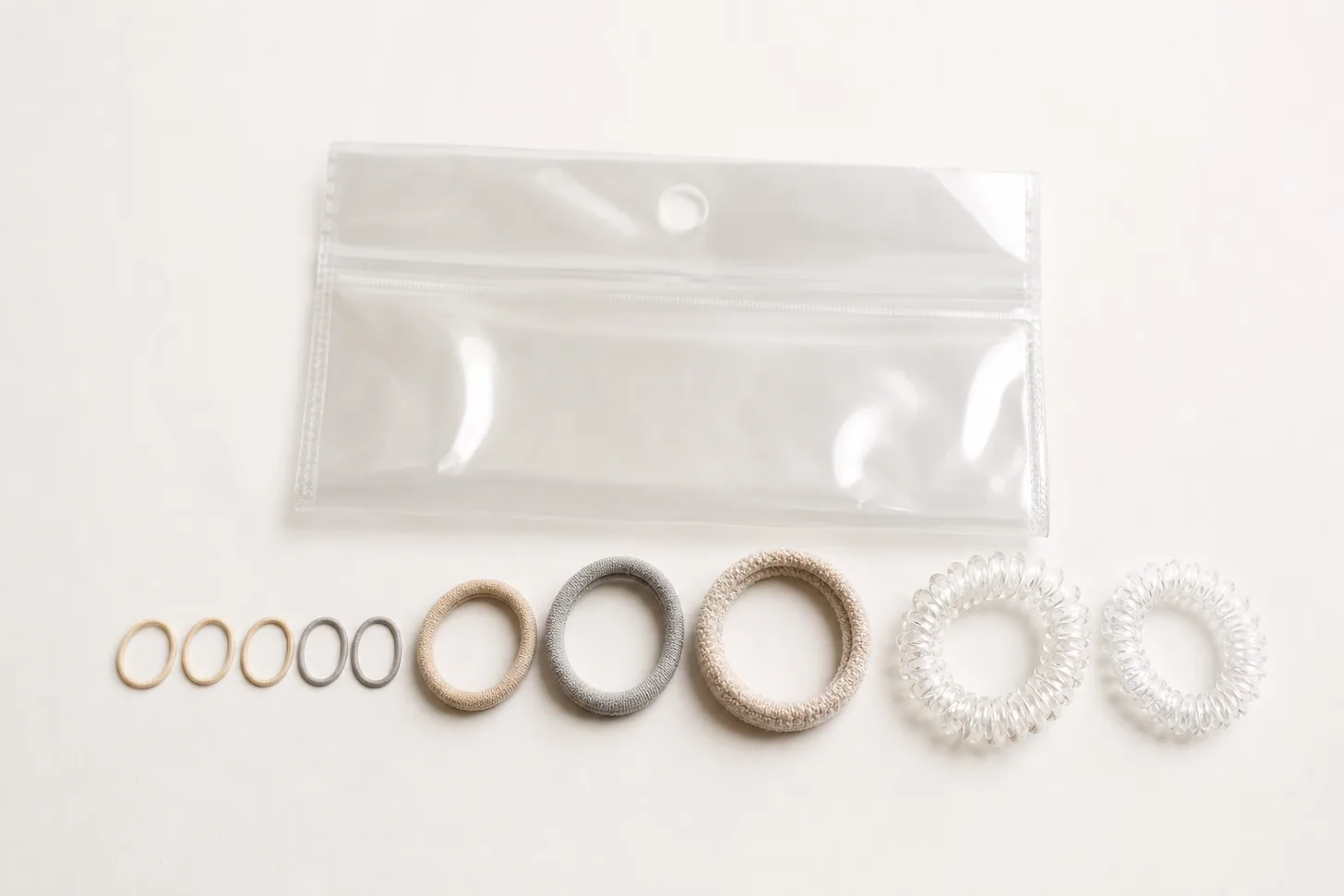
Tight ponytails, buns and clips
This is the most common cause. In one survey, 50 of 93 women got headaches from wearing a ponytail. Most were relieved within half an hour of letting their hair down, and wearing the ponytail more loosely prevented it (Blau, 2004). Repeated tension can also thin the hairline over time. See thinning hairline.
Wearing your part or ponytail in the same place
When you finally move hair that has been parted or tied in one direction for days, the scalp complains. Changing your part and ponytail position regularly helps. See where to part fine hair.
A sensitive or irritated scalp
Sensitive scalp shows up as itching, burning, stinging or pain, sometimes with redness. It can be set off by fragrance, harsh cleansers, hard water, heat, sun or stress (Souza et al., 2023). Bleach and dye can cause a chemical burn.
Scalp conditions
Dandruff and seborrheic dermatitis, psoriasis, and folliculitis (infected or inflamed follicles, often as tender bumps) can all make the scalp sore. See dandruff and fine hair.
Shedding
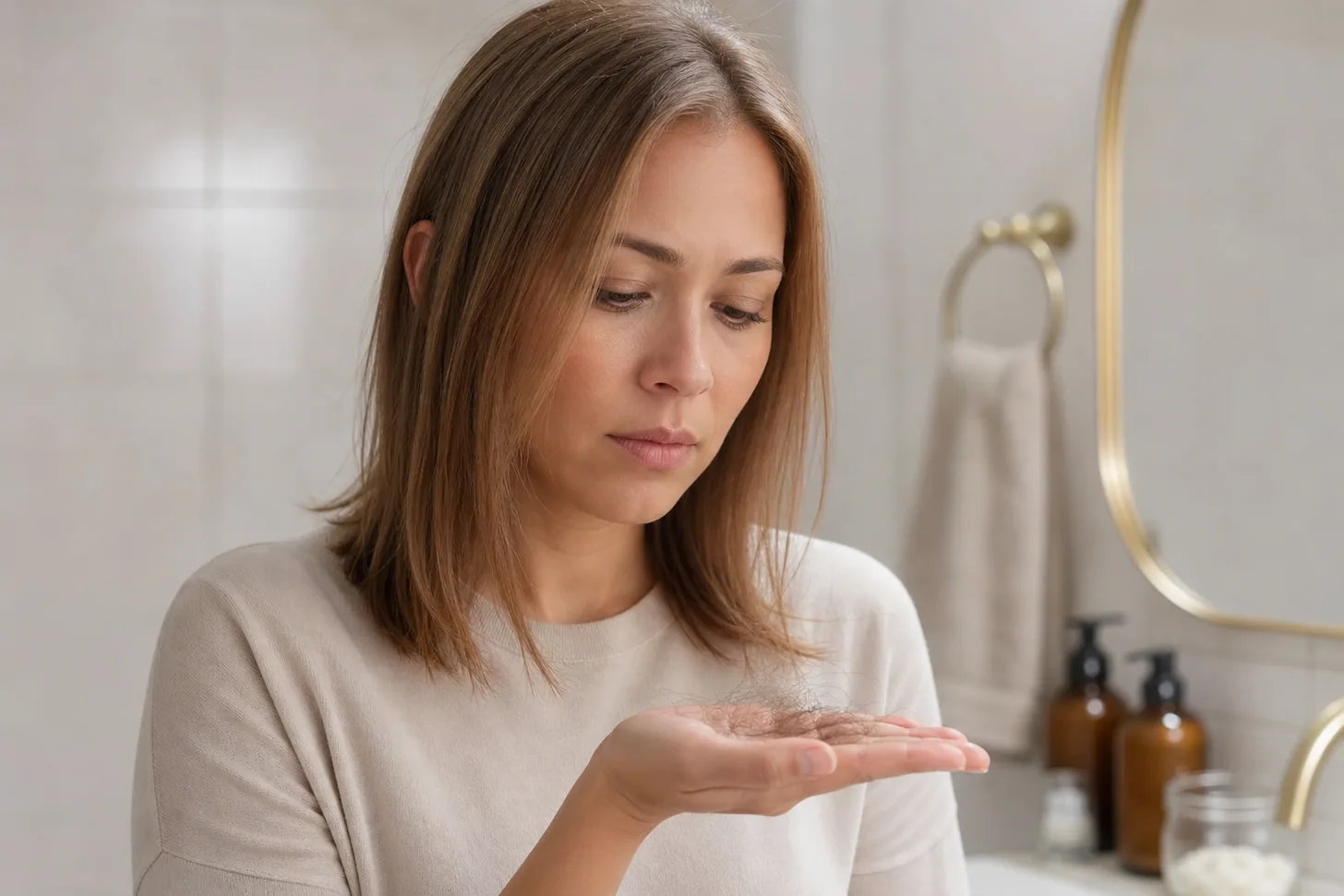
Some people feel scalp tenderness during a shedding phase. Shedding is common a few months after a high fever, an operation, giving birth or a big stress, according to the American Academy of Dermatology. See telogen effluvium.
Unwashed hair
Going a long time between washes doesn't damage the follicles, but oil and product buildup can leave the scalp itchy and tender. Fine hair often needs washing more often for this reason. See how often to wash fine hair.
This article is for general education and is not medical advice. If you have new or severe scalp pain, a rash, patchy hair loss, or the symptoms listed above, see your doctor or a board-certified dermatologist.
Images in this guide are AI-generated illustrations, not photos of real clients or results. See our image policy.

 MH