Fine-hair care · Myths, checked

Does Dry Shampoo Cause Hair Loss? The Honest Answer for Fine Hair

Dry shampoo doesn't cause hair loss when it is used between washes. There is no evidence that it damages hair follicles. Problems come from overuse: layering it day after day without washing leaves powder, oil and residue on the scalp, which can cause itching, irritation and inflamed follicles (folliculitis), and scratching breaks fine hair.

There was also a separate safety issue: some aerosol dry shampoos were recalled in 2021 and 2022 for possible benzene contamination. Below is what the evidence shows, how to use dry shampoo safely on fine hair, and the signs that you are overdoing it.
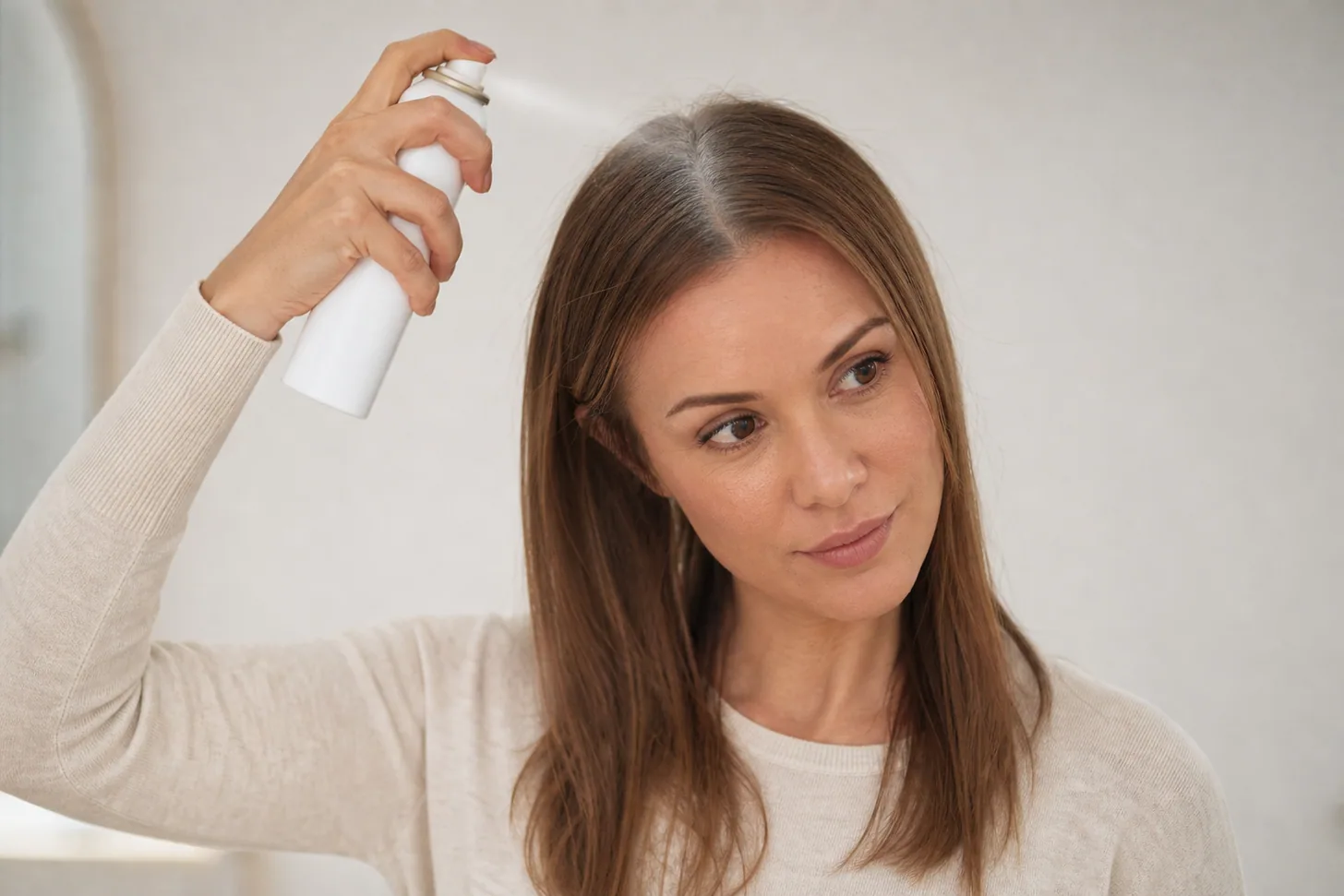
Woman with fine light-brown hair spraying dry shampoo at her roots

How dry shampoo works

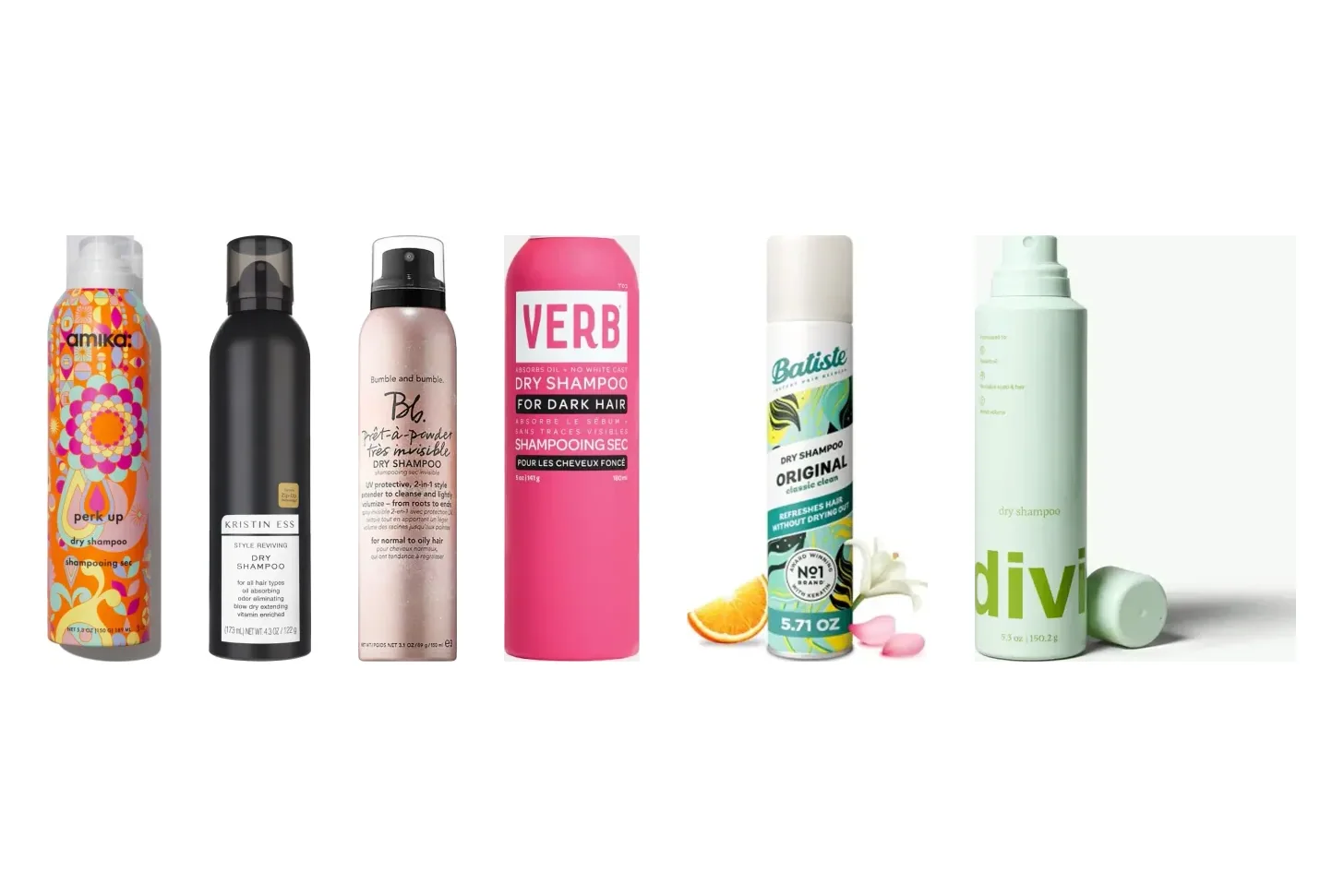
Dry shampoo is an absorbent powder, usually starch or clay, delivered as a spray or loose powder. It soaks up oil at the roots, which also adds grip and lift to fine hair. It doesn't clean the scalp; it just hides the oil until you wash. See dry shampoo for fine hair.

How overuse can affect your scalp

  • Buildup. Powder and oil collect on the scalp and around the follicles.
  • Itching and irritation. Fragrances and other ingredients can also cause allergic reactions; a 2021 review of dry shampoos found common contact allergens in many products (Newell and Liszewski, 2021).
  • Folliculitis. Blocked, irritated follicles can become inflamed, with small tender bumps.
  • Breakage. Itching leads to scratching, and powder makes hair rough, so fine strands snap.

None of these is the same as pattern hair loss. They usually settle once you wash more often.

The benzene recalls

In December 2021, Procter & Gamble recalled aerosol dry shampoos and dry conditioners under brands including Pantene, Aussie and Herbal Essences. In October 2022, Unilever recalled select aerosol dry shampoos from Dove, Nexxus, Suave, TIGI and TRESemmé. Both were because of possible benzene contamination, traced to the aerosol propellant. Benzene is a carcinogen. The recalls were not about hair loss. If you have older aerosol cans at home, check the recall lists on the FDA notices.

Chair-side note

Most fine-hair clients use dry shampoo, and I'm not going to tell them to stop. My rule is two days of dry shampoo, then a proper wash. If the scalp itches or the part looks gray, it's time to wash, not to spray again.

Megan HollowayMH
— Megan Holloway, Editor-in-Chief

How to use dry shampoo safely on fine hair

  1. Use it for one or two days between washes, not as a replacement for washing.
  2. Spray from a hand-length away in short bursts, at the roots only.
  3. Massage it in and brush it through, so it doesn't sit on the scalp.
  4. Wash it out properly, and use a clarifying shampoo once a week if you rely on it. See clarifying shampoo for fine hair.
  5. Don't apply it at night and sleep in it every day.
  6. Choose fragrance-free if your scalp is sensitive, and patch test new products.

If you need dry shampoo every day, washing more often may suit fine hair better. See how often to wash fine hair and second-day fine hair.

Stop and wash, or see a doctor, if

  • Your scalp itches, burns or flakes after using it. Wash it out and try a fragrance-free formula, or stop.
  • You have tender red bumps around the follicles. That can be folliculitis. See a doctor if it doesn't clear in a week.
  • You notice thinning that doesn't improve after you cut back. Something else is likely causing it. See first signs of hair thinning.

FAQ

Not when used occasionally between washes. Daily use without washing can cause buildup, irritation, folliculitis and breakage, which can look like thinning.

Yes, if it is layered for days without washing. Wash it out regularly to keep follicles clear.

One or two days in a row, then wash. Use a clarifying shampoo weekly if you use it often.

Some aerosol dry shampoos from P&G (2021) and Unilever (2022) were recalled for possible benzene contamination from the propellant. The recalls were not related to hair loss.

Powders don't use propellants, so they avoid that contamination risk. They still need washing out.

Breakage and irritation usually improve once you cut back and wash regularly. If thinning continues, see a dermatologist.

Related reads

Megan HollowayMH
Megan Holloway
Editor-in-Chief · Licensed Cosmetologist & Certified Trichology Practitioner

Fourteen years in fine-hair care, eight of them behind the chair. Megan's rule for hormonal thinning: photograph the part, not the drain.

More from Megan →

This article is for general education and is not medical advice. If your scalp is irritated or you are losing hair, see your doctor or a board-certified dermatologist.

Images in this guide are AI-generated illustrations, not photos of real clients or results. See our image policy.