Reviewed by Tara Sullivan · Updated July 2026 · 8 min read
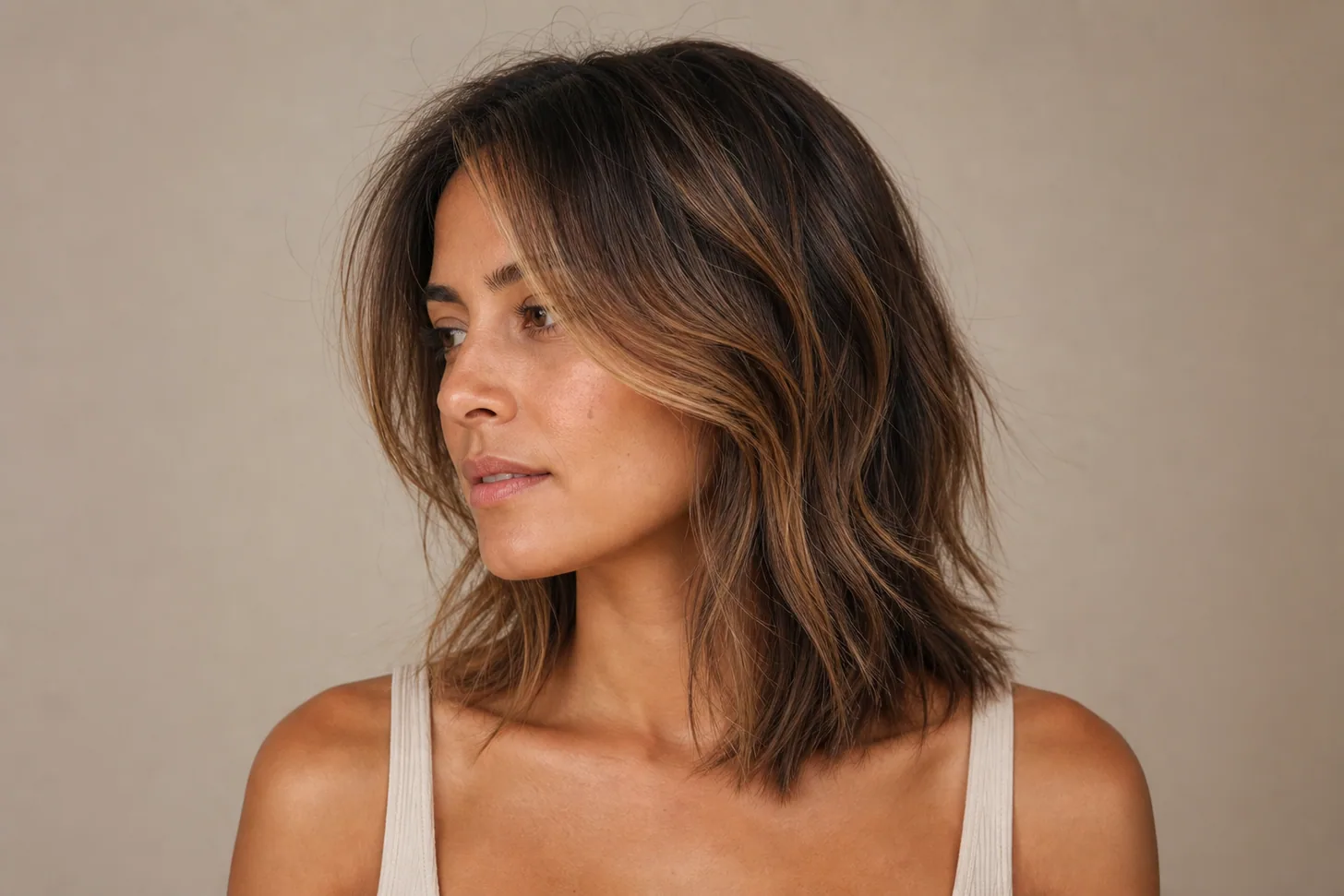
Both are freehand painting techniques — the difference is the foil. Balayage is painted on and left in the open air for a soft, blended, sun-kissed result; foilyage is that same painting wrapped in foil to trap heat and lift brighter and lighter.
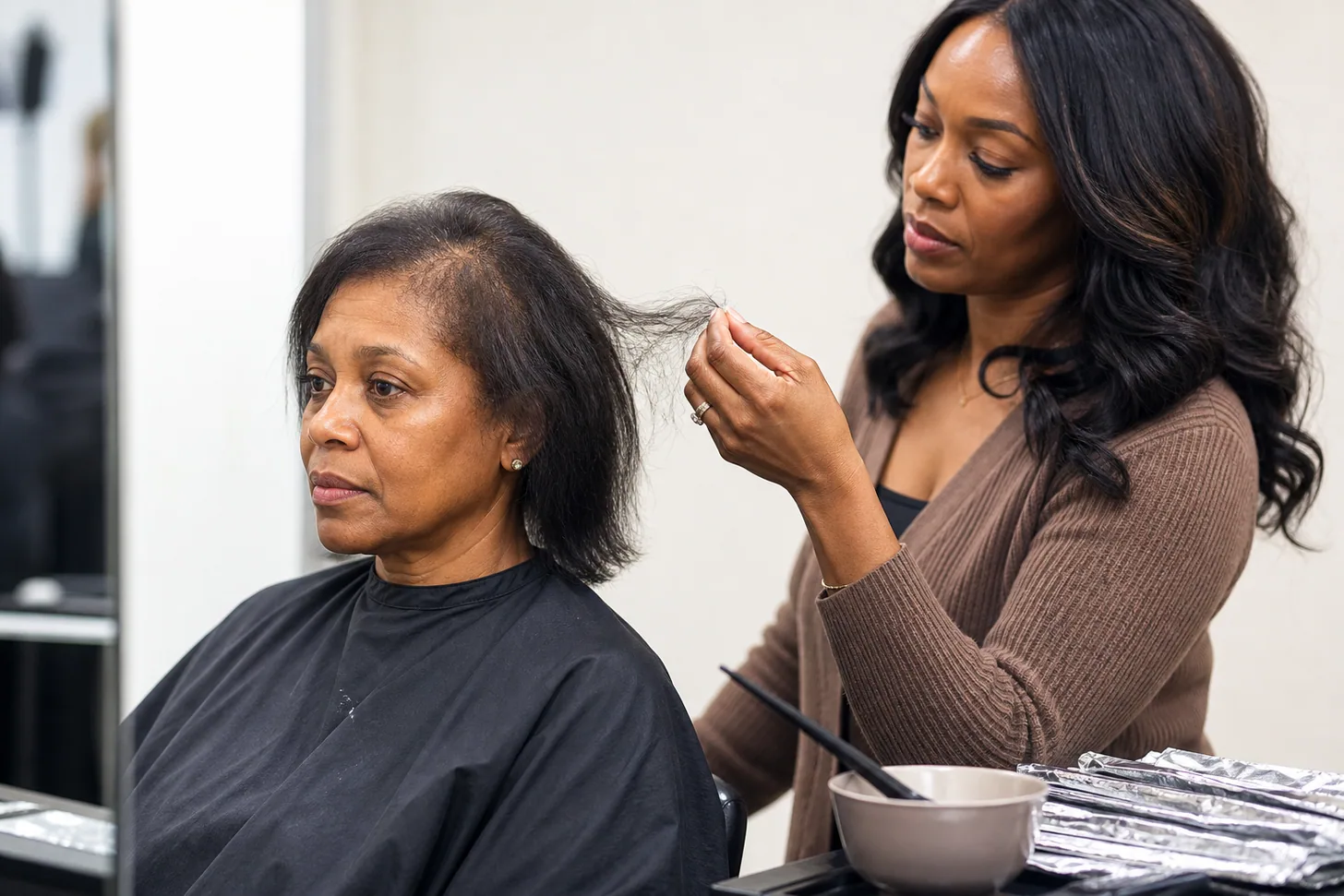
On fine hair the calculus is specific: soft dimension makes thin hair read fuller, but every bit of lightening stresses a strand that has little to spare. Here's exactly what each technique does, which suits fine hair, and the words to bring to your colorist.
What each technique actually is
Balayage (French for "to sweep") is a freehand technique where the colorist paints lightener onto the surface of chosen sections and lets it process in the open air. Because it's not saturated to the root and isn't wrapped, it lifts gently and blends softly — no hard line, very natural.
Foilyage (sometimes "foilayage") is the hybrid: the colorist paints exactly like balayage, then folds each painted section into foil. The foil traps heat and stops the lightener drying out, so it processes further and lifts brighter and lighter than open-air balayage can.
Both differ from traditional foil highlights, where lightener is applied in precise, root-to-tip woven sections for maximum, uniform brightness and a more structured look — a category with its own rules on low-density hair, covered in highlights for fine and thin hair.
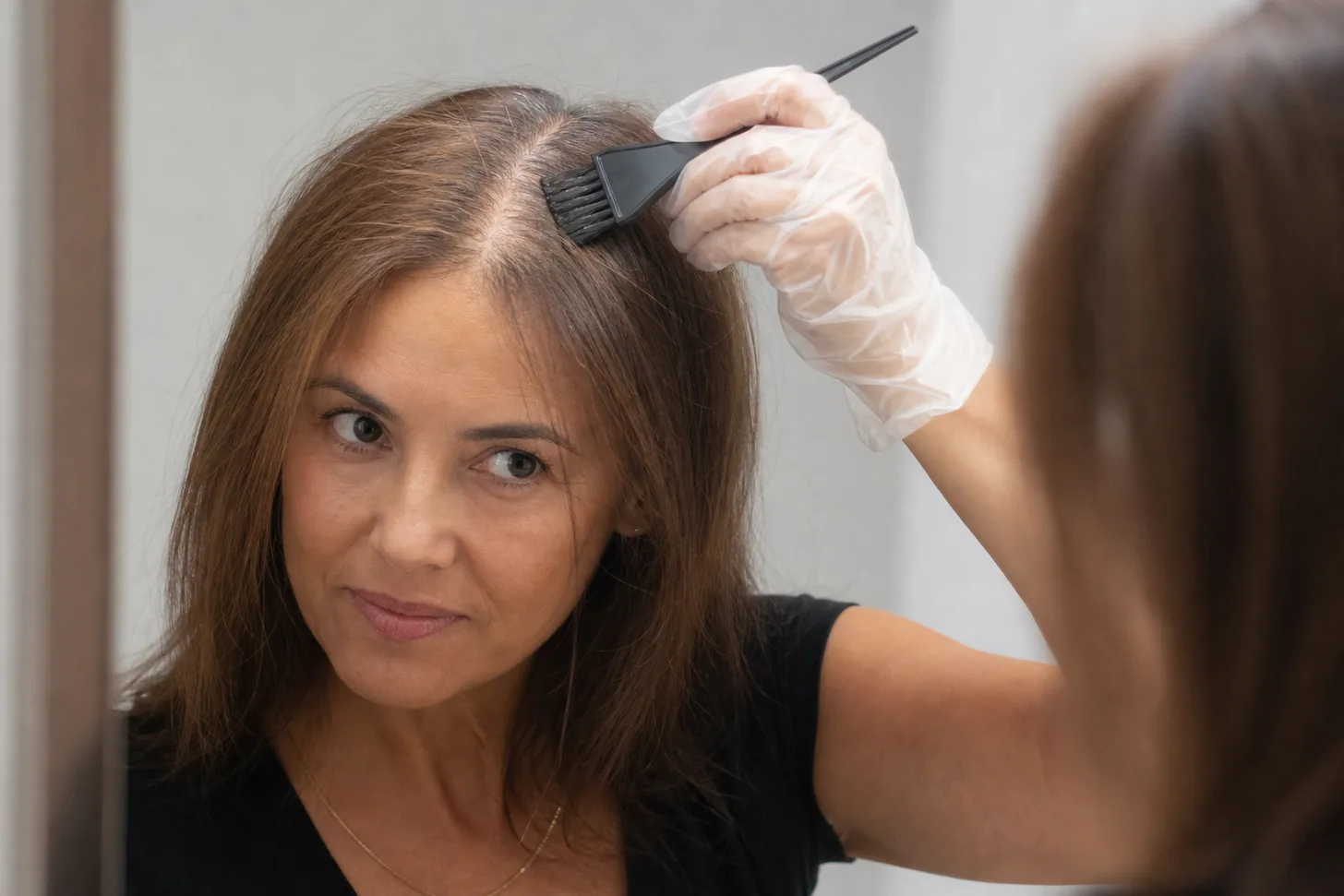
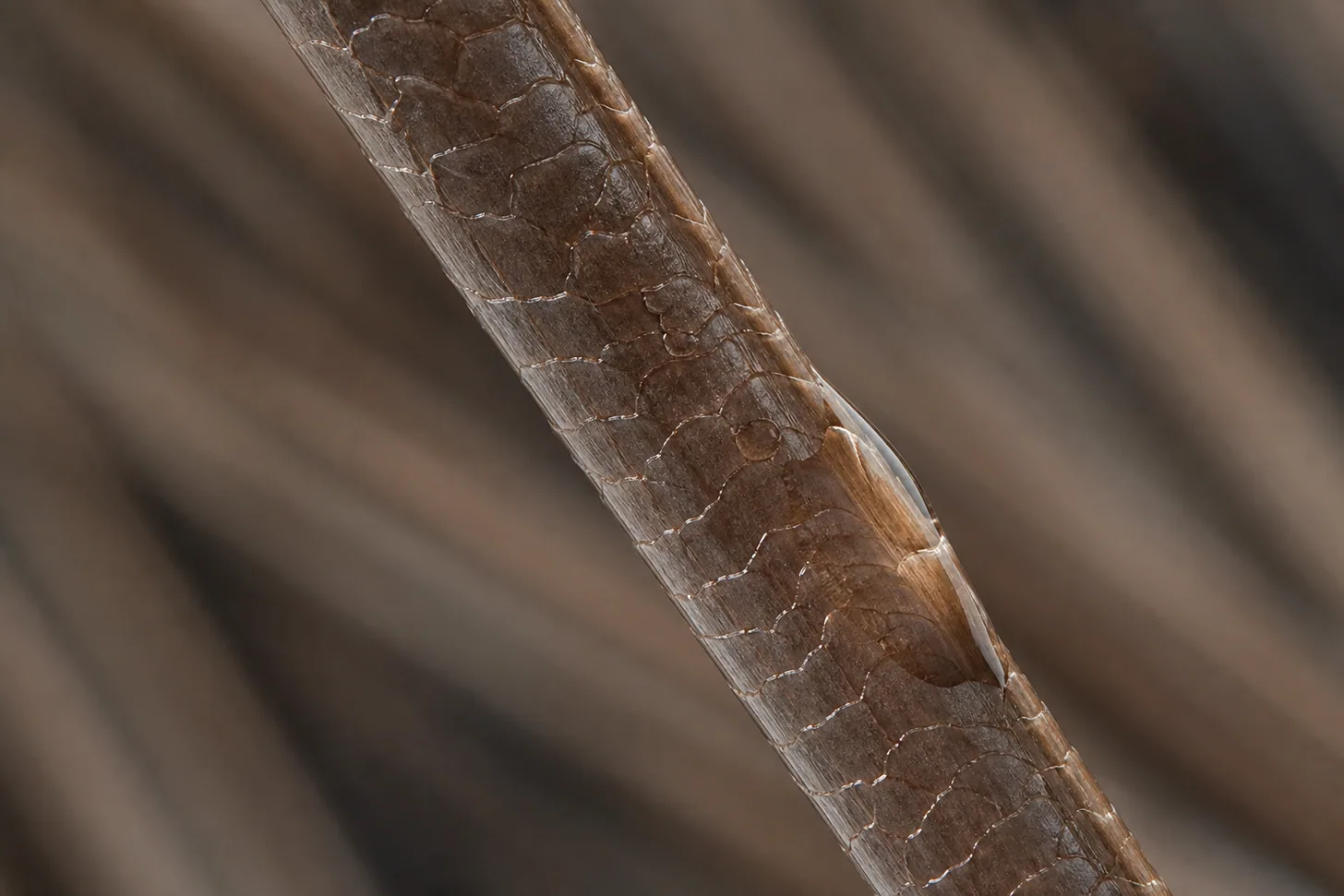
Lightening at any level works by opening the cuticle and oxidizing the pigment inside the strand (Hair Cosmetics: An Overview, peer-reviewed) — which is why how much you lift matters so much for fragile hair.
Technique
How it's applied
Result
Lift level
Balayage
Freehand paint, open air
Soft, blended, sun-kissed
Gentle
Foilyage
Freehand paint, wrapped in foil
Brighter, lighter, still blended
Higher
Traditional foils
Woven sections, root to tip, foiled
Uniform, high-contrast brightness
Highest
Which suits fine hair
For most fine hair, balayage wins — on two counts. First, it's gentler: less lift means less cuticle disruption on a strand that doesn't have much structure to lose. Second, the soft, diffused dimension it creates is genuinely flattering on fine hair, because contrast between lighter and darker pieces fakes depth and fullness a single flat color can't.
That same illusion is why we recommend dimensional color throughout our haircut galleries, from bobs to long layers. Once you've settled on the technique, the placements worth asking for are collected in 14 balayage looks that read fuller on fine hair.
Foilyage earns its place when you genuinely want to go lighter or cooler than open-air balayage can reach — say, a bright blonde rather than a soft bronde. It's not off-limits for fine hair; it just asks for restraint.
The smart move is targeted foilyage: brightness placed only where you'll actually see it — the face frame and top layer — rather than an all-over lift that stresses the whole head. Where your hair sits on the porosity scale changes how it takes color too, which is worth understanding before you sit in the chair (how porosity works on fine hair).
Chair-side note
When a fine-haired client shows me a photo of bright, all-over foilyage and asks for "that," my job is often to talk them toward the fine-hair version of it. Full-head high lift on fine hair can leave it feeling like cotton candy — bright, yes, but fragile and flyaway.
What I actually place is soft balayage through the back and a few brighter foilyage pieces around the face, with a bond-builder in every formula. You read as blonde; your hair stays strong enough to hold a style. Placement, not saturation, is how fine hair does dimension.
PN
— Priya Nair, Master Colorist
What to ask your colorist
Say: "I have fine hair. I want soft dimension that makes it look fuller, and I'd rather go subtle than risk over-lightening. Can we get there with balayage before jumping to foilyage? Please add a bond-builder to the lightener, concentrate brightness around my face and top layer, and keep lightener off my roots."
Bring a photo, but be clear that you want your hair's version of it — a good colorist will tell you honestly what's realistic in one sitting versus what would over-stress fine strands.
Ask about maintenance too. One of balayage's real advantages for fine hair is that it grows out softly with no harsh line, so you can stretch 3–4 months between lightening sessions — fewer sessions means less cumulative stress. A gloss or toner every 6–8 weeks refreshes the tone without re-lifting.
Caring for color-treated fine hair
Lightened fine hair needs support, but it still can't tolerate weight — the usual fine-hair tension. Lean on bond-builders and lightweight protein rather than rich masks; the ingredients that genuinely help (and the ones that just flatten) are broken down in what actually repairs fine-hair damage.
Wash gently and not too often to preserve tone and moisture (how often to wash fine hair), use a heat protectant, and keep styling light. Colored fine hair looks its best when the color is soft and the routine stays weightless.
When to hold off — or go softer
Your fine hair is already damaged, dry, or breaking. Lightening compounds it — repair and trim first, then color conservatively.
You want to go several shades lighter in one session. On fine hair that's a lot of stress at once; stage it across visits, or reconsider how light you truly need to be.
You're chasing bright, all-over blonde on very fragile hair. Targeted foilyage around the face gives the impression of blonde with a fraction of the damage.
You loved a chunky, high-contrast reference photo. Big stripes can expose fineness — soft, blended placement reads as fullness instead.
FAQ
Both are freehand painting techniques, but foilyage adds a step. In balayage, the colorist paints lightener onto the surface of the hair and lets it process in the open air, which gives a soft, sun-kissed, blended result. Foilyage is balayage placed into foils — the same painterly application, then wrapped so the foil traps heat and boosts lift, giving brighter, lighter results. Balayage is subtler; foilyage goes lighter and cooler.
For most fine hair, balayage is the safer, more flattering choice — it's gentler on the strand and the soft dimension it creates makes fine hair read fuller. Foilyage lifts more, which is great for going noticeably lighter, but more lift means more stress on fine strands that don't have much structure to spare. If you want brightness, ask for foilyage placed only where you'll see it, with a bond-builder in the formula, not an all-over lift.
Yes — well-placed dimension is one of color's best tricks for fine hair. Contrast between lighter and darker pieces creates the illusion of depth and volume that a single flat color can't. The key is soft, blended placement concentrated around the face and through the top layer, where the eye catches it. Chunky, high-contrast stripes do the opposite and can expose how fine the hair is.
Any lightening involves some cuticle damage, because lifting color opens the cuticle and breaks a portion of the hair's internal bonds. Fine hair feels this sooner than coarse hair. It's manageable — a good colorist uses the gentlest formula that achieves the goal, adds a bond-builder, and places lightener away from the fragile roots — but it's why less is usually more on fine hair. Protecting and conditioning colored fine hair afterward matters a lot.
One of balayage's biggest advantages is low maintenance — because there's no harsh regrowth line, it grows out softly and can stretch 3 to 4 months between appointments, sometimes longer. That's ideal for fine hair, since fewer lightening sessions means less cumulative stress on the strand. A gloss or toner refresh every 6 to 8 weeks keeps the tone fresh without re-lifting.
Say you have fine hair, you want soft dimension that makes it look fuller, and you'd rather go subtle than risk over-lightening. Ask for face-framing and top-layer placement where it shows, a bond-builder added to the lightener, and lightener kept off the roots. Ask honestly whether balayage will get you there before jumping to foilyage — for many fine-haired clients, it will.
Twelve years coloring at a high-end studio, now a Redken-certified educator who trains stylists in balayage, foilyage, and color correction. Priya's rule for fine hair: the goal is dimension, not maximum lift.
Images in this article are AI-generated illustrations, not photographs of real clients or results. See our image policy.
Results vary with hair type, density, and growth patterns. This guide is educational and not a substitute for an in-person consultation with a licensed stylist or colorist.
Get the good hair intel
One honest, stylist-written guide in your inbox each week. No hype.

 PN
PN