Fine-hair care · Extensions

Halo Hair Extensions for Thin Hair: Do They Work, and How to Hide the Wire

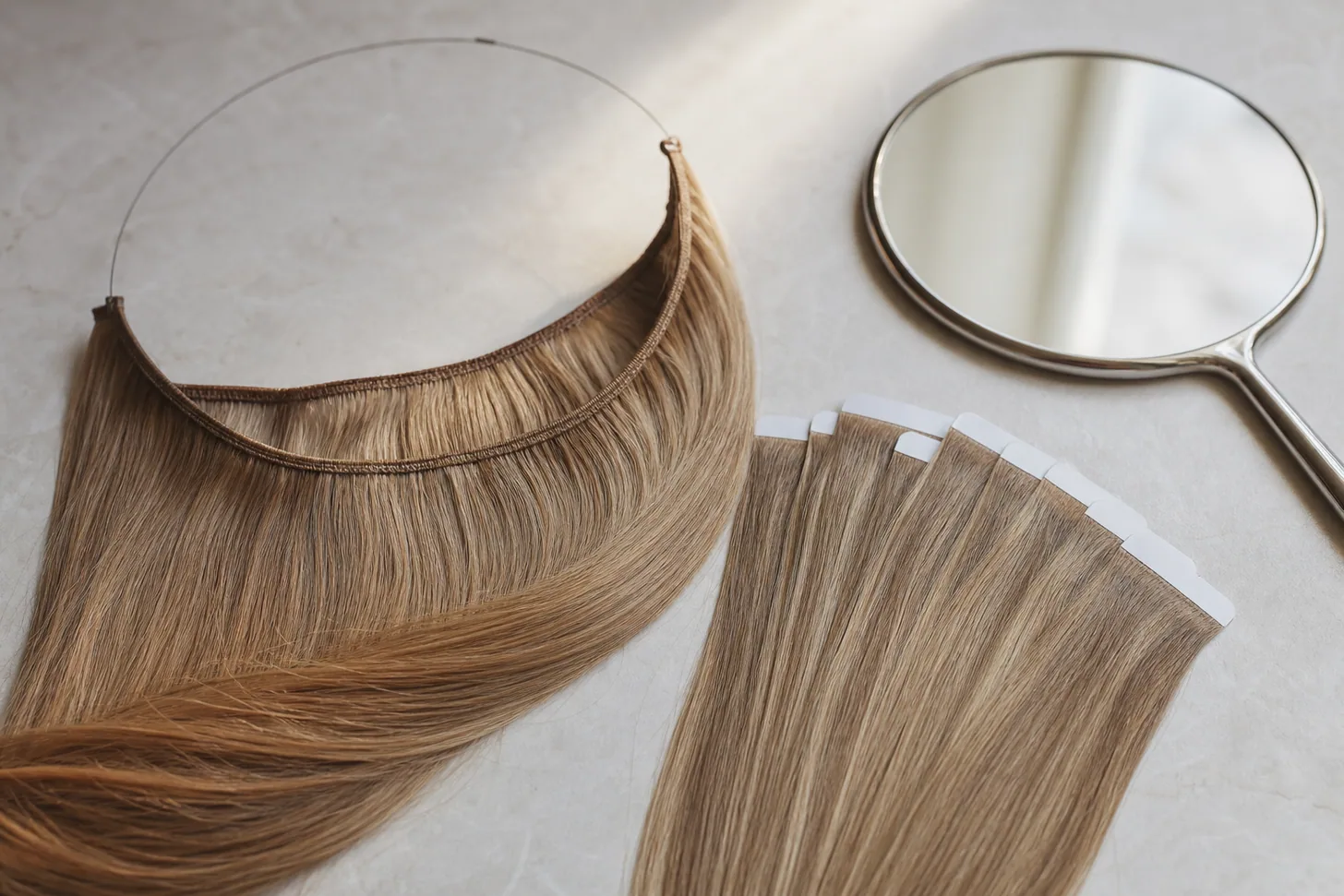
Halo hair extensions often work better on thin hair than any other kind of extension, because they don't attach to your hair at all. A single weft hangs from a thin, clear wire that sits around the crown like a headband, so the weight rests on your head instead of pulling on fine strands, and there is nothing to glue, bead or tape.

The catch is coverage: you need enough of your own hair above the wire to hide it. On very thin hair at the crown, that is the deciding factor. Below is how to tell if a halo will work for you, how to choose one, and how to put it on so the wire disappears.

Woman with fine light-brown hair wearing blended halo extensions for length and fullness

How halo extensions work

A halo is one long weft of hair attached to an adjustable clear wire. You place the wire on top of your head, behind the hairline, then pull your own hair up and over it so the weft sits underneath your hair at the back and sides. Most have a couple of small clips to stop the weft from shifting. It goes on in a few minutes and comes off at night.

Are halo extensions good for thin hair?

For many people with fine or thin hair, yes. Tape-ins, beads and bonds hold onto your own strands, and the weight of the extension pulls on them every day. With a halo, the wire spreads the weight across your head and your strands carry nothing. That is why our guide to hair extensions for fine hair ranks halos as the gentlest option.

What decides it is the hair above the wire. If you have enough hair at the crown and sides to fall over the wire and the top of the weft, it works. If the crown is very thin, the wire and weft can show through.

The coverage test

  1. Part your hair where you usually do.
  2. Draw a line with your fingers from just above one ear, across the back of the crown, to the other ear. That is where the wire sits.
  3. Lift all the hair above the line, then let it fall. If it covers the line without showing scalp in a mirror from behind and the sides, a halo should work.

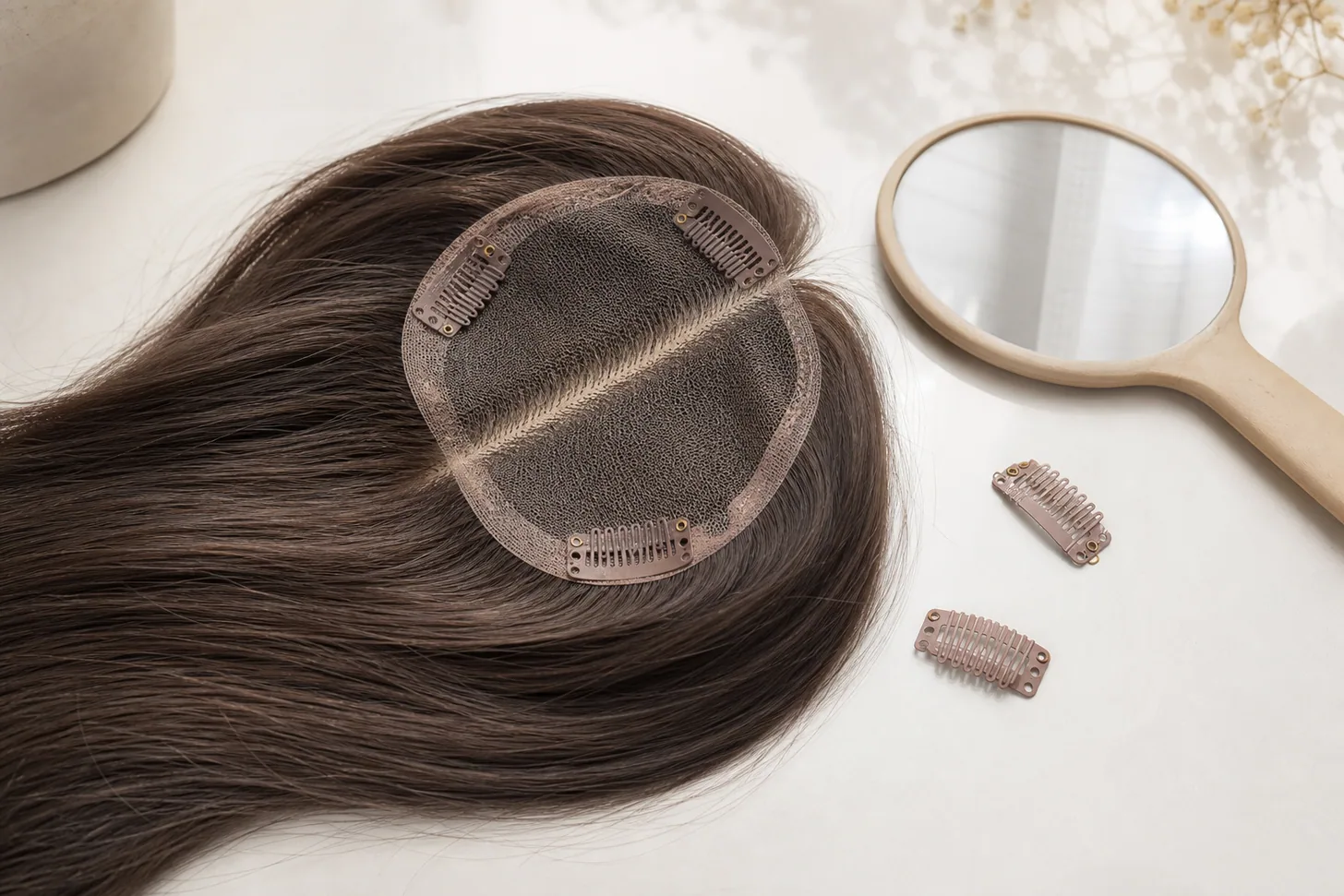
If you can see scalp along that line, a hair topper that adds hair on top may suit you better.

Chair-side note

The most common mistake I see is a halo that is too thick and too long for the hair above it. The extensions look like a separate layer underneath, and the contrast makes your own hair look thinner. Choose a length only a few inches past your own, and a weft that matches your density, not the fullest one in the range.

Megan HollowayMH
— Megan Holloway, Editor-in-Chief

How to choose a halo for thin hair

  • Weight: choose the lighter options. There is no fixed rule for how much your hair can carry, so judge by comfort: after a day, you should forget you're wearing it.
  • Length: two to six inches longer than your own hair blends best. Very long extensions on short, fine hair look obvious.
  • Color: match your ends, not your roots. Many people with highlights or balayage need a blended color.
  • Hair type: human hair can be heat-styled to match your own and lasts longer; synthetic is cheaper but shinier and can't take most heat.
  • Wire fit: it should sit snugly without pressing. Most wires can be adjusted.

How to hide the wire on thin hair

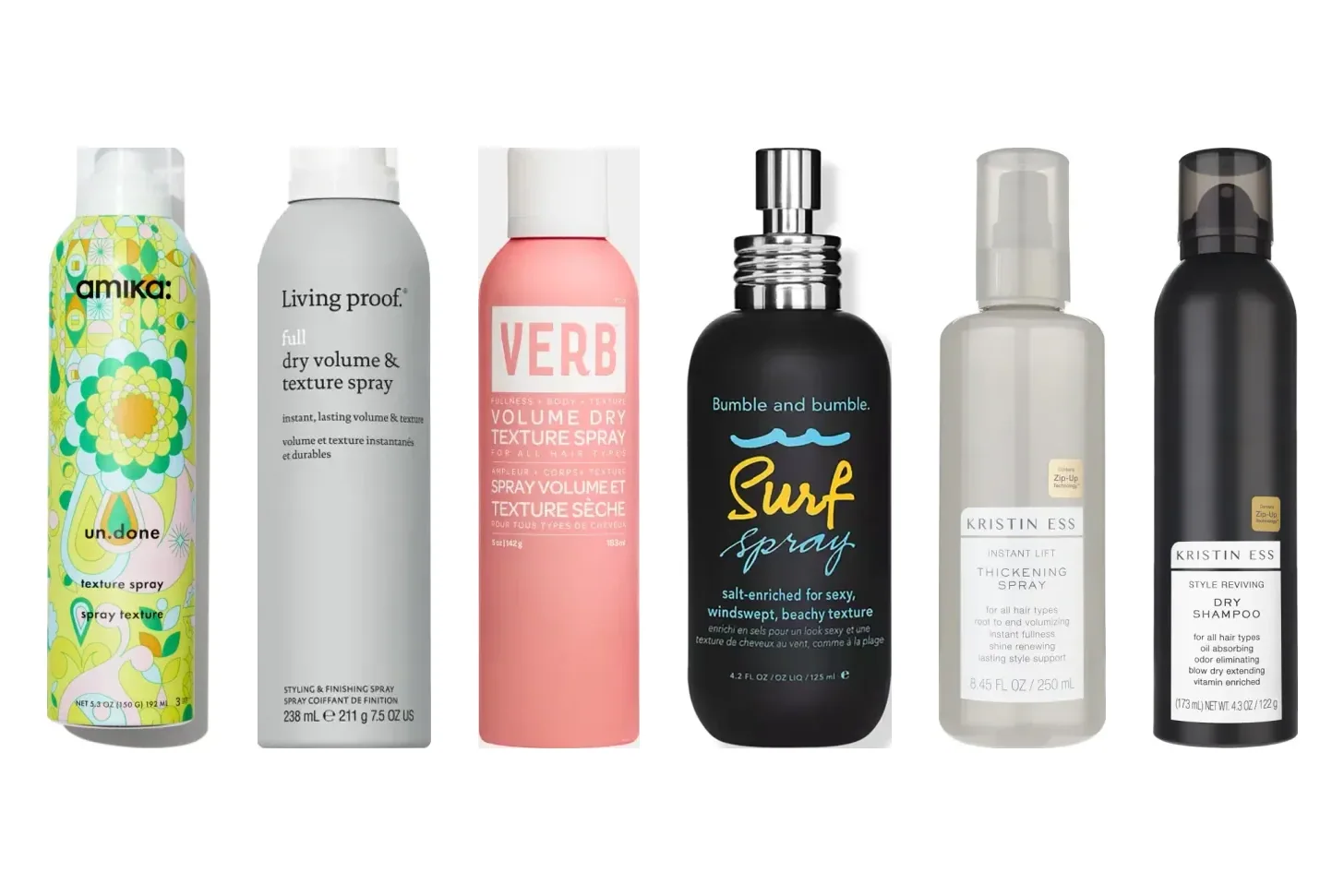
  • Add texture first. A texture spray or dry shampoo at the roots gives your hair grip and lift to cover the wire.
  • Curl or wave both. Curling your own hair and the extensions together blends the layers. See how to curl fine hair.
  • Place the wire a little lower at the back, where more hair falls over it.
  • Avoid high ponytails. They lift the hair off the wire. Half-up styles with a clip at the back can work.

Who should skip a halo

  • Your crown is very thin or you have a widening part on top. The wire will show. A topper covers the top instead.
  • You want to wear your hair up most days. Halos don't work in high ponytails or updos.
  • You get headaches from headbands. The wire can cause the same pressure.
  • You want to sleep, swim or exercise in them. A halo comes off for all of those.

FAQ

Often, yes. They sit on the head with a wire instead of attaching to your hair, so they don't strain fine strands. You need enough hair at the crown to cover the wire.

It can show if the hair above it is very thin. Adding texture at the roots, placing the wire a little lower and curling both layers together helps hide it.

They are the least damaging type for most people, because nothing is attached to your hair. Take them off to sleep and avoid wearing a wire that presses.

About two to six inches longer than your own hair blends best. Much longer extensions look obvious on fine hair.

No. Take a halo off at night, and before swimming or exercise.

A halo adds length and fullness below the crown. A topper adds hair on top. If your thinning is at the crown or part, a topper usually works better.

Related reads

Megan HollowayMH
Megan Holloway
Editor-in-Chief · Licensed Cosmetologist & Certified Trichology Practitioner

Fourteen years in fine-hair care, eight of them behind the chair. Megan's rule for hormonal thinning: photograph the part, not the drain.

More from Megan →

Results vary with hair type, density and growth patterns. This guide is educational and not a substitute for advice from a licensed stylist or extension specialist.

Images in this guide are AI-generated illustrations, not photos of real clients or results. See our image policy.